Innovations in Drilling Fluids and Mud Recycling Systems
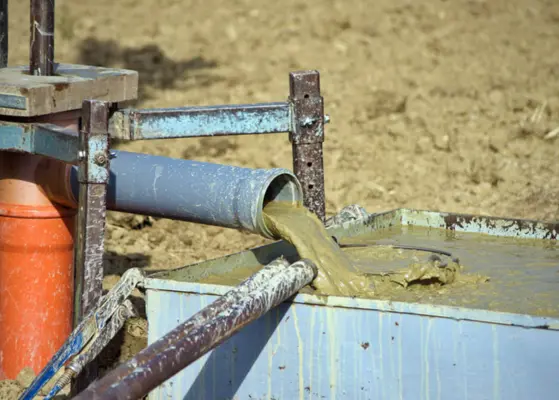
Horizontal directional drilling cannot do without the use of drilling fluids for stabilizing boreholes, cooling equipment, and transporting cuttings to the surface. Currently, these fluids are not just simple mixtures as they were in the past but have now become highly advanced formulations that greatly improve drilling efficiency and reduce negative impact on the environment.
Mud recycling systems have been playing a significant role in promoting sustainable construction practices along with fluid improvements. These two factors are the major ones that lead to the changes of the execution of drilling projects in environmental and urban areas with strict requirements.
The Role of Drilling Fluids in horizontal directional drilling
Drilling fluids are the main factors that help maintain a borehole's condition and allow drilling to continue without interruption. Besides that, they also serve as lubrication for the drill head and stabilize the surrounding soil, thus making the collapse prevention easier. In addition to that, they take rocks and soil cuttings and carry the resulting mix to the surface, thus maintaining a clean working environment. The modern drilling fluids are supplemented by additives that enhance viscosity, reduce friction, and resist contamination. Performers can achieve the desired drilling rate and avoid borehole collapse through the prudent use of fluid formulations taking into consideration soil types and project conditions.
Advancements in Fluid Technology
Most of the changes in drilling fluid technology that have been recently implemented are related to performance, environmental friendliness, and potential reuse. The fluids become more environmentally friendly due to biodegradable components that reduce the chemical hazards in both soil and water. Since the additives improve cuttings suspension and flow properties, the fluids remain efficient even in difficult ground conditions. A number of fluid types are intended to be used in conjunction with automated monitoring systems that allow instant feedback on density, viscosity, and pressure. Besides contributing to drilling efficiency, the solutions in these fluids also reduce machine stoppage times and lower the environmental footprint of horizontal directional drilling projects.
Mud recycling systems have become standard equipment on most horizontal directional drilling projects. These systems isolate cuttings from drilling fluid, which is then reused. Such activities reduce the consumption of fresh water and raw materials, lower the costs of disposal, and diminish waste generation.
Best Practices for Fluid Management
Accurate fluid management is one of the main necessities for the implementation of successful projects of horizontal directional drilling. The drilling fluid usage by the contractors should be detailed in the plan and the monitoring should be done continuously so as to minimize the impact on the environment and to guarantee the smoothly flowing operations. The implementation of the plan calls for advanced methods of filtering to recover the impurities and the cuttings, checking the viscidity, density, and temperature of the fluid on a regular basis, and amending the fluid composition in accordance with the soil and the stages of the project. Operators also have to hold a closed-loop system to recycle fluids fast and to cut down on waste since they are required to comply with standards set by regulators regarding environmental protection. Personnel training in recognizing the first signs of fluid degradation or contamination is equally essential, as it ensures the arrival of corrective measures to the site without delay preventing downtime and damage to the equipment. Proper fluid management is instrumental in facilitating borehole stability, lowering friction levels between drill heads and the earth, as well as enhancing the flow of cuttings to the surface resulting in overall drilling effectiveness and safety.
Trends Affecting the Future of Fluid Innovation
Developments in drilling fluids and mud recycling are inclined to emphasize the aspects of automation, sustainability, and precision. In many modern systems, there are sensor devices that incessantly observe the fluid characteristics and effect necessary parameter changes so as to maintain the most proper performance. Digital dashboards present to the operators the situational view of fluid usage, recycling efficacy, and environmental compliance, thus giving a real-time picture of the processes. Consequently, the manual oversight is less needed. The employment of biodegradable additives and the use of low-toxic formulas are becoming more widely used, especially in the case of projects near sensitive ecosystems, since this limits the chemical impact while the fluids are kept at their performance level.
To know more about advanced drilling fluids and mud management systems, go through the complete report.
Sustainable Drilling for Modern Infrastructure
The improvements in drilling fluids and mud recycling have provided the means for contractors to deliver efficient, reliable, and environmentally friendly horizontal directional drilling projects. With improved fluid performance and less waste, operators can ensure borehole stability, environmental protection, and timely completion of projects. These technologies are a good example of how efficiency and sustainability can be improved through proper planning and the use of advanced equipment. The implementation of these measures will be inevitable for the future drilling practices if we want to ensure long-term infrastructure development with minimal environmental harm as urban development and underground utility networks continue to expand.











Share