Trends Driving the EMS Vehicle Expansion
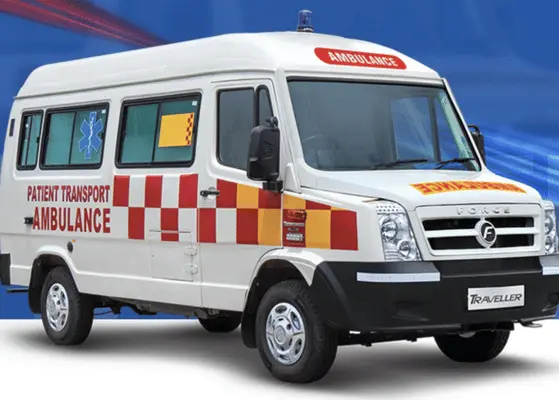
Emergency Medical Services are experiencing radical transformation as the demand for quicker, more efficient, and technologically advanced response vehicles grows. EMS ambulances are no longer a simple transportation vehicle but a mobile care center that is capable of offering essential medical care in urban, rural, and remote areas. Several critical drivers are fueling this transformation, which range from government incentives and urbanization to private investment, healthcare infrastructure expansion, and demographic shift. These elements are critical for defining the evolving EMS operations environment and revealing opportunities for innovation, operational efficiency, and better patient care.
Government Trends in Financing
Government policies, grants, and fiscal incentives are the driving force behind EMS vehicle growth all over the world. The majority of nations recognize the importance of enhancing emergency response infrastructure and making significant investments into enhancing and modernizing EMS fleets. Funding programs typically cover the acquisition of new ambulances, integration of telehealth, advanced life support equipment, and vehicle tracking technology. Public-private initiatives also enter the scene, enabling governments to partner with manufacturers and service providers to offer stable EMS solutions. Beyond direct funding, regulatory legislation and standardization laws enable the use of safer and more efficient ambulances, offering quality emergency response across the board.
Impact of Urbanization
More urbanization is creating increased demand for EMS vehicles in crowded areas. While expanding metropolitans, traffic jams, population, and more medical emergencies create immense pressure on EMS operations. Urban areas require more agile, quicker-moving vehicles with advanced navigation systems to reach the site of incidents in time. Highly populated cities also have a greater percentage of non-emergency medical transport, which requires flexible vehicle forms such as patient transport vans and mobile clinics. The growth of urban populations also drives investment in telehealth integration and IoT monitoring for enhancing route planning, response time, and coordination with emergency departments and hospitals.
Private Sector Investment in Ambulances
Private sector investment is yet another critical driver of EMS vehicle growth. Private ambulance companies, hospitals, and healthcare technology firms are investing in new fleets, advanced equipment, and new EMS solutions. Partnerships between private providers and local authorities enable upgrading of fleets, expanded coverage, and improved patient outcomes. Private sector investment also finances research and development, which helps manufacturers design electric or hybrid ambulances, smart monitoring systems, and disaster response or rural deployment-targeted EMS vehicles. Private sector investment in infrastructure and technology makes EMS services more resilient, responsive, and agile.
Rising Healthcare Infrastructure in Emerging Economies
Emerging market healthcare infrastructure development is creating huge opportunities for EMS vehicle development. As hospitals, clinics, and emergency services expand, there is an increased demand for equipped ambulances and rapid response vehicles. Government and private investors in these nations are investing heavily in replacing EMS fleets with next-generation vehicles that are integrated with advanced life support features, telemedicine facilities, and networked fleet management technologies. Improved infrastructure not only facilitates faster patient transportation but also enhances availability of specialized treatment in remote or underserved areas. Greater focus on healthcare availability and emergency preparedness ensures EMS vehicle adoption continues to rise based on local healthcare development.
Aging Population and EMS Demand Forecasting
Population age structures, most significantly the aging population, are driving EMS demand. Older adults are more susceptible to medical emergencies requiring speedy response, such as cardiac events, stroke, and falls. EMS agencies are responding by forecasting future demand and purchasing vehicles that can accommodate more patients and diverse medical conditions. Fleet managers are able to utilize data-driven forecasting in the deployment of vehicles, keeping vehicles on schedule, and improving route planning for accommodating growing demand. By balancing EMS vehicle capability with demographic trends, healthcare providers can deliver better and more efficient emergency care for vulnerable populations.
Fueling Innovation in EMS Vehicle Design
Growth drivers also fuel innovation in vehicle function and design for EMS vehicles. The manufacturers are designing ambulances with modular interiors to accommodate specialized equipment more effectively, enhance patient capacity, or provide mobile clinics. Smart dashboards, on-board telehealth terminals, and real-time monitoring systems are becoming standard, enabling paramedics to more effectively provide care. These technologies enable EMS vehicles to be adaptable enough to deal with all types of emergency situations, from city rush hour traffic congestion to rural highways, without compromising response time or patient safety. By balancing design improvements with operational needs, EMS organizations are creating vehicles that are not only capable, but forward-looking
To learn more about EMS vehicle technology, adoption patterns, and operational practices, refer to our EMS Vehicle Market Report
Focusing in on Smarter EMS Fleets
While emergency medical services evolve, the main concern remains equipping EMS vehicles with equipment to save lives effectively. Fleet development, technology adoption, and operating practices will continue to be shaped by drivers of growth such as government investment, urbanization, private investment, healthcare infrastructure, and demographic change. With an understanding of these drivers, EMS organizations can make informed decisions, improve patient care, and create robust, responsive, and future-proofed fleets. Smarter EMS fleets will create a quicker, safer, and more connected environment for emergency response that benefits communities everywhere.











Share