LNG Bunkering Gains Ground in the United Kingdom Maritime Fuel Mix
The LNG bunkering landscape in the United Kingdom is shifting at a faster pace than many expected. Demand is surging as shipowners target lower emissions, and port authorities position infrastructure to support cleaner marine fuel choices. LNG is taking a bigger shape in the commercial bunker fuel in the United Kingdom as vessels operating along the North Sea, North Atlantic, and European trade corridors rethink energy strategies.
For suppliers, LNG is not replacing fuel oil overnight, but it is opening new revenue pools. Companies that strategized early are now shaping service models, technical guidance, and partnership structures to capture long-term growth in the market. Operators who need emissions progress without major propulsion redesigns are leaning towards LNG as a bridge fuel, and infrastructure investments are catching up.
New Infrastructure Sets a Stronger Commercial Base
The United Kingdom’s LNG bunker market growth is majorly boosted by a surging number of infrastructure upgrades. Ports such as Southampton, Felixstowe, and Immingham have been adding LNG service capability as part of broader decarbonization strategies. Southampton stands out in this regard, as after securing LNG bunkering permissions and storage improvements, the port supports multiple ship calls from cruise operators switching toward lower-emission voyages.
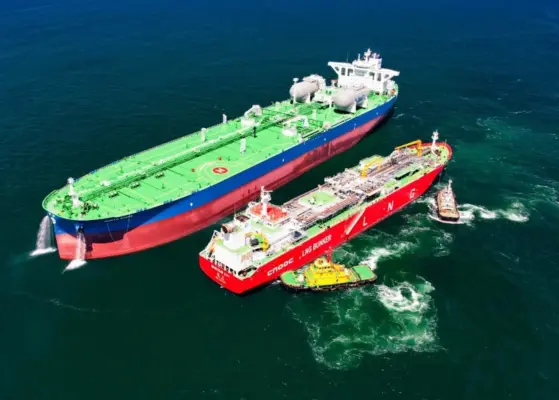
Firms like Repsol and Titan LNG are expanding supply footprints in Northern Europe. Titan’s LNG bunker vessels, including Krios and Hyperion, already operate across the North Sea. This existing capacity lowers the barrier for United Kingdom ports to integrate LNG bunkering into regular marine fuel operations, making future alignment far more practical.
As LNG storage and transfer systems scale, cost efficiency gets better and pricing becomes more competitive versus marine gasoil and very low sulfur fuel oil. Suppliers see LNG as a way to lock in value, not only for emissions compliance but for fuel cost stability when oil markets fluctuate widely.
Shipping Companies Drive Stronger LNG Signaling
Vessel operators are pushing the conversation forward. CMA CGM expanded its LNG-powered fleet above 30 vessels in October 2025 and continues routing more LNG ships through European waters. Although not all vessels operate directly through United Kingdom ports, the company’s network strategy influences LNG availability along shared corridors.
Meanwhile, companies like DFDS are adding more LNG-fueled ro-pax ferries to their North Sea services, and cruise lines like Carnival Corporation steadily increase LNG tonnage that will rely on United Kingdom docking and provisioning. As more LNG-capable ships enter the system, bunker demand rises naturally.
For United Kingdom bunkering firms and traders, LNG means more predictable off-take opportunities. Contracts around LNG tend to run longer, and customers lean heavily on supplier expertise such as fuel planning, energy cost modeling, and bunker schedule optimization. Those advisory layers open new margin streams that traditional oil-based supply rarely offered.
Emissions Gains Become a Selling Point
LNG’s carbon profile is improving its reputation across the United Kingdom marine supply chain. While LNG is not carbon-free, it reduces CO₂ emissions to a significant extent and cuts sulfur and particulate output sharply. Shipowners also see value in meeting emissions rules now rather than waiting until compliance pressure peaks.
Cost Dynamics Still Shape Adoption
Although LNG bunkering is more available, cost remains a point of debate. LNG pricing can be volatile due to European gas market fluctuations, and that creates uncertainty for bunker buyers.
A number of traders now package LNG fuel supply with fixed index pricing or hedging structures that smooth volatility. Buyers get clearer cost modeling, and suppliers gain steadier demand. Shipowners also weigh the total cost of ownership and not just bunker pricing. LNG engines can deliver better operational efficiency and lower maintenance costs in some vessel classes.
Supply Partnerships Build Market Confidence
One emerging trend in the market is the rise in the number of supplier–shipowner partnerships. LNG requires training, safety procedures, emissions reporting, vessel scheduling, and technical troubleshooting.
Bunker suppliers like Gasum are expanding their marine LNG offering across Northern Europe, reinforcing a supply corridor that may shape future United Kingdom links. Meanwhile, GAC Bunker Fuels increased customer advisory programs focused on LNG feasibility and voyage management.
Port authorities, energy firms, and bunker companies are testing joint frameworks for LNG safety protocols and digital booking systems. Over time, these measures are expected to lower barriers to procurement and make LNG feel like a standard marine fuel rather than a niche choice.
To learn more about LNG adoption, product trends, and fleet strategies, view the United Kingdom Bunker Fuel Market
LNG Helps Port Authorities Compete for Trade
UK ports see LNG capability as a competitive advantage, as cruise operators want cleaner fuel access at docking points. While cargo carriers want bunkering options that reduce regulatory risk, ferry operators want stable energy planning. Ports that can supply LNG gain stronger momentum in this regard.
Southampton and Felixstowe are key examples. Their LNG positioning attracts operators to plan long-term vessel routing. As more LNG-ready ships enter the global fleet, the United Kingdom must offer supply capability or risk losing port calls.
For suppliers, LNG-ready ports expand distribution footprints and deepen commercial engagement with large global fleets. For ports, LNG capability signals modernization and environmental responsibility.
LNG bunkering is creating fresh momentum in the United Kingdom marine fuel space. Infrastructure investments are scaling, fleet operators are expanding LNG-ready tonnage, and suppliers are building commercial models that turn cleaner fuels into profitable channels. The market continues to experience challenges, especially around gas pricing and operational complexity. As the maritime sector works through decarbonization demands, LNG is expected to remain a central fuel option across United Kingdom trade routes, shaping port competitiveness and bunker supply strategies for the next decade.










Share