Key Trends in United States Home Textile Distribution Channels
The home textiles industry in the United States is changing with respect to distribution channels as a result of the changing consumer habits and technological changes that affect the marketplace. Rotational retail is still relevant, but digital distribution methods are changing the way consumers receive their products.
On-line shopping offers much more convenience, product offerings, and pricing advantages to consumers, especially the younger, more technology focused shopper. Brick-and-mortar retailers are creating tangible retail experiences and managing customer service details in ways that digital channels cannot. Wholesale as well as B2B sales remain part of the supply chain funnel and continue to grow the hospitality and commercial sectors of the market.
Growth of E-Commerce and Omnichannel Strategies
The growth of online sales in home textiles is significant since consumers are able to shop at their own convenience, regardless of time of day and where they are shopping from. Retailers are developing more responsive and easier to use sites and apps for online shopping, managing online demand through marketing in social media. Omnichannel strategies such as buy online pick up in store (BOPIS) are valuable, but integrated inventory that allows fluid customer activity between retail and e-commerce is the goal. Companies who can bridge their physical and digital businesses will have increased customer loyalty and represent the brand into new markets.
Retailers Focus on Experiential and Niche Offerings
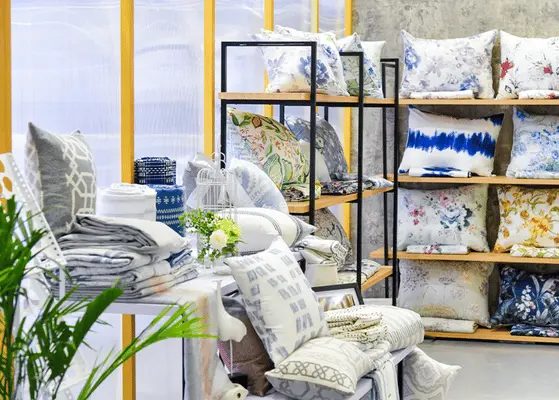
Physical stores are evolving into showrooms that emphasize sensory engagement, touching fabrics, exploring textures, and personalized consultations. Specialty retailers focus on curated collections, sustainable textiles, and premium brands in order to differentiate themselves. Increased demand for natural and eco-friendly textiles has driven niche retailers and boutiques that cater to conscious consumers. These stores combine authenticity with expert knowledge, appealing to shoppers seeking quality and transparency.
Wholesale and Commercial Distribution
Wholesale remains vital for supplying hotels, interior designers, and real estate developers with bulk home textile products. Commercial demand for durable, functional, and aesthetically pleasing textiles supports this channel’s stability. Manufacturers collaborate closely with wholesalers to develop customized solutions, ensuring that textiles meet the unique needs of hospitality and commercial clients while maintaining quality standards.
Direct-to-Consumer Brands Disrupt Traditional Distribution
Direct To Consumer (DTC) brands are still inventively selling products by eliminating retail middlemen and selling through their own e-commerce. DTC sites offer and greater level of control and flexibility customization opportunities to brand, sales, and consumer experience. While most DTC brands have been specializing in ethically sourced, e-commerce, and customization, their success reflects the vast opportunity for transparency, storytelling, community, and responsibility among modern textile distribution technology.
Role of Marketplaces and Drop Shipping
Home textile distributors are increasingly using online retailers, such as Amazon, Wayfair, and Etsy as drop ship hubs. These sites provide drop ship businesses the ability to scale while reaching larger audiences for visibility. Drop ship inventory systems benefit small and medium-sized textile businesses immensely. However, in these processes brand image and product quality can be hard to maintain.
Blending Social Media and Technology
Social commerce is quickly gaining traction, more and more social media accounts of brands selling product in real time to customers as they transgress across social media sites. The use of augmented reality (AR) applications to visualize the product and mobile-first approaches are critical in attracting shoppers who are accustomed/use technology. Online retailers who enact unwritten tools as a part of their omnichannel initiatives will have greater insight into advocating for consumer preferences, which will fortify personalized recommendations as well as the purchase journey.
For deeper analysis of distribution and retail trends, explore our United States Home Textiles Market
Distribution Channels Define the Market’s Evolution
The United States home textiles marketplace is undergoing substantial change, as distribution channels transition from digital to the experiential retail space. The home textiles marketplace must not only have the ability to distribute products in an omnichannel manner but simultaneously deliver the consumer experience through all touchpoints to meet various demands and solidify their position in a competitive marketplace.
Consumers prefer a hybrid relationship with the brand across digital and physical touchpoints, where they can research, browse, and purchase on and offline. Digital sources meet the convenience consumers desire with e-commerce as they offer unique product selections personalized for each consumer using data analytics, and an expanded range of products and brands to choose from. Experiential retail such as interactive showrooms, experiential pop-up stores, and design studios provide immersive brand experiences that instill a heightened emotional connection to the brand while also fostering an attachment to the brand, leading to loyalty.









Share