

Consumer Insights
Uncover trends and behaviors shaping consumer choices today
Procurement Insights
Optimize your sourcing strategy with key market data
Industry Stats
Stay ahead with the latest trends and market analysis.
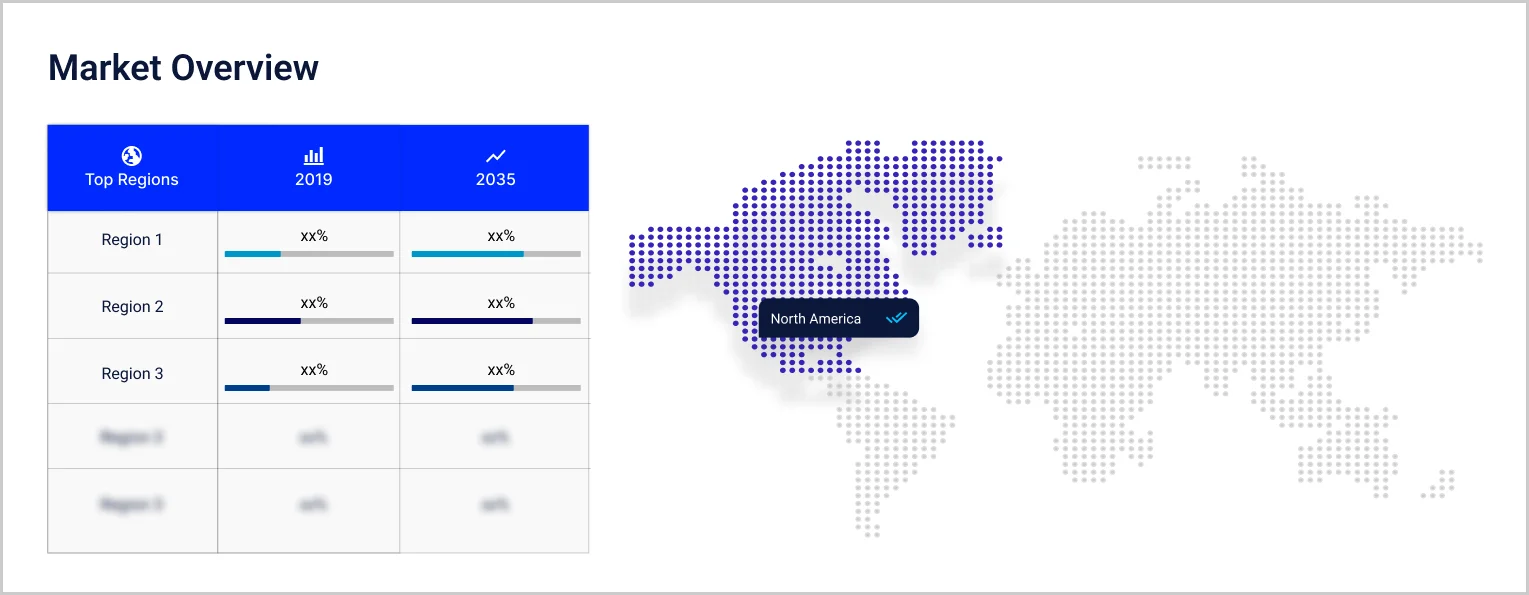
The United States home textiles market attained a value of USD 11.15 Billion in 2025. The market is expected to grow at a CAGR of 4.20% during the forecast period of 2026-2035. By 2035, the market is expected to reach USD 16.82 Billion.
Growing environmental consciousness is pushing consumers and brands in the United States toward sustainable home textiles, such as organic cotton, recycled fibers, and eco-certified goods. In September 2025, Minnesota-based Faribault Mill launched a sustainable, affordable blanket line, crafted from a blend of lambswool, recycled polyester, and both recycled and virgin cotton. Manufacturers are also responding by using plant-based materials and avoiding harmful dyes, earning trust through eco-labels. This movement is transforming supply chains and product design, reinforcing green practices as central to competitive advantage in home décor.
Digital retail is enhancing the United States home textiles industry value. Shoppers favor online convenience, broader selections, and virtual tools, spurring brands to enhance mobile platforms, apps, and omnichannel strategies. This expansion widens reach, improves personalization, and pushes seamless transitions between online and offline purchase experiences. Furthermore, technologies, including AI-powered recommendations, AR-based virtual try-ons, and real-time inventory tracking are making the online experience more intuitive and engaging.
Compound Annual Growth Rate
4.2%
Value in USD Billion
2026-2035
| United States Home Textiles Market Report Summary | Description | Value |
| Base Year | USD Billion | 2025 |
| Historical Period | USD Billion | 2019-2025 |
| Forecast Period | USD Billion | 2026-2035 |
| Market Size 2025 | USD Billion | 11.15 |
| Market Size 2035 | USD Billion | 16.82 |
| CAGR 2019-2025 | Percentage | XX% |
| CAGR 2026-2035 | Percentage | 4.20% |
| CAGR 2026-2035 - Market by Region | Far West | 4.9% |
| CAGR 2026-2035 - Market by Region | Southwest | 4.3% |
| CAGR 2026-2035 - Market by Product Type | Curtains and Draperies | 4.8% |
| CAGR 2026-2035 - Market by Material | Cotton | 4.7% |
| Market Share by Region | Southwest | 12.3% |
United States-based Parachute launched its first mass retail collection exclusively at Target. The multi category assortment includes over 200 items, from bedding to towels and robes. Available online and in nearly 90 Target stores, the collection blends luxury fabrics like organic cotton and linen blends with accessible pricing.
Indo Count Global Inc. acquired Modern Home Textiles Inc., a Phoenix based utility bedding maker. The deal adds an annual capacity of 8 million pillows, expanding United States manufacturing to 13 million pillows and 1.5 million quilts. This strengthened its distribution across the Midwest and West, aiming for over USD 85 million in yearly revenue.
Welspun USA Inc. acquired Christy Home Inc. for USD 300,000. The move marks a strategic expansion into the United States home textiles market. The acquisition is expected to position Welspun to strengthen its presence and brand influence across North America through localized operations and enhanced distribution capabilities.
Yunus Textiles Mills Limited introduced Sunday Linens to the United States at the New York Home Fashions Market. This lifestyle brand features comfortable, sustainable bedding, quilts, sheets, and blankets designed with global aesthetic sensibilities. It marks the company’s first fully curated line tailored for the regional market.
Urban growth and smaller living spaces are inspiring the compact, functional, and aesthetically pleasing home textiles demand in the United States. In 2024, approximately 83.5% of the United States population resided in urban areas. This shift encourages innovation in multi-purpose textiles, such as space-saving designs, easy-care materials, and modular products, that maximize utility without compromising style. As urban dwellers seek to personalize and optimize limited spaces, brands are responding with versatile, durable, and visually appealing home textiles that fit contemporary lifestyles.
Tech-infused home textiles like antimicrobial, temperature-regulating, moisture-wicking, and sensor-enabled fabrics are gaining popularity in the United States. American Textile Company introduced bedding with HeiQ Allergen* Tech in March 2023, which is reducing allergens from dust mites, cats, and dogs through bio-based technology. This trend is fuelled by increasing health consciousness and smart home penetration, uniting comfort with advanced functionality for contemporary living spaces. Further, textile technology advancements make possible greater durability, resistance to stains, and effortless maintenance, attracting busy shoppers.
Instagram, TikTok, and Pinterest heavily influence home decor trends, contributing to the United States home textiles industry share. This is encouraging consumers to copy styles and buy inspired collections, speeding up trend cycles and assists brands in getting discovered in the home textiles category. Influencers, interior designers, and lifestyle bloggers edit aspirational homes that influence buying behavior in real time. Since visual beauty influences consumer decisions, brands are more and more partnering with online creators to introduce unique collections and riding on user-generated content to foster community and credibility.
There is growing demand for plush, indulgent textiles like velvets, microfibers, luxury bedding, especially among affluent and comfort-oriented buyers. Consumers are investing in texture-rich, high-quality pieces that elevate home comfort while making design statements. Brands are responding by offering artisanal finishes, organic fibers, and designer collaborations that emphasize exclusivity and sophistication. In May 2024, Boll & Branch unveiled its Summit Supima line crafted from rare, American-grown organic Supima cotton, celebrated for its softness, luminous sheen, and artisanal quality.
As personal income levels rise, consumers are increasingly spending on decor, influencing the United States home textiles market outlook. This increased discretionary spending fuels demand for premium, customized, and design-forward home textiles, ranging from luxury bedding to artisan-crafted throws and curtains. Higher income brackets are also driving interest in sustainable and ethically sourced materials, where quality and values align. Additionally, home improvement and renovation projects, often driven by lifestyle upgrades, are boosting purchases of coordinated textile collections that enhance visual appeal and comfort.
Read more about this report - REQUEST FREE SAMPLE COPY IN PDF
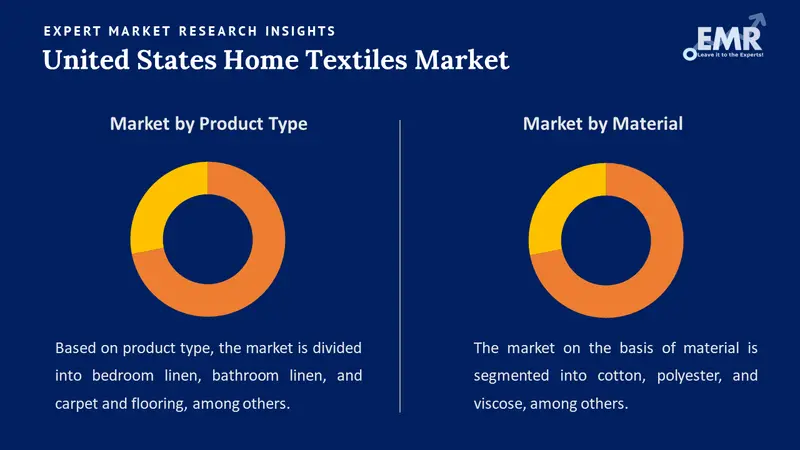
The EMR’s report titled “United States Home Textiles Market Report and Forecast 2026-2035” offers a detailed analysis of the market based on the following segments:
Market Breakup by Product Type
Key Insight: Bedroom linen is the most dominant segment, driven by high consumer demand for sheets, duvet covers, pillowcases, comforters, and mattress protectors. Rising health awareness and luxury lifestyle trends are pushing sales of breathable, hypoallergenic, and organic bedding. In August 2025, California-based Coop Sleep Goods introduced a premium bedding line blending 51% European flax linen and 49% cotton, offering temperature regulation and moisture-wicking properties. E-commerce platforms further support growth by offering curated collections and customization.
Market Breakup by Material
Key Insight: Cotton remains the leading material in the United States home textiles market due to its natural feel, breathability, and durability. Organic cotton, certified by GOTS or OEKO-TEX, has gained significant traction as sustainability awareness grows. Major players like Brooklinen, Boll & Branch, and The Company Store focus heavily on high-quality cotton collections. Consumers value its hypoallergenic and moisture-absorbing properties, especially for sleep and bath products. Cotton’s versatility allows it to serve both luxury and budget segments effectively, solidifying its top position among textile materials in the American home.
Market Breakup by Region
Key Insight: The Far West region, including California, Oregon, and Washington, is adding to the United States home textiles market revenue due to its large population, high urbanization, and affluent consumer base. California’s booming real estate and design industries fuel demand for luxury and sustainable textiles. In September 2025, Pottery Barn launched a stylish bedding collection, blending modern touches with nostalgic charm The region's tech-savvy population also embraces smart textiles and online shopping, making it a crucial market for innovation-driven home textile launches and e-commerce expansion.
Read more about this report - REQUEST FREE SAMPLE COPY IN PDF
Bathroom Linen & Carpet and Flooring to Gain Popularity in the United States
Bathroom linen, including towels, bathrobes, bath mats, and shower curtains, holds a large United States home textiles industry share. The segment benefits from both functionality and design appeal. Consumers are increasingly investing in high-GSM towels, quick-drying fabrics, and antimicrobial materials. Spa-inspired bathrooms have also become a trend, boosting demand for luxurious and coordinated bath linens. Hotel-style and minimalist collections further attract mid- to high-income buyers. Bathroom linen remains essential in households and is bolstered by frequent replacements and gift purchases.
Carpet and flooring textiles occupy a growing remuneration of the market. Rugs and carpets are increasingly seen as statement pieces, offering aesthetic value alongside comfort and noise reduction. The popularity of area rugs has helped this segment grow. The segment also sees interest in sustainable and recycled materials. In January 2025, Anderson Tuftex unveiled Heirloom, a sustainable wool line for luxury buyers, and Departures, made from 100% recycled nylon with spill-proof backing, available via select high-end retailers.
Polyester & Viscose Home Textiles to Garner Interest in the United States
Polyester is contributing to the United States home textiles market growth due to its affordability, durability, and ease of maintenance. Often blended with cotton or used independently, polyester is widely found in bedsheets, curtains, and upholstery fabrics. Brands use polyester to provide cost-effective, easy-care textiles for the average household. In July 2024, ADVANSA launched ADVA®terra, a groundbreaking polyester filling fiber that is 100% recycled, recyclable, and biodegradable. Recycled polyester (rPET) is also gaining attention, especially among sustainability-minded buyers.
Viscose occupies a smaller portion of the market revenue but is valued for its silk-like softness and elegant drape, often used in decorative textiles and luxury bedding. It's popular in blends to enhance fabric aesthetics without significantly increasing costs. Brands catering to mid-range and upscale consumers incorporate viscose into pillow shams, throws, or fashion-forward curtains. Innovations in sustainable viscose production, such as Lenzing’s EcoVero are helping address these challenges. Still, compared to cotton and polyester, viscose remains a niche, style-driven material choice.
Surging Home Textiles Demand in Great Lakes & Southeast
The Great Lakes region, covering Illinois, Michigan, Ohio, and neighboring states, is gaining momentum in the United States home textiles market. The region’s colder climate boosts sales of warm bedding and plush textiles. Industrial manufacturing hubs also support local textile production and innovation. The Great Lakes market benefits from strong wholesale distribution networks and growing e-commerce adoption. At the same time, growing e-commerce adoption, especially among younger and value-conscious consumers is accelerating direct-to-consumer home textile sales, helping brands capitalize on real-time market trends
The Southeast, including states like Florida, Georgia, and the Carolinas, is a fast-growing market. Increasing urbanization and rising incomes are driving demand for both decorative and functional textiles. As per U.S. Census estimates, Florida was home to 23,372,215 residents as of July 1, 2024. The warm climate encourages sales of breathable fabrics like cotton and linen, while the rising retirement population increases interest in comfort and luxury bedding. The region’s expanding retail infrastructure and strong tourism sector also support home textiles growth, as seasonal vacation home markets seek quality and style.
| CAGR 2026-2035 - Market by | Region |
| Far West | 4.9% |
| Southwest | 4.3% |
| New England | 3.9% |
| Great Lakes | 3.2% |
| Mideast | XX% |
| Plains | XX% |
| Southeast | XX% |
| Rocky Mountain | XX% |
Major players in the United States home textiles industry are adopting innovation, sustainability, and customer-centric approaches to remain competitive. Through product diversification, companies are introducing a broad spectrum of home textile products such as bedding, towels, curtains, and rugs in a wide range of styles and materials to fulfill the changing tastes of consumers. Sustainability is enabling firms to increasingly use organic cotton, recycled fibers, and green dyes to address the need for sustainable products.
Digital transformation is key, with brands augmenting their web presence via e-commerce sites, virtual stores, and AI and data analytics-based targeted advertising. Omnichannel retail is facilitating brands to offer an uninterrupted shopping experience. Tie-ups with designers and influencers are also being utilized to enhance brand visibility and capture new consumer segments. Lastly, competitive pricing and private label creation continue to be key strategies for major retailers to maintain share, particularly in a price-sensitive market.
Established in 2001 and having its headquarters in Fort Mill, United States, Springs Global USA is a leading home textiles firm. With a reputation for combining global manufacturing with robust design capacities, the firm has brought performance fabrics and sustainable bedding solutions to the market in response to changing consumer attitudes and green market demands.
Headquartered in Georgia, the United States and established in 2005, New Sega Home Textiles focuses on stylish, affordable, and quality-driven products. It has gained recognition for using digital printing techniques and smart textiles, aligning with modern trends in comfort, technology, and aesthetic appeal.
Ralph Lauren Corporation, founded in 1967 and based in New York City, the United States, extends its iconic fashion influence into premium home textiles. With a reputation for timeless luxury, the brand incorporates artisanal craftsmanship and rich materials, blending heritage designs with contemporary styling to create sophisticated home collections.
Founded in 1985 and headquartered in Mumbai, India, Welspun Group is a global leader in home textiles with a strong presence in the U.S. market. Renowned for innovation, it pioneered HygroCotton and other patented technologies. The company emphasizes sustainability, traceability, and advanced textile engineering to meet modern consumer and retailer needs.
*Please note that this is only a partial list; the complete list of key players is available in the full report. Additionally, the list of key players can be customized to better suit your needs.*
Other players in the United States home textiles market are Trident Group, Standard Textile, and H&M Group, among others.
Download your free sample report today to explore United States home textiles market trends 2026. Stay ahead with expert analysis on market growth, consumer preferences, and emerging opportunities. Discover detailed insights into the Great Lakes region’s expanding demand for warm bedding and innovative textile solutions. Don’t miss out access comprehensive data to inform your business strategy now!
Australia Home Textiles Market
U.S. Hospitality And Contract Textiles Insights
U.S. Floor Coverings And Rugs Trends
U.S. Interior Furnishings & Soft Décor Fabrics


Upto 15% Off
USD
$2999 $2699
$4399 $3959
$5599 $4759
$6659 $5660


*While we strive to always give you current and accurate information, the numbers depicted on the website are indicative and may differ from the actual numbers in the main report. At Expert Market Research, we aim to bring you the latest insights and trends in the market. Using our analyses and forecasts, stakeholders can understand the market dynamics, navigate challenges, and capitalize on opportunities to make data-driven strategic decisions.*
In 2025, the market reached an approximate value of USD 11.15 Billion.
The market is projected to grow at a CAGR of 4.20% between 2026 and 2035.
The United States market for home textiles is estimated to witness a healthy growth in the forecast period of 2026-2035 to reach USD 16.82 Billion by 2035.
Key strategies driving the market include sustainable and eco-friendly product development, e-commerce expansion, personalization and customization options, collaborations with designers, and smart textile integration. Additionally, brands are focusing on premium quality, wellness-oriented fabrics, and supply chain optimization to meet evolving consumer preferences and maintain competitive advantage.
Surge in popularity of aesthetic household furnishing, growing consumer spending on home renovations, and increasing demand from the hospitality sector are the key trends propelling the growth of the market.
The product types of home textiles in the market are bedroom linen, bathroom linen, and carpet and flooring, among others.
The different materials in the home textiles market in the United States are cotton, polyester, and viscose, among others.
The major regions for home textiles in the United States are New England, Mideast, Great Lakes, Plains, Southeast, Southwest, Rocky Mountain, and Far West.
Home textiles are typically for applications in furnishings and are made to be durable and appealing so that they can be used for longer periods of time without washing or changing.
Apart from practical uses, home textiles also serve decorative purposes and can be matched with walls, ceilings, curtains, and other interior decor components and styles to giving interiors a distinct aesthetic.
The key players in the market report include Springs Global USA, New Sega Home Textiles, Ralph Lauren Corporation, Welspun Group, Trident Group, Standard Textile, and H&M Group, among others.
Bedroom linen is the most dominant segment, driven by high consumer demand for sheets, duvet covers, pillowcases, comforters, and mattress protectors.
Explore our key highlights of the report and gain a concise overview of key findings, trends, and actionable insights that will empower your strategic decisions.
| REPORT FEATURES | DETAILS |
| Base Year | 2025 |
| Historical Period | 2019-2025 |
| Forecast Period | 2026-2035 |
| Scope of the Report |
Historical and Forecast Trends, Industry Drivers and Constraints, Historical and Forecast Market Analysis by Segment:
|
| Breakup by Product Type |
|
| Breakup by Material |
|
| Breakup by Region |
|
| Market Dynamics |
|
| Competitive Landscape |
|
| Companies Covered |
|
Datasheet
One User
USD 2,999
USD 2,699
tax inclusive*
Single User License
One User
USD 4,399
USD 3,959
tax inclusive*
Five User License
Five User
USD 5,599
USD 4,759
tax inclusive*
Corporate License
Unlimited Users
USD 6,659
USD 5,660
tax inclusive*
*Please note that the prices mentioned below are starting prices for each bundle type. Kindly contact our team for further details.*
Flash Bundle
Small Business Bundle
Growth Bundle
Enterprise Bundle
*Please note that the prices mentioned below are starting prices for each bundle type. Kindly contact our team for further details.*
Flash Bundle
Number of Reports: 3
20%
tax inclusive*
Small Business Bundle
Number of Reports: 5
25%
tax inclusive*
Growth Bundle
Number of Reports: 8
30%
tax inclusive*
Enterprise Bundle
Number of Reports: 10
35%
tax inclusive*
How To Order

Select License Type
Choose the right license for your needs and access rights.

Click on ‘Buy Now’
Add the report to your cart with one click and proceed to register.

Select Mode of Payment
Choose a payment option for a secure checkout. You will be redirected accordingly.
Strategic Solutions for Informed Decision-Making
Gain insights to stay ahead and seize opportunities.

Get insights & trends for a competitive edge.

Track prices with detailed trend reports.

Analyse trade data for supply chain insights.

Leverage cost reports for smart savings

Enhance supply chain with partnerships.

Connect For More Information
Our expert team of analysts will offer full support and resolve any queries regarding the report, before and after the purchase.
Our expert team of analysts will offer full support and resolve any queries regarding the report, before and after the purchase.
We employ meticulous research methods, blending advanced analytics and expert insights to deliver accurate, actionable industry intelligence, staying ahead of competitors.
Our skilled analysts offer unparalleled competitive advantage with detailed insights on current and emerging markets, ensuring your strategic edge.
We offer an in-depth yet simplified presentation of industry insights and analysis to meet your specific requirements effectively.




