Online Versus Offline Home Textile Sales in the United States
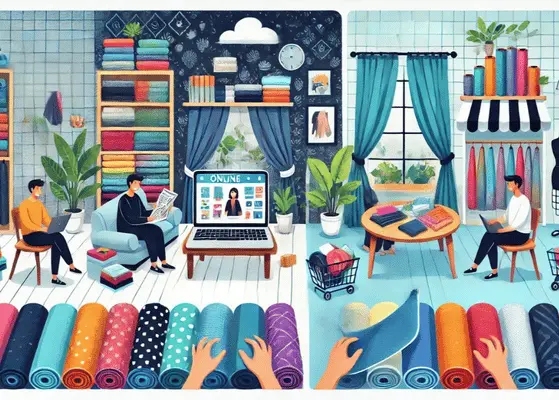
The home textiles market in the United States is quickly evolving in terms of the way consumers purchase goods, and online purchasing is growing and challenging traditional brick-and-mortar locations. For many consumers, brick-and-mortar locations are still the primary opportunity to purchase home textiles as they desire to touch and feel the fabrics before purchasing.
Consumers are increasingly taking advantage of online businesses to allow them to purchase from
categories of product, compare products being offered from multiple retailers, and read product reviews written by other consumers. In this ever-changing environment for shopping, it will be paramount for retailers and manufacturers to rethink how we are business and working with customers in brick-and-mortar as well as making the digital experience, a positive experience.
Advantages of Online Sales for Home Textiles
Convenience is the main benefit of e-commerce, which allows customers to browse and purchase home goods whenever and wherever they choose. Websites offer extensive information on products, high-resolution images, and reviews from users that can increase confidence in purchasing decisions. Direct-to-consumer brands use the internet to connect with customers personally and offer unique, limited runs and recommendations catered towards customer preferences.
Customers who seek convenience and a variety of options can be drawn to subscription services and curated boxes. Brands can explore niche populations using digital marketing and customer engagement via social media, generating higher sales and improved brand loyalty. Online selling provides unique and flexible opportunities to be responsive to industry trends and customer habits, enabling even more innovation and growth in comparison to a traditional market.
Strengths of Offline Sales in the United States Market
Physical selling continues to play a significant role in the home textiles market, despite a fast-growing online consumer base. Customers are drawn to specialty stores, boutiques, or department stores that mimic homes where people can touch, feel, experience the fabrics' texture, the color, and the quality, often before they purchase.
Shopping influence is enhanced with in-store experts or attentive customer service for more expensive purchases of upholstered furniture and beds. Retailers are further supporting sales through the transitional season's promotional strategies and impulse purchases. In addition, physical storefronts are highly trusted brand showrooms that often increase community recognition and brand loyalty.
The Future is Omnichannel
The most successful home textile brands in the American market are increasingly embracing omnichannel practices that blend the best of online and offline experiences. Such hybrid practices result in integrated inventory management, seamless returns, and consistent branding across channels that help unify the shopping experience for customers. Retailers are increasingly adding "buy online, pick up in store" (BOPIS) services to meet changing consumer expectations, while also providing various virtual consultative options and digital showrooms. Each of these hybrid channels offer additional flexibility, convenience, and overall consumer satisfaction, which are necessary considerations for brands to succeed in the overly crowded and competitive United States home textile industry.
Consumer Expectations Are Reshaping Retail Strategies
Consumers today are demanding more than access; they want value, speed, customization, and transparency. They want service and ease whether shopping online or in-store. They expect easy and convenient returns and to be able to verify product authenticity. Retailers, by collecting and analyzing consumer data, create multichannel experiences that serve consumers with meaningful product recommendations, loyalty benefits, and customer support at the time they need it.
This approach to consumer engagement is benefiting both virtual and physical store experiences; digitization is changing the consumer experience while designing and innovating physical stores involves providing added value via fabric comparison features, augmented reality-enabled visualization tools, and curated product displays. The future of home textiles sales in the United States is about current retailers enhancing their retail strategies to support emergent consumer expectations more efficiently and consistently.
Explore more about distribution trends and consumer insights in our United States Home Textiles Market
E-commerce and Physical Retail Together Shape United States Home Textile Sales
The changing home textiles market in the United States is defined by the harmony between online and offline sales channels. Customers desire convenience, choice and exciting shopping experiences. By integrating digital innovation with personal touch, retailers and brands can cater to the many different consumer preferences. The home textiles industry is prepared to change and grow as American shopping habits shift by using this "double channel" approach to implement a wider market reach and enhance brand loyalty. This blended strategy not only meets consumers where they are but also creates a cohesive brand experience that builds trust, encourages repeat purchases, and drives long-term growth.











Share