How Vape Culture Is Shaping Lifestyle and Market Strategies in the United States?
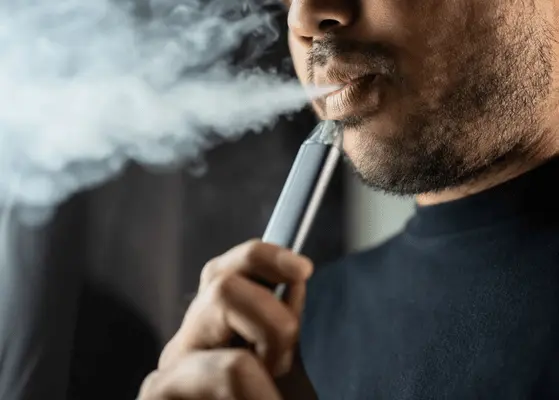
Vaping in America has stretched far past aa a cigarette substitute. It has become a cultural phenomenon with robust lifestyle connotations. From product customization and vape lounges to social media-fueled trends and e-cigarette use, the industry is being influenced by consumer preference for nicotine delivery.
For B2B stakeholders, the emergence of vape culture translates to business opportunities that extend beyond selling products. It calls for new retail, branding, and consumer engagement strategies that are responsive to the way vaping has become rooted in social and cultural spheres.
Regulatory Pressure Shapes Distribution
Evolving state and federal regulations are reshaping how nicotine products reach consumers. Restrictions on flavored e-cigarettes, advertising limits, and stricter age-verification requirements are forcing retailers and distributors to adapt rapidly. Urban vape shops and online platforms are innovating compliance measures, while wholesalers must invest in robust tracking and reporting systems to maintain legal distribution channels. Aligning operations with regulatory frameworks is now a critical factor for sustaining growth and avoiding penalties.
Vape Lounges and Lifestyle Retailing
Brick and mortar vape shops are also evolving with shifting consumer behavioral trends. No longer just sales points, some have become community centers, featuring lounge-style spaces where consumers can try out flavors, personalize devices, and interact with brand ambassadors.
For B2B operators, this means opportunities in retail design, point-of-sale technology, and upscale product lines designed for lifestyle-oriented environments. Vape lounges are also emerging as proving grounds for new flavors and devices, providing manufacturers with real-time feedback loops.
Personalization and Identity Expression
Vaping has also become a way of self-expression. Consumers personalize devices using custom skins, LED lighting, and even 3D-printed personalization. This is reflective of what happens in other lifestyle categories, like sneakers or gaming peripherals, where customization is at the heart of consumer interaction.
For manufacturers, customizable accessories and modular product designs are proving to be useful differentiators. Distributors that serve niche requirements such as limited-edition goods or collaboration with brands, are experiencing greater loyalty and repeat business.
Demographics and Cultural Anchors
Vape culture resonates strongest with Gen Z and young millennials, groups that value novelty, community, and brand identity. Most of the oung adult vapers identify vaping as part of their social lifestyle, not just a nicotine habit.
For businesses, understanding this distinction is critical. It influences product design, marketing channels, and distribution decisions. A brand positioned as a lifestyle accessory may gain traction faster among younger demographics than one marketed solely as a smoking alternative.
Events, Sponsorships, and Community Engagement
The rise of vape expos and conventions, such as the National Vape Expo, underscores how vaping is gaining institutionalized cultural platforms. These events attract thousands of attendees, providing B2B players with opportunities to showcase innovations, build partnerships, and track emerging consumer trends.
Sponsorships in music, gaming, and nightlife are also becoming key opportunities for brand visibility, although regulatory caution remains essential. Companies leveraging lifestyle tie-ins responsibly are carving strong positions in a crowded marketplace.
Regulatory Pushback Against Lifestyle Marketing
The cultural ascendance of vaping has not gone unnoticed. Regulators complain that lifestyle-marketing often blurs into youth-marketing. The FDA has taken action against social media promotions and sponsorships perceived as attractive to minors, presenting a compliance dilemma for firms seeking cultural cachet.
For B2B stakeholders, success lies in fostering authentic consumer engagement while staying within regulatory boundaries. Building open partnerships, implementing transparent age-verification, and strictly adhering to adult-only events are essential strategies. These measures ensure lifestyle-focused marketing campaigns remain effective, compliant, and trusted in a tightly regulated nicotine industry.
The Commercial Implications of Vape Culture
The mainstreaming of vape culture is revolutionizing product lines, retail channels, and advertising models. No longer can companies merely sell nicotine products. They need to provide cultural experiences. Companies that overlook the lifestyle factor jeopardize their relevance in an industry where identity and belonging fuel consumer loyalty.
For wholesalers, this means stocking a mix of mainstream and niche lifestyle products. For investors, it highlights the value of companies that successfully align products with cultural narratives. On the other hand, for manufacturers, it underscores the importance of R&D pipelines that prioritize personalization and design as much as nicotine delivery.
Explore U.S. Vape Culture Trends, Adoption & Strategies United States E-Cigarette and Vape Market
Vape Culture Is Reshaping Market Opportunities
Vape culture has moved vaping from a functional activity to a cultural and lifestyle-driven phenomenon in the United States. This shift is influencing how products are designed, how they are sold, and how consumers identify with brands.
For B2B stakeholders, it is no longer a choice to understand and engage with vape culture, it is a prerequisite for long-term success. Companies that incorporate lifestyle-based strategies responsibly will not only take market share, but also help shape the cultural narrative of an industry at a turning point.










Share