Industrial water reuse is reshaping APAC’s manufacturing sector
As aggregate water scarcity increases, environmental regulations tighten, and corporate compliance demands more sustainable operational models for Asia Pacific’s manufacturing centers. It has become clear that industrial water reuse, and by extension water recycling, will be important to the future of companies, from automotive plants in Thailand and textile units in Bangladesh to electronics factories in South Korea, as they move towards closed-loop water systems.
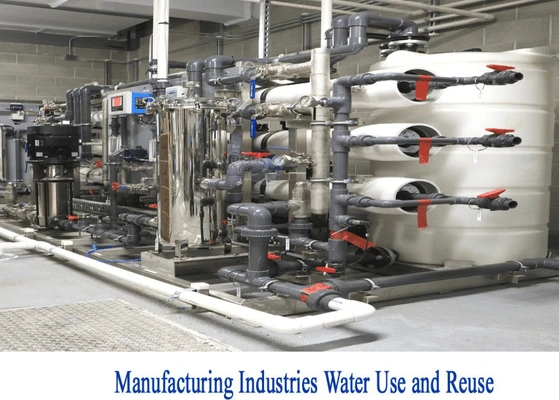
Water reuse is the treatment of industrial effluent to a level where it can be reused in the same or alternative processes including cooling, cleaning, boiler-feed). This process reduces water withdrawal and wastewater costs for the manufacturer while providing sustainability, regulatory, and stockholder compliance.
Governments across APAC are encouraging this change through incentives, discharge penalties, and standards on wastewater disposal. Industries and commercial enterprises are designing and constructing industrial parks exclusively utilizing shared water treatment and recycling systems, which furthers the case for adopting water reuse practices.
Closed-Loop Systems Are Gaining Ground
Manufacturers with large-scale operations are employing closed-loop water systems to considerably reuse their process water. These are especially beneficial in manufacturing sectors with high water usage, like food processing, pulp and paper and semiconductors.
For example, leading Taiwanese semiconductor manufacturers have installed ultrafiltration and reverse osmosis systems to achieve zero liquid discharge (ZLD) to completely reuse wastewater and substantially lower the costs of water from procurement.
Textile and Pharma Sectors Are Driving Innovation
- In India and Bangladesh, textile dyeing units are integrating biological and membrane treatment systems to recycle rinse water.
- In Singapore and Malaysia, pharma companies are adopting water polishing systems to ensure process water meets strict quality standards.
- China’s industrial clusters are under new mandates to reuse treated wastewater within the same facility or industrial zone.
This trend is not only reducing environmental impact but also providing supply security in drought-prone regions.
Public Policies and Green Certification Play a Role
Incentives such as wastewater treatment subsidies, green building certification points, and tax benefits are motivating factories to adopt water reuse systems. Many are also aligning with ESG goals, where water reuse demonstrates a clear commitment to sustainability.
Large manufacturers with global clients are also adopting water reuse to meet supply chain requirements set by international retailers or technology companies concerned with environmental impact.
For full market insights and forecast data, explore our Asia Pacific Water and Wastewater Treatment Market
Industrial Water Reuse Is Becoming Standard in APAC Manufacturing
Water reuse is no longer a niche sustainability effort. It is increasingly becoming an operational necessity in Asia Pacific’s manufacturing hubs. As industrial output continues to rise in the region, the pressure on freshwater resources is expected to grow. Companies that invest in water reuse systems are expected to lead the market, not only in cost-efficiency but also in regulatory compliance, brand image, and environmental resilience.











Share