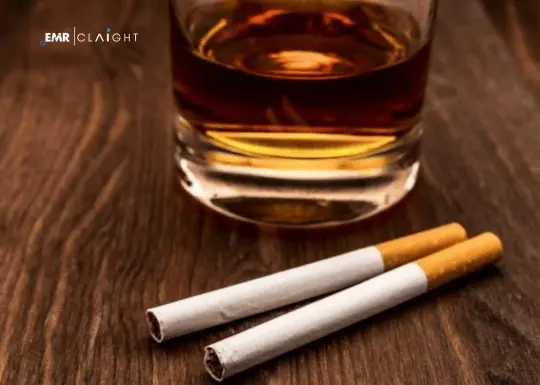
The World Health Organization’s new ‘3 by 35’ initiative represents a powerful global effort to curb noncommunicable diseases or NCDs using fiscal policy. Non-communicable diseases such as cardiovascular diseases, cancer, chronic respiratory diseases and diabetes account for nearly 75% of non-pandemic-related deaths globally. The core objective is to increase real prices of tobacco, alcohol, and sugary drinks (SSBs) by greater than or equal to 50% by 2035 through excise taxes. The dual goals are to reduce the health impact while mobilizing revenue in this decade. The aim is to prevent 50 million premature deaths over 50 years by culling the consumption of products linked to NCDs by making prices more prohibitive. The excise revenue, on the other hand, will equal an estimated USD 1 trillion by 2035, a more than substantial amount to fuel health systems. This is especially beneficial considering the present trend of reducing development aid. Health taxes are considered to be ‘win-win-win’ policies which deter detrimental consumption in addition to advancing health equity and secure financing for public health services like universal health coverage. We evaluate this initiative by perusing authoritative sources like WHO technical documents, OECD reports, and some independent research. We begin by looking at the initial framework and rationale of this initiative.
Countries Using Health Taxes to Cut Harmful Consumption and Boost Revenue
140 nations raised tobacco taxes between 2012 and 2022 reducing consumption while increasing prices by 50% on average. Mexico’s SSB tax in 2014, drove a 37% volume reduction in purchases with the highest declines among low-income but high consumption groups. South Africa saw a 57% reduction in sugar intake from taxed drinks after the measure was implemented. Lithuania’s 2017 alcohol hike brought down alcohol-related deaths by 22% while generating EUR 460 in economic benefits per EUR 1 invested. Philippines tripled tobacco tax revenue between 2012 to 2022 from USD 1 billion to USD 2.9 billion while Sri Lanka exceeded 2024 revenue targets after alcohol tax increases.
The health gains are disproportionately accrued by the most economically vulnerable by nearly eliminating catastrophic health costs and productivity losses. A USD 2.1 trillion revenue increase for LMICs is anticipated over the next half-decade. United Kingdom’s soft drink levy in 2016 reduced sugar content by 43.7% as manufacturers rapidly reformulated their products. Economic modeling has shown that a 50% increase can save 864,758 premature deaths in Bangladesh alone over a decade. The Health Promotion Levy of 2018 reduced sugar intake from beverages by 32% with sizable reductions in low-income households.
WHO’s Initiative Leverages a Multisectoral Alliance
World Bank, OECD, and academic institutions help design policy while advocacy networks like Bloomberg Philanthropies, Movendi International, and NCD alliance steward political mobilization. Each country will be advised on tax diagnostics and how best to counter industry interference while their finance and health ministries will be trained on tax administration. Gallup surveys have revealed that public support rises when revenue earmarks for health are transparent. While the initiative is multipronged and the anticipated benefits are substantially backed, inevitable industry opposition has sprung up with beverage associations claiming that SSB taxes “never substantially improved health outcomes”.
The alcohol industry, on the other hand, asserts that such taxes are imprecise and fail to address or curb abuse. Industry-funded studies have consistently labeled taxes as regressive though WHO and OECD analyses show net progressive impacts when health benefits and averted costs are factored in. Illicit trade risks exist, though almost entirely theoretical, since none has been documented in the majority of evaluations. Lithuania and Botswana saw no significant black-market expansion after the tax hike. There is, however, the problem of weak customs enforcement and corruption letting tax avoidance slide. Evasion and exemptions have been identified as the principal barriers on implementation.
The Way Scholars and Institutions See It
The OECD has stated that taxes are powerful tools for reigning in tobacco and alcohol consumption, but the answers are not clear when it comes to food and SSBs which might instead require context-specific design. The rise of functional beverages (drinks marketed as health-enhancing, like vitamin waters, probiotic sodas, and adaptogenic teas) has complicated the conversation around SSB taxation. Many of these products are positioned as alternatives to traditional sugary drinks, but often still contain added sugars or unregulated stimulants. The Center for Global Development underlines that health taxes offset USD 185 billion per year in U.S productivity losses from tobacco only, labeling such ideas smart economics. The Task Force on Fiscal Policy on Health has projected USD 3.7 trillion in global revenue from a 50% price jump, more than three times WHO’s USD 1 trillion target. Lancet prioritizes tobacco taxes as it can help 100 million smokers quit. Implementation, however, can be challenging with cigarettes becoming more affordable in 41 countries between 2016 and 2022, as a result of inflation and industry lobbying. Adding to this, the unhelpful tax incentives that some countries provide for unhealthy industries. Also, LMICs would require stronger tax administration to resist industry interference and maximize revenue. Competing economic interests in LMICs like tobacco farming, do their part in decelerating reforms.
To Make This a Success
Strong evidence from international tax experiments supports the ‘3 by 35’ initiative of WHO. However, its success hinges on sustained price increases, disciplined revenue earmarking, and global coordination. The tax hikes must be regular and above inflation to ensure reduced affordability. The health systems must be transparently funded to strengthen public support. WHO’s partner network must be leveraged for any technical or political support. There is a risk of loopholes with inconsistent tax structures, specific vs ad valorum, and fragmented policymaking across realms. Tax design variations across member states weakens effectiveness creating vulnerabilities to industry exploitation. Being alert to legal threats is also necessary as companies often use them to challenge tax hikes. These include trade agreements like investor-state disputes. WHO has itself observed that long-term trade agreements have often prevented tobacco taxes increases.
Despite these questions scholars largely agree that health taxes are cost-effective instruments for improving public health by reducing NCD incidence while increasing health financing. The design must be nuanced though, context-adaptation is a must. The initiative is in alignment with SGD 3.4 (NCD reduction) and is a fiscally pragmatic option in the face of aid drying up. It is possibly a healthcare and economic booster shot.








Share