

Consumer Insights
Uncover trends and behaviors shaping consumer choices today
Procurement Insights
Optimize your sourcing strategy with key market data
Industry Stats
Stay ahead with the latest trends and market analysis.
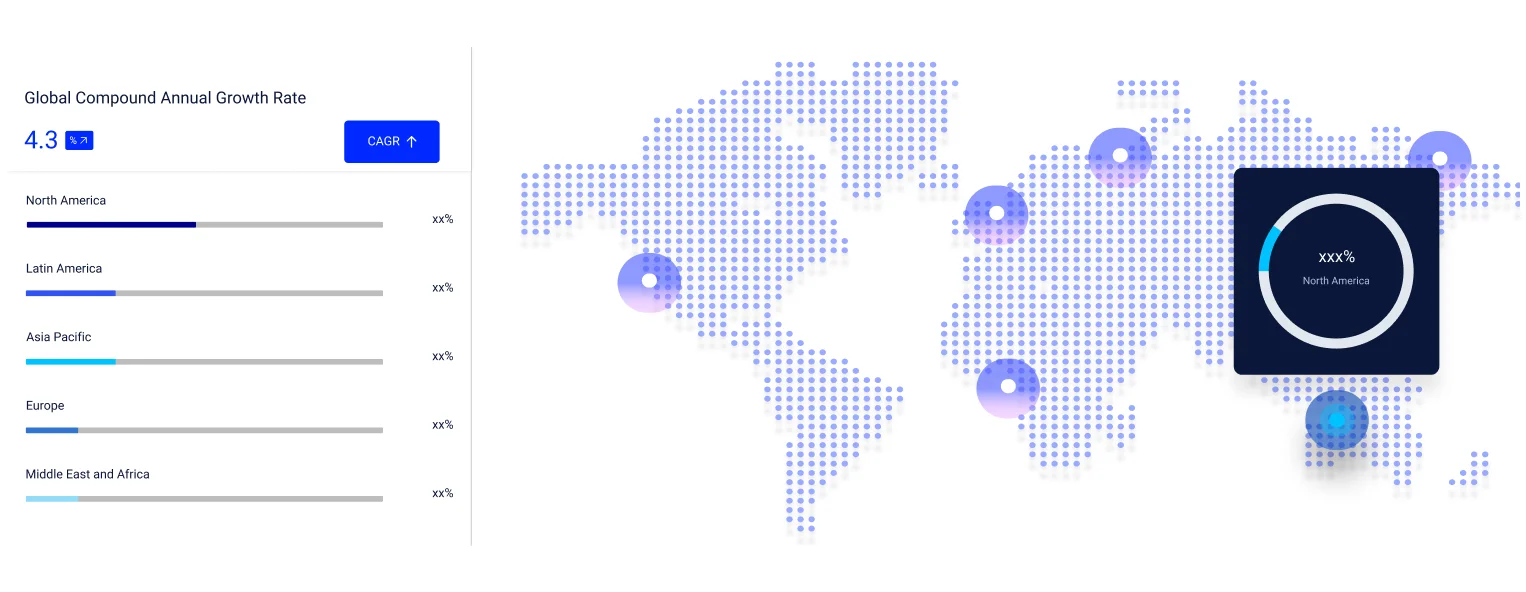
The global 802.15.4 chipset market attained a value of USD 36.50 Billion in 2025 and is projected to expand at a CAGR of 6.90% through 2035. The market is further expected to achieve USD 71.13 Billion by 2035. An increase in the usage of Thread-based home automation and smart buildings is fueling the need for secure and low-power 802.15.4 chips that can be used for interoperable mesh networking, easy commissioning, and longer battery life.
There are two particular factors that are playing a crucial role in the 802.15.4 chipset market growth. First, Matter is leading to an increased demand for 802.15.4 chips since it necessitates that the Thread-enabled end devices should have low-power mesh connectivity below interoperable applications, thereby making the chipset providers provide such silicon along with certified software stacks. Secondly, industrial sensor networks are opting for a multiprotocol approach that involves 802.15.4 chips and Bluetooth connectivity.
The overall 802.15.4 chipset market trends are being shaped by the emergence of chipsets meant to enable interoperable, ultra-low-power wireless networking solutions rather than just standalone connectivity. In April 2024, NXP Semiconductors launched the MCX W71 series of chipsets, which feature an Arm Cortex-M33 MCU with built-in support for IEEE 802.15.4 radios for Matter, Thread, and Zigbee uses. The development comes amid increased interest in multiprotocol edge devices, since over 1,000 Matter-certified devices became available by November 2025. Thus, chipset suppliers are focusing on simplifying certification process, reducing complexity, and accelerating smart home product development.
Further product innovations in the 802.15.4 chipset market are expected to include simultaneous support for several protocols, better security, and low power edge processing. Silicon Labs, Nordic Semiconductor, Texas Instruments, and Infineon are enhancing wireless platform solutions, which include 802.15.4 connectivity and BLE/proprietary protocols. For example, in March 2025, Synaptics launched an ultra-low-power Wi-Fi, Bluetooth, and 802.15.4 solution, enabling energy-efficient embedded edge AIoT connectivity. Such developments enable OEMs to create gateways, sensors, lighting control units, and industrial devices using flexible hardware architecture. Better security is set to become another product selling point as companies seek to implement encryption, secure boot, and over-the-air firmware update capabilities.
Compound Annual Growth Rate
6.9%
Value in USD Billion
2026-2035
Read more about this report - Request a Free Sample
Wi-Fi 7 modules supporting Bluetooth 6.0 and IEEE 802.15.4 technology was introduced by Quectel. This helps companies create flexible and efficient IoT devices. Companies can design chipsets that support multiple protocols such as Wi-Fi, Bluetooth, Zigbee, and Thread.
imec released its first-ever IEEE 802.15.4ab receiver. This provides enhanced ranging capabilities and interference resistance features for advanced indoor location applications. Companies can spend on interference-resistant and ranging-capable chipsets for industrial tracking, smart buildings, automobile access, and location-based IoT solutions, thereby boosting growth in the 802.15.4 chipset market.
STMicroelectronics unveiled breakthroughs in wireless semiconductor technology which are enabling more efficient connectivity, integration, and energy management in IoT devices. Organizations can opt for highly integrated and energy-efficient wireless chipsets as the need for smaller, energy-efficient, and interoperable IoT systems continues to increase.
Infineon broadened its semiconductor technology portfolio, thereby providing opportunities for more efficient and intelligent designs of electronic systems. Organizations in the 802.15.4 chipset market can create an integrated platform of semiconductor technology that is connected, processed, secured, and energy-efficient for new-generation IoT devices.
Adoption of Matter technology is driving providers to enhance IEEE 802.15.4 connectivity in interoperable smart-home/building solutions, widening the 802.15.4 chipset market scope. Among its notable solutions, NXP provides MCX W71 with Matter, Thread, Zigbee, and Bluetooth LE compatibility through its dedicated radio subsystem, which includes an IEEE 802.15.4-2015 compliant radio with receive sensitivity of -101 dBm at 250 kbit/s. On the other hand, in November 2025, Quectel unveiled advanced Matter-over-Thread modules, enabling seamless interoperability, secure connectivity, and simplified integration across smart home devices. This increases the demand for chipsets, software stacks, and reference platforms enabling certification and interoperability of an increasing number of devices.
One of the significant trends in the 802.15.4 chipset market is related to the development of chipsets enabling the operation of several wireless technologies from one hardware platform. Thus, NXP MCUXpresso SDK, for instance, allows operation of IEEE 802.15.4 PHY for Thread 1.3.x, Thread 1.4.0, and Matter over Thread together with Zigbee MAC and multiprotocol Bluetooth LE and 802.15.4. In addition, the company also works on the dual-PAN feature enabling use of two 802.15.4 networks either on one channel or on two channels. Such features are crucial for manufacturers of gateways and bridges, which want to cover both legacy and IP-based installation types. Furthermore, in March 2025, Silicon Labs introduced concurrent multiprotocol SoCs, enabling Matter devices to support multiple wireless standards simultaneously and efficiently.
Governments are encouraging grid modernization projects, which incentivize suppliers to focus on secure and interoperable connectivity of distributed energy systems. As a result, suppliers in the 802.15.4 chipset market can take advantage of this opportunity when supplying smart meters, sensors, controllers, and low-bandwidth field networks. Earlier utility initiatives are also exploring the use of 6LoWPAN wireless network based on IEEE 802.15.4 standard among other smart city devices. For example, in October 2024, Lantronix unveiled SmartLV, an AI-enabled IoT edge compute cellular gateway, enhancing intelligent connectivity, processing, and device management capabilities.
Chips suppliers integrate stronger security solutions as connected devices need protected commissioning, credentials and firmware management over time of operation. For example, in October 2024, NXP introduced MCX W microcontrollers supporting Matter, Thread, Zigbee, and Bluetooth LE for secure, scalable IoT connectivity. This technology will allow future firmware upgrades for OEMs, thus opening up B2B demand for suppliers providing security and connectivity as one solution on silicon level. Companies in the 802.15.4 chipset market making secure product development easier can get an advantage among manufacturers of smart homes, industrial and infrastructure products.
The chip providers who are working on 802.15.4 chipsets are increasingly competing with each other in the form of a full development ecosystem. The NXP FRDM-RW612 and the FRDM-MCXW71 from NXP showcase a Matter ecosystem with the combination of Wi-Fi, Bluetooth, and 802.15.4 communication capabilities, where the RW612 functions as a single-chip Thread border router while the MCX W71 functions as the low-power Thread end node. Aligning with such trends in the 802.15.4 chipset market, in October 2025, Broadcom introduced an industry-first Wi-Fi 8 silicon ecosystem, enabling AI-driven connectivity with enhanced performance, efficiency, and reliability.
The Expert Market Research's report titled “802.15.4 Chipset Market Report and Forecast 2026-2035” offers a detailed analysis of the market based on the following segments:
Market Breakup by Type
Key Insight: According to the 802.15.4 chipset market report, the standalone chipsets or single-protocol 802.15.4 chips are being necessitated by market demands for a more efficient wireless link for cost- and battery-conscious applications that need protocol simplicity in order to optimize their designs. The multi-protocol chipsets gain from OEMs’ needs for interoperability with Bluetooth, Thread, Zigbee, and 802.15.4 protocols on a typical silicon platform. This competitive differentiation is based largely on how these chip vendors strike a balance between radio integration, power consumption, software flexibility, and development effort.
Market Breakup by Application
Key Insight: Industrial automation needs are based on the demand for distributed sensing, equipment connectivity, and easy retrofitting in manufacturing facilities, creating new 802.15.4 chipset market opportunities. Smart city applications depend on the use of low-power wireless communication to provide monitoring and sensing of the infrastructure as well as connected public services. Growth in smart homes depends on the use of interoperable automation products and the growth in Thread ecosystems. The smart meeting applications depend on the use of wireless communication to provide room control systems, occupancy detection, and connected collaboration devices.
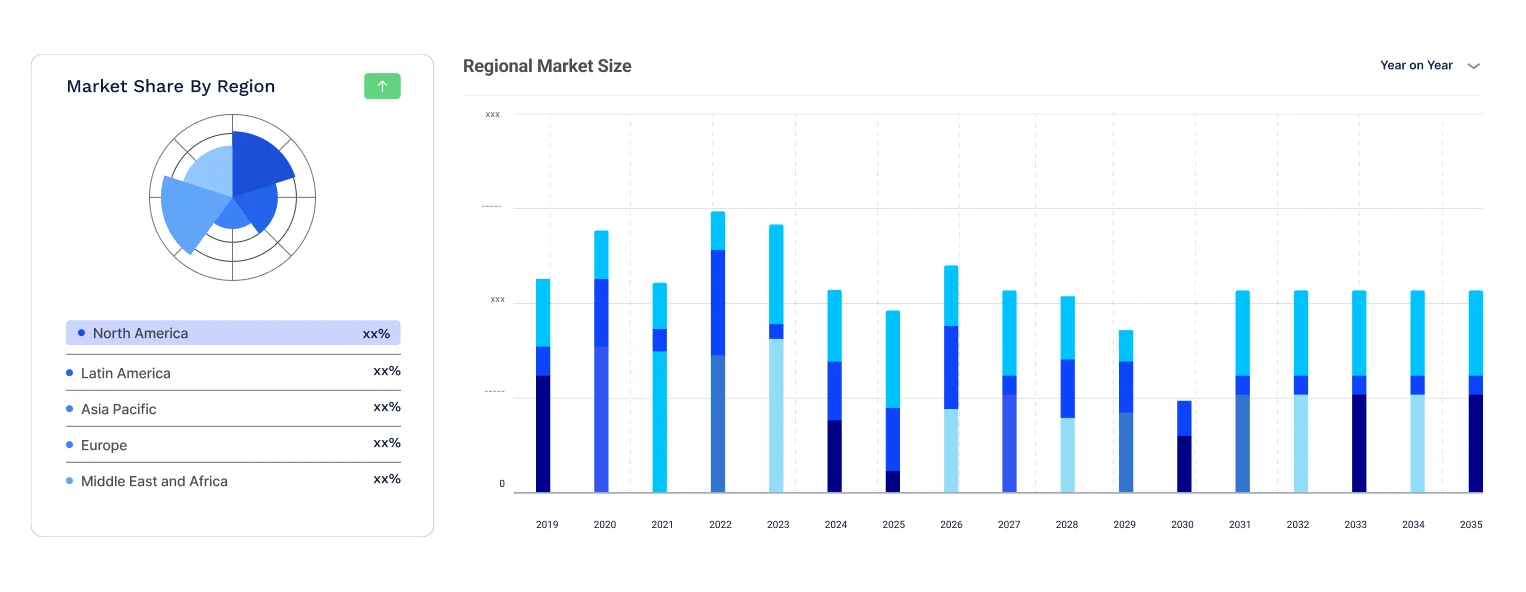
Market Breakup by Region
Key Insight: The 802.15.4 chipset market in North America observes advantages in its well-established ecosystem of smart devices, semiconductor development, and demand for interoperable connectivity in homes and industries. Europe sees incentives in building automation, energy efficiency projects, and digitization of industries. Asia Pacific enjoys the presence of high-volume electronics manufacturing, growth of the Internet of Things, and development of smart infrastructures. Latin America sees its advantages in connected utility applications, commercial automation, and wireless monitoring. The Middle East and Africa region’s opportunities are linked to smart buildings projects, modernization of infrastructure, and connectivity of industries.
Multi-protocol chipsets register the largest share of the market due to converged wireless connectivity demand
Multi-protocol chipset dominates the 802.15.4 chipset market since Original Equipment Manufacturers (OEMs) seek the same silicon platform to integrate 802.15.4 with Bluetooth Low Energy, Thread, Zigbee, and proprietary wireless protocol. This is an area where OEMs can design gateways, sensors, lighting control, and other connected devices without having different radio architectures. Chip providers are looking at integrated protocols and simultaneous wireless capability to minimize the complexity of engineering. In addition, this segment is gaining traction due to backward compatibility needs since enterprises are upgrading their installed device fleet and preserving connectivity with existing Zigbee and Bluetooth ecosystem. In January 2025, CEVA unveiled a multiprotocol wireless IP platform supporting Bluetooth HDT and IEEE 802.15.4, enabling flexible IoT connectivity.
Standalone 802.15.4 chipset or single-protocol chip is the fastest growing segment as OEMs look for the right chip that provides connectivity for sensors and other mesh devices. These chipsets have value where the addition of any radios may lead to increased energy consumption, circuit board complexity, or even unnecessary cost. Environmental monitoring nodes, asset tags, industrial sensors, and end devices of Thread mesh network are best suited to have such wireless architecture. Suppliers are now adding more features in terms of radio sensitivity, sleep mode, security, and software support to make the solution commercially viable.
By application, industrial automation clocks in the largest share of the market due to expanding wireless sensing requirements
Industrial automation holds the dominant position since manufacturers need connectivity for their sensors, equipment monitoring, process control, and condition-based maintenance, which is provided via reliable low-power chipsets. 802.15.4 chipsets provide a good option for setting up mesh networking architecture and connecting several devices via wireless technology without wiring. Semiconductor companies are aiming at industrial customers offering chipsets featuring good wireless performance, secure communications, and long-term product availability, boosting demand in the 802.15.4 chipset market. Moreover, in January 2025, Murata launched tri-radio IoT modules integrating Wi-Fi 6, Bluetooth 5.4, and optional Thread support for connected devices.
The segment with the highest growth rate is smart home, which can be attributed to the work done by manufacturers on interoperable connected devices requiring mesh connectivity to conserve energy. Currently, the 802.15.4 chipset market observes an increasing use of 802.15.4 chipsets in lighting, sensors, locks, switches, thermostats, and other low-power endpoints based on Thread and Zigbee architectures. Semiconductor companies are paying attention to making it easier to integrate devices based on Matter and offering multiprotocol chipsets to allow device makers to cope with the constantly changing requirements of ecosystems without redesigning their wireless platforms from scratch.
Read more about this report - Request a Free Sample
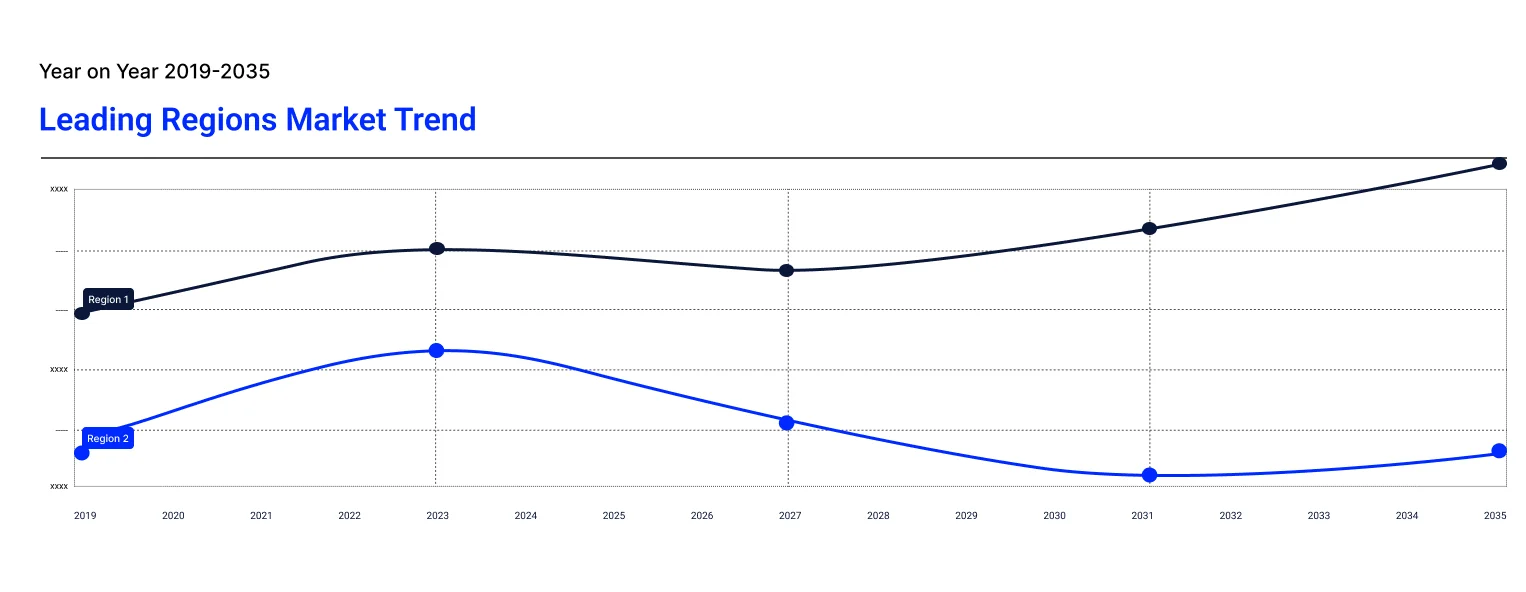
North America accounts for the leading market position due to advanced connected-device ecosystems
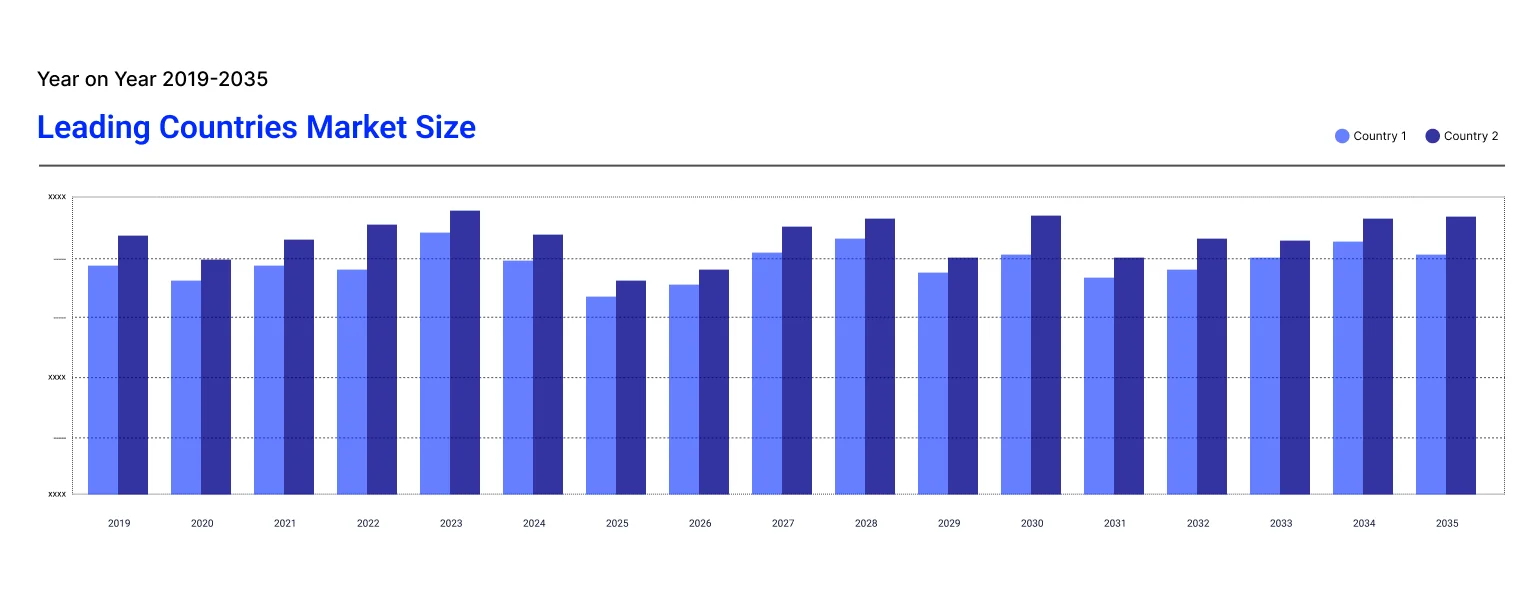
North America leads in the global 802.15.4 chipset market owing to superior semiconductor advancements, presence of smart home ecosystems, and investments made in the digitalization of industry. The region accommodates major players operating in the 802.15.4 chipset and wireless platform market for Thread, Zigbee, Matter, and industrial IoT applications. OEMs are looking towards offering portfolios of devices that can be integrated seamlessly, thus there exists increasing demand for multiprotocol connectivity chips. Wireless sensing in industrial units remains in focus for improving visibility and increasing efficiency in operations. In November 2025, IntelPro licensed CEVA Wi-Fi 6 and Bluetooth 5 IPs to develop AIoT Matter-ready system-on-chips for smart devices.
The Asia Pacific 802.15.4 chipset market records the highest growth rate owing to increased electronics manufacturing activities, which is offering ample opportunities for chip integration in various types of smart appliances, sensors, industrial systems, and connected infrastructure. The region’s electronics manufacturers are building advanced IoT devices and are looking for cost-effective wireless platforms for their mass production. The manufacturing bases facilitate semiconductor companies in securing significant design deals in addition to collaborations with the device assemblers. The rising initiatives for smart buildings, factory automation, and urban digitalization are expected to drive the overall demand through the forecast period.
The market is observing increasing competition based on integration for multiple protocols, lower power use, embedded security, and easy installation of Thread, Zigbee, and Matter nodes. Competitive differentiation among leading 802.15.4 chipset market players occurs through development platforms and not only via RF performance. New markets are developing for industrial sensors, interoperable smart homes, intelligent networks, and energy-efficient edge devices.
Design cycles are being shortened through offerings of software stacks, reference designs, pre-certified modules, and over-the-air upgrades. One critical development area is concurrent wireless functionality, enabling Bluetooth to perform commissioning functions and 802.15.4 to provide the mesh connectivity. 802.15.4 chipset companies that offer integrated security, protocol flexibility, and software support are expected to gain a competitive advantage over the forecast period.
Panasonic Corporation, founded in 1918 and located in Osaka, Japan, serves its market through connected devices technology and components. Its opportunities relate to low-power wireless technology incorporation into automation systems. Panasonic is looking to create dependable communications, energy efficiency, and control platforms that allow for building more connected devices and infrastructure by OEMs.
Qualcomm Technologies, Inc., founded in 1985 and headquartered in San Diego, California, United States, is offering advanced IoT connectivity through highly integrated wireless platforms. The company is growing its opportunities in converged connectivity, which is an integration of different wireless standards into efficient semiconductors architecture. Its technologies capabilities allow for building connected edge products by OEMs with compact design, processing power, energy efficiency, and flexibility.
STMicroelectronics NV was founded in 1987, with its headquarters in Geneva, Switzerland. It offers low-power microcontrollers, wireless connectivity capabilities, and semiconductors for the IoT devices of the industrial and consumer segments. STMicroelectronics NV is working on developing capabilities of embedded processing with secure wireless connectivity and easy-to-use development tools. The strategy of the firm assists equipment manufacturers in developing their connected sensors, automation and smart products, minimizing hardware complexity and engineering cycles.
Qorvo Inc. was incorporated in 2015. It is located in North Carolina, United States. Qorvo Inc. Supports market through advanced radio frequency technologies and ultra-wideband, Wi-Fi, Bluetooth, and low-power wireless technologies. The innovation strategy of Qorvo Inc. is opening opportunities in the domain of precise positioning and converged connectivity.
Other key players in the market include Microchip Technology Inc., Nordic Semiconductor ASA, Infineon Technologies AG, Digi International Inc., Texas Instruments Inc., and Analog Devices, Inc., among others.
*Please note that this is only a partial list; the complete list of key players is available in the full report. Additionally, the list of key players can be customized to better suit your needs.*
Unlock the latest insights with our 802.15.4 chipset market trends 2026 report. Discover regional growth patterns, consumer preferences, and key industry players. Stay ahead of competition with trusted data and expert analysis. Download your free sample report today and drive informed decisions in the market.


Upto 15% Off
USD
$2499 $2249
$3999 $3599
$4999 $4249
$5999 $5099


*While we strive to always give you current and accurate information, the numbers depicted on the website are indicative and may differ from the actual numbers in the main report. At Expert Market Research, we aim to bring you the latest insights and trends in the market. Using our analyses and forecasts, stakeholders can understand the market dynamics, navigate challenges, and capitalize on opportunities to make data-driven strategic decisions.*
The market is projected to grow at a CAGR of 6.90% between 2026 and 2035.
Stakeholders are investing in multiprotocol platforms, strengthening security architectures, expanding Thread and Matter support, developing reusable reference designs, partnering with OEMs, and improving long-term software and firmware support.
The emerging applications of the 802.15.4 chipsets in fields such as logistics, agriculture, and healthcare, among others, and the rising development of smart cities are the key trends aiding the market growth.
The major regional markets include North America, Europe, the Asia Pacific, Latin America, and the Middle East and Africa.
The different types of chipsets in the market include single-protocol/standalone 802.15.4 chipsets and multi-protocol chipsets.
The different applications of 802.15.4 chipsets are industrial automation, smart city, smart home, and smart meeting, among others.
The key players in the market include Panasonic Corporation, Qualcomm Technologies, Inc., STMicroelectronics NV, Qorvo Inc., Microchip Technology Inc., Nordic Semiconductor ASA, Infineon Technologies AG, Digi International Inc., Texas Instruments Inc., and Analog Devices, Inc., among others.
In 2025, the market reached an approximate value of USD 36.50 Billion.
The market is expected to witness sustained expansion and attain approximately USD 71.13 Billion by 2035.
Companies are facing protocol fragmentation, complex interoperability requirements, cybersecurity demands, component supply uncertainties, long product qualification cycles, and pressure to reduce power consumption while adding multiple wireless capabilities.
Explore our key highlights of the report and gain a concise overview of key findings, trends, and actionable insights that will empower your strategic decisions.
| REPORT FEATURES | DETAILS |
| Base Year | 2025 |
| Historical Period | 2019-2025 |
| Forecast Period | 2026-2035 |
| Scope of the Report |
Historical and Forecast Trends, Industry Drivers and Constraints, Historical and Forecast Market Analysis by Segment:
|
| Breakup by Type |
|
| Breakup by Application |
|
| Breakup by Region |
|
| Market Dynamics |
|
| Competitive Landscape |
|
| Companies Covered |
|
Datasheet
One User
USD 2,499
USD 2,249
tax inclusive*
Single User License
One User
USD 3,999
USD 3,599
tax inclusive*
Five User License
Five User
USD 4,999
USD 4,249
tax inclusive*
Corporate License
Unlimited Users
USD 5,999
USD 5,099
tax inclusive*
*Please note that the prices mentioned below are starting prices for each bundle type. Kindly contact our team for further details.*
Flash Bundle
Small Business Bundle
Growth Bundle
Enterprise Bundle
*Please note that the prices mentioned below are starting prices for each bundle type. Kindly contact our team for further details.*
Flash Bundle
Number of Reports: 3
20%
tax inclusive*
Small Business Bundle
Number of Reports: 5
25%
tax inclusive*
Growth Bundle
Number of Reports: 8
30%
tax inclusive*
Enterprise Bundle
Number of Reports: 10
35%
tax inclusive*
How To Order

Select License Type
Choose the right license for your needs and access rights.

Click on ‘Buy Now’
Add the report to your cart with one click and proceed to register.

Select Mode of Payment
Choose a payment option for a secure checkout. You will be redirected accordingly.
Strategic Solutions for Informed Decision-Making
Gain insights to stay ahead and seize opportunities.

Get insights & trends for a competitive edge.

Track prices with detailed trend reports.

Analyse trade data for supply chain insights.

Leverage cost reports for smart savings

Enhance supply chain with partnerships.

Connect For More Information
Our expert team of analysts will offer full support and resolve any queries regarding the report, before and after the purchase.
Our expert team of analysts will offer full support and resolve any queries regarding the report, before and after the purchase.
We employ meticulous research methods, blending advanced analytics and expert insights to deliver accurate, actionable industry intelligence, staying ahead of competitors.
Our skilled analysts offer unparalleled competitive advantage with detailed insights on current and emerging markets, ensuring your strategic edge.
We offer an in-depth yet simplified presentation of industry insights and analysis to meet your specific requirements effectively.




