

Consumer Insights
Uncover trends and behaviors shaping consumer choices today
Procurement Insights
Optimize your sourcing strategy with key market data
Industry Stats
Stay ahead with the latest trends and market analysis.
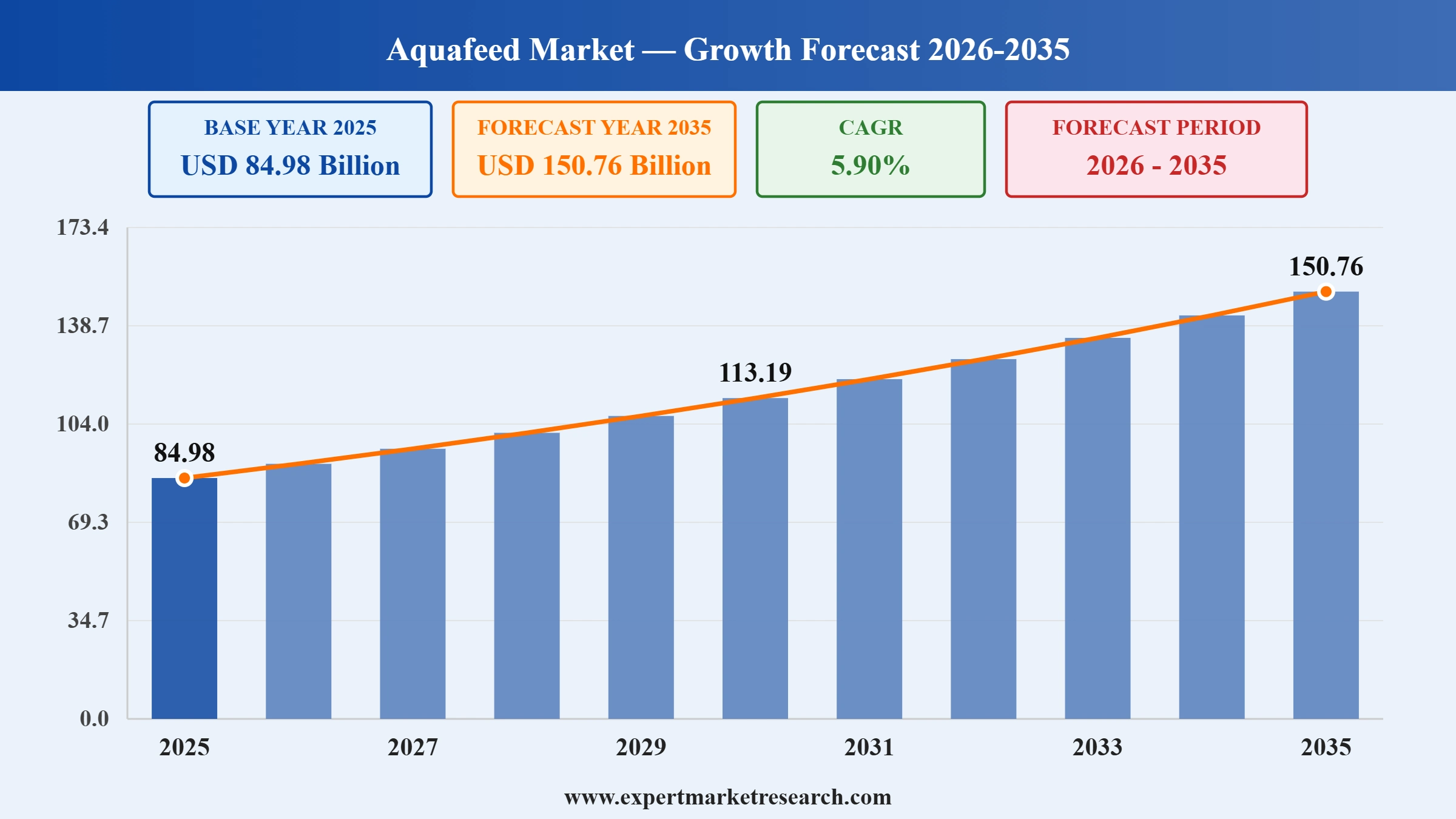
The aquafeed market attained a value of USD 84.98 Billion in 2025 and is projected to expand at a CAGR of 5.90% through 2035. The market is further expected to achieve USD 150.76 Billion by 2035. Increasing aquaculture intensification is creating increased demands for highly digestible feeds that offer better feed efficiency, lower nutrient excretion, enhance disease resistance, and assure consistent farm production.
Disease and climate-induced stress are leading aqua farms to opt for functional feeds, which have bioactives, antioxidants, and immunity enhancers to provide protection from survival and production risks. Secondly, increased scrutiny over marine resources utilization is leading to formulations using algae-based proteins, insect meals, plant proteins, microbial proteins, and other alternatives. Manufacturers thus have an opportunity to differentiate themselves based on feed-efficiency performance.
The aquafeed market is going through a noticeable change, shifting from traditional nutritional diets to those that will promote fish health, survival, and minimize dependence on marine elements. For example, in November 2025, Skretting launched a groundbreaking functional fish feed designed to support fish health, performance, and sustainable aquaculture production. These types of innovations are a response to fast aquaculture development, where, according to FAO, there were 130.9 million tons of aquaculture in 2024, which accounted for 51% of total aquatic animal production for the first time in history.
Another example of competitive activity within the aquafeed market is the introduction of species-specific feeds as well as the development of measurable outcomes for the farms. For example, in April 2026, BioMar’s research hub accelerated feed development for emerging aquaculture species, supporting tailored nutrition and expanding sustainable farming opportunities. The company also offers feed product for salmon called SmartCare Endurance to increase resilience to bacteria-based stress.
Read more about this report - REQUEST FREE SAMPLE COPY IN PDF
| Global Aquafeed Market Report Summary | Description | Value |
| Base Year | USD Billion | 2025 |
| Historical Period | USD Billion | 2019-2025 |
| Forecast Period | USD Billion | 2026-2035 |
| Market Size 2025 | USD Billion | 84.98 |
| Market Size 2035 | USD Billion | 150.76 |
| CAGR 2019-2025 | Percentage | XX% |
| CAGR 2026-2035 | Percentage | 5.90% |
| CAGR 2026-2035 - Market by Region | Latin America | 6.4% |
| CAGR 2026-2035 - Market by Country | India | 6.8% |
| CAGR 2026-2035 - Market by Country | China | 6.3% |
| CAGR 2026-2035 - Market by Ingredient | Additives | 7.0% |
| CAGR 2026-2035 - Market by Additives | Amino Acids | 6.7% |
| Market Share by Country 2025 | Australia | 2.4% |
The Oman partners developed a sustainable fish feed trial based on local nutrition, efficiency, and aquaculture development. Aquafeed firms can therefore develop their locally formulated feed with reduced impact and customized to local species and environmental conditions.
A research center on aquafeed was established by Singapore with the objective of creating nutrition products for tropical marine species. Firms in the aquafeed market can collaborate with research centers to formulate feed for the new tropical aquaculture markets.
Vitapro introduced a special diet for the reproduction of shrimps, focusing on their reproductive capacity and nutritional needs at the most important stages of shrimp production. Companies may focus on high value broodstock sections by developing specialized diets to enhance reproduction, hatchery performance, and shrimp quality.
Jetfeeder introduced a new automatic nursery feeder meant to increase accuracy and efficiency of feeding during the initial stages of aquaculture production. Aquafeed and equipment companies may incorporate automation technologies and precision nutrition into their operations.
Manufacturers in the aquafeed market are increasingly focusing on formulating functional feeds to improve immunity, resistance to stress, and resilience to diseases rather than growth nutrition. For example, in February 2026, BioMar launched a functional seabass feed designed to improve resilience against bacterial challenges and support healthier aquaculture production systems. This is following an immense disease threat in the Tasmanian salmon industry where the state government is also reviewing the activities of the industry. These products are thus opening new avenues for feed suppliers in positioning nutrition as a risk management tool for farms.
The use of fish meal and fish oil as feed ingredients is increasingly becoming a challenge that companies are trying to overcome to reduce dependence on them. Since 2007, there have been joint efforts between NOAA and USDA in formulating the Alternative Feeds Initiative to facilitate alternatives to fishmeal and fish oil. Aligning with this trend in the aquafeed market, in February 2023, Full Circle Biotechnology introduced an alternative fish feed, offering aquaculture producers a potentially more sustainable nutrition option for farmed species.
Aquatic feed manufacturers are compelled to produce species-specific and life cycle-specific formulas by the expansion of commercial aquaculture which will result in improved feed efficiency and increased productivity on farm level. The aquafeed market size forces the suppliers to create feeds tailored to such species as shrimp, salmon, tilapia, carp, and others in order to increase productivity while limiting the environmental effect of the feed. For instance, in May 2026, Phibro launched low-carbon aquafeed solutions designed to reduce emissions and support more sustainable aquaculture production.
Feed development is becoming increasingly intertwined with automated feeding systems, underwater observation and data analysis which allows farms to know when and how much feed is consumed by the fish. According to NOAA, the feed may account for up to 60% of the total costs of growing fish, so feed losses and overfeeding are becoming an important commercial issue for producers. The use of automated feeders and underwater cameras is being considered to analyze consumption of the feed and avoid its unnecessary loss, thereby boosting demand in the aquafeed market. For example, in July 2026, De Heus expanded aquaculture capabilities with a new mill producing specialized marine and cold-water fish feeds.
Circular sourcing is emerging as a crucial innovation for aquafeed market companies looking for ingredients that minimize waste and enhance the security of supplies. Some of the alternative ingredients mentioned by NOAA include fish processing waste products, terrestrial processing waste products, biofuel waste, algae, yeast, insects, and plant-based materials. The Future of Aquafeeds study carried out by NOAA notes the increased need for long-chain omega-3 fatty acids, and identifies fish processing waste and marine algae as possible sources. In August 2026, Chile launched its first regenerative agriculture pilot, aiming to develop more sustainable ingredients for salmon feed production.
The Expert Market Research’s report titled “Aquafeed Market Report and Forecast 2026-2035” offers a detailed analysis of the market based on the following segments:
Market Breakup by Ingredient
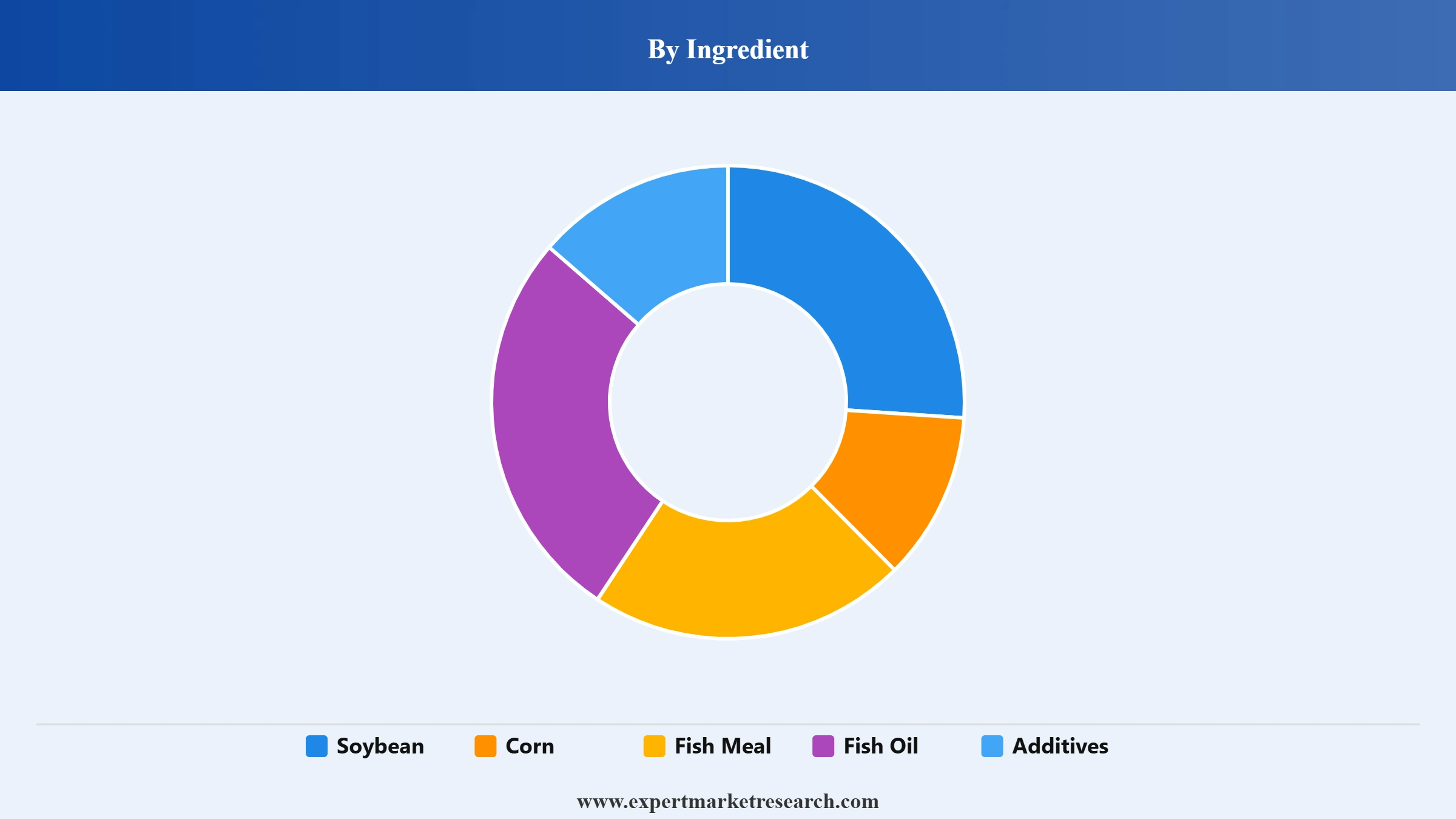
Key Insight: The soybean category is useful for formulating protein in an economical manner and helps reduce dependency on marine ingredients. Corn provides energy and also offers starch functionality for certain formulations, accelerating the aquafeed market expansion. Fishmeal aids in improving the quality of protein, palatability, and performance of fish growth, especially in more challenging fish species. Fish oil is essential for marine lipids and omega-3 fatty acids. The additives help make advancements in immunity, digestive system health, stress tolerance, and nutrient utilization. Other ingredients that include insect meals, algae, yeast, and other processing products aid in formulating diversified feeds.
Market Breakup by Additives
Key Insight: Amino acids contribute to increasing protein efficacy and allow for the creation of feed with reduced levels of protein but not compromising nutrition standards. The role of antibiotics is retained where disease control measures accept their inclusion but pressures of responsible antibiotic use have limited its application. Vitamins are useful for supporting metabolism, immune systems, reproductive performance, and stress management during production processes. Feed acidifiers are used for improving digestion processes and achieving efficient use of nutrients, especially in the case of intensive production, propelling growth in the aquafeed market. In September 2025, dsm-firmenich unveiled an advanced feed additive facility in India, strengthening local production and supporting sustainable aquaculture nutrition solutions.
Market Breakup by Product Form
Key Insight: As per the aquafeed market report, the pellet format continues to be a popular choice when there is a need for efficient handling, dosing accuracy, and compatibility with automatic feeders. The extruded format is becoming increasingly popular due to better control of buoyancy, digestibility, nutrient stability, and ingredient processing. In June 2026, Cargill expanded extrusion R&D capabilities with a new Belgium pilot plant, accelerating aquafeed innovation and product development. Powdered feed works well for hatcheries, larvae, juvenile stages, or where quick distribution and/or customization are needed. Liquid feeds are becoming increasingly popular where special delivery of oils, nutrients, attractants, or additives is needed, where a uniform coat is essential. Each format satisfies different needs related to transport efficiency, feeding behavior, nutrient stability, and production stage.
Market Breakup End Use
Key Insight: As per the aquafeed market report, carps form the basis of demand because of the wide freshwater production and versatile feeding patterns which allow cost considerations in commercial formulations. Shrimp feed requires specific nutrition formulation with regards to its growth, digestive health, disease resistance, and water management. Tilapia fish is preferred for the balanced formulation which ensures optimal growth and different farming practices. Molluscs have specific formulations for filtration production and nutrients delivery. Catfish need specific formulations that are robust and easy to digest in their intensive pond production systems. Salmon requires specific nutritional formulations with emphasis on marine lipids and proteins and health considerations.
Market Breakup by Region
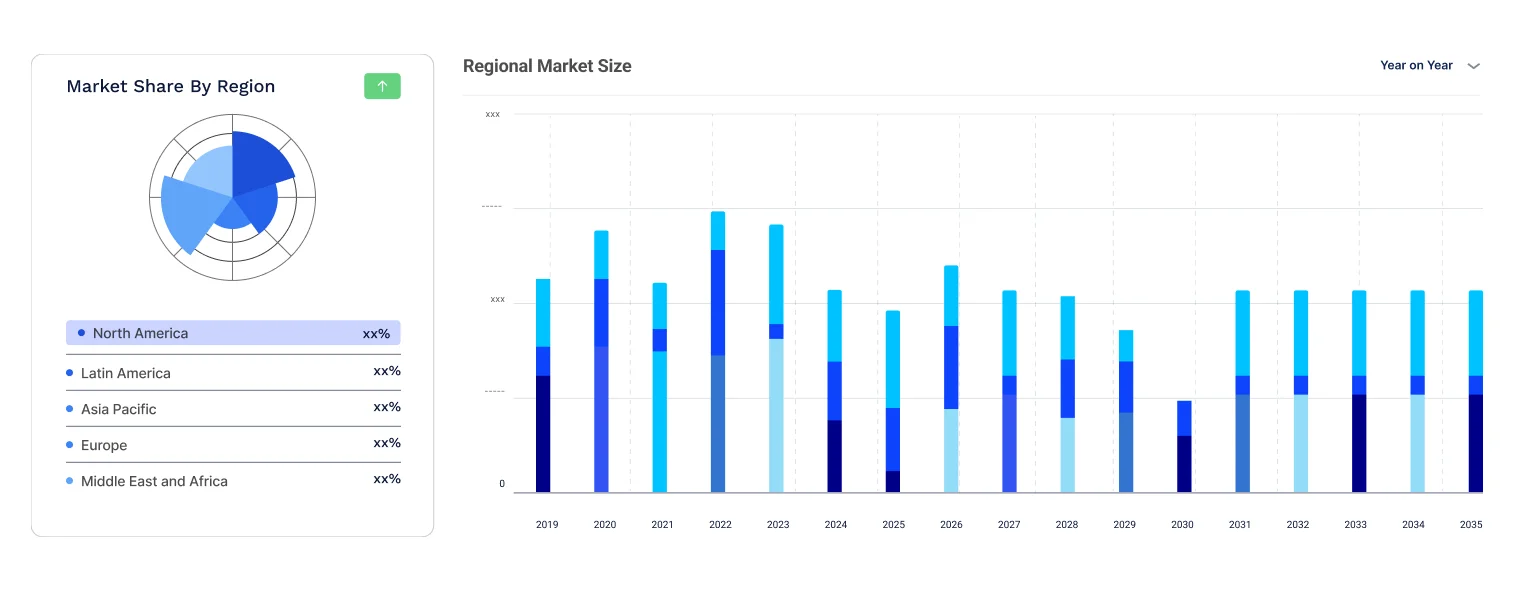
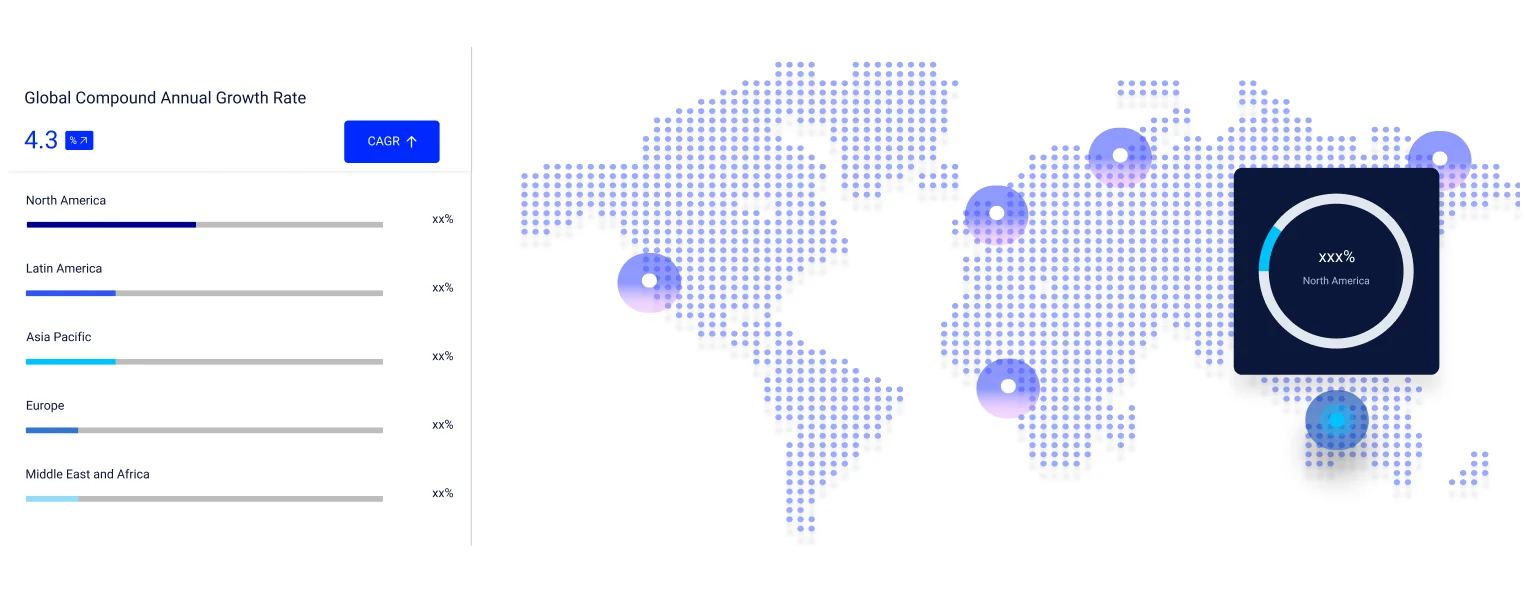
Key Insight: Sustainable ingredients, sophisticated feeding, traceability, and nutrition of high-value species are key in the aquafeed market in North America. Europe’s strength lies in low-impact formulations, alternative proteins, circular ingredients, and strict sustainability standards. Asia Pacific takes the lead due to its vast production, intensive farming practices, diverse species, and local feed production facilities. Latin America benefits from increased production of shrimp and salmon, export-oriented farms, and efforts to improve efficiency through nutrition. The Middle East and Africa regions observe growth due to aquaculture diversification, water-saving farming, and rising interest in local feeds.
By ingredient, the fish meal category leads the market growth due to protein density and palatability requirements
Fish meal continues to be the most prominent ingredient in the aquafeed market due to the need for easily digestible protein and amino acids required in the development of biomass. Although there are issues concerning the sustainability of fish meal as an ingredient, manufacturers ensure its inclusion to achieve the best performance in terms of nutrition, palatability, and cost. Suppliers focus on quality, traceability, reduced contaminant levels, and mixing the marine protein with plants and alternative sources to maintain performance without relying on the protein source.
Read more about this report - REQUEST FREE SAMPLE COPY IN PDF
Additives remain the fastest-growing segment of the aquafeed market, and additives such as probiotics, enzymes, antioxidants, organic acids, and immunostimulants help feed producers incorporate them into their feeds to address production problems rather than depending on the macronutrient content. The need for such additives is enhanced by intensive production conditions in which diseases, variations in temperature, and stocking rates decrease production efficiency. Feed manufacturers are incorporating more additives to enhance feed efficiency and robustness of the animals. For example, in September 2025, ADM launched a new tilapia feed solution designed to improve productivity, growth performance, and efficiency in aquaculture operations.
By additives, amino acids capture a substantial share of the market due to precision nutrition and protein efficiency
The group of amino acids dominates the aquafeed market due to the need for precise protein nutrition in the manufacture of aquafeeds. Adding certain amino acids enables manufactures to achieve balanced diets by using lower amounts of fishmeal or other proteins to promote growth without adding more crude proteins. Amino acids such as lysine, methionine, threonine, and nutrients promote improved nutrient utilization while controlling the amount of nitrogen excretion in the farms. Their suitability in feed used in feeding different species encourages their adoption. In April 2025, Eurolysine launched a feasibility study to expand European lysine production capacity, strengthening regional amino acid supply for aquafeed.
Feed acidifiers are emerging to be the fastest growing segment of additives since manufacturers are looking for ways of enhancing gut health and digestion in intensive feeding conditions. Organic acids may affect the balance of microorganisms in the gut and improve the availability of nutrients in feed, allowing farms to enhance production through measures apart from using antibiotics. Manufacturers in the aquafeed market are developing combinations of acids and systems that will make acidifiers suitable for pellet and extruded feed.
By product form, pellets dominate the market due to handling efficiency, feeding control, and storage
The pellets are the most common product form since they are easy to handle, dose, and deliver through operations. Manufacturers in the aquafeed market are tailoring the pellet size, density, buoyancy, concentration of nutrients, and water stability to suit different species and stages of development. The ability to be used in automated feeding equipment makes them easy to distribute in ponds, cages, and recirculation systems. Pellets make transportation and storage of the products easier compared to liquids, while giving control more compared to powders. Manufacturers continue developing pellet durability and water stability to enhance retention of nutrients and consumption of the feeds. In August 2025, BioMar launched new feed for waterborne feeding systems, improving feeding efficiency, and supporting precision nutrition in aquaculture operations.
The extruded feeds are emerging to be the most rapidly developing product form in the aquafeed market due to the increased demands of producers concerning the need for controlling nutrient retention, digestibility, buoyancy, and water stability. The manufacturers can process various ingredients in making extruded feeds, and the products can be tailored to the feeding habits of the species. The floating and slow-sinking types of feeds are advantageous when the feeding method is visual since they are used to monitor consumption and waste reduction.
By end use, carps account for a significant share of the market due to broad cultivation, adaptable feeding, and efficiency
Carps form the major end-use application segment in the aquafeed market owing to the culture of these fish species in ponds and freshwater systems, which requires the manufacture of feeds. The fish species include common carps, grass carps, and silver carps, which can be fed using raw materials due to the availability of ingredients. The feeding adaptability allows the manufacture of pellets for use during growth phases. Manufacturers concentrate on balancing protein/energy ratios, digestibility, and pellet stability in order to enhance biomass conversion, while controlling formulation costs. This provides opportunity for the development of localized products. In February 2024, Aquasoja unveiled new feed for tilapia and carp, targeting improved growth, nutrition, and aquaculture production efficiency.
Shrimp forms the fastest growing end-use application segment in the aquafeed market since these fish are cultured in farms where they are subjected to growth needs, diseases and water quality needs. Shrimps are fed using combinations of proteins, lipids, minerals, attractants and functional additives since they have different feeding behavior compared to finfish. Feeds formulated by manufacturers enhance the digestive process, feed intake, survival, nutrient retention, and minimize wastage in ponds. Increasing use of automated feeding and farm monitoring leads to the formulation of feeds. In August 2026, CP Vietnam opened a new shrimp feed mill, expanding production capacity to support growing aquaculture demand.
Read more about this report - REQUEST FREE SAMPLE COPY IN PDF
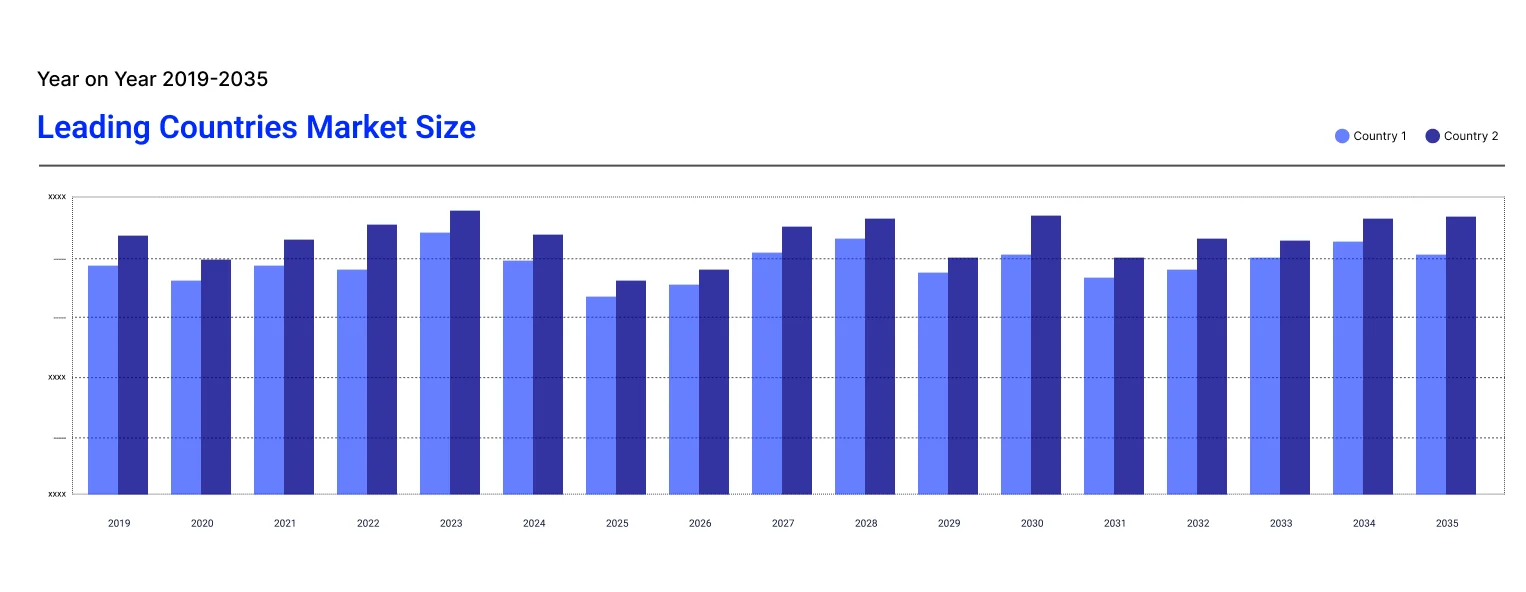
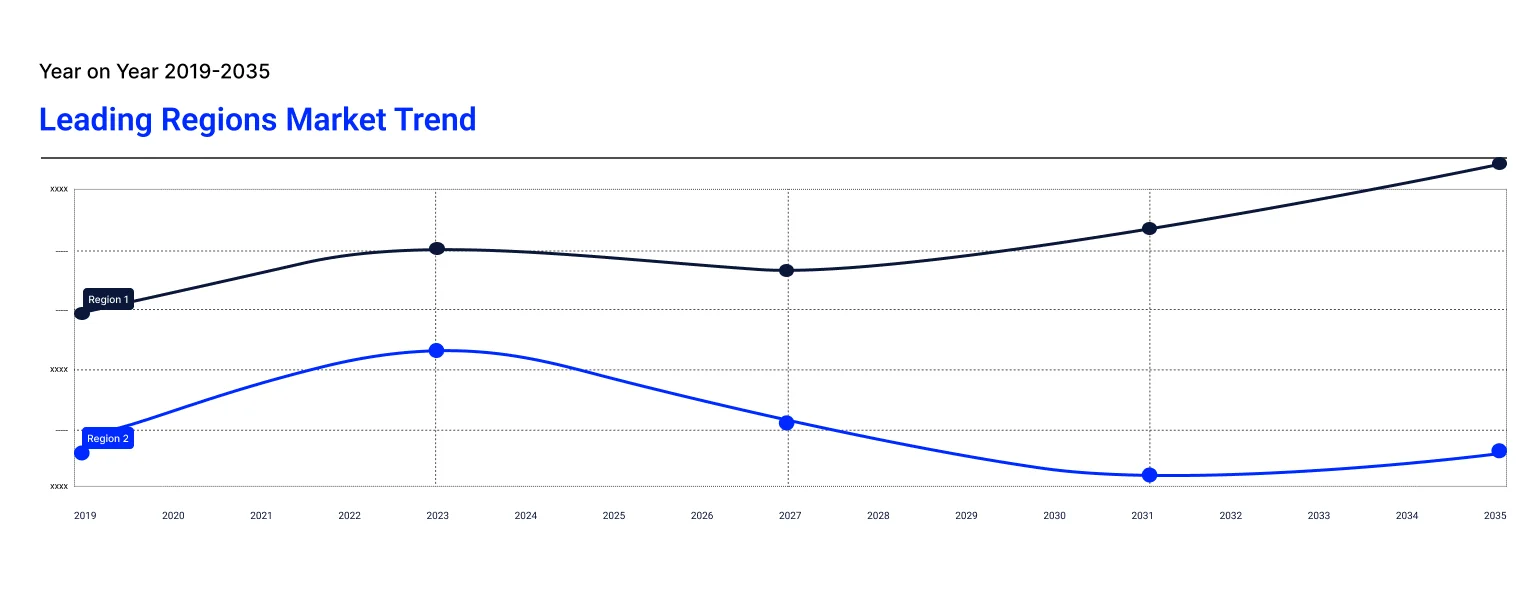
Asia Pacific dominates the global industry due to intensive farming and production scale
Asia Pacific represents the regional aquafeed market owing to the presence of aquaculture industries in China, India, Indonesia, Vietnam, Thailand, and other countries. Formulations that suit the conditions in high-density ponds, cages, hatcheries, and farming operations are essential for the producers. Ingredient combinations vary depending on the availability of raw materials, species, and other aspects to enhance the efficiency of the products. The region is suitable for experiments since shrimp, carp, tilapia, and other species are farmed in large numbers. In July 2026, IFB Agro outlined growth plans following its acquisition of Cargill India’s aquafeed business, expanding production and market reach.
Latin America is the most rapidly growing regional aquafeed market because of the growth of shrimp, salmon, tilapia, and other industries in countries such as Ecuador, Brazil, Chile, and Mexico. Producers are seeking feed suppliers who can provide them with functional formulas for feeds, better feed conversion, and disease management as well as help with exporting products. Feed companies have to provide formulas and technical assistance as the production operations get more complicated.
The market is moderately concentrated, with the top aquafeed companies differentiating themselves based on species-specific nutrition, functional feed additives, sustainable ingredients, and technical support as opposed to volume of feeds alone. The major players in the market are increasing their competitiveness by leveraging formulation expertise, regional production capabilities, and partnering with commercial farms more closely.
Leading aquafeed market players are constantly developing precision nutrition by way of data-formulated products, near-infrared spectroscopy, functional feeds, and health-oriented nutritional products. This is in line with the general move by the industry towards science-based formulation of feeds that promote animal health, resilience, growth, and performance efficiency. Some firms are even formulating value-added feeds using less marine ingredients and more alternative raw materials.
Cargill Inc. was founded in 1865 and is headquartered in Minnesota, United States, providing aquafeed via its Cargill, Purina, and EWOS brands. Cargill Inc. concentrates on fish species like salmon, shrimp, and tilapia, offering services that include nutrition, technology, innovations in feed, and sustainability for specific species of fish.
Archer Daniels Midland Company was founded in 1902 and is headquartered in Chicago, Illinois, United States. The company provides aquaculture producers through its unique aquafeed, ingredients, hatcheries, and brood stock services. Some of the species served by Archer Daniels Midland Company include shrimp, tilapia, milkfish, and others.
Nutreco N.V. was founded in 1994 and is based in Netherlands. Nutreco supplies aquaculture through its specialty feed subsidiary called Skretting. Skretting focuses on creating species-specific feed for fish and shrimp, while developing precision farming, alternative protein, functional nutrition, and RAS feeds to enhance biological, sustainability, and farm economic performances globally.
Aller Aqua Group was founded in 1910 and is based in Denmark. Aller Aqua Group specializes in aquafeeds and has feed production facilities in Europe, Africa, and Asia. The family-owned company produces feeds for carp, trout, tilapia, and other types of fish with a focus on nutritional performance and market knowledge.
Other key players in the market include Land O'Lakes, Inc., DIBAQ DIPROTEG S.A., Charoen Pokphand Foods PCL, De Heus Animal Nutrition, Grobest Group Limited, and GREENFEED VIETNAM CORPORATION, among others.
*Please note that this is only a partial list; the complete list of key players is available in the full report. Additionally, the list of key players can be customized to better suit your needs.*
Unlock the latest insights with our aquafeed market trends 2026 report. Discover regional growth patterns, consumer preferences, and key industry players. Stay ahead of competition with trusted data and expert analysis. Download your free sample report today and drive informed decisions in the market.


Upto 15% Off
USD
$2499 $2249
$3999 $3599
$4999 $4249
$5999 $5099


*While we strive to always give you current and accurate information, the numbers depicted on the website are indicative and may differ from the actual numbers in the main report. At Expert Market Research, we aim to bring you the latest insights and trends in the market. Using our analyses and forecasts, stakeholders can understand the market dynamics, navigate challenges, and capitalize on opportunities to make data-driven strategic decisions.*
In 2025, the market reached an approximate value of USD 84.98 Billion.
The market is estimated to grow at a CAGR of 5.90% between 2026 and 2035.
The market is estimated to witness a healthy growth during 2026-2035 to reach around USD 150.76 Billion by 2035.
Stakeholders are optimizing species-specific formulations, expanding alternative ingredients, integrating feeding analytics, strengthening traceability, validating functional additives, and building regional partnerships with farms, hatcheries, and technology providers while improving farmer profitability.
The key trends aiding the market include technological advancements in feed formulation and the rising adoption of sustainable aquaculture practices.
The major regions considered in the market report are North America, Europe, the Asia Pacific, Latin America, and the Middle East and Africa.
The different ingredients used in aquafeed include soybean, corn, fish meal, fish oil, and additives, among others.
The major players in the market are Cargill Inc., Archer Daniels Midland Company, Nutreco N.V., Aller Aqua Group, Land O'Lakes, Inc., DIBAQ DIPROTEG S.A., Charoen Pokphand Foods PCL, De Heus Animal Nutrition, Grobest Group Limited, and GREENFEED VIETNAM CORPORATION, among others.
Companies are managing volatile fishmeal prices, alternative-ingredient performance, disease risks, tighter sustainability rules, inconsistent raw-material quality, formulation costs, and demand for measurable feed-conversion improvements across species and regions profitably sustainably.
Explore our key highlights of the report and gain a concise overview of key findings, trends, and actionable insights that will empower your strategic decisions.
| REPORT FEATURES | DETAILS |
| Base Year | 2025 |
| Historical Period | 2019-2025 |
| Forecast Period | 2026-2035 |
| Scope of the Report |
Historical and Forecast Trends, Industry Drivers and Constraints, Historical and Forecast Market Analysis by Segment:
|
| Breakup by Ingredient |
|
| Breakup by Additives |
|
| Breakup by Product Form |
|
| Breakup by End Use |
|
| Breakup by Region |
|
| Market Dynamics |
|
| Competitive Landscape |
|
| Companies Covered |
|
Datasheet
One User
USD 2,499
USD 2,249
tax inclusive*
Single User License
One User
USD 3,999
USD 3,599
tax inclusive*
Five User License
Five User
USD 4,999
USD 4,249
tax inclusive*
Corporate License
Unlimited Users
USD 5,999
USD 5,099
tax inclusive*
*Please note that the prices mentioned below are starting prices for each bundle type. Kindly contact our team for further details.*
Flash Bundle
Small Business Bundle
Growth Bundle
Enterprise Bundle
*Please note that the prices mentioned below are starting prices for each bundle type. Kindly contact our team for further details.*
Flash Bundle
Number of Reports: 3
20%
tax inclusive*
Small Business Bundle
Number of Reports: 5
25%
tax inclusive*
Growth Bundle
Number of Reports: 8
30%
tax inclusive*
Enterprise Bundle
Number of Reports: 10
35%
tax inclusive*
How To Order

Select License Type
Choose the right license for your needs and access rights.

Click on ‘Buy Now’
Add the report to your cart with one click and proceed to register.

Select Mode of Payment
Choose a payment option for a secure checkout. You will be redirected accordingly.
Strategic Solutions for Informed Decision-Making
Gain insights to stay ahead and seize opportunities.

Get insights & trends for a competitive edge.

Track prices with detailed trend reports.

Analyse trade data for supply chain insights.

Leverage cost reports for smart savings

Enhance supply chain with partnerships.

Connect For More Information
Our expert team of analysts will offer full support and resolve any queries regarding the report, before and after the purchase.
Our expert team of analysts will offer full support and resolve any queries regarding the report, before and after the purchase.
We employ meticulous research methods, blending advanced analytics and expert insights to deliver accurate, actionable industry intelligence, staying ahead of competitors.
Our skilled analysts offer unparalleled competitive advantage with detailed insights on current and emerging markets, ensuring your strategic edge.
We offer an in-depth yet simplified presentation of industry insights and analysis to meet your specific requirements effectively.




