

Consumer Insights
Uncover trends and behaviors shaping consumer choices today
Procurement Insights
Optimize your sourcing strategy with key market data
Industry Stats
Stay ahead with the latest trends and market analysis.

The global architectural, engineering and construction (AEC) market attained a value of USD 51.07 Billion in 2025 and is projected to expand at a CAGR of 6.40% through 2035. The market is further expected to achieve USD 94.97 Billion by 2035. These are majorly supported by infrastructural development, rapid urbanization, and digitization of the construction and architectural processes.
One of the primary factors pushing the global AEC industry to move forward is the ascendancy of digital twin-enabled predictive maintenance, which permits companies to simulate asset performance even before building. As a result, the total costs for the lifecycle are lowered which, in turn, attracts large infrastructure developers. For instance, Siemens extended its cloud-based digital twin suite for metro rail projects in April 2025, thus enabling contractors to optimize structural design and long-term asset reliability, and therefore boosting the architectural, engineering and construction (AEC) market trend.
The AEC (architecture, engineering, and construction) market is going through a major shift globally due to the increased need for integrated and tech-driven solutions in both construction and design. The market has become a mirror of the changing demands due to urbanization, the growth of infrastructure, and the popularity of green buildings all over the world. The widespread use of Building Information Modeling (BIM), cloud computing, and AI-powered analytics is revolutionizing the traditional architectural and engineering operations, which were less efficient and not collaborative.
Positive changes in the economy, government spending on infrastructure, and the rise of investments in smart city projects are among the most important factors that are shaping the AEC industry. A shift in consumer culture, which prefers sustainable and energy-efficient buildings, further strengthens the industry trend to integrate advanced software and service solutions. Besides that, there was a quick digital transformation in the sector after 2020, which resulted in companies speeding up their adoption of cloud-based platforms to facilitate remote work and real-time project management, thus influencing the architectural, engineering and construction (AEC) market dynamics in a positive way. The merging of technology and construction know-how is what is making the AEC market not only a globally relevant but also a dynamically expanding one.
Along with that, there are a wide range of factors for the market growth such as major investments in smart city projects and clean building initiatives as well as the modernization of the infrastructure in the regions of Asia Pacific and North America. The prompt transition to cloud-based software and services creates an openness of collaboration between stakeholders which in turn leads to the shortening of project delivery timelines and better cost management. These reasons together with the increased demand for the automation of the construction process and data-driven decision-making in design are the basis for the positive market outlook.
Base Year
Historical Period
Forecast Period
BIM software, a 3D modelling tool, improves architectural, construction, civil, and MEP projects, aiding design decisions and enhancing building performance, boosting the global architectural, engineering and construction (AEC) market growth.
In 2021, the US mainly exported AEC services to Canada or the UK, with USD 1.25 billion exported to the UK and USD 1.22 billion to Canada.
The Chinese government is projected to invest approximately 27 trillion yuan (USD 4.2 trillion) in new infrastructure over the 14th Five-Year Plan period (2021-2025).
Compound Annual Growth Rate
6.4%
Value in USD Billion
2026-2035
*this image is indicative*
By embracing Building Information Modeling (BIM) and cloud-based collaboration platforms, the global architectural, engineering and construction (AEC) demand is undergoing a major change. North American and European companies in 2024 have deepened their engagement with BIM-enabled workflows that facilitate real-time data sharing and project visualization. The change in accuracy is enhanced, errors are reduced and the communication of various stakeholders is facilitated, thereby resulting in increased productivity and better project outcomes.
The emphasis on sustainability and energy efficiency in regulations is the main driver of the demand for AEC products that facilitate the acquisition of green building certifications such as LEED and BREEAM. The 2025 building code of Europe, which is mainly focused on the need for low-carbon construction, is not only the reason why architects and engineers are becoming more and more attracted to use eco-friendly materials and technologies but also the reason why the architectural, engineering and construction (AEC) market is growing and the trend is accelerating.
The rapid urban growth in the Asia Pacific and Latin America regions is a great opportunity for the provision of architectural and engineering services that are comprehensive. With projects, like the ones in China and Brazil in 2024, they were able to take full advantage of AEC software and consulting services to not only optimize design and construction but also to grow the regional market and create new architectural, engineering and construction (AEC) market opportunities. An example is Brazil's São Paulo Metro Line 6 expansion (2024) where contractors turned to Autodesk BIM 360 and Bentley's OpenRail to make clash detection, design updates, and multi-contractor workflows coordination more efficient. The project deployed digital twins for up-to-date monitoring which helped in cutting down on rework and speeding up the timelines.
One of the major trends in the global AEC market is the integration of AI and automation tools in the design and construction processes. This is done mainly to improve efficiency, thus increasing the global architectural, engineering and construction (AEC) market value. In the US, a couple of large enterprises in 2024 actively embraced the use of AI-driven project management tools to forecast delays and optimize the resource allocation thus gaining a competitive advantage. For example, in 2024, Turner Construction (USA) implemented AI-powered schedule-forecasting and risk-analysis platforms from Oracle Aconex, and nPlan for major projects in big cities. These platforms utilized machine learning algorithms to predict delays, automate submittal reviews, and even optimize workforce planning. The transition resulted in fewer errors, improved the time of the project, and strengthened the competitiveness of the company, thus showing how AI integration is accelerating efficiency and contributing to the global AEC market value increase.
The COVID-19 pandemic was a catalyst for the rapid adoption of remote collaboration technologies. One of the architectural, engineering and construction (AEC) market trends is cloud-based AEC solutions that enable global teams to manage complex projects seamlessly. Several companies in Europe and North America made extensive updates in their remote capabilities in 2024 leading to a rise in operational cost savings besides the flexibility factor. A case in point is Skanska and Arup firms who expanded their cloud-based BIM and project-collaboration environments in 2024, thus facilitating remote engineering and design teams across Europe and North America to work in real-time. The platforms provided opportunities for remote model reviews, digital RFI's, and scheduling dashboards, thus cutting travel significantly and reducing operational costs. The transition was instrumental in facilitating project continuity post 2020 as well as establishing cloud-based AEC solutions as a core sector of market growth.
The EMR’s report titled “Global architectural, engineering and construction (AEC) Market Report and Forecast 2026-2035” offers a detailed analysis of the market based on the following segments:
Market Breakup by Component
Key Insight: The market has a split into two components, i.e., software and services. As a result of the global rising trend in the use of BIM, project management, and design software in construction, software is leading this segment type. In 2025, companies in North America and Europe were the major users of AEC software for their designs, thus achieving higher precision and efficiency. The service offerings include consulting, engineering, and project management which are flourishing because clients keep demanding complete solutions. The Asia Pacific authorities through infrastructure projects in India and China are benefitting from the integration of AEC services, thus supporting the strong regional growth.
Market Breakup by Deployment
Key Insight: On-premises installation is thriving especially among big companies that are keen on maintaining control over their data and security, thus broadening the architectural, engineering and construction (AEC) market scope. Cloud-based AEC solutions, however, are the segments with the highest growth rate, thus enabling customer base expansion and real-time collaboration. Cloud implementation in 2024 witnessed a boom in North America and Europe and the main factor behind this trend was the necessity of remote access and cross-functional teamwork most especially after the pandemic.
Market Breakup by Enterprise
Key Insight: The large enterprises are the ones that have the upper hand in the market due to the availability of huge-scale infrastructural projects and their financial capacity to invest in cutting-edge AEC technologies. Therefore, these companies are the ones that usually integrate both software and services to enhance their project delivery. On the other hand, small and medium-sized enterprises (SMEs) are fast adopters of cloud-based, affordable AEC solutions that could help them become more competitive, particularly in emerging markets such as Southeast Asia and Latin America.
Market Breakup by End Use
Key Insight: The global architectural, engineering, and construction (AEC) market report pointed out that the construction and architecture segment is the leading one in terms of market share due to the extensive use of AEC solutions in design, planning, and executing projects. Schools and universities are progressively integrating AEC software into their programs, thus promoting early adoption and skills development. Other sectors consist of government infrastructure and the industrial sector, where AEC tools are used to meet regulatory requirements and facilitate complex engineering tasks.
Market Breakup by Region
Key Insight: The North American market is mainly driven by developed construction industries and early technology adoption, thus expanding its share in the architectural, engineering and construction (AEC) market. The European market is a close second, with a strong emphasis on sustainability and smart city initiatives. The Asia Pacific region is the leading market in terms of growth rate owing to the massive urbanization and the rapid pace of infrastructural development in China, India, and Southeast Asia. Latin America and the Middle East & Africa, on the other hand, are the new markets that are increasing their expenditures on construction and urban development projects.
Rising Software Adoption and Accelerating Growth of Cloud-Based Tools in the AEC Market
Software has been the major contributor in the market as BIM, CAD, and project management tools have been widely used, especially by large construction firms in North America and Europe in 2024. The capability of software to make the process more efficient and to lower the number of mistakes is what keeps it in the leading position.
Cloud-based services are the most rapidly expanding subsegment, and they are chosen mainly for their adaptability and the possibility of remote collaboration. The growth in this segment has accelerated after the pandemic, and firms in Europe and North America have been adopting cloud solutions in 2024 to facilitate multi-location teamwork.
Growing Preference for Cloud Deployment as On-Premises Solutions Persist Among Large Enterprises
On-premises solutions still account for a significant number of installations due to mainly legacy systems and security concerns, especially among large enterprises that deal with sensitive data. A lot of companies in North America are still choosing on-premises deployment for their most critical projects, thereby bolstering the architectural, engineering and construction (AEC) demand.
Cloud-based deployment is the most rapidly expanding one and is mainly driven by its scalability and cost-effectiveness. In 2024, the Asia Pacific companies were progressively moving towards cloud-based AEC platforms in order to make the most of their infrastructure investments and the need for real-time collaboration.
Large Enterprises Lead While SMEs Rapidly Adopt Affordable Cloud-Based AEC Technologies Worldwide
Large enterprises dominate the AEC market by volume, given their involvement in mega projects requiring integrated software and service solutions. Their financial capacity allows for investment in cutting-edge technologies and comprehensive consulting services.
SMEs are the fastest-growing segment, leveraging affordable cloud-based platforms to access advanced AEC capabilities. Rapid urbanization in emerging economies fuels SME adoption, with notable growth in countries like India and Brazil in 2024.
Construction and Architecture Dominate as Education Sector Accelerates AEC Technology Adoption
Construction and architecture sectors hold the largest market share, as they are the primary consumers of AEC software and services worldwide, thus boosting the architectural, engineering and construction (AEC) market revenues. Projects focused on commercial, residential, and infrastructure development drive demand. The education segment is expanding rapidly as academic institutions integrate AEC technologies into their curriculum, preparing future professionals and driving early market adoption.
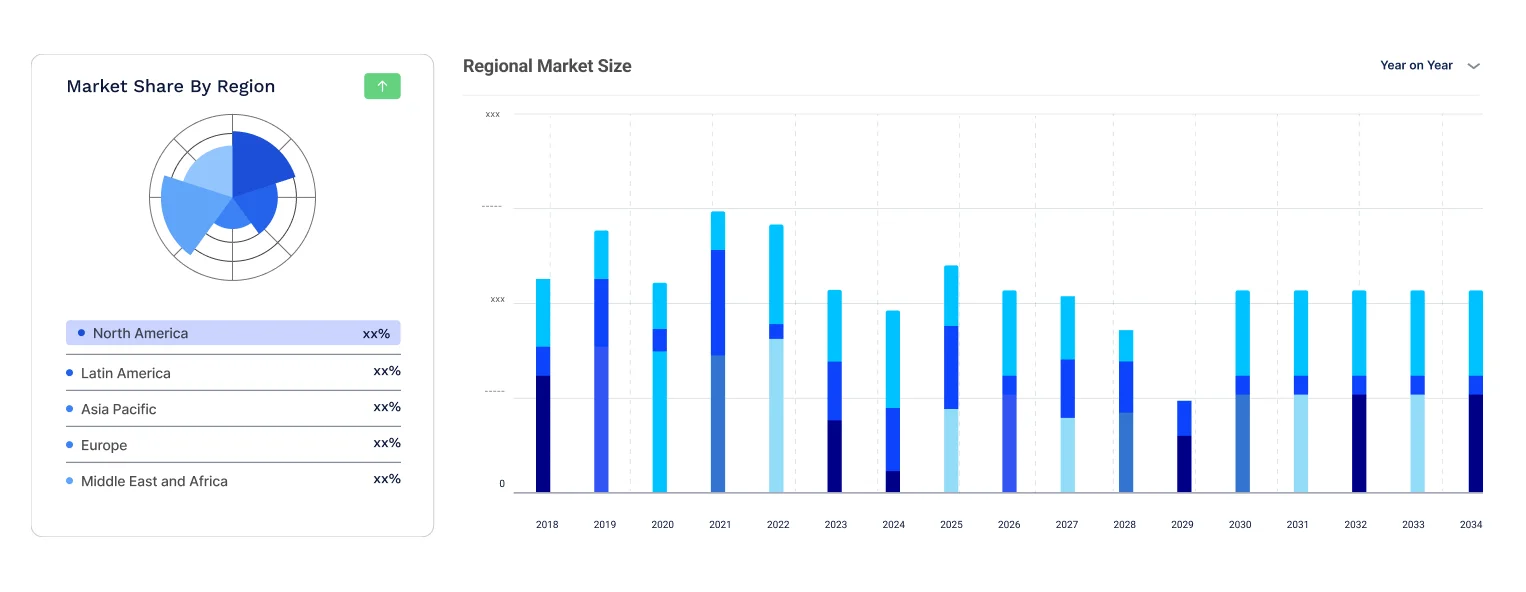
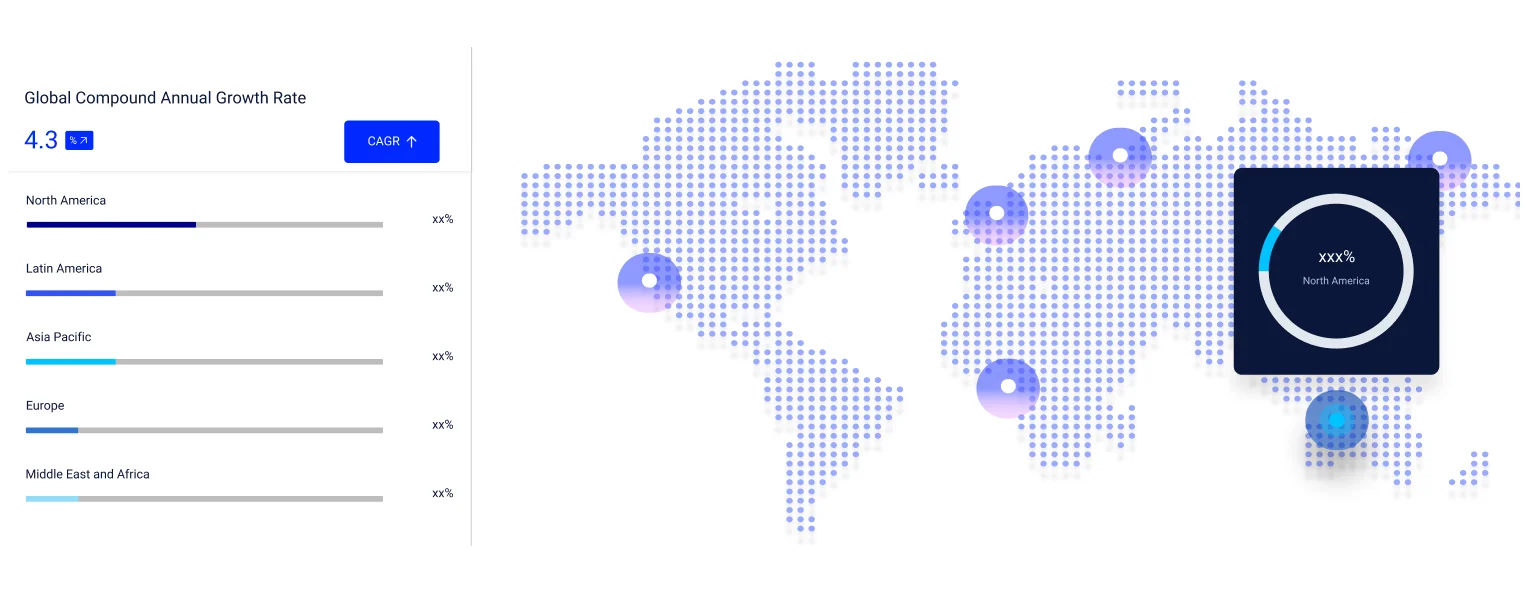
North America Leads Global AEC Adoption as Asia Pacific Surges with Rapid Modernization
Among the most significant factors that have enabled North America to maintain its dominance in the architectural, engineering and construction (AEC) market are the vigorous construction activities, the early adoption of advanced technologies like BIM, and the government initiatives that support infrastructure upgrades. The US and Canada are, therefore, two countries that put a lot of emphasis on sustainability and digital transformation, which in turn leads to the use of cloud-based and AI-enabled AEC solutions. The implementation of such solutions is well illustrated by these sectors in 2025, where smart city developments and large-scale commercial constructions are the major projects, thus pushing the architectural, engineering and construction (AEC) market growth ahead.
The Asia Pacific region is the one that is growing at the fastest rate and this is mainly because of the urbanization that is happening very rapidly as well as the investment in the infrastructure in China, India, and Southeast Asia. Further, these countries have taken a solid decision to modernize their construction industries through the integration of advanced software and services to enhance efficiency and sustainability. On the other hand, Latin America and the Middle East & Africa are two regions that have just launched their programs and are experiencing a steady growth owing to an increase in government spending on infrastructure and urban development. In 2024, Brazil and the UAE have been the major contributors to the growth of these two regions.
Leading architectural, engineering and construction (AEC) market players, which includes companies like Autodesk, Bentley Systems, Dassault Systèmes, Hexagon, Nemetschek, Trimble, AVEVA, Ansys, Newforma, and 4M, are aggressively broadening their reach with huge investments in AI-driven design automation, digital twins, cloud-based collaboration, and integrated simulation tools. The aim of these firms is to facilitate processes, improve interoperability, and attract big infrastructure projects in the regions of North America, Europe, Asia Pacific, and the Middle East.
These architectural, engineering and construction (AEC) companies are extending their international influence through the development of strategic partnership with construction giants, universities, and smart-infrastructure initiatives funded by the government. In addition, they penetrate new markets by adjusting software for local needs, introducing subscription-based cloud models, and improving BIM-to-field connectivity. Their commitment to sustainability through energy-efficient modelling, lifecycle assessment tools, and real-time analytics is at the core of their strategy, thus giving them the opportunity to be embraced in the long run and to have a competitive advantage worldwide.
Ansys, founded in 1970 and a company headquartered in Canonsburg, Pennsylvania, is known for its advancements in simulation. The company is one of the leaders which goes for the application of these simulation solutions in the AEC sector. The main areas of the application cover structural performance, airflow, energy efficiency, and safety in building and the infrastructure projects. Their physics-based modeling, digital twin capabilities, and multiphysics simulations are geared towards architects and engineers to optimize their design, predict the real-world scenario, and check for the compliance of the regulation. Ansys helps to shorten the AEC workflows through risk reduction and by bettering the sustainability outcomes with exact engineering insights.
Autodesk, a respected player in the production of software for the AEC industry, was established in 1982 and situated in San Rafael, California. The main instruments brought by them to the market and used widely across the global AEC industry are Revit, AutoCAD, Civil 3D, and Navisworks opening the door for integrated design, modeling, and construction management. The company is most noted for the cloud-based Autodesk Construction Cloud, which is a tool for easy interaction and efficient project execution. Autodesk is very much concerned with digital transformation in architecture, engineering, and construction and they have made it possible through BIM, instantaneous coordination, and data-driven decision-making of large-scale projects.
Aveva was established in 1967 and has its headquarters in Cambridge, United Kingdom. It is a provider of software solutions for engineering, design, and industrial information-management that are very popular in the sectors related to AEC such as infrastructure, energy, and industrial facilities. Its product range comprises 3D plant design, digital twin platforms, operations control, and asset-lifecycle management instruments. Aveva empowers the engineering teams to work in perfect harmony, accelerates the project journey, and makes the ground work more efficient through the unification of design, simulation, and performance intelligence in the target of the capital-intensive projects.
Bentley Systems, a company based in Exton, Pennsylvania, was incorporated in 1984. The company offers a wide-ranging suite of AEC and infrastructure design products including OpenBuildings, OpenRoads, OpenRail, and ProjectWise. Bentley is at the heart of digital transformation through the use of its iTwin platform which integrates the real-time modeling, simulation, and asset-lifecycle insights for the sectors of transportation, utilities, and megaprojects. Infrastructural capacity development is at the core of Bentley Systems' global contribution. The company's next-gen BIM, project delivery, and geospatial solutions offer precision, collaboration, and long-term asset performance for engineers and contractors.
*Please note that this is only a partial list; the complete list of key players is available in the full report. Additionally, the list of key players can be customized to better suit your needs.*
Other prominent players in the market include Dassault Systèmes, Hexagon AB, Nemetschek Group, Newforma, Inc., Trimble Inc., and 4M S.A. Advanced Software Engineering Systems, among others.
Unlock the latest insights with our Architectural, Engineering and Construction (AEC) Market Trends 2026 Report. Explore regional construction growth, digital-AEC adoption, investment patterns, and competitive dynamics. Stay ahead of the market with reliable data and expert-driven analysis. Download your free sample report today and make informed, future-ready decisions.
Vietnam Architectural, Engineering, and Construction (AEC) Market
Saudi Arabia Construction Equipment Market
Germany Commercial Construction Market
Saudi Arabia Construction Sand Market
Mexico Construction Adhesives Market
United Kingdom Construction Market
North America Construction Market
United States Construction Market
Australia Construction Market
Japan Construction Market


Upto 15% Off
USD
$3999 $3599
$2499 $2249
$4999 $4249
$5999 $5099


*While we strive to always give you current and accurate information, the numbers depicted on the website are indicative and may differ from the actual numbers in the main report. At Expert Market Research, we aim to bring you the latest insights and trends in the market. Using our analyses and forecasts, stakeholders can understand the market dynamics, navigate challenges, and capitalize on opportunities to make data-driven strategic decisions.*
Get in touch with us for a customized solution tailored to your unique requirements and save upto 35%!
In 2025, the market reached an approximate value of USD 51.07 Billion.
The market is projected to grow at a CAGR of 6.40% between 2026 and 2035.
The architectural, engineering and construction (AEC) market is expected to reach USD 94.97 Billion in 2035.
Key strategies driving the global AEC market include the rapid deployment of BIM, digital twins, and AI-powered design tools combined with cloud-based collaboration to be more efficient in the workflow. The companies invested in resource-efficient construction, the modular and prefabricated building methods, strategic partnership, and integrated project delivery models to become more efficient, lower expenses and speed up their projects.
Based on the component, the market is bifurcated into software and services.
The key players in the market include Ansys, Inc., Autodesk Inc., Aveva Group Limited, Bentley Systems Inc., Dassault Systèmes, Hexagon AB, Nemetschek Group, Newforma, Inc., Trimble Inc., and 4M S.A. Advanced Software Engineering Systems, among others.
The major market areas include North America, Europe, Asia Pacific, Latin America, Middle East and Africa.
The different types of deployment in the AEC market include on-premises, cloud-based, and others.
The different enterprises in the market are small and medium-sized enterprises and large enterprises.
Major challenges of the AEC (architectural, engineering, and construction) sector lies with the slow digital adoption of traditional firms, highly fragmented project workflows, and increase of construction costs. The shortage of skilled labor and solving sustainability issues has also become increasingly difficult with continuously changing regulations and rise of data-security concerns.
Explore our key highlights of the report and gain a concise overview of key findings, trends, and actionable insights that will empower your strategic decisions.
| REPORT FEATURES | DETAILS |
| Base Year | 2025 |
| Historical Period | 2019-2025 |
| Forecast Period | 2026-2035 |
| Scope of the Report |
Historical and Forecast Trends, Industry Drivers and Constraints, Historical and Forecast Market Analysis by Segment:
|
| Breakup by Component |
|
| Breakup by Deployment |
|
| Breakup by Enterprise |
|
| Breakup by End Use |
|
| Breakup by Region |
|
| Market Dynamics |
|
| Competitive Landscape |
|
| Companies Covered |
|
Single User License
One User
USD 3,999
USD 3,599
tax inclusive*
Datasheet
One User
USD 2,499
USD 2,249
tax inclusive*
Five User License
Five User
USD 4,999
USD 4,249
tax inclusive*
Corporate License
Unlimited Users
USD 5,999
USD 5,099
tax inclusive*
*Please note that the prices mentioned below are starting prices for each bundle type. Kindly contact our team for further details.*
Flash Bundle
Small Business Bundle
Growth Bundle
Enterprise Bundle
*Please note that the prices mentioned below are starting prices for each bundle type. Kindly contact our team for further details.*
Flash Bundle
Number of Reports: 3
20%
tax inclusive*
Small Business Bundle
Number of Reports: 5
25%
tax inclusive*
Growth Bundle
Number of Reports: 8
30%
tax inclusive*
Enterprise Bundle
Number of Reports: 10
35%
tax inclusive*
How To Order

Select License Type
Choose the right license for your needs and access rights.

Click on ‘Buy Now’
Add the report to your cart with one click and proceed to register.

Select Mode of Payment
Choose a payment option for a secure checkout. You will be redirected accordingly.
Gain insights to stay ahead and seize opportunities.

Get insights & trends for a competitive edge.

Track prices with detailed trend reports.

Analyse trade data for supply chain insights.

Leverage cost reports for smart savings

Enhance supply chain with partnerships.

Connect For More Information
Our expert team of analysts will offer full support and resolve any queries regarding the report, before and after the purchase.
Our expert team of analysts will offer full support and resolve any queries regarding the report, before and after the purchase.
We employ meticulous research methods, blending advanced analytics and expert insights to deliver accurate, actionable industry intelligence, staying ahead of competitors.
Our skilled analysts offer unparalleled competitive advantage with detailed insights on current and emerging markets, ensuring your strategic edge.
We offer an in-depth yet simplified presentation of industry insights and analysis to meet your specific requirements effectively.





Share