

Consumer Insights
Uncover trends and behaviors shaping consumer choices today
Procurement Insights
Optimize your sourcing strategy with key market data
Industry Stats
Stay ahead with the latest trends and market analysis.
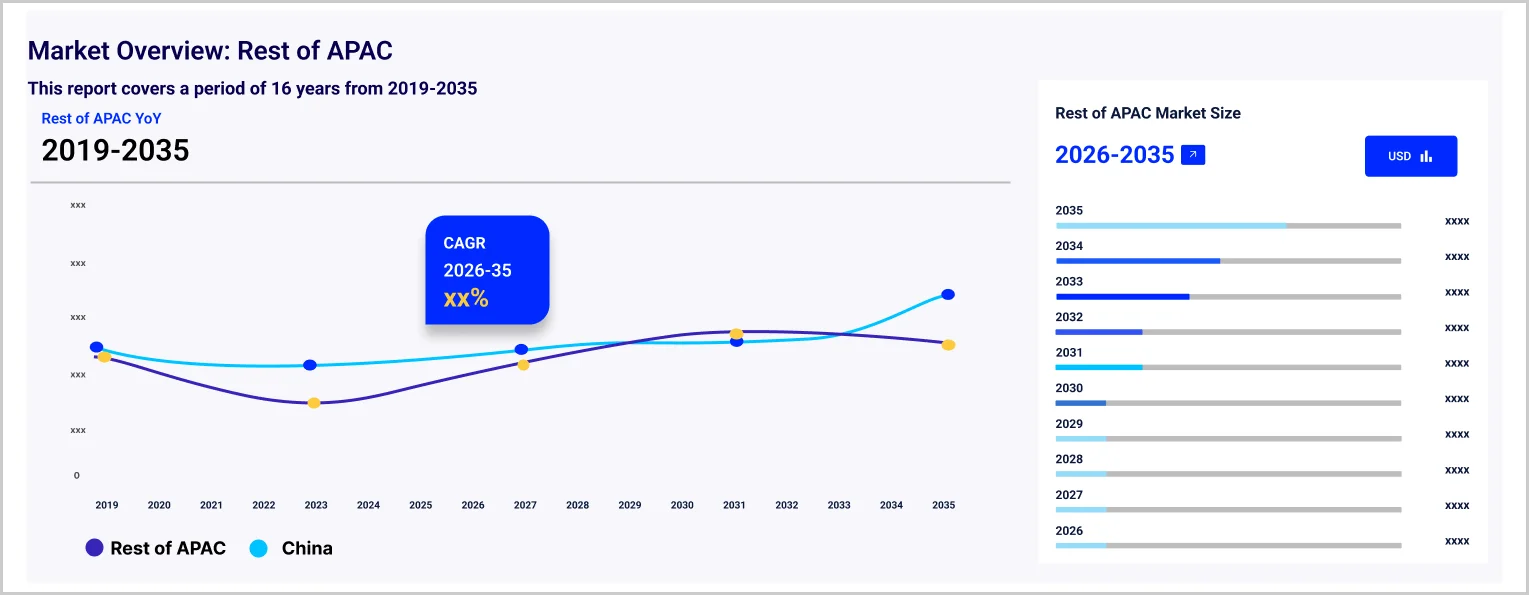
The Asia Pacific Laparoscopic Devices market was valued at USD 2.46 Billion in 2025 and is expected to grow at a CAGR of 7.70%, reaching USD 5.17 Billion by 2035. The market growth is driven by increasing adoption of minimally invasive surgical procedures, rising prevalence of conditions requiring surgical intervention, expanding healthcare infrastructure, and technological advancements in laparoscopic equipment.
Compound Annual Growth Rate
7.7%
Value in USD Billion
2026-2035
Read more about this report - REQUEST FREE SAMPLE COPY IN PDF
Laparoscopic devices are specialized surgical instruments and equipment used to perform minimally invasive procedures through small incisions rather than a large open surgical incision. The system typically comprises a laparoscope with a camera and light source, a high-resolution display, trocars and access ports, insufflation equipment, graspers, dissectors, scissors, electrosurgical or advanced energy instruments, suction-irrigation systems and specimen-extraction or stapling devices. The market was valued at USD 2.46 Billion in 2025, driven by the increasing adoption of minimally invasive surgery, rising surgical procedure volumes, expanding hospital infrastructure and technological advancements in laparoscopic equipment.
|
Analysis Type |
Factors |
Example |
|
Market Drivers |
Asia Pacific’s most important growth driver is the expanding adoption of minimally invasive surgery, reinforced by hospital modernisation and increasingly sophisticated laparoscopic instruments. |
According to MicroPort MedBot, in March 2025, China approved its Toumai SP laparoscopic surgical robot for urology, general surgery and gynaecology, illustrating expanding domestic capabilities. |
|
Market Restraints |
The principal restraint on the Asia Pacific laparoscopic devices market is the high total cost of ownership, particularly for resource-constrained hospitals. |
According to the 2026 procurement notice reported by Hindustan Times, Delhi’s Central Procurement Agency sought to centralize hospital equipment tenders, including laparoscopic systems, to limit non-uniform pricing and duplicated procurement. |
|
Market Opportunities |
The most important opportunity in the Asia Pacific laparoscopic devices market is expanding access beyond metropolitan hospitals through cost-effective equipment, domestic manufacturing and structured surgical training. |
On 18 October 2026, India’s Embassy in France announced a global tender for advanced 3D/4K laparoscopic equipment for the National Cancer Institute, AIIMS Jhajjar, reflecting institutional demand for upgraded surgical infrastructure. |
The following section outlines the key factors influencing the growth of the market, including major drivers, restraints, and emerging opportunities.
Rising Adoption of Advanced Minimally Invasive Surgery and Locally Developed Surgical Technologies
Asia Pacific’s most important growth driver is the expanding adoption of minimally invasive surgery, reinforced by hospital modernisation and increasingly sophisticated laparoscopic instruments. According to MicroPort MedBot, in March 2025, China approved its Toumai SP laparoscopic surgical robot for urology, general surgery and gynaecology, illustrating expanding domestic capabilities. The commercial launch of advanced energy devices and powered staplers further supports equipment upgrades. Economically, local manufacturing and compact platforms can improve procurement flexibility, while ageing populations and rising surgical demand strengthen long-term replacement and capital-investment incentives.
High Capital Costs, Reprocessing Requirements and Uneven Hospital Purchasing Capacity
The principal restraint on the Asia Pacific laparoscopic devices market is the high total cost of ownership, particularly for resource-constrained hospitals. According to the 2026 procurement notice reported by Hindustan Times, Delhi’s Central Procurement Agency sought to centralize hospital equipment tenders, including laparoscopic systems, to limit non-uniform pricing and duplicated procurement. Beyond acquisition costs, hospitals must fund maintenance, specialized sterilization equipment, replacement instruments and staff training. These recurring expenses weaken the investment case where procedure volumes and operating budgets cannot reliably support utilization.
Expansion into Tier-2 and Tier-3 Hospitals Through Affordable, Locally Supported Laparoscopic Technologies
The most important opportunity in the Asia Pacific laparoscopic devices market is expanding access beyond metropolitan hospitals through cost-effective equipment, domestic manufacturing and structured surgical training. On 18 October 2026, India’s Embassy in France announced a global tender for advanced 3D/4K laparoscopic equipment for the National Cancer Institute, AIIMS Jhajjar, reflecting institutional demand for upgraded surgical infrastructure. According to the Kampong Cham Provincial Hospital study (2026), structured multidisciplinary training enabled independent laparoscopic procedures at a Cambodian provincial hospital, demonstrating a replicable expansion model.
Integration of Robotic Assistance, Advanced Visualisation and Hybrid Surgical Workflows
The most important emerging trend in the Asia Pacific laparoscopic devices market is the convergence of conventional laparoscopy with robotic assistance, high-definition 3D/4K visualisation and digitally connected surgical systems. According to Jun Watanabe et al. (2026), an Asia-Pacific expert consensus published in the Journal of Gastroenterology established guidance for combining laparoscopic and robotic techniques in colorectal surgery. The approach may preserve the versatility of conventional instruments while introducing robotic precision and ergonomic benefits, creating demand for compatible instruments, imaging systems and upgraded operating-room infrastructure.
General Surgery is Likely to Dominate Through Broad Procedural Demand Across Abdominal Conditions
General surgery is the leading application in the Asia Pacific laparoscopic devices market because laparoscopic instruments are used across a broad range of routine and complex procedures, including cholecystectomy, appendectomy, hernia repair and gastrointestinal surgery. Unlike narrower applications, this segment benefits from demand across multiple disease categories and hospital departments. The adoption of advanced imaging at Government General Hospital, Vijayawada, in September 2026 illustrates this trend: its new 4K/3D laparoscopic system supports minimally invasive procedures and surgical training, strengthening institutional capacity for general surgery.
Read more about this report - REQUEST FREE SAMPLE COPY IN PDF
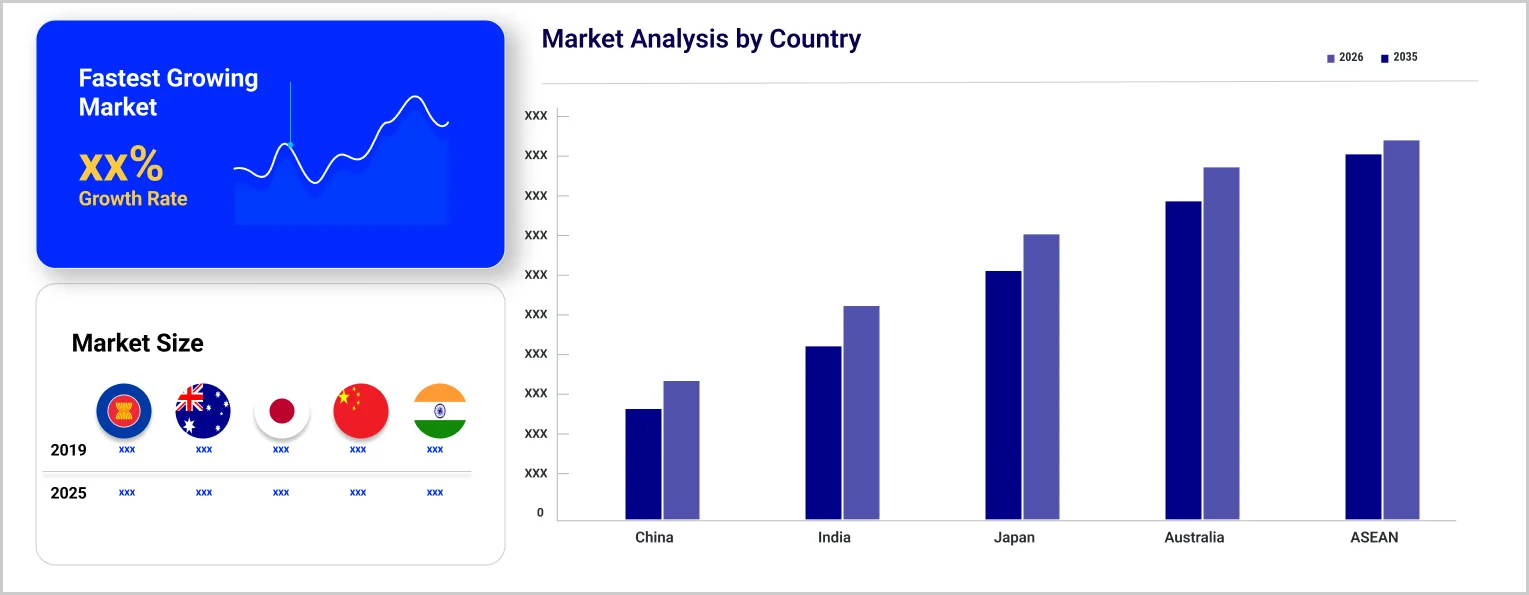
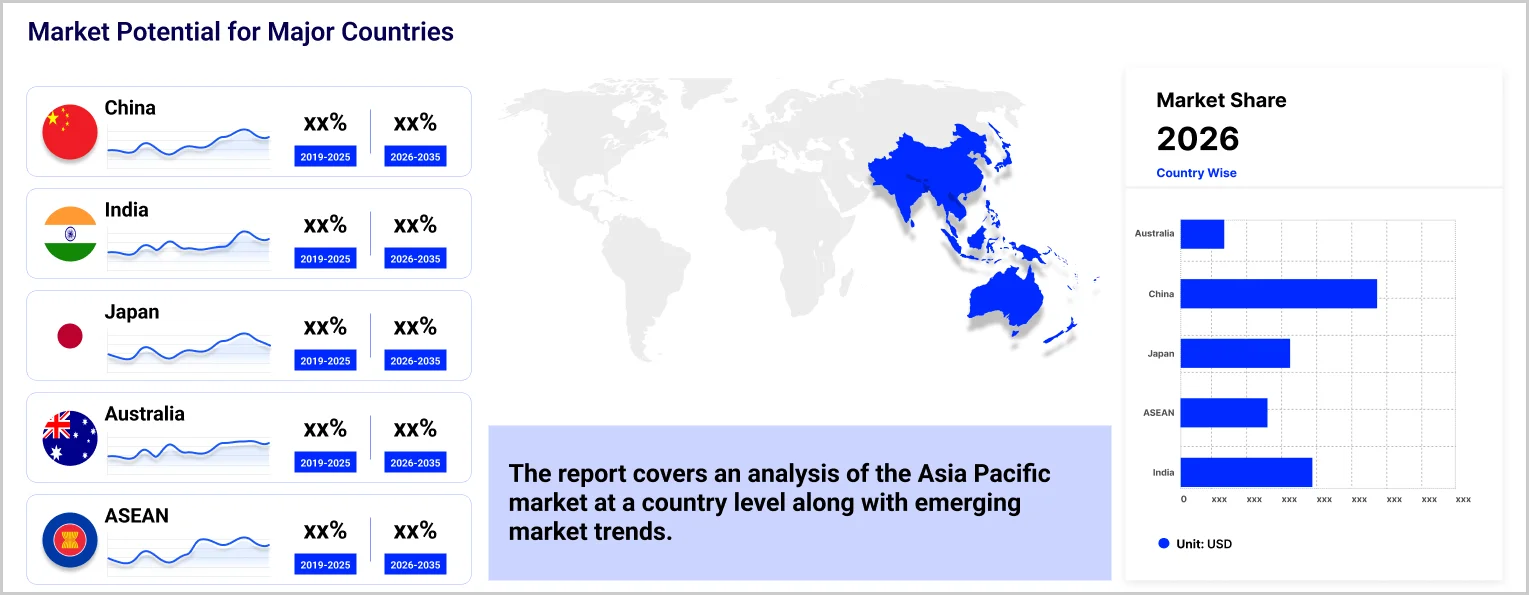
China is the leading country-level market within Asia Pacific, supported by its extensive hospital network, substantial surgical demand, expanding domestic medical-device industry and growing adoption of robotic-assisted laparoscopy. According to China’s State Council, in March 2026, the country’s medical-equipment sector reported continued expansion and a shift towards technology-led manufacturing, reinforcing the industrial base for advanced surgical devices.
The key features of the market report include patent analysis, funding and investment analysis, and strategic initiatives by leading players. The major companies in the market are as follows:
Karl Storz is a German medical technology company specializing in endoscopy and minimally invasive surgical solutions. Its portfolio includes laparoscopes, imaging systems, endoscopic instruments and operating-room integration technologies. The company serves multiple surgical specialties and maintains an international distribution network, supporting hospitals with advanced visualization equipment and instruments for diagnostic and therapeutic procedures.
Medtronic is a global medical technology company offering surgical instruments, advanced energy systems, stapling devices and minimally invasive surgical solutions. Its portfolio supports general surgery and other specialties through technologies designed to improve procedural efficiency and surgical precision. The company operates across international healthcare markets, combining product development, clinical training and hospital partnerships to support adoption.
Through its MedTech business, Johnson & Johnson develops surgical technologies, including advanced energy devices, stapling systems and minimally invasive surgical instruments. Its Ethicon portfolio supports laparoscopic procedures across general surgery and other specialties. The company combines global commercial reach with research, product development and surgeon education, strengthening its position in surgical technologies and procedural solutions.
Olympus is a Japanese medical technology company specializing in endoscopic imaging and minimally invasive surgical equipment. Its portfolio includes laparoscopes, surgical imaging systems, endoscopic instruments and energy-based devices. The company serves hospitals and surgical centers internationally, focusing on visualization technologies, procedural efficiency and integrated surgical solutions across general surgery, urology, gynecology and other clinical specialties.
Other key players in the market include CONMED Corporation, B. Braun SE, Richard Wolf GmbH, Becton, Dickinson and Company, Cook Medical LLC.
*Please note that this is only a partial list; the complete list of key players is available in the full report. Additionally, the list of key players can be customized to better suit your needs.*
The market report offers a detailed analysis of the market based on the following segments:
Market Breakup by Product
The product segment encompasses visualisation systems, surgical instruments and supporting equipment used in minimally invasive procedures. Demand is influenced by technological improvements in imaging, energy delivery and tissue closure, alongside hospital investment in surgical infrastructure. Equipment reliability, compatibility, maintenance requirements and procedural versatility remain important considerations in purchasing decisions across the region.
Market Breakup by Usage
Reusable instruments appeal to healthcare facilities seeking to manage long-term procurement expenditure, while disposable instruments offer convenience and reduce reprocessing requirements. Purchasing decisions depend on sterilization infrastructure, infection-control protocols, procedure volumes and lifecycle costs. Manufacturers increasingly compete on instrument durability, procedural safety, operational efficiency and the balance between acquisition costs and recurring expenditure.
Market Breakup by Application
Application demand reflects the growing use of minimally invasive techniques across multiple surgical specialties. General surgery benefits from broad procedural applicability, while gynecological, colorectal, bariatric and urological procedures support specialized instrument requirements. Adoption depends on surgeon expertise, patient suitability, hospital capabilities and the availability of advanced imaging and energy-delivery technologies.
Market Breakup by End User
Hospitals and clinics represent important purchasers because they accommodate diverse surgical specialties and complex procedures requiring integrated operating-room infrastructure. Ambulatory surgical centers support demand through outpatient procedures and shorter hospital stays. End-user purchasing patterns depend on surgical throughput, capital budgets, staffing, equipment utilization and the availability of sterilization and maintenance services.
Market Breakup by Country
Regional demand is shaped by differences in healthcare expenditure, surgical capacity, medical-device manufacturing and access to minimally invasive procedures. China benefits from domestic device manufacturing and hospital investment, while Japan has an established advanced healthcare system. India and ASEAN offer expansion opportunities through healthcare infrastructure development, and Australia contributes demand through established surgical services and technology adoption.


Upto 15% Off
USD
$2699 $2429
$4299 $3869
$5799 $4949
$6999 $5949


*While we strive to always give you current and accurate information, the numbers depicted on the website are indicative and may differ from the actual numbers in the main report. At Expert Market Research, we aim to bring you the latest insights and trends in the market. Using our analyses and forecasts, stakeholders can understand the market dynamics, navigate challenges, and capitalize on opportunities to make data-driven strategic decisions.*
Explore our key highlights of the report and gain a concise overview of key findings, trends, and actionable insights that will empower your strategic decisions.
| REPORT FEATURES | DETAILS |
| Base Year | 2025 |
| Historical Period | 2019-2025 |
| Forecast Period | 2026-2035 |
| Scope of the Report |
Historical and Forecast Trends, Industry Drivers and Constraints, Historical and Forecast Market Analysis by Segment:
|
| Breakup by Product |
|
| Breakup by Usage |
|
| Breakup by Application |
|
| Breakup by End User |
|
| Breakup by Region |
|
| Market Dynamics |
|
| Supplier Landscape |
|
| Companies Covered |
|
Datasheet
One User
USD 2,699
USD 2,429
tax inclusive*
Single User License
One User
USD 4,299
USD 3,869
tax inclusive*
Five User License
Five User
USD 5,799
USD 4,949
tax inclusive*
Corporate License
Unlimited Users
USD 6,999
USD 5,949
tax inclusive*
*Please note that the prices mentioned below are starting prices for each bundle type. Kindly contact our team for further details.*
Flash Bundle
Small Business Bundle
Growth Bundle
Enterprise Bundle
*Please note that the prices mentioned below are starting prices for each bundle type. Kindly contact our team for further details.*
Flash Bundle
Number of Reports: 3
20%
tax inclusive*
Small Business Bundle
Number of Reports: 5
25%
tax inclusive*
Growth Bundle
Number of Reports: 8
30%
tax inclusive*
Enterprise Bundle
Number of Reports: 10
35%
tax inclusive*
How To Order

Select License Type
Choose the right license for your needs and access rights.

Click on ‘Buy Now’
Add the report to your cart with one click and proceed to register.

Select Mode of Payment
Choose a payment option for a secure checkout. You will be redirected accordingly.
Strategic Solutions for Informed Decision-Making
Gain insights to stay ahead and seize opportunities.

Get insights & trends for a competitive edge.

Track prices with detailed trend reports.

Analyse trade data for supply chain insights.

Leverage cost reports for smart savings

Enhance supply chain with partnerships.

Connect For More Information
Our expert team of analysts will offer full support and resolve any queries regarding the report, before and after the purchase.
Our expert team of analysts will offer full support and resolve any queries regarding the report, before and after the purchase.
We employ meticulous research methods, blending advanced analytics and expert insights to deliver accurate, actionable industry intelligence, staying ahead of competitors.
Our skilled analysts offer unparalleled competitive advantage with detailed insights on current and emerging markets, ensuring your strategic edge.
We offer an in-depth yet simplified presentation of industry insights and analysis to meet your specific requirements effectively.




