

Consumer Insights
Uncover trends and behaviors shaping consumer choices today
Procurement Insights
Optimize your sourcing strategy with key market data
Industry Stats
Stay ahead with the latest trends and market analysis.
The Europe Laparoscopic Devices market was valued at USD 3.17 Billion in 2025 and is expected to grow at a CAGR of 7.80%, reaching USD 6.72 Billion by 2035. The market growth is driven by the increasing adoption of minimally invasive surgical procedures, rising surgical volumes, growing demand for shorter hospital stays and faster patient recovery, expanding hospital infrastructure, and technological advancements in high-definition imaging, advanced energy instruments and robotic-assisted surgery.
Compound Annual Growth Rate
7.8%
Value in USD Billion
2026-2035
Read more about this report - REQUEST FREE SAMPLE COPY IN PDF
Laparoscopic devices are specialized surgical instruments and equipment designed to perform minimally invasive procedures through small incisions, reducing the need for conventional open surgery. These systems comprise laparoscopes equipped with cameras and light sources, high-definition displays, trocars and access ports, insufflation units, graspers, dissectors, scissors, electrosurgical and advanced energy devices, suction-irrigation systems, and specimen-retrieval or stapling instruments. The market was valued at USD 3.17 Billion in 2025, driven by the growing preference for minimally invasive surgical techniques, increasing procedural volumes, expanding hospital infrastructure, and continuous technological advancements in laparoscopic equipment.
The following section outlines the key factors influencing the growth of the market, including major drivers, restraints, and emerging opportunities.
Expanding Minimally Invasive Surgery Through Robotic Innovation and Broader Clinical Applications
The most important growth driver is the expanding adoption of minimally invasive surgery, reinforced by technological innovation and wider procedural indications. According to Intuitive (September 2026), the da Vinci SP system received European CE-mark expansion for transvaginal gynecological procedures, broadening its addressable applications. Germany’s hospital reforms emphasize specialized, quality-oriented care, while new robotic platforms intensify competition. Financially, hospitals increasingly assess capital equipment through lifecycle costs, utilization rates and operating efficiency, encouraging investment in advanced laparoscopic systems despite constrained healthcare budgets.
High Capital Costs and Inadequate Reimbursement Restrict Hospital Adoption
The principal restraint is the high total cost of advanced laparoscopic and robot-assisted surgical systems relative to hospital budgets and reimbursement. As per the OECD, 2025, capital expenditure remains constrained by macroeconomic conditions and competing infrastructure priorities. A 2026 cost analysis by French hospital researchers found that diagnosis-related group tariffs frequently failed to cover robot-specific consumable costs. These pressures weaken investment returns, particularly for lower-volume hospitals, as acquisition, maintenance, training and recurring instrument expenses compete with staffing and essential-care expenditure.
Expansion into Complex Procedures and Next-Generation Surgical Robotics
The most important market opportunity is the expansion of minimally invasive surgery into complex procedures through advanced visualization, force-feedback instrumentation and broader clinical indications. According to Intuitive, September 2026, CE-mark approval of force-feedback instruments and enhanced digital capabilities for da Vinci 5 strengthens its European offering. Medicaroid’s 2026 European clearance for Hinotori also widens competition across surgical specialties. Economically, broader procedural utilization can improve equipment amortization and recurring instrument revenues, while competitive platforms may give hospitals greater flexibility in capital procurement.
Shift Towards Robotic-Assisted, Data-Enabled Minimally Invasive Surgery
The dominant emerging trend is the integration of robotic assistance, enhanced visualisation and real-time surgical feedback into minimally invasive procedures. According to Intuitive, September 2026, European CE-mark approval of force-feedback instruments for da Vinci 5 introduces real-time tissue-force indicators and post-operative performance analytics. MedTech Europe’s October 2026 policy report highlights implementation models in Denmark, Belgium and England, while emphasizing the need for training and outcomes-based funding. This convergence supports demand for advanced instruments, imaging and software, although conventional laparoscopic devices remain essential to cost-conscious hospitals.
General Surgery is Likely to Lead the Market Share by Application
General surgery is the leading application, supported by the widespread use of laparoscopic instruments in cholecystectomy, appendectomy and hernia repair. According to Eurostat, 2026, EU hospitals performed approximately 914,500 cholecystectomies in 2023, with the vast majority conducted laparoscopically. Broader adoption across routine abdominal procedures sustains demand for laparoscopes, access devices, energy systems and reusable or disposable instruments. From a financial perspective, high procedural throughput supports equipment utilization and spreads fixed capital costs across more operations, strengthening hospitals’ investment rationale.
Read more about this report - REQUEST FREE SAMPLE COPY IN PDF
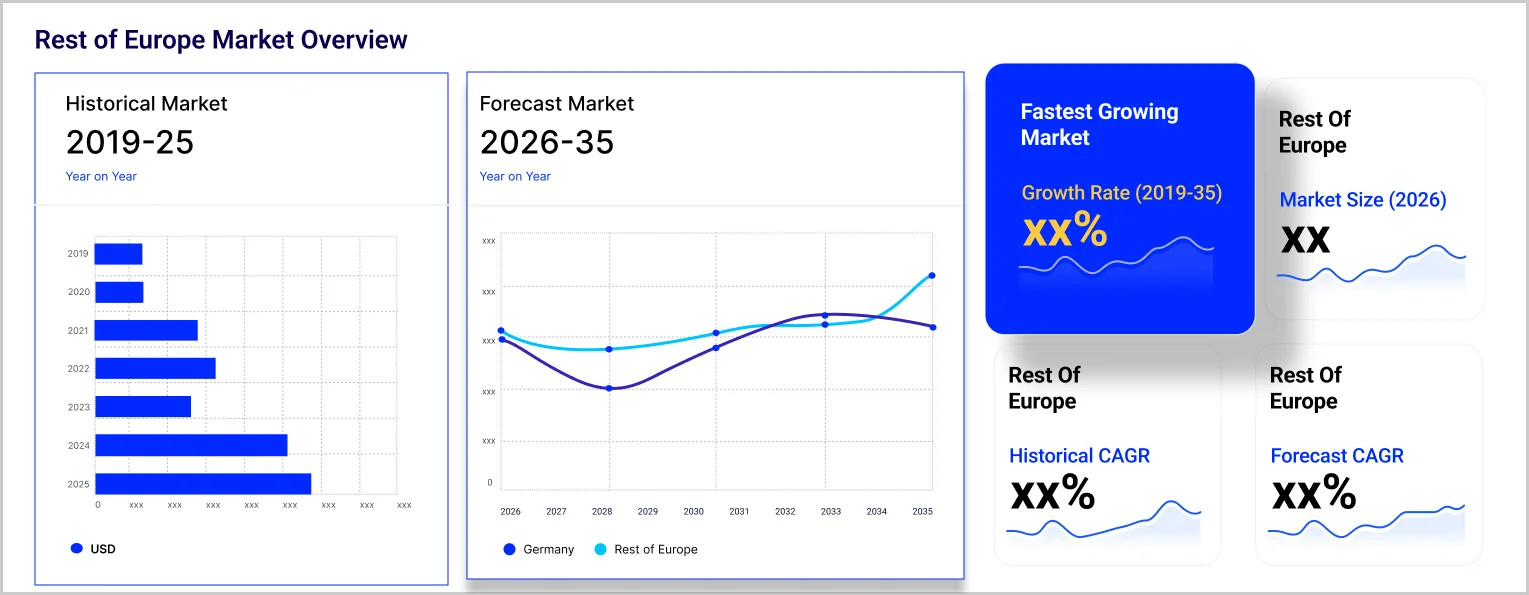
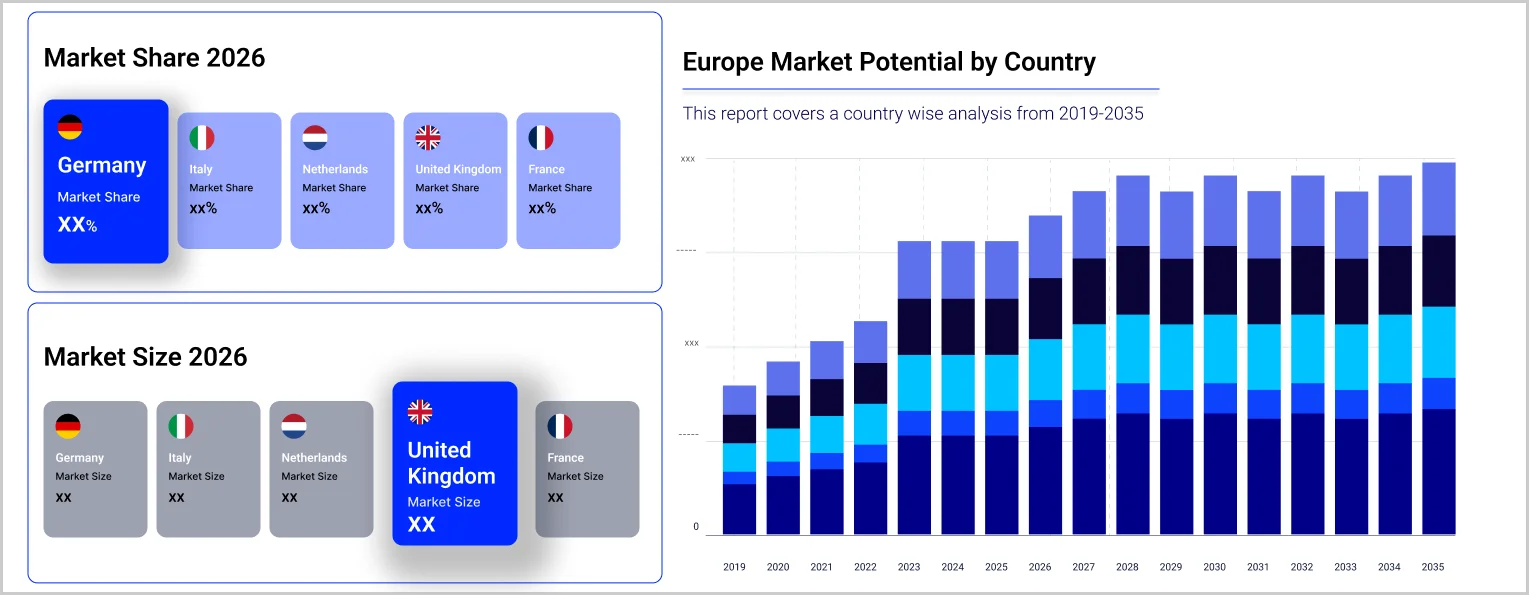
Germany is the leading country in the Europe laparoscopic devices market, supported by its extensive hospital infrastructure, established medical-device manufacturing base and adoption of minimally invasive surgical technologies. According to Germany Trade & Invest, 2025, Germany represents Europe’s largest medical-technology market, with a strong network of hospitals, university medical centres and domestic manufacturers. In 2025, Freiburg University Medical Center introduced single-port robotic surgery for complex procedures. This ecosystem supports device procurement, clinical implementation and innovation, while Germany’s scale creates opportunities for manufacturers to achieve greater commercial reach.
The key features of the market report include patent analysis, funding and investment analysis, and strategic initiatives by leading players. The major companies in the market are as follows:
Karl Storz SE & Co. KG is a medical technology company involved in the market. The company offers laparoscopic visualization and instrumentation solutions designed to support minimally invasive surgical procedures. Its product portfolio includes endoscopic equipment and related devices that enable surgeons to perform laparoscopic procedures with enhanced visualization and precision.
Medtronic plc. is a global medical technology company participating in the market through its general surgery portfolio. The company provides surgical instruments and technologies designed to support minimally invasive procedures. Its general surgery product range contributes to laparoscopic surgical workflows by supporting surgeons in performing procedures with improved efficiency and precision.
Johnson & Johnson participates in the Europe laparoscopic devices market through its medical technology portfolio. Its educational resource on total laparoscopic hysterectomy highlights commonly used devices involved in minimally invasive gynecological procedures. These devices support laparoscopic surgical techniques, including visualization, tissue manipulation, and surgical access, contributing to the company's presence in minimally invasive surgery.
Olympus Corporation is a medical technology company involved in the market through its range of laparoscopes. Its portfolio includes rigid and video laparoscopes featuring high-definition imaging, advanced optical systems, and chip-on-tip technology. These devices support minimally invasive surgical procedures by providing clear visualization and facilitating surgical precision.
Other key players in the market include CONMED Corporation, B. Braun SE, Richard Wolf GmbH.
*Please note that this is only a partial list; the complete list of key players is available in the full report. Additionally, the list of key players can be customized to better suit your needs.*
The market report offers a detailed analysis of the market based on the following segments:
Market Breakup by Product
The product segment includes visualization systems, surgical instruments and auxiliary equipment required for minimally invasive procedures. Demand is shaped by advances in imaging, energy-based tissue dissection and closure technologies, alongside investments in hospital surgical infrastructure. Product reliability, system compatibility, maintenance needs and versatility across surgical applications remain key factors influencing procurement decisions throughout the region.
Market Breakup by Usage
Reusable instruments attract healthcare providers seeking to control long-term procurement costs, whereas disposable instruments offer operational convenience and minimize the need for reprocessing. Selection depends on sterilization capabilities, infection-prevention standards, surgical volumes and total lifecycle expenditure. Manufacturers increasingly differentiate their products through durability, procedural safety, workflow efficiency and the cost trade-offs between initial acquisition and recurring replacement.
Market Breakup by Application
Demand across applications is driven by the increasing adoption of minimally invasive surgical techniques across diverse medical specialties. General surgery accounts for a wide range of procedures, while gynecological, colorectal, bariatric and urological surgeries generate demand for specialty-specific instruments. Adoption is shaped by surgeon proficiency, patient eligibility, hospital infrastructure, and access to advanced imaging and energy-based surgical technologies.
Market Breakup by End User
Hospitals and clinics constitute major end users, as they perform a broad range of surgical procedures across multiple specialties and require comprehensive operating-room infrastructure. Ambulatory surgical centers contribute to demand by facilitating outpatient surgeries and reducing inpatient stays. Procurement decisions are influenced by procedure volumes, capital expenditure capacity, staffing availability, equipment utilization rates, and access to sterilization and maintenance services.
Market Breakup by Country
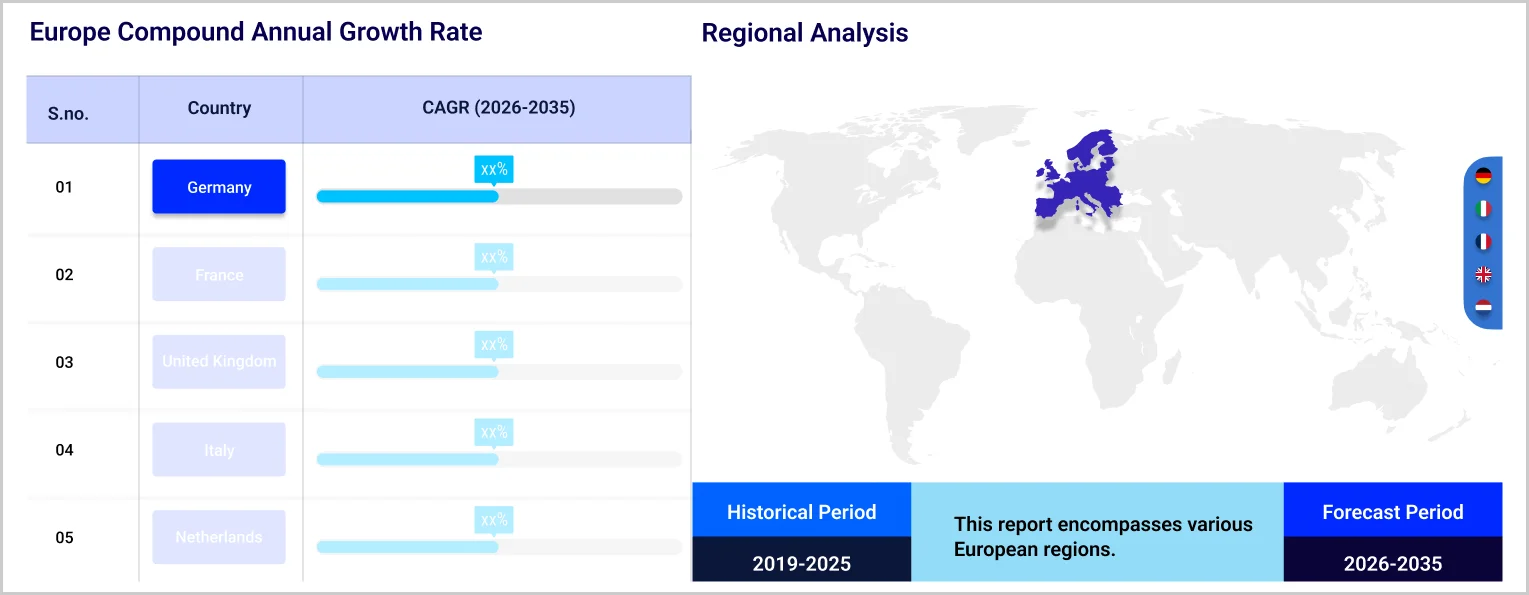
The European laparoscopic devices market is geographically segmented into the United Kingdom, Germany, France, Italy, Spain, and other European countries. Germany benefits from its established medical technology industry and advanced hospital infrastructure, while the United Kingdom and France support demand through established surgical services. Italy and Spain contribute through expanding minimally invasive surgical adoption and modernization of healthcare facilities.


Upto 15% Off
USD
$2699 $2429
$4299 $3869
$5799 $4949
$6999 $5949


*While we strive to always give you current and accurate information, the numbers depicted on the website are indicative and may differ from the actual numbers in the main report. At Expert Market Research, we aim to bring you the latest insights and trends in the market. Using our analyses and forecasts, stakeholders can understand the market dynamics, navigate challenges, and capitalize on opportunities to make data-driven strategic decisions.*
Explore our key highlights of the report and gain a concise overview of key findings, trends, and actionable insights that will empower your strategic decisions.
| REPORT FEATURES | DETAILS |
| Base Year | 2025 |
| Historical Period | 2019-2025 |
| Forecast Period | 2026-2035 |
| Scope of the Report |
Historical and Forecast Trends, Industry Drivers and Constraints, Historical and Forecast Market Analysis by Segment:
|
| Breakup by Product |
|
| Breakup by Usage |
|
| Breakup by Application |
|
| Breakup by End User |
|
| Breakup by Region |
|
| Market Dynamics |
|
| Supplier Landscape |
|
| Companies Covered |
|
Datasheet
One User
USD 2,699
USD 2,429
tax inclusive*
Single User License
One User
USD 4,299
USD 3,869
tax inclusive*
Five User License
Five User
USD 5,799
USD 4,949
tax inclusive*
Corporate License
Unlimited Users
USD 6,999
USD 5,949
tax inclusive*
*Please note that the prices mentioned below are starting prices for each bundle type. Kindly contact our team for further details.*
Flash Bundle
Small Business Bundle
Growth Bundle
Enterprise Bundle
*Please note that the prices mentioned below are starting prices for each bundle type. Kindly contact our team for further details.*
Flash Bundle
Number of Reports: 3
20%
tax inclusive*
Small Business Bundle
Number of Reports: 5
25%
tax inclusive*
Growth Bundle
Number of Reports: 8
30%
tax inclusive*
Enterprise Bundle
Number of Reports: 10
35%
tax inclusive*
How To Order

Select License Type
Choose the right license for your needs and access rights.

Click on ‘Buy Now’
Add the report to your cart with one click and proceed to register.

Select Mode of Payment
Choose a payment option for a secure checkout. You will be redirected accordingly.
Strategic Solutions for Informed Decision-Making
Gain insights to stay ahead and seize opportunities.

Get insights & trends for a competitive edge.

Track prices with detailed trend reports.

Analyse trade data for supply chain insights.

Leverage cost reports for smart savings

Enhance supply chain with partnerships.

Connect For More Information
Our expert team of analysts will offer full support and resolve any queries regarding the report, before and after the purchase.
Our expert team of analysts will offer full support and resolve any queries regarding the report, before and after the purchase.
We employ meticulous research methods, blending advanced analytics and expert insights to deliver accurate, actionable industry intelligence, staying ahead of competitors.
Our skilled analysts offer unparalleled competitive advantage with detailed insights on current and emerging markets, ensuring your strategic edge.
We offer an in-depth yet simplified presentation of industry insights and analysis to meet your specific requirements effectively.




