

Consumer Insights
Uncover trends and behaviors shaping consumer choices today
Procurement Insights
Optimize your sourcing strategy with key market data
Industry Stats
Stay ahead with the latest trends and market analysis.
The Middle East and Africa Laparoscopic Devices market was valued at USD 819.20 Million in 2025 and is expected to grow at a CAGR of 7.20%, reaching USD 1641.87 Million by 2035. The market growth is driven by the increasing adoption of minimally invasive surgical procedures, expansion of hospital infrastructure, rising investment in advanced surgical technologies, growing demand for shorter hospital stays and faster patient recovery, and technological advancements in laparoscopic visualization systems, energy-based instruments and surgical equipment across the Middle East and Africa.
Compound Annual Growth Rate
7.2%
Value in USD Million
2026-2035
Read more about this report - REQUEST FREE SAMPLE COPY IN PDF
Laparoscopic devices are specialized medical instruments and equipment used to perform minimally invasive surgeries through small incisions, offering an alternative to conventional open surgical procedures. The equipment portfolio includes camera-equipped laparoscopes and illumination systems, high-definition monitors, trocars and access ports, insufflators, graspers, dissectors, scissors, electrosurgical and advanced energy instruments, suction-irrigation systems, and specimen-retrieval and stapling devices. The market was valued at USD 819.20 Million in 2025, driven by rising adoption of minimally invasive surgery, increasing surgical procedure volumes, expanding healthcare infrastructure, and ongoing technological innovation in laparoscopic systems.
The following section outlines the key factors influencing the growth of the market, including major drivers, restraints, and emerging opportunities.
Expansion of Minimally Invasive Surgical Infrastructure and Hospital Investment
The principal growth driver for the Middle East and Africa laparoscopic devices market is the expansion of minimally invasive surgical capabilities through hospital modernization, technology adoption and surgeon training. According to the Saudi Ministry of Health (2025), robotic surgery deployment at King Abdullah Medical City supports advanced surgical care under Vision 2030. In October 2025, Johns Hopkins Aramco Healthcare expanded robot-assisted thoracic surgery, while Ghana’s Cape Coast Teaching Hospital operationalized laparoscopic services through international capacity-building partnerships. These developments strengthen equipment demand, clinical utilization and long-term investment incentives.
High Capital Costs and Inadequate Surgical Infrastructure Restrict Market Penetration
The principal restraint on the Middle East and Africa laparoscopic devices market is the high total cost of ownership, compounded by inadequate equipment maintenance, inconsistent consumable supplies and shortages of trained surgical teams. As per the 2026 SAGES Global Affairs Committee white paper, limited procurement budgets and insufficient technical support impede the sustainable deployment of laparoscopic systems in resource-constrained hospitals. From a financial economics perspective, high upfront capital expenditure, uncertain procedure volumes and recurring maintenance costs weaken investment returns, particularly for public hospitals facing competing healthcare priorities.
Expansion of Public-Sector Surgical Services and Cost-Effective Laparoscopic Adoption
The most significant opportunity in the Middle East and Africa laparoscopic devices market lies in expanding affordable minimally invasive surgery through public-hospital investment, regional training centres and cost-efficient equipment procurement. According to Ghana News Agency (2026), Cape Coast Teaching Hospital’s partnership with international institutions is extending laparoscopic training and technology transfer. In Kenya, Business Daily Africa (2026) reported expanding minimally invasive surgical services across public and private hospitals. Economically, local training, equipment servicing and pooled procurement can reduce lifecycle costs, improve utilisation and unlock previously underserved hospital demand.
Increasing Adoption of Robotic-Assisted and Digitally Connected Laparoscopic Surgery Likely to Propel the Market Expansion
The most important trend in the Middle East and Africa laparoscopic devices market is the transition from conventional laparoscopy towards robotic-assisted, digitally connected and precision-guided minimally invasive surgery. According to the Saudi Ministry of Health (2026), Seha Virtual Hospital has expanded remote robotic surgery through a national partnership, enabling specialist teams to operate across locations. In the UAE, Sheikh Shakhbout Medical City reported continued expansion of robotic-assisted procedures in September 2026. This convergence of surgical robotics, digital connectivity and specialist training is encouraging hospitals to upgrade imaging systems, instruments and operating-room infrastructure.
General Surgery is Likely to Lead the Market Share by Application
The leading application in the Middle East and Africa laparoscopic devices market is general surgery, particularly laparoscopic cholecystectomy and appendectomy. According to Kenya News Agency (2026), Jaramogi Oginga Odinga Teaching and Referral Hospital expanded laparoscopic services following the acquisition of advanced surgical equipment, broadening access to minimally invasive procedures. In Saudi Arabia, King Saud University Medical City’s 2026 telesurgery programme included general surgery. These developments support demand for laparoscopes, visualization systems, trocars and energy-based instruments. Reduced hospital stays and improved operating-room utilization strengthen the economic case for adoption.
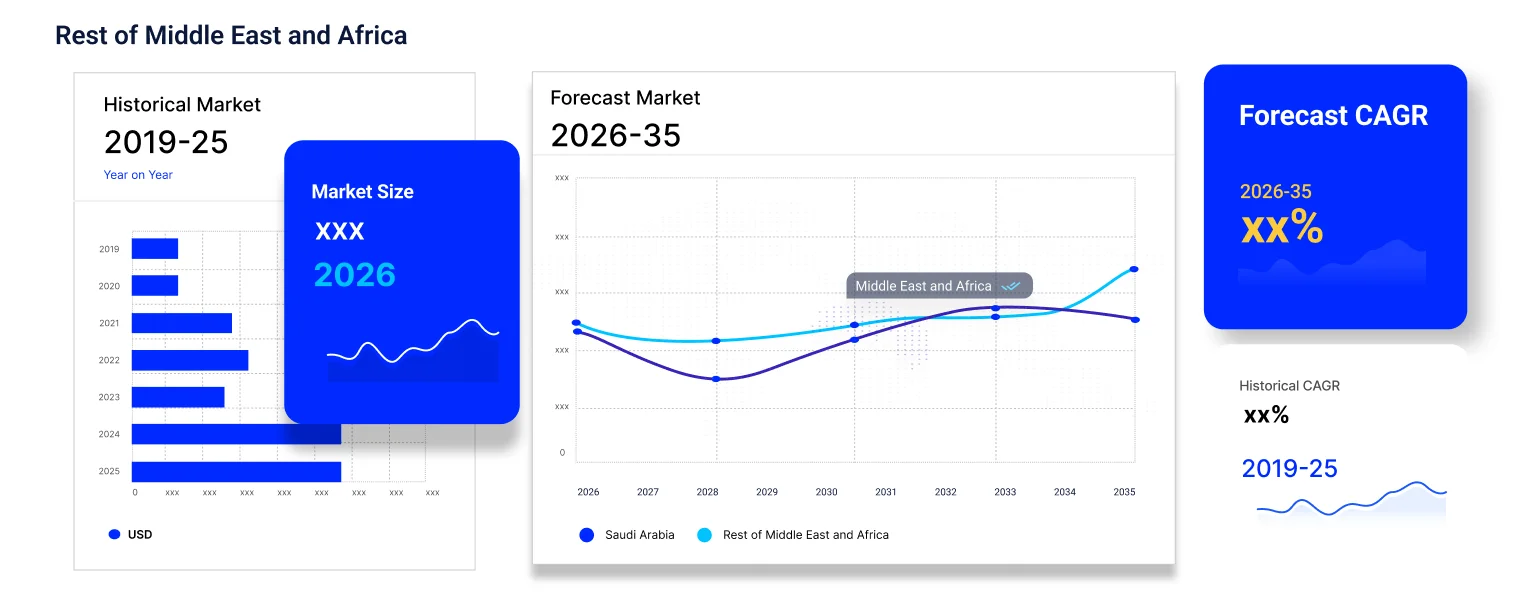
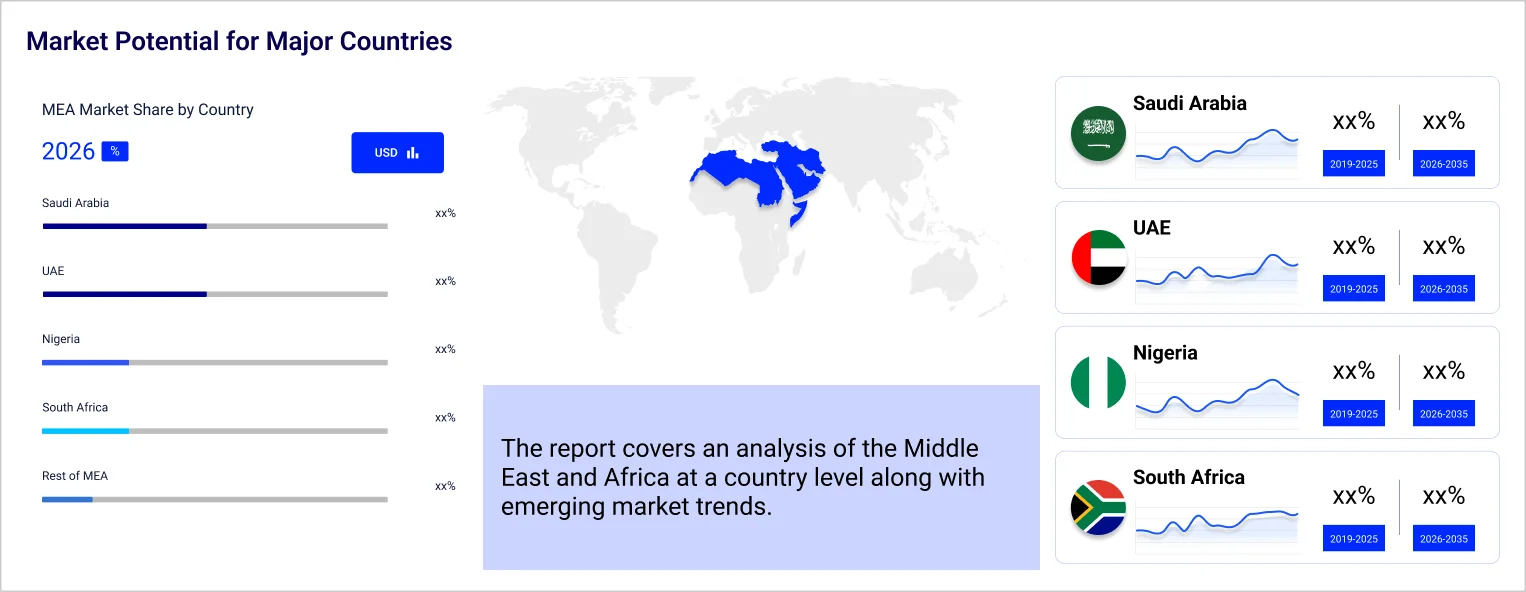
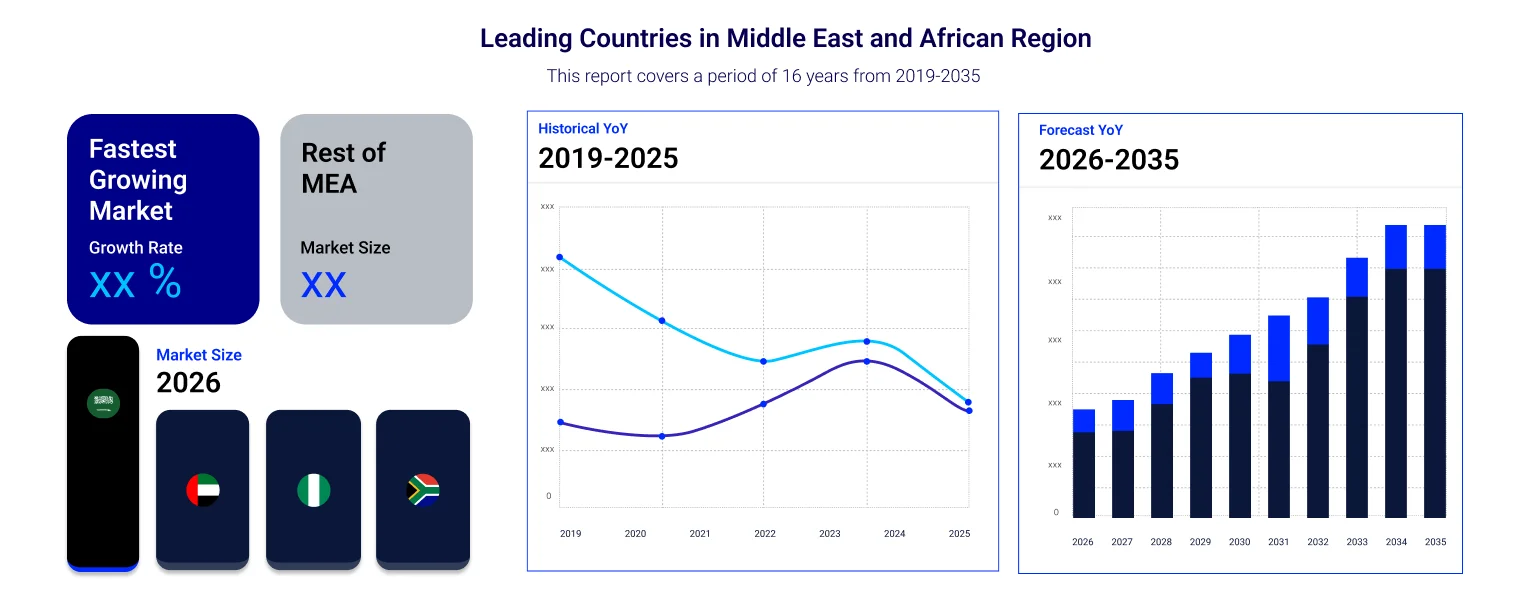
Read more about this report - REQUEST FREE SAMPLE COPY IN PDF
South Africa is expected to lead the market, supported by established private hospital networks, advanced surgical infrastructure, specialist training and sustained investment in minimally invasive technologies. According to the Western Cape Government (2025), continued investment in advanced surgical services reflects the country’s commitment to expanding technology-enabled healthcare. Mediclinic Southern Africa announced the addition of three da Vinci robotic surgical systems in May 2025, expanding access to robotic-assisted urological and colorectal procedures. These investments support demand for laparoscopic instruments, visualization systems and energy devices, while established private healthcare financing improves the commercial viability of advanced surgical equipment.
The key features of the market report include patent analysis, funding and investment analysis, and strategic initiatives by leading players. The major companies in the market are as follows:
Karl Storz SE & Co. KG is a medical technology company specializing in endoscopic equipment and surgical visualization systems. Its portfolio includes laparoscopic instruments and equipment used in minimally invasive procedures. The company supports the market by providing solutions for laparoscopic examination and surgical interventions.
Medtronic Plc is a medical technology company involved in the market through its surgical energy portfolio. Its LigaSure™ technology includes 5-mm laparoscopic vessel-sealing devices, such as the LigaSure™ XP Maryland Jaw Sealer-Divider, introduced in 2023. These devices support vessel sealing, tissue division, and minimally invasive surgical procedures.
Johnson & Johnson, through its MedTech business, participates in the Middle East and Africa laparoscopic devices market by offering surgical instruments for minimally invasive procedures. Its portfolio includes ENDOPATH™ Insufflation Needles, ENDOPATH XCEL™ Trocars, HARMONIC™ 1100 Shears, and ENSEAL™ X1 Tissue Sealers, supporting abdominal access, tissue dissection, vessel sealing, and laparoscopic surgical procedures.
Olympus Corporation is a medical technology company involved in the market. Its product portfolio includes laparoscopes designed for minimally invasive surgical procedures, supporting visualization of internal anatomical structures. Through its laparoscopic imaging solutions, the company contributes to surgical visualization and procedural efficiency in laparoscopic interventions.
Other key players in the market include CONMED Corporation, B. Braun SE, and Becton, Dickinson, and Company
*Please note that this is only a partial list; the complete list of key players is available in the full report. Additionally, the list of key players can be customized to better suit your needs.*
The market report offers a detailed analysis of the market based on the following segments:
Market Breakup by Product
The product segment comprises visualization systems, surgical instruments and supporting equipment used in minimally invasive procedures. Demand is influenced by technological advancements in surgical imaging, energy-based tissue dissection and closure, as well as investments in hospital operating-room infrastructure. Equipment reliability, compatibility with existing systems, maintenance requirements and adaptability across multiple surgical specialties remain important considerations in procurement decisions across the region.
Market Breakup by Usage
Reusable instruments appeal to healthcare providers aiming to reduce long-term procurement expenditure, while disposable devices offer greater convenience and eliminate the need for post-use reprocessing. Purchasing decisions are influenced by sterilization infrastructure, infection-control requirements, surgical volumes and overall lifecycle costs. Manufacturers increasingly compete on instrument durability, procedural safety, workflow efficiency and the balance between upfront acquisition costs and recurring replacement expenses.
Market Breakup by Application
Market demand across applications is supported by the growing use of minimally invasive techniques across multiple surgical specialties. General surgery encompasses a broad range of procedures, while gynecological, colorectal, bariatric and urological interventions require specialized laparoscopic instruments. Adoption depends on surgeons’ technical expertise, patient suitability, hospital infrastructure, and the availability of advanced visualization systems and energy-based surgical technologies.
Market Breakup by End User
The market is segmented by end user into hospitals and clinics, ambulatory surgical centers, and others, with market demand supported by expanding healthcare infrastructure, increasing surgical procedure volumes, growing adoption of minimally invasive techniques, and rising investments in advanced surgical technologies across healthcare facilities.
Market Breakup by Country
The Middle East and Africa laparoscopic devices market is segmented geographically into Saudi Arabia, the United Arab Emirates, Nigeria, South Africa and other countries. Market demand across these regions is influenced by healthcare infrastructure development, investment in surgical facilities, adoption of minimally invasive procedures, availability of trained surgeons, and access to advanced medical technologies.


Upto 15% Off
USD
$2699 $2429
$4299 $3869
$5799 $4949
$6999 $5949


*While we strive to always give you current and accurate information, the numbers depicted on the website are indicative and may differ from the actual numbers in the main report. At Expert Market Research, we aim to bring you the latest insights and trends in the market. Using our analyses and forecasts, stakeholders can understand the market dynamics, navigate challenges, and capitalize on opportunities to make data-driven strategic decisions.*
Explore our key highlights of the report and gain a concise overview of key findings, trends, and actionable insights that will empower your strategic decisions.
| REPORT FEATURES | DETAILS |
| Base Year | 2025 |
| Historical Period | 2019-2025 |
| Forecast Period | 2026-2035 |
| Scope of the Report |
Historical and Forecast Trends, Industry Drivers and Constraints, Historical and Forecast Market Analysis by Segment:
|
| Breakup by Product |
|
| Breakup by Usage |
|
| Breakup by Application |
|
| Breakup by End User |
|
| Breakup by Region |
|
| Market Dynamics |
|
| Supplier Landscape |
|
| Companies Covered |
|
Datasheet
One User
USD 2,699
USD 2,429
tax inclusive*
Single User License
One User
USD 4,299
USD 3,869
tax inclusive*
Five User License
Five User
USD 5,799
USD 4,949
tax inclusive*
Corporate License
Unlimited Users
USD 6,999
USD 5,949
tax inclusive*
*Please note that the prices mentioned below are starting prices for each bundle type. Kindly contact our team for further details.*
Flash Bundle
Small Business Bundle
Growth Bundle
Enterprise Bundle
*Please note that the prices mentioned below are starting prices for each bundle type. Kindly contact our team for further details.*
Flash Bundle
Number of Reports: 3
20%
tax inclusive*
Small Business Bundle
Number of Reports: 5
25%
tax inclusive*
Growth Bundle
Number of Reports: 8
30%
tax inclusive*
Enterprise Bundle
Number of Reports: 10
35%
tax inclusive*
How To Order

Select License Type
Choose the right license for your needs and access rights.

Click on ‘Buy Now’
Add the report to your cart with one click and proceed to register.

Select Mode of Payment
Choose a payment option for a secure checkout. You will be redirected accordingly.
Strategic Solutions for Informed Decision-Making
Gain insights to stay ahead and seize opportunities.

Get insights & trends for a competitive edge.

Track prices with detailed trend reports.

Analyse trade data for supply chain insights.

Leverage cost reports for smart savings

Enhance supply chain with partnerships.

Connect For More Information
Our expert team of analysts will offer full support and resolve any queries regarding the report, before and after the purchase.
Our expert team of analysts will offer full support and resolve any queries regarding the report, before and after the purchase.
We employ meticulous research methods, blending advanced analytics and expert insights to deliver accurate, actionable industry intelligence, staying ahead of competitors.
Our skilled analysts offer unparalleled competitive advantage with detailed insights on current and emerging markets, ensuring your strategic edge.
We offer an in-depth yet simplified presentation of industry insights and analysis to meet your specific requirements effectively.




