

Consumer Insights
Uncover trends and behaviors shaping consumer choices today
Procurement Insights
Optimize your sourcing strategy with key market data
Industry Stats
Stay ahead with the latest trends and market analysis.
The global automotive keyless entry system market attained a value of USD 2.14 Billion in 2025 and is projected to expand at a CAGR of 12.60% through 2035. The market is further expected to achieve USD 7.01 Billion by 2035. Fleet electrification and shared mobility platforms are driving the demand for secure digital key systems that enable remote provisioning, temporary access rights, and hardware-backed authentication across multiple users.
The global automotive keyless entry system market dynamics are being influenced by the OEM push toward platform standardization and regional compliance divergence. European automakers focus on theft resistance and compliance readiness, while Asian OEMs concentrate on compact integration and cost efficiency. Meanwhile, United States-based manufacturers are putting more emphasis on over-the-air credential management. These parallel priorities are pushing suppliers to module keyless entry systems. Hardware commonality coupled with software flexibility is becoming the most preferred design approach.
The market notices a gradual shift from premium-only deployment toward scalable architectures for volume OEMs. In April 2023, Continental expanded its CoSmA digital access platform to support ultra-wideband based keyless entry for mid-range vehicle platforms. Such developments are relevant, as according to the automotive keyless entry system market analysis, vehicle thefts in the United States fell 23% during the first six months of 2025 compared to the same period in 2024. Automakers are being encouraged by government authorities to accelerate secure access hardware adoption at the vehicle level rather than software patches alone.
Structural changes in vehicle electronics architecture are reshaping the automotive keyless entry system market dynamics. OEMs are consolidating control units and pushing more authentication logic closer to the vehicle edge. This has increased the demand for integrated keyless modules that combine secure elements, antennas, and encryption processing. Suppliers are responding to this trend by redesigning the hardware to reduce latency and power consumption while at the same time improving signal discrimination. For example, in January 2025, SMK Electronics announced a new off-the-shelf keyless vehicle entry system integrating Bluetooth, NFC, and UWB to enhance automotive access security. Product positioning has shifted from convenience messaging to security assurance and regulatory readiness.
Compound Annual Growth Rate
12.6%
Value in USD Billion
2026-2035
Nissan showcased Gravite interior featuring keyless entry, integrated dashcam, and upgraded connectivity ahead of its official market launch. OEMs can capitalize on such trends and bundle smart access, security, and infotainment features to enhance mid-segment vehicle differentiation and value perception.
Tata confirmed Punch EV facelift integrating enhanced keyless entry and connected features to strengthen electric portfolio appeal. Such developments in the automotive keyless entry system market encourage automakers to integrate advanced passive entry systems within affordable EV platforms to accelerate mass-market adoption.
SMK unveiled ready-to-deploy key fob receiver PKE system at CES 2025, supporting faster OEM integration cycles. Tier-1 suppliers can therefore, offer modular, scalable keyless platforms enabling quicker customization for diverse automotive segments.
Spark Minda rolled out one million two-wheeler keyless systems, expanding smart access penetration across domestic and global markets. Component manufacturers can target high-growth two-wheeler segments with cost-efficient, secure digital access solutions, using such trends in the automotive keyless entry system market.
Ultra-wideband based keyless entry is gaining momentum as OEMs respond to relay attack vulnerabilities. Suppliers including Bosch are accelerating UWB module integration into door access controllers. Governments are indirectly supporting this automotive keyless entry system market trend by updating vehicle cybersecurity guidelines. OEMs now require precise distance measurement capabilities at the hardware level. This trend is pushing suppliers to redesign antenna layouts and secure chip integration, resulting in higher entry barriers but stronger long-term supplier positioning. In February 2023, Quectel introduced the AU30Q ultra-wideband automotive module enabling precise, secure digital car keys with enhanced location and communication.
Automakers are embedding keyless entry deeper into vehicle operating systems rather than treating it as a standalone feature. This allows access credentials to interact with infotainment, personalization, and safety settings. Suppliers are developing keyless modules that support seamless OS-level authentication. Asian OEMs are leading adoption due to smartphone-centric user behavior. For suppliers, this creates automotive keyless entry system market opportunities to bundle access systems with software services. In October 2025, Mahindra partnered with Samsung to integrate digital car keys via Samsung Wallet for upcoming eSUVs, enabling secure keyless access.
Shared mobility growth is reshaping keyless entry requirements. Fleet operators demand systems that allow remote access provisioning without physical keys. Suppliers are responding with cloud-linked keyless modules supporting temporary and revocable credentials. Public transport authorities in Europe are piloting shared electric fleets, reinforcing this trend in the automotive keyless entry system market. OEMs supplying fleet-focused models are specifying access systems early in platform design. This creates a new revenue stream for suppliers beyond private vehicle ownership. In September 2025, Toyota began sales of the e-Palette BEV, a versatile electric mobility platform designed for multi-use transport and services.
Electric vehicle designs are causing keyless entry manufacturers to consider power consumption differently. If not designed carefully, on access systems can drain the batteries. OEMs demand that standby power consumption is lowered to the minimum. To meet this demand in the automotive keyless entry system market, suppliers are changing how secure element activation cycles work. The keyless systems which impose the least parasitic load are becoming the ones more favored. Hence, this development is advantageous to those suppliers who decide to invest in semiconductor optimization. In December 2025, Exicom introduced a comprehensive EV charging deployment platform, accelerating rollout, integration, and management of public and private charging networks in India.
Regulatory divergence across regions is influencing keyless entry design. Europe emphasizes anti-theft compliance, while the United States automotive keyless entry system market focuses on cybersecurity resilience. Asia prioritizes cost and integration speed. Suppliers are developing region-specific variants using common hardware cores. Governments are tightening vehicle access regulations, increasing validation complexity. This trend rewards manufacturers with strong regulatory intelligence teams. Suppliers capable of fast regional adaptation are securing broader platform nominations. For instance, in June 2023, Magna introduced SmartAccess power door system combining advanced keyless entry and comfort access for vehicles, enhancing user convenience and security.
Read more about this report - REQUEST FREE SAMPLE COPY IN PDF
The EMR’s report titled “Global Automotive Keyless Entry System Market Report and Forecast 2026-2035” offers a detailed analysis of the market based on the following segments:
Market Breakup by Product
Key Insight: Passive systems continue with their dominance where brand positioning and digital readiness matter. Remote systems expand their share in the automotive keyless entry system market where scale and affordability dominate. Suppliers manage both through modular design approaches. Hardware commonality with feature differentiation is becoming standard. Both of these segments show how keyless entry is no longer a single solution market. It is structured by vehicle positioning, risk tolerance, and long-term electronic architecture planning.
Market Breakup by Application
Key Insight: Application-based demand, as per the automotive keyless entry system market report, highlights functional priorities. Passenger cars emphasize user experience and brand differentiation. Light commercial vehicles focus on operational efficiency. Heavy commercial vehicles adopt selectively due to cost sensitivity. Suppliers must adapt system complexity accordingly as OEM expectations vary by use case. This segmentation reinforces that keyless entry adoption is shaped by vehicle purpose, not only technology maturity. Vendors offering adaptable solutions gain relevance across multiple vehicle classes.
Market Breakup by End Market
Key Insight: OEM demand centers on integration and compliance, on the other hand, aftermarket demand centers on flexibility and replacement value. Suppliers balance both markets through differentiated product lines. This segmentation shows how keyless entry systems generate value across vehicle lifetimes. Vendors managing channel-specific expectations are better positioned to sustain growth in the automotive keyless entry system market, even under shifting automotive cycles.
Market Breakup by Region
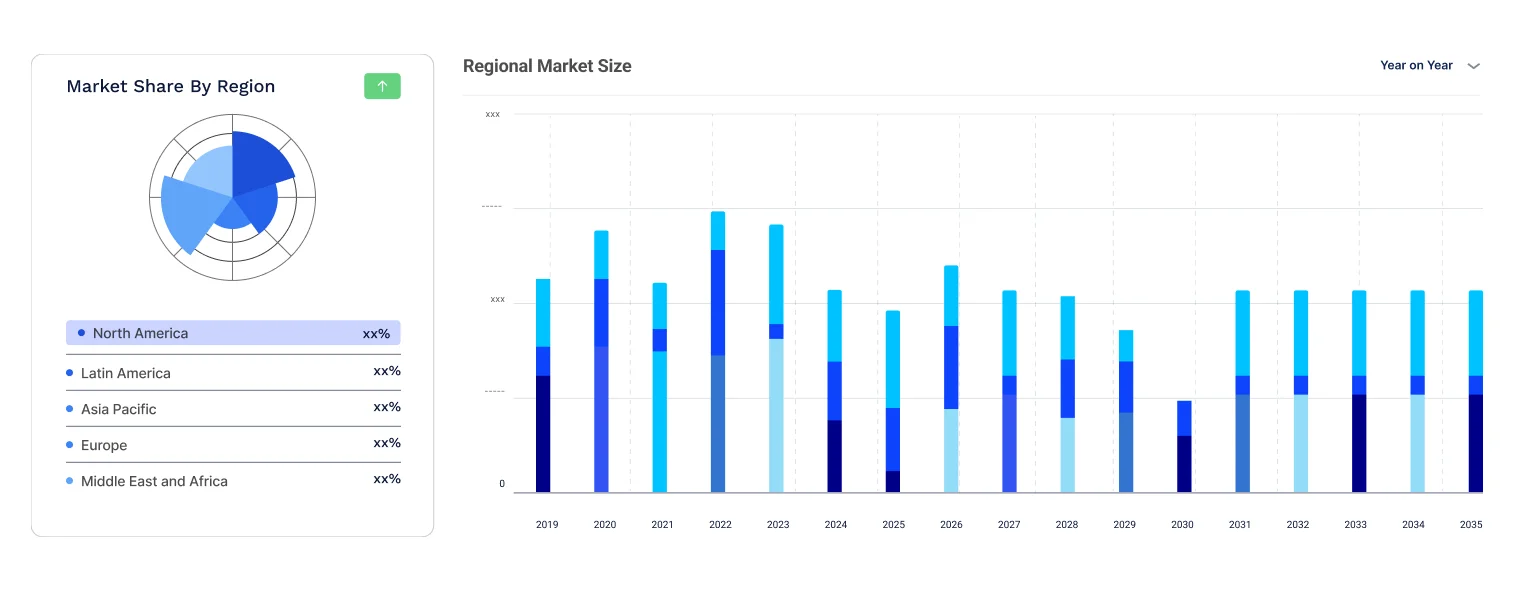
Key Insight: Europe focuses on security standards, encryption levels, and regulatory compliances. In contrast, the automotive keyless entry system market players in North America are becoming keener on theft prevention technologies, advanced authentication, and software-based access control systems. Asia Pacific continues to lead in terms of volume, driven by high-volume vehicle manufacturing and quick uptake of advanced features in that segment. Latin America markets growth is influenced by a balance of pricing factors and the gradual uptake of technologies, whereas the Middle East and Africa markets remain focused on product integration, mostly in the premium segment and import vehicles. In essence, the original equipment suppliers are beginning to modify product offerings based on regional factors.
By product, passive keyless entry systems continue to anchor majority of the demand due to security driven OEM integration
Passive Keyless Entry Systems (PKES) represent the dominant product segment across the automotive keyless entry system market scope as OEMs prioritize seamless access combined with theft mitigation. These systems are increasingly embedded within vehicle electronic architectures rather than added as separate modules. Automakers prefer PKES because it supports proximity authentication and aligns with digital key roadmaps. Suppliers are refining antenna layouts and secure elements to improve distance discrimination. PKES adoption is the strongest in mid and premium vehicle platforms where convenience and safety positioning matter. In January 2025, SMK Electronics unveiled a new passive keyless entry key-fob receiver system at CES 2025, simplifying vehicle access integration.
Remote Keyless Entry Systems (RKES) represents the fastest-growing product category as automakers balance feature inclusion with cost pressure. RKES remains attractive for entry-level and emerging market vehicles, where affordability shapes design decisions. Suppliers are redesigning transmitters and receivers to reduce component count and power consumption. OEMs favor RKES modules that integrate with body control units without requiring architectural changes. This supports rapid platform scaling. Growth in this particular category is also supported by light commercial and fleet vehicles where remote locking functionality is sufficient.
By application, passenger cars dominate installations due to feature differentiation across models
Passenger cars account for the dominant share of automotive keyless entry system demand. Automakers increasingly treat access systems as standard equipment rather than premium add-on features. Suppliers benefit from high production volumes and long platform runs. Passenger vehicles also act as testbeds for new access technologies before commercial rollout. OEMs use keyless systems to support personalization and user profiles, which deepens system integration. Product decisions are influenced by theft risk, regional regulation, and consumer convenience expectations.
Light commercial vehicles, powered by fleet operators who are modernizing access control, are emerging to be the fastest-growing application. Delivery fleets require remote locking and multi-user access without physical keys. OEMs supplying vans and urban logistics vehicles are integrating keyless systems early in design. Suppliers are adapting systems for higher duty cycles and simplified credential management. Companies that tailor solutions for fleet use cases are seeing rising demand from OEM programs, accelerating the automotive keyless entry system market penetration. In August 2025, Jupiter Electric announced preparation for e-LCV expansion with smart segment strategy, emphasizing connected features such as keyless entry to strengthen commercial EV appeal.
By end market, OEM channel account for the largest share of the market revenue due to platform level system integration
OEMs represent the dominant end market as keyless entry systems are designed into vehicles from inception. Automakers prefer factory-fitted systems for security assurance and system compatibility. Suppliers benefit from predictable volumes and long-term contracts. OEM programs demand rigorous validation and lifecycle support, which ultimately raises entry barriers. Product development in this category is closely aligned with vehicle platform timelines. Suppliers working with OEMs must support regional compliance and software updates. In February 2023, Quectel introduced its AU30Q ultra-wideband automotive module supporting digital car keys with enhanced precision, security, and connectivity for next-gen vehicle access systems.
According to the automotive keyless entry system market report, the aftermarket channel is the fastest-growing segment driven by vehicle parc expansion and rising theft awareness. Vehicle owners seek upgraded access solutions beyond factory offerings. Suppliers are developing retrofit-friendly kits compatible with older platforms. Aftermarket systems prioritize ease of installation and reliability. Unlike OEM channels, branding and distributor networks matter here. Product strategies focus on modularity and simplified calibration. This segment allows suppliers to diversify revenue streams beyond OEM dependency.
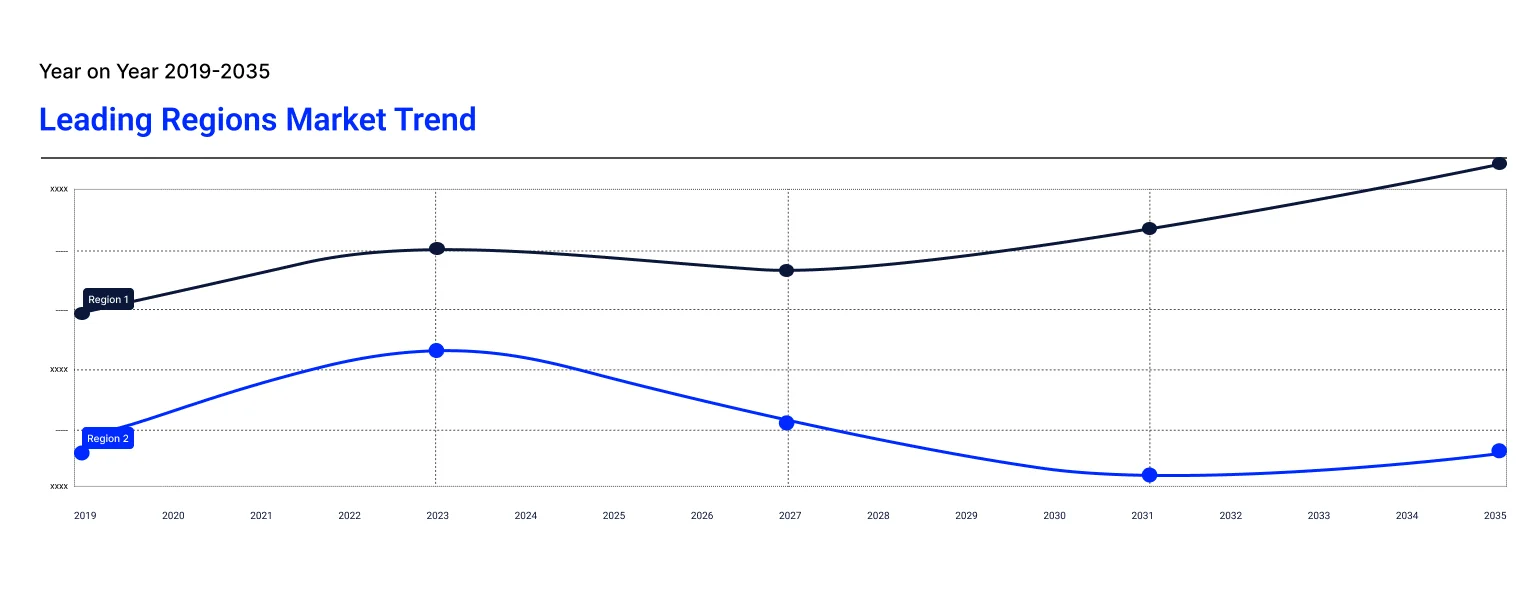
Europe registers the leading position in the market due to theft regulation and compliance pressure
Europe dominates global demand in the automotive keyless entry system market, driven by strict vehicle security expectations. Automakers face higher accountability for theft prevention, which elevates keyless entry system requirements. Suppliers operating in Europe focus on compliance and validation speed. OEMs prefer advanced systems with secure authentication. Europe also favors platform-wide deployment across model ranges, thereby generating consistent demand.
Asia Pacific emerges as the fastest-growing regional automotive keyless entry system market due to expanding vehicle production and feature adoption. OEMs are scaling keyless entry across mass-market models. Suppliers benefit from high volumes and localized manufacturing. Regional automakers favor systems adaptable to multiple vehicle classes. In April 2025, Brose unveiled key automotive innovations, including advanced smart access and keyless technologies, enhancing vehicle convenience, security, and connected user experiences.
The market is evolving with increasing attention to security and vehicle integration. Top automotive keyless entry system market players are focusing on ultra-wideband authentication, secure elements, and low-power architectures as countermeasures to relay theft risks that are on the rise. Automakers are encouraging their suppliers to provide access systems that are capable of being integrated with vehicle centralized controllers rather than standalone modules. Such a change is fostering new opportunities for those suppliers who can offer hardware-software co-design capabilities.
The biggest growth opportunity lies in the area of platform, wide deployments, fleet, ready access solutions, and digital key compatibility. In addition, automotive keyless entry system companies who meet the various regional cybersecurity requirements are becoming the preferred choice for sourcing. Furthermore, the adoption of modular systems capable of supporting multiple vehicle segments without needing a redesign is also gaining momentum. The overall competitive landscape is thus being re-shaped to a significant extent by security credibility, level of integration, and manufacturing scalability.
DENSO Corporation, founded in the year 1949, has its main office in Kariya, Japan. It offers the automotive keyless entry market with highly integrated body electronics solutions. Access systems that are designed to work perfectly with vehicle ECUs are the main focus of the company. DENSO also offers security robustness and power efficiency.
Since its foundation in 1899, Hella KGaA Hueck and Co. has its main office located in Lippstadt, Germany. The company deals with the security, focused keyless entry modules market. Signal accuracy and anti-theft protection are the main concerns of the company. Hella assists OEMs with access systems that meet European regulatory standards.
Continental AG, headquartered in Hanover, Germany, was founded in 1871. It introduces keyless entry as a feature of its connected vehicle ecosystem. The company is geared towards digital access platforms that support UWB and smartphone-based keys. Continental is looking for OEMs that are moving towards software-defined vehicles.
Alps Electric Co., Ltd., founded in 1948, with its head office located in Tokyo, Japan, offers compact and cost-optimized keyless entry components. The company specializes in switch integration and RF module reliability. It also offers high-volume production and endurance.
*Please note that this is only a partial list; the complete list of key players is available in the full report. Additionally, the list of key players can be customized to better suit your needs.*
Other key players in the market include STMicroelectronics International N.V., Valeo SE, and Microchip Technology Inc., among others.
Unlock the latest insights with our automotive keyless entry system market trends 2026 report. Discover regional growth patterns, consumer preferences, and key industry players. Stay ahead of competition with trusted data and expert analysis. Download your free sample report today and drive informed decisions in the market.


Upto 15% Off
USD
$2499 $2249
$3999 $3599
$4999 $4249
$5999 $5099


*While we strive to always give you current and accurate information, the numbers depicted on the website are indicative and may differ from the actual numbers in the main report. At Expert Market Research, we aim to bring you the latest insights and trends in the market. Using our analyses and forecasts, stakeholders can understand the market dynamics, navigate challenges, and capitalize on opportunities to make data-driven strategic decisions.*
In 2025, the market reached an approximate value of USD 2.14 Billion.
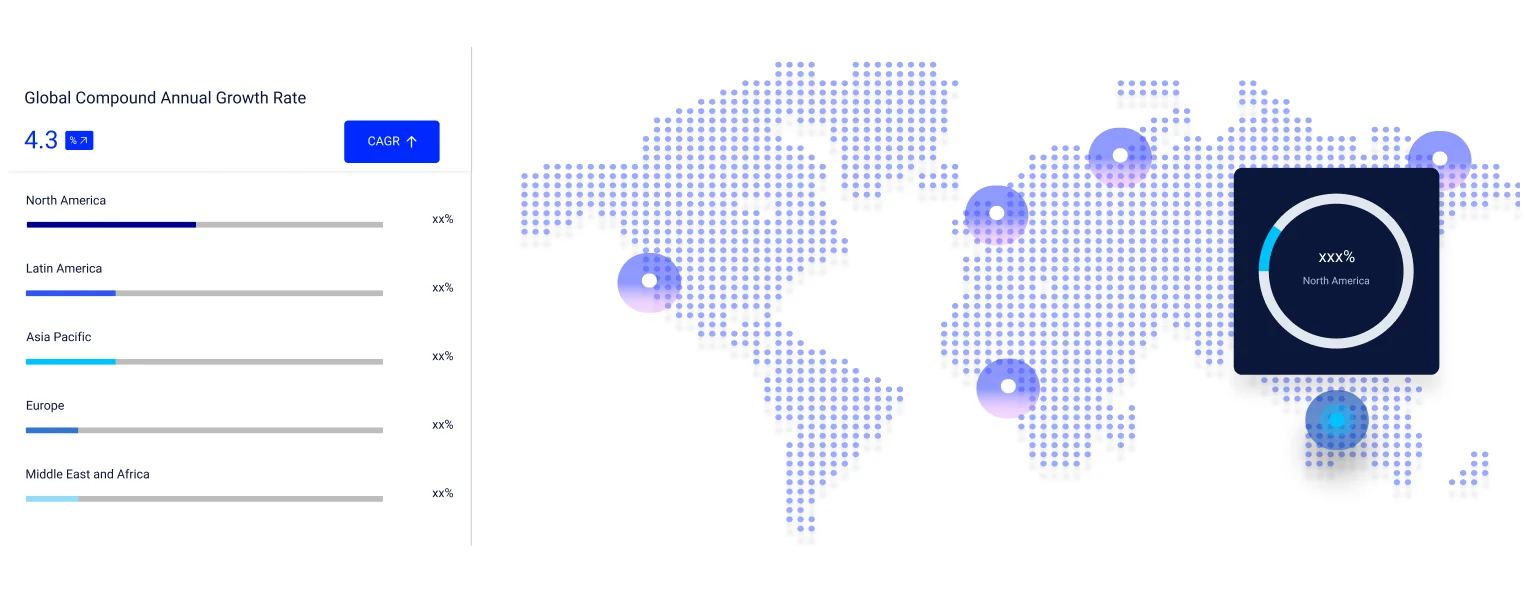
The market is projected to grow at a CAGR of 12.60% between 2026 and 2035.
The market is estimated to witness a healthy growth in the forecast period of 2026-2035 to reach USD 7.01 Billion by 2035.
Stakeholders are strengthening secure hardware design, expanding software capabilities, aligning production with OEM timelines, localizing validation support, and investing in modular architectures that support multiple vehicle platforms efficiently.
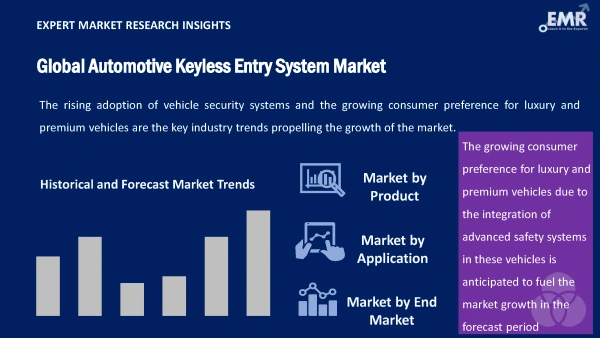
The rising adoption of vehicle security systems and the growing consumer preference for luxury and premium vehicles are the key industry trends propelling the growth of the market.
The major regions in the industry are North America, Latin America, the Middle East and Africa, Europe, and the Asia Pacific.
The different products are passive keyless entry systems (PKES) and remote keyless entry systems (RKES).
The significant applications of the market are passenger cars, light commercial vehicles, and heavy commercial vehicles.
Based on the end market, the market is divided into original equipment manufacturers (OEMs) and aftermarket.
The key players in the market include DENSO Corporation, Hella KGaA Hueck and Co., Continental AG, Alps Electric Co., Ltd., STMicroelectronics International N.V., Valeo SE, and Microchip Technology Inc., among others.
Suppliers face rapid security expectation changes, relay attack mitigation costs, longer validation cycles, price pressure from OEMs, and the challenge of balancing advanced encryption with ultra-low power consumption targets.
Explore our key highlights of the report and gain a concise overview of key findings, trends, and actionable insights that will empower your strategic decisions.
| REPORT FEATURES | DETAILS |
| Base Year | 2025 |
| Historical Period | 2019-2025 |
| Forecast Period | 2026-2035 |
| Scope of the Report |
Historical and Forecast Trends, Industry Drivers and Constraints, Historical and Forecast Market Analysis by Segment:
|
| Breakup by Product |
|
| Breakup by Application |
|
| Breakup by End Market |
|
| Breakup by Region |
|
| Market Dynamics |
|
| Competitive Landscape |
|
| Companies Covered |
|
| Report Price and Purchase Option | Explore our purchase options that are best suited to your resources and industry needs. |
| Delivery Format | Delivered as an attached PDF and Excel through email, with an option of receiving an editable PPT, according to the purchase option. |
Datasheet
One User
USD 2,499
USD 2,249
tax inclusive*
Single User License
One User
USD 3,999
USD 3,599
tax inclusive*
Five User License
Five User
USD 4,999
USD 4,249
tax inclusive*
Corporate License
Unlimited Users
USD 5,999
USD 5,099
tax inclusive*
*Please note that the prices mentioned below are starting prices for each bundle type. Kindly contact our team for further details.*
Flash Bundle
Small Business Bundle
Growth Bundle
Enterprise Bundle
*Please note that the prices mentioned below are starting prices for each bundle type. Kindly contact our team for further details.*
Flash Bundle
Number of Reports: 3
20%
tax inclusive*
Small Business Bundle
Number of Reports: 5
25%
tax inclusive*
Growth Bundle
Number of Reports: 8
30%
tax inclusive*
Enterprise Bundle
Number of Reports: 10
35%
tax inclusive*
How To Order

Select License Type
Choose the right license for your needs and access rights.

Click on ‘Buy Now’
Add the report to your cart with one click and proceed to register.

Select Mode of Payment
Choose a payment option for a secure checkout. You will be redirected accordingly.
Strategic Solutions for Informed Decision-Making
Gain insights to stay ahead and seize opportunities.

Get insights & trends for a competitive edge.

Track prices with detailed trend reports.

Analyse trade data for supply chain insights.

Leverage cost reports for smart savings

Enhance supply chain with partnerships.

Connect For More Information
Our expert team of analysts will offer full support and resolve any queries regarding the report, before and after the purchase.
Our expert team of analysts will offer full support and resolve any queries regarding the report, before and after the purchase.
We employ meticulous research methods, blending advanced analytics and expert insights to deliver accurate, actionable industry intelligence, staying ahead of competitors.
Our skilled analysts offer unparalleled competitive advantage with detailed insights on current and emerging markets, ensuring your strategic edge.
We offer an in-depth yet simplified presentation of industry insights and analysis to meet your specific requirements effectively.




