

Consumer Insights
Uncover trends and behaviors shaping consumer choices today
Procurement Insights
Optimize your sourcing strategy with key market data
Industry Stats
Stay ahead with the latest trends and market analysis.
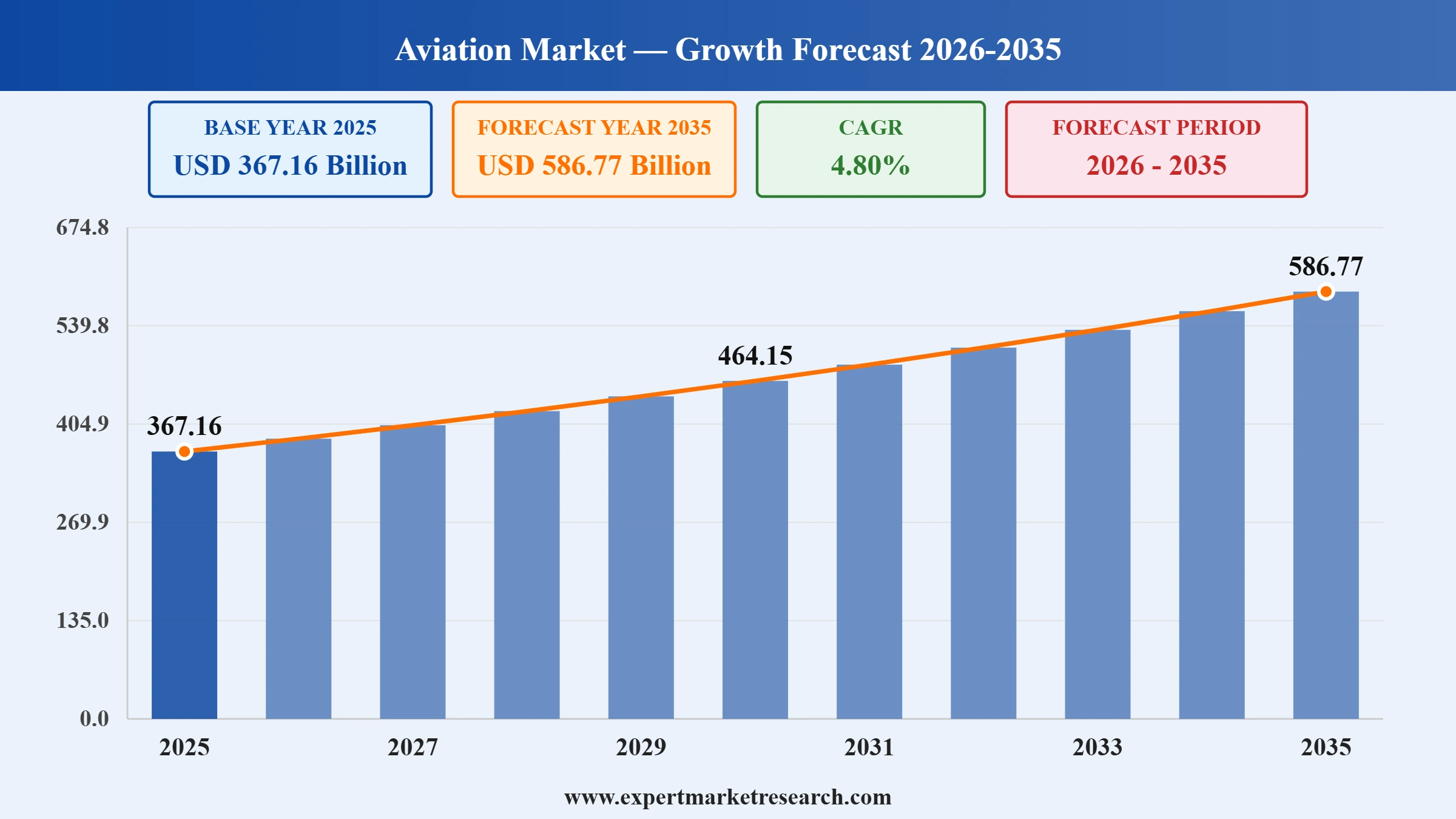
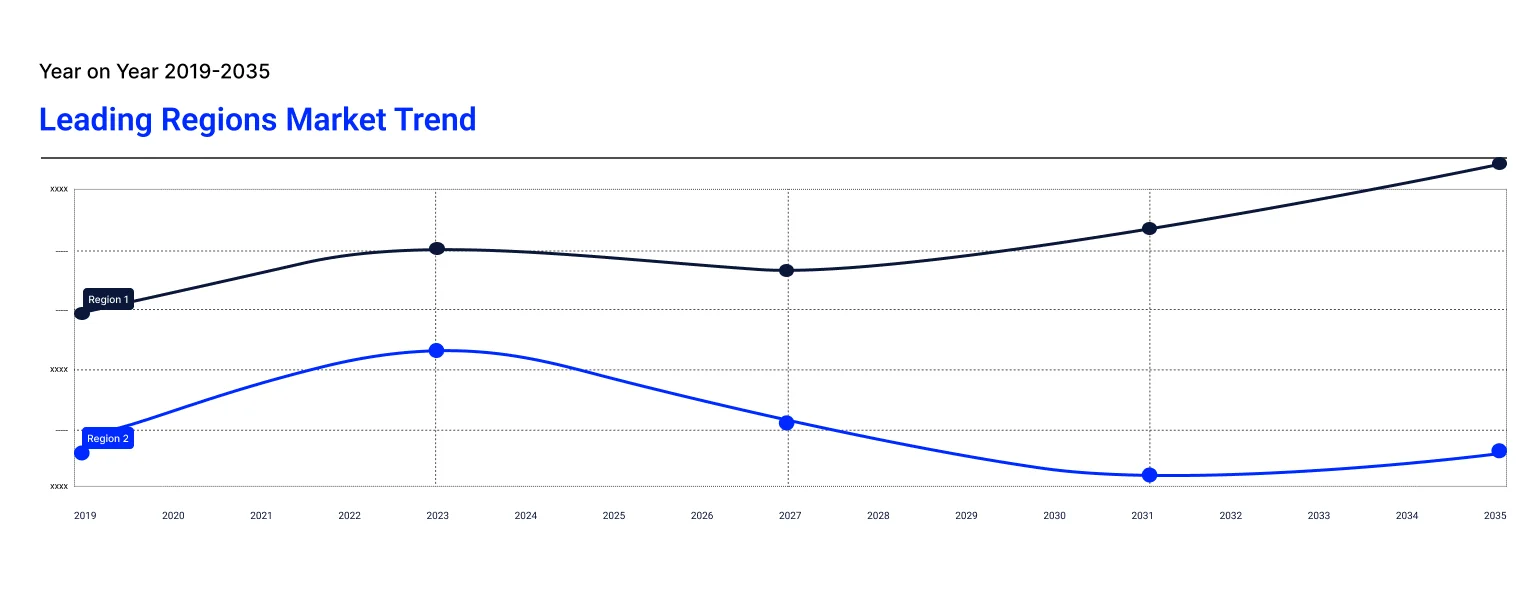
The global aviation market attained a value of USD 367.16 Billion in 2025 and is projected to expand at a CAGR of 4.80% through 2035. The market is further expected to achieve USD 586.77 Billion by 2035. Increased need for direct long haul narrowbody flights is compelling manufacturers of aircraft and components to improve range, payload, fuel efficiency, turnaround capability, and cabin utilization on new airplane programs for airlines.
The aviation market is undergoing a restructuring due to investments in long-range aircraft by manufacturers and fleet renewal and resilience efforts by airlines. In January 2025, Airbus delivered 793 aircraft, a 4% increase year-over-year and recorded its highest order backlog at 8,754 aircraft. The A321XLR plays a significant role in long-range narrowbody economics, which Airbus indicates as being well-received by their customers. This trend in product lines is encouraging suppliers to develop new lighter structures, cabin systems, avionics, and maintenance tools for increased aircraft efficiency.
The competition within the aviation market is now expanding beyond conventional commercial jetliners. In July 2026, for example, the eVTOL company, Joby Aviation, acquired the defense technology firm Resonant Sciences for USD 500 million, showing the trend of firms expanding into various technologies amid commercial eVTOL certification efforts. Such developments create opportunities for aerospace suppliers in flight controls, autonomy software, batteries, thermal management, composites and mission systems.
Two trends are increasing investment in the aviation market. Increased demand for fleet renewal is driving airlines to consider newer airplanes that are fuel-efficient and have longer maintenance schedules, while advanced air mobility efforts are opening up new markets for suppliers in electric propulsion, autonomous flight control software, and lightweight materials. In 2024, Airbus delivered 607 A320 Family planes, showing that there are high demands for narrowbody airplanes. Meanwhile, the acquisition strategy of Joby for defense purposes shows the applicability of the eVTOL technology outside passenger air taxis.
Read more about this report - REQUEST FREE SAMPLE COPY IN PDF
| Global Aviation Market Report Summary | Description | Value |
| Base Year | USD Billion | 2025 |
| Historical Period | USD Billion | 2019-2025 |
| Forecast Period | USD Billion | 2026-2035 |
| Market Size 2025 | USD Billion | 367.16 |
| Market Size 2035 | USD Billion | 586.77 |
| CAGR 2019-2025 | Percentage | XX% |
| CAGR 2026-2035 | Percentage | 4.80% |
| CAGR 2026-2035 - Market by Region | Middle East and Africa | 5.1% |
| CAGR 2026-2035 - Market by Country | India | 6.2% |
| CAGR 2026-2035 - Market by Country | Brazil | 5.7% |
| CAGR 2026-2035 - Market by Type | Commercial Aviation | 5.2% |
| Market Share by Country 2025 | USA | 20.8% |
Archer Aviation entered into a deal to buy Boeing’s Wisk Aero, with the acquisition of eVTOL, autonomy, unmanned aerial vehicle technology, and air traffic management solutions. Airlines can buy equipment relating to eVTOLs, autonomous technologies, air traffic control systems, and other infrastructure for their participation in emerging mobility platforms.
Star Air started offering its services on Ahmedabad-Mundra flights. This will help build regional connectivity and will be useful in business travel between the commercial and industrial centers. Airlines can use regional routes that are not well served, whereas aviation suppliers can cater to emerging business travel corridors, leveraging such developments in the aviation market.
Boeing and Archer extended their cooperation in commercial aerospace, defense, autonomy, eVTOL, and unmanned aircraft technologies by building a wider technology platform. Aerospace organizations may engage in partnerships in autonomous flight, defense technology, eVTOL technology, and aircraft platforms.
JetSetGo introduced the first Advanced Air Mobility platform of India, facilitating knowledge and ecosystem building for future air-taxis. Aviation market players can develop eVTOL services, vertiports, online bookings, and urban airspace management systems.
The renewal of airline fleets is becoming an integral element of the aviation strategy due to low fuel consumption, high-range capabilities, and high operational reliability of new-generation aircraft. For example, in August 2026, Speedy Hire approved Syntech ASB B100 biofuel across its power fleet after trials showed performance comparable to conventional diesel, thereby boosting the aviation market growth. At the same time, governments indirectly support the fleet modernization through their initiatives concerning airports and financing.
Sustainable aviation fuel changes its role from an environmental strategy into the procurement and production one for airlines, oil companies, and aircraft manufacturers. According to aviation market analysis, in 2024 SAF accounted for 0.6% of fuel consumed at EU airports amounting to 193 kilotons of fuel. At the same time, the ReFuelEU Aviation mandate demands 2% of the share starting from 2025. The regulation contributes to the development of new refineries, production partnerships, blending and fuel certification programs. In turn, airlines and fuel producers are working towards long-term offtake agreements. Aligning with this trend, in August 2026, EcoCeres, SF Group and CNAF launched a commercial SAF program for cargo flights, potentially reducing greenhouse-gas emissions by 90%.
Advanced air mobility is shifting towards commercialization as aircraft manufacturers concentrate on certification, manufacturing scale, automation, and vertiport integration. For example, in August 2026, Michigan awarded USD 2 million across five advanced air mobility projects, supporting drone applications in public safety, infrastructure, and environmental monitoring. The aviation market observes several development efforts being made with the FAA advancing regulatory and operational guidelines while manufacturers such as Joby Aviation and Archer Aviation continue developing and testing electric vertical takeoff and landing aircraft.
Inefficient air traffic facilities and aging air traffic control networks trigger technology replacement cycles at both airports and air traffic control network levels. In August 2024, the FAA proposed an USD 8 billion investment over five years for replacing facilities and upgrading radars, focusing on 377 critical radar systems and more than 20 air traffic control facilities. The FAA also proposed installing 53 surface movement radars at 44 major airports in 2026 in order to improve the runway awareness in August 2026. This will create aviation market opportunities for radar manufacturers, communication service providers, surveillance software, cybersecurity companies, and systems integrators. Demonstrating such shifts, in July 2026, Indra commissioned advanced air traffic control centers in Argentina, India, Indonesia, and Peru, strengthening global airspace management capabilities.
Connectivity projects are leading to new opportunities for airports, aircraft, helicopters, maintenance providers, and other infrastructure in the global industry. The Indian government, in July 2026, approved a revised version of the UDAN project worth INR 28,840 crore till FY2035-36 for 100 airports and 441 aerodromes for operational purposes along with 200 modern helipads. The program also entails INR 10,043 crore in viability gap funding for airline operators. This aviation market trend would open up an array of projects for airport development companies, regional aircraft manufacturers, MRO firms, and other technology providers.
The Expert Market Research's report titled “Aviation Market Report and Forecast 2026-2035” offers a detailed analysis of the market based on the following segments:
Market Breakup by Type
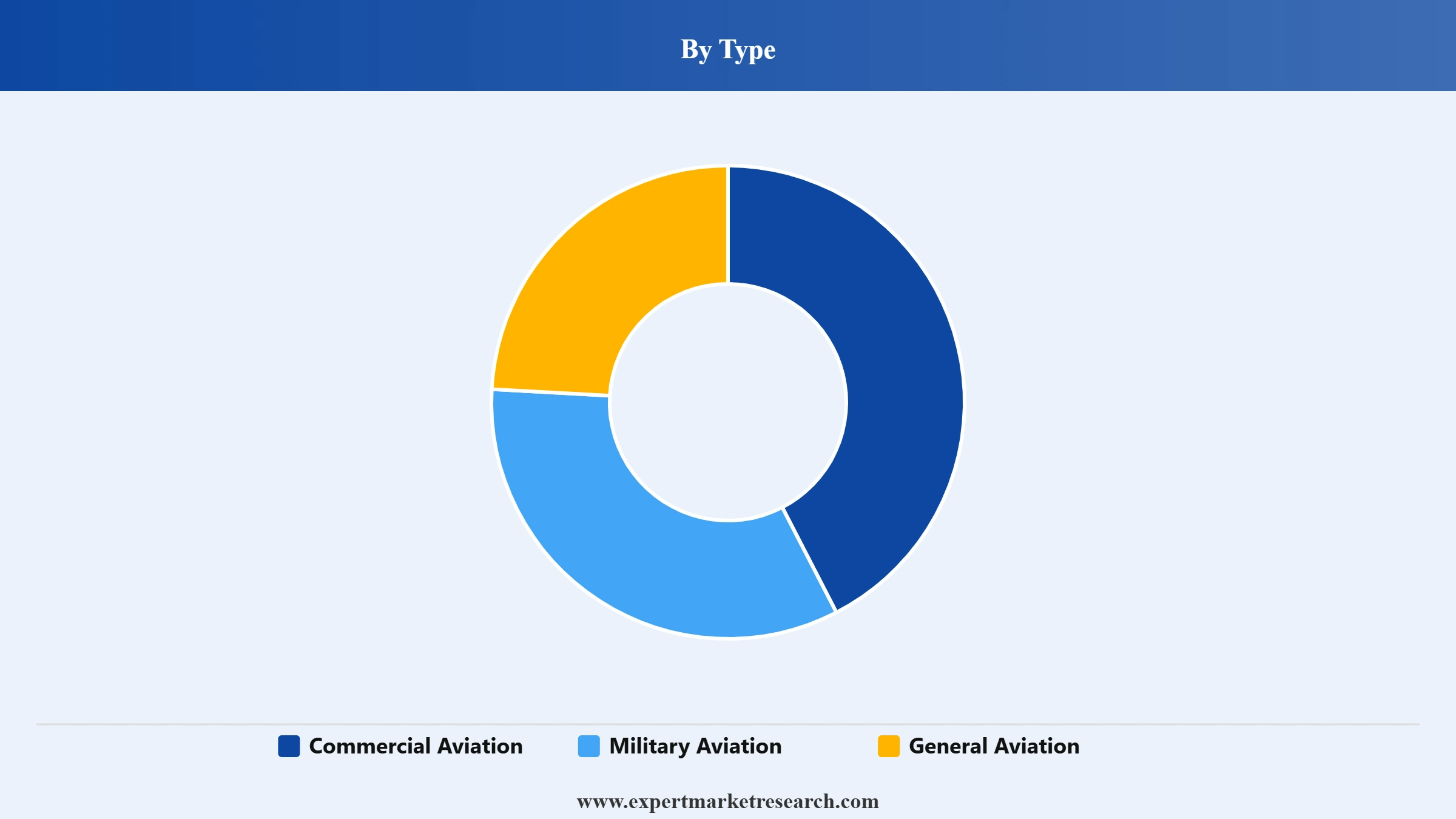
Key Insight: Commercial aviation derives its growth due to fleet renewals, expanding routes, higher aircraft usage, and the need to reduce operational costs. The military aviation market derives its growth due to the modernization and renewal of fleets, autonomy needs, electronic warfare capabilities, and aerospace manufacturing within the country. In August 2026, India invited bids for 60 multirole military transport aircraft, launching a INR 1 lakh crore procurement program to modernize its ageing airlift fleet. General aviation exhibits high-potential growth owing to business travel needs, aircraft replacements, pilot training needs, charter flights, and increased demand for point-to-point travel. In all these segments, the emphasis on aircraft efficiency, digitized maintenance, modularity, and flight technology increases. Suppliers who can provide technologies that are certified and have robust production capabilities will be able to meet their differentiated procurement needs.
Market Breakup by Region
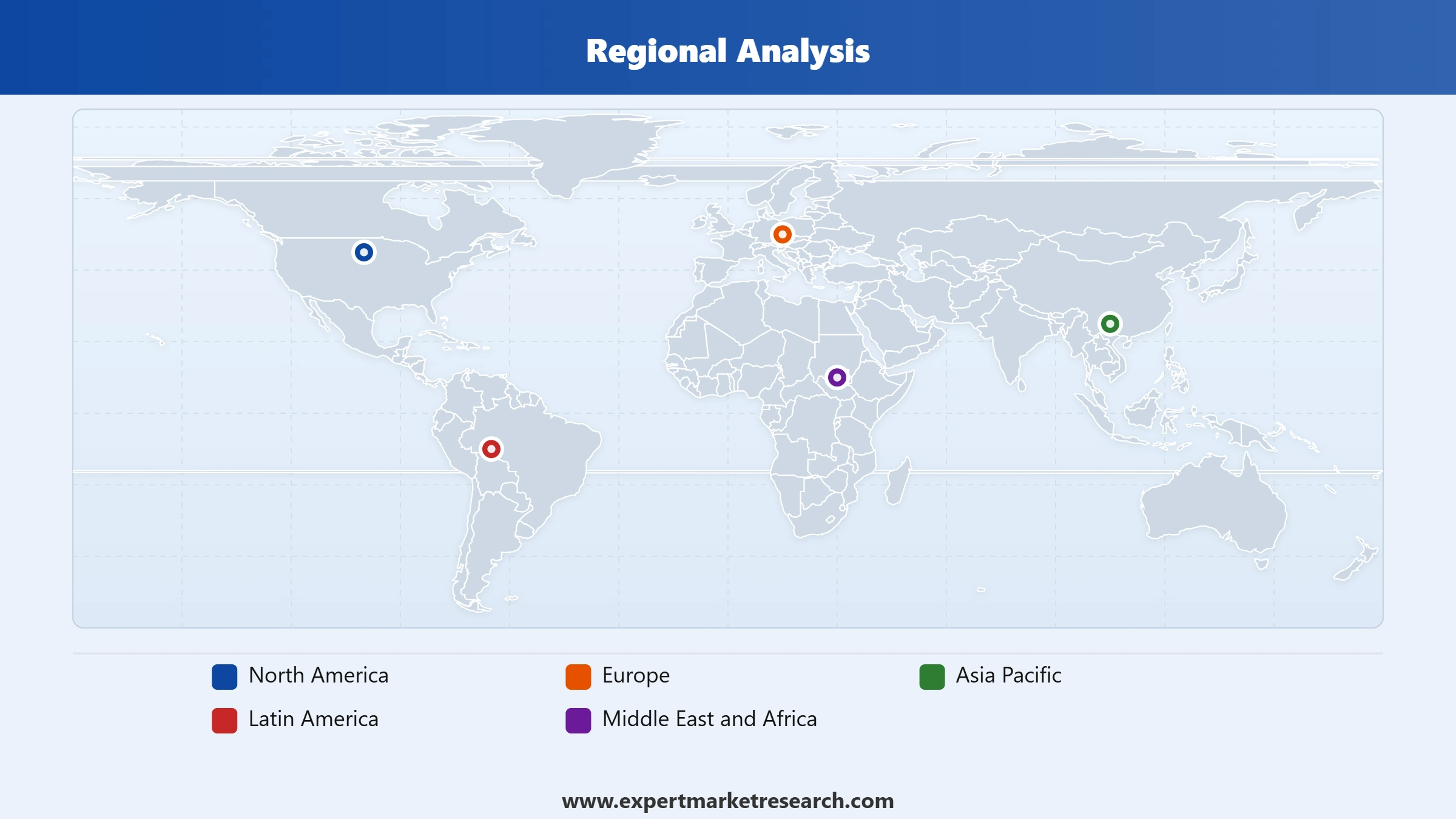
Key Insight: North America’s strengths lie in fleet modernization, defense preparedness, established maintenance, repair, and overhaul services (MRO), and state-of-the-art aerospace manufacturing facilities. The European aviation market’s strengths include aircraft design excellence, propulsion technologies geared towards sustainability, defense procurement, and specialized aviation supply chain management systems. The Asian Pacific region observes growth owing to passenger network, delivery of new aircrafts, airport development, and local manufacturing of aircrafts. The market in Latin America is characterized by fleet modernization, regional connections, airport development, and the need for efficient operation of aircraft. The Middle East and African markets are characterized by hub development, long range fleet planning, defense modernization, airport development, and developing MRO capabilities.
Read more about this report - REQUEST FREE SAMPLE COPY IN PDF
By type, the commercial aviation category leads the market due to extensive passenger fleet deployment requirements
Commercial aviation continues to be the most prevalent form in the aviation market due to expansion of airline fleets based on route profitability, efficient utilization of aircraft, and increased connectivity of routes. The growth in demand is also driven by airlines’ substitution of older fleets with fuel-efficient narrowbody and widebody aircraft, along with leasing companies’ need for assets with high residual value and wide operator appeal. Manufacturers of aircraft focus on production efficiency, cabin densification, digital maintenance, and more capable long-range aircraft, which improve the economics of flights. For example, in August 2026, Archer Aviation agreed to acquire Boeing’s Wisk Aero, Insitu and SkyGrid, strengthening autonomous aerospace, defense and airspace capabilities.
Read more about this report - REQUEST FREE SAMPLE COPY IN PDF
Military aviation is the fastest-growing segment in the aviation industry owing to the need for air power modernization and the development of mission readiness and autonomy capabilities. The procurement of aircraft and other military hardware is increasingly becoming focused on multirole fighters, unmanned systems, transport aircraft, reconnaissance systems, and electronic warfare technologies. Moreover, defense ministries increasingly consider domestic production, secure supply chains, interoperability, and lifecycle considerations as critical factors, which creates new business opportunities for aerospace manufacturers and component manufacturers.
Read more about this report - REQUEST FREE SAMPLE COPY IN PDF
North America continues to be dominant due to mature aerospace ecosystems and defense procurement
North America continues to lead the aviation market growth due to procurement requirements driven by established carriers, defense needs, aircraft makers, and MROs. North America receives benefits from commercial aircraft fleet, defense spending on aviation, infrastructure at airports, and the presence of suppliers of engines, avionics, aircraft structures, and maintenance services. Factors shaping the demand include fleet modernization, military preparedness, digitized air traffic control systems, and aftermarket optimization. For example, in August 2026, RTX’s Collins Aerospace secured a USD 472 million contract to modernize United States Army Chinook helicopters with advanced avionics upgrades.
The Asia Pacific aviation market grows at the fastest pace due to growing passenger numbers, airline fleet growth, airport construction, and localization of the aerospace industry, which stimulates the procurement process. Airlines operating in the region continue to add planes to their fleet to expand their network of flights, while the governments of countries continue to invest in infrastructure and aerospace industry localization. The opportunities exist in commercial aircraft, MRO, engines, avionics, ground systems, and connectivity solutions for regions.
The competition in the industry is expected to continue to be strong as aviation companies concentrate on efficiency, scalability, digital and life-cycle economics. Companies like Airbus and Boeing are concentrated on raising the output of narrowbody and widebody aircraft amid huge order backlogs and challenges with supply chain logistics. Engine manufacturers are concerned with developing efficient, durable, and reliable engines with good maintenance characteristics. Suppliers of avionics and systems develop connected aircraft systems, modern flight-control systems, digital technology and cybersecurity solutions.
Leading aviation market players make increased investments in the development of autonomous platforms, sensors, electronic warfare, mission networking and other technologies that create new opportunities outside the commercial sector. At the same time, maintenance, repair and overhaul companies develop their expertise in predictive maintenance, component repair and engine services as airlines seek to increase their aircraft utilization and reduce downtime. Localized production, availability of components, fast certifications, and strong after-market services are becoming more important for the competitiveness of companies.
Formed in 1916 and based in the United States, The Boeing Company is involved in the development of commercial aircraft, defense systems, and space products. Boeing continues to build capabilities in autonomous aircraft and aerospace technology advancement while increasing the 737 MAX, 787 Dreamliner, and defense product lines. Boeing's strategy entails improvements in manufacturing processes, digital design, and technology collaboration for global aviation clients.
Formed in 1972 and based in Netherlands, Airbus is engaged in developing commercial aircraft, helicopters, defense products, and space systems. The company continues to increase the production rate of the A320 Family aircraft by modernizing assembly facilities, with a goal of reaching the production rate of 75 aircraft per month.
Founded in 1995 and based in Bethesda, Maryland, United States, Lockheed Martin designs advanced military aircraft, autonomous systems, missiles, and aerospace systems. Its Aeronautics division is focusing on developing high-performance platforms, digital engineering, and cost-effective manufacturing approaches. Moreover, Lockheed Martin incorporates mission systems and advanced technology in support of operational readiness and sustainment of its defense customers.
Founded in 1942 and based in Montreal, Canada, Bombardier specializes in business aircraft (Global and Challenger series) as well as aircraft services and maintenance. Bombardier has been expanding its presence in the market of long-range business aviation through developing advanced cabin technologies, improved aircraft performance, and additional services in order to provide more value for customers.
Other key players in the market include Leonardo S.p.A, Embraer S.A., Textron Inc., Dassault Aviation S.A., General Dynamics Corporation, Piper Aircraft, Inc., Diamond Aircraft Industries GmbH, and Cirrus Design Corporation, among others.
*Please note that this is only a partial list; the complete list of key players is available in the full report. Additionally, the list of key players can be customized to better suit your needs.*
Unlock the latest insights with our aviation market trends 2026 report. Discover regional growth patterns, consumer preferences, and key industry players. Stay ahead of competition with trusted data and expert analysis. Download your free sample report today and drive informed decisions in the market.


Upto 15% Off
USD
$2499 $2249
$3999 $3599
$4999 $4249
$5999 $5099


*While we strive to always give you current and accurate information, the numbers depicted on the website are indicative and may differ from the actual numbers in the main report. At Expert Market Research, we aim to bring you the latest insights and trends in the market. Using our analyses and forecasts, stakeholders can understand the market dynamics, navigate challenges, and capitalize on opportunities to make data-driven strategic decisions.*
In 2025, the market reached an approximate value of USD 367.16 Billion.
The market is estimated to grow at a CAGR of 4.80% between 2026 and 2035.
The market is estimated to witness a healthy growth in the forecast period of 2026-2035 to reach a value of around USD 586.77 Billion by 2035.
Stakeholders are expanding supplier partnerships, accelerating digital engineering, investing in sustainable propulsion, strengthening localized manufacturing, adopting predictive maintenance, developing autonomous systems, and improving certification readiness.
The key trends aiding the market expansion include adoption of favourable visa policies, expansion of the e-commerce industry, and technological innovations driving sustainability.
The major regions in the market are North America, Latin America, the Middle East and Africa, Europe, and the Asia Pacific.
The major types include commercial aviation, military aviation, and general aviation.
The major players in the market are The Boeing Company, Airbus SE, Lockheed Martin Corporation, Bombardier Inc., Leonardo S.p.A, Embraer S.A., Textron Inc., Dassault Aviation S.A., General Dynamics Corporation, Piper Aircraft, Inc., Diamond Aircraft Industries GmbH, and Cirrus Design Corporation, among others.
Aircraft certification delays, supply-chain shortages, production bottlenecks, skilled-labor gaps, high development costs, geopolitical uncertainty, sustainability requirements, cybersecurity risks, and pressure to improve aircraft efficiency are challenging aviation companies.
Explore our key highlights of the report and gain a concise overview of key findings, trends, and actionable insights that will empower your strategic decisions.
| REPORT FEATURES | DETAILS |
| Base Year | 2025 |
| Historical Period | 2019-2025 |
| Forecast Period | 2026-2035 |
| Scope of the Report |
Historical and Forecast Trends, Industry Drivers and Constraints, Historical and Forecast Market Analysis by Segment:
|
| Breakup by Type |
|
| Breakup by Region |
|
| Market Dynamics |
|
| Competitive Landscape |
|
| Companies Covered |
|
Datasheet
One User
USD 2,499
USD 2,249
tax inclusive*
Single User License
One User
USD 3,999
USD 3,599
tax inclusive*
Five User License
Five User
USD 4,999
USD 4,249
tax inclusive*
Corporate License
Unlimited Users
USD 5,999
USD 5,099
tax inclusive*
*Please note that the prices mentioned below are starting prices for each bundle type. Kindly contact our team for further details.*
Flash Bundle
Small Business Bundle
Growth Bundle
Enterprise Bundle
*Please note that the prices mentioned below are starting prices for each bundle type. Kindly contact our team for further details.*
Flash Bundle
Number of Reports: 3
20%
tax inclusive*
Small Business Bundle
Number of Reports: 5
25%
tax inclusive*
Growth Bundle
Number of Reports: 8
30%
tax inclusive*
Enterprise Bundle
Number of Reports: 10
35%
tax inclusive*
How To Order

Select License Type
Choose the right license for your needs and access rights.

Click on ‘Buy Now’
Add the report to your cart with one click and proceed to register.

Select Mode of Payment
Choose a payment option for a secure checkout. You will be redirected accordingly.
Strategic Solutions for Informed Decision-Making
Gain insights to stay ahead and seize opportunities.

Get insights & trends for a competitive edge.

Track prices with detailed trend reports.

Analyse trade data for supply chain insights.

Leverage cost reports for smart savings

Enhance supply chain with partnerships.

Connect For More Information
Our expert team of analysts will offer full support and resolve any queries regarding the report, before and after the purchase.
Our expert team of analysts will offer full support and resolve any queries regarding the report, before and after the purchase.
We employ meticulous research methods, blending advanced analytics and expert insights to deliver accurate, actionable industry intelligence, staying ahead of competitors.
Our skilled analysts offer unparalleled competitive advantage with detailed insights on current and emerging markets, ensuring your strategic edge.
We offer an in-depth yet simplified presentation of industry insights and analysis to meet your specific requirements effectively.




