

Consumer Insights
Uncover trends and behaviors shaping consumer choices today
Procurement Insights
Optimize your sourcing strategy with key market data
Industry Stats
Stay ahead with the latest trends and market analysis.
The global biofungicides market attained a value of USD 1014.01 Million in 2025 and is projected to expand at a CAGR of 14.50% through 2035. The market is further expected to achieve USD 3927.33 Million by 2035, driven by tightening limits on chemical residues, growing resistance to conventional fungicides, and rising adoption of microbial and naturally derived disease control products across cereals, oilseeds, fruits, and vegetables worldwide.
Brazil shows how quickly biofungicides are scaling. A trade report in August 2026 noted that Brazil's fungicide market reached USD 6.5 billion in 2025, about 32% of its USD 20.2 billion crop protection sector, while biofungicide sales rose 41% to R$1.4 billion and the treated area grew 37% year on year to 26 million hectares, a sign that growers are adopting biological disease control at scale.
Large crop protection groups are building biological pipelines. Bayer's agricultural biologicals page, published in September 2026, lists multi-year partnerships with Ginkgo Bioworks and Kimitec, and describes microbial biologicals, botanical natural products, and pheromone approaches as parts of integrated crop management alongside seeds and traits, digital tools, and chemical crop protection, a framing that signals biologicals are becoming a core part of large portfolios.
Public and private capital is also following innovation. In August 2026, GreenLight Biosciences' plan for a USD 100 million RNA biofungicide plant in the Mexico City area was reported to support about 500 specialized jobs, and to sit beside the newly launched Tlalpan Innovation District, a USD 125 million biotech hub, showing how biocontrol manufacturing is attracting regional investment and skilled employment.
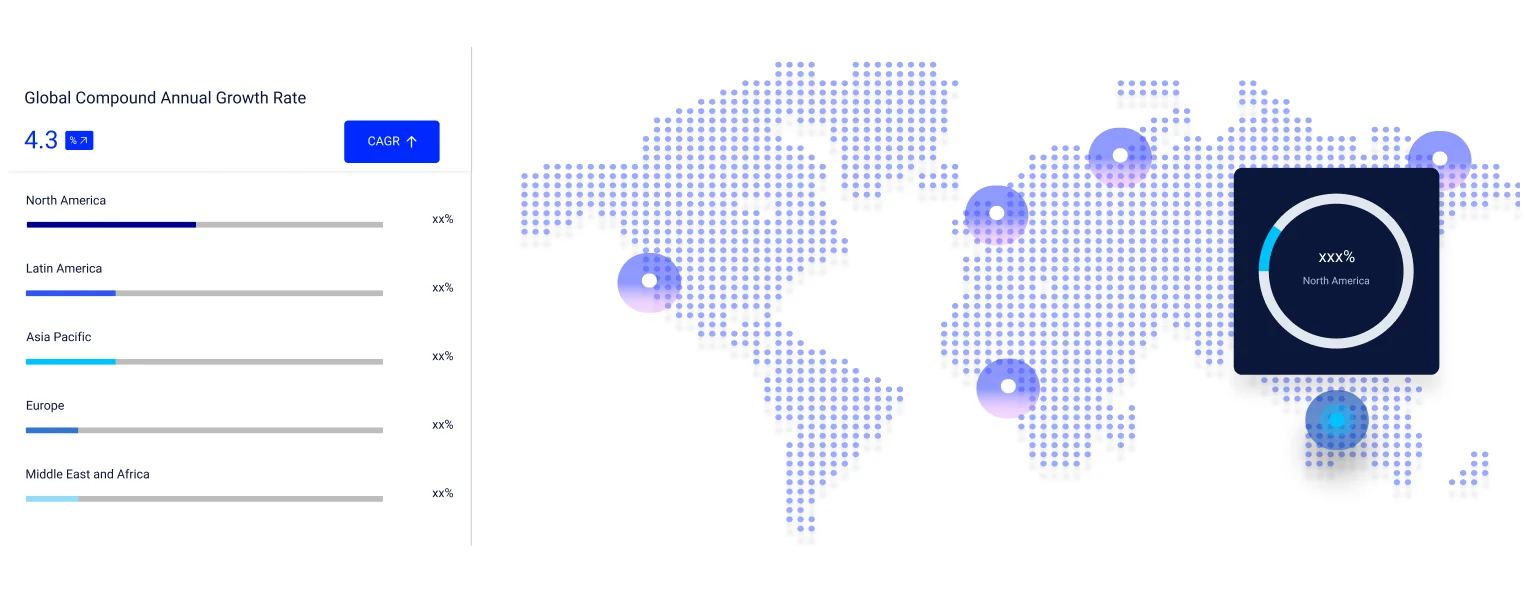
Compound Annual Growth Rate
14.5%
Value in USD Million
2026-2035
Read more about this report - REQUEST FREE SAMPLE COPY IN PDF
| Global Biofungicides Market Report Summary | Description | Value |
| Base Year | USD Million | 2025 |
| Historical Period | USD Million | 2019-2025 |
| Forecast Period | USD Million | 2026-2035 |
| Market Size 2025 | USD Million | 1014.01 |
| Market Size 2035 | USD Million | 3927.33 |
| CAGR 2019-2025 | Percentage | XX% |
| CAGR 2026-2035 | Percentage | 14.50% |
| CAGR 2026-2035 - Market by Region | Asia Pacific | 17.1% |
| CAGR 2026-2035 - Market by Country | India | 18.0% |
| CAGR 2026-2035 - Market by Country | Canada | 16.9% |
| CAGR 2026-2035 - Market by Source | Microbial | 16.2% |
| CAGR 2026-2035 - Market by Formulation | Liquid | 17.8% |
In August 2026, Bioma launched Metabolic Protection in Brazil, described as the country's first fungicide formulated entirely from microbial metabolites. The product contains about 40 metabolites, with more than 20 acting on fungal pathogens and 17 activating plant defenses, and targets soybean anthracnose and target spot. Companies can leverage metabolite-based chemistry to offer growers a registered alternative within Brazil's expanding biological inputs market.
Mexico's health-risk regulator Cofepris approved GreenLight Biosciences' RNA-based biofungicide for grape powdery mildew in August 2026, making Mexico the first country to approve such a product commercially. The active ingredient silences a gene the fungus needs to survive and degrades without persistent residues in soil, water, or fruit. Companies can pursue regulatory firsts in emerging markets to secure early positions in novel biocontrol categories.
Certis Biologicals highlighted LifeGard WG in July 2026 as a biological plant activator for potatoes, built on Bacillus mycoides isolate J. The product triggers systemic acquired resistance, with plants producing pathogen-attacking proteins within 24 hours and a defense response lasting up to 18 days, and it targets early blight, late blight, and white mold. Companies can leverage plant activators to extend the useful life of conventional fungicides.
In June 2026, Certis Biologicals described its OSO 5% SC fungicide, based on polyoxin D zinc salt, as a contact product that stops chitin formation in fungal cell walls. The product sits in FRAC Group 19 with no cross-resistance to DMI, QoI, or SDHI groups, carries a zero-day pre-harvest interval, and is labeled for berries, tree fruit, and vegetables. Companies can leverage distinct modes of action for season-long flexibility.
In June 2026, Bayer formed a strategic research partnership with Aphea.Bio to co-develop bioinsecticides against sap-sucking insects, combining Aphea.Bio's microbial metabolite pipeline with Bayer's development, regulatory, and commercialization capabilities. Initial work targets pome fruit, stone fruit, citrus, and grapes, with potential expansion into vegetables, cotton, and soybean. Companies can leverage research partnerships with specialist biotechs to broaden their biological toolbox without building every platform in-house.
In May 2026, Gujarat State Fertilizers and Chemicals Ltd. reported fiscal 2026 operating revenue up 15% to INR 10,827 crore and standalone net profit up 14% to INR 652 crore, with the board recommending a dividend of INR 5 per share. Its organic products range includes Trichoderma and Pseudomonas biological fungicides. Companies can leverage a profitable fertilizer base to cross-sell biological fungicides to existing agricultural customers.
FMC Corporation reported second quarter 2026 results in July 2026, with revenue of USD 867 million, down 17% year on year, and Adjusted EBITDA of USD 153 million. The company said lower Plant Health sales were more than offset by strong performances from new active ingredients. Companies can leverage newly launched actives and biological solutions to offset softness in established product lines and protect margins.
In January 2026, FMC Canada announced Optimize FXC DS, a next-generation soybean inoculant combining dual-strain Bradyrhizobium with LCO Promoter Technology to support early nodulation and crop establishment. The launch was described as reflecting growing interest in biological solutions that complement conventional crop protection programs. Companies can leverage biological seed-applied products to complement chemical programs, strengthen relationships with soybean growers, and widen the range of biological offerings available at planting.
This Expert Market Research Report titled "Global Biofungicides Market Report and Forecast 2026-2035" offers a detailed analysis of the market based on the following segments:
Market Breakup by Source
Key Insight: Microbial is the leading source, as Certis Biologicals showed in July 2026 when it promoted LifeGard WG, built on Bacillus mycoides isolate J, whose induced plant defense response lasts up to 18 days; Biochemical is drawing fresh attention, with Certis Biologicals describing its polyoxin D based OSO 5% SC in June 2026 as a contact fungicide that stops chitin formation in fungal cell walls; and Plant-incorporated Protectants captures disease resistance built into the crop itself rather than applied as a spray.
Market Breakup by Formulation
Key Insight: Dry formats remain widely used, with Certis Biologicals' LifeGard WG, a granule product, promoted for potato disease control in July 2026 with a four-hour re-entry interval and a zero-day pre-harvest interval; and Liquid is the fastest-growing formulation, with Certis Biologicals' OSO 5% SC, a suspension concentrate, described in June 2026 as broadly labeled for berries, tree fruit, and vegetables.
Market Breakup by Application
Key Insight: Cereals and Grains is shaped by wheat disease pressure, with Syngenta's November 2025 partnership around an amoeba-derived biofungicide targeting septoria tritici blotch and yellow rust across about 12 million hectares of European wheat each year; Oil Seeds and Pulses is gaining ground, as Bioma's August 2026 Brazilian launch of Metabolic Protection targets soybean anthracnose and target spot, which can cut yields by up to 40% in susceptible cultivars; Fruits and Vegetables is the leading application, with Mexico's August 2026 approval of GreenLight Biosciences' RNA biofungicide aimed at powdery mildew in grapes; and Others captures turf, ornamentals, and specialty crops.
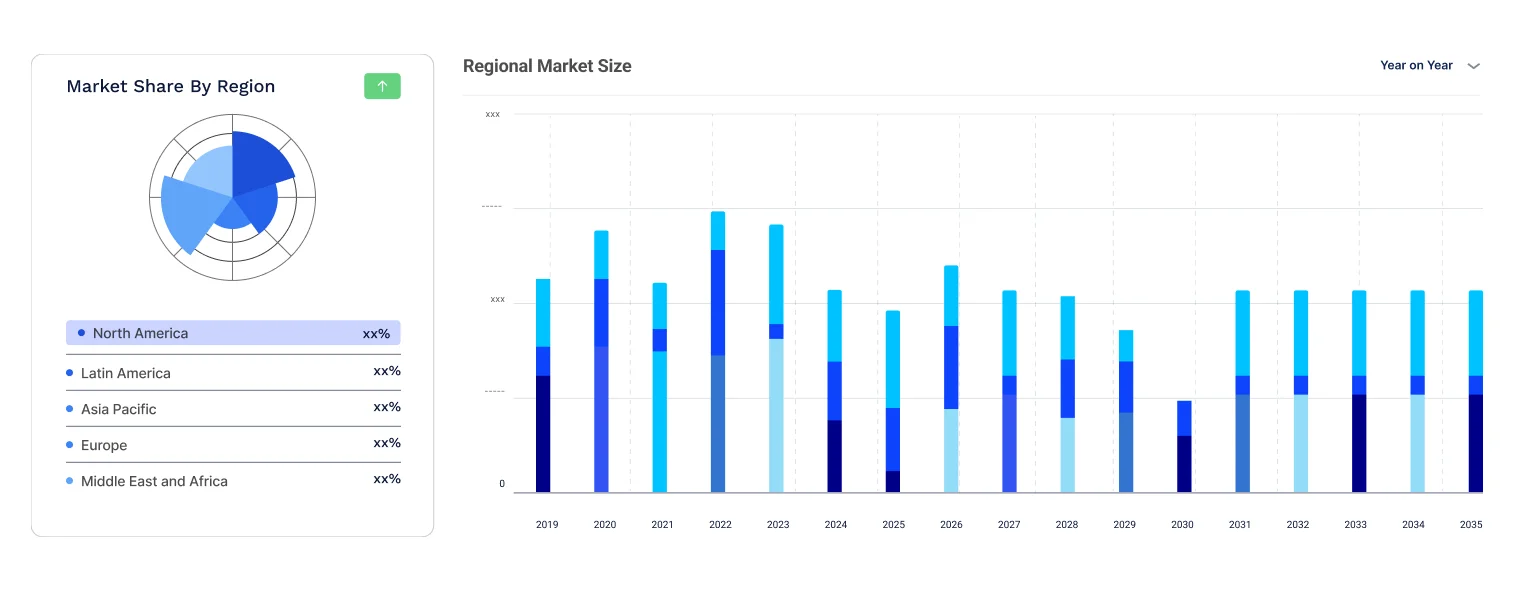
Market Breakup by Region
Key Insight: North America is anchored by Certis Biologicals, based in Columbia, Maryland, which promoted LifeGard WG for potatoes in July 2026; Europe is moving toward amoeba-based and other novel biocontrols, with Syngenta's November 2025 partnership noting that the active substance was approved in the European Union in June 2025; Asia Pacific is the fastest-growing region, with Gujarat State Fertilizers and Chemicals Ltd. reporting higher fiscal 2026 revenue in May 2026 while selling Trichoderma and Pseudomonas biological fungicides; Latin America is advancing quickly, with Mexico's August 2026 approval of an RNA biofungicide and Bioma's August 2026 launch in Brazil; and the Middle East and Africa is an earlier-stage market where biological disease control is still being introduced.
Read more about this report - REQUEST FREE SAMPLE COPY IN PDF
By Source, Microbial leads the market while Biochemical grows in prominence because naturally derived actives offer new modes of action for resistance management
Microbial products lead because living strains and their metabolites give growers disease control that fits integrated programs with conventional fungicides. Brazil's biological inputs boom illustrates the pull: biofungicide sales there rose 41% to R$1.4 billion and treated area grew 37% to 26 million hectares, according to an August 2026 trade report on Bioma's microbial-metabolite product, which followed five years of field trials across more than 50 production regions.
Biochemical actives are gaining ground as developers look beyond living organisms. In August 2026, Mexico approved GreenLight Biosciences' RNA biofungicide, which the company reported controlled more than 99% of target fungi in grape trials against about 80% for conventional chemical products, while degrading naturally and leaving no persistent residues, a claim that regulators and growers will test as commercial use begins.
By Formulation, Dry formats stay widely used while Liquid grows fastest because ready-to-apply concentrates fit existing spraying equipment and tank-mix programs
Dry products remain a staple, especially in markets where powders and granules travel easily and store well. In India, Gujarat State Fertilizers and Chemicals Ltd. lists Trichoderma and Pseudomonas biological fungicides in 1 kg packs among its organic products, with its Trichoderma harzianum product carried on talc, and in May 2026 the company reported fiscal 2026 operating revenue up 15% to INR 10,827 crore.
Liquid products grow fastest because they slot into standard spray programs. Certis Biologicals described its OSO 5% SC in June 2026 as a FRAC Group 19 fungicide with a zero-day pre-harvest interval, labeled for post-harvest disease prevention in pome and stone fruits and applied with a non-ionic surfactant for complete, uniform coverage of leaf and fruit surfaces, which suits tank-mix resistance management programs.
By Application, Fruits and Vegetables lead the market while Oil Seeds and Pulses gain ground because soybean disease pressure is pushing adoption of registered biological fungicides
Fruits and Vegetables lead because high-value crops demand residue-conscious disease control and short pre-harvest intervals. Certis Biologicals' July 2026 LifeGard WG promotion for potatoes cites control of early blight, late blight, and white mold with a four-hour re-entry interval, and its OSO fungicide carries a broad label for berries, tree fruit, and vegetables, showing how product design follows horticultural needs.
Oil Seeds and Pulses are gaining ground as biological programs reach soybean fields. In January 2026, FMC Canada introduced Optimize FXC DS, a soybean inoculant described as reflecting growing interest in biological solutions, and in August 2026 Bioma's Brazilian launch targeted soybean anthracnose and target spot. Cereals and Grains and Others add steady demand from wheat, rice, and specialty crops.
Asia Pacific is the fastest-growing regional market for biofungicides, with India the fastest-growing country, as farmers and regulators seek lower-residue disease control alternatives across cereal, vegetable, and fruit systems
This is supported by Gujarat State Fertilizers and Chemicals Ltd., which reported fiscal 2026 operating revenue up 15% to INR 10,827 crore and standalone net profit up 14% to INR 652 crore in May 2026, and whose organic products range includes Trichoderma and Pseudomonas biological fungicides, giving India a domestic supplier that already sells biological disease control alongside conventional fertilizers to farmers, which helps explain why the country is expected to lead regional growth as adoption widens beyond early users.
North America is shaped by Certis Biologicals, whose June 2026 and July 2026 product communications for OSO and LifeGard WG focused on fruit, vegetable, and potato disease control. Latin America is advancing quickly, with Mexico approving an RNA biofungicide in August 2026 and Bioma launching Metabolic Protection in Brazil the same month. Europe is moving toward novel biocontrols, as in Syngenta's November 2025 amoeba-based partnership, while Middle East and Africa remains an earlier-stage market where biological disease control is still being introduced to growers.
The global biofungicides market is fragmented, with large crop protection groups and regional fertilizer and agricultural input companies competing alongside specialist biological producers that focus on microbial strains and naturally derived actives.
Competitive dynamics are shaped by registration approvals, partnerships with biotechnology developers, new modes of action for resistance management, and the ability to bring liquid and dry formulations to growers through existing distribution networks.
Bayer AG describes its agricultural biologicals as nature-based technologies used within integrated crop management alongside seeds and traits, digital tools, and chemical crop protection, and it works with Ginkgo Bioworks and Kimitec on biological solutions. In June 2026, the company formed a research partnership with Aphea.Bio to co-develop bioinsecticides for fruit crops such as pome fruit, stone fruit, citrus, and grapes.
Headquartered in Columbia, Maryland, Certis USA LLC operates as Certis Biologicals, a bio-based crop protection specialist established in 2001 under Mitsui & Co. that distributes products in more than 50 countries. In June 2026, the company described its OSO 5% SC fungicide, based on polyoxin D zinc salt, as a Group 19 option with no cross-resistance to major chemical fungicide groups.
FMC Corporation describes itself as a leading innovator of advanced chemistries, with a portfolio that includes fluindapyr fungicides alongside a growing set of biological solutions such as soybean inoculants. In July 2026, it reported second quarter revenue of USD 867 million and said lower Plant Health sales were more than offset by strong performance from new active ingredients.
Founded in 1962 and based in Vadodara, Gujarat, Gujarat State Fertilizers and Chemicals Ltd. makes fertilizers and industrial chemicals and sells organic products including Trichoderma and Pseudomonas biological fungicides. In May 2026, it reported fiscal 2026 operating revenue up 15% to INR 10,827 crore and a recommended dividend of INR 5 per share, alongside its largest industrial products profit in four years.
Other key players in the biofungicides market include Symborg Corporate S.L and Biotech International Ltd., among others.
*Please note that this is only a partial list; the complete list of key players is available in the full report. Additionally, the list of key players can be customized to better suit your needs.*
For a detailed assessment of opportunities across the biofungicides market's source, formulation, application, and regional segments through 2026 and beyond, connect with Expert Market Research for a customized consultation.


Upto 15% Off
USD
$2499 $2249
$3999 $3599
$4999 $4249
$5999 $5099


*While we strive to always give you current and accurate information, the numbers depicted on the website are indicative and may differ from the actual numbers in the main report. At Expert Market Research, we aim to bring you the latest insights and trends in the market. Using our analyses and forecasts, stakeholders can understand the market dynamics, navigate challenges, and capitalize on opportunities to make data-driven strategic decisions.*
The global biofungicides market attained a value of USD 1014.01 Million in 2025.
The biofungicides market is projected to grow at a CAGR of 14.50% from 2026 to 2035.
Key strategies include partnerships with biotechnology developers, launches of new modes of action for resistance management, expansion of liquid and dry formulations, and cross-selling biologicals through existing distribution networks.
The increasing shift towards sustainable agricultural practices is expected to be a key trend guiding the growth of the industry.
The major regions in the industry are North America, Latin America, the Middle East and Africa, Europe, and the Asia Pacific.
Microbial, biochemical, and plant-incorporated protectants are the different sources of the product in the market.
Dry and liquid form are the different formulations of the product in the market.
Cereals and grains, oilseeds and pulses, and fruits and vegetables, among others are the major applications of the product.
Key players in the biofungicides market include Bayer AG, Certis USA LLC, FMC Corporation, Gujarat State Fertilizers and Chemicals Ltd., Symborg Corporate S.L, and Biotech International Ltd., among others.
The market is estimated to witness healthy growth in the forecast period of 2026-2035 to reach a value of around USD 3927.33 Million by 2035.
Key challenges include variable field performance compared with conventional fungicides, product registration timelines that differ by country, shelf life and storage requirements for living products, and limited grower familiarity with biological programs.
Explore our key highlights of the report and gain a concise overview of key findings, trends, and actionable insights that will empower your strategic decisions.
| REPORT FEATURES | DETAILS |
| Base Year | 2025 |
| Historical Period | 2019-2025 |
| Forecast Period | 2026-2035 |
| Scope of the Report |
Historical and Forecast Trends, Industry Drivers and Constraints, Historical and Forecast Market Analysis by Segment:
|
| Breakup by Source |
|
| Breakup by Formulation |
|
| Breakup by Application |
|
| Breakup by Region |
|
| Market Dynamics |
|
| Competitive Landscape |
|
| Companies Covered |
|
| Report Price and Purchase Option | Explore our purchase options that are best suited to your resources and industry needs. |
| Delivery Format | Delivered as an attached PDF and Excel through email, with an option of receiving an editable PPT, according to the purchase option. |
Datasheet
One User
USD 2,499
USD 2,249
tax inclusive*
Single User License
One User
USD 3,999
USD 3,599
tax inclusive*
Five User License
Five User
USD 4,999
USD 4,249
tax inclusive*
Corporate License
Unlimited Users
USD 5,999
USD 5,099
tax inclusive*
*Please note that the prices mentioned below are starting prices for each bundle type. Kindly contact our team for further details.*
Flash Bundle
Small Business Bundle
Growth Bundle
Enterprise Bundle
*Please note that the prices mentioned below are starting prices for each bundle type. Kindly contact our team for further details.*
Flash Bundle
Number of Reports: 3
20%
tax inclusive*
Small Business Bundle
Number of Reports: 5
25%
tax inclusive*
Growth Bundle
Number of Reports: 8
30%
tax inclusive*
Enterprise Bundle
Number of Reports: 10
35%
tax inclusive*
How To Order

Select License Type
Choose the right license for your needs and access rights.

Click on ‘Buy Now’
Add the report to your cart with one click and proceed to register.

Select Mode of Payment
Choose a payment option for a secure checkout. You will be redirected accordingly.
Strategic Solutions for Informed Decision-Making
Gain insights to stay ahead and seize opportunities.

Get insights & trends for a competitive edge.

Track prices with detailed trend reports.

Analyse trade data for supply chain insights.

Leverage cost reports for smart savings

Enhance supply chain with partnerships.

Connect For More Information
Our expert team of analysts will offer full support and resolve any queries regarding the report, before and after the purchase.
Our expert team of analysts will offer full support and resolve any queries regarding the report, before and after the purchase.
We employ meticulous research methods, blending advanced analytics and expert insights to deliver accurate, actionable industry intelligence, staying ahead of competitors.
Our skilled analysts offer unparalleled competitive advantage with detailed insights on current and emerging markets, ensuring your strategic edge.
We offer an in-depth yet simplified presentation of industry insights and analysis to meet your specific requirements effectively.




