

Consumer Insights
Uncover trends and behaviors shaping consumer choices today
Procurement Insights
Optimize your sourcing strategy with key market data
Industry Stats
Stay ahead with the latest trends and market analysis.
The Canada real estate market attained a value of USD 194.30 Billion in 2025 and is projected to expand at a CAGR of 2.80% through 2035. The market is further expected to achieve USD 256.10 Billion by 2035. The increasing population growth and constrained supply of houses in Canada are making developers move toward density developments, whereas immigration-fueled urban growth is enhancing the development of purpose-built rental, transit-oriented, and mixed-use properties.
The rapid population growth is increasing the strain on housing infrastructure and compelling developers to obtain larger master-planned sites along with increasing the supply of purpose-built rental properties. On the other hand, shifting capital towards specialty properties is assisting in developing industrial, data centers, and student housing facilities, boosting the overall Canada real estate market growth. Public infrastructure investments and the expansion of municipal transit facilities make it more feasible to develop high-density buildings in suburban areas.
One of the most interesting corporate initiatives affecting the Canada real estate market involves the intensification of mixed-use properties near transit-accessible retail developments by RioCan Real Estate Investment Trust, allowing for residential densification without a need for entirely new land assembly. An example of this strategy is the Well mixed-use project, developed by RioCan in Toronto and featuring residential, office, retail and public realm infrastructure as part of one major development. According to Statistics Canada, the country’s population grew by 744,324 in 2024, which makes such developments particularly appealing from a commercial standpoint to develop dense and amenity-laden properties in constrained metro areas. Moreover, Canada's housing starts rose 6 percent in 2025, driven by record rental and expanding missing middle construction.
Major developers in the Canada real estate market, REITs, and technology providers are increasingly focusing on their differentiation in operations, rather than mere expansion of their property portfolios. For instance, Brookfield is focusing on the development of large-scale mixed-use and alternative real estate platforms, whereas companies like Dream Unlimited are looking at the master planned communities and purpose-built rentals, emphasizing sustainability and infrastructure components. The competitive focus is shifting towards the development of industrial facilities, rentals, data centers, and other specialized formats, due to increasingly complex needs of tenants. In August 2026, Canada and Toronto announced CAD 2.7 billion for 18 housing projects, delivering more than 5,600 new rental homes across Toronto.
Compound Annual Growth Rate
2.8%
Value in USD Billion
2026-2035
Read more about this report - Request a Free Sample
The RBC launched financing programs for the creation of affordable housing, which would help provide additional funding for projects to address Canada’s housing shortage. It allows developers and lenders to finance affordable, rental, and purpose-built housing projects through financing and partnerships, thereby the overall development in the Canada real estate market.
Hamilton launched the launch of new houses, which helps expand housing stock and meet the increased demand for housing stock. Residential projects in areas where housing stocks are insufficient can be pursued by developers.
Montoni introduced a series of industrial condominium units that provide more flexible commercial real-estate choices for businesses and investors. The need for flexibility in the industrial sector can be addressed by developers through the provision of smaller and flexible units appropriate for SMEs and investors, thereby widening the Canada real estate market scope.
NorthVault introduced its plan to develop a data center campus in Ontario. As the need for digital infrastructure and special real estate increases, real-estate firms can consider developing data centers, buying land, and developing infrastructure in line with digitalization trends.
Transit-oriented development in the Canada real estate market is becoming an important factor of growth as developers seek out land around the rapidly growing rapid transit corridors. Cadillac Fairview, Oxford Properties and RioCan are developing high-density residential, office, retail and mixed-use development along major transportation corridors. The mixed-use development intensification initiative by RioCan is specifically targeted at extracting value from existing shopping center lands. Ontario Line in Toronto, REM expansion in Greater Montreal and Broadway Subway in Vancouver might create development nodes and increase the opportunities for developers, contractors and suppliers of infrastructure technology in Canadian cities. On the other hand, in June 2026, LiUNA and Fengate launched Toronto Rail Yards, a mixed-use community planned above Toronto’s active rail corridor, adding nearly 4,000 homes.
The construction of purpose-built rentals is becoming popular among developers in the Canada real estate market due to the ongoing housing shortage and rapidly increasing rental demand. Dream Unlimited, CAPREIT and Boardwalk REIT are increasing their rental inventories while the institutional investors become more involved with professional management of multifamily platforms. The Apartment Construction Loan Program is one initiative that provides cheap financing for new rental projects. Aligning with this trend, in September 2026, Primont launched a rental division with a 298-suite, 14-storey purpose-built community, expanding attainable housing options across Brampton.
Adaptive reuse is becoming increasingly popular across the Canada real estate market scope as owners explore productive alternatives for old office buildings that need to adapt to changing needs of the workplace. Owners are exploring the possibilities for conversions to rental apartments, hotels, student accommodation, and mixed-use buildings due to the existing location advantages like utilities and convenient transportation. The Canadian federal government implemented the Housing Accelerator Fund and other housing programs which help speed up housing constructions and municipal reforms. For example, in November 2025, Bluevale Capital received CAD 8.3 million from Calgary’s incentive program to convert an underused office tower into 128 rental homes.
Industrial property is strategically important as occupiers modernize their distribution networks, and manufacturers are looking for modern production capabilities, creating the Canada real estate market opportunities. Prologis, Dream Industrial REIT, and Granite REIT focus on logistics properties with better connectivity, clear heights, ability to incorporate automation systems and energy efficiency. Demand for such assets is concentrated along the transportation corridors for the largest cities including Toronto, Montreal, Vancouver, and other metropolitan areas. Government policies also contribute to this development environment via investments in the trade infrastructure and supply chain resilience. In December 2025, CPP Investments, Dream Industrial REIT, and Dream Asset Management formed a CAD 3 billion joint venture for Canadian industrial assets.
Property corporations are accelerating the pace of modernizing buildings, as energy efficiency and emission reduction are becoming key factors when it comes to making investments. For example, Brookfield Properties and Allied Properties REIT are using sustainability programs and energy-efficient building approaches in their business. Canada’s Green Building Strategy and Greener Neighbourhoods Pilot Program by the federal government are helping with energy retrofitting and low-emission buildings, boosting the Canada real estate market growth. The Green Buildings Strategy of Canada states that existing buildings are one of the priorities for emission reductions. Following such trends, in June 2024, Schneider Electric launched a smart buildings division in Canada, advancing sustainable building innovation through digital technologies and energy-efficient solutions.
The Expert Market Research's report titled “Canada Real Estate Market Report and Forecast 2026-2035” offers a detailed analysis of the market based on the following segments:
Market Breakup by Property
Key Insight: The residential category continues to dominate the Canada real estate market as the most critical property type, since housing needs are the key driving factor for development, marketing, finance, and management. Commercial property types are dominated by occupiers who look for effective, properly located office space, retail property, and hospitality property. The industrial sector is observing an increase in momentum, fueled by logistics improvements, manufacturing needs, and more specialized facility requirements. All these sectors are creating an environment that compels market players to diversify development pipelines and create assets that match occupiers' needs.
Market Breakup by Type
Key Insight: Sale continues to be the predominant transaction structure, backed up by ownership interests, investments acquisition, purchasing development sites, and the exchange of income-generating properties. The rental and leasing business is expanding its share in the Canada real estate market, as customers desire the ability to make changes, and owners prefer regular incomes derived from professionally-managed portfolios. Sales are highly dependent on access to financing, property positioning, transaction advice, and value creation, while the rental and leasing performance is influenced by customer retention, occupancy management, service delivery, and appropriate locations.
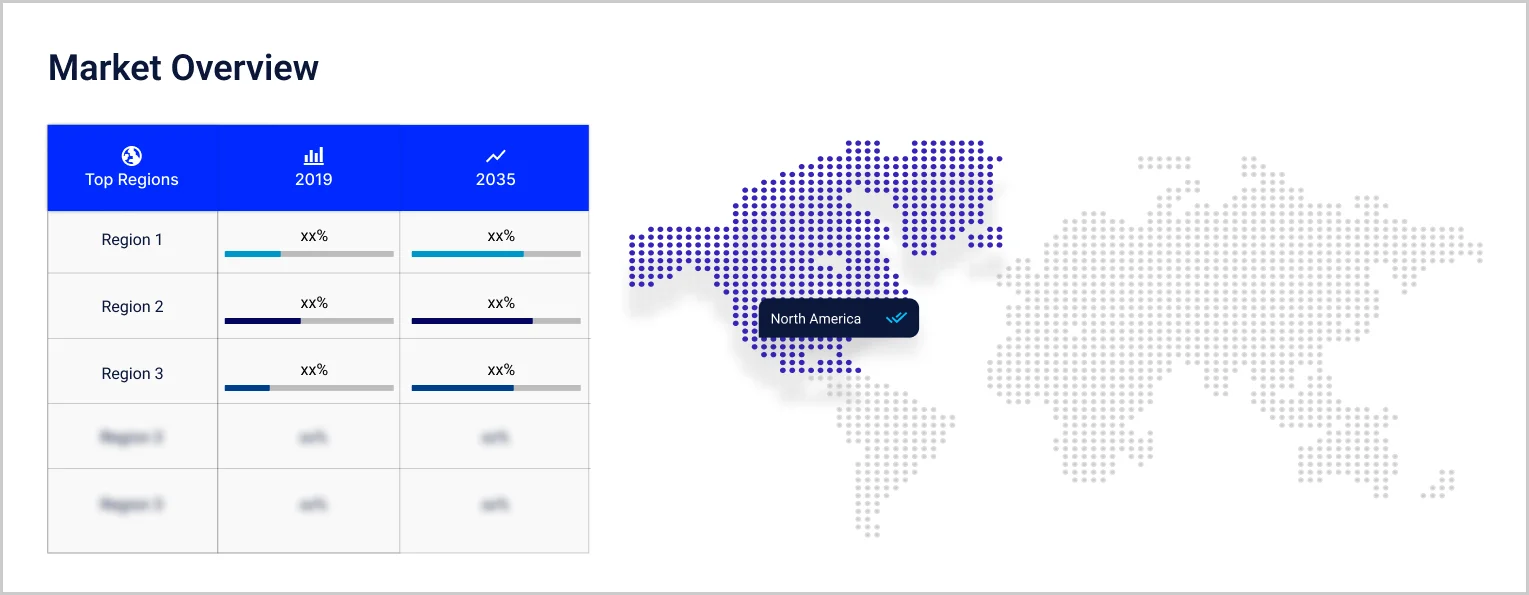
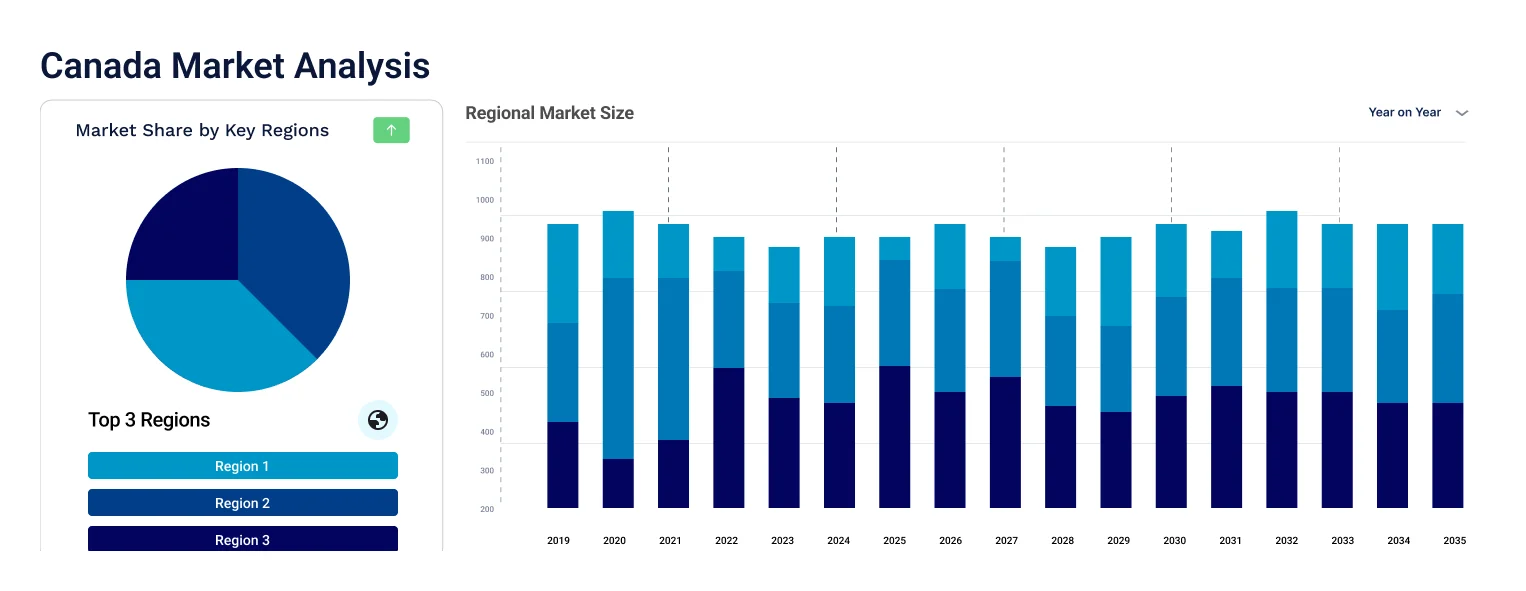
Market Breakup by Region
Key Insight: The factors that make British Columbia grow its market share include limited developable land, international connectivity, and high-density residential and logistics investments. In June 2026, Canada and British Columbia launched a partnership accelerating homebuilding, reducing development charges, converting vacant condos, and expanding infrastructure. The factors supporting Alberta include immigration, affordability, economic diversification, and development activities. Factors that make the Prairies function include agriculture, transportation, warehousing, and urban growth. The Central Canada real estate market continues to be the largest regional market base as Ontario and Quebec have the most diverse population, industrial centers, and institutions investing in development activities.
Residential properties capture a substantial share of the market due to sustained housing demand
The residential category represents the most significant sub-sector in the Canada real estate market due to the ongoing demand for apartments, condominiums, houses, and purpose-built rental buildings. Developers are focusing on building high-density neighborhoods, rental properties, and mixed-use residential projects to increase land utilization in urban centers. Continued population growth, formation of new households, and lack of available housing keep driving transactions and developments. In addition, the segment enjoys the benefit of redevelopment and infill, which provides business for developers, brokers, lenders, contractors, and technology firms in the acquisition, development, financing, and property management value chains in Canada. In September 2025, Prime Minister Carney launched Build Canada Homes, a federal initiative designed to accelerate affordable housing construction and increase national housing supply.
The industrial property is the fastest growing segment in the Canada real estate market owing to the upgrading of supply chains by businesses through the provision of logistics, manufacturing, distribution, and special storage facilities. The occupiers are increasingly demanding larger clear heights, loading capacity, automation-friendly layouts, temperature control infrastructure, and proximity to transport networks. Developers are therefore moving to change land use to develop more industrial parks near major population and transport corridors.
The sales category registers the largest share of the market due to broad ownership demand
Sales largely contribute to the Canada real estate market revenue, driven by home-buying needs along with commercial real estate transactions, development sites and income-generating investments. Developers and agents are tailoring their sales approach based on phasing, pre-construction projects, investment opportunities, and positioning. Resale is especially significant as customers judge ownership as not only a housing solution but an investment over time. Sales of commercial real estate are also dependent upon the quality of assets, location, lease terms, and development prospects. In March 2026, BTB REIT acquired three industrial properties in Alberta, continuing portfolio repositioning while selling a Quebec City property to optimize assets.
Renting and leasing categories represent the fastest growing segment type, driven by consumers’ and businesses’ need for flexibility and professional property management. Rental housing developments are growing alongwith logistics facilities, flexible offices, and commercial real estate leasing. Owners are now focusing on recurrent income models and property management capabilities to retain tenants, which increases the need for leasing software, tenant experience software, maintenance and professional property management.
Read more about this report - Request a Free Sample
Central Canada clocks in the leading market position due to concentrated demand
The Central Canada real estate market is powered by Ontario and Quebec, having the largest metro areas for residential, commercial, industrial, and mixed-use development opportunities. Toronto and Montreal appeal to developers and institutional players due to strong occupier presence, diverse economic activities, and developed transportation networks. There is an emerging opportunity for high-density housing, transit-oriented projects, logistics, and redevelopments in urban areas. In June 2026, Ontario launched a development charges reduction program, lowering construction costs and supporting increased housing development across Canada’s housing market.
Alberta is becoming the most rapidly growing subregion due to interprovincial immigration, investments from businesses, housing affordability, and increasing demand in Calgary and Edmonton. Developers are focusing on developing residential communities, rentals, industrial space, and mixed-use developments due to increasing population and employment and hence the occupier demand. The diversification in Calgary into technology, logistics, and professional sectors is also contributing to office and industrial development opportunities in the Canada real estate market.
The industry is increasingly adopting portfolio repositioning, property specialization, and technology-based service delivery. Leading Canada real estate companies are focusing on developing mixed-use developments, purpose-built rentals, industrial logistics facilities, and repurposing of idle assets. Areas that are gaining traction include transit-oriented development, retrofitting, smart property management, and energy-efficient infrastructure.
Canada real estate market players are leveraging their development expertise to incorporate all the three types of developments, while the brokerage firms are adopting digital marketing and technology to reach potential clients. Competition is thus moving away from land holding to execution capability and other related factors.
Living Realty Inc. was founded in 1980. The company has its headquarters in Ontario, Canada, and provides services to the property market in the forms of residential and commercial brokerage services, with a solid base in the Greater Toronto Area. The company has traditionally served diverse communities and grown through multiple branches and a significant number of agents.
Brookfield Corp. was founded in 1899 and has its headquarters in Toronto, Canada. The company operates in the market in terms of real estate ownership, development, and investment activities. Specialization in complicated mixed-use developments, high-end commercial real estate, and alternative real estate allows for combining development capabilities and asset management experience.
Polygon Realty Limited is a company founded in 1962 and based in Israel. It targets Western Canada's residential segment through master planned communities, condominiums, townhouses, and multifamily housing. The firm aims at providing differentiated housing using the concept of integrating community and project planning. Its development strategy creates an opportunity to solve the problem of lack of land through increasing density.
CENTURY 21 Canada was founded in Canada in 1976. Its operating concept is one where it operates through a national franchise and agent network whereby local market knowledge is combined with marketing and business development services.
Other key players in the market include Bosa Properties Inc., Aquilini Development, AMACON, Concert Properties Ltd., Jones Lang LaSalle (JLL) Inc., CAPREIT, Slavens & Associates Real Estate Inc., among others.
*Please note that this is only a partial list; the complete list of key players is available in the full report. Additionally, the list of key players can be customized to better suit your needs.*
Unlock the latest insights with our Canada real estate market trends 2026 report. Discover regional growth patterns, consumer preferences, and key industry players. Stay ahead of competition with trusted data and expert analysis. Download your free sample report today and drive informed decisions in the market.
Australia Real Estate Market
North America Real Estate Market
United States Real Estate Market
United Kingdom Real Estate Market
Europe Real Estate Market
India Real Estate Market
Italy Real Estate Market
Real Estate Market


Upto 15% Off
USD
$2499 $2249
$3999 $3599
$4999 $4249
$5999 $5099


*While we strive to always give you current and accurate information, the numbers depicted on the website are indicative and may differ from the actual numbers in the main report. At Expert Market Research, we aim to bring you the latest insights and trends in the market. Using our analyses and forecasts, stakeholders can understand the market dynamics, navigate challenges, and capitalize on opportunities to make data-driven strategic decisions.*
The market is projected to grow at a CAGR of 2.80% between 2026 and 2035.
The real estate market is categorised according to property, which includes residential, commercial, and industrial.
The key players in the market include Living Realty Inc., Brookfield Corp., Polygon Realty Limited, Century 21 Canada Limited, Bosa Properties Inc., Aquilini Development, AMACON, Concert Properties Ltd., Jones Lang LaSalle (JLL) Inc., CAPREIT, Slavens & Associates Real Estate Inc., among others.
The market is divided into types, which include sales, rental, and lease.
The market is broken down into British Columbia, Alberta, The Prairies, Central Canada, and Atlantic Canada.
In 2025, the market reached an approximate value of USD 194.30 Billion.
High financing costs, lengthy approvals, construction constraints, land scarcity, changing affordability conditions, and uneven demand are challenging companies while increasing development risk, project delays, and capital requirements.
Stakeholders are prioritizing transit-linked land, expanding rental platforms, converting underused assets, integrating smart building technologies, improving energy performance, and partnering with specialized investors to diversify portfolios and reduce execution risks.
Explore our key highlights of the report and gain a concise overview of key findings, trends, and actionable insights that will empower your strategic decisions.
| REPORT FEATURES | DETAILS |
| Base Year | 2025 |
| Historical Period | 2019-2025 |
| Forecast Period | 2026-2035 |
| Scope of the Report |
Historical and Forecast Trends, Industry Drivers and Constraints, Historical and Forecast Market Analysis by Segment:
|
| Breakup by Property |
|
| Breakup by Type |
|
| Breakup by Region |
|
| Market Dynamics |
|
| Competitive Landscape |
|
| Companies Covered |
|
Datasheet
One User
USD 2,499
USD 2,249
tax inclusive*
Single User License
One User
USD 3,999
USD 3,599
tax inclusive*
Five User License
Five User
USD 4,999
USD 4,249
tax inclusive*
Corporate License
Unlimited Users
USD 5,999
USD 5,099
tax inclusive*
*Please note that the prices mentioned below are starting prices for each bundle type. Kindly contact our team for further details.*
Flash Bundle
Small Business Bundle
Growth Bundle
Enterprise Bundle
*Please note that the prices mentioned below are starting prices for each bundle type. Kindly contact our team for further details.*
Flash Bundle
Number of Reports: 3
20%
tax inclusive*
Small Business Bundle
Number of Reports: 5
25%
tax inclusive*
Growth Bundle
Number of Reports: 8
30%
tax inclusive*
Enterprise Bundle
Number of Reports: 10
35%
tax inclusive*
How To Order

Select License Type
Choose the right license for your needs and access rights.

Click on ‘Buy Now’
Add the report to your cart with one click and proceed to register.

Select Mode of Payment
Choose a payment option for a secure checkout. You will be redirected accordingly.
Strategic Solutions for Informed Decision-Making
Gain insights to stay ahead and seize opportunities.

Get insights & trends for a competitive edge.

Track prices with detailed trend reports.

Analyse trade data for supply chain insights.

Leverage cost reports for smart savings

Enhance supply chain with partnerships.

Connect For More Information
Our expert team of analysts will offer full support and resolve any queries regarding the report, before and after the purchase.
Our expert team of analysts will offer full support and resolve any queries regarding the report, before and after the purchase.
We employ meticulous research methods, blending advanced analytics and expert insights to deliver accurate, actionable industry intelligence, staying ahead of competitors.
Our skilled analysts offer unparalleled competitive advantage with detailed insights on current and emerging markets, ensuring your strategic edge.
We offer an in-depth yet simplified presentation of industry insights and analysis to meet your specific requirements effectively.




