

Consumer Insights
Uncover trends and behaviors shaping consumer choices today
Procurement Insights
Optimize your sourcing strategy with key market data
Industry Stats
Stay ahead with the latest trends and market analysis.
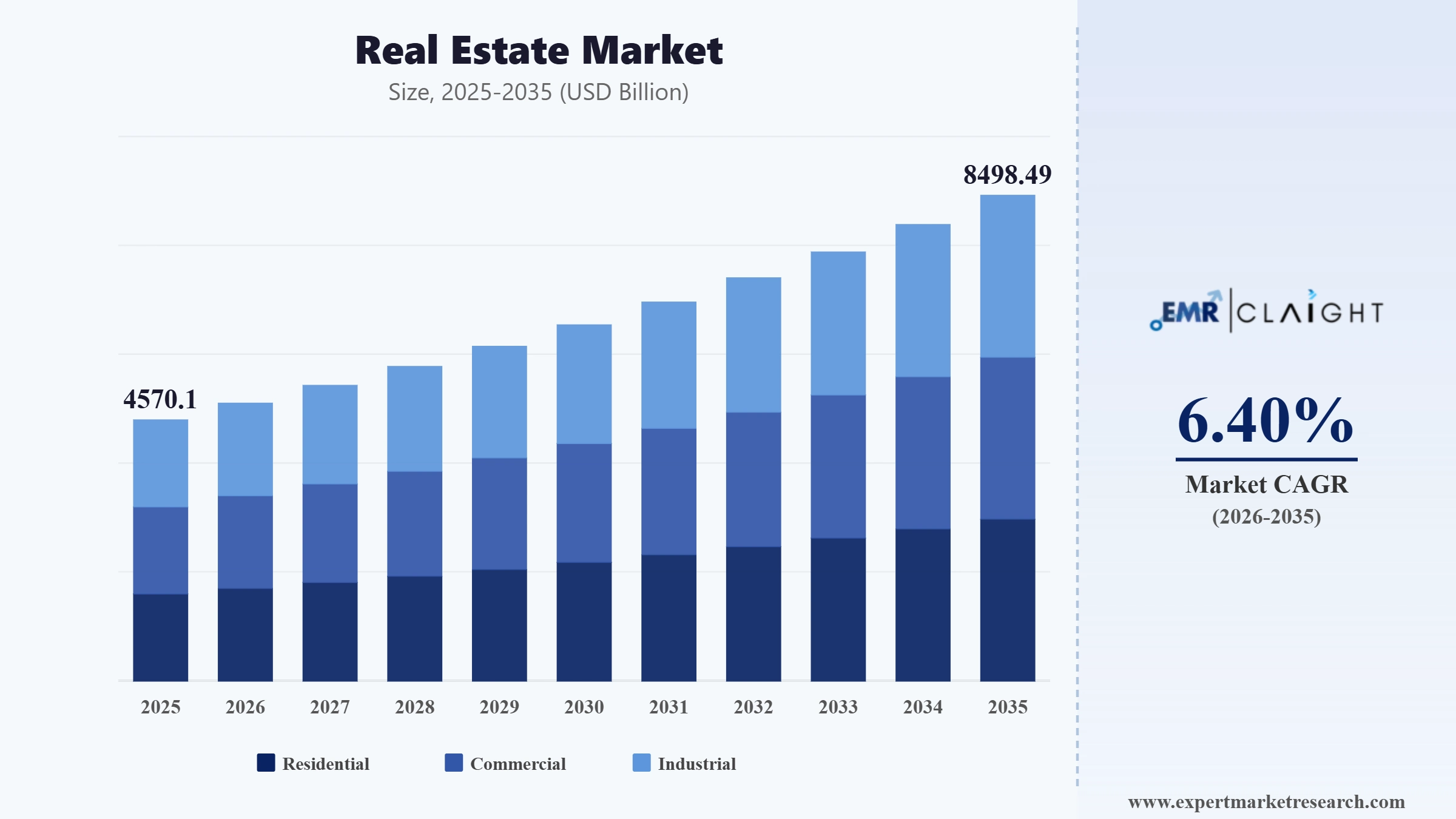
The real estate market attained a value of USD 4570.10 Billion in 2025. The market is expected to grow at a CAGR of 6.40% during the forecast period of 2026-2035. By 2035, the market is expected to reach USD 8498.49 Billion.
Smart city initiatives are integrating technology into urban planning to improve livability, efficiency, and sustainability. Real estate is at the core of these transformations, with developments featuring smart utilities, real-time traffic monitoring, and digitally managed public services. In March 2025, Gopalan Enterprises invested ₹500 crore to launch 3,000 AI-powered smart homes by 2025, marking its tech-driven expansion. These innovations attract both residents and businesses seeking convenience, safety, and lower operating costs.
Shifts in lifestyle and work habits are redefining the real estate market dynamics. Post-pandemic preferences include larger homes, outdoor spaces, and home offices. In commercial real estate, flexible layouts, wellness-focused designs, and high-speed internet are essential. Tenants seek amenity-rich environments with co-working zones, fitness centers, and green spaces. The rise of remote and hybrid work has further made suburban and exurban areas more attractive. Customization, comfort, and connectivity are now key selling points across both residential and commercial segments.
Read more about this report - REQUEST FREE SAMPLE COPY IN PDF
| Global Real Estate Market Report Summary | Description | Value |
| Base Year | USD Billion | 2025 |
| Historical Period | USD Billion | 2019-2025 |
| Forecast Period | USD Billion | 2026-2035 |
| Market Size 2025 | USD Billion | 4570.10 |
| Market Size 2035 | USD Billion | 8498.49 |
| CAGR 2019-2025 | Percentage | XX% |
| CAGR 2026-2035 | Percentage | 6.40% |
| CAGR 2026-2035 - Market by Region | Asia Pacific | 5.6% |
| CAGR 2026-2035 - Market by Country | India | 6.5% |
| CAGR 2026-2035 - Market by Country | China | 5.4% |
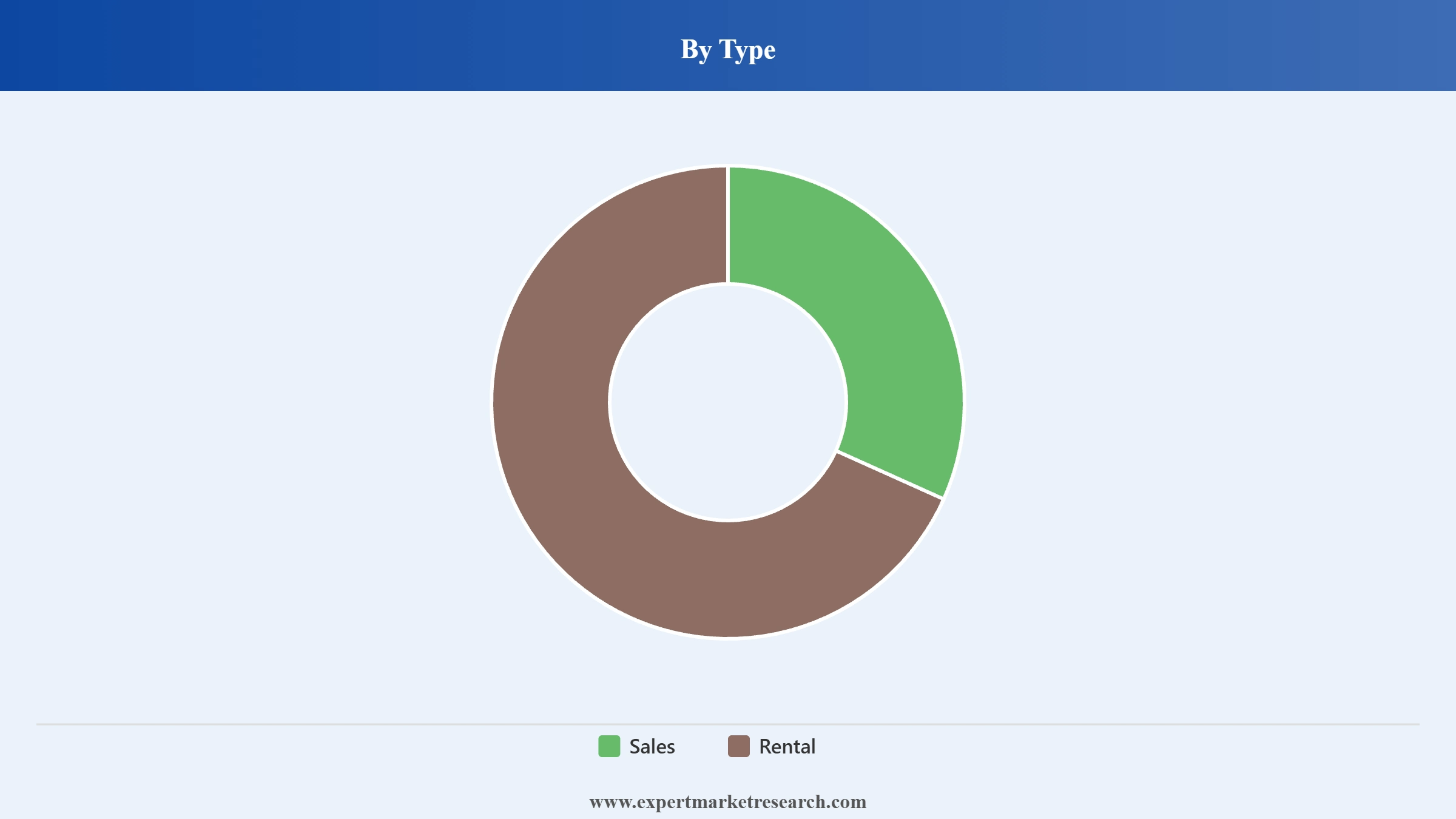
| CAGR 2026-2035 - Market by Type | Rental | 5.2% |
| CAGR 2026-2035 - Market by Mode | Online | 6.4% |
| Market Share by Country 2025 | Germany | 5.3% |
Urbanization Continues to Reshape Demand at Scale
Approximately 56% of the global population now lives in urban areas, and China's urbanization rate alone is projected to reach 70% by 2035, according to national economic strategy estimates. This sustained migration into cities is the foundational driver behind both residential and commercial real estate demand: every new urban resident needs housing, and the businesses serving them need office, retail, and logistics space.
Institutional Capital is Reallocating Toward Income-generating Assets
Institutional investors are increasingly scaling exposure to logistics, multifamily housing, and alternative assets such as data centers and healthcare properties. This shift reflects a broader search for stable, income-generating returns in a market environment where investors want predictable cash flow alongside capital appreciation. Industrial and logistics properties now account for nearly 18% of total new construction volume globally, directly reflecting e-commerce growth and the warehousing infrastructure it requires.
AI and PropTech Adoption is Compressing Transaction Friction
As covered in detail above, AI-powered valuation, predictive maintenance, and document analysis are making real estate transactions faster, cheaper, and more accurate. This isn't a marginal efficiency gain; it's restructuring how brokerages, lenders, and institutional managers operate, with global PropTech investment reaching USD 30.87 billion in 2025.
Affordability Pressures are Sustaining Rental Segment Dominance
The rental segment leads the market by transaction type with approximately 51–53% share, a direct consequence of rising property prices in developed economies pushing more households toward renting rather than buying. In Germany, for example, roughly 60% of residences are rented, making it one of the world's most rental-dominant housing markets. This trend is reinforced by rising workforce mobility and delayed homeownership among younger demographics who prioritize geographic flexibility.
Sustainability and ESG Requirements are Becoming Non-negotiable
ESG reporting requirements for commercial real estate are tightening globally, and institutional investors increasingly require carbon performance data before committing capital. Tenants with their own sustainability commitments are declining to sign leases in buildings that can't demonstrate energy efficiency progress. This is pushing PropTech adoption specifically toward smart building platforms that monitor and reduce energy consumption. Sustainability has moved from a marketing position to a baseline regulatory and commercial requirement.
The real estate market is witnessing a wave of strategic developments driven by increasing investment activity and evolving financing models. Market participants are focusing on long-term value creation through partnerships, direct asset investments, and diversified property portfolios. At the same time, institutional investors are playing a more active role in shaping the market, seeking stable returns and sustainable growth opportunities. These developments reflect a broader shift toward structured investment approaches, strengthening market resilience and supporting expansion across key regions.
MUFG revealed plans to launch a USD 680 million Japan real estate fund, targeting high-quality commercial and residential properties, to capitalize on stable demand and low interest rates in Japan’s property market. By attracting both domestic and international investors, MUFG seeks to deliver steady returns while diversifying its investment portfolio in real assets.
Stake launched its first real estate development fund in Saudi Arabia, marking a significant entry into the region’s property market. This fund aims to attract investors by offering access to high-potential real estate projects. It supports Saudi Arabia’s growing economy and vision for diversification, providing new opportunities in development and investment sectors.
Homes England and Octopus Real Estate launched Phase 2 of the £150 million Greener Homes Alliance to accelerate the development of energy-efficient housing in the United Kingdom. The initiative offers funding and expertise to SME housebuilders committed to building sustainable homes, supporting the government's net-zero goals while addressing the housing shortage with eco-friendly construction solutions.
Border to Coast launched a direct United Kingdom real estate investment proposition in collaboration with its LGPS Partner Funds to unlock new opportunities in the property sector by investing directly in assets. The initiative supports long-term, sustainable returns for pension members while strengthening local economies via targeted real estate investments.
Sustainability is becoming a core priority for developers and investors, adding to the real estate industry value. Green buildings reduce energy use, carbon emissions, and water consumption, are in high demand due to regulatory pressure and eco-conscious consumers. Certifications like LEED and BREEAM have become benchmarks for quality. Developers are investing in solar panels, energy-efficient HVAC systems, and sustainable materials. As governments push toward net-zero emissions, sustainable real estate is transitioning from a trend to a long-term strategic necessity, influencing investment and construction decisions globally.
Rapid urbanization continues to drive demand for residential, commercial, and mixed-use developments. According to the United Nations, 68% of the global population is likely to live in urban areas by 2050. As more people move to cities, the need for housing, transport, and public amenities rises sharply. Urban regeneration projects are transforming old industrial areas into vibrant communities. This trend is especially strong in emerging markets, where urban population growth is fastest. Real estate players who align with infrastructure developments can capitalize on long-term appreciation and high rental yields.
The integration of technology in the real estate industry is revolutionizing how properties are bought, sold, and managed. Virtual tours, AI-powered valuations, blockchain for secure transactions, and IoT-enabled smart buildings are improving efficiency and user experience. According to industry reports, virtual tours in India generated about 40% more hits on real estate listings than photos. These digital tools reduce transaction time and costs, offering enhanced transparency. As consumer expectations evolve, PropTech continues to be a critical driver of competitiveness in both residential and commercial real estate markets.
A growing affordability crisis is placing pressure on governments and developers to deliver cost-effective housing solutions. Urban centers face a widening gap between income levels and housing costs, especially among middle- and lower-income groups. Developers are exploring modular construction, public-private partnerships, and subsidy programs to make homes more accessible. Affordable housing is not only a social imperative but also a viable investment opportunity, offering stable returns and strong demand. In August 2025, IFC committed USD 150 million to advance green affordable housing as well as expand access to sustainable financing for property developers in India.
Regulations and tax policies significantly impact the real estate market outlook. Zoning laws, rent controls, capital gains taxes, and foreign ownership restrictions can either stimulate or hinder market activity. Governments are increasingly using real estate policy as a tool for economic recovery and housing affordability. In September 2024, the Housing Ministry launched a unified RERA portal to boost transparency, accountability, and efficiency in real estate regulation across India. Understanding the regulatory environment is essential for risk mitigation and successful long-term investment planning.
The Expert Market Research report titled “Real Estate Market Report and Forecast 2026-2035” offers a detailed analysis of the market based on the following segments:
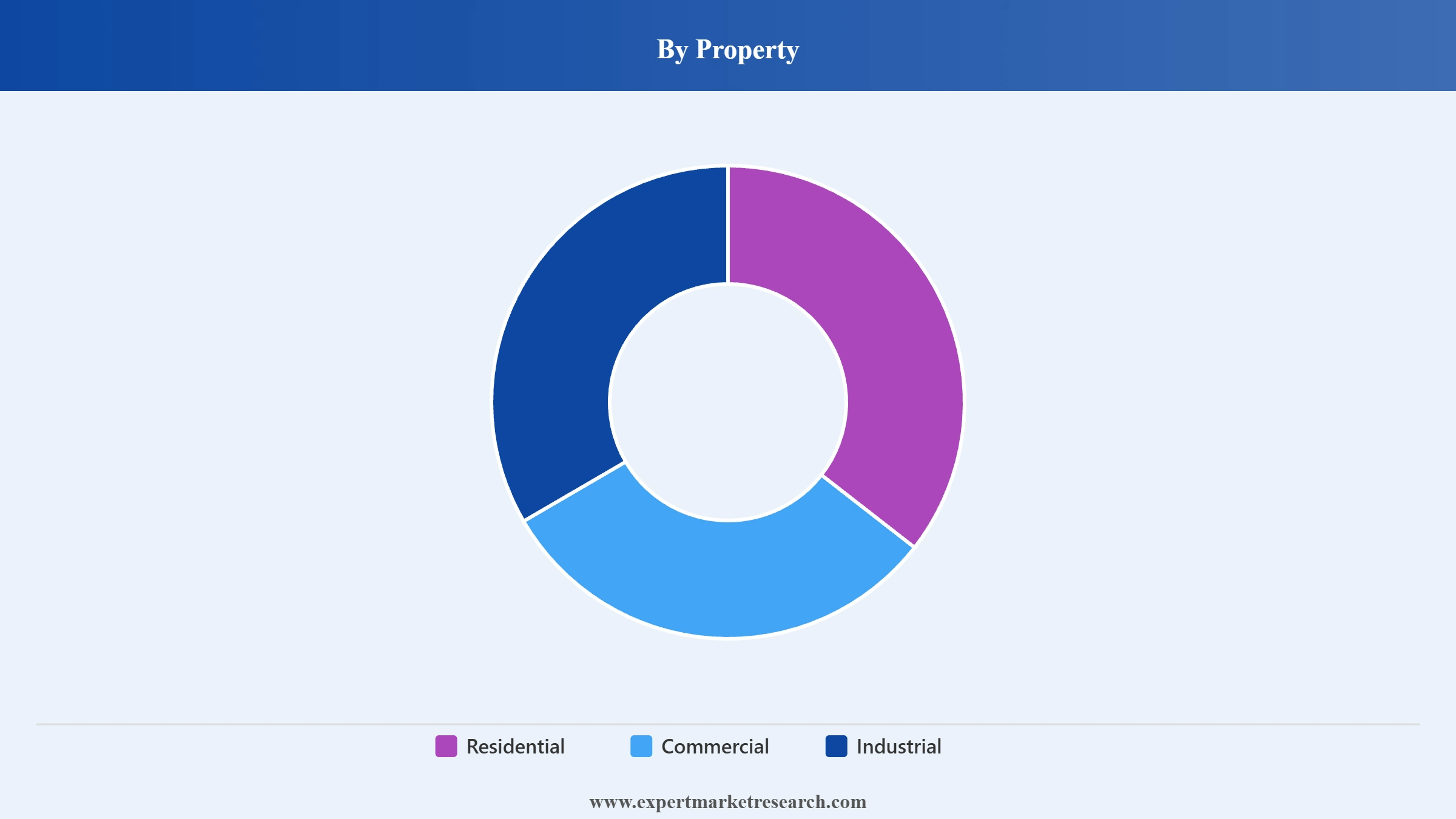
Market Breakup by Property
Key Insight: Residential real estate dominates the market, driven by constant demand for homes and apartments. Population growth, urbanization, and changing family structures fuel this sector’s expansion. In July 2025, Hyyve launched Canada’s first residential real estate listing-bid platform to enable transparent, real-time bidding directly between buyers and sellers, reducing reliance on intermediaries. Residential sales and rentals generate steady cash flow, making this segment attractive for investors and developers. Government housing schemes further boost residential development, underscoring its dominance.
Market Breakup by Type
Key Insight: Property sales constitute a significant real estate industry share, especially in residential and commercial sectors. Residential homebuyers and investors seek capital appreciation, while commercial property investors look for income potential. Sales volumes typically rise in favorable economic conditions and when interest rates are low. The launch of digital platforms has also streamlined sales processes. In March 2025, Samarth Setia launched 'Rezio,' a platform designed to simplify and revolutionize the real estate sales process with innovative technology.
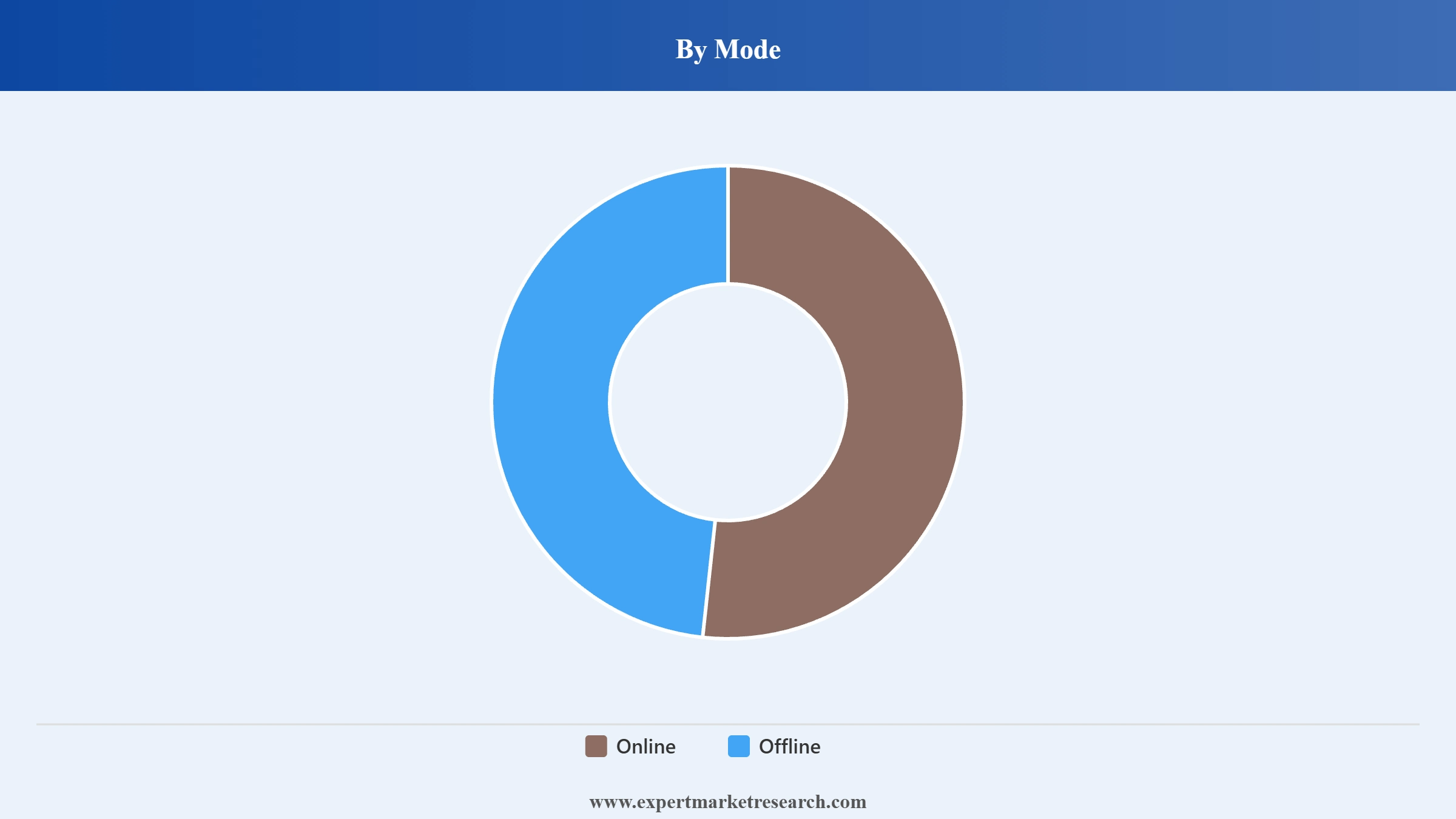
Market Breakup by Mode
Key Insight: The online segment is rapidly becoming the dominant mode for property transactions and searches, fueled by digital platforms and PropTech innovations. In August 2023, PropTechBuzz launched a new tech platform aimed at transforming real estate technology, enhancing innovation and efficiency across the industry. Websites and apps provide buyers and renters instant access to listings, virtual tours, price trends, and agent interactions. The integration of digital with personalized offline services remains essential for a seamless customer experience.
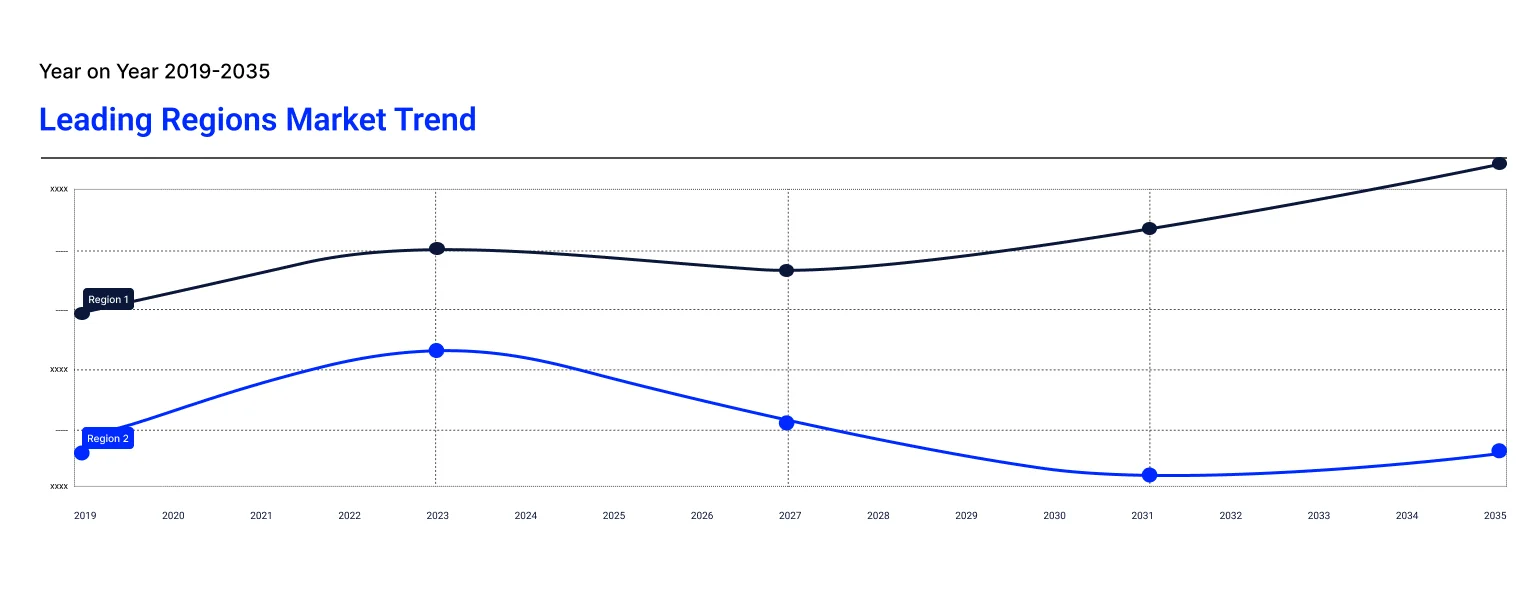
Market Breakup by Region
Key Insight: North America remains one of the largest real estate market globally. The region is characterized by high transparency, robust financing options, and diverse property types across residential, commercial, and industrial sectors. In October 2024, the Canadian government released 14 additional federal properties to boost housing development, addressing affordability and increasing residential supply. Cities like New York, Los Angeles, and Toronto are key hubs. Demand for suburban housing has surged, while urban office and retail markets adapt to new work and shopping trends.
Read more about this report - REQUEST FREE SAMPLE COPY IN PDF
Rising Prominence of Commercial & Industrial Real Estate
Commercial real estate, including office buildings, retail spaces, hotels, and business parks, is a vital sector, as it supports economic activity by providing workplaces and retail environments. E-commerce growth has shifted retail real estate focus from malls to mixed-use developments with experiential retail. Hybrid work models are reshaping office demand, driving redesigns toward flexible, tech-enabled spaces. Commercial real estate’s performance often correlates with economic cycles, making it a dynamic segment of the real estate market.
Read more about this report - REQUEST FREE SAMPLE COPY IN PDF
Industrial real estate, including warehouses, manufacturing facilities, and logistics centers, has gained importance. The rise in online shopping has surged demand for strategically located distribution hubs to ensure fast delivery. Industrial properties tend to have longer leases, providing income stability. Industrial real estate’s rapid growth, especially in urban outskirts and logistics corridors, is also making it a critical and fast-expanding market segment. In June 2025, Actis and Mahindra Lifespaces’s joint venture Ample Parks launched a 71-acre industrial and logistics park in Mahindra World City, Chennai, with an investment of ₹800 crore.
Rental Real Estate to Gain Traction
The rental segment of the real estate market is crucial for housing affordability and commercial occupancy flexibility. Residential rentals cater to millennials, expatriates, and transient populations unable or unwilling to buy homes. Urban areas with high migration have large rental markets supported by formal leasing platforms. Commercial rentals also provide tenants flexibility, especially amid economic uncertainty and shifting work patterns. In October 2024, Royal London Asset Management Property entered the United Kingdom Build-to-Rent market, targeting development of 8,000 rental beds for long-term growth.
Read more about this report - REQUEST FREE SAMPLE COPY IN PDF
Growing Popularity of Offline Real Estate
Despite the rise of digital platforms, offline real estate remains significant, especially in emerging markets and rural areas where internet penetration is limited. Traditional brokerage, face-to-face negotiations, and physical site visits continue to play a key role. Offline channels are also crucial for premium properties and commercial real estate, where detailed due diligence is needed. In India and Southeast Asia, offline networks dominate due to cultural preferences, making it a resilient segment.
Read more about this report - REQUEST FREE SAMPLE COPY IN PDF
Thriving Real Estate Demand in Europe & Asia Pacific
Europe’s real estate industry is diverse, encompassing mature markets like the United Kingdom, Germany, and France, alongside emerging Eastern European countries. Sustainability and energy efficiency are major drivers, with strict regulations encouraging green building practices. European cities emphasize mixed-use and transit-oriented developments. Brexit and political uncertainties occasionally impact investor sentiment, but the continent remains attractive for long-term institutional investment. The growth of alternative sectors like logistics and student housing further diversifies the market.
Read more about this report - REQUEST FREE SAMPLE COPY IN PDF
The Asia Pacific region is the fastest-growing market globally, driven by rapid urbanization, population growth, and rising middle-class incomes. China, India, Australia, and Singapore lead development, with massive residential, commercial, and industrial projects underway. As per government data, about 55,000 build-to-order (BTO) flats will be launched in Singapore between 2025 and 2027. The market is also marked by high demand for affordable housing and commercial space to support booming economies. Asia Pacific’s dynamic growth offers significant opportunities, positioning it as a key focus for global real estate investors.
Major players in the real estate market are employing a variety of key strategies to stay competitive and capitalize on emerging opportunities. With digital transformation, leveraging technologies, such as AI, virtual tours, data analytics, and blockchain to streamline operations, enhance customer experience, and improve decision-making. Sustainable development is increasing the investment in green buildings, energy-efficient designs, and eco-friendly construction materials to meet both regulatory requirements and growing consumer demand for environmentally conscious properties.
Location targeting is allowing developers and investors to identify high-growth urban centers, transit-oriented developments, and emerging suburban areas for new projects. Diversification across property types like residential, commercial, industrial, and mixed-use is common to mitigate risks and capture wider market share. Financial innovation plays a role, including flexible mortgage products, real estate investment trusts (REITs), and crowdfunding platforms that attract a broader investor base.
Founded in 1899 and headquartered in Toronto, Canada, Brookfield Asset Management manages over USD 900 billion in assets across real estate, infrastructure, and renewable energy. Its innovations include large-scale urban redevelopment and sustainable building practices through its real estate arm, Brookfield Properties.
Established in 1983 and based in San Francisco, the United States, Prologis is a global leader in logistics real estate. The company owns and operates industrial properties across key global markets. It is recognized for its sustainable warehouse designs and smart logistics solutions, including solar-powered facilities and data-driven supply chain optimization technologies.
Founded in 1988 and headquartered in Beijing, China, Wanda Group is a diversified conglomerate with a strong focus on commercial real estate, known for developing large-scale shopping complexes and cultural tourism cities. Wanda has also pioneered smart mall technologies and integrates entertainment, retail, and real estate in innovative ways.
Headquartered in Indianapolis, the United States, and established in 1960, Simon Property Group owns and manages top-tier shopping centers and outlets. Known for retail innovation, Simon has embraced omnichannel strategies, experiential retail spaces, and eco-conscious property enhancements to boost tenant and consumer engagement.
Other players in the real estate market are Coldwell Banker Real Estate LLC, Savills plc, RE/MAX, LLC, CBRE Group, Sotheby’s International Realty Affiliates LLC, Colliers International Property Consultants, Inc., and GECINA Group, among others.
*Please note that this is only a partial list; the complete list of key players is available in the full report. Additionally, the list of key players can be customized to better suit your needs.*
Discover the latest real estate market trends 2026 with our in-depth report. Download your free sample now to explore critical insights, market forecasts, and investment opportunities. Stay ahead in the competitive property landscape by leveraging expert analysis and data-driven strategies. Don’t miss out access your copy today to unlock valuable knowledge and boost your real estate business growth.
United States Real Estate Market


Upto 15% Off
USD
$2499 $2249
$3999 $3599
$4999 $4249
$5999 $5099


*While we strive to always give you current and accurate information, the numbers depicted on the website are indicative and may differ from the actual numbers in the main report. At Expert Market Research, we aim to bring you the latest insights and trends in the market. Using our analyses and forecasts, stakeholders can understand the market dynamics, navigate challenges, and capitalize on opportunities to make data-driven strategic decisions.*
The market is projected to grow at a CAGR of 6.40% between 2026 and 2035.
Key strategies driving the market include leveraging technology for virtual tours, focusing on sustainable and smart properties, targeting emerging urban areas, flexible financing options, and enhancing customer experience through personalized services. Additionally, data-driven market analysis and adapting to remote work trends significantly influence buying and investment decisions.
Rising need for quality housing and infrastructure, increasing trend of owning multiple properties, and expansion of various industries are the key trends propelling the growth of the market.
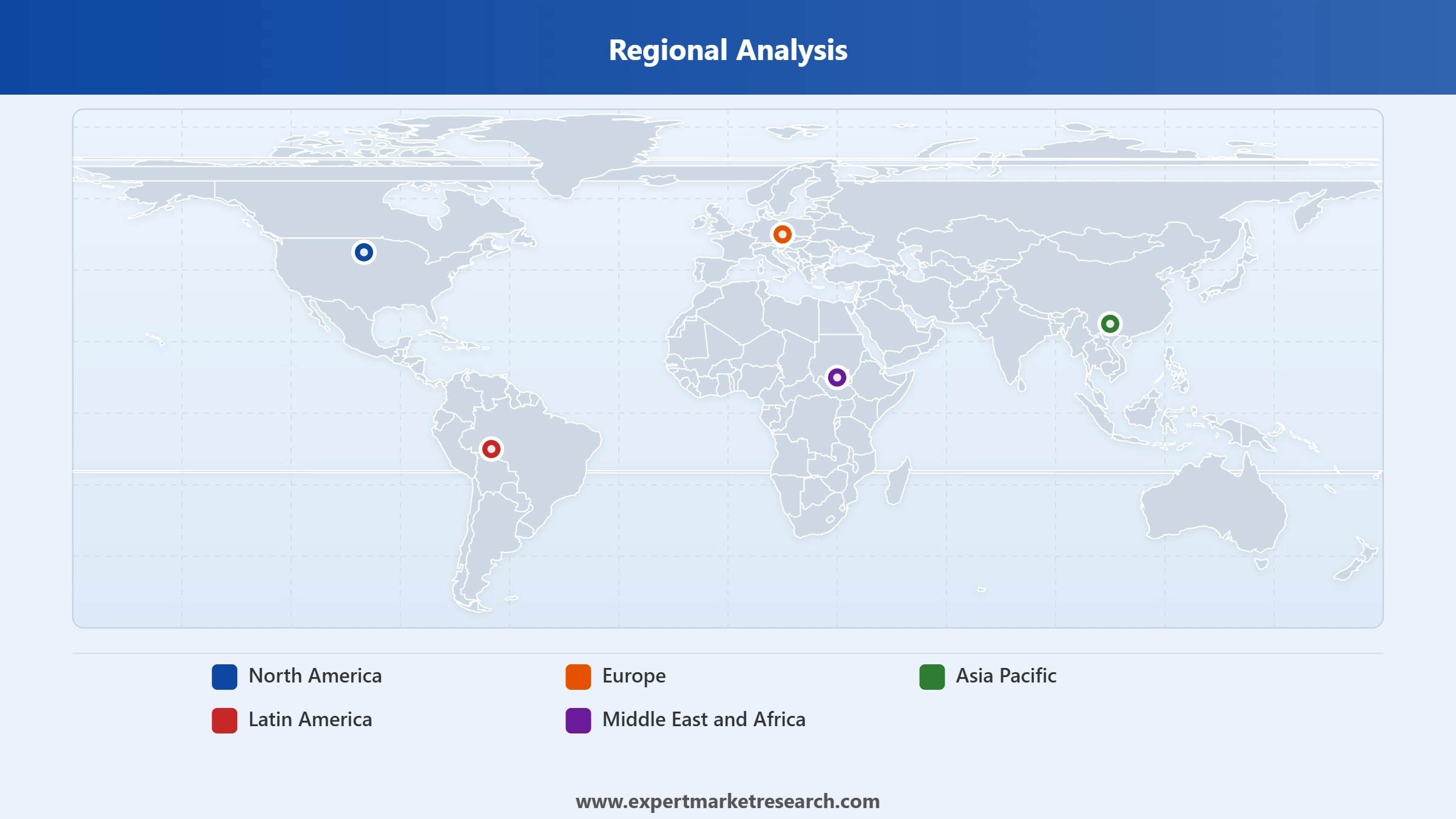
The major regions in the market are North America, Europe, the Asia Pacific, Latin America, and the Middle East and Africa.
The various properties of real estate in the market include residential, commercial, industrial, and land.
The major types of real estate in the market are sales and rental.
Real estate is often recommended for investments as value can significantly appreciate in the long-term and returns on investment tend to outpace inflation. However, real estate values can also drop, increasing the risk on investment in the short-term.
The key players in the market report include Brookfield Asset Management Inc., Prologis, Inc., WANDA Group, SIMON PROPERTY GROUP, L.P., Coldwell Banker Real Estate LLC, Savills plc, RE/MAX, LLC, CBRE Group, Sotheby’s International Realty Affiliates LLC, Colliers International Property Consultants, Inc., and GECINA Group, among others.
In 2025, the market reached an approximate value of USD 4570.10 Billion.
Residential real estate dominates the market, driven by constant demand for homes and apartments.
Explore our key highlights of the report and gain a concise overview of key findings, trends, and actionable insights that will empower your strategic decisions.
| cREPORT FEATURES | DETAILS |
| Base Year | 2025 |
| Historical Period | 2019-2025 |
| Forecast Period | 2026-2035 |
| Scope of the Report |
Historical and Forecast Trends, Industry Drivers and Constraints, Historical and Forecast Market Analysis by Segment:
|
| Breakup by Property |
|
| Breakup by Type |
|
| Breakup by Mode |
|
| Breakup by Region |
|
| Market Dynamics |
|
| Competitive Landscape |
|
| Companies Covered |
|
Datasheet
One User
USD 2,499
USD 2,249
tax inclusive*
Single User License
One User
USD 3,999
USD 3,599
tax inclusive*
Five User License
Five User
USD 4,999
USD 4,249
tax inclusive*
Corporate License
Unlimited Users
USD 5,999
USD 5,099
tax inclusive*
*Please note that the prices mentioned below are starting prices for each bundle type. Kindly contact our team for further details.*
Flash Bundle
Small Business Bundle
Growth Bundle
Enterprise Bundle
*Please note that the prices mentioned below are starting prices for each bundle type. Kindly contact our team for further details.*
Flash Bundle
Number of Reports: 3
20%
tax inclusive*
Small Business Bundle
Number of Reports: 5
25%
tax inclusive*
Growth Bundle
Number of Reports: 8
30%
tax inclusive*
Enterprise Bundle
Number of Reports: 10
35%
tax inclusive*
How To Order

Select License Type
Choose the right license for your needs and access rights.

Click on ‘Buy Now’
Add the report to your cart with one click and proceed to register.

Select Mode of Payment
Choose a payment option for a secure checkout. You will be redirected accordingly.
Strategic Solutions for Informed Decision-Making
Gain insights to stay ahead and seize opportunities.

Get insights & trends for a competitive edge.

Track prices with detailed trend reports.

Analyse trade data for supply chain insights.

Leverage cost reports for smart savings

Enhance supply chain with partnerships.

Connect For More Information
Our expert team of analysts will offer full support and resolve any queries regarding the report, before and after the purchase.
Our expert team of analysts will offer full support and resolve any queries regarding the report, before and after the purchase.
We employ meticulous research methods, blending advanced analytics and expert insights to deliver accurate, actionable industry intelligence, staying ahead of competitors.
Our skilled analysts offer unparalleled competitive advantage with detailed insights on current and emerging markets, ensuring your strategic edge.
We offer an in-depth yet simplified presentation of industry insights and analysis to meet your specific requirements effectively.




