

Consumer Insights
Uncover trends and behaviors shaping consumer choices today
Procurement Insights
Optimize your sourcing strategy with key market data
Industry Stats
Stay ahead with the latest trends and market analysis.
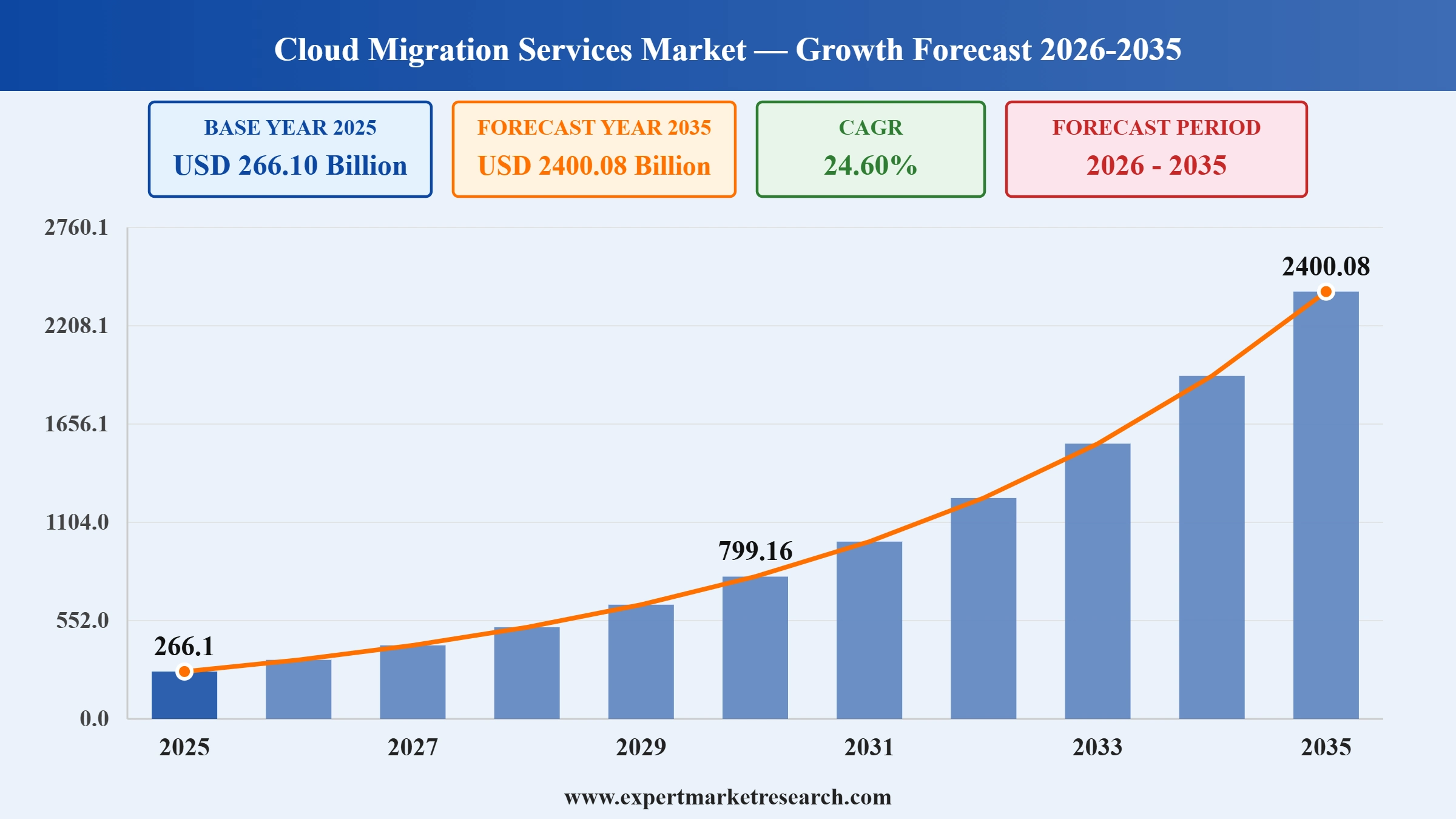
The global cloud migration services market attained a value of USD 266.10 Billion in 2025 and is projected to expand at a CAGR of 24.60% through 2035. The market is further expected to achieve a value of USD 2400.08 Billion by 2035. Artificial intelligence workload requirements, legacy data centre exit programmes, sovereign cloud mandates and hybrid architecture adoption are strengthening demand for migration and modernisation services while reshaping how enterprises select delivery partners.
The cloud migration services market covers the professional and managed services organisations buy to move applications, databases, workloads and infrastructure from on-premises data centres or legacy platforms into cloud environments, and to run them afterwards. Engagements typically begin with discovery and dependency mapping, move through business case development and landing zone design, and then execute the transition itself, whether by rehosting a workload unchanged, replatforming it onto managed services, or refactoring the application to run natively in the cloud. Data migration, network redesign, identity integration, testing and cutover planning all sit inside the same scope.
Buyers range from banks and insurers carrying decades of accumulated systems to government departments exiting outsourced data centre contracts, and the work is delivered by systems integrators, specialist migration partners, hyperscaler professional services arms and managed service providers. Selection turns on industry-specific regulatory knowledge, proven experience with the source platform, the ability to run a migration without interrupting live operations, and increasingly on whether a provider can satisfy data residency and sovereignty obligations in the jurisdictions where the customer operates.
Read more about this report - REQUEST FREE SAMPLE COPY IN PDF
There are two important reasons behind the growth of the global cloud migration services market. First, enterprises are rebuilding their cloud architecture to accommodate artificial intelligence workloads that their existing estates were never designed to carry. Second, organisations are being pushed off ageing infrastructure by expiring data centre contracts and end-of-support hardware, which converts into migration mandates whether or not the business case is voluntary.
The global cloud migration services market is undergoing a structural change, with buyers moving core systems rather than peripheral workloads and selecting partners on regulatory fluency as much as technical capability. This trend became more evident when U.S. Bank began moving hundreds of mission-critical applications to AWS, including payment processing and wealth management platforms, in May 2026 as part of a multiyear modernisation intended to support artificial intelligence agents. Information Services Group reported in July 2026 that more than 80 percent of enterprises are revisiting cloud plans to support artificial intelligence, combining public cloud, private cloud, colocation, edge and sovereign environments rather than committing to a single destination.
The global cloud migration services market is also undergoing transformation due to sovereignty requirements, large public sector data centre exits, and the growing share of programme value that sits in post-migration managed services. Providers are competing on the ability to satisfy jurisdictional tests and to operate consistently across mixed environments. For example, in April 2026, the European Commission awarded a EUR 180 million six-year sovereign cloud contract to four European providers, scoring bidders across strategic, legal, operational and environmental criteria. Public bodies are simultaneously running large legacy exits, while private enterprises invest in landing zone design and cost governance capabilities that determine long-term cloud economics.
Information Services Group reported that more than 80 percent of enterprises are revisiting their cloud plans to support artificial intelligence workloads, combining public cloud, private cloud, colocation, edge and sovereign environments to strengthen resilience, reduce cost and improve performance. Service providers can position assessment, landing zone redesign and workload placement offerings as enterprises reopen architecture decisions across the global cloud migration services market.
The European Commission published a Sovereign Cloud Framework introducing a Sovereignty Effectiveness Assurance Level and an overall sovereignty score built on 48 criteria across eight categories, covering legal and jurisdictional factors, data and artificial intelligence governance, supply chain resilience and technological independence. Migration partners can build sovereignty assessment and workload placement practices to serve public sector and regulated customers.
U.S. Bank began migrating hundreds of mission-critical applications to AWS, including payment processing and wealth management platforms, under a multiyear modernisation programme aimed at building artificial intelligence agents on Amazon Bedrock and Amazon Connect. Companies in the global cloud migration services market can pursue core system modernisation mandates in banking as institutions move beyond peripheral workloads.
The European Commission awarded a six-year EUR 180 million sovereign cloud contract to four European providers, namely Post Telecom with CleverCloud and OVHcloud, StackIT, Scaleway, and Proximus with S3NS, Clarence and Mistral. Providers can develop European delivery capability and sovereignty credentials to compete for institutional migration work across the bloc.
Artificial intelligence has become the principal reason enterprises reopen cloud decisions they had already made, which is generating a fresh cycle of assessment and migration work across the global cloud migration services market. Organisations are finding that estates built for predictable transactional workloads cannot supply the compute, data proximity and governance controls that model training and inference require. For example, in July 2026, Information Services Group reported that more than 80 percent of enterprises are revisiting cloud plans for artificial intelligence.
Data residency and jurisdictional control have moved from procurement footnotes to determining criteria, particularly across European public sector and regulated industries. Buyers now score providers on legal exposure, supply chain transparency and technological independence alongside price and technical fit. In April 2026, the European Commission awarded a EUR 180 million sovereign cloud contract exclusively to European providers, and in June 2026 published a framework applying 48 criteria across eight categories. Migration partners in the global cloud migration services market require the architectural and contractual expertise to place workloads correctly under these tests.
A substantial share of demand originates with organisations that must leave ageing infrastructure because outsourcing contracts expire or hardware reaches end of support, rather than because a business case was approved. These estates carry undocumented dependencies and unsupported operating systems that cannot be lifted and shifted cleanly. HM Revenue and Customs allowed a minimum seven-year term to exit three data centres running roughly a dozen operating systems, with substantial optional spend attached for business transformation and application modernisation. Programmes of this scale sustain multi-year revenue for systems integrators.
Hybrid deployment has become the practical destination for most large enterprise migrations, since regulatory constraints, latency requirements and cost profiles rarely permit an entire estate to sit in one environment. Enterprises are combining public cloud, private cloud, colocation, edge and sovereign environments, which makes migration design considerably more demanding than a single-target move. As Information Services Group cloud delivery lead Anay Nawathe noted, hybrid cloud has become less about where workloads run and more about how enterprises maintain control across increasingly diverse environments, raising the value of partners able to deliver consistent operations across mixed estates.
Post-migration managed services are taking an increasing share of engagement value as organisations discover that cost optimisation, security monitoring, patching, capacity management and compliance reporting continue indefinitely after cutover. Many enterprises lack the internal skills to operate a cloud estate efficiently once the migration partner departs, and cloud spending discipline demands continuous attention rather than one-time configuration. The shift towards hybrid and multi-cloud architectures reinforces this position, since operating consistently across diverse environments requires tooling and expertise that few customers will build themselves.
The Expert Market Research's report titled “Global Cloud Migration Services Market Report and Forecast 2026-2035” offers a detailed analysis of the market based on the following segments:
Market Breakup by Service Model
Key Insight: Professional services lead the global cloud migration services market because migration is fundamentally a project activity, requiring assessment, architecture, data transfer, testing and cutover work delivered against a defined endpoint. The complexity of real estates sustains this position, illustrated by the HM Revenue and Customs contract covering around a dozen legacy operating systems across three data centres. Managed services capture the recurring revenue that follows cutover, taking over monitoring, optimisation, security operations and cost governance, and this tail has grown more valuable as enterprises find that cloud cost control demands continuous attention.
Market Breakup by Deployment Mode
Key Insight: Hybrid cloud has become the practical destination for most large enterprise migrations, since regulatory constraints, latency requirements and cost profiles rarely allow an entire estate to sit in one environment. In July 2026, Information Services Group found that enterprises are combining public cloud, private cloud, colocation, edge and sovereign environments, driven by operational resilience, cost reduction and performance. Public cloud continues to receive the largest volume of migrated workloads through its elasticity and managed service catalogue, while sovereign cloud has emerged as a distinct category rather than a variant of private deployment.
Market Breakup by Application
Key Insight: Security and compliance management is the fastest expanding application area in the global cloud migration services market because regulatory conditions attached to migration have tightened substantially. The European Commission’s Sovereign Cloud Framework, published in June 2026, evaluates providers against 48 criteria grouped into eight categories. Infrastructure management remains the largest workload by volume, covering landing zone design, network architecture and identity integration, while project management services carry the dependency mapping and cutover sequencing that determine whether a migration completes without service interruption.
Market Breakup by Organization Size
Key Insight: Large enterprises account for the dominant share of spending because they hold the biggest legacy estates, operate across multiple regulatory jurisdictions, and run mission-critical systems where migration risk is highest and external expertise justifies its cost. The U.S. Bank move of hundreds of critical applications to AWS in May 2026 is characteristic of the scale involved. Small and medium enterprises migrate faster and at lower cost because their estates are simpler, and they increasingly buy packaged migration offerings rather than bespoke programmes, making them the volume opportunity for managed service providers.
Market Breakup by Industry Vertical
Key Insight: As per the global cloud migration services market report, BFSI continues to lead, driven by demand for transparency and remote accessibility, the cost advantages of cloud infrastructure, and competitive pressure from cloud-native fintech entrants. Core systems are now moving rather than only peripheral workloads, with U.S. Bank migrating payment processing and wealth management platforms to AWS in May 2026 explicitly to build artificial intelligence capability. Government and public sector is the other major growth vertical, propelled by Cloud First policies and large data centre exit programmes such as the GBP 472.8 million HM Revenue and Customs award in March 2026.
Market Breakup by Region
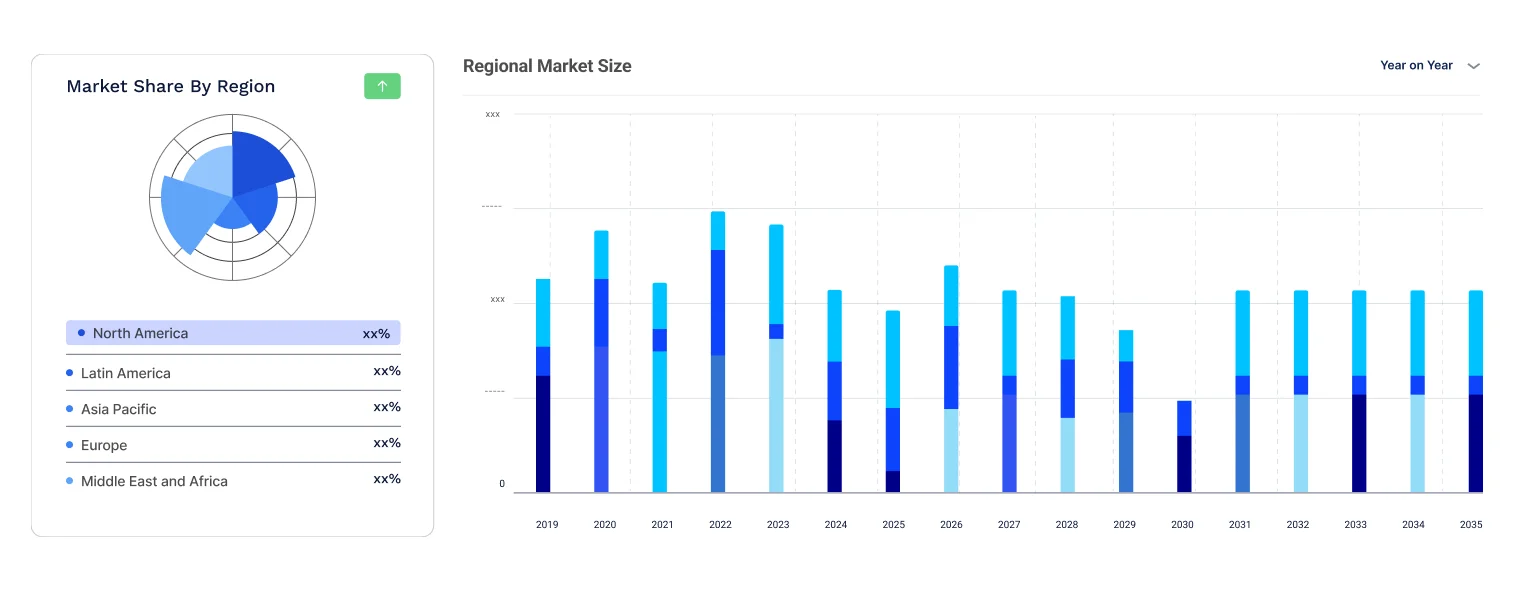
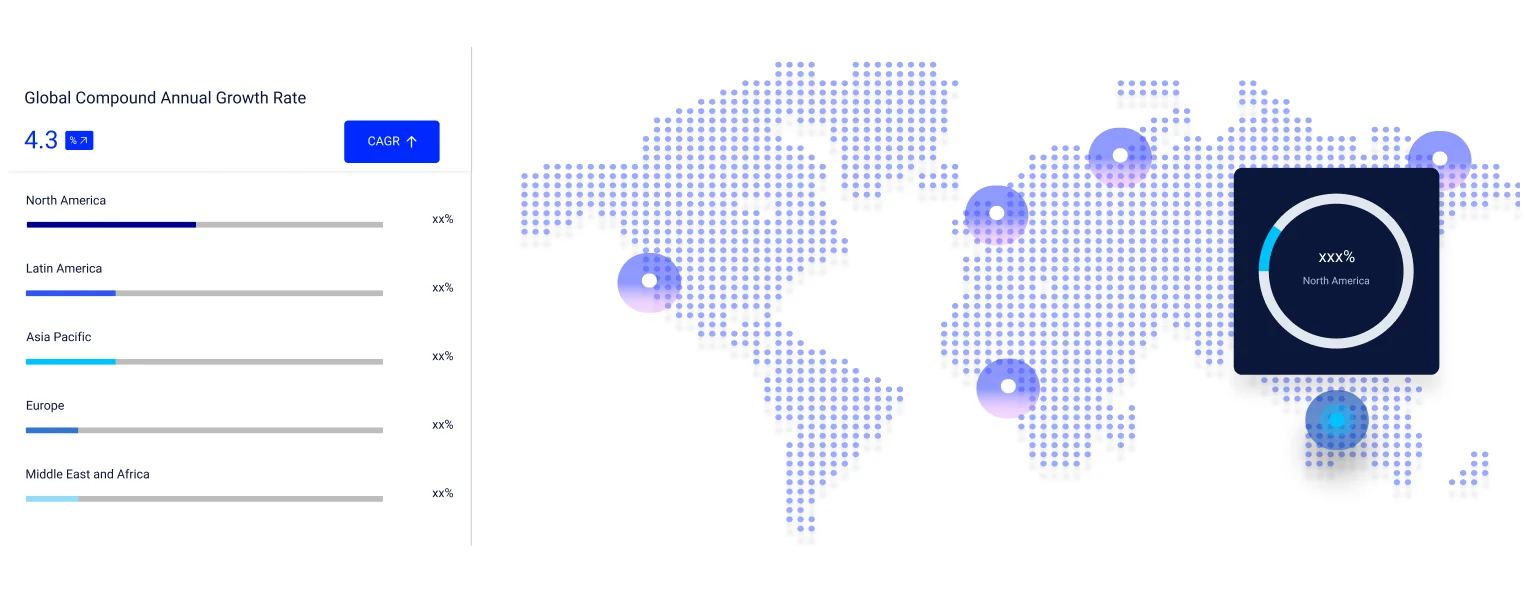
Key Insight: Regional demand differs depending on hyperscaler presence, regulatory intensity and the maturity of enterprise digitalisation. North America holds the leading position through the concentration of cloud providers, the depth of its systems integrator base and early enterprise adoption. Europe is where migration requirements are being reshaped most sharply by regulation rather than technology, since sovereignty scoring now determines which providers can bid for public sector and regulated workloads. Asia Pacific is the fastest-growing region, supported by government Cloud First policies including the framework advanced by India’s Ministry of Electronics and Information Technology.
Read more about this report - REQUEST FREE SAMPLE COPY IN PDF
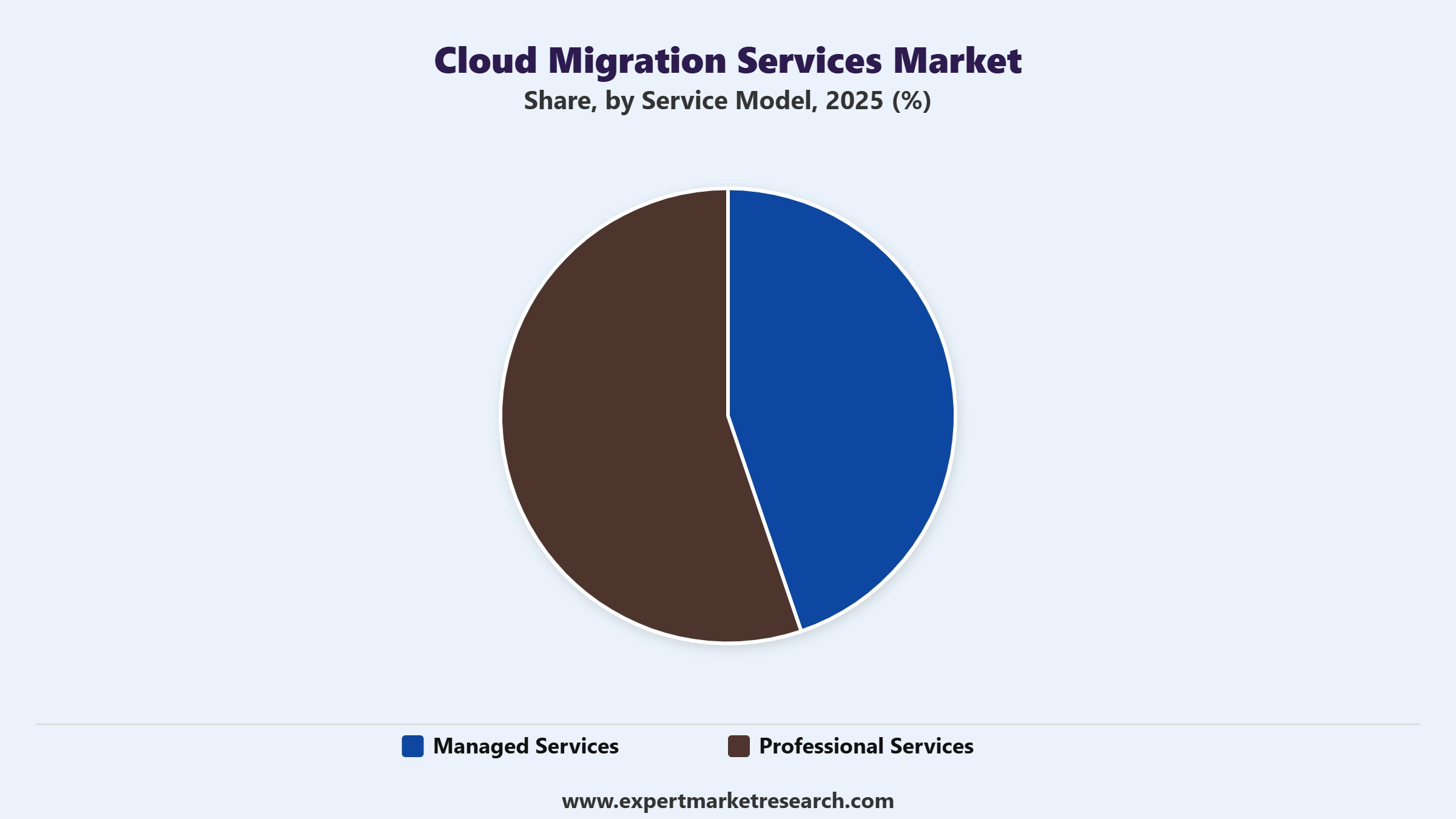
By service model, professional services dominate the market due to the project-based nature of migration delivery
Professional services take up the largest share of the global cloud migration services market, since discovery, dependency mapping, landing zone design, data transfer, testing and cutover are scoped and delivered against a defined endpoint. Estates accumulated over decades carry undocumented dependencies and unsupported platforms that require specialist assessment before any workload moves. Aligning with this trend, in March 2026, HM Revenue and Customs awarded a GBP 472.8 million contract covering three Fujitsu-managed data centres, with a minimum seven-year term and substantial optional spend attached for business transformation and application modernisation.
Managed services are growing at an accelerated pace as organisations recognise that migration work does not conclude at cutover. Cost optimisation, security monitoring, patching, capacity management and compliance reporting continue indefinitely, and many enterprises lack the internal capability to operate a cloud estate efficiently once the delivery partner departs. The shift towards hybrid and multi-cloud architectures strengthens this position further, because maintaining consistent operations across public cloud, private cloud, colocation and sovereign environments requires tooling and expertise that few customers will build internally.
Read more about this report - REQUEST FREE SAMPLE COPY IN PDF
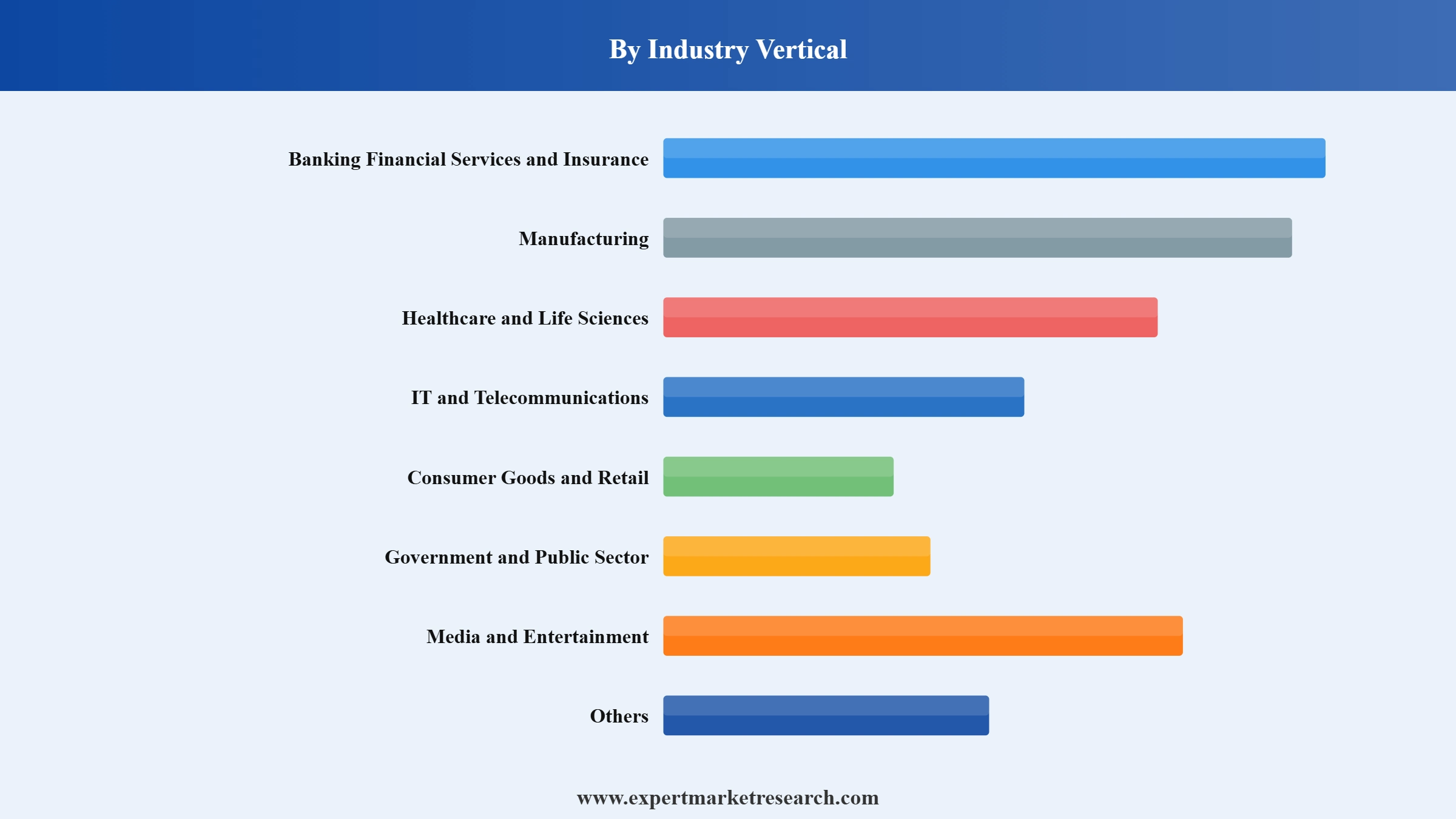
By industry vertical, BFSI dominates the market owing to large legacy estates and competitive pressure from cloud-native entrants
BFSI accounts for the largest vertical share, as banks and insurers carry decades of accumulated systems while facing competition from fintech firms that were cloud-native from inception. Regulatory demand for transparency and remote accessibility, combined with the cost advantages of cloud infrastructure, sustains continuous migration investment across the global cloud migration services market. Core platforms are now in scope rather than only peripheral applications, with U.S. Bank moving payment processing and wealth management systems to AWS in May 2026 to establish a foundation for artificial intelligence deployment.
The government and public sector category observes rapid growth in the global cloud migration services market with Cloud First policies and expiring outsourcing contracts driving large mandates. Public bodies are exiting legacy data centres on fixed timetables, and procurement is increasingly shaped by sovereignty requirements alongside cost. In April 2026, the European Commission awarded a EUR 180 million sovereign cloud contract to four European providers, and in June 2026 published a framework applying 48 criteria across eight categories to guide public sector cloud adoption.
Read more about this report - REQUEST FREE SAMPLE COPY IN PDF
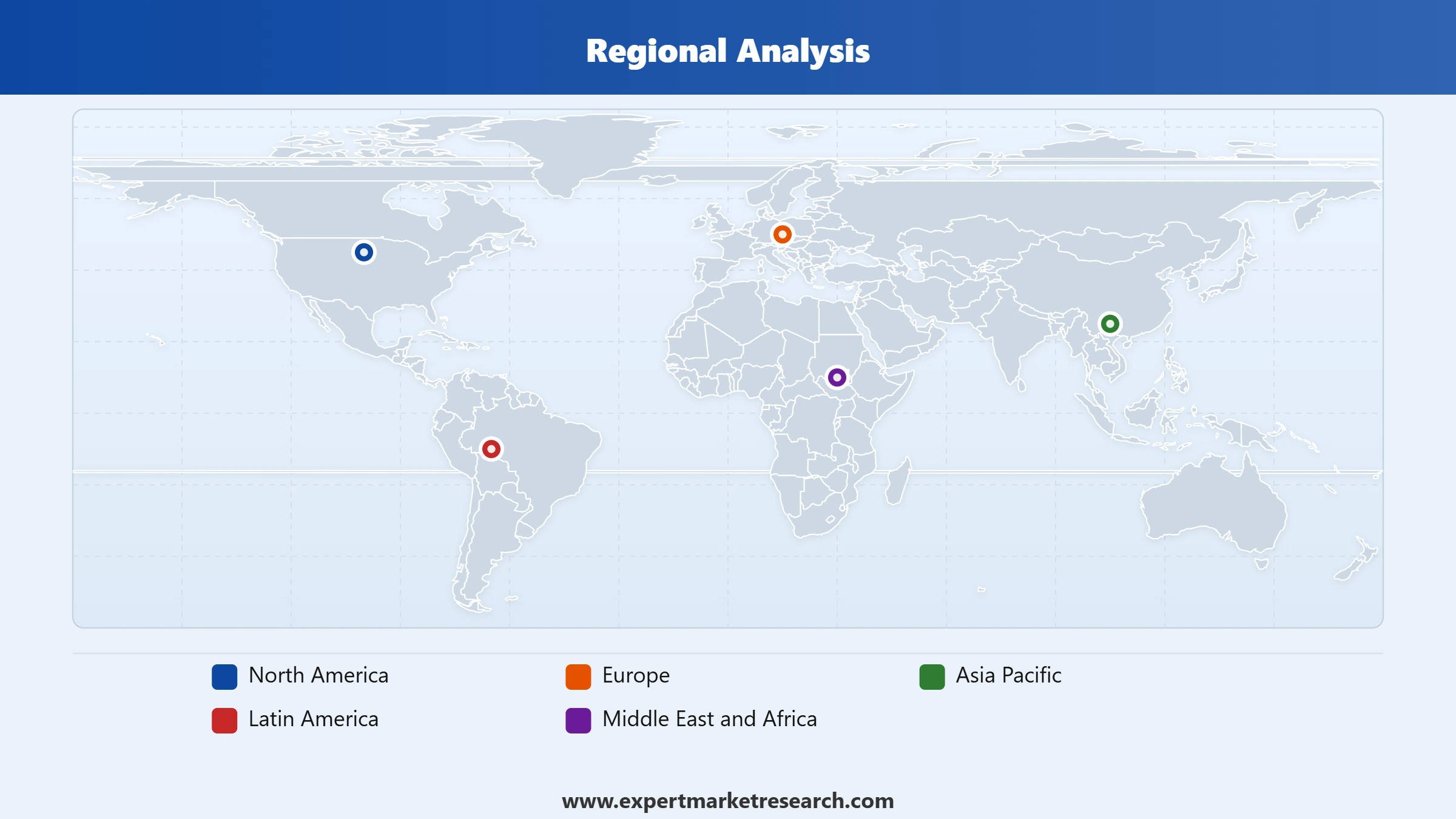
North America accounts for the largest market share through hyperscaler concentration and early enterprise adoption
The global cloud migration services market continues to be led by North America due to the concentration of hyperscale providers, the depth of the regional systems integrator base and early enterprise adoption across financial services, retail and technology. Artificial intelligence infrastructure investment is reinforcing that position, with enterprise cloud spending reaching around USD 500 billion annually as of August 2026 and Google raising capital expenditure guidance to USD 205 billion in July 2026 to address capacity constraints. Large financial institutions are migrating core platforms, and the regional supplier ecosystem supports programmes of substantial scale.
The Asia Pacific cloud migration services market is witnessing the fastest growth due to government Cloud First policies, rapid enterprise digitalisation and expanding provider capacity across China, India, Japan and Southeast Asia. The framework advanced by India’s Ministry of Electronics and Information Technology is encouraging public bodies to develop transition capabilities, while multi-cloud adoption is being pursued to reduce concentration risk. Europe presents a distinct dynamic, where sovereignty scoring rather than technology determines which providers may bid for public sector and regulated workloads.
Read more about this report - REQUEST FREE SAMPLE COPY IN PDF
Competition is shifting towards regulatory fluency, sovereignty credentials and post-migration operating capability as opposed to migration execution alone. Cloud migration services companies are building assessment practices for artificial intelligence workload placement, developing hybrid operating models, and establishing delivery capability inside specific jurisdictions to satisfy data residency requirements.
Leading global cloud migration services market players are also positioning around large public sector data centre exit programmes, where procurement structure materially affects competitive outcomes. In the HM Revenue and Customs tender, Google withdrew from consideration, IBM declined to continue bidding on objections to the non-hybrid cloud requirement, and Microsoft was not shortlisted, leaving AWS as the only bidder to submit a tender. Another important issue that players are addressing is the expansion of managed service capability to capture recurring revenue after cutover.
Amazon Web Services was founded in 2006 and operates from its headquarters in Seattle, Washington, United States. The company provides cloud infrastructure alongside professional services supporting enterprise migration, and it delivers large public sector and financial services transition programmes including the HM Revenue and Customs data centre exit and the U.S. Bank application modernisation.
IBM was incorporated in 1911 and is headquartered in Armonk, New York, United States. The corporation delivers hybrid cloud consulting and migration services with particular strength in mainframe and legacy platform modernisation, and it positions its offerings around multi-environment estates rather than single-destination transitions.
DXC Technology was formed in 2017 and is headquartered in Ashburn, Virginia, United States. The company provides application and infrastructure migration services for large enterprises, focusing on complex legacy estates, mainframe workloads and long-term managed service arrangements following transition.
Google was founded in 1998 and operates from Mountain View, California, United States. Through Google Cloud the company delivers migration tooling and professional services, and it has continued to expand capacity with capital expenditure guidance raised to USD 205 billion in July 2026 to address demand growth.
Cisco Systems was established in 1984 and is headquartered in San Jose, California, United States. The company supports migration through networking, security and observability capabilities that underpin hybrid architecture, addressing the connectivity and control requirements that arise when workloads are distributed across multiple environments.
*Please note that this is only a partial list; the complete list of key players is available in the full report. Additionally, the list of key players can be customized to better suit your needs.*
Legacy complexity remains the hardest problem. Estates accumulated over decades carry undocumented dependencies, unsupported operating systems and applications whose original authors have long departed, which is why HMRC allowed a minimum seven years to exit three data centres. Skills shortages compound this, since the people who understand both a mainframe workload and its cloud target are scarce. Procurement structure creates its own difficulty, illustrated when Google withdrew, IBM declined to continue and Microsoft was not shortlisted for the HMRC contract, leaving AWS as the sole bidder and, as one insider put it, zero negotiating power for the customer.
Cost restrains adoption more than it once did. Migration programmes routinely exceed their budgets, and running costs often disappoint against the business case, which has pushed some organisations to repatriate workloads. Regulatory obligation adds further expense, since sovereignty and residency requirements limit which providers and regions are usable and rule out the cheapest configuration.
Artificial intelligence is the clearest opportunity. More than 80 percent of enterprises are reopening cloud plans to accommodate AI workloads, and each reassessment generates assessment, redesign and migration work. Sovereign cloud creates a parallel opening for providers able to satisfy jurisdictional tests, and enterprise cloud spending reaching around USD 500 billion annually indicates the scale of the underlying budget.
Unlock the latest insights with our global cloud migration services market trends 2026 report. Discover regional growth patterns, buyer preferences, and key industry players. Stay ahead of competition with trusted data and expert analysis. Download your free sample report today and drive informed decisions in the market.


Upto 15% Off
USD
$2499 $2249
$3999 $3599
$4999 $4249
$5999 $5099


*While we strive to always give you current and accurate information, the numbers depicted on the website are indicative and may differ from the actual numbers in the main report. At Expert Market Research, we aim to bring you the latest insights and trends in the market. Using our analyses and forecasts, stakeholders can understand the market dynamics, navigate challenges, and capitalize on opportunities to make data-driven strategic decisions.*
In 2025, the market attained a value of nearly USD 266.10 Billion.
The market is projected to grow at a CAGR of 24.60% between 2026 and 2035.
The market is estimated to witness a healthy growth in the forecast period of 2026-2035 to reach about USD 2400.08 Billion by 2035.
The rapid digital transformation in the banking, financial services, and insurance (BFSI) sector, the development of cloud storage with enhanced security, and the advent of fintech are the major market drivers.
The key trends propelling the market demand include the initiation of various measures by governments to promote cloud computing, the rising adoption of sustainable approaches to reduce energy wastage, and the growing demand for third-party vendors to address cloud challenges and maintain cloud infrastructure.
The major regions in the market are North America, Latin America, the Middle East and Africa, Europe, and the Asia Pacific.
The major service models included in the market report are managed services and professional services.
The various deployment models considered in the market report are public cloud, private cloud, and hybrid cloud.
The several applications of cloud migration services are project management, infrastructure management, and security and compliance management, among others.
Large enterprises and small and medium enterprises the significant organisation sizes considered in the market report.
The major market verticals of cloud migration services are banking, financial services and insurance (BFSI), manufacturing, healthcare and life sciences, IT and telecommunications, consumer goods and retail, government and public sector, and media and entertainment, among others.
The major players in the market are Amazon Web Services, Inc., Cisco Systems, Inc., DXC Technology Co., Google LLC, and International Business Machines Corporation, among others.
Explore our key highlights of the report and gain a concise overview of key findings, trends, and actionable insights that will empower your strategic decisions.
| REPORT FEATURES | DETAILS |
| Base Year | 2025 |
| Historical Period | 2019-2025 |
| Forecast Period | 2026-2035 |
| Scope of the Report |
Historical and Forecast Trends, Industry Drivers and Constraints, Historical and Forecast Market Analysis by Segment:
|
| Breakup by Service Model |
|
| Breakup by Deployment Mode |
|
| Breakup by Application |
|
| Breakup by Organization Size |
|
| Breakup by Industry Vertical |
|
| Breakup by Region |
|
| Market Dynamics |
|
| Competitive Landscape |
|
| Companies Covered |
|
| Report Price and Purchase Option | Explore our purchase options that are best suited to your resources and industry needs. |
| Delivery Format | Delivered as an attached PDF and Excel through email, with an option of receiving an editable PPT, according to the purchase option. |
Datasheet
One User
USD 2,499
USD 2,249
tax inclusive*
Single User License
One User
USD 3,999
USD 3,599
tax inclusive*
Five User License
Five User
USD 4,999
USD 4,249
tax inclusive*
Corporate License
Unlimited Users
USD 5,999
USD 5,099
tax inclusive*
*Please note that the prices mentioned below are starting prices for each bundle type. Kindly contact our team for further details.*
Flash Bundle
Small Business Bundle
Growth Bundle
Enterprise Bundle
*Please note that the prices mentioned below are starting prices for each bundle type. Kindly contact our team for further details.*
Flash Bundle
Number of Reports: 3
20%
tax inclusive*
Small Business Bundle
Number of Reports: 5
25%
tax inclusive*
Growth Bundle
Number of Reports: 8
30%
tax inclusive*
Enterprise Bundle
Number of Reports: 10
35%
tax inclusive*
How To Order

Select License Type
Choose the right license for your needs and access rights.

Click on ‘Buy Now’
Add the report to your cart with one click and proceed to register.

Select Mode of Payment
Choose a payment option for a secure checkout. You will be redirected accordingly.
Strategic Solutions for Informed Decision-Making
Gain insights to stay ahead and seize opportunities.

Get insights & trends for a competitive edge.

Track prices with detailed trend reports.

Analyse trade data for supply chain insights.

Leverage cost reports for smart savings

Enhance supply chain with partnerships.

Connect For More Information
Our expert team of analysts will offer full support and resolve any queries regarding the report, before and after the purchase.
Our expert team of analysts will offer full support and resolve any queries regarding the report, before and after the purchase.
We employ meticulous research methods, blending advanced analytics and expert insights to deliver accurate, actionable industry intelligence, staying ahead of competitors.
Our skilled analysts offer unparalleled competitive advantage with detailed insights on current and emerging markets, ensuring your strategic edge.
We offer an in-depth yet simplified presentation of industry insights and analysis to meet your specific requirements effectively.




