

Consumer Insights
Uncover trends and behaviors shaping consumer choices today
Procurement Insights
Optimize your sourcing strategy with key market data
Industry Stats
Stay ahead with the latest trends and market analysis.

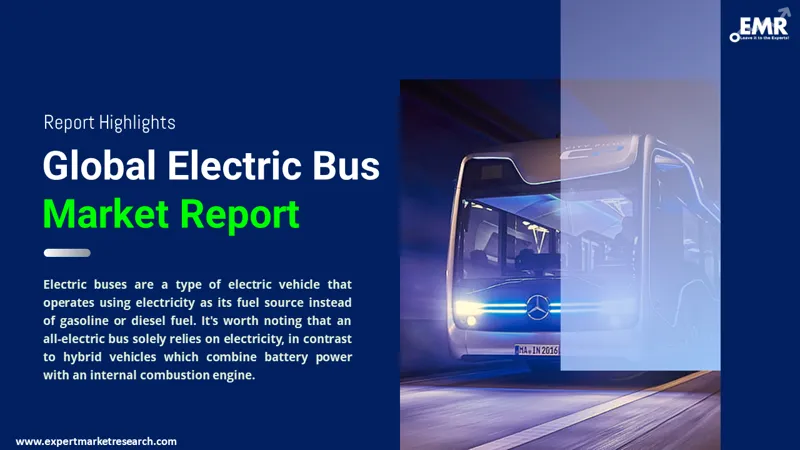
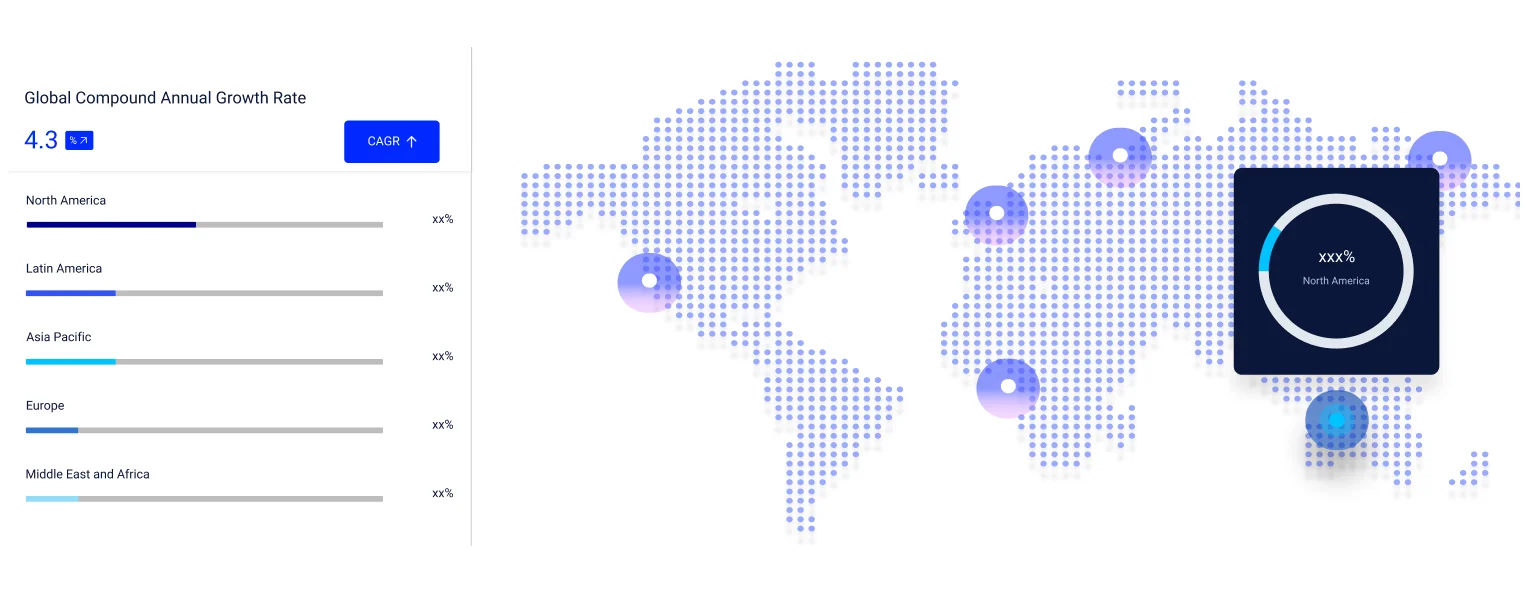
The electric bus market attained a value of USD 21.00 Billion in 2025. The market is expected to grow at a CAGR of 14.40% during the forecast period of 2026-2035. By 2035, the market is expected to reach USD 80.63 Billion.
The introduction of swappable-battery modules is emerging as a niche yet transformative driver in the global electric bus market. In 2025, May Mobility, in collaboration with Italy’s Tecnobus, unveiled an autonomous mini electric bus featuring easily replaceable battery modules. This innovation minimizes downtime by allowing depleted batteries to be swapped within minutes instead of waiting for long charging cycles. Such modular energy systems significantly enhance fleet utilization, operational efficiency, and route flexibility, making electric buses more viable for continuous urban, campus, and airport shuttle operations.
Global efforts to curb climate change have led governments to impose strict emission regulations, significantly influencing the electric bus market. Zero-emission vehicle mandates, low-emission zones in cities, and penalties on diesel use are pushing transit agencies to switch to cleaner alternatives. These supportive frameworks not only reduce upfront costs but also make electric buses more competitive against traditional diesel models, accelerating adoption across both developed and emerging economies.
Base Year
Historical Period
Forecast Period
Compound Annual Growth Rate
14.4%
Value in USD Billion
2026-2035
*this image is indicative*
| Global Electric Bus Market Report Summary | Description | Value |
| Base Year | USD Billion | 2025 |
| Historical Period | USD Billion | 2019-2025 |
| Forecast Period | USD Billion | 2026-2035 |
| Market Size 2025 | USD Billion | 21.00 |
| Market Size 2035 | USD Billion | 80.63 |
| CAGR 2019-2025 | Percentage | XX% |
| CAGR 2026-2035 | Percentage | 14.40% |
| CAGR 2026-2035 - Market by Region | Asia Pacific | 15.7% |
| CAGR 2026-2035 - Market by Country | India | 18.0% |
| CAGR 2026-2035 - Market by Country | China | 15.0% |
| CAGR 2026-2035 - Market by Propulsion Type | Battery Electric Vehicle (BEV) | 21.8% |
| CAGR 2026-2035 - Market by Power Output | Above 250 kW | 15.8% |
| Market Share by Country 2025 | Germany | 4.6% |
One of the most significant electric bus market trends is battery innovation. Lithium-ion batteries have seen major improvements in energy density, charge time, lifecycle, and cost. Solid-state batteries and next-generation chemistries promise even longer ranges and faster charging. In September 2024, CATL released the Bus Edition with 175 Wh/kg energy density, the highest in LFP chemistry for buses. These advances reduce range anxiety and increase the economic viability of operating electric buses on longer routes.
The expansion of electric bus infrastructure, including charging stations, energy storage, and grid upgrades, is vital to the market growth. Investments in depot-based and opportunity charging systems allow for flexible route planning and efficient fleet management. In November 2024, First Bus and Centrica unveiled a landmark partnership, granting Centrica secure access to First Bus’s rapid charging infrastructure at its Leicester depot. As charging networks mature, operational challenges lessen, making it easier for agencies to switch from diesel to electric buses without compromising service reliability.
Rising public concern about air quality, health impacts of pollution, and climate change is influencing transportation choices, adding to the electric bus industry share. As per State of Global Air 2024, air pollution accounts for more than 2 million deaths a year in India. To that end, citizens increasingly demand cleaner transit solutions, especially in dense urban areas plagued by smog and noise. Electric buses, with their zero tailpipe emissions and quieter operation, are seen as a public good.
Access to green financing and ESG-linked funding is accelerating electric bus adoption. Governments, banks, and private investors are offering low-interest loans, green bonds, and sustainability-linked credit lines for electric fleet procurement. In January 2024, FirstGroup secured a EUR 150 million green finance package led by Lloyds Bank to add 1,000 zero-emission buses to its United Kingdom fleet. Electric buses also help fleet operators meet ESG requirements, making them attractive for partnerships and public contracts.
Cross-border partnerships are helping scale up the electric bus industry. Governments, manufacturers, and financiers are collaborating internationally to share expertise, technology, and capital. In November 2023, the International Finance Corporation and IDB Invest mobilized USD 344 million to support the deployment of 992 electric buses in Santiago, Chile. This brings in foreign direct investment, boost local manufacturing, and create green jobs. International cooperation also enhances capability and de-risks projects for early adopters and investors.
Read more about this report - REQUEST FREE SAMPLE COPY IN PDF
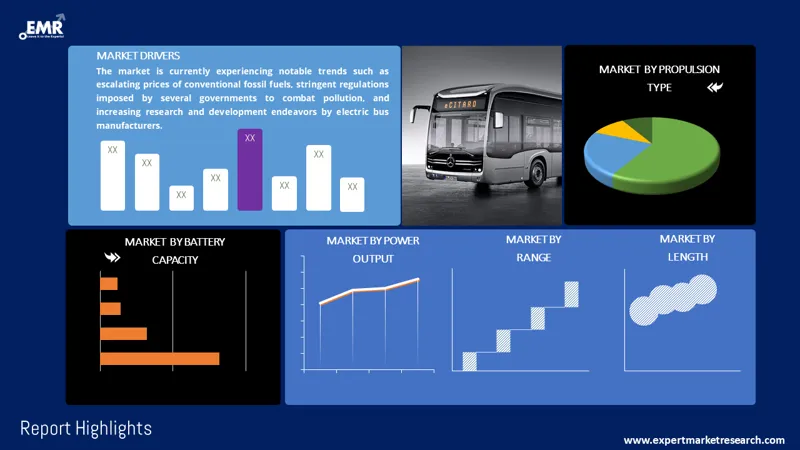
The EMR’s report titled “Electric Bus Market Report and Forecast 2026-2035” offers a detailed analysis of the market based on the following segments:
Market Breakup by Propulsion Type
Key Insight: The battery electric vehicle (BEV) segment dominates the market due to their high energy efficiency and zero tailpipe emissions. BEVs are widely adopted for intra-city transport where routes are predictable and charging infrastructure is centralized. These buses benefit from lower operational costs and fewer mechanical components, reducing maintenance. As global urban areas focus on clean air policies, BEVs are expected to remain the preferred propulsion type.
Market Breakup by Length
Key Insight: The less than 9 meters electric bus market is gaining traction as they are ideal for narrow streets and short, low-density routes. These buses are increasingly used in shuttle services, airport transfers, and rural areas. For example, in July 2025, Changsha Bus Group introduced 152 units of CRRC-manufactured 6 meter electric buses into service. The segment is further expected to grow with rising demand for customized mobility solutions.
Market Breakup by Range
Key Insight: The more than 200 miles range segment is best suited for long-distance routes, intercity travel, or operations in regions with sparse charging infrastructure. These buses rely on high-capacity batteries or hydrogen fuel cells. For instance, Proterra’s Catalyst E2 Max demonstrated over 350 miles on a single charge, emerging ideal for full-day use without recharging. With rapid advances in battery technologies, the segment is expanding into mainstream transit fleets.
Market Breakup by Battery Capacity
Key Insight: The up to 400 kWh segment of the electric buses industry form the backbone of urban transit fleets. These batteries offer enough energy to power buses for 150–200 miles per day, ideal for city operation. Manufacturers favour this capacity to balance range, cost, and performance. In June 2022, Switch Mobility unveiled SWITCH e1, a lightweight, low‑floor European electric bus with 389 kWh NMC battery. Improvements in battery energy density allow these mid-sized packs to extend range without increasing footprint.
Market Breakup by Power Output
Key Insight: The up to 250 kW power segment is standard for intra-city applications where moderate acceleration and cruising speeds are sufficient. Most 9–12 meter city e-buses use motors in the 120–250 kW range. For instance, the Volvo 7900 Electric offers a 200 kW motor, ideal for stop-and-go traffic with efficiency in mind. These buses optimize energy use while meeting city driving conditions and typical route demands.
Market Breakup by Region
Key Insight: Asia Pacific is the most dominant region in the electric bus market, driven by rapid urbanization, government mandates, and large-scale manufacturing. More than 90% of the world's electric buses, accounting to nearly 700,000 are in China. India is also expanding aggressively, with JBM and Tata Motors rolling out thousands of e-buses under state-backed programs, such as FAME II. In Japan and South Korea, technological innovation in batteries and fuel cells further boosts adoption.
Read more about this report - REQUEST FREE SAMPLE COPY IN PDF
FCEV & PHEV Buses to Gain Traction
Fuel cell electric vehicle (FCEV) buses are powered by hydrogen and emit only water vapor, making them ideal for long-range, intercity travel. They refuel faster than BEVs and operate well in cold climates. FCEVs are gaining traction like Japan and South Korea, which are investing heavily in hydrogen technology. In July 2025, Kansai Airports rolled out its second hydrogen fuel cell minibus, deployed for airport tours.
The plug-in hybrid electric vehicle (PHEV) segment of the electric bus industry offers flexibility for routes lacking full electrification. PHEVs are useful in developing regions where charging infrastructure is sparse, but emission regulations are tightening. For instance, some European cities employ PHEV buses to switch to electric-only mode in low-emission zones. Their appeal is declining as pure electric alternatives become more practical and cost-effective.
Above 14 Meters & 9–14 Meters Electric Buses to accrue Preference
The above 14 meters segment cater to high-capacity and long-distance routes. These buses require robust charging infrastructure, including high-capacity overnight chargers or pantograph systems. In February 2025, Yutong unveiled the world's first 26 m electric double-articulated bus in Mexico. Their high upfront cost is balanced by economies of scale in passenger transport and lower emissions over longer distances.
The 9–14 meters segment of the electric bus market is commonly used for city transit and public transportation services. This size range balances passenger capacity, manoeuvrability, and energy efficiency, making it the standard in most urban fleets worldwide. As cities continue to electrify public transport, this segment is expected to see the highest growth, driven by government mandates and urban sustainability goals.
Surging Demand for less than 200 miles Electric Buses
The less than 200 miles range dominates the city bus segment, where daily routes are shorter and more predictable. The majority of 9–12 meter BEVs used in cities like London, Paris, and Shenzhen operate within this range. Buses in this category are often depot-charged overnight and can serve multiple trips during the day without issue. Additionally, opportunity charging options enable midday top-ups.
Thriving Popularity of Above 400 kWh Electric Buses
The above 400 kWh electric bus market value is rising to serve major corridors or intercity routes requiring sustained operation throughout the day. These buses serve major corridors or intercity routes requiring sustained operation throughout the day. The Solaris Urbino 18 electric bus offers battery packs over 550 kWh for 18-meter articulated configurations. These larger batteries also enable flexibility for BRT systems and extended rural or regional service.
Above 250 kW Electric Buses to Garner Interest
The above 250 kW power output segment is designed for articulated, intercity, or mountainous terrain operations. In October 2023, Scania unveiled a cutting edge battery-electric bus, powered by a new electric drivetrain delivering 300 kW peak. High power output also benefits fast-charging scenarios and regenerative braking. These buses are typically part of high-capacity systems like BRT, where speed and uptime are critical.
Surging Electric Bus Demand in Europe & North America
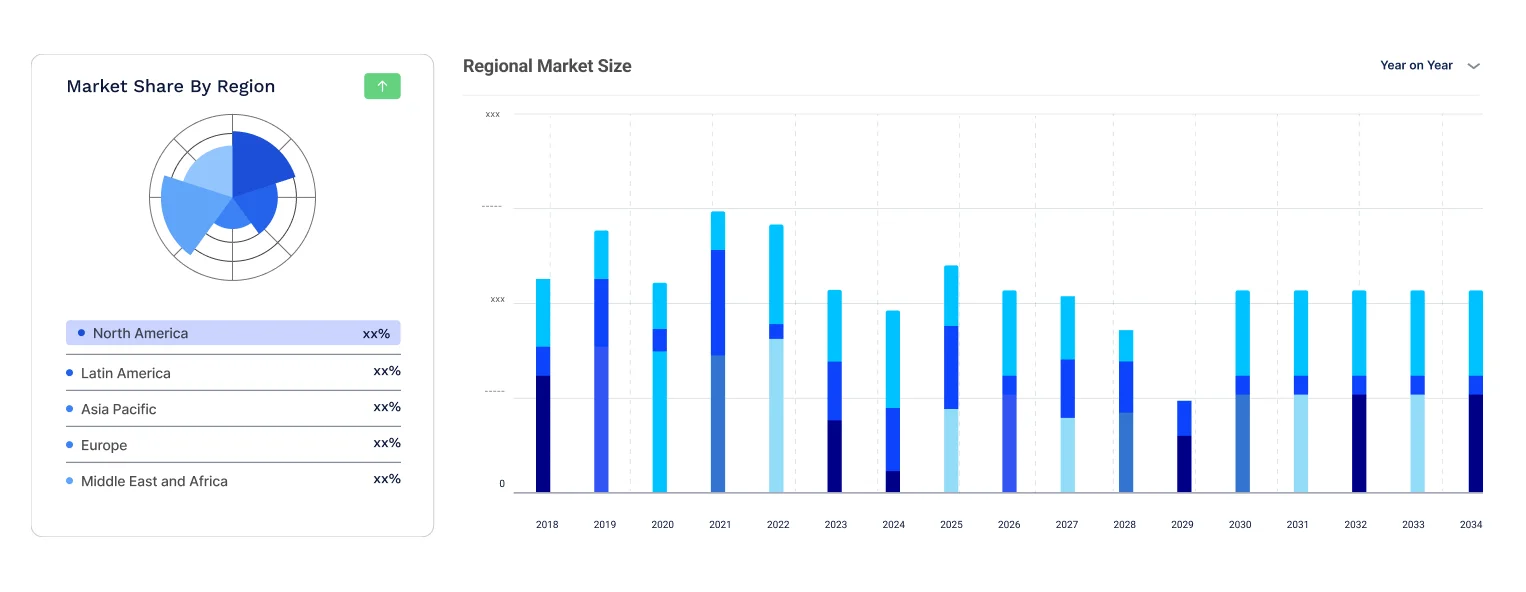
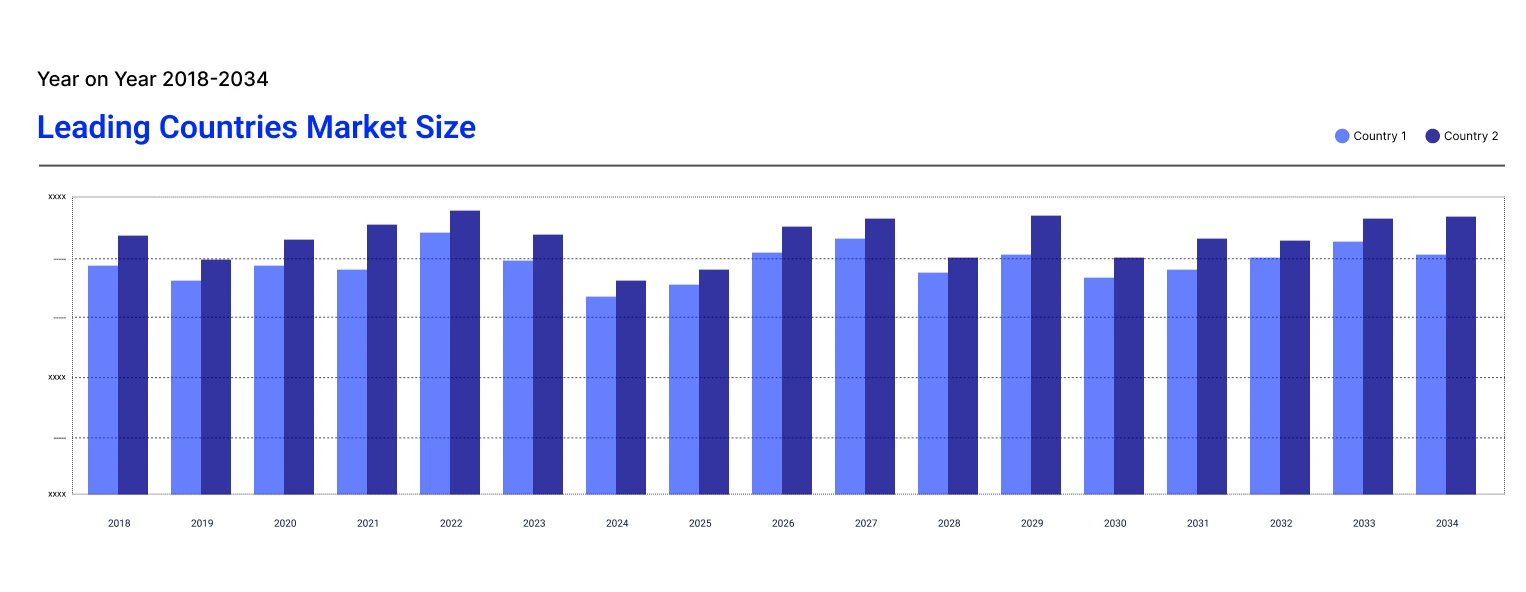
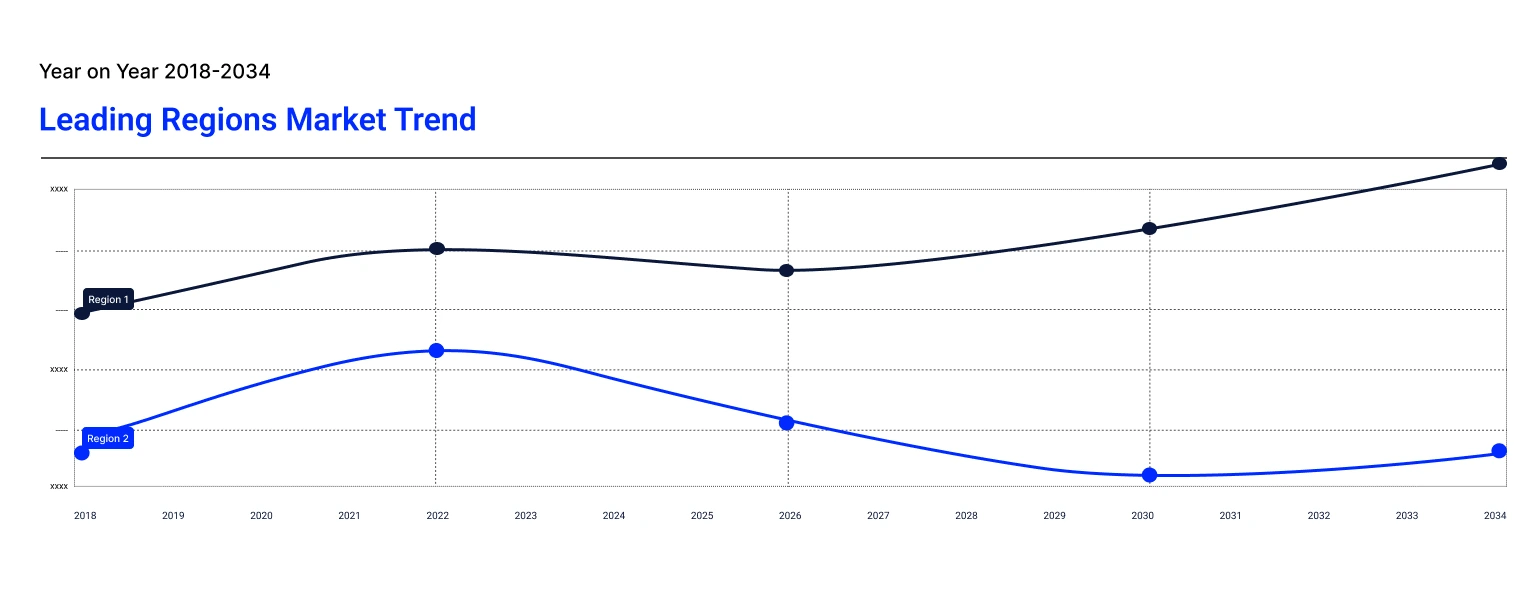
Europe is a large market for electric buses, supported by stringent environmental regulations and climate targets. Cities across Germany, France, the Netherlands, and the Nordic countries have committed to phasing out diesel fleets. Additionally, cross-border collaborations and green financing have made fleet electrification economically viable. Europe’s strong public transit culture, coupled with sustainability mandates, continues to drive steady growth in electric bus adoption across the continent.
North America market is expanding with growing adoption through federal and state-level support. Companies are supplying electric buses to major cities like Los Angeles, New York, and Toronto. In February 2025, the MTA placed a firm order for 265 battery-electric buses with New Flyer, including 193 Xcelsior CHARGE NG 40 foot and 72 articulated 60 foot units. With the rising ESG awareness and regulatory momentum, North America is gradually shifting towards electrification, with school and transit bus fleets as key growth segments.
| CAGR 2026-2035 - Market by | Country |
| India | 18.0% |
| China | 15.0% |
| UK | 12.4% |
| USA | 12.1% |
| Italy | 9.5% |
| Canada | XX% |
| Germany | XX% |
| France | XX% |
| Japan | 9.4% |
| Australia | XX% |
| Saudi Arabia | XX% |
| Brazil | XX% |
| Mexico | XX% |
Key players in the electric bus market are employing several key strategies to strengthen their position and accelerate adoption. Technological innovation is central as manufacturers focus on improving battery energy density, reducing charging times, and enhancing vehicle range to meet diverse urban transit needs. Second, strategic partnerships with governments, energy providers, and financial institutions facilitate infrastructure development and funding access, enabling large-scale deployments.
Additionally, companies adopt customized solutions, such as tailored bus sizes and charging systems for different city layouts and climate conditions. Sustainability and ESG alignment attract green financing and investor interest, reducing capital costs. Smart city initiatives are enabling fleet electrification to align with broader urban mobility and emission reduction goals. Finally, many players engage in policy advocacy to influence favourable regulations, subsidies, and emission standards, further driving electric bus demand globally.
Founded in 1995 and headquartered in Shenzhen, China, BYD has become a global leader in electric vehicles, including buses. It pioneered iron-phosphate battery technology and has deployed thousands of electric buses worldwide, notably in Europe and North America. BYD emphasizes vertical integration and green innovation across its production lines.
Established in 1996 and based in Bolechowo, Poland, Solaris is recognized for its leadership in zero-emission public transport. It introduced Europe’s first serially produced electric bus and hydrogen-powered Urbino models. Solaris buses operate in over 30 countries, known for reliability, energy efficiency, and advanced climate-friendly technology.
Volvo Group, founded in 1927 and headquartered in Gothenburg, Sweden, is a pioneer in commercial transport innovation. Its Volvo Buses division has led developments in electric and hybrid buses, including the Volvo 7900 Electric and BZR platform. Volvo integrates safety, sustainability, and smart connectivity in urban mobility solutions.
Founded in 1993 and headquartered in Zhengzhou, China, Yutong is one of the world’s largest bus manufacturers. It excels in electric and autonomous bus technologies, with major deployments in Asia, Europe, and Latin America. Yutong’s e-buses feature proprietary battery management systems and have won numerous international sustainability awards.
*Please note that this is only a partial list; the complete list of key players is available in the full report. Additionally, the list of key players can be customized to better suit your needs.*
Other players in the electric bus market are VDL Bus & Coach BV, Hyundai Motor Company, Edison Motors Co., Ltd., Zhongtong Bus Holding Co., Ltd., IVECO S.p.A, EvoBus GmbH (Daimler Truck), and others.
Download your free sample report today to explore the latest electric bus market trends 2026. Gain valuable insights on growth drivers, emerging technologies, and competitive dynamics shaping the future of electric mobility. Stay ahead with Expert Market Research’s in-depth analysis and data-backed forecasts—essential for strategic planning and investment decisions in the evolving electric bus sector.
Asia Pacific Electric Bus Market
Latin America Electric Bus Market
United States Electric Bus Market


Upto 15% Off
USD
$3999 $3599
$2499 $2249
$4999 $4249
$5999 $5099


*While we strive to always give you current and accurate information, the numbers depicted on the website are indicative and may differ from the actual numbers in the main report. At Expert Market Research, we aim to bring you the latest insights and trends in the market. Using our analyses and forecasts, stakeholders can understand the market dynamics, navigate challenges, and capitalize on opportunities to make data-driven strategic decisions.*
Get in touch with us for a customized solution tailored to your unique requirements and save upto 35%!
The market is projected to grow at a CAGR of 14.40% between 2026 and 2035.
The key strategies driving the market include government incentives, zero-emission regulations, advancements in battery technology, fleet electrification commitments, infrastructure development, cost reduction, and partnerships among manufacturers, transit agencies, and energy providers.
The rising prices of traditional fossil fuels, stringent regulations by various governments aimed towards curbing pollution, and growing research and development activities by the electric bus manufacturers, are the key trends in the market.
Fuel cell electric vehicle (FCEV), battery electric vehicle (BEV), and plug-in hybrid electric vehicle (PHEV) are the different segments in the electric bus market based on propulsion type.
Less than 9 meters, 9-14 meters, and above 14 meters are the different categories based on length.
The high purchasing price of an electric bus and limited infrastructure for recharging is likely to pose challenges to the growth of the market for electric buses.
An electric bus has a battery of 160 kWh, while the shorter electric buses have a battery of 240 kWh.
An electric bus typically uses a lithium-ion battery which allows an electric bus to run as far as 150 miles in a single recharge.
In 2025, the market reached an approximate value of USD 21.00 Billion.
The key players in the market report include BYD Motors Inc., Solaris Bus & Coach sp. z o.o, Volvo Group, Yutong Bus Co., Ltd., VDL Bus & Coach BV, Hyundai Motor Company, Edison Motors Co., Ltd., Zhongtong Bus Holding Co., Ltd., IVECO S.p.A, EvoBus GmbH (Daimler Truck), and others.
Cheddar dominates the market, driven by its versatile flavour and wide application across snacks, sauces, baked goods, and ready meals.
Explore our key highlights of the report and gain a concise overview of key findings, trends, and actionable insights that will empower your strategic decisions.
| REPORT FEATURES | DETAILS |
| Base Year | 2025 |
| Historical Period | 2019-2025 |
| Forecast Period | 2026-2035 |
| Scope of the Report |
Historical and Forecast Trends, Industry Drivers and Constraints, Historical and Forecast Market Analysis by Segment:
|
| Breakup by Propulsion Type |
|
| Breakup by Length |
|
| Breakup by Range |
|
| Breakup by Battery Capacity |
|
| Breakup by Power Output |
|
| Breakup by Region |
|
| Market Dynamics |
|
| Competitive Landscape |
|
| Companies Covered |
|
Single User License
One User
USD 3,999
USD 3,599
tax inclusive*
Datasheet
One User
USD 2,499
USD 2,249
tax inclusive*
Five User License
Five User
USD 4,999
USD 4,249
tax inclusive*
Corporate License
Unlimited Users
USD 5,999
USD 5,099
tax inclusive*
*Please note that the prices mentioned below are starting prices for each bundle type. Kindly contact our team for further details.*
Flash Bundle
Small Business Bundle
Growth Bundle
Enterprise Bundle
*Please note that the prices mentioned below are starting prices for each bundle type. Kindly contact our team for further details.*
Flash Bundle
Number of Reports: 3
20%
tax inclusive*
Small Business Bundle
Number of Reports: 5
25%
tax inclusive*
Growth Bundle
Number of Reports: 8
30%
tax inclusive*
Enterprise Bundle
Number of Reports: 10
35%
tax inclusive*
How To Order

Select License Type
Choose the right license for your needs and access rights.

Click on ‘Buy Now’
Add the report to your cart with one click and proceed to register.

Select Mode of Payment
Choose a payment option for a secure checkout. You will be redirected accordingly.
Gain insights to stay ahead and seize opportunities.

Get insights & trends for a competitive edge.

Track prices with detailed trend reports.

Analyse trade data for supply chain insights.

Leverage cost reports for smart savings

Enhance supply chain with partnerships.

Connect For More Information
Our expert team of analysts will offer full support and resolve any queries regarding the report, before and after the purchase.
Our expert team of analysts will offer full support and resolve any queries regarding the report, before and after the purchase.
We employ meticulous research methods, blending advanced analytics and expert insights to deliver accurate, actionable industry intelligence, staying ahead of competitors.
Our skilled analysts offer unparalleled competitive advantage with detailed insights on current and emerging markets, ensuring your strategic edge.
We offer an in-depth yet simplified presentation of industry insights and analysis to meet your specific requirements effectively.





Share