

Consumer Insights
Uncover trends and behaviors shaping consumer choices today
Procurement Insights
Optimize your sourcing strategy with key market data
Industry Stats
Stay ahead with the latest trends and market analysis.
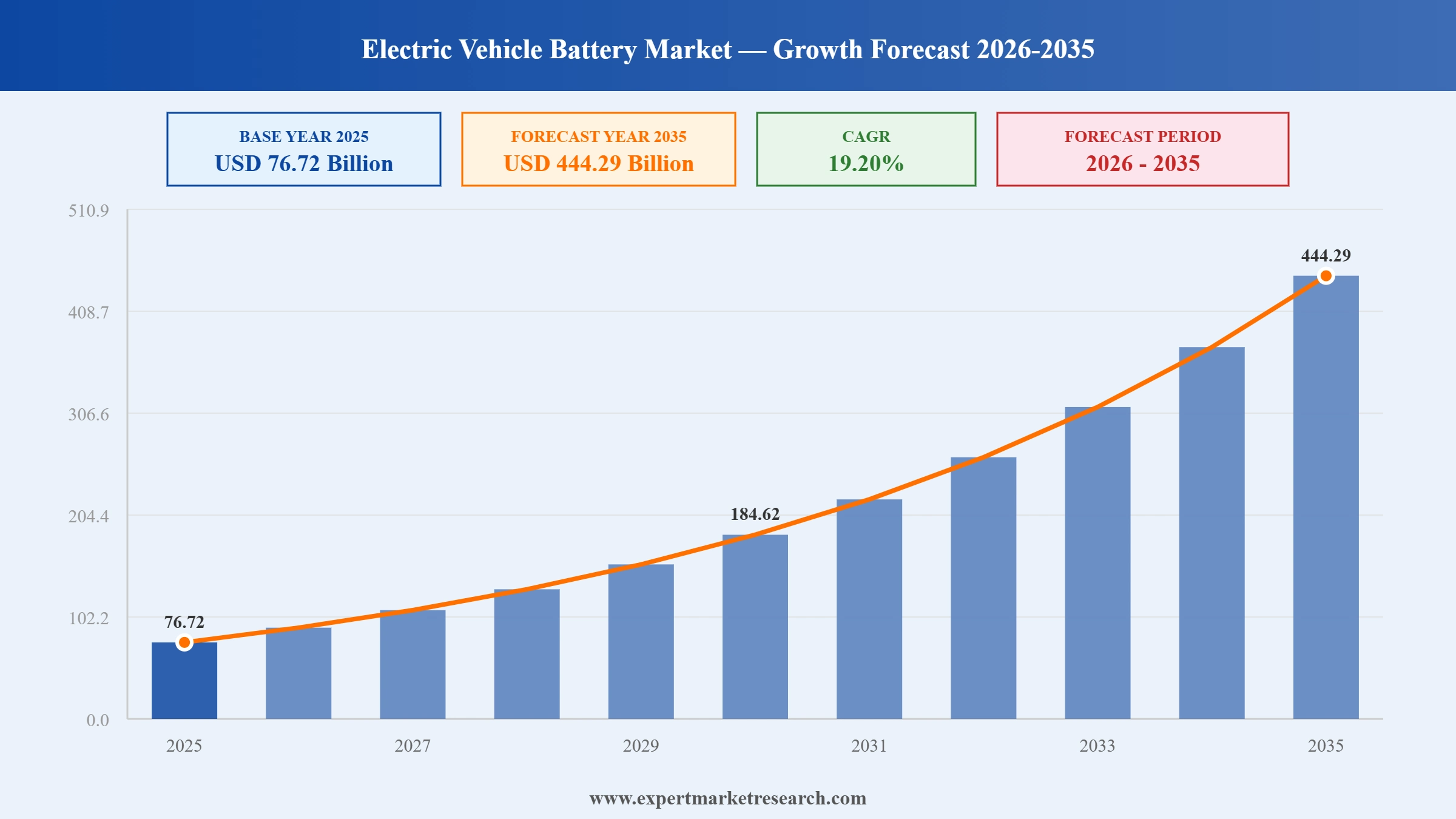
The global electric vehicle battery market reached USD 76.72 Billion in 2025 and is projected to grow at a compound annual growth rate CAGR of 19.20% during the forecast period of 2026 to 2035, reaching USD 444.29 Billion by 2035, according to Expert Market Research. This exceptional growth trajectory reflects the accelerating global transition to electric mobility, the rapid scale-up of battery cell manufacturing capacity, and the structural shift in automotive value chains toward battery technology as the single largest cost and differentiation component of the modern electric vehicle.
The electric vehicle battery market encompasses the complete value chain of battery cells, modules, and packs that power battery electric vehicles, plug-in hybrid electric vehicles, and hybrid electric vehicles across passenger car, commercial vehicle, and two- and three-wheeler segments. The industry spans multiple battery chemistries including lithium iron phosphate, nickel manganese cobalt, and nickel cobalt aluminium oxide formulations alongside the battery management systems, thermal management infrastructure, and cell-to-pack engineering that collectively determine vehicle range, charging speed, safety performance, and total cost of ownership. The market is characterised by intense innovation across energy density improvement, fast-charging capability, cold-weather performance, and raw material diversification, as battery manufacturers and automakers compete to reduce cost per kilowatt-hour while improving performance across the full spectrum of vehicle segments and price tiers.

Read more about this report - REQUEST FREE SAMPLE COPY IN PDF
The electric vehicle battery market refers to the global commercial ecosystem encompassing the design, manufacture, and supply of rechargeable battery cells, modules, and complete battery packs that store and deliver the electrical energy required to power battery electric vehicles, plug-in hybrid electric vehicles, and hybrid electric vehicles. The market spans the full upstream-to-downstream value chain, from raw material extraction and refining of lithium, nickel, cobalt, and manganese, through cell manufacturing and pack assembly, to battery management system integration, vehicle installation, and end-of-life recycling or second-life repurposing.
Electric vehicle batteries are built around several distinct chemistry families, each offering a different balance of energy density, cost, safety, and lifespan. Lithium iron phosphate (LFP) batteries are valued for their lower cost, longer cycle life, and superior thermal stability, making them the dominant chemistry in cost-sensitive and standard-range vehicle segments, particularly in China. Nickel manganese cobalt (NMC) and nickel cobalt aluminium oxide (NCA) batteries deliver higher energy density and are widely used in premium and long-range vehicles across North America, Europe, and Korea. Sodium-ion batteries, now entering mass commercial production in 2026, offer a lithium-free alternative with superior cold-weather performance and meaningfully lower raw material cost, positioned initially for entry-level and short-range vehicle segments. Solid-state batteries, which replace the flammable liquid electrolyte in conventional lithium-ion cells with a solid material, represent the industry's next-generation technology frontier, promising higher energy density, faster charging, and improved safety, with initial commercial deployment expected from 2027 onward.
Read more about this report - REQUEST FREE SAMPLE COPY IN PDF
Tightening vehicle emissions regulations, urban air quality mandates, and national net-zero transportation targets are systematically driving consumer and fleet electric vehicle adoption across developed and emerging markets, directly expanding the addressable market for EV batteries as the single largest cost component of every electric vehicle produced. Government emissions standards in the European Union, China, and an expanding list of US states are progressively restricting internal combustion engine vehicle sales timelines, creating structural multi-year demand visibility for battery manufacturers planning capacity expansion. Growing consumer awareness of the local air quality and public health benefits of zero tailpipe emission vehicles is additionally reinforcing demand in densely populated urban markets across Asia Pacific, Europe, and North America, where vehicle electrification is increasingly viewed as essential to managing escalating pollution levels.
Continued reduction in battery cell production costs driven by manufacturing scale economies, raw material sourcing optimisation, and cell design innovation including larger-format cells and improved cell-to-pack integration is progressively narrowing and in many vehicle segments eliminating the purchase price premium of electric vehicles relative to comparable internal combustion engine models. The emergence of sodium-ion batteries at costs approximately 30% below lithium iron phosphate cells is expected to further accelerate this cost reduction trajectory, particularly benefiting entry-level and budget vehicle segments where battery cost represents the largest share of total vehicle manufacturing cost.
National and regional government incentive programmes including purchase subsidies, tax credits, charging infrastructure investment, and battery manufacturing facility incentives continue to provide substantial structural support for electric vehicle battery market growth globally. China's sustained industrial policy support for domestic battery manufacturing has built the world's largest and most cost-competitive battery production ecosystem, while the European Union's Battery Regulation and United States manufacturing incentive programmes are driving substantial new gigafactory investment across both regions as governments seek to reduce strategic dependence on a single regional battery supply chain.
The battery industry's accelerating diversification beyond lithium-dependent chemistries most notably through the 2026 commercial-scale emergence of sodium-ion batteries is structurally reducing the industry's exposure to lithium price volatility and geographic supply concentration risk. Lithium prices more than doubled in early 2026 relative to the prior year, driven by faster-than-anticipated battery energy storage demand growth and temporary supply disruptions, reinforcing the commercial momentum behind sodium-ion and other lithium-light chemistry alternatives. This raw material diversification trend is additionally supported by growing battery recycling capacity that is beginning to supply recovered lithium, nickel, and cobalt back into the manufacturing supply chain, reducing dependence on virgin raw material extraction over the long-term forecast horizon.
The rapid global expansion of public and private EV charging infrastructure, combined with continuous advances in fast-charging battery technology, is systematically reducing the practical usage barriers that have historically constrained electric vehicle adoption. Battery manufacturers are achieving substantial fast-charging performance improvements, with leading cell technologies now capable of charging from near-empty to nearly full capacity in under ten minutes a charging speed that is rapidly closing the convenience gap with conventional vehicle refuelling. This fast-charging technology advancement is particularly significant for commercial fleet operators and high-mileage drivers, where charging time directly affects vehicle utilisation rates and total cost of ownership calculations.
Sodium-ion battery technology has crossed a critical commercialisation threshold in 2026, with the first mass-produced passenger electric vehicles already reaching dealerships and global investment in sodium-ion production capacity surpassing USD 20 billion. CATL's Naxtra sodium-ion cells, which power the Changan Nevo A06 the world's first mass-produced sodium-ion passenger EV achieve energy density of approximately 175 Wh/kg while retaining over 90% capacity at temperatures as low as -40°C, addressing one of lithium-ion technology's most persistent cold-climate performance limitations. Beyond CATL, BAIC Group has developed a competing sodium-ion platform with energy density exceeding 170 Wh/kg and 4C ultra-fast charging capability delivering a full charge in approximately 11 minutes, while BYD's dedicated sodium-ion manufacturing facility has progressed to a third-generation technology platform achieving cycle life of up to 10,000 charge cycles. Industry leadership now projects that sodium-ion chemistry could eventually displace 30 to 40% of the existing lithium-ion battery market, representing one of the most significant chemistry diversification shifts in the electric vehicle battery industry's history.
Solid-state battery technology which eliminates the flammable liquid electrolyte used in conventional lithium-ion cells in favour of a solid material, enabling higher energy density, faster charging, and improved safety continued to advance through multiple parallel development pathways in 2026. Volkswagen-backed QuantumScape inaugurated its Eagle Line production facility in California in February 2026, combining its proprietary Cobra separator manufacturing process with automated cell production to meet growing automotive partner demand for QSE-5 solid-state lithium-metal cells. Samsung SDI continued validating sulfide-based solid-state cells under its strategic partnership with BMW Group and Solid Power, targeting 2027 mass production, while Toyota having invested over USD 15 billion in solid-state development and holding more patents in the space than any competitor maintains a 2027 to 2028 commercial production target. Chinese GAC-backed startup Greater Bay Technology announced plans for GWh-scale all-solid-state battery production by the end of 2026 using a composite organic-inorganic electrolyte system, while CATL is advancing condensed matter battery technology as an intermediate stepping stone toward full solid-state commercialisation.
Battery recycling infrastructure is scaling rapidly as the first generation of mass-market electric vehicles approaches end-of-life, with China currently hosting over 85% of global battery recycling capacity, reflecting its position as the world's largest battery producer and electric vehicle market. Recyclers with direct manufacturer affiliations benefit from preferential access to production scrap, ensuring steady feedstock volumes, while the broader recycling industry continues to develop hydrometallurgical and direct recycling processes capable of recovering lithium, nickel, cobalt, and manganese at increasingly high purity and yield rates. Second-life battery applications repurposing retired EV battery packs for stationary energy storage use cases where the performance requirements are less demanding than vehicle propulsion represent an additional and growing value recovery pathway that is improving the overall lifecycle economics and sustainability profile of electric vehicle battery deployment.
Battery management system (BMS) sophistication and fast-charging cell chemistry advancement are converging to deliver electric vehicle charging experiences that increasingly rival conventional refuelling convenience. Leading battery manufacturers have demonstrated ultra-fast charging technology capable of restoring substantial range within minutes rather than tens of minutes, achieved through advances in electrode design, electrolyte formulation, and thermal management that allow cells to safely accept significantly higher charging currents without compromising cycle life or safety. Advanced BMS platforms are simultaneously improving state-of-charge accuracy, thermal runaway prevention, and individual cell balancing across large-format battery packs, collectively improving both the safety profile and the usable lifespan of electric vehicle battery systems across all major chemistry types.
Battery pack engineering is undergoing a structural transformation toward cell-to-pack and cell-to-chassis architectures that eliminate the traditional intermediate module layer, integrating battery cells more directly into the pack structure or even the vehicle's structural chassis itself. This integration approach reduces pack weight, increases usable energy density within a given vehicle footprint, and simplifies manufacturing assembly collectively improving vehicle range and reducing production cost per kilowatt-hour. The structural integration trend is being pursued in parallel across multiple battery chemistries, including LFP, NMC, and the newly emerging sodium-ion cells, reflecting its status as a manufacturing and engineering innovation independent of the underlying cell chemistry choice.
The global electric vehicle battery market faces significant technical and supply chain challenges that constrain the pace of cost reduction and capacity scale-up across the industry. Raw material price volatility remains the most persistent operational challenge, with lithium prices more than doubling in early 2026 relative to the prior year due to demand growth outpacing supply development, while cobalt prices have also risen sharply following temporary export restrictions from the Democratic Republic of the Congo, the world's dominant cobalt-producing nation. The technical complexity of scaling next-generation chemistries from laboratory and pilot-line production to gigawatt-hour commercial manufacturing volumes represents a substantial execution risk, as solid-state battery developers in particular continue to navigate the precision manufacturing tolerances required for defect-free production at scale. Battery safety remains an area of continuous engineering focus, as thermal runaway risk in high-energy-density lithium-ion chemistries requires sophisticated battery management system design, robust pack-level thermal isolation, and rigorous quality control across every stage of cell manufacturing to prevent the safety incidents that can materially damage consumer confidence in electric vehicle adoption.
Several structural dynamics restrain the pace of electric vehicle battery market expansion in specific segments and geographies. The geographic concentration of battery raw material refining and cell manufacturing capacity with China hosting the substantial majority of global lithium refining, cathode and anode material production, and battery cell manufacturing capacity creates strategic supply chain vulnerability for automakers and governments in North America and Europe seeking to diversify battery sourcing for both economic and national security reasons. The high capital intensity of gigafactory construction, typically requiring multi-billion-dollar investment and several years of construction and ramp-up time before reaching full production capacity, creates substantial financing and execution risk for battery manufacturers and automakers pursuing vertical integration strategies. Energy density limitations of current commercial chemistries continue to constrain vehicle range and charging speed relative to consumer expectations shaped by conventional vehicle refuelling experience, with sodium-ion batteries in particular facing a structural energy density disadvantage relative to lithium-ion that limits their near-term application to entry-level and short-range vehicle segments.
The global electric vehicle battery market presents substantial and well-documented commercial opportunities across chemistry innovation, geographic expansion, and value chain integration that support sustained growth significantly above broader automotive industry rates through 2035. The commercial emergence of sodium-ion batteries in 2026 offering a lithium-free chemistry pathway with superior cold-climate performance and approximately 30% lower cost than lithium iron phosphate represents a transformative opportunity to expand electric vehicle affordability and accelerate adoption in price-sensitive market segments and geographies. The parallel advancement of solid-state battery technology toward 2027-2028 commercialisation offers a premium performance opportunity for manufacturers and automakers targeting the high-end vehicle segment, where consumers demonstrate willingness to pay for superior range, charging speed, and safety performance. Battery recycling and second-life applications represent a rapidly scaling circular economy opportunity, as the growing installed base of electric vehicles approaching end-of-life creates expanding feedstock volumes for material recovery operations that reduce both raw material costs and environmental impact. Government-supported gigafactory investment across North America and Europe, aimed at reducing strategic dependence on concentrated Asian manufacturing capacity, is additionally creating substantial regional manufacturing and supply chain investment opportunities. To access comprehensive opportunity sizing, chemistry-specific growth forecasts, regional manufacturing investment analysis, and strategic market entry frameworks across all major geographies, explore Expert Market Research's complete Electric Vehicle Battery Market report.
A battery is a secondary power source. An electric vehicle battery is used to power battery-operated electric vehicles using the chemical energy stored in rechargeable battery packs; thus, it does not require any combustion to start the engine. The batteries are rechargeable and usually made of lithium-ion, owing to their high energy per unit mass relative to other electrical energy storage systems. They are primarily designed for high kilowatt-hour capacity. These batteries are increasingly in demand with the advent of electric vehicles.
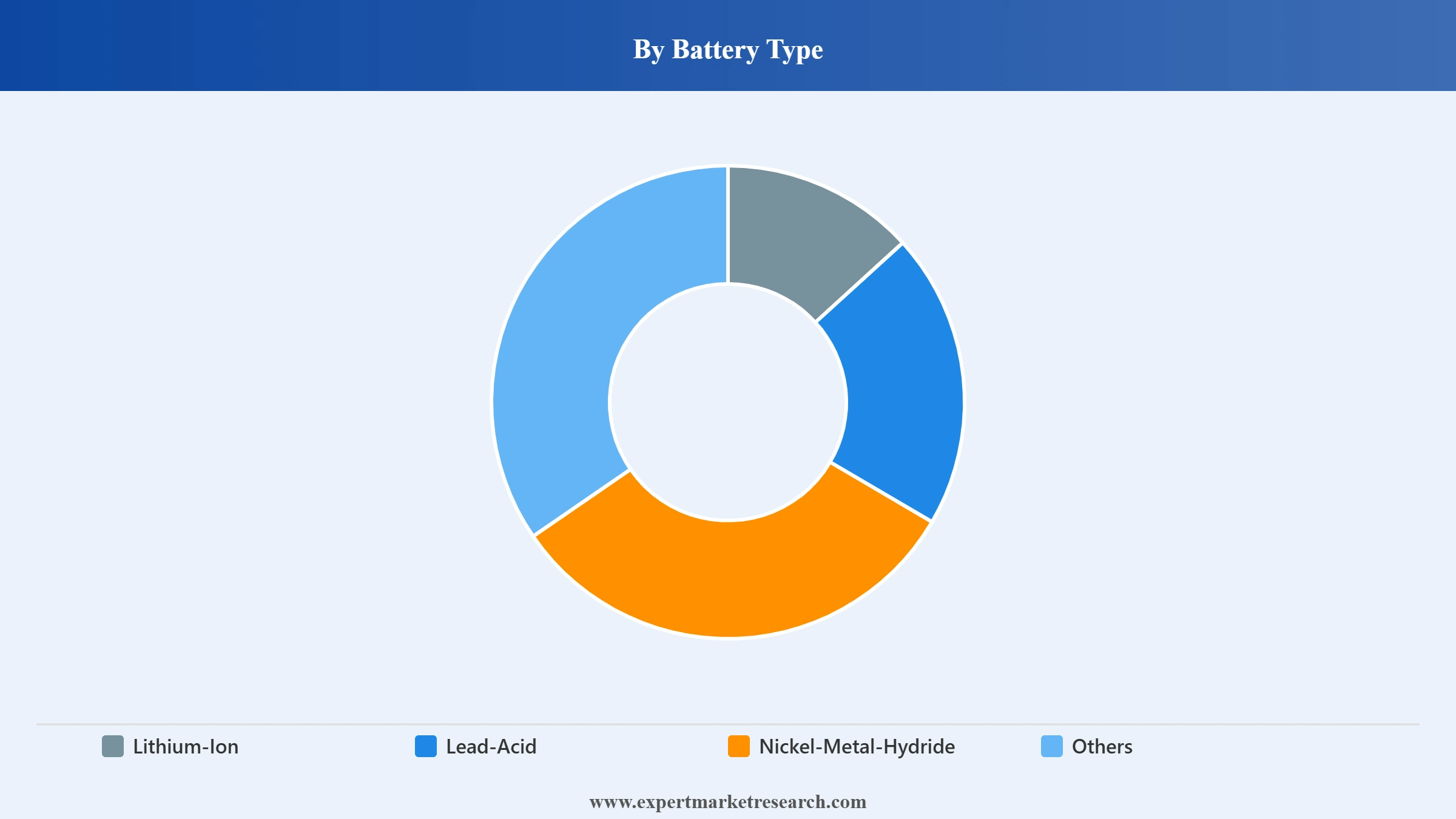
Market Breakup by Battery Type
Key Insights: Lithium-ion batteries hold the largest market share, dominant across battery electric, plug-in hybrid, and hybrid segments due to superior energy density, longer cycle life, and a steadily declining cost curve that has made the chemistry the default choice for nearly all modern electric vehicle platforms. Lead-acid batteries continue to serve a meaningful auxiliary role, powering low-voltage onboard systems including lighting, infotainment, and safety electronics, even as the main traction battery has shifted decisively to lithium-ion across nearly every vehicle category. Nickel-metal-hydride batteries retain a presence in hybrid electric vehicles, where their established safety profile, thermal stability, and lower cost have sustained their use in non-plug-in powertrains even as plug-in and fully electric segments have moved to lithium-ion. Others includes emerging chemistries such as sodium-ion and solid-state batteries, which are progressing from pilot to commercial-scale production and are expected to capture a growing share of the market over the forecast period.
Market Breakup by Vehicle Type
Key Insights: Passenger cars represent the largest vehicle type segment, driven by the global scale-up of battery electric and plug-in hybrid production across the full spectrum of price tiers, from entry-level to premium, as automakers expand their electrified model line-ups. Commercial vehicles including electric buses, delivery vans, and trucks form a rapidly growing segment as fleet operators adopt electric powertrains to reduce operating costs and meet sustainability commitments, typically favouring durable, longer-cycle-life battery chemistries suited to demanding daily duty cycles. Two wheelers represent a high-volume segment that is particularly significant across Asian markets including India, China, and Southeast Asia, where strong consumer adoption has been driven by affordability, urban commuting needs, and the growing availability of cost-optimised battery chemistries suited to this price-sensitive category.
Market Breakup by Propulsion Type
Battery electric vehicles represent the largest and fastest-growing propulsion type segment, requiring the largest battery capacity per vehicle and therefore accounting for the majority of total electric vehicle battery market demand by value, as both consumers and automakers increasingly favour fully electric powertrains over hybrid alternatives. Plug-in hybrid electric vehicles utilise moderately sized battery packs that enable meaningful all-electric range while retaining a combustion engine for extended range flexibility, making them an important transitional segment in markets where charging infrastructure is still developing. Hybrid electric vehicles use comparatively small battery packs optimised for fuel efficiency improvement rather than extended electric-only range, remaining a stable and mature segment that continues to generate meaningful battery demand in markets where full electrification infrastructure is still maturing.
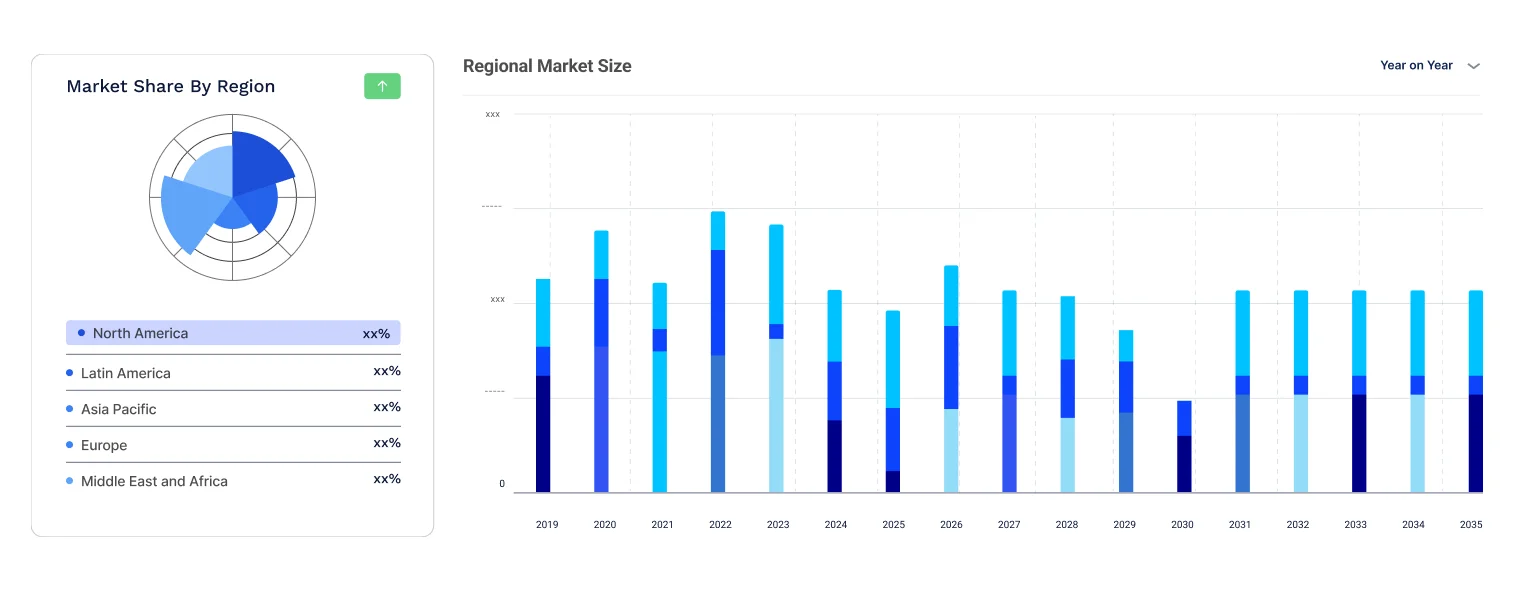
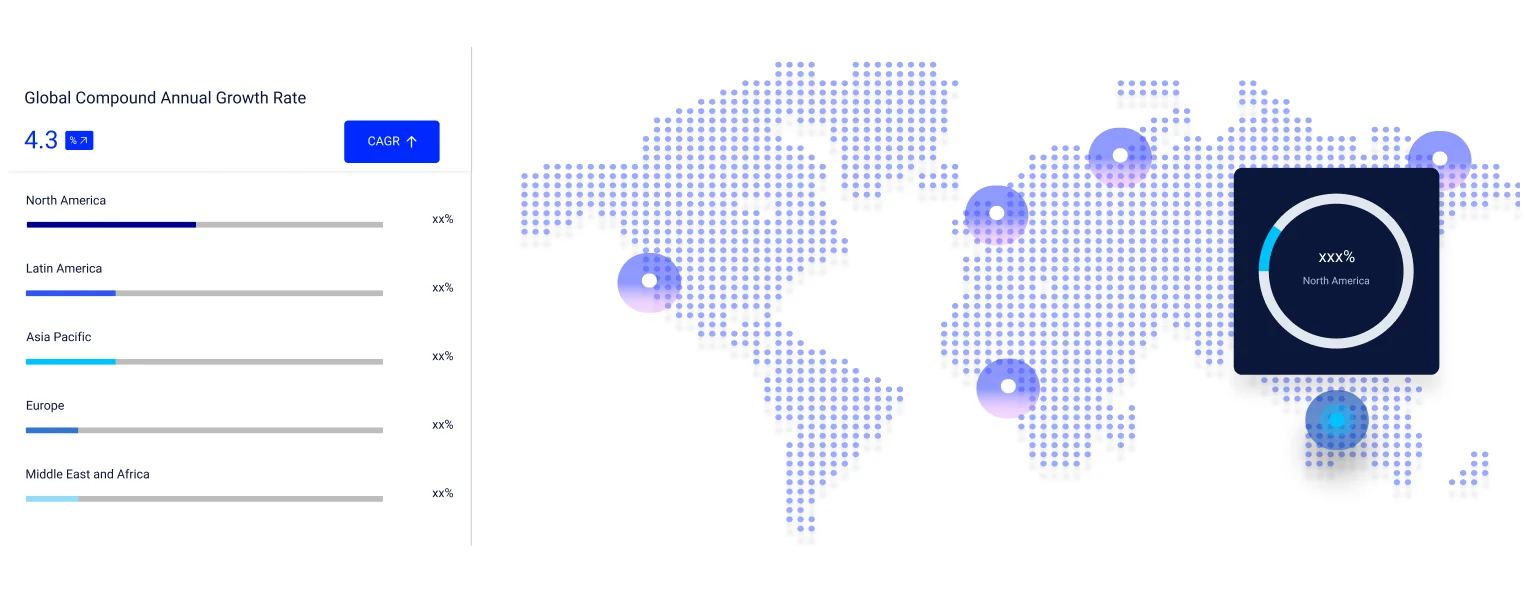
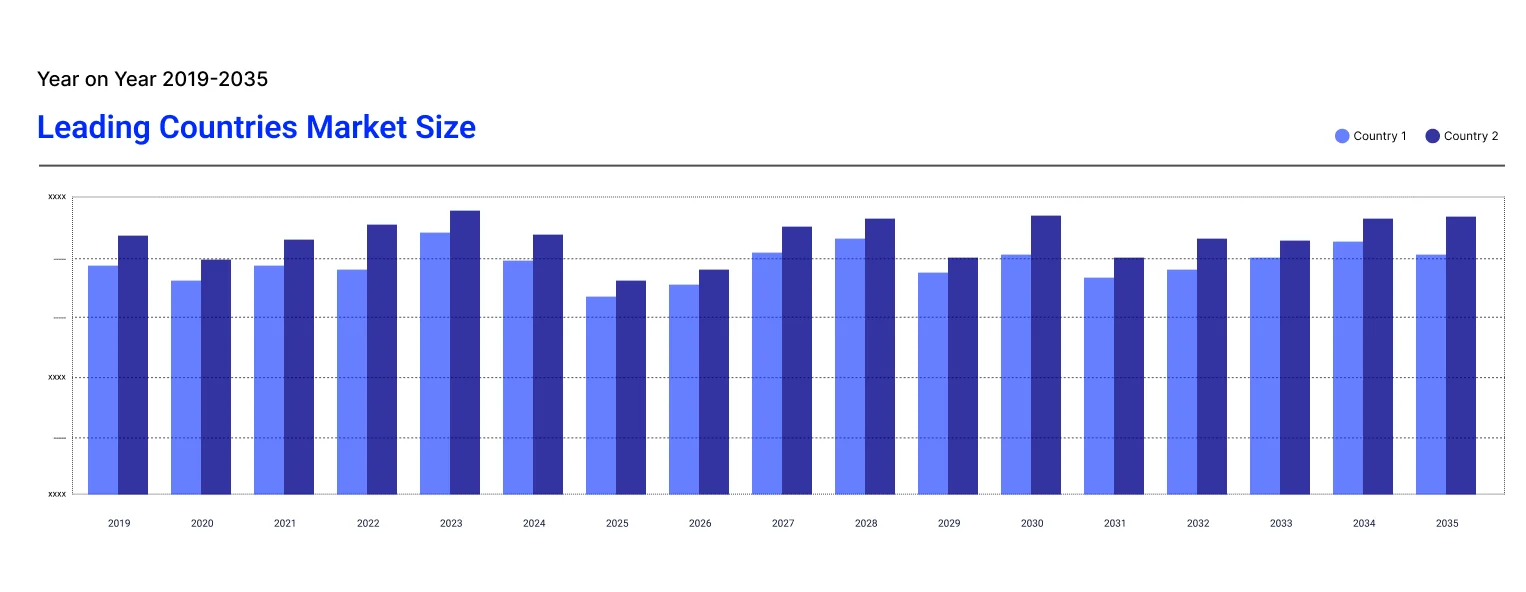
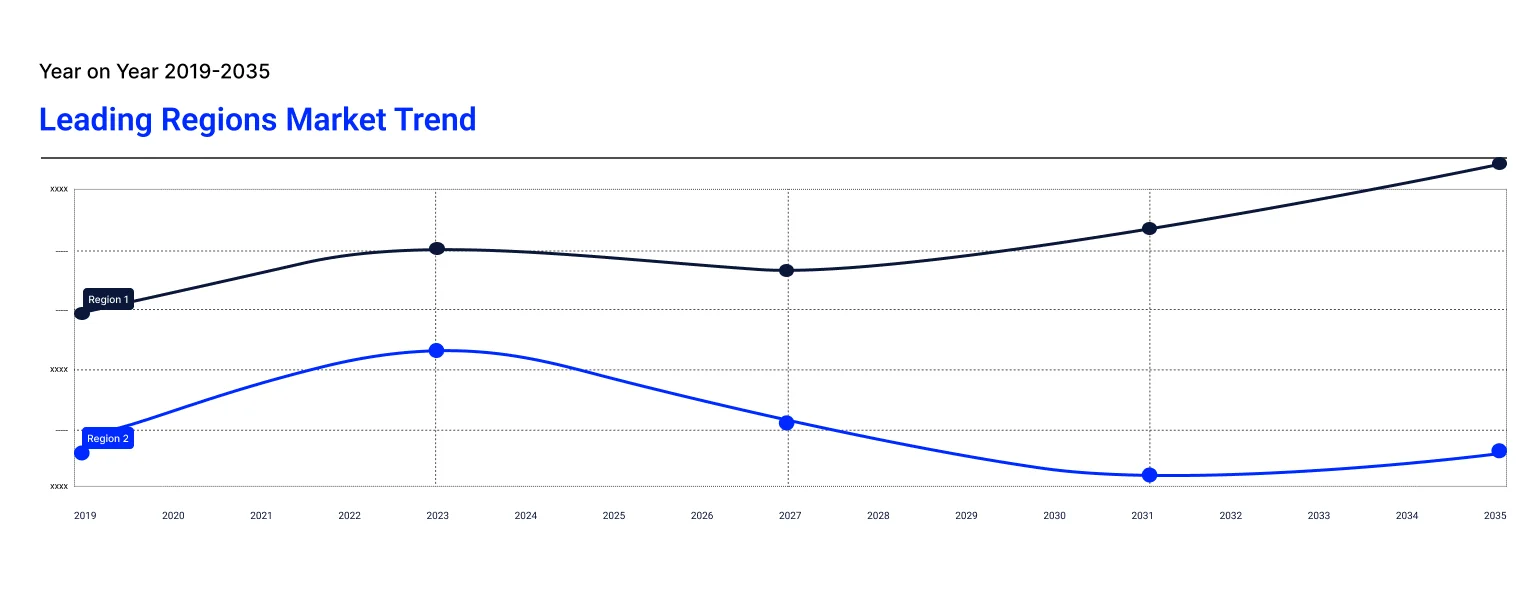
Market Breakup by Region
Read more about this report - REQUEST FREE SAMPLE COPY IN PDF
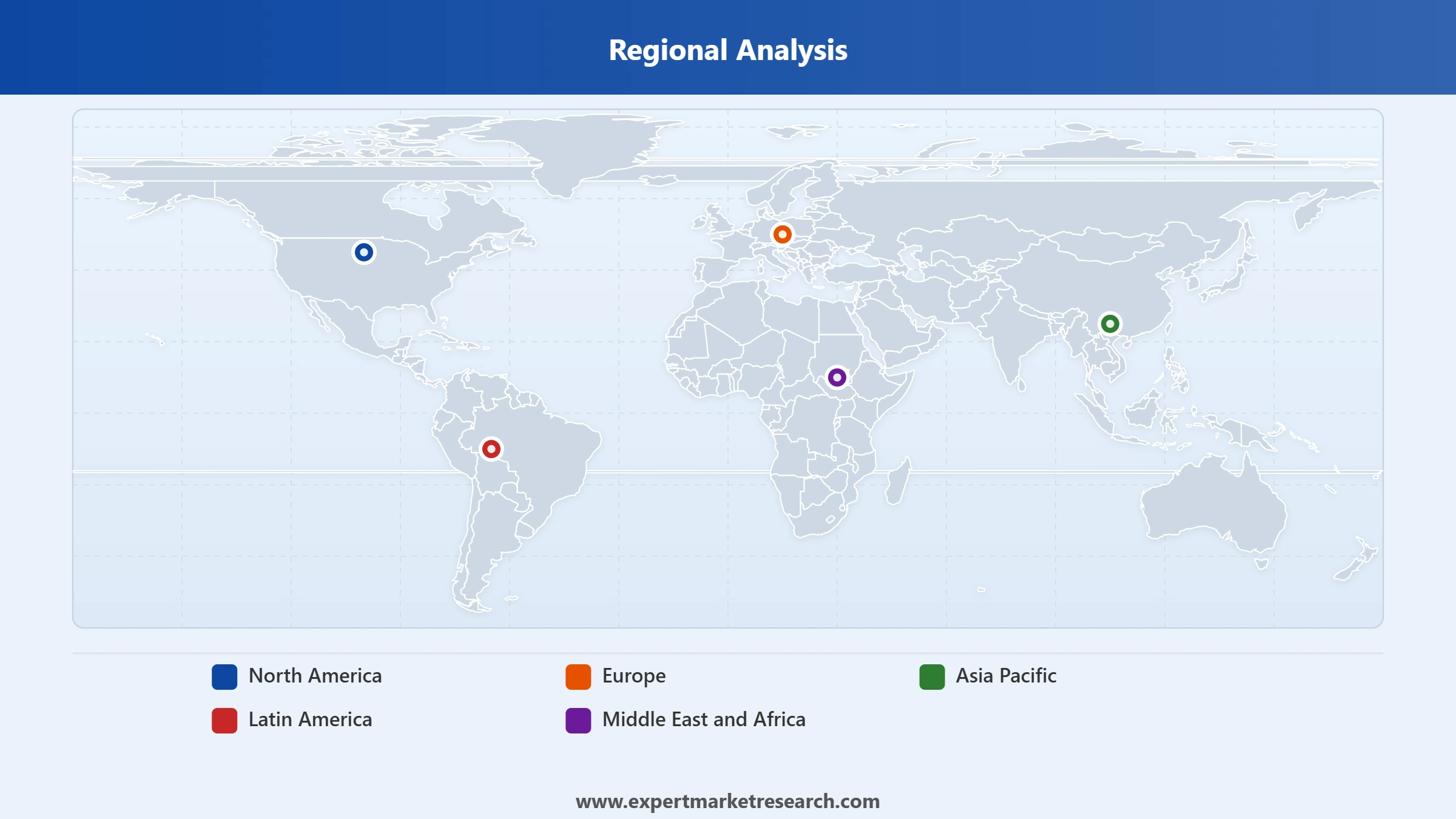
Asia Pacific dominates the global electric vehicle battery market, accounting for the largest share of both battery cell manufacturing capacity and electric vehicle sales, anchored overwhelmingly by China's position as the world's largest battery producer and electric vehicle market. China hosts the substantial majority of global battery cell manufacturing capacity, raw material refining infrastructure, and over 85% of global battery recycling capacity, with domestic manufacturers including CATL, BYD, CALB, and Gotion collectively commanding the majority of global battery installation volume. South Korea is a major battery technology and manufacturing hub through LG Energy Solution, Samsung SDI, and SK On, each maintaining substantial global manufacturing footprints and advanced chemistry development programmes spanning conventional lithium-ion and emerging solid-state technology. Japan maintains technological leadership in next-generation battery research, particularly solid-state development through Toyota's substantial multi-billion-dollar investment programme, while India's electric two-wheeler and three-wheeler markets are driving rapid battery demand growth across the region's most price-sensitive vehicle segments.
North America's electric vehicle battery market is undergoing substantial structural transformation as government policy and automaker strategy converge to build regional battery manufacturing capacity and reduce dependence on Asian-sourced cells. The United States has attracted significant gigafactory investment from both domestic and international battery manufacturers seeking to establish North American production capacity, supported by manufacturing incentive programmes designed to localise critical battery supply chain segments including cell manufacturing, cathode and anode material production, and battery recycling infrastructure. QuantumScape's California-based solid-state battery production facility exemplifies the region's growing position at the technology frontier of next-generation battery development, alongside substantial conventional lithium-ion manufacturing capacity expansion across multiple US states. Canada is contributing to North American battery supply chain development through critical mineral mining and processing investment, supporting the region's broader strategy of building an integrated domestic battery value chain.
Read more about this report - REQUEST FREE SAMPLE COPY IN PDF
Europe's electric vehicle battery market is shaped by the European Union's Battery Regulation framework, ambitious vehicle electrification targets, and substantial gigafactory investment aimed at establishing regional battery manufacturing capacity independent of Asian supply chains. Germany, France, Sweden, and Hungary have emerged as primary European battery manufacturing investment destinations, hosting both European battery champions and Asian manufacturers establishing regional production facilities to serve the European automotive market under local content requirements. The region's stringent vehicle emissions regulations and corporate sustainability commitments continue to drive strong underlying electric vehicle demand growth, providing the demand-side foundation supporting Europe's battery manufacturing capacity investment strategy. Samsung SDI's continued partnership development with BMW Group on solid-state battery validation reflects the deep integration between European automakers and Asian battery technology leaders even as regional manufacturing capacity expands.
Latin America's electric vehicle battery market is in an early but accelerating development stage, with Brazil and Mexico as the primary national markets. Brazil's growing electric vehicle adoption, supported by government incentive programmes and expanding charging infrastructure, is creating increasing battery demand within the region's largest automotive market. Mexico's proximity to the United States and its established automotive manufacturing base position the country as a potential beneficiary of North American battery supply chain nearshoring trends, as automakers and battery manufacturers seek to diversify production capacity within the broader North American trade region.
The Middle East and Africa region represents an emerging electric vehicle battery market, with growth concentrated in Gulf Cooperation Council states where government economic diversification programmes are supporting electric vehicle infrastructure development and consumer adoption. The Democratic Republic of the Congo's position as the world's dominant cobalt-producing nation gives the broader African continent strategic importance within the global battery raw material supply chain, even as the region's direct electric vehicle battery consumption market remains in early development stages relative to Asia Pacific, North America, and Europe.
The report gives a detailed analysis of the following key players in the global electric vehicle battery market, covering their competitive landscape, capacity, and latest developments like mergers, acquisitions, and investments, expansions of capacity, and plant turnarounds:
BYD Company Ltd., headquartered in Shenzhen, China, is a leading manufacturer of electric vehicles and battery technology. Founded in 1995, the company's proprietary Blade Battery technology, built on lithium iron phosphate chemistry, is widely used across its own vehicle lineup as well as supplied to other automakers globally. Its products are distributed across passenger and commercial vehicle markets through both direct vehicle sales and battery supply agreements.
Samsung SDI Co. Ltd., headquartered in Yongin, South Korea, is a leading manufacturer of advanced battery solutions for electric vehicles. Founded in 1970, the company's portfolio spans nickel manganese cobalt battery cells and emerging solid-state technology developed through partnerships with global automakers. Its products are distributed across North American, European, and Asian markets through direct OEM supply agreements.
Contemporary Amperex Technology Co., Limited, headquartered in Ningde, China, is the world's largest manufacturer of electric vehicle batteries. Founded in 2011, the company's portfolio includes lithium iron phosphate, nickel manganese cobalt, and its newly commercialised Naxtra sodium-ion battery technology. Its products are distributed globally through supply partnerships with major automakers including Tesla, BMW, Hyundai, and Toyota.
Mitsubishi Electric Corporation, headquartered in Tokyo, Japan, is a diversified manufacturer of electrical and electronic equipment, including components and systems for electric vehicle battery management. Founded in 1921, the company's portfolio includes power electronics, battery management systems, and motor technologies that support electric vehicle powertrain performance. Its products are distributed globally through automotive OEM partnerships and industrial supply channels.
Others include Panasonic Corporation, LG Energy Solution, and Toshiba Corporation, among other established battery manufacturers that continue to play a significant role in shaping the technological advancements, manufacturing capacity, and competitive dynamics of the global electric vehicle battery market through ongoing innovation in cell chemistry, production scale-up, and strategic partnerships with leading automotive OEMs worldwide.
*Please note that this is only a partial list; the complete list of key players is available in the full report. Additionally, the list of key players can be customized to better suit your needs.*


Upto 15% Off
USD
$2499 $2249
$3999 $3599
$4999 $4249
$5999 $5099


*While we strive to always give you current and accurate information, the numbers depicted on the website are indicative and may differ from the actual numbers in the main report. At Expert Market Research, we aim to bring you the latest insights and trends in the market. Using our analyses and forecasts, stakeholders can understand the market dynamics, navigate challenges, and capitalize on opportunities to make data-driven strategic decisions.*
In 2025, the global electric vehicle battery market attained a value of nearly USD 76.72 Billion.
The market is projected to grow at a CAGR of 19.20% between 2026 and 2035.
The market is estimated to witness a healthy growth in the forecast period of 2026-2035 to reach USD 444.29 Billion by 2035.
The major drivers of the market include the increasing demand for electric vehicles, rapid technological advancements, and the rising investments in the research and development of electric vehicle battery technology by leading manufacturers.
The key trends of the market include the increasing environmental concerns and the rising pollution levels.
The major regions in the market are North America, Latin America, the Middle East and Africa, Europe, and the Asia Pacific.
The significant battery types in the market include lithium-ion, lead-acid, and nickel-metal-hydride, among others.
Passenger car, commercial vehicle, and two wheeler are the leading vehicle types in the market.
The major propulsion types include battery electric vehicle (BEV), plug in hybrid electric vehicle (PHEV), and hybrid electric vehicle (HEV).
The key players in the global electric vehicle battery market are BYD Company Ltd., Samsung SDI Co. Ltd., Contemporary Amperex Technology Co., Limited., Mitsubishi Electric Corporation, and Panasonic Corporation, among others.
Explore our key highlights of the report and gain a concise overview of key findings, trends, and actionable insights that will empower your strategic decisions.
| REPORT FEATURES | DETAILS |
| Base Year | 2025 |
| Historical Period | 2019-2025 |
| Forecast Period | 2026-2035 |
| Scope of the Report |
Historical and Forecast Trends, Industry Drivers and Constraints, Historical and Forecast Market Analysis by Segment:
|
| Breakup by Battery Type |
|
| Breakup by Vehicle Type |
|
| Breakup by Propulsion Type |
|
| Breakup by Region |
|
| Market Dynamics |
|
| Competitive Landscape |
|
| Companies Covered |
|
| Report Price and Purchase Option | Explore our purchase options that are best suited to your resources and industry needs. |
| Delivery Format | Delivered as an attached PDF and Excel through email, with an option of receiving an editable PPT, according to the purchase option. |
Datasheet
One User
USD 2,499
USD 2,249
tax inclusive*
Single User License
One User
USD 3,999
USD 3,599
tax inclusive*
Five User License
Five User
USD 4,999
USD 4,249
tax inclusive*
Corporate License
Unlimited Users
USD 5,999
USD 5,099
tax inclusive*
*Please note that the prices mentioned below are starting prices for each bundle type. Kindly contact our team for further details.*
Flash Bundle
Small Business Bundle
Growth Bundle
Enterprise Bundle
*Please note that the prices mentioned below are starting prices for each bundle type. Kindly contact our team for further details.*
Flash Bundle
Number of Reports: 3
20%
tax inclusive*
Small Business Bundle
Number of Reports: 5
25%
tax inclusive*
Growth Bundle
Number of Reports: 8
30%
tax inclusive*
Enterprise Bundle
Number of Reports: 10
35%
tax inclusive*
How To Order

Select License Type
Choose the right license for your needs and access rights.

Click on ‘Buy Now’
Add the report to your cart with one click and proceed to register.

Select Mode of Payment
Choose a payment option for a secure checkout. You will be redirected accordingly.
Strategic Solutions for Informed Decision-Making
Gain insights to stay ahead and seize opportunities.

Get insights & trends for a competitive edge.

Track prices with detailed trend reports.

Analyse trade data for supply chain insights.

Leverage cost reports for smart savings

Enhance supply chain with partnerships.

Connect For More Information
Our expert team of analysts will offer full support and resolve any queries regarding the report, before and after the purchase.
Our expert team of analysts will offer full support and resolve any queries regarding the report, before and after the purchase.
We employ meticulous research methods, blending advanced analytics and expert insights to deliver accurate, actionable industry intelligence, staying ahead of competitors.
Our skilled analysts offer unparalleled competitive advantage with detailed insights on current and emerging markets, ensuring your strategic edge.
We offer an in-depth yet simplified presentation of industry insights and analysis to meet your specific requirements effectively.




