

Consumer Insights
Uncover trends and behaviors shaping consumer choices today
Procurement Insights
Optimize your sourcing strategy with key market data
Industry Stats
Stay ahead with the latest trends and market analysis.

The Europe logistics market size was valued at USD 2480.99 Billion in 2025. The market is further projected to grow at a CAGR of 5.40% between 2026 and 2035, reaching a value of USD 4197.89 Billion by 2035. The Europe logistics market shows consistent growth, supported by a strong transportation network, efficient supply chain operations, and increasing demand for integrated logistics services. Expansion in e-commerce fulfillment, smart warehousing, freight forwarding, and last-mile delivery is improving operational efficiency across the region. The adoption of digital logistics platforms, automation, and sustainable logistics practices is enhancing service reliability and cost optimization, reinforcing the importance of the logistics sector in facilitating trade, industrial activity, and economic development across Europe.
Geopolitical Impact of Iran, US, and Israel War on the Europe Logistics Market
United States: The Europe Logistics Market, a key segment of the global economy, is experiencing a complex operating environment in Q1 2026 as a direct consequence of the US-Israel-Iran war. Europe faces elevated risks of recession and stagflation. The ECB warns a prolonged conflict will trigger a period of low growth and inflation. Chemical and steel manufacturers have imposed surcharges of up to 30%. European steel manufacturers are imposing surcharges of up to 30% on buyers to offset surging electricity and feedstock costs from LNG supply disruptions. Germany, the Netherlands, the United Kingdom and Italy face the highest recession risk. The Ifo Institute flags Germany and the Netherlands at high risk. UK inflation is projected to breach 5% in 2026. The ECB faces a stagflation dilemma, with rate increases to fight inflation risking a deeper economic contraction across major European markets.
Iran: Iran's domestic Europe Logistics sector has been effectively suspended by the conflict. US-Israeli strikes on industrial and civilian infrastructure across Tehran, Mashhad, Isfahan, and other major cities have disrupted all commercial activity. Power outages from attacks on electricity generation facilities have halted manufacturing operations, and the collapse of the commercial banking and logistics system has eliminated any residual trade flows. The broader humanitarian crisis, with over 1,900 casualties and 4,000+ civilian buildings damaged, has redirected the entire Iranian economy toward survival rather than production or consumption.
Israel: Israel's Europe Logistics sector is experiencing near-term disruption from wartime conditions. Consumer spending on non-essential categories has declined as millions of Israelis regularly shelter from missile and drone alerts. Supply chain logistics are disrupted by regional airspace closures, elevated war-risk insurance premiums, and the suspension of major carrier services through the region. International business partnerships with Israeli companies have been temporarily suspended. Post-conflict reconstruction and recovery demand is expected to provide meaningful demand acceleration across affected market segments once operational conditions normalise.
Government
Market
Procurement
Base Year
Historical Period
Forecast Period
As per industry reports, the European transport sector consumes approximately 30% of the total energy used, and there is an increasing focus on sustainable transportation in the European market to ensure energy security and protect the environment.
The Europe logistics market is a significant contributor to the region's economy, with the UK logistics sector alone contributing EUR 139 billion Gross Value Added (GVA) to the UK economy.
The logistics sector is also adapting to changes in consumer behaviour, with online retail averaging 31.1% of retail sales in 2021, up from 19.2% in 2019.
Compound Annual Growth Rate
5.4%
Value in USD Billion
2026-2035
*this image is indicative*
Read more about this report - REQUEST FREE SAMPLE COPY IN PDF
The Europe logistics market is projected to experience significant growth during the forecast period, driven by the rising demand for efficient logistics management. With the surge in online purchases, trade-related activities, and the growing importance of roadways as a transportation mode, the market is poised for expansion. Emerging technologies such as blockchain, artificial intelligence, and the Internet of Things are transforming logistics and supply chain operations. These technologies enable optimization of deliveries, route optimization, and real-time tracking, enhancing logistics monitoring systems. Additionally, sustainability initiatives such as green logistics solutions, which aim to reduce the carbon footprint, are gaining traction. Digital logistics, powered by automation and innovation, further fuels the market expansion. Factors like inbound deliveries, outbound deliveries, reverse deliveries, and last-mile deliveries are also contributing to the evolution of the logistics landscape. With the increasing focus on digitalization, augmented reality, and the continued push for optimization, the logistics market is set to witness continued progress and expansion.
By Type Insights
The Europe logistics market is segmented into three main types: 1PL, 2PL, and 3PL. 1PL (First-Party Logistics) refers to companies that manage their own logistics internally, focusing on direct transportation and storage. These firms usually operate a limited scale of logistics and use their resources to manage transportation and supply chain operations.
2PL (Second-Party Logistics) involves businesses that outsource certain logistics functions to an external provider, such as transportation services. It typically covers the basic transportation and warehousing services. 3PL (Third-Party Logistics) providers offer more comprehensive services, handling a wide range of logistics needs including warehousing, inventory management, and even distribution, using advanced technologies for supply chain optimisation. Each segment plays a significant role in shaping the logistics market by catering to different business requirements across the region.
By End User Insights
The Europe logistics market is driven by diverse industries that rely heavily on efficient transportation, warehousing, and supply chain management. The manufacturing sector remains a significant contributor due to the need for the timely movement of raw materials and finished goods. Similarly, the consumer goods and retail sectors depend on logistics for the distribution of products to stores and end customers. The food and beverages sector also requires effective cold chain logistics to maintain product quality and safety.
Other key end-users in the logistics market include IT hardware and telecom, healthcare, and chemicals, all of which have specific requirements related to sensitive or high-value products. Construction, automotive, and oil and gas industries also play a crucial role in driving demand, as they need reliable and scalable logistics to transport bulky and often hazardous materials. This broad range of industries highlights the critical role of logistics in maintaining supply chain efficiency and meeting market demands across Europe.
By Service Insights
Transportation is a crucial segment within the Europe logistics market, encompassing the movement of goods across various modes, including road, rail, air, and sea. This service ensures the timely delivery of products to customers and is vital for connecting different regions within Europe. Road freight is the most commonly used transportation mode, offering flexibility and accessibility. Rail and sea freight, on the other hand, cater to bulk shipments, especially for long-distance or heavy goods. Air transportation, although more expensive, serves high-value or time-sensitive items. The transportation segment's growth is driven by increasing e-commerce and the demand for faster delivery services.
Warehousing and distribution involve storing goods and efficiently managing their dispatch to various destinations. This segment plays a vital role in ensuring seamless supply chain operations. With the growth of e-commerce, the demand for strategically located warehouses has surged, especially near major consumer hubs. Additionally, advanced technologies like automation and robotics are transforming the warehousing process by improving efficiency and reducing operational costs. Distribution services ensure that goods are delivered from warehouses to final destinations, and integrating these services with real-time tracking has become essential to meet customer expectations for timely deliveries.
By Mode of Transport Insights
Road transport plays a pivotal role in the European logistics market, enabling the efficient movement of goods across the region. It provides flexibility, covering both short and long distances, and is crucial for last-mile delivery. Trucks, vans, and lorries are commonly used for transporting various goods, from raw materials to finished products. Roadways are highly favoured due to their accessibility to remote areas, the ability to manage small to large shipments, and relatively lower infrastructure costs. The growth of e-commerce and increased demand for just-in-time delivery systems have further boosted the reliance on road transportation for logistics in Europe.
Waterways offer a cost-effective solution for transporting large quantities of goods, particularly bulk commodities such as oil, coal, and metals. Europe's extensive network of rivers, canals, and ports facilitates the movement of goods across countries, especially for international trade. Shipping is ideal for long-distance freight movement and is less dependent on fuel price fluctuations compared to other modes. Ports like Rotterdam, Antwerp, and Hamburg are central hubs for waterborne logistics, ensuring smooth trade flows across Europe. Despite its slower speed, water transport remains vital for reducing congestion and carbon emissions, making it a preferred choice for sustainable logistics.
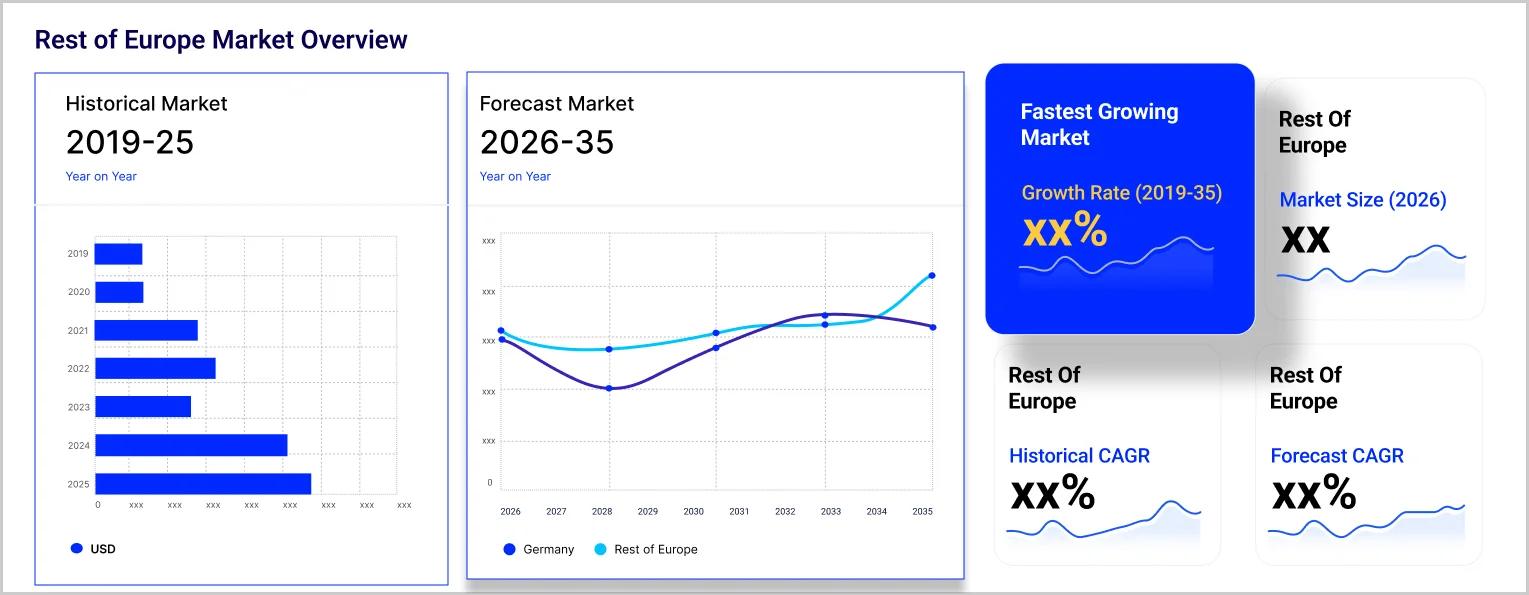
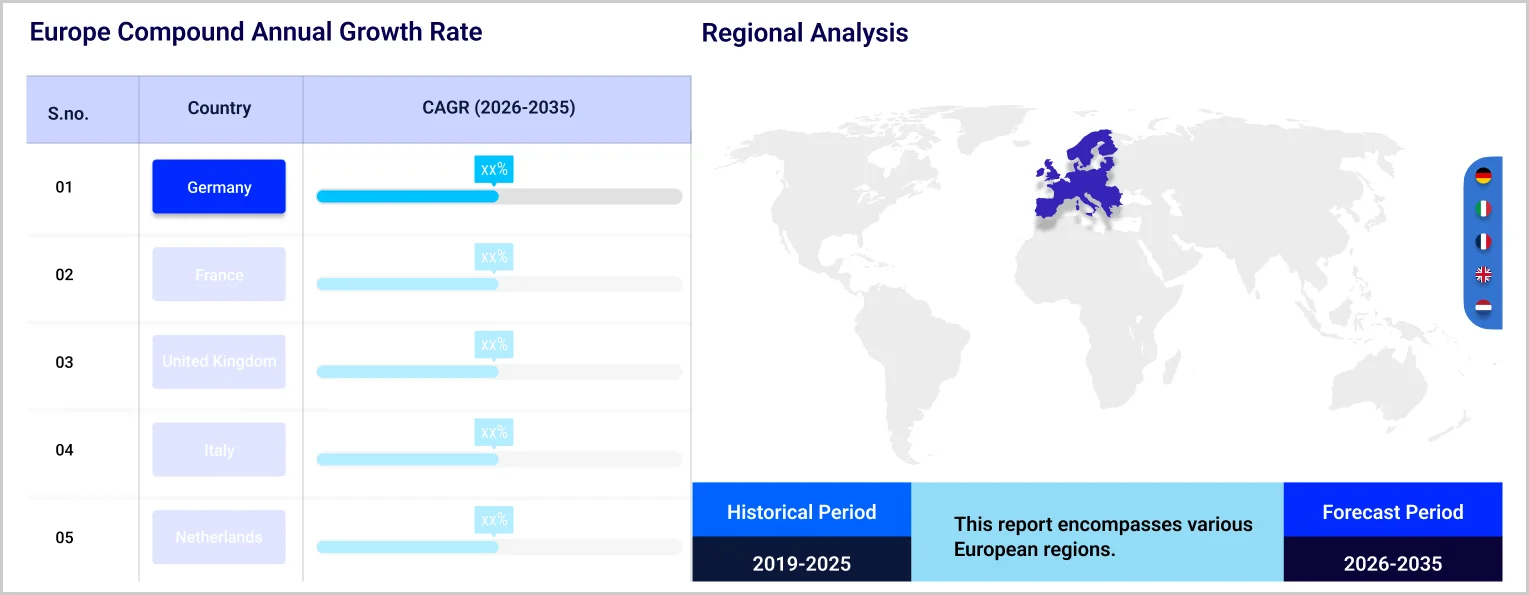
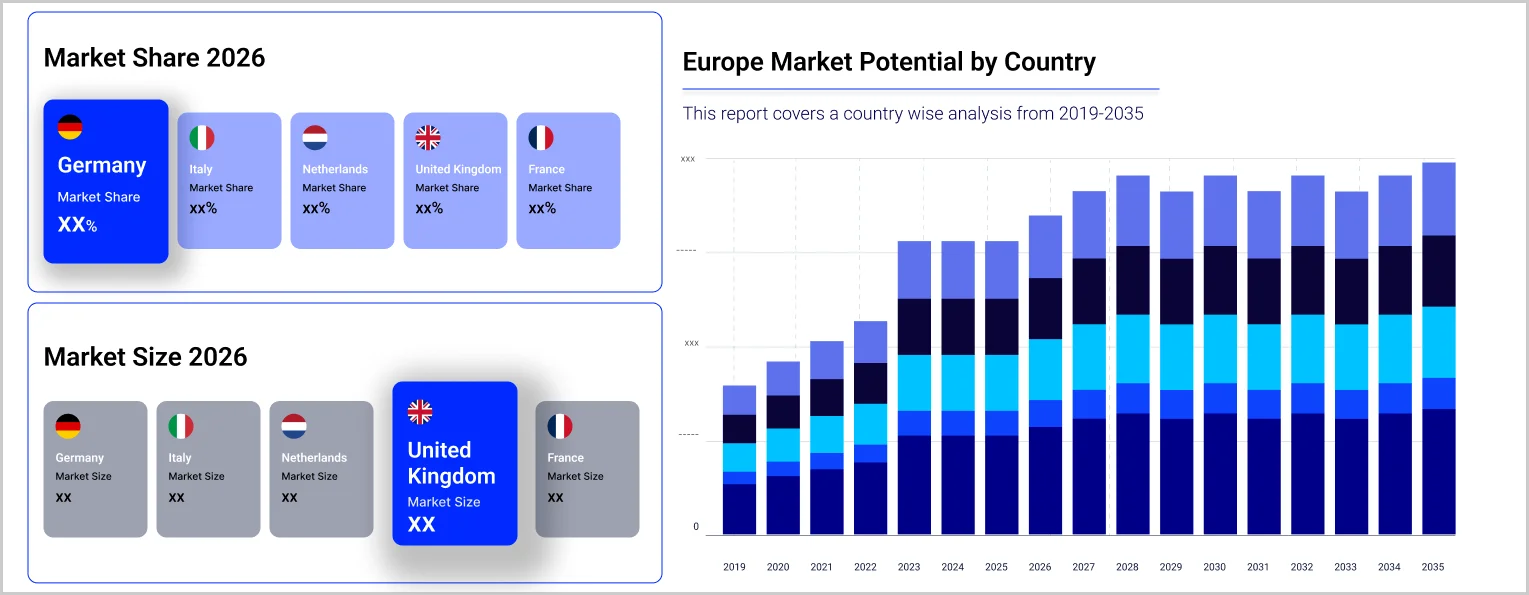
The European logistics market is extensive, with each region playing a vital role in its growth. Germany, located in Central Europe, is a dominant force in the logistics industry due to its advanced infrastructure, including a comprehensive network of roads, railways, and airports. This well-established transport framework facilitates the smooth movement of goods across Europe and beyond. Additionally, Germany’s significant manufacturing base in sectors such as automotive, chemicals, and machinery contributes to the demand for logistics services. The country's emphasis on technological advancements, such as automation and digitalization, further strengthens its logistics sector, making it more efficient and competitive. These factors combine to make Germany one of the largest and most influential logistics hubs in Europe.
The United Kingdom, with its strategic position in Western Europe, holds a critical role in the region's logistics market. The UK is home to some of Europe's busiest ports, such as the Port of Felixstowe and the London Gateway, making it a key player in international trade. Despite the challenges of Brexit, the UK's logistics industry remains resilient, bolstered by its strong transport links, including road, rail, and air infrastructure. Furthermore, the rise of e-commerce has significantly influenced the logistics sector in the UK, as last-mile delivery and digital solutions have gained importance. France also contributes significantly to the logistics landscape, thanks to its well-connected ports like Le Havre and Marseilles, as well as its efficient road and rail networks. Similarly, Italy benefits from its strategic position and high-quality manufacturing industries, such as automotive and fashion, driving the demand for logistics services across Europe. These countries together form the backbone of the European logistics market.
The Europe logistics market is influenced by key drivers such as increasing e-commerce demand, advanced technological trends, and evolving customer expectations. Researchers are analysing data to uncover both the challenges and marketing strategies that can provide a competitive advantage. These dynamics highlight the importance of understanding trends, key drivers, and competitive strategies in the market's growth.
The rapid growth of the e-commerce industry in Europe is a major catalyst driving the expansion of the market.
The growing focus on customer-centric logistics is an emerging trend in the market.
The high operational costs and competitive pricing are significant challenges hindering market growth.
The Europe logistics market is influenced by key market players focusing on sustainability, the development of efficient transport networks, and leveraging technological advancements to streamline operations. Companies are investing in eco-friendly practices, adopting cutting-edge technologies like automation and IoT, and enhancing transportation infrastructure to stay competitive and meet evolving consumer demands.
FedEx Corporation, based in Tennessee, United States is a global leader in logistics, offering services like parcel delivery, freight, and e-commerce solutions. Established in 1971, the company is known for its commitment to innovation, speed, and customer satisfaction in the logistics industry.
*Please note that this is only a partial list; the complete list of key players is available in the full report. Additionally, the list of key players can be customized to better suit your needs.*
The market research and growth report provides an in-depth analysis of the competitive landscape and includes insights into key companies within the market.
Europe Logistics Market Report and Forecast 2026-2035 offers a detailed analysis of the market based on the following segments:
Market Breakup by Type
Market Breakup by Mode of Transport
Market Breakup by End User
Market Breakup by Service
Market Breakup by Country
North America Logistics Market
United Kingdom Cold Chain Logistics Market
Mexico Third-Party Logistics (3PL) Market
North America Contract Logistics Market
South Korea Third-Party Logistics (3PL) Market
Germany Third-Party Logistics (3PL) Market
Saudi Arabia Cold Chain Logistics Market


Upto 15% Off
USD
$2499 $2249
$3999 $3599
$4999 $4249
$5999 $5099


*While we strive to always give you current and accurate information, the numbers depicted on the website are indicative and may differ from the actual numbers in the main report. At Expert Market Research, we aim to bring you the latest insights and trends in the market. Using our analyses and forecasts, stakeholders can understand the market dynamics, navigate challenges, and capitalize on opportunities to make data-driven strategic decisions.*
Get in touch with us for a customized solution tailored to your unique requirements and save upto 35%!
In 2025, the Europe logistics market reached an approximate value of USD 2480.99 Billion.
The market is expected to grow at a 5.40% between 2026 and 2035.
The market is estimated to witness a healthy growth in the forecast period of 2026-2035 to reach USD 4197.89 Billion by 2035.
The market is driven by the growth of e-commerce, which has led to a surge in demand for streamlined logistics and supply chain management solutions.
Key trends aiding the market expansion include the growth of e-commerce, the increasing reliance on 3PLs, integration of technology, and a shift towards customer-centric logistics.
Countries considered in the market are Germany, United Kingdom, France, and Italy, among others.
Based on end user, the market segmentations include manufacturing, consumer goods and retail, food and beverages, IT hardware and telecom, healthcare, chemicals, construction, automotive, and oil and gas, among others.
1 PL, 2 PL, and 3 PL are considered in the report.
Key players in the market are FedEx Corporation, United Parcel Service, Inc., Schenker AG, C.H. Robinson Worldwide Inc., Deutsche Post AG, DSV A/S, CMA CGM Group (CEVA Logistics SA), Kuehne + Nagel International AG, Nippon Express Co., Ltd., Expeditors International of Washington, Inc., Kintetsu World Express Inc., GXO Logistics, Inc., A.P. Møller – Mærsk A/S, BDP International Inc., Bertelsmann SE and Co. KGaA, Bollore SE, Deutsche Bahn AG, Hellmann Worldwide Logistics SE and Co KG, International Distributions Services plc, Nippon Yusen Kabushiki Kaisha, Rhenus SE and Co. KG, SDK FREJA A S, SF Express Co. Ltd., and XPO Inc., among others.
The Europe logistics market is studied from 2026-2035.
Europe occupies a significant market share due to well-established transport framework facilitates, significant manufacturing base in sectors such as automotive, chemicals, and machinery, and country's emphasis on technological advancements.
Explore our key highlights of the report and gain a concise overview of key findings, trends, and actionable insights that will empower your strategic decisions.
| REPORT FEATURES | DETAILS |
| Base Year | 2025 |
| Historical Period | 2019-2025 |
| Forecast Period | 2026-2035 |
| Scope of the Report |
Historical and Forecast Trends, Industry Drivers and Constraints, Historical and Forecast Market Analysis by Segment:
|
| Breakup by Type |
|
| Breakup by Mode of Transport |
|
| Breakup by End User |
|
| Breakup by Service |
|
| Breakup by Region |
|
| Market Dynamics |
|
| Competitive Landscape |
|
| Companies Covered |
|
Datasheet
One User
USD 2,499
USD 2,249
tax inclusive*
Single User License
One User
USD 3,999
USD 3,599
tax inclusive*
Five User License
Five User
USD 4,999
USD 4,249
tax inclusive*
Corporate License
Unlimited Users
USD 5,999
USD 5,099
tax inclusive*
*Please note that the prices mentioned below are starting prices for each bundle type. Kindly contact our team for further details.*
Flash Bundle
Small Business Bundle
Growth Bundle
Enterprise Bundle
*Please note that the prices mentioned below are starting prices for each bundle type. Kindly contact our team for further details.*
Flash Bundle
Number of Reports: 3
20%
tax inclusive*
Small Business Bundle
Number of Reports: 5
25%
tax inclusive*
Growth Bundle
Number of Reports: 8
30%
tax inclusive*
Enterprise Bundle
Number of Reports: 10
35%
tax inclusive*
How To Order

Select License Type
Choose the right license for your needs and access rights.

Click on ‘Buy Now’
Add the report to your cart with one click and proceed to register.

Select Mode of Payment
Choose a payment option for a secure checkout. You will be redirected accordingly.
Strategic Solutions for Informed Decision-Making
Gain insights to stay ahead and seize opportunities.

Get insights & trends for a competitive edge.

Track prices with detailed trend reports.

Analyse trade data for supply chain insights.

Leverage cost reports for smart savings

Enhance supply chain with partnerships.

Connect For More Information
Our expert team of analysts will offer full support and resolve any queries regarding the report, before and after the purchase.
Our expert team of analysts will offer full support and resolve any queries regarding the report, before and after the purchase.
We employ meticulous research methods, blending advanced analytics and expert insights to deliver accurate, actionable industry intelligence, staying ahead of competitors.
Our skilled analysts offer unparalleled competitive advantage with detailed insights on current and emerging markets, ensuring your strategic edge.
We offer an in-depth yet simplified presentation of industry insights and analysis to meet your specific requirements effectively.





Share