

Consumer Insights
Uncover trends and behaviors shaping consumer choices today
Procurement Insights
Optimize your sourcing strategy with key market data
Industry Stats
Stay ahead with the latest trends and market analysis.
The global fiberglass pipes market attained a value of USD 6.31 Billion in 2025 and is projected to expand at a CAGR of 5.40% through 2035. The market is further expected to achieve USD 10.68 Billion by 2035. A major growth factor comes from mining and desalination operators switching from carbon steel to fiberglass piping to tackle scaling, corrosion downtime, and high maintenance labor, especially in remote project sites.
Replacement of legacy steel networks is emerging as a major demand catalyst as operators look for longer-lasting, low-maintenance piping solutions. In June 2025, Cortrol announced the opening of its second fiberglass pipe fabrication facility in Tulsa, United States. The new state-of-the-art facility doubles the company’s fabrication capacity for both custom and standard pipes. The move caputured attention because heat-resistant FRP pipes were historically limited to smaller industrial runs, accelerating the fiberglass pipes market trends and dynamics. The new HPX-Glass line directly targets that capex pain point, especially in mega-projects across Saudi Arabia, UAE, and Singapore where pipe replacement cycles used to pressure operators’ budgets.
A shift is visible in how oil & gas EPCs evaluate fiberglass pipes. Instead of price, engineering teams are comparing failure rates in steam, effluent, and seawater injection environments. Operators seek pipe strings that reduce non-productive time and fit easily into digital condition monitoring workflows. This explains why companies are pushing embedded RFID layers, simple predictive maintenance dashboards, and longer spool lengths that reduce joint installations.
Fiberglass pipe suppliers that combine durability, temperature resilience, and asset-management capabilities are shaping procurement decisions. For example, in November 2023, Baker Hughes announced the launch of its new PythonPipe portfolio, the latest in reinforced thermoplastic pipe (RTP) technology that enables faster installation, reduced time to first production and lower lifecycle emissions, exemplifying new fiberglass pipes market opportunities.
Compound Annual Growth Rate
5.4%
Value in USD Billion
2026-2035
China's composite materials sector made a significant technological advancement with the launch of the DN5000 fiberglass-reinforced plastic (FRP) by Zhongfu Lianzhong. This achievement not only highlights the company's top status in FRP pipe production but also emphasizes China's robust abilities in self-driven innovation in the new materials sector.
Pioneering sustainable technology, Inpipe Sweden AB announced plans to launch its innovative UV-cured GRP liners in the Indian market via a fresh strategic partnership. This fiberglass pipes market development strengthens trenchless rehabilitation solutions in markets with aging sewage infrastructure, accelerating fiberglass adoption without disruptive pipeline replacement.
Hobas Pipe USA, Inc. announced plans to increase its production capacity with the launch of a second manufacturing line. This increases regional supply security and shortens delivery windows, helping North American EPC contractors prioritize fiberglass pipes in fast-track utility and industrial projects.
ZSI revealed the purchase of the StrutTech Fiberglass Strut and Accessories range from Axium Composites. Available under the Wesanco brand, the StrutTech product line will keep delivering the same premium-quality products and wide variety of choices that customers anticipate, featuring both polyester and vinylester resins. This enhances the ecosystem around fiberglass pipelines with compatible support and mounting hardware.
Tighter offshore corrosion standards are prompting operators to adopt GRE and GRP fiberglass pipe systems. Regulators now expect subsea lines to comply with ISO and API corrosion integrity rules, particularly where sour gas and produced water are present. Engineering teams favor fiberglass because the weight is lower, cutting topside deck loads and installation risks, impacting the overall fiberglass pipes market growth. Vendors such as NOV’s Fiber Glass Systems now position Red Thread HP lines, launched in September 2024, for risers, water injection and cooling water loops.
Water injection and produced water handling are turning into a core growth catalyst for fiberglass pipe vendors. API compliant piping systems handle high pressure injection without scaling and corrosion that trouble conventional steel in aggressive reservoirs. In November 2025, Skipper Limited, one of India’s rapidly expanding pipe solution manufacturers, entered into a significant partnership with Lubrizol, the global originator of CPVC (Chlorinated Polyvinyl Chloride) technology, redefining the fiberglass pipes market dynamics. As water injection pipeline projects ramp up in Middle East offshore fields, engineering teams are pre-qualifying GRE pipe for trunk usage.
The energy transition is opening a different pipeline map for fiberglass pipes. Future Pipe Industries promotes GRE systems that are unaffected by hydrogen embrittlement and handle low temperatures in emerging hydrogen and carbon capture projects. Utilities and midstream developers are also trialing composite spools in pilot corridors instead of specifying full steel lines everywhere. This fiberglass pipes market trend lets them test new hydrogen blends while keeping corrosion risk limited. In November 2025, Ukrainian industrial company Interpipe strengthened its presence in Europe’s green technology sector by completing a shipment of linear pipes for a major next-generation biodiesel project in southern Spain.
Water infrastructure and district cooling are turning fiberglass pipes into a default shortlist item for planners. Gulf utilities expanding desalination and cooling networks need pipe systems that survive high chlorides and warm surface temperatures without constant repair. Aramco’s long running seawater injection program already showed how corrosion resistant lines protect groundwater resources and reduce unplanned outages, contributing to the fiberglass pipes market value. In June 2024, REHAU launched its new PP-R fiber range, which means REHAU can now provide a complete O-ring-free plumbing solution for commercial and multi-residential buildings.
Capacity expansion and localization programs are another visible driving factor in the industry. In June 2025, Welspun Corp made strong moves in the pipe manufacturing sector, with major expansion plans both in India and the United States, catering to the local demand in the fiberglass pipes market. These investments signal a wider shift toward region-specific manufacturing footprints, shorter project logistics and faster delivery cycles, encouraging EPC contractors and utilities to source domestically rather than rely on long import lead times.
Read more about this report - REQUEST FREE SAMPLE COPY IN PDF
The EMR’s report titled “Global Fiberglass Pipes Market Report and Forecast 2026-2035” offers a detailed analysis of the market based on the following segments:
Market Breakup by Product
Key Insight: Across all products considered in the fiberglass pipes market report, GRE covers most corrosive services where operators want predictable installation and long life with manageable design complexity. GRP steps in when engineers need extra stiffness and bigger diameters for structural water, cooling or outfall duties that carry tough mechanical loads. The others category usually covers niche composites or hybrid constructions chosen for very specific temperature, chemical or fire performance envelopes.
Market Breakup by Fibre
Key Insight: In terms of fiber, E-glass remains the dominant choice for most utility and industrial lines because it feels proven, affordable and easy to justify in front of reviewers. T, S and R-glass gain popularity as duty cycles or client standards demand extra fatigue or temperature performance, turning them into natural upgrade options for tougher loops, contributing to the fiberglass pipes market revenue.
Market Breakup by End Use
Key Insight: The oil and gas sector remains dominant in the market because it combines harsh fluids, high pressures and remote sites where corrosion control becomes critical. Chemical plants use fiberglass where aggressive media or spills result in frequent inspections. Sewage and irrigation networks form another important growth engine as utilities and farmers try to reduce leakage and extend asset life. “Others” includes power plants, industrial parks and data center cooling corridors where reliability is tied directly to revenue, propelling the fiberglass pipes market value.
Market Breakup by Region
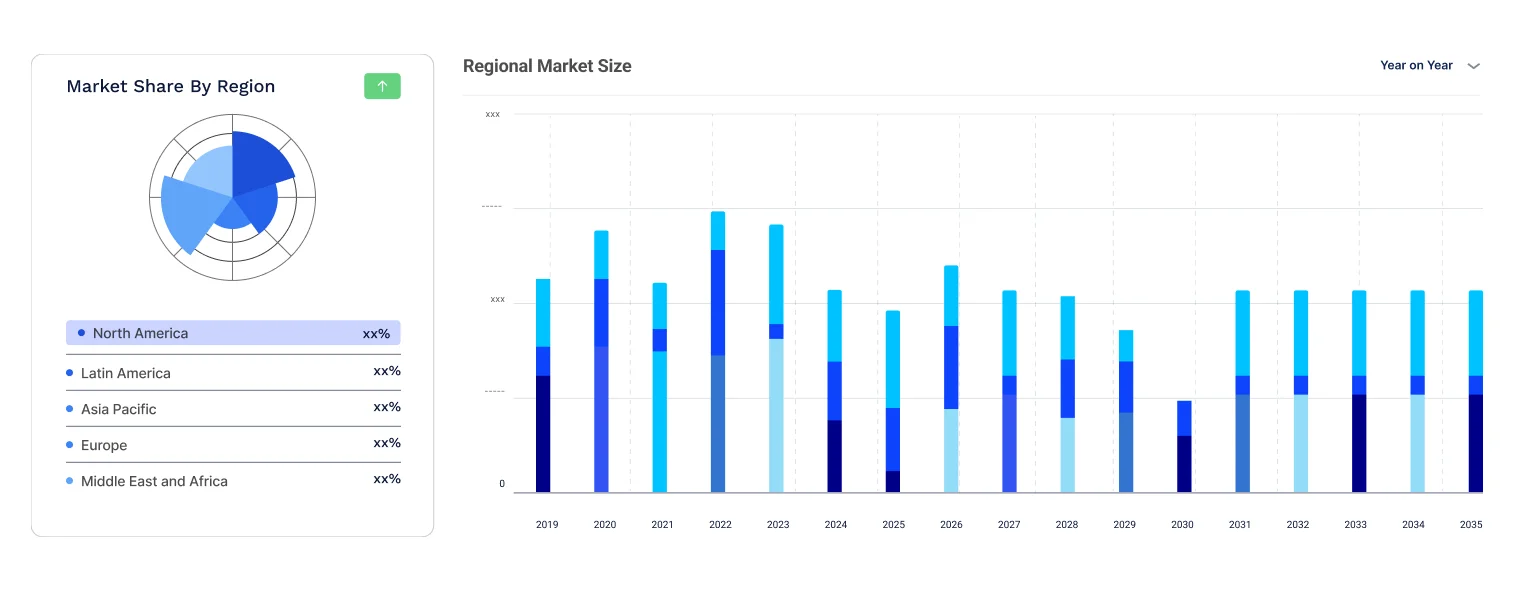
Key Insight: Regional fiberglass pipes market dynamics indicate that the Middle East and Africa region drives volume through upstream, desalination and cooling projects where corrosion and heat are constant. Asia Pacific adds fast growth to the market as industrial clusters and new cities look for durable networks in difficult terrain. North America uses fiberglass selectively for integrity upgrades, water gathering, and specialty utilities. Europe applies composites in energy transition, industrial and district energy schemes with a strong eye on regulation and risk. Latin America contributes through mining belts and remote pipelines.
Read more about this report - REQUEST FREE SAMPLE COPY IN PDF
By product, GRE pipes dominate the market through corrosion resistance and attractive lifecycle economics
GRE pipes position themselves at the center of most fiberglass pipe specifications because it fixes the everyday corrosion headache for oil, gas and water operators. It handles sour fluids, chlorides and abrasive produced water while still working with familiar construction methods. Crews can cut, join and pressure test these pipes without learning all technicalities, so project managers see less schedule risk.
GRP pipe is experiencing rapid growth in the fiberglass pipes market where cities and utilities rebuild heavy infrastructure. Its higher stiffness and ability to support large diameters make it fit for trunk mains, district cooling corridors and desalination outfalls. Engineers can extend spans and reduce support structures while remaining within deflection limits under traffic loads, improving project economics and installation efficiency.
E-glass fiber accounts for the dominant share of the market with balanced strength, cost and broad qualification
E-glass underpins most fiberglass pipe systems because it strikes a practical balance that both engineering and finance teams accept. It delivers solid tensile and hoop strength for produced water, firewater and cooling loops without pushing laminate costs out of line. Manufacturing lines, testing methods and standards are also built around E-glass, and hence, the qualification work is straightforward and fast. In October 2023, Ahlstrom launched the new glass fiber tissue line for high-performance building materials in the United States.
T-glass, S-glass and R-glass fibers are gaining rapid momentum in the fiberglass pipes industry dynamics because they let pipe makers seek higher pressure and more cyclic duties without stepping into alloys immediately. Their higher tensile and fatigue performance lets designers slim wall thickness while keeping safety margins comfortable. This matters in geothermal loops, aggressive injection wells and critical refinery services where bending loads and temperature fluctuations add up quickly.
By end use, oil and gas registers a significant share of the market revenue where corrosive fluids punish steel pipelines
Oil and gas continue to hold the largest share of fiberglass pipe consumption owing to corrosion prevention. Produced water, seawater injection and utility systems can rapidly corrode steel, leading to costly unplanned shutdowns. GRE and GRP pipelines withstand this chemical attack and offer significantly lower weight, reducing structural loads on offshore decks and remote well pads. Spoolable fiberglass lines further shorten construction timelines in deserts, swamps and permafrost regions where heavy equipment access is difficult, improving installation efficiency and overall project reliability.
As per the fiberglass pipes market report, sewage networks emerge as one of the fastest-growing end uses for fiberglass pipes as cities confront leaking and collapsing infrastructures. Aggressive effluents, stray currents, and mixed soils make old metal or concrete pipes fail unevenly, which drives up repair budgets and public frustration. Fiberglass pairs well with trenchless and slip-lining methods that minimize surface disruption in dense neighborhoods.
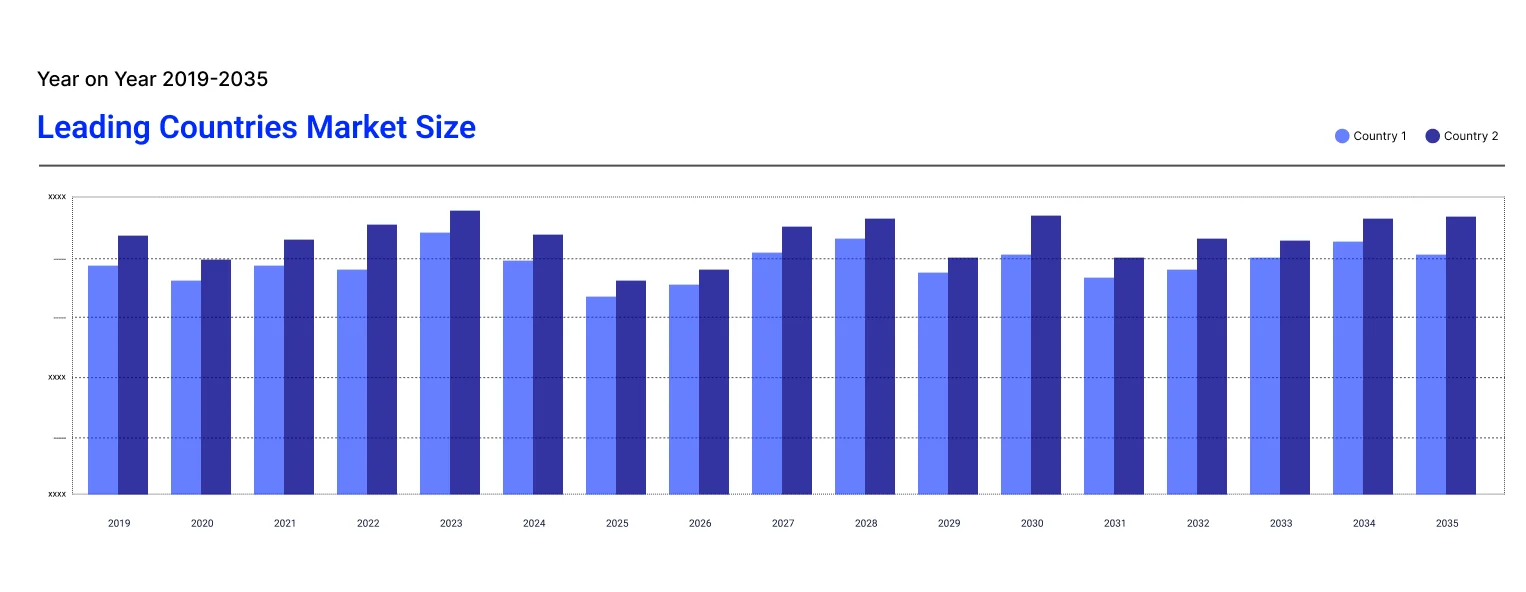
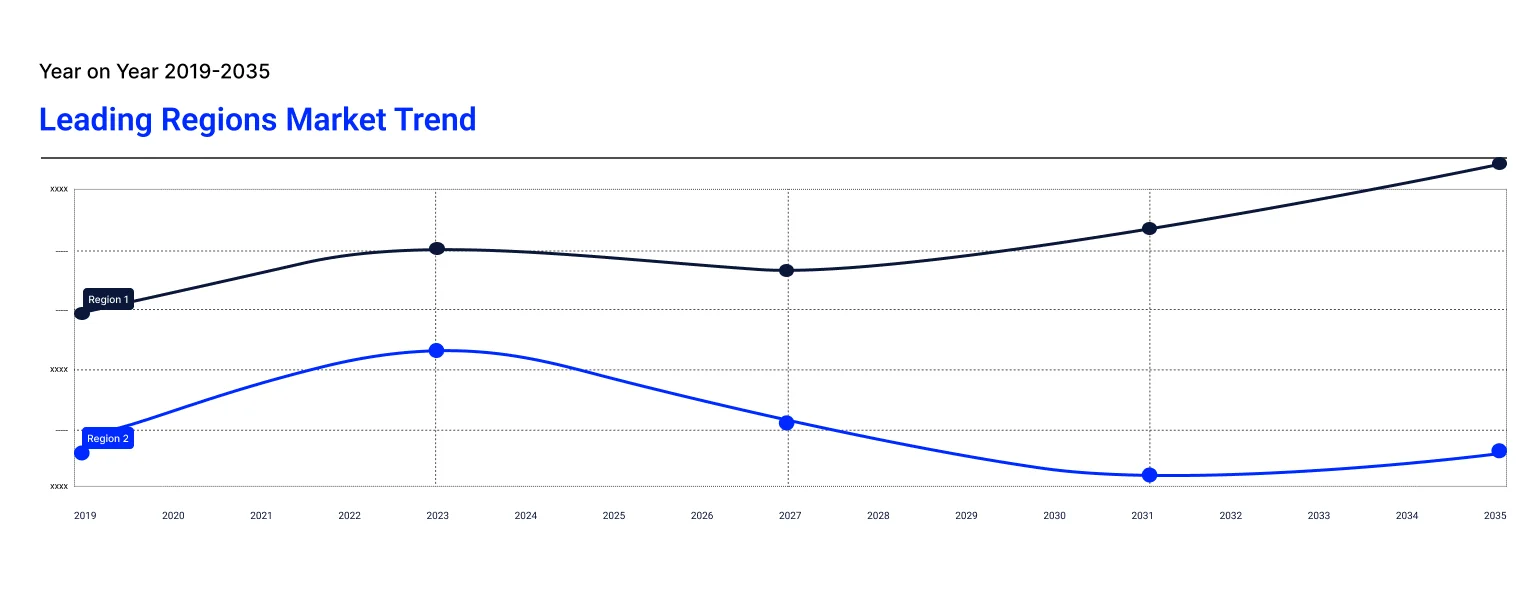
Middle East and Africa lead fiberglass pipe demand growth from energy-water megaprojects
Middle East and Africa is continuously dominating the market because the territory combines huge oil and gas infrastructure with aggressive produced water handling, desalination and district cooling pipelines. Hot climates, saline flows, and long distances prompt asset teams toward fiberglass on non-hydrocarbon service lines. National companies and governments also push local content programs, and as a result, regional fiberglass plants align well with policy goals.
The fiberglass pipes market in Asia Pacific grows at the fastest pace owing to booming industrialization, urban build-out and water stress. New chemical estates, LNG terminals, mining corridors and satellite cities all need corrosion resistant networks that can be installed quickly without oversizing cranes or barge fleets. In April 2025, Shanghai Orisen New Material Technology Co., Ltd introduced their next-generation Fiberglass Stitched Mat series, offering exceptional mechanical properties, uniform fiber distribution, and broad process compatibility to provide superior solutions for wind turbine blades, marine vessels, automotive lightweighting, and construction reinforcement. Fiberglass helps with its lighter weight and flexible construction logistics, especially in hilly terrains and coastal belts.
Major fiberglass pipes market players are developing temperature-resistant laminates, higher pressure ratings, and embedded tracking layers so asset teams can monitor pipe lifecycle in real time. The biggest opportunity lies in replacement of aging steel lines across oil, gas, sewage and district cooling projects where operators want reliability without construction disruption.
Fiberglass pipes companies are building regional manufacturing hubs to cut import lead times and boost tender competitiveness. Another focus area is offering lifecycle service bundles that include design, installation supervision and predictive maintenance dashboards, helping buyers justify the switch from steel to composites. As national utilities and EPC contractors demand standardized performance across geographies, players that scale certifications and digital documentation gain a clear edge.
Founded in 2017 and headquartered in Klagenfurt, Austria, Hobas Technology focuses on centrifugally cast GRP pipelines for sewer and hydropower projects. The company differentiates itself through pressure-tight joints that allow deep trenchless installations with minimal surface disruption.
Established in 1929 and based in Ontario, Canada, Russel Metals serves the fiberglass pipes segment through its energy products division, pairing composite pipe supply with logistics and fabrication services. The company attracts EPC customers by bundling metallurgy, composites and fittings under one procurement roof, reducing supplier fragmentation on large projects.
Founded in 1972 and headquartered in Abu Dhabi, United Arab Emirates, Fibrex Construction Group is known for supplying bespoke GRP pipe systems for district cooling and desalination schemes. It uses in-region manufacturing and flexible spooling options to help contractors finish installations faster in congested industrial zones.
Established in 1973 and headquartered in Milan, Italy, Gruppo Sarplast supplies custom fiberglass pipe networks for oil, gas and industrial processing sectors. It is recognized for laminates tailored to thermal cycling and high-abrasion slurry services that usually push steel past its limits.
*Please note that this is only a partial list; the complete list of key players is available in the full report. Additionally, the list of key players can be customized to better suit your needs.*
Other key players in the market include NOV Inc., and Saudi Arabian Amiantit Co, among others.
Unlock the latest insights with our fiberglass pipes market trends 2026 report. Discover regional growth patterns, consumer preferences, and key industry players. Stay ahead of competition with trusted data and expert analysis. Download your free sample report today and drive informed decisions in the market.


Upto 15% Off
USD
$2499 $2249
$3999 $3599
$4999 $4249
$5999 $5099


*While we strive to always give you current and accurate information, the numbers depicted on the website are indicative and may differ from the actual numbers in the main report. At Expert Market Research, we aim to bring you the latest insights and trends in the market. Using our analyses and forecasts, stakeholders can understand the market dynamics, navigate challenges, and capitalize on opportunities to make data-driven strategic decisions.*
In 2025, the market reached an approximate value of USD 6.31 Billion.
The market is expected to reach a value of USD 10.68 Billion by 2035.
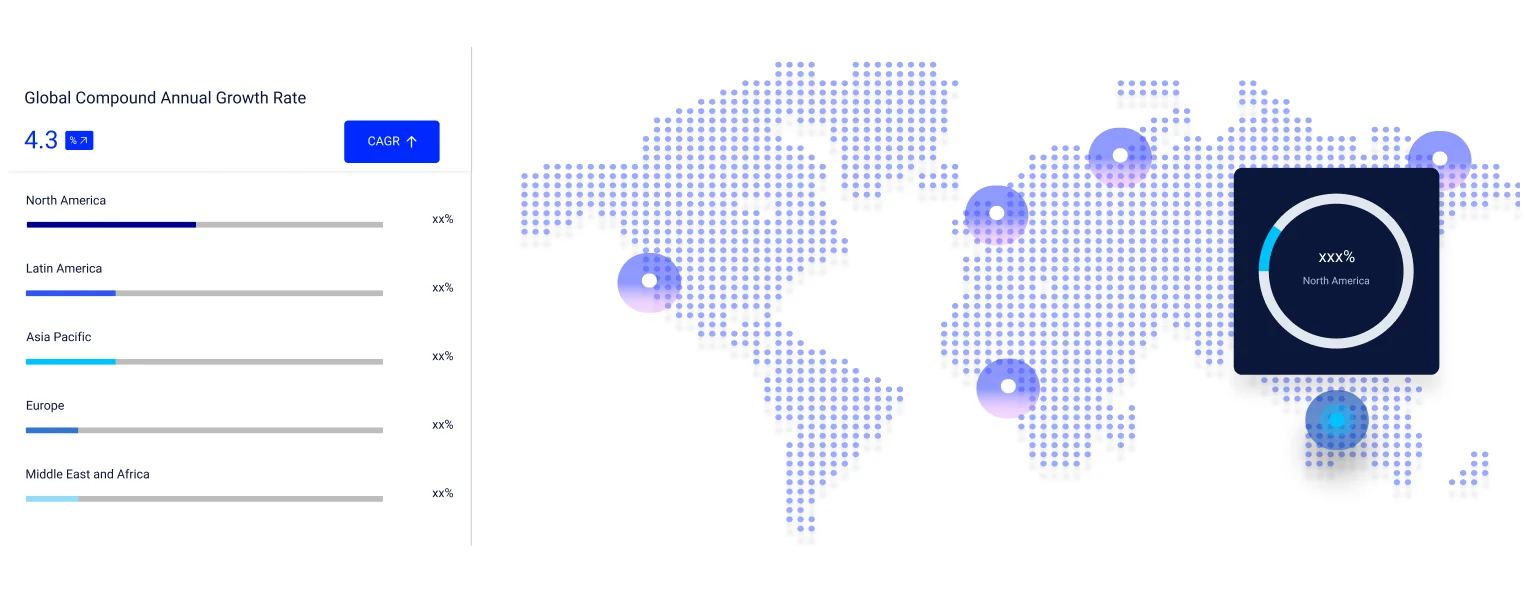
The market is projected to grow at a CAGR of 5.40% between 2026 and 2035.
Players are expanding regional manufacturing, strengthening digital design support, building lifecycle service bundles, partnering with EPC firms, and co-developing pipe specifications with utilities to lock multi-year contracts.
Major trends in the fiberglass pipes market are increasing demand for lightweight piping and corrosion resistant pipes, and rapid urbanisation requiring suitable infrastructure.
The regional markets can be divided into North America, Europe, the Asia Pacific, Latin America, and the Middle East, and Africa.
The key players in the market include Hobas Technology (Amiblu Holding GmbH), Russel Metals Inc., Fibrex Construction Group, Gruppo Sarplast, NOV Inc., and Saudi Arabian Amiantit Co, among others.
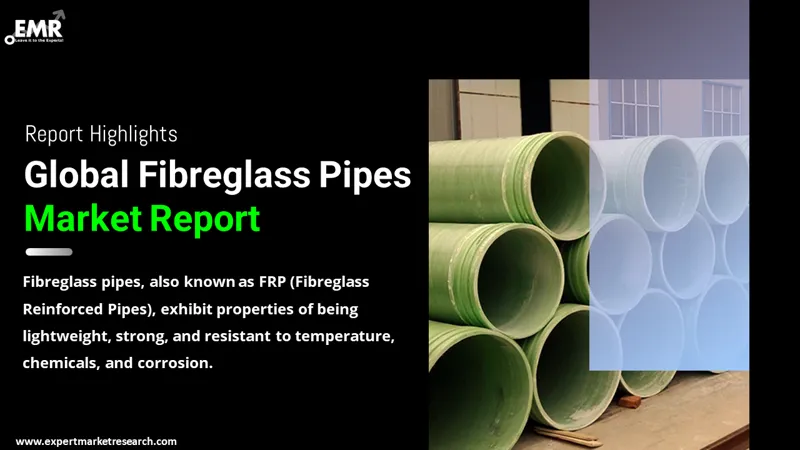
Fiberglass pipes, also known as FRP (Fiberglass Reinforced Pipes), are made of fiberglass and thermosetting resins and are lightweight, and strong pipes that are resistant to temperature, chemicals, and corrosion.
The market is segmented based on product, fibre, end use, and region.
Fiberglass pipes are used in power plant water cooling systems, drinking water projects, sewer systems, irrigation systems, and many other industrial and civic markets.
Companies struggle with high qualification costs, varying regional certification requirements, long sales cycles, and convincing traditional operators to shift from steel despite decades of entrenched procurement practices.
Explore our key highlights of the report and gain a concise overview of key findings, trends, and actionable insights that will empower your strategic decisions.
| REPORT FEATURES | DETAILS |
| Base Year | 2025 |
| Historical Period | 2019-2025 |
| Forecast Period | 2026-2035 |
| Scope of the Report |
Historical and Forecast Trends, Industry Drivers and Constraints, Historical and Forecast Market Analysis by Segment:
|
| Breakup by Product |
|
| Breakup by Fibre |
|
| Breakup by End Use |
|
| Breakup by Region |
|
| Market Dynamics |
|
| Competitive Landscape |
|
| Companies Covered |
|
Datasheet
One User
USD 2,499
USD 2,249
tax inclusive*
Single User License
One User
USD 3,999
USD 3,599
tax inclusive*
Five User License
Five User
USD 4,999
USD 4,249
tax inclusive*
Corporate License
Unlimited Users
USD 5,999
USD 5,099
tax inclusive*
*Please note that the prices mentioned below are starting prices for each bundle type. Kindly contact our team for further details.*
Flash Bundle
Small Business Bundle
Growth Bundle
Enterprise Bundle
*Please note that the prices mentioned below are starting prices for each bundle type. Kindly contact our team for further details.*
Flash Bundle
Number of Reports: 3
20%
tax inclusive*
Small Business Bundle
Number of Reports: 5
25%
tax inclusive*
Growth Bundle
Number of Reports: 8
30%
tax inclusive*
Enterprise Bundle
Number of Reports: 10
35%
tax inclusive*
How To Order

Select License Type
Choose the right license for your needs and access rights.

Click on ‘Buy Now’
Add the report to your cart with one click and proceed to register.

Select Mode of Payment
Choose a payment option for a secure checkout. You will be redirected accordingly.
Strategic Solutions for Informed Decision-Making
Gain insights to stay ahead and seize opportunities.

Get insights & trends for a competitive edge.

Track prices with detailed trend reports.

Analyse trade data for supply chain insights.

Leverage cost reports for smart savings

Enhance supply chain with partnerships.

Connect For More Information
Our expert team of analysts will offer full support and resolve any queries regarding the report, before and after the purchase.
Our expert team of analysts will offer full support and resolve any queries regarding the report, before and after the purchase.
We employ meticulous research methods, blending advanced analytics and expert insights to deliver accurate, actionable industry intelligence, staying ahead of competitors.
Our skilled analysts offer unparalleled competitive advantage with detailed insights on current and emerging markets, ensuring your strategic edge.
We offer an in-depth yet simplified presentation of industry insights and analysis to meet your specific requirements effectively.




