

Consumer Insights
Uncover trends and behaviors shaping consumer choices today
Procurement Insights
Optimize your sourcing strategy with key market data
Industry Stats
Stay ahead with the latest trends and market analysis.
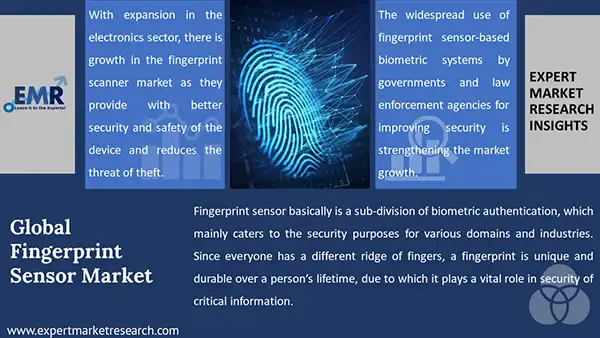
The global fingerprint sensor market was valued at USD 6.47 Billion in 2025. The market is expected to grow at a CAGR of 15.80% during the forecast period of 2026-2035 to reach a value of USD 28.05 Billion by 2035. This growth is attributed to the increasing convergence of biometric authentication with multifunctional, scalable, and secure identity solutions across industries.
The rising trend of smaller sensor components and the development of energy-efficient fingerprint sensors are driving the global fingerprint sensor market growth, as well as enabling their incorporation into small and battery-powered devices, including wearables and smart cards. Moreover, the increased focus on multi-factor authentication solutions is positively influencing the introduction of fingerprint sensors in addition to other security measures to improve the overall system. Such developments are facilitating broader implementation in niche applications, such as secure access keys and next-generation authentication hardware.
In addition, as organizations focus on a smooth and secure verification, businesses are integrating advanced fingerprint technologies into devices like POS machines, tablet computers, and mobile devices to boost security and efficiency. Strategic consolidation is transforming the competitive environment alongside product innovation, and the ability to enhance capabilities, minimize costs, and improve global reach. In order to meet the evolving needs of businesses, governments, and fintech firms, there is a dual trend in the fingerprint sensor market of technology integration and industry consolidation. Aligning with this trend, in March 2026, TVS Electronics Ltd. introduced biometric-enabled devices with STQC-approved sensors and L0/L1 FPR technology in order to facilitate secure KYC operations. On the other hand, in March 2026, Precise Biometrics AB and Fingerprint Cards AB announced a merger to enable the achievement of cost synergies and increase integrated biometric solution offerings.
Compound Annual Growth Rate
15.8%
Value in USD Billion
2026-2035
Read more about this report - REQUEST FREE SAMPLE COPY IN PDF
| Global Fingerprint Sensor Market Report Summary | Description | Value |
| Base Year | USD Billion | 2025 |
| Historical Period | USD Billion | 2019-2025 |
| Forecast Period | USD Billion | 2026-2035 |
| Market Size 2025 | USD Billion | 6.47 |
| Market Size 2035 | USD Billion | 28.05 |
| CAGR 2019-2025 | Percentage | XX% |
| CAGR 2026-2035 | Percentage | 15.80% |
| CAGR 2026-2035 - Market by Region | Asia Pacific | 17.5% |
| CAGR 2026-2035 - Market by Country | China | 16.8% |
| CAGR 2026-2035 - Market by Country | UK | 16.4% |
| CAGR 2026-2035 - Market by Type | FAP 30 | 18.3% |
| CAGR 2026-2035 - Market by End Use | Government and Law Enforcement | 16.2% |
| Market Share by Country 2025 | Germany | 5.5% |
Indian Link Chain Manufacturers Limited launched the first fully indigenous fingerprint sensor module with high sensitivity, energy efficiency, and in-house IP. Its development allows end-to-end production domestically and less reliance on imports, empowering semiconductor companies and facilitating scalable integration of fingerprint sensors.
Infineon Technologies introduced automotive-qualified fingerprint sensor ICs (CYFP10020 series) that can be used in driver authentication, in-vehicle personalization, and secure payment (charging and parking) applications. The sensors are highly accurate and meet car requirements. Such developments reflect the growing integration of biometrics in mobility and the diversification of the global fingerprint sensor market.
Google integrated Qualcomm 3D Sonic Gen 2 ultrasonic fingerprint sensors into the Pixel 9 line. These sensors are much faster and enable more precise and better performance. Such replacement of optical sensors overcomes the previous limitations and facilitates the wider implementation of superior biometric technologies in the fingerprint sensor.
M-Tech Mobile released its Eros Smart 4G VoLTE smartphone with built-in fingerprint sensor technology, targeting underserved markets. The biometric authentication mechanism in cheaper products increases accessibility and promotes penetration in the dynamic markets, leading to volume-related growth in the fingerprint sensor market.
There is a growing trend of local production and technological independence as a factor of growth in the fingerprint sensor industry. Firms are also moving toward the creation of homegrown sensor systems to create less dependence on imports and enhance supply chains. Such initiatives are also facilitating rapid customization and deployment in applications, including e-governance and IoT. In January 2026, RRP Electronics introduced the first local fingerprint sensor module equipped with edge AI in India, which is a major breakthrough in local innovation.
The current and ongoing advancement of sensing technologies is significantly boosting the fingerprint sensor market value. The shift to full screen and multi-fingerprint sensors is enhancing convenience and security. These improvements bring in the ability to authenticate multiple fingerprints at the same time and thus decrease false acceptances significantly. For example, Samsung Electronics has introduced the design of an all-screen fingerprint scanner, claimed to be up to 2.5 billion times more secure, positioning it as a potential new standard for next-generation biometric authentication.
The adoption of international standards and certification systems is also having a significant impact on scaling biometric payment solutions in the international fingerprint sensor industry. Regulatory and industrial authorities are facilitating interoperability, reliability, and compliance, which is necessary in high-scale deployment. These models are minimizing the time to market of new solutions, and they are also meeting security standards. For example, in March 2026, Fime was recognized by EMVCo to test biometric card sensors, facilitating the shift of biometric payment cards from pilot stages to commercialization.
The integration of fingerprint sensors into broader biometric ecosystems is driving innovation across the global fingerprint sensor market. The companies are coming up with solutions that integrate hardware modules with superior software platforms in order to facilitate a smooth authentication process of hardware and applications. This integration is promoting scalability and assisting in multi-use deployment in sectors. For example, in August 2024, Neurotechnology endorsed various new devices, such as rugged biometric tablets and OEM fingerprint modules, representing increased innovation at the ecosystem level and interoperability.
In the global fingerprint sensors market, authentication is being significantly improved through technological inventions of sensing mechanisms. The move towards ultrasonic fingerprint solutions is enhancing the picture quality, speed, and precision, even in adverse circumstances. Such improvements are also facilitating the smooth incorporation of contemporary smartphone models. For example, in May 2024, Goodix introduced an ultrasonic fingerprint solution for a Vivo flagship device, which promotes large-scale commercialization and enhanced user experience.
Read more about this report - REQUEST FREE SAMPLE COPY IN PDF
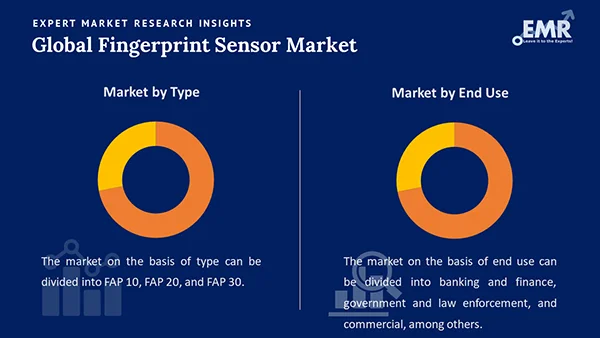
The EMR’s report titled “Global Fingerprint Sensor Market Report and Forecast 2026-2035” offers a detailed analysis of the market based on the following segments:
Market Breakup by Type
Key Insight: The FAP 10, FAP 20, and FAP 30 segments in the fingerprint sensor market have their own performance standards and security needs in various applications. FAP 10 has a strong presence in consumer electronics and commercial equipment, as it is both cheaper and smaller in size than FAP 20, which is gaining popularity in enterprise and financial applications that demand more accuracy and compliance. The major applications that make use of FAP 30 are those of government and law enforcement that require strict identification requirements. In December 2025, SecuGen enhanced its Unity fingerprint scanner by adding scalability support, enabling broader deployment, improved system flexibility, and integration.
Market Breakup by End Use
Key Insight: The banking and finance, government and law enforcement, commercial, and other sectors are major areas of adoption as considered in the fingerprint sensor market report, due to increasing digitalization and security issues. Biometric-approved fraud detection and payment authentication systems are being used to expand banking applications, and high-precision identification technologies are being increasingly focused on by government and law enforcement authorities. Commercial applications such as workforce management and access control are expanding steadily, alongside emerging use cases in healthcare and travel sectors. Companies like Samsung Electronics are launching an all-in-one fingerprint security IC on biometric payment cards, which would increase the security of the transactions.
Market Breakup by Region
Key Insight: North America is dominating the fingerprint sensor market globally with high use of enterprise adoption and a well-developed cybersecurity infrastructure, whereas Europe focuses on compliance-based biometric systems that are supported by regulatory authorities. Asia Pacific emerges to be the fastest-growing region, mainly due to the government ID programs on a large scale and the high penetration of smartphones. The gradual increase in Latin America, the Middle East & Africa is driven by the development of fintech and investment in border security systems. The players in the market are increasing their presence in the emerging and developed markets by forming regional partnerships, local production capacities, and government collaborations.
Read more about this report - REQUEST FREE SAMPLE COPY IN PDF
By type, the FAP 30 category is gaining momentum from high-security identity deployments
FAP 30 sensors witness the highest demand in the fingerprint sensor market as increasing numbers of people become dependent on secure, large-scale services, using them for identity verification. Such sensors are finding their way into more applications like national ID programs, elections, and high-value financial authentication, where a high-quality image is crucial. Participants in the market are responding with high-performance solutions that are robust and scalable in order to meet compliance. In June 2025, NEXT biometrics introduced a FAP 30 fingerprint sensor focusing on such high-security and high-volume application settings.
The growing demand for cost-effective yet high-quality biometric solutions is driving the adoption of FAP 20 sensors across enterprise and financial ecosystems in the fingerprint sensor market. The applications of these sensors are wide, including POS systems, workforce management, and secure access control, where a balanced performance is needed. Businesses are increasing the supply capacity and reinforcing channel alliances to scale up adoption. For example, NEXT Biometrics reported steady commercial traction, securing an order worth NOK 3.5 million for its FAP 20 sensors in February 2026.
By end-use, the banking and finance category is advancing with biometric payment integration
The banking and finance sector contributes the highest to the fingerprint sensor market revenue, owing to the ongoing shift towards smooth and safe online transactions. Banks are starting to add fingerprint authentication to their payment systems to protect against fraud and to improve the end-user experience. This change is promoting the development of biometric-based financial solutions. For instance, in March 2024, the National Payments Corporation of India facilitated biometric authentication in BHIM UPI, a groundbreaking achievement in the safe digital payment system.
Governance systems and the need to handle more data digitally are increasing rapidly, fueling the growth of the fingerprint sensor market within the government and law enforcement practices sector. Biometric systems are being implemented to verify identities, attendance, and surveillance, and increase the transparency and efficiency of operations. Market players are also introducing embedded and mobile solutions to support real-time, on-the-go applications. For instance, in February 2026, Realtime Biometrics launched a biometric attendance system, with fingerprint and facial recognition technology to increase functionality.
Read more about this report - REQUEST FREE SAMPLE COPY IN PDF
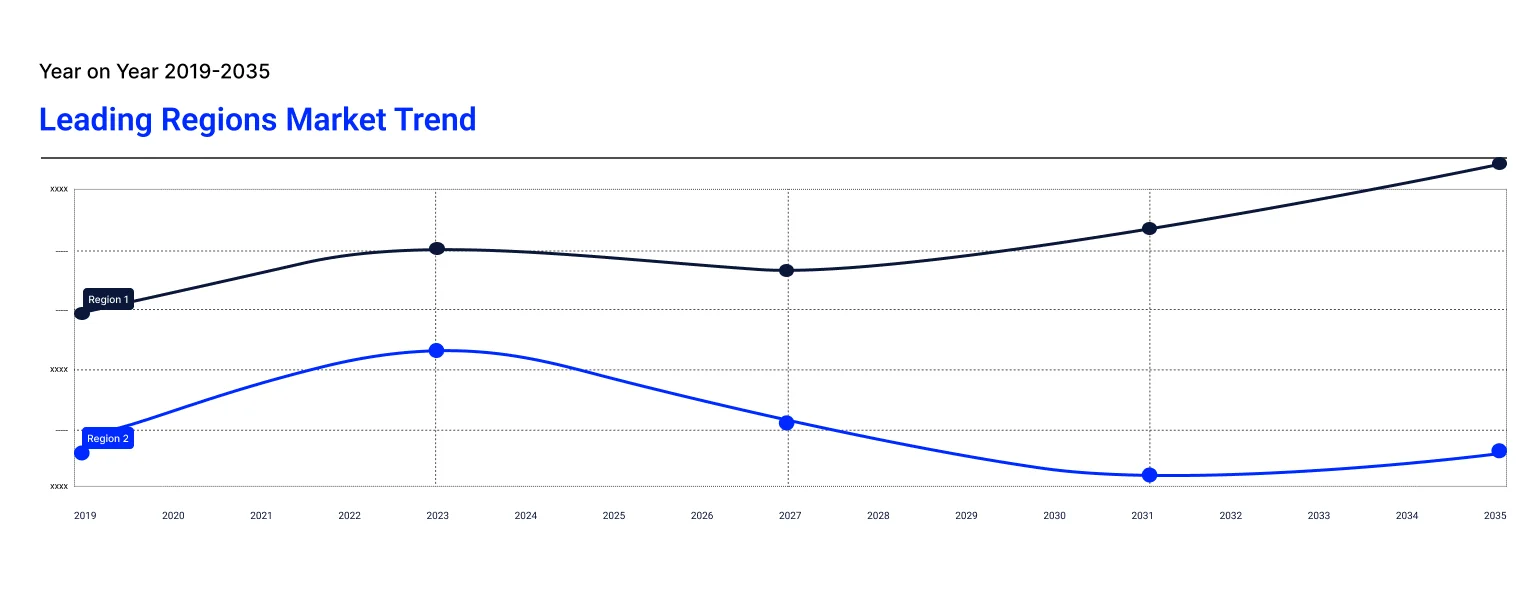
By region, Asia Pacific dominates the market, owing to the expanding biometric ecosystems and market entry strategies
The accelerated rate of digitalization, coupled with growing investments in biometric infrastructure, is making the Asia Pacific a major hub, accounting for the largest share in the fingerprint sensor market. Fintech ecosystems and a large-scale identification campaign are being introduced in nations like India and China, resulting in widespread acceptance. In order to create a foothold, industry participants are also expanding into other markets and obtaining regional contracts. For instance, in February 2026, NEXT Biometrics entered Malaysia, and the company received a new order in India; this indicates a high level of demand in the region.
North America maintains a strong position in the global fingerprint sensor market, driven by significant investments in public safety technologies and early adoption of increasingly advanced authentication systems. The demand for high-performance, portable biometric devices for use in business and law enforcement is also booming in the region. Businesses are striving to increase field operations' mobility and accuracy. For instance, to strengthen the law enforcement technology, IDEMIA released a handheld fingerprint biometric device in June 2023.
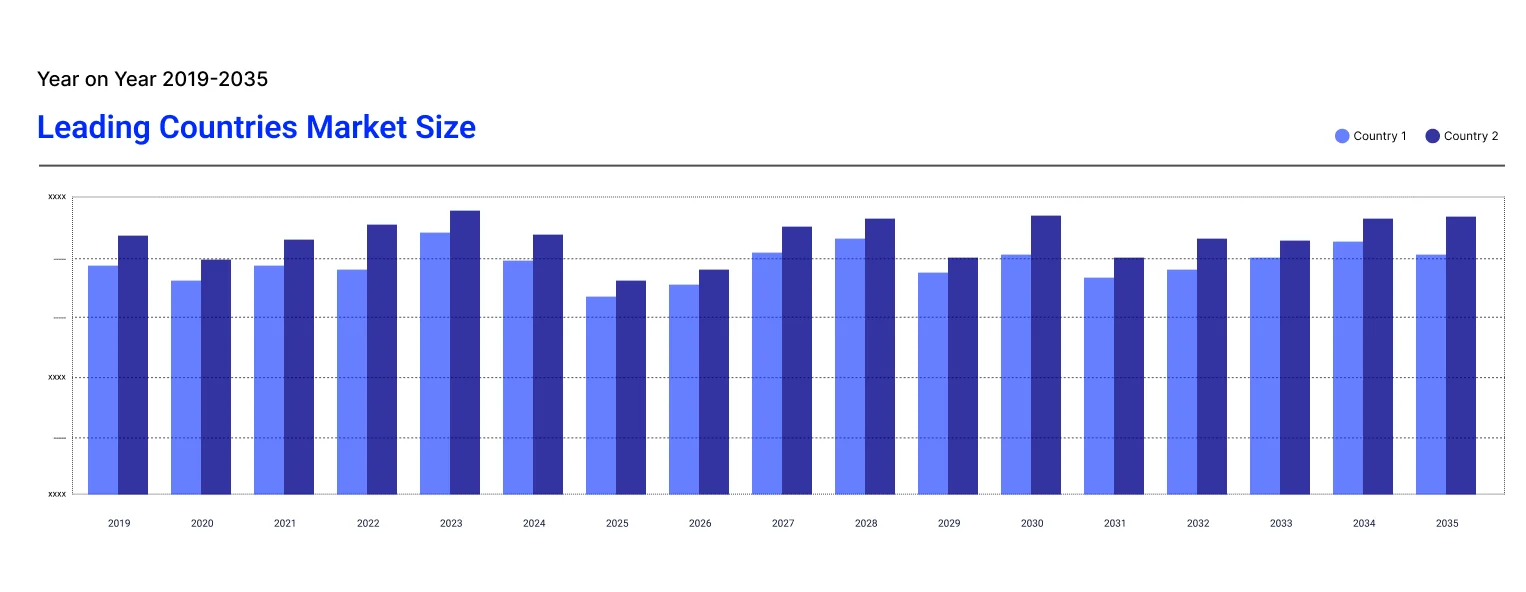
| CAGR 2026-2035 - Market by | Country |
| China | 16.8% |
| UK | 16.4% |
| Mexico | 16.4% |
| USA | 16.2% |
| Saudi Arabia | 14.9% |
| Canada | XX% |
| Germany | 14.8% |
| France | XX% |
| Italy | XX% |
| Japan | XX% |
| India | XX% |
| Australia | XX% |
| Brazil | XX% |
The top fingerprint sensor market players are prioritizing intensive research and development in order to improve sensing accuracy, speed, and reliability. There are major endeavors being made to develop under-display, ultrasonic, and AI-powered biometric technology to aid the next generation of devices. Moreover, the presence of strategic partnerships with device manufacturers and technology providers is facilitating the smooth integration of fingerprint sensors in both smartphones and laptops and in new IoT applications.
At the same time, fingerprint sensor companies are increasing their presence by diversifying geographically as well as venturing into high-growth areas, including digital payments, cars, and government identification systems. Players are enhancing supply chains and tech portfolios through investments in scalable production capabilities, as well as mergers and acquisitions. All these strategic moves are helping to increase the wider adoption, enhance availability, and spur a long-term market growth.
Apple Inc. is a multinational consumer electronics and software ecosystem company headquartered in Cupertino, California, the United States, and was established in 1976. The company incorporates modern fingerprint sensors like Touch ID into its gadgets that support the secure authentication process, boosting the user experience of the entire product range.
Egis Technology Inc. is a Taiwan-based biometrics authentication firm that was established in 2004 and operates from Taipei, Taiwan. Its well-established OEM partnerships, along with continuous innovation in capacitive and optical sensing technologies, are key strengths of the company.
IDEMIA, was established in 2017 and is based in Courbevoie, France, and is a major provider of augmented identity solutions. It provides government, travel, and financial systems with the latest fingerprint recognition technology, while specializing in security and scalable biometric authentication services.
Synaptics Incorporated, established in 1986 and based in San Jose, California, United States, is a company that designs human interface devices, such as fingerprint sensors and touch controllers. The company directs its efforts to the development of under-display and AI-enabled technology related to biometrics on mobile and enterprise platforms.
*Please note that this is only a partial list; the complete list of key players is available in the full report. Additionally, the list of key players can be customized to better suit your needs.*
Other key players in the market include Thales Group, among others.
Explore the latest trends shaping the global fingerprint sensor market 2026-2035 with our in-depth report. Gain strategic insights, future forecasts, and key market developments that can help you stay competitive. Download a free sample report or contact our team for customized consultation on global fingerprint sensor market trends 2026.


Upto 15% Off
USD
$2499 $2249
$3999 $3599
$4999 $4249
$5999 $5099


*While we strive to always give you current and accurate information, the numbers depicted on the website are indicative and may differ from the actual numbers in the main report. At Expert Market Research, we aim to bring you the latest insights and trends in the market. Using our analyses and forecasts, stakeholders can understand the market dynamics, navigate challenges, and capitalize on opportunities to make data-driven strategic decisions.*
In 2025, the global fingerprint sensor market reached an approximate value of USD 6.47 Billion.
The market is projected to grow at a CAGR of 15.80% between 2026 and 2035.
Key strategies driving the market include continuous research and development investments in advanced sensing technologies, strategic partnerships with smartphone OEMs, and expansion into emerging applications such as automotive and IoT devices.
The key trends guiding the market growth include rapid technological advancements and the development of more user-friendly forms of fingerprint sensors.
The major regions in the market are North America, Latin America, the Middle East and Africa, Europe, and the Asia Pacific.
The major types of fingerprint sensor include FAP 10, FAP 20, and FAP 30.
The various end uses of fingerprint sensor are banking and finance, government and law enforcement, and commercial, among others.
The key players in the market include Apple Inc., Egis Technology Inc., IDEMIA, Synaptics Incorporated, and Thales Group, among others.
The market is estimated to witness a healthy growth in the forecast period of 2026-2035 to reach USD 28.05 Billion by 2035.
The major challenges that the global fingerprint sensor market players face includes high integration costs, concerns over data privacy and security, and performance limitations under certain environmental conditions such as moisture or dirt.
Explore our key highlights of the report and gain a concise overview of key findings, trends, and actionable insights that will empower your strategic decisions.
| REPORT FEATURES | DETAILS |
| Base Year | 2025 |
| Historical Period | 2019-2025 |
| Forecast Period | 2026-2035 |
| Scope of the Report |
Historical and Forecast Trends, Industry Drivers and Constraints, Historical and Forecast Market Analysis by Segment:
|
| Breakup by Type |
|
| Breakup by End Use |
|
| Breakup by Region |
|
| Market Dynamics |
|
| Competitive Landscape |
|
| Companies Covered |
|
| Report Price and Purchase Option | Explore our purchase options that are best suited to your resources and industry needs. |
| Delivery Format | Delivered as an attached PDF and Excel through email, with an option of receiving an editable PPT, according to the purchase option. |
Datasheet
One User
USD 2,499
USD 2,249
tax inclusive*
Single User License
One User
USD 3,999
USD 3,599
tax inclusive*
Five User License
Five User
USD 4,999
USD 4,249
tax inclusive*
Corporate License
Unlimited Users
USD 5,999
USD 5,099
tax inclusive*
*Please note that the prices mentioned below are starting prices for each bundle type. Kindly contact our team for further details.*
Flash Bundle
Small Business Bundle
Growth Bundle
Enterprise Bundle
*Please note that the prices mentioned below are starting prices for each bundle type. Kindly contact our team for further details.*
Flash Bundle
Number of Reports: 3
20%
tax inclusive*
Small Business Bundle
Number of Reports: 5
25%
tax inclusive*
Growth Bundle
Number of Reports: 8
30%
tax inclusive*
Enterprise Bundle
Number of Reports: 10
35%
tax inclusive*
How To Order

Select License Type
Choose the right license for your needs and access rights.

Click on ‘Buy Now’
Add the report to your cart with one click and proceed to register.

Select Mode of Payment
Choose a payment option for a secure checkout. You will be redirected accordingly.
Strategic Solutions for Informed Decision-Making
Gain insights to stay ahead and seize opportunities.

Get insights & trends for a competitive edge.

Track prices with detailed trend reports.

Analyse trade data for supply chain insights.

Leverage cost reports for smart savings

Enhance supply chain with partnerships.

Connect For More Information
Our expert team of analysts will offer full support and resolve any queries regarding the report, before and after the purchase.
Our expert team of analysts will offer full support and resolve any queries regarding the report, before and after the purchase.
We employ meticulous research methods, blending advanced analytics and expert insights to deliver accurate, actionable industry intelligence, staying ahead of competitors.
Our skilled analysts offer unparalleled competitive advantage with detailed insights on current and emerging markets, ensuring your strategic edge.
We offer an in-depth yet simplified presentation of industry insights and analysis to meet your specific requirements effectively.




