

Consumer Insights
Uncover trends and behaviors shaping consumer choices today
Procurement Insights
Optimize your sourcing strategy with key market data
Industry Stats
Stay ahead with the latest trends and market analysis.
The Japan shampoo market size was valued at USD 2.52 Billion in 2025. The industry is expected to grow at a CAGR of 4.20% during the forecast period of 2026-2035 to reach a valuation of USD 3.80 Billion by 2035.
The growing trend towards personalised hair care solutions is gaining momentum in Japan. Consumers are seeking shampoos tailored to their specific hair types and concerns, such as dryness, dandruff, or color-treated hair. The strong preference for premium, functional, and aesthetically appealing products has bolstered the need for advanced research and development. In January 2023, a study from the Kao’s Analytical Science Research Laboratories and Hair Care Products Research Laboratories showed that UV rays were closely related to frizzy hair occurring on the head’s outer layer.
Consumers are increasingly aware of the harmful effects of chemicals like parabens and sulfates in shampoos. This awareness has led to a surge in demand for natural and organic hair care products. In April 2024, Japanese confectionery firm Shinkinedo’s hair care portfolio, derived from upcycled chestnut skin, began its sales to 14 countries across the world through Amazon. Brands are also responding by launching products that emphasize natural ingredients and eco-friendly packaging. This shift aligns with the growing consumer preference for health-conscious and sustainable products.
The influence of Korean beauty (K-beauty) trends remains strong in Japan shampoo market, particularly in multi-step hair care routines and specialized treatments. In March 2025, e-commerce platform Qoo10 Japan announced plans of fostering 20 K-beauty brands valued at 100 billion yen as well 100 brands worth 10 billion yen via partnership with Korea’s leading cosmetics firm Cosmax. Further, consumers are adopting hair care routines inspired by these trends, which emphasise multi-step processes and specialised products. Concurrently, Japanese consumers continue investing in premium shampoos that offer superior formulations and targeted benefits, emphasizing ingredients like rice bran oil and fermented extracts known for enhancing hair health.
Compound Annual Growth Rate
4.2%
Value in USD Billion
2026-2035
| Japan Shampoo Market Report Summary |
Description |
Value |
|
Base Year |
USD Billion |
2025 |
|
Historical Period |
USD Billion |
2019-2025 |
|
Forecast Period |
USD Billion |
2026-2035 |
|
Market Size 2025 |
USD Billion |
2.52 |
|
Market Size 2035 |
USD Billion |
3.80 |
|
CAGR 2019-2025 |
Percentage |
XX% |
|
CAGR 2026-2035 |
Percentage |
4.20% |
|
CAGR 2026-2035- Market by Distribution Channel |
Online |
9.4% |
|
CAGR 2026-2035 - Market by Distribution Channel |
Drug Stores and Pharmacies |
4.7% |
|
CAGR 2026-2035 - Market by Price Category |
Premium |
5.3% |
|
CAGR 2026-2035 - Market by End User |
Women |
4.6% |
Japanese hair care brand MEDULLA has introduced its new serum shampoo for addressing various hair damage concerns faced by consumers and catering to the needs of incoming bath-cancelling community. The shampoo is creating with top-quality ingredients inspired by skin care and aesthetic medicine.
Wellness brand Innersense Organic Beauty signed a new partnership with Mash Beauty Lab to mark its entry in the Asian market. This collaboration was named Innersense Asia and introduced the award-winning brand to specialty and luxury retail stores in addition to professional spas and salons throughout the continent.
Japanese cosmetics firm Kao Corporation, inspired by the emerging trends in hair and scalp skinification, expanded its hair care product line with more premium products to offer enhanced men hair care solutions. This helped the firm to broaden its offerings in the space of men grooming.
Japan-based Otsuka Pharmaceutical Co., Ltd. introduced the Scalp Shampoo Volume-up, an addition to its UL•OS range of men's body care products. The newly launched UL•OS Scalp Shampoo Volume-up mainly addresses concerns related to hair texture, volume, and resilience.
Japan's ageing population, which reached 36.25 million individuals aged 65 and above in September 2024 (representing nearly 29% of the total population), is reshaping the Japan shampoo market. The elderly population's preference for gentle, medicated, and restorative formulations is evident. Brands like Kao and Shiseido have introduced products targeting these concerns, such as anti-hair loss and scalp-nourishing shampoos. This demographic shift is pushing brands to innovate with gentler formulations and targeted marketing campaigns focusing on wellness and anti-ageing benefits.
Millennials, comprising roughly 21% of Japan’s population (around 27 million as of mid-2024), are driving premiumization in the shampoo market. This cohort prioritizes sustainability and ethical consumption, investing in products that feature natural ingredients, cruelty-free certifications, and transparent sourcing. Brands like Shiseido’s “Sublimic” and global offerings from L'Oréal and Aveda are capitalising on this shift, offering shampoos that combine performance, luxury, and ethical sourcing.
The Japan shampoo market revenue will enhance with the greater emphasis on scalp health as it is an integral part of overall hair care. Shampoos designed to cleanse, exfoliate, and balance the scalp are in demand. Products containing ingredients like tea tree oil, salicylic acid, and charcoal are popular for their purifying properties. Brands are promoting scalp health as essential for healthy hair growth, leading to the development of specialised scalp care shampoos. In February 2023, Unilever introduced its Japanese Michiru hair-care brand to American market to generate significant revenue amidst the boom in scalp-care brands.
The preference for dry shampoos in Japan is growing steadily, driven by convenience, changing lifestyles, and environmental awareness. Urban consumers, especially young professionals and women, favor dry shampoos for quick hair refreshment without water. The trend is also fueled by increased awareness of water conservation and hair health, as over-washing can damage hair. In April 2023, Kao Corporation announced the sales of Space Shampoo Sheet, its new dry shampoo. The product is available in limited quantities across Rakuten Ichiba, Japan's leading e-commerce shopping malls. Japanese brands and global players are also introducing innovative formulas catering to local preferences, such as lightweight textures and subtle fragrances.
Environmental concerns are driving the Japan shampoo market towards sustainable practices. In September 2024, polymer solutions firm SCGC collaborated with Kao for creating fully recyclable and low-carbon Feather shampoo bottles with high-quality recycled plastic resin for promoting a sustainable future. Consumers are increasingly choosing products with biodegradable ingredients and recyclable or refillable packaging. Industry frontrunners like The Body Shop and Lush continue to innovate with biodegradable ingredients and zero-waste packaging models, encouraging other brands to adopt green manufacturing processes and reduce carbon footprints throughout their supply chains.
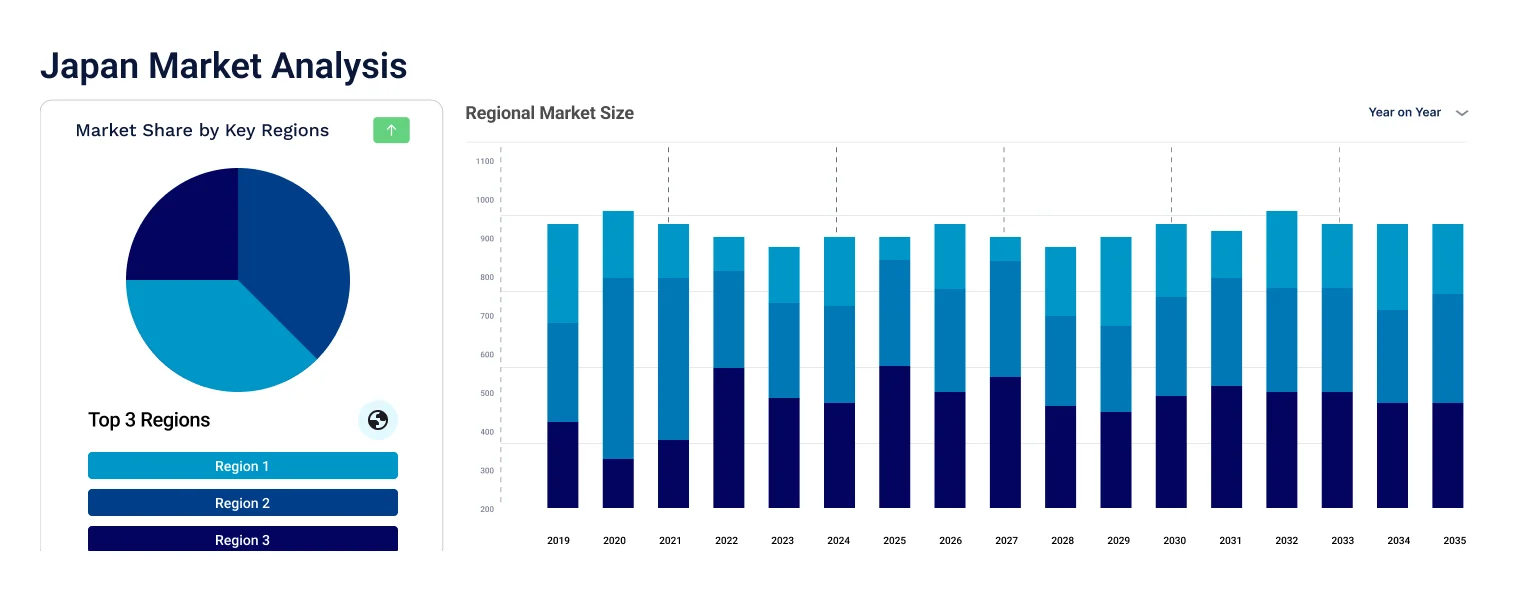
The EMR’s report titled “Japan Shampoo Market Report and Forecast 2026-2035” offers a detailed analysis of the market based on the following segments:
Breakup by Product Type
Key Insight: The non-medicated shampoo segment dominates the Japan shampoo market, focusing on beauty, fragrance, and general hair care rather than treating scalp conditions. Popular brands like Shiseido’s Tsubaki, Diane, and Lux target different hair types and aesthetic preferences, often featuring ingredients like camellia oil, argan oil, and botanical extracts. These shampoos are marketed heavily through commercials and influencer promotions, and are readily available in supermarkets, convenience stores, and online, reflecting Japan’s emphasis on daily grooming and premium personal care.
Breakup by Price Category
Key Insight: The premium segment in the Japan shampoo market targets consumers willing to pay more for high-quality ingredients, luxurious experiences, and perceived health or beauty benefits due to the rising household incomes. According to industry reports, the per capita annual household income in Japan was recorded at USD 15,561.853 in December 2024, empowering more individuals to invest in high-end personal care products. These shampoos often feature rare oils, botanical extracts, and sophisticated packaging. This segment also appeals to discerning consumers, especially women, who seek customised, salon-grade care at home. Premium shampoos emphasise exclusivity, high performance, and brand prestige, reflecting Japan’s growing demand for self-care indulgence.
Breakup by End User
Key Insight: The women end user sector in the shampoo market in Japan is driven by the emerging beauty, fragrance, and damage repair trends along with rising rate of employment. According to industry reports, women accounted for 13.3% of those employed in middle and senior management in 2022. Women are prioritising silky texture, volume, and shine, with an emphasis on luxurious and sensorial experiences. Popular brands are highlighting natural ingredients, including camellia oil, rice protein, and floral essences. Women also follow multi-step routines including treatment and hair masks, making them more brand-loyal and willing to spend on premium products.
Breakup by Distribution Channel
Key Insight: The online segment dominates the Japan shampoo market with the rise of e-commerce. Consumers are preferring online shopping for convenience and access to a wider range of products. According to industry reports, online retail in Japan surged 6.9% to reach USD 155.5 billion in 2023. Brands are investing in digital marketing, influencer partnerships, and user-friendly websites to capture this growing segment. The shift to online retail is also driven by the rising digital adoption across the country. E-commerce platforms are expected to continue playing a significant role in the distribution of shampoo products.
|
CAGR 2026-2035 - Market by |
Distribution Channel |
| Online |
9.4% |
| Drug Stores and Pharmacies |
4.7% |
| Supermarkets and Hypermarkets |
XX% |
| Convenience Stores |
XX% |
| Others |
XX% |
Hair loss concerns to boost medicated shampoo uptake in Japan
The medicated shampoo segment in Japan is experiencing significant growth, driven by rising awareness around scalp health issues like dandruff, seborrheic dermatitis, itchiness, and androgenetic alopecia. Increasing consumer preference for targeted, therapeutic hair care products has shifted market dynamics significantly. According to industry reports, Japan recorded the highest baldness rate in Asia, with around 25% of men experiencing some degree of hair loss. Leading brands like Kaminomoto and Selsun dominate the medicated shampoo market, leveraging decades of clinical research and consumer trust. Medicated shampoos are widely endorsed by dermatologists across Japan, for scalp conditions including shampoo recommendations. Their availability spans traditional pharmacies, drugstores, and rapidly growing e-commerce platforms such as Rakuten and Amazon Japan.
Affordability to favor the demand for mass shampoo in Japan
The mass segment in the Japan shampoo industry is characterised by affordability, wide accessibility, and appeal to the average consumer. These shampoos are commonly found in supermarkets, drugstores, and convenience stores. Brands like Pantene, Lux, and Essential by Kao dominate this segment by offering good quality at reasonable prices. For example, Pantene’s Daily Moisture Renewal Shampoo is widely used for its balance of performance and cost, catering to busy families and young professionals. Promotions, value packs, and seasonal discounts will also boost the segment, helping brands maintain high sales volume in a price-sensitive yet quality-conscious market.
Kids to record higher usage of shampoos with new product launches
The kids segment in the Japan shampoo market, is characterised by safety, gentleness, and fun. Significant efforts are being placed on introducing products free from parabens, sulfates, and artificial dyes for targeting parents concerned with their children's skin sensitivity. In August 2024, Kao expanded its iconic hair care brand Guhl by foraying into the category of children care products with a focus on tangible quality and sustainability. Multiple brands are also offering tear-free formulas, hypoallergenic ingredients, and cartoon-themed packaging for engaging the young users.
The men's shampoo segment in Japan is characterised by products focusing on scalp care, hair loss prevention, and freshness. Men often prefer quick, functional grooming routines, prompting brands to offer solutions combining shampoo and conditioner. Popular brands like Scalp-D and Clear Men target concerns such as dandruff, thinning hair, and oily scalp. The male grooming trend has encouraged premium offerings with masculine scents and ingredients like menthol or charcoal.
Supermarkets & hypermarkets are core channels for shampoo distribution in Japan
According to the Japan shampoo market analysis, supermarkets and hypermarkets in Japan serve as major distribution channels offering a wide range of brands and price points. These outlets attract family shoppers looking for value, bulk options, and promotions. Popular domestic and international brands are commonly stocked, often bundled with conditioners or other hair care items. Shelf space is competitive, with promotional displays, seasonal discounts, and loyalty programs driving purchases. These venues also cater to consumers seeking familiarity and trust in established products, with private labels gaining popularity for affordability.
Meanwhile, convenience stores cater to on-the-go consumers seeking travel-sized or emergency-use shampoo. Due to limited shelf space, selections are curated, typically featuring best-sellers or multifunctional items from brands, such as Essential, Shiseido, or Biore. These stores target urban workers, tourists, and students looking for convenience and speed. In March 2025, Family Mart Co. emerged as another Japanese convenience stores offering the K-beauty products. Products often come in small sachets or compact bottles, suitable for overnight stays or gym visits. Premium mini versions are also offered for trial.
Leading players in the Japan shampoo market are adopting a multifaceted strategy to stay competitive in a rapidly evolving consumer landscape. Product innovation remains at the core, with brands launching formulations that cater to niche demands such as anti-aging, scalp care, and damage repair. Companies like Shiseido and Kao are investing heavily in research and development to create technologically advanced, functional shampoos tailored to diverse hair types and lifestyles. Premiumization is another key approach for targeting millennials and Generation Z consumers who are willing to spend more on high-performance and ethically sourced products. To boost market reach, brands are expanding their e-commerce presence, leveraging digital marketing and influencer partnerships to drive online sales. Platforms like Rakuten and Amazon Japan play a major role in product visibility and customer engagement. Furthermore, sustainability is emerging as a long-term strategy, with companies embracing eco-friendly packaging and refill systems to appeal to environmentally conscious consumers. Collaborations with dermatologists and the use of AI for product personalization are also rising trends, enhancing brand loyalty and differentiation in the competitive Japanese market.
Founded in 1909, L'Oréal S.A., headquartered in Clichy, France is a global leader in beauty and personal care, offering a wide range of products including shampoos, skincare, cosmetics, and fragrances. L'Oréal’s hair care portfolio includes brands like Elvive, Kérastase, and Garnier.
Established in 1929, Unilever Plc is headquartered in London, United Kingdom and offers a diverse range of consumer goods, including hair care, skincare, food, and home care products. In the shampoo segment, Unilever’s popular brands include Dove, Clear, Sunsilk, and TRESemmé.
Founded in 1886 and headquartered in New Brunswick, the United States, Johnson & Johnson Consumer Inc. focuses on healthcare and personal care products. The firm’s offerings include baby care, skin care, oral care, and hair care products, including the well-known Johnson’s Baby Shampoo.
Procter & Gamble was founded in 1837 and is headquartered in Cincinnati, the United States. The company provides a broad portfolio of personal care, grooming, and household products. In the shampoo market, its leading brands include Head & Shoulders, Pantene, and Herbal Essences.
*Please note that this is only a partial list; the complete list of key players is available in the full report. Additionally, the list of key players can be customized to better suit your needs.*
Other key players in the Japan shampoo market report are Kao Corporation, Mandom Corp., I-ne Co., Ltd. and others
Explore the latest insights and stay informed with the Japan Shampoo Market Trends 2026. Download your free sample report now to uncover growth drivers, competitive dynamics, and evolving consumer preferences. This report provides a complete overview of the Japan Shampoo Market Size and the long-term Japan shampoo market forecast 2026-2035 essential for businesses looking to enter or expand in Japan’s high-potential beauty care sector.


Upto 15% Off
USD
$2499 $2249
$3999 $3599
$4999 $4249
$5999 $5099


*While we strive to always give you current and accurate information, the numbers depicted on the website are indicative and may differ from the actual numbers in the main report. At Expert Market Research, we aim to bring you the latest insights and trends in the market. Using our analyses and forecasts, stakeholders can understand the market dynamics, navigate challenges, and capitalize on opportunities to make data-driven strategic decisions.*
In 2025, the market reached an approximate value of USD 2.52 Billion.
The market is projected to grow at a CAGR of 4.20% between 2026 and 2035.
The key players in the market report include L'Oréal SA, Unilever Plc, Johnson & Johnson Consumer Inc., Procter and Gamble Company, Kao Corporation, Mandom Corp., I-ne Co., Ltd. and others
The women end user sector has the largest share, driven by the emerging beauty, fragrance, and damage repair trends along with rising rate of employment.
The key strategies boosting the market include the growing concerns of hair loss, rising demand for dry shampoos, and expanding millennial population.
Explore our key highlights of the report and gain a concise overview of key findings, trends, and actionable insights that will empower your strategic decisions.
| REPORT FEATURES | DETAILS |
| Base Year | 2025 |
| Historical Period | 2019-2025 |
| Forecast Period | 2026-2035 |
| Scope of the Report |
Historical and Forecast Trends, Industry Drivers and Constraints, Historical and Forecast Market Analysis by Segment:
|
| Breakup by Product Type |
|
| Breakup by Price Category |
|
| Breakup by End User |
|
| Breakup by Distribution Channel |
|
| Market Dynamics |
|
| Competitive Landscape |
|
| Companies Covered |
|
Datasheet
One User
USD 2,499
USD 2,249
tax inclusive*
Single User License
One User
USD 3,999
USD 3,599
tax inclusive*
Five User License
Five User
USD 4,999
USD 4,249
tax inclusive*
Corporate License
Unlimited Users
USD 5,999
USD 5,099
tax inclusive*
*Please note that the prices mentioned below are starting prices for each bundle type. Kindly contact our team for further details.*
Flash Bundle
Small Business Bundle
Growth Bundle
Enterprise Bundle
*Please note that the prices mentioned below are starting prices for each bundle type. Kindly contact our team for further details.*
Flash Bundle
Number of Reports: 3
20%
tax inclusive*
Small Business Bundle
Number of Reports: 5
25%
tax inclusive*
Growth Bundle
Number of Reports: 8
30%
tax inclusive*
Enterprise Bundle
Number of Reports: 10
35%
tax inclusive*
How To Order

Select License Type
Choose the right license for your needs and access rights.

Click on ‘Buy Now’
Add the report to your cart with one click and proceed to register.

Select Mode of Payment
Choose a payment option for a secure checkout. You will be redirected accordingly.
Strategic Solutions for Informed Decision-Making
Gain insights to stay ahead and seize opportunities.

Get insights & trends for a competitive edge.

Track prices with detailed trend reports.

Analyse trade data for supply chain insights.

Leverage cost reports for smart savings

Enhance supply chain with partnerships.

Connect For More Information
Our expert team of analysts will offer full support and resolve any queries regarding the report, before and after the purchase.
Our expert team of analysts will offer full support and resolve any queries regarding the report, before and after the purchase.
We employ meticulous research methods, blending advanced analytics and expert insights to deliver accurate, actionable industry intelligence, staying ahead of competitors.
Our skilled analysts offer unparalleled competitive advantage with detailed insights on current and emerging markets, ensuring your strategic edge.
We offer an in-depth yet simplified presentation of industry insights and analysis to meet your specific requirements effectively.




