

Consumer Insights
Uncover trends and behaviors shaping consumer choices today
Procurement Insights
Optimize your sourcing strategy with key market data
Industry Stats
Stay ahead with the latest trends and market analysis.
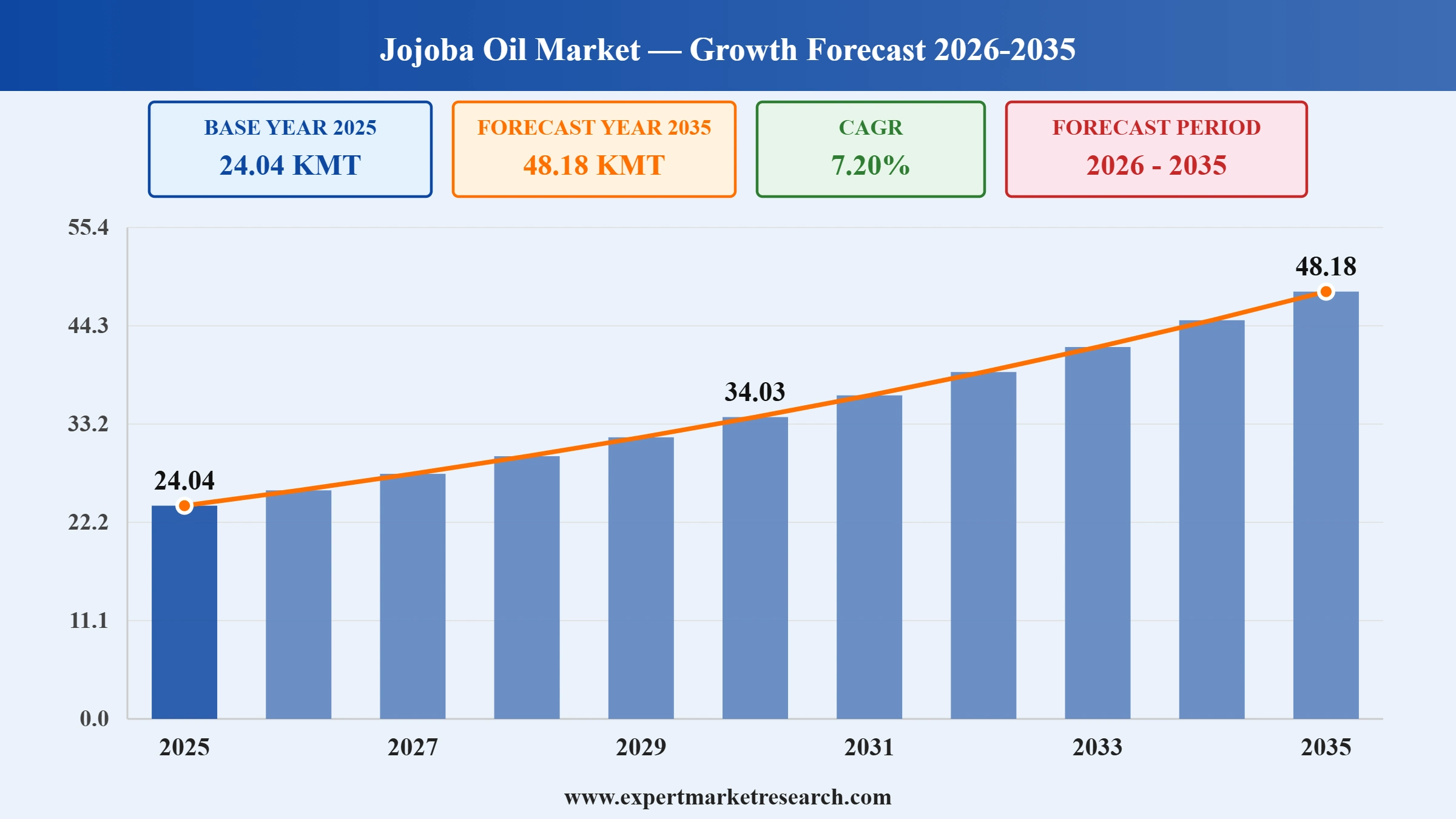
The global jojoba oil market reached a volume of 24.04 KMT in 2025 and is projected to expand at a CAGR of 7.20% through 2035. The market is further expected to reach a volume of 48.18 KMT by 2035. Rising demand for clean label, plant derived ingredients across cosmetics, pharmaceuticals, and industrial lubricant applications, together with expanding cultivation and cold pressing capacity, is helping manufacturers broaden their product portfolios. Growing emphasis on sustainable sourcing, ingredient traceability, and derivative innovation is further encouraging established growers and processors to expand across Israel, Argentina, Peru, and the United States.
The jojoba oil market spans extraction, refining, and formulation activities that convert raw jojoba seed into cosmetic, pharmaceutical, and industrial grade oil. The refined output is formulated into moisturizers, serums, hair treatments, and carrier oils, while pharmaceutical grade material is used in topical dermatological products and wound care formulations. Industrial applications, including biodegradable lubricants and specialty esters, remain a smaller but growing outlet for jojoba derivatives. Demand is concentrated among personal care manufacturers seeking plant derived alternatives to mineral oil and silicone-based emollients, supported by rising consumer awareness of clean label and sustainability claims. Adoption is broadening from premium skin care brands toward mass market personal care lines, widening the addressable base for the market across both developed and emerging consumer markets.
Demand concentration remains strongest among personal care and color cosmetics manufacturers, which continue to broaden its use across lip care, skin care, and hair care formulations. Branded cosmetics makers are increasingly highlighting it on ingredient panels to signal clean label positioning to consumers. In April 2025, MAC Cosmetics introduced its Lip Glass Blow Plumping Oil in the Ginger Zinger shade in Mexico, a lip oil formulated with it alongside ginger root extract and capsicum extract for a warming, plumping effect. Such formulation choices illustrate how color cosmetics brands are embedding jojoba oil into mainstream product lines rather than confining it to niche natural beauty ranges, widening its presence across the market.
Manufacturers across the jojoba oil market are also widening portfolios beyond standard cold pressed oil toward modified esters, hydrogenated waxes, and upcycled seed extracts that extend functionality into texture modification, film formation, and exfoliation. Processors are investing in solvent free and biodegradable production routes to meet tightening restrictions on synthetic microplastics and petroleum derived ingredients. Growing emphasis on traceability and ethical sourcing certification is prompting suppliers to document farm level practices and fair-trade credentials for brand customers conducting ingredient audits. These portfolio and process investments are helping established suppliers differentiate beyond commodity oil sales and deepen relationships with global personal care and pharmaceutical formulators.
Read more about this report - REQUEST FREE SAMPLE COPY IN PDF
Jojoba growers in Argentina's La Rioja province, concentrated in Aimogasta, adopted clonal plantlet cultivation that lifted seed yields to roughly three tonnes per hectare, up from about one tonne under older methods. Eleven companies now farm jojoba there, exporting nearly all output to cosmetics buyers in the United States, Germany, and France, securing reliable feedstock for the market.
The Jojoba Company, an Australian skin care brand built on family farmed Wadi-Wadi Jojoba, grew its retail presence to more than 2,000 doors worldwide, gaining placement at Harrods and leading Priceline Pharmacy's natural skin care category. The expansion reflects rising mainstream retail acceptance of the ingredient, as pharmacy and department store partnerships across the jojoba oil market help brands scale distribution for the market.
Industry tracking reported that global personal care launches containing jojoba oil rose 41 percent between 2021 and 2025, with skin care leading growth as formulators positioned the ingredient as a long term active. Barrier supportive formulation and biomimetic positioning were cited as key adoption drivers, giving brands across the jojoba oil market launch momentum to justify continued reformulation investment across the market.
Vantage showcased Stratasync Jojoba, an upcycled seed extract designed to support collagen synthesis, at In-cosmetics Global, alongside its existing Liponate Jojoba 20 and Iso Jojoba Butter lines. The launch shows suppliers across the jojoba oil market valorizing seed byproducts from oil extraction into higher value actives, broadening revenue beyond bulk oil sales in the market.
Jojoba seed exporters across the jojoba oil market are locking in long term supply agreements as global buyers seek guaranteed raw material volumes meeting international quality and sustainability standards, helping growing regions convert raw seed output into steady export revenue. In January 2026, Go Green Company for Agricultural Investment and Development signed a USD 9 million framework agreement to export jojoba seeds and plants to a global agribusiness buyer through May 2030, strengthening Egypt's position as an emerging raw material supply hub for the market.
Cosmetic formulators across the jojoba oil market are seeking ingredients that replace synthetic microplastics and petroleum derived waxes without sacrificing texture or stability. Jojoba based wax esters and exfoliating beads are emerging as biodegradable substitutes matching the sensory profile of conventional materials. In April 2025, Jojoba Desert launched JD Esteris Plus, an oil free wax ester line with Vitamin E, alongside JD Beads, a microplastic free exfoliant made from hydrogenated jojoba wax. The launches extend jojoba derivatives into structuring and exfoliating roles across the market.
Color cosmetics brands across the jojoba oil market are responding to clean label demand by replacing silicone and mineral oil carriers with plant derived oils that deliver gloss and conditioning benefits, with lip care becoming a proving ground for naturally positioned formulations. In April 2025, Gisou launched its Honey Infused Lip Oil in the Glazed Plum shade, combining jojoba oil, hyaluronic acid, and meadowfoam seed oil, marketed as ninety seven percent natural, showing the ingredient moving from niche natural beauty lines into mainstream color cosmetics.
Dermatology focused brands across the jojoba oil market are widening use of gentle, non-comedogenic carrier oils to support sensitive skin barriers without triggering irritation. Jojoba oil's close structural similarity to human sebum makes it a preferred carrier for such formulations. In April 2025, Crown Laboratories launched its Sarna Sensitive Anti-Itch Lotion featuring it, targeting consumers with sensitive and eczema prone skin. The launch reflects growing dermo-cosmetic interest in the ingredient as a carrier for actives, extending its role beyond routine moisturization across the market.
Brand owners are placing greater weight on ingredient traceability and ethical sourcing as scrutiny of supply chains intensifies. Suppliers are responding by documenting farm level practices and publishing sustainability commitments tied to specific ingredient lines. In April 2025, Cargill expanded its Jojoba Promise program alongside its Floraesters and Florabeads jojoba derived range, emphasizing sustainable farming, water conservation, and traceability. The initiative illustrates how large suppliers are building verifiable sourcing narratives for brand customers navigating sustainability audits across the market.
The Expert Market Research's report titled "Global Jojoba Oil Market Report and Forecast 2026-2035" offers a detailed analysis of the market based on the following segments:
Market Breakup by Application
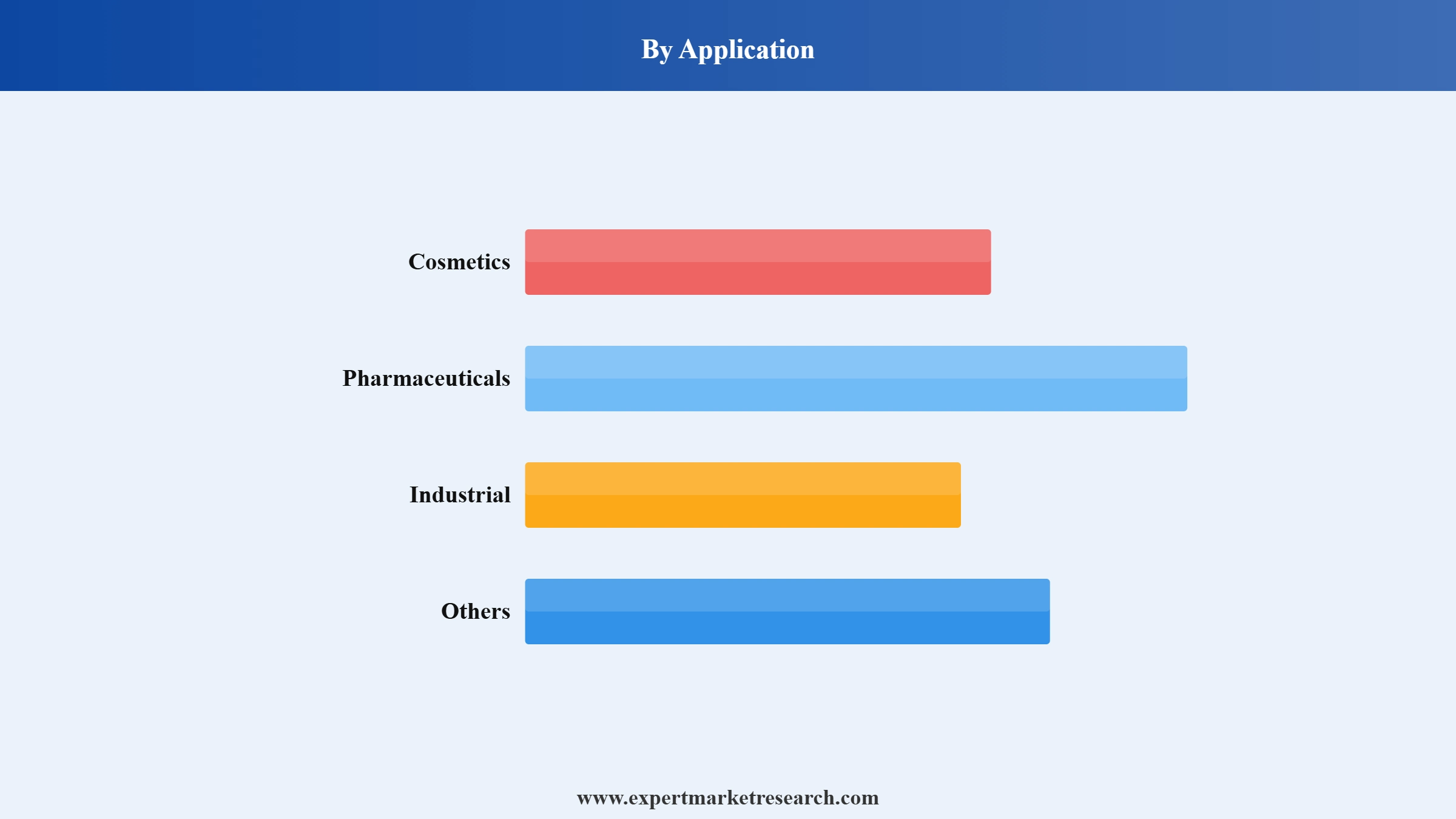
Key Insight: Cosmetics dominate the jojoba oil market, supported by extensive use in moisturizers, serums, hair treatments, and color cosmetics where it functions as an emollient, carrier, and texture modifier. Pharmaceuticals form a smaller but growing application as formulators use its non-comedogenic, sebum-like profile in topical dermatological products and wound care preparations. Industrial use, including biodegradable lubricants and specialty wax esters, remains niche but is expanding as manufacturers seek plant derived alternatives to petroleum-based fluids. Others, covering nutraceutical and veterinary care formulations, contribute a modest but steady share, reflecting its versatility beyond the core cosmetic stronghold across the market.
Market Breakup by Distribution Channel
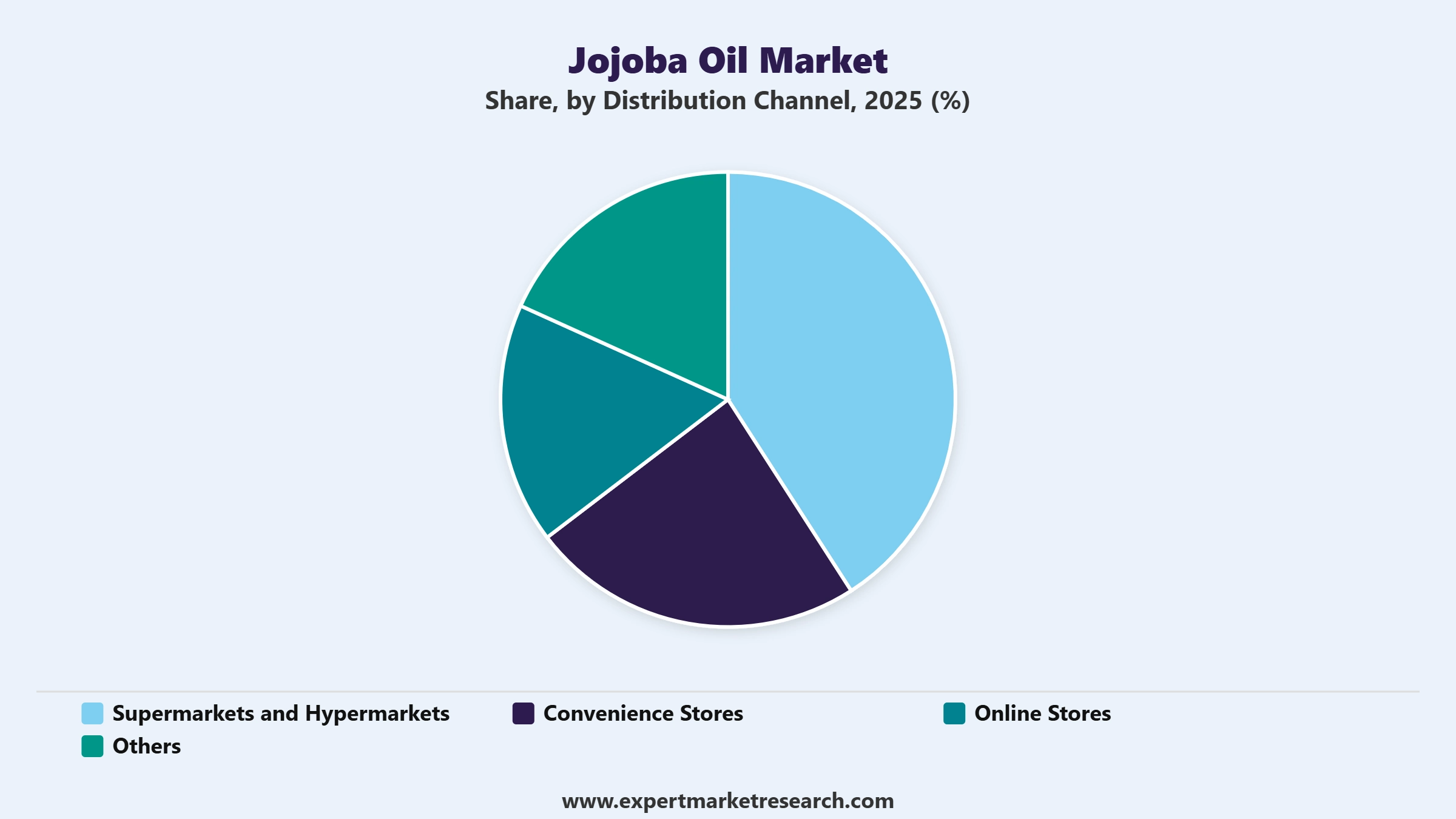
Key Insight: Supermarkets and hypermarkets account for the largest distribution share in the jojoba oil market, offering consumers broad access to established personal care and natural beauty brands alongside everyday grocery purchases. Convenience stores provide a smaller, impulse driven channel, stocking compact single use or travel sized formats. Online stores are recording the fastest distribution growth as digitally native and clean beauty brands rely on direct-to-consumer websites and marketplaces to reach niche skincare audiences and offer detailed ingredient education. Others, including specialty health stores and pharmacy chains, continue to support premium and dermo-cosmetic positioning, rounding out the channel mix across the market.
Market Breakup by Region
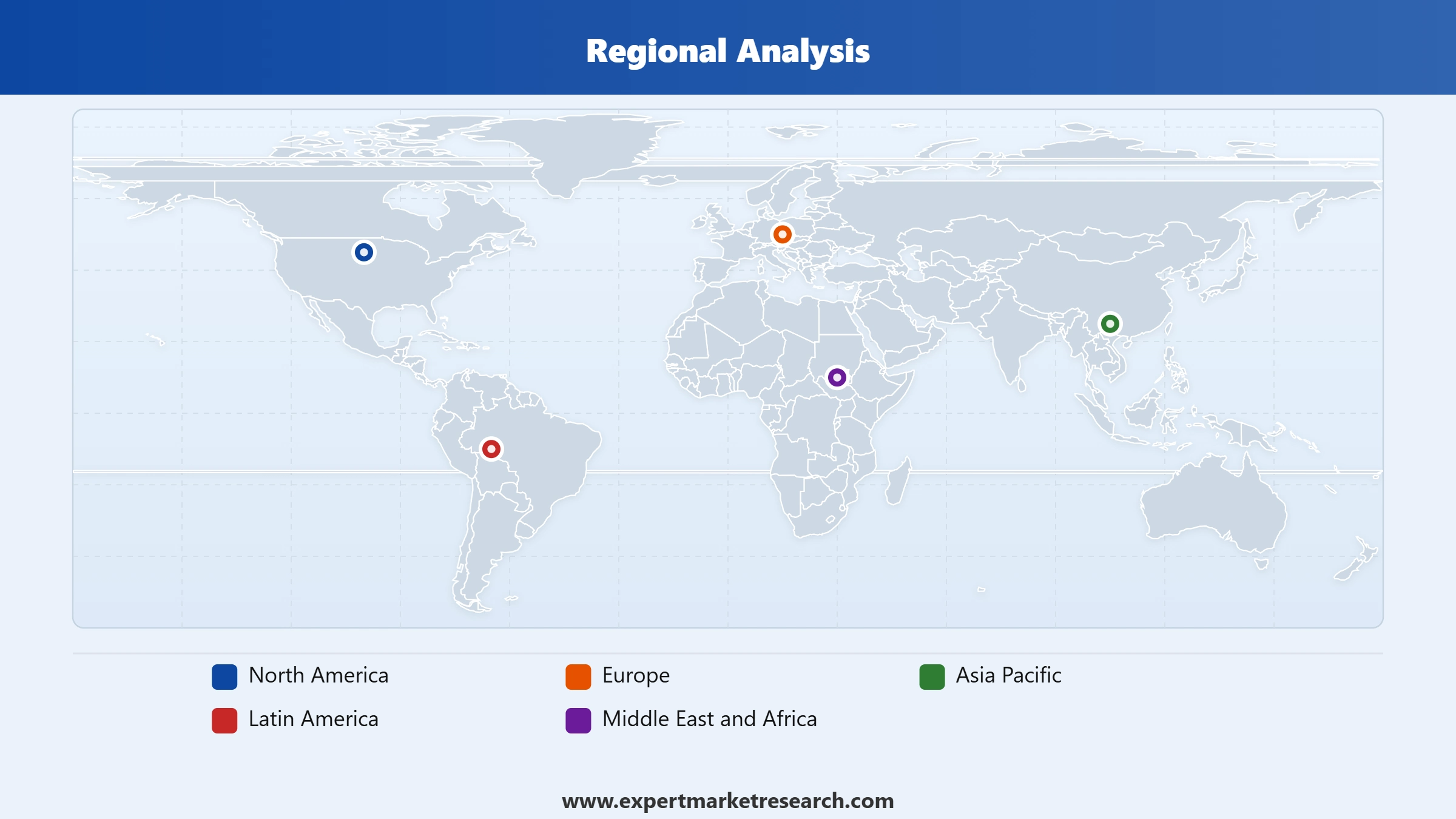
Key Insight: Regional dynamics in the jojoba oil market continue to shape competitive strategies. North America leads on the back of established Arizona and California jojoba cultivation and a mature personal care manufacturing base with strong clean label demand. Europe sustains steady demand through dermo-cosmetic and pharmacy channel formulations alongside tightening sustainability regulation. Asia Pacific is registering the fastest growth as rising cosmetics consumption and expanding e-commerce penetration lift demand across China, India, and South Korea. Latin America, anchored by Argentine and Peruvian cultivation, remains a smaller but steadily growing supply hub, while the Middle East and Africa region benefits from Israeli production and growing regional personal care demand for it.
Read more about this report - REQUEST FREE SAMPLE COPY IN PDF
By application, the cosmetics segment dominates the market owing to extensive use as a moisturizing and texture modifying emollient in personal care formulations
Cosmetics account for the largest application share in the jojoba oil market as skin care, hair care, and color cosmetics manufacturers rely on it for its lightweight texture, oxidative stability, and compatibility with sensitive skin. Brands are increasingly listing it prominently on ingredient panels to support clean label and natural positioning claims. Premiumization within natural and dermo-cosmetic skin care continues to reinforce the segment's scale, as formulators favor it over mineral oil and silicone-based alternatives for everyday moisturizing and conditioning products.
Read more about this report - REQUEST FREE SAMPLE COPY IN PDF
The pharmaceuticals segment is registering the fastest growth in the jojoba oil market as dermatology focused brands adopt jojoba oil's non-comedogenic, sebum-like profile as a gentle carrier oil for sensitive and eczema prone skin. A study published in the Journal of Oleo Science in July 2026 found golden jojoba oil altered expression of skin repair genes without triggering inflammatory markers, supporting its use in wound care formulations. Rising recommendations for plant derived carrier oils in over-the-counter treatments are reinforcing this growth.
By distribution channel, supermarkets and hypermarkets account for the largest share of the market through broad retail access to established personal care brands
Supermarkets and hypermarkets dominate the jojoba oil market as they offer consumers convenient access to a wide assortment of personal care brands alongside routine grocery shopping. Established natural beauty and mass market skin care lines use these formats to maximize shelf visibility and run in-store promotions. Retailers are expanding dedicated natural and clean beauty aisles to accommodate rising consumer interest in plant derived oils, helping such formulations reach a broader and more price sensitive consumer base than specialty retail alone supports.
Read more about this report - REQUEST FREE SAMPLE COPY IN PDF
Online stores are the fastest-growing distribution channel in the jojoba oil market as digitally native and clean beauty brands rely on direct-to-consumer websites, marketplaces, and subscription models to reach ingredient conscious shoppers. In June 2026, Ogee launched its certified organic, jojoba oil-based skincare and makeup line on Sephora.com ahead of an in-store rollout, citing jojoba oil as a hero ingredient for sensitive skin. Detailed product education and influencer marketing help such channels build trust better than traditional retail allows.
North America leads the market through established jojoba cultivation, and a mature, clean label focused personal care manufacturing base
North America commands the largest share of the jojoba oil market, supported by long-established jojoba cultivation across Arizona and California and a mature personal care manufacturing base that increasingly favors clean label, plant derived emollients. Processors in the region benefit from close integration between domestic growers and major cosmetic and pharmaceutical formulators, shortening supply chains relative to import dependent markets, while consumer preference for natural, dermatologist recommended skin care reinforces the region's position as the primary consumption and processing hub.
Read more about this report - REQUEST FREE SAMPLE COPY IN PDF
Asia Pacific is registering the fastest growth in the jojoba oil market, driven by rising cosmetics consumption, expanding middle class spending on personal care, and rapid growth of e-commerce and social commerce beauty channels across China, India, South Korea, and Southeast Asia. In November 2026, in-cosmetics Asia convenes in Bangkok, drawing regional ingredient suppliers and product manufacturers to showcase jojoba oil-based formulations. Regional formulators increasingly incorporate it into skin care and hair care lines positioned around natural, gentle claims.
The global industry remains moderately fragmented, with jojoba oil companies ranging from large integrated growers and processors to specialized cosmetic ingredient suppliers competing on feedstock access, processing quality, and certification credentials. Leading jojoba oil companies are investing in farm level traceability, organic and fair-trade certification, and expanded cold pressing and refining capacity to differentiate standard grades from premium, ethically sourced material. Vertical integration between cultivation and processing is helping larger jojoba oil companies secure consistent feedstock supply and insulate margins from seasonal harvest variability.
Jojoba oil market players are also focusing on derivative innovation, developing modified esters, hydrogenated waxes, and upcycled seed extracts to extend beyond commodity oil sales into higher value specialty ingredients. Opportunities are emerging in pharmaceutical grade and industrial lubricant applications, as well as in expanding cultivation across Latin America and the Middle East and Africa. Jojoba oil players that combine reliable, certified sourcing with differentiated derivative portfolios are expected to strengthen their competitive position as downstream brand customers place growing weight on sustainability disclosure and ingredient traceability.
Founded in 1991 and headquartered in Hanegev, Negev, Israel, Jojoba Desert (A.C.S) Ltd. formed through the merger of two of Israel's longest established jojoba growers and ranks among the world's largest suppliers of jojoba seed oil and jojoba derived ingredients to the cosmetics industry. The company operates dedicated growing and processing facilities in the Negev Desert alongside regional warehouses in the United States, Europe, and China, supporting global customers across skin care, hair care, and color cosmetics formulations.
Founded in 2009 and headquartered in Yenda, New South Wales, Australia, The Jojoba Company grows Wadi-Wadi Jojoba on its family farm, established in 2000, and formulates the harvest into skin care and hair care products positioned around its close similarity to the skin's own natural oils. The company has built an educational brand identity around jojoba as a liquid wax ester rather than a conventional plant oil, supporting its growth into international pharmacy and department store retail channels.
Founded in 1983 and headquartered in Avila Beach, California, United States, Purcell Jojoba International, LLC supplies cold pressed and refined jojoba seed oil and other jojoba derived ingredients to the global personal care industry, drawing on longstanding relationships with jojoba growers across the Sonoran Desert region. The company markets its output for use in skin care, hair care, and cosmetic formulations, emphasizing consistent quality and reliable supply for cosmetic ingredient buyers.
Founded in 2001 and headquartered in Lima, Peru, Inca Oil SA produces and exports jojoba seed oil and other natural oils to the global personal care and food ingredients industries, marketing grades such as INCA Jojoba Gold to international cosmetic formulators. The company sources seed from Peruvian jojoba cultivation to supply cold pressed and refined oil for skin care and hair care applications worldwide.
Other key players in the global jojoba oil market include Ecooil, among others.
*Please note that this is only a partial list; the complete list of key players is available in the full report. Additionally, the list of key players can be customized to better suit your needs.*
Unlock the latest insights with our global jojoba oil market trends 2026 report. Discover regional growth patterns, sourcing and sustainability developments, and key industry players. Stay ahead of competition with trusted data and expert analysis. Download your free sample report today and drive informed decisions in the market.


Upto 15% Off
USD
$2499 $2249
$3999 $3599
$4999 $4249
$5999 $5099


*While we strive to always give you current and accurate information, the numbers depicted on the website are indicative and may differ from the actual numbers in the main report. At Expert Market Research, we aim to bring you the latest insights and trends in the market. Using our analyses and forecasts, stakeholders can understand the market dynamics, navigate challenges, and capitalize on opportunities to make data-driven strategic decisions.*
In 2025, the market reached an approximate volume of 24.04 KMT.
The market is projected to grow at a CAGR of 7.20% between 2026 and 2035.
The market is estimated to witness healthy growth in the forecast period of 2026-2035 to reach a volume of around 48.18 KMT by 2035.
The major drivers of the market include rising disposable incomes, growing health awareness, increasing focus on appearance and aesthetics, rising demand from the developing regions, increasing demand in cosmetics industry, utilisation as a lubricant and oil transformer, and growing retail sector.
The key trends guiding the growth of the jojoba oil market include the growing demand for natural products and launch of organic and cruelty free cosmetics range.
The major regions in the market are North America, Latin America, the Middle East and Africa, Europe, and the Asia Pacific.
The major applications of the product in the market include cosmetics, pharmaceuticals, and industrial, among others.
The distribution channels for the product include supermarkets and hypermarkets, convenience stores, and online stores, among others.
The key players in the market include Ecooil, Jojoba Desert (A.C.S) Ltd., Purcell Jojoba International, LLC, The Jojoba Company, and Inca Oil SA, among others.
Companies face seasonal and climate dependent harvest variability, limited geographic concentration of cultivation, competition from synthetic and alternative plant-based emollients, and the need to maintain certified, traceable sourcing while scaling processing capacity.
Expanding cultivation and processing capacity, investing in derivative and upcycled ingredient innovation, pursuing sustainability and fair-trade certification, strengthening direct to consumer and online distribution, and broadening use across pharmaceutical and industrial applications.
Explore our key highlights of the report and gain a concise overview of key findings, trends, and actionable insights that will empower your strategic decisions.
| REPORT FEATURES | DETAILS |
| Base Year | 2025 |
| Historical Period | 2019-2025 |
| Forecast Period | 2026-2035 |
| Scope of the Report |
Historical and Forecast Trends, Industry Drivers and Constraints, Historical and Forecast Market Analysis by Segment:
|
| Breakup by Application |
|
| Breakup by Distribution Channel |
|
| Breakup by Region |
|
| Market Dynamics |
|
| Competitive Landscape |
|
| Companies Covered |
|
| Report Price and Purchase Option | Explore our purchase options that are best suited to your resources and industry needs. |
| Delivery Format | Delivered as an attached PDF and Excel through email, with an option of receiving an editable PPT, according to the purchase option. |
Datasheet
One User
USD 2,499
USD 2,249
tax inclusive*
Single User License
One User
USD 3,999
USD 3,599
tax inclusive*
Five User License
Five User
USD 4,999
USD 4,249
tax inclusive*
Corporate License
Unlimited Users
USD 5,999
USD 5,099
tax inclusive*
*Please note that the prices mentioned below are starting prices for each bundle type. Kindly contact our team for further details.*
Flash Bundle
Small Business Bundle
Growth Bundle
Enterprise Bundle
*Please note that the prices mentioned below are starting prices for each bundle type. Kindly contact our team for further details.*
Flash Bundle
Number of Reports: 3
20%
tax inclusive*
Small Business Bundle
Number of Reports: 5
25%
tax inclusive*
Growth Bundle
Number of Reports: 8
30%
tax inclusive*
Enterprise Bundle
Number of Reports: 10
35%
tax inclusive*
How To Order

Select License Type
Choose the right license for your needs and access rights.

Click on ‘Buy Now’
Add the report to your cart with one click and proceed to register.

Select Mode of Payment
Choose a payment option for a secure checkout. You will be redirected accordingly.
Strategic Solutions for Informed Decision-Making
Gain insights to stay ahead and seize opportunities.

Get insights & trends for a competitive edge.

Track prices with detailed trend reports.

Analyse trade data for supply chain insights.

Leverage cost reports for smart savings

Enhance supply chain with partnerships.

Connect For More Information
Our expert team of analysts will offer full support and resolve any queries regarding the report, before and after the purchase.
Our expert team of analysts will offer full support and resolve any queries regarding the report, before and after the purchase.
We employ meticulous research methods, blending advanced analytics and expert insights to deliver accurate, actionable industry intelligence, staying ahead of competitors.
Our skilled analysts offer unparalleled competitive advantage with detailed insights on current and emerging markets, ensuring your strategic edge.
We offer an in-depth yet simplified presentation of industry insights and analysis to meet your specific requirements effectively.




