

Consumer Insights
Uncover trends and behaviors shaping consumer choices today
Procurement Insights
Optimize your sourcing strategy with key market data
Industry Stats
Stay ahead with the latest trends and market analysis.
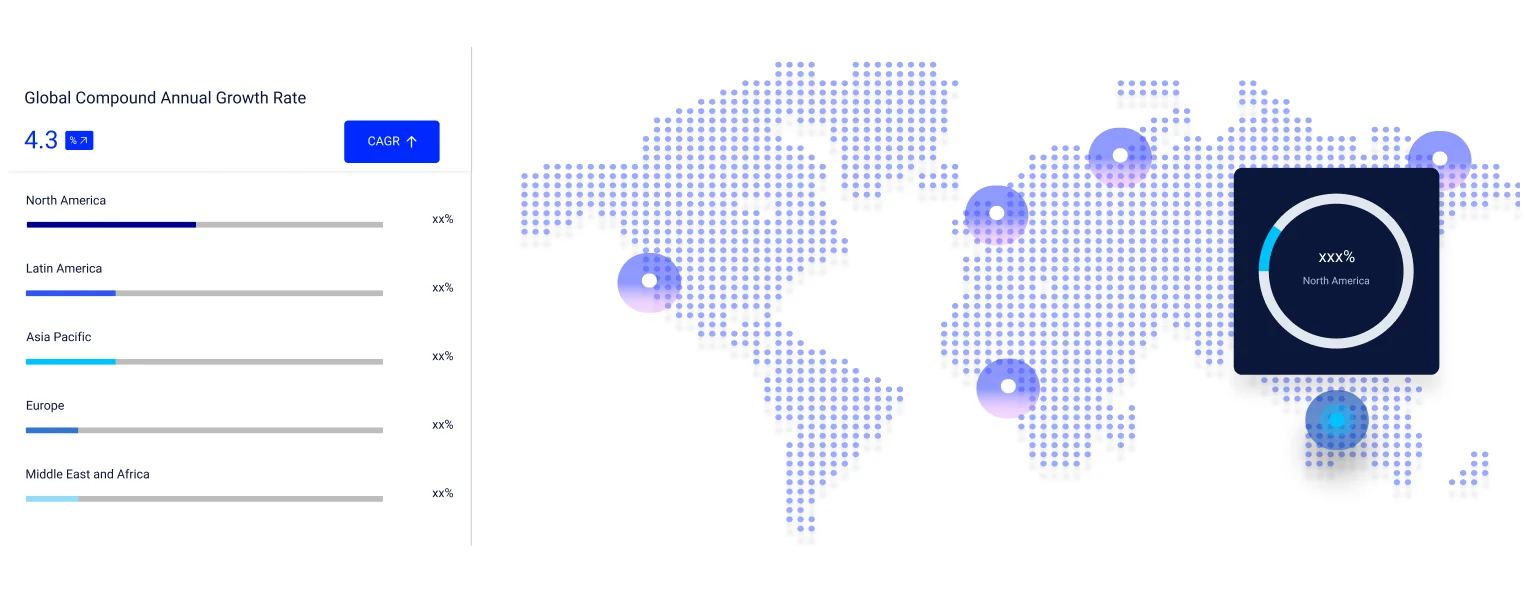
The global mobile security market attained a value of USD 5.38 Billion in 2025 and is projected to expand at a CAGR of 22.60% through 2035. The market is further expected to reach USD 41.27 Billion by 2035. Rising smartphone dependence for banking, work and personal communication, combined with a fast-growing volume of phishing, malware and account takeover attempts aimed specifically at mobile devices, is pushing enterprises, telecom operators and individual users toward dedicated protection across every operating system and region.
Mobile security covers the software, services and platform-level protections that guard smartphones, tablets and the data, applications and network access built around them, spanning antivirus, mobile threat defense, device management and identity verification delivered to enterprises and individual users across Android, iOS and other operating systems. Adoption has moved from an optional add-on to a default expectation, as mobile devices now carry banking credentials, corporate email and health records that once sat only on desktop systems. Rising attack volume aimed specifically at that shift keeps widening the buyer base across every corner of the mobile security market.
Demand is concentrating around vendors able to close the gap that mobile device management alone leaves open, since MDM configures a device but does not watch for an active threat. In July 2026, Palo Alto Networks announced plans to acquire Embrace, a mobile and web observability platform, to integrate real-time user telemetry into its own security suite and unify mobile experience monitoring with threat visibility. Acquisitions of this kind are converting configuration-only tools into full detection platforms, reshaping vendor positioning across the global mobile security market.
Suppliers are converging on a common development direction, widening from signature-based antivirus toward behavioural AI detection, longer security update commitments and direct partnerships with banks and telecom carriers that let threats be intercepted before a fraudulent transaction completes. Kaspersky reported in its second quarter 2026 mobile threat statistics that trojan banker malware accounted for the largest single share of detected mobile threats, with more than 93,000 malicious installation packages tied to banking trojans alone. Portfolios across the mobile security market are being rebuilt around that specific threat category rather than generic malware protection.
Compound Annual Growth Rate
22.6%
Value in USD Billion
2026-2035
Read more about this report - REQUEST FREE SAMPLE COPY IN PDF
The features include verified financial call protection, working with banks to confirm a call is genuinely from the institution it claims, alongside Android OS verification and expanded real-time AI detection for suspicious app behaviour. Spoofed bank calls drive an estimated 980 million dollars in annual losses worldwide. Direct bank partnerships close a fraud vector that scanning alone cannot reach for the market.
The AI-powered solution continuously analyses device behaviour, network connections and phishing indicators to protect the mobile attack surface that traditional unified endpoint management tools were not designed to detect. It is aimed at organisations where mobile devices now serve as primary access points to cloud applications and identity systems. Extending detection beyond configuration tools helps enterprises close a growing blind spot in the mobile security market.
The Cyber Security Agency disclosed that a China-linked group had breached all four of the country's major telecommunications providers using zero-day exploits and rootkits before the year-long operation evicted the intruders. Persistent access at the carrier level threatens every mobile device connected through that network. National-level responses of this scale are reshaping how governments treat mobile-adjacent infrastructure as a priority for the mobile security market.
The group claimed responsibility for stealing personally identifiable information, call data and background check details from Telus, one of Canada's largest carriers. Breaches at the carrier level expose the metadata and identity records that mobile security tools at the device level cannot protect. Such incidents are pushing operators to treat network-side security as inseparable from the mobile security market their devices depend on.
Mobile malware overall has trended downward as vendors harden detection, but the composition of remaining attacks has shifted sharply toward financial fraud rather than generic disruption. Attackers now build malware specifically to intercept one-time passwords and hijack banking sessions, since that path converts directly into stolen funds rather than requiring a secondary monetisation step. Detection vendors across the mobile security market are responding by prioritising banking-specific behavioural signatures over broad malware signatures. Reporting in July 2026 on the year's cyber incident pattern noted that higher click rates make mobile devices an increasingly favoured target, since users who have learned to spot email phishing remain far more likely to fall for a fake text message or scam call reaching the same device.
Retail and corporate banking data increasingly moves through mobile applications, which means a breach of core banking systems now routinely exposes the same account and transaction data that mobile banking apps are built to protect. Investigators are finding that attackers value mobile-linked banking records precisely because they enable account takeover through the channel the mobile security market exists to protect. In July 2026, Bank of Baroda began investigating an alleged breach in which nearly one terabyte of data, including retail and corporate banking records and net banking details, was reportedly leaked on the dark web.
Contract manufacturers sit on the supply chain for the same smartphones that mobile security software is built to protect, and a breach at that level can expose device engineering details before a phone has even launched, undermining hardware security features before they reach the market. Ransomware groups have identified this pre-release data as commercially valuable to competitors and collectors alike. In June 2026, Tata Electronics confirmed a cybersecurity incident after a ransomware group claimed to have stolen more than 200,000 files, reportedly including engineering documents and component specifications linked to an unreleased flagship smartphone.
Companies that sell identity protection and device security have become attractive targets precisely because their own customer databases concentrate exactly the data attackers want, and a breach at a security vendor carries reputational damage well beyond the direct financial loss. Voice phishing aimed at employees, rather than technical exploitation, is increasingly the entry point even at firms serving the mobile security market. In March 2026, Aura, a consumer digital safety company offering identity theft protection and device security services, disclosed that an unauthorised party had used a targeted voice phishing attack against an employee account to access approximately 900,000 customer records.
Security operations teams have historically taken days to investigate a single mobile incident, since evidence must be pulled manually from the device, the network and the app layer before an analyst can even begin correlating it. Agentic AI is compressing that timeline by automating the correlation step itself, handing analysts an assembled case rather than raw signals. Vendors across the mobile security market are racing to make investigation as fast as detection has already become. In May 2026, Zimperium unveiled two AI-powered agents, one built for enterprise security operations teams investigating mobile threats and another for fraud teams assessing app-level risk, cutting typical investigation time from days to minutes.
The Expert Market Research’s report titled "Global Mobile Security Market Report and Forecast 2026-2035" offers a detailed analysis of the market based on the following segments:
Market Breakup by Operating System
Key Insight: Android accounts for the leading operating system share of the mobile security market, reflecting its dominant global device base and a more open ecosystem that gives third-party vendors a larger surface to protect. Independent testing published in May 2026 by AV-Comparatives evaluated mobile security products against genuine Android malware, validating vendor detection claims. iOS is the fastest-growing operating system segment as its ecosystem widens the attack surface it must defend, pulling in a growing share of dedicated security spending. The others category covers legacy and niche operating systems still active across enterprise and industrial deployments, where dedicated tools remain necessary despite a shrinking device population.
Market Breakup by End User
Key Insight: Enterprises hold the largest end user share of the mobile security market, since corporate deployments combine device volume with compliance obligations that push spending toward comprehensive platforms rather than single-device tools. Okta reported in January 2025 that 63 percent of enterprise application logins came from unmanaged mobile devices, up from 48 percent two years earlier. Individuals form the fastest-growing end user segment as consumer awareness of banking fraud, identity theft and device theft protection grows alongside rising smartphone dependence for financial transactions. Enterprises increasingly demand platforms unifying management and detection, while individuals gravitate toward bundled antivirus and identity protection subscriptions.
Market Breakup by Region
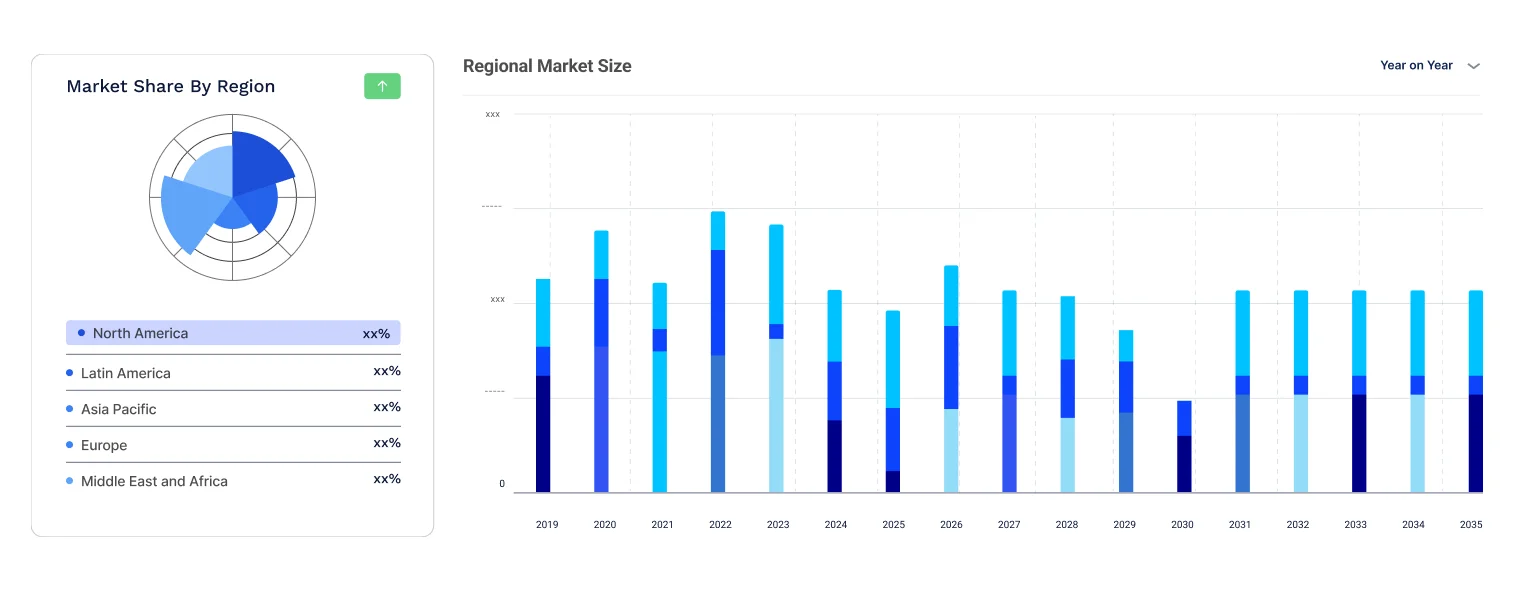
Key Insight: Regional dynamics in the mobile security market continue to shape supplier strategies. North America leads on high cybersecurity spending and dense enterprise mobile deployments across banking and technology sectors. Europe combines strict data protection regulation with mature mobile threat defense adoption. Asia Pacific grows fastest as smartphone penetration and mobile banking expand rapidly across large populations, while Latin America and the Middle East and Africa build on rising digital payment adoption and expanding telecom infrastructure.
By operating system, Android dominates the market through its larger global device base and broader third-party security surface
Android holds the leading operating system share of the mobile security market because its device population is the largest in the world and its more open distribution model gives both attackers and security vendors more surface area to work with. Patch complexity across manufacturers adds further demand for dedicated tools, and Samsung's July 2026 security update addressed 57 vulnerabilities across Galaxy phones and tablets, with 41 originating from Google's own Android Security Bulletin and the remainder specific to Samsung's software layer.
iOS is the fastest-growing operating system segment as Apple's traditionally closed ecosystem opens in specific ways that widen its attack surface, and regulatory change is a direct driver of that shift. Sideloading permitted under European rules removed a core plank of Apple's historic security argument, and analysts covering the comparison noted in June 2026 that Apple's five-year published security update minimum now trails Google's seven-year commitment on recent Pixel hardware, narrowing what had been a wide platform security gap.
By end user, enterprises lead the market as compliance obligations and device volume push spending toward comprehensive platforms
Enterprises account for the largest end user share of the mobile security market because a single compromised device can expose corporate email, cloud application access and identity credentials across an entire organisation, and regulators increasingly expect continuous monitoring rather than periodic checks. Breach costs reinforce that calculus, and reporting in June 2026 built on the widely cited finding that the average cost of a data breach reached USD 4.88 million, a figure enterprise security buyers use directly to justify mobile threat defense budgets.
Individuals form the fastest-growing end user segment as consumer banking fraud and device theft protection move from a niche purchase to routine spending. Vendors are building products specifically around that shift rather than repackaging enterprise tools, and Infin Mobile Solutions reported in April 2026 that it had built an AI-powered mobile security product for individual and small-organisation users addressing device theft, SIM swap fraud and malware directly, distinct from enterprise-oriented platforms.
Read more about this report - REQUEST FREE SAMPLE COPY IN PDF
North America leads the market through high cybersecurity spending and dense enterprise mobile deployments across its banking and technology sectors
North America commands the largest share of the mobile security market, supported by concentrated enterprise mobile device fleets, mature managed security services and regulatory pressure that pushes financial and healthcare organisations toward continuous mobile threat monitoring. BYOD economics are shaping vendor selection directly, and analysis published in May 2026 found that unmanaged BYOD programmes can run up to 33 percent more expensive than well-managed corporate-owned deployments once fragmented IT support and shadow IT costs are counted, pushing large North American enterprises back toward centrally managed device fleets.
Asia Pacific is the fastest-growing regional mobile security market as smartphone penetration and mobile banking adoption expand rapidly across large populations that are moving directly from cash to mobile payments without an intervening desktop banking phase. Regulators are responding directly at the transaction layer, and the Reserve Bank of India mandated two-factor authentication for every digital payment transaction in the country from April 2026, requiring that at least one authentication factor be dynamically generated for each individual transaction.
The global industry is consolidating around integrated platforms as leading mobile security companies invest in AI-powered detection, longer device support commitments and direct partnerships with banks and carriers to defend both enterprise and consumer accounts. Producers are prioritising detection speed, cross-platform coverage and integration with existing device management tools to differentiate offerings in a segment where basic antivirus scanning is now a baseline expectation rather than a differentiator. Vendors are also racing to close the specific gap that configuration-only tools leave open against behavioural threats.
Major mobile security market players are also competing on privacy-preserving detection, since enterprise and consumer buyers alike increasingly reject solutions that demand full device visibility in exchange for protection. Opportunities are emerging in carrier and bank-integrated fraud prevention, in individual consumer subscriptions bundling identity protection with device security, and in expanding coverage to operating systems and device categories that fall outside the traditional smartphone base. Suppliers combining fast threat detection with minimal privacy intrusion and broad platform integration are positioned to strengthen their standing as mobile devices carry an ever-larger share of sensitive personal and corporate data.
Founded in 1976 and headquartered in Cupertino, California, United States, the company builds mobile security directly into its iOS platform through hardware-isolated Secure Enclave storage for biometric data, encryption keys and payment credentials, alongside strict App Store review and Lockdown Mode for high-risk users. Its published security update commitment spans a minimum of five years across supported iPhone models, and its control of both hardware and software allows nearly simultaneous update delivery across its entire supported device base.
Founded in 1984 and headquartered in Waterloo, Ontario, Canada, the company built its early reputation on enterprise-grade mobile security and now delivers that heritage through CylancePROTECT Mobile, combining enterprise mobility management with AI-powered threat protection. The company completed the divestiture of its Cylance endpoint security business in February 2025, a transaction that continues to shape how its remaining mobile security portfolio integrates with third-party detection partners.
Founded in 1975 and headquartered in Redmond, Washington, United States, the company addresses mobile security through Microsoft Defender for Endpoint's mobile capabilities and Intune, providing app scanning, network protection against phishing and malicious URLs, and jailbreak detection across Android and iOS. Its Entra ID platform layers conditional access on top of device compliance signals, feeding a device risk score into access decisions for organisations standardised on the Microsoft ecosystem.
Founded in 1998 and headquartered in Mountain View, California, United States, the company secures the Android ecosystem through Google Play Protect and a Titan hardware security chip reaching FIPS 140-3 Level 3 certification in its latest Pixel generation. Android 17 is set to extend its Advanced Protection safeguards into an enterprise-manageable setting, letting organisations enable the feature by policy across managed device fleets.
Other key players in the market include Samsung Electronics Co., Ltd., IBM Corporation, Lookout, Inc., Citrix Systems, Inc., VMware, Inc., McAfee, LLC, and Gen Digital Inc., among others.
*Please note that this is only a partial list; the complete list of key players is available in the full report. Additionally, the list of key players can be customized to better suit your needs.*
Unlock the latest insights with our mobile security market trends 2026 report. Discover regional growth patterns, platform economics, and key industry players. Stay ahead of competition with trusted data and expert analysis. Download your free sample report today and drive informed decisions in the market.


Upto 15% Off
USD
$2499 $2249
$3999 $3599
$4999 $4249
$5999 $5099


*While we strive to always give you current and accurate information, the numbers depicted on the website are indicative and may differ from the actual numbers in the main report. At Expert Market Research, we aim to bring you the latest insights and trends in the market. Using our analyses and forecasts, stakeholders can understand the market dynamics, navigate challenges, and capitalize on opportunities to make data-driven strategic decisions.*
In 2025, the market reached an approximate value of USD 5.38 Billion.
The market is projected to grow at a CAGR of 22.60% between 2026 and 2035.
The market is estimated to witness healthy growth in the forecast period of 2026-2035 to reach a value of around USD 41.27 Billion by 2035.
Building AI-powered on-device threat detection, extending security update commitments, forming direct bank and carrier partnerships, consolidating device management with threat defense on one platform, and expanding individual consumer subscription offerings.
The increasing penetration of high-speed internet and the Internet of Things (IoT), rising prevalence of bring your own device (BYOD), and advancement in mobile device technologies, are the key trends propelling the growth of the market.
The major regions in the market are North America, Europe, the Asia Pacific, Latin America, and the Middle East and Africa.
The primary end users of mobile security in the market are enterprises and individuals.
The primary advantage of mobile security is the reduced risk of theft or leakage of sensitive data, and protection against ransomware attacks that target mobile devices.
Some common examples of basic mobile security features include passwords, fingerprint sensors, and facial recognition software which prevent unauthorised users from accessing data.
The key players in the market include Apple Inc., BlackBerry Limited, Microsoft Corporation, Google LLC, Samsung Electronics Co., Ltd., IBM Corporation, Lookout, Inc., Citrix Systems, Inc., VMware, Inc., McAfee, LLC, and Gen Digital Inc., among others.
Companies face rapidly evolving mobile-targeted malware, fragmented patch delivery across device manufacturers, user privacy concerns around device visibility, integration gaps between device management and threat detection tools, and shortages of skilled mobile security personnel.
Explore our key highlights of the report and gain a concise overview of key findings, trends, and actionable insights that will empower your strategic decisions.
| REPORT FEATURES | DETAILS |
| Base Year | 2025 |
| Historical Period | 2019-2025 |
| Forecast Period | 2026-2035 |
| Scope of the Report |
Historical and Forecast Trends, Industry Drivers and Constraints, Historical and Forecast Market Analysis by Segment:
|
| Breakup by Operating System |
|
| Breakup by End User |
|
| Breakup by Region |
|
| Market Dynamics |
|
| Competitive Landscape |
|
| Companies Covered |
|
Datasheet
One User
USD 2,499
USD 2,249
tax inclusive*
Single User License
One User
USD 3,999
USD 3,599
tax inclusive*
Five User License
Five User
USD 4,999
USD 4,249
tax inclusive*
Corporate License
Unlimited Users
USD 5,999
USD 5,099
tax inclusive*
*Please note that the prices mentioned below are starting prices for each bundle type. Kindly contact our team for further details.*
Flash Bundle
Small Business Bundle
Growth Bundle
Enterprise Bundle
*Please note that the prices mentioned below are starting prices for each bundle type. Kindly contact our team for further details.*
Flash Bundle
Number of Reports: 3
20%
tax inclusive*
Small Business Bundle
Number of Reports: 5
25%
tax inclusive*
Growth Bundle
Number of Reports: 8
30%
tax inclusive*
Enterprise Bundle
Number of Reports: 10
35%
tax inclusive*
How To Order

Select License Type
Choose the right license for your needs and access rights.

Click on ‘Buy Now’
Add the report to your cart with one click and proceed to register.

Select Mode of Payment
Choose a payment option for a secure checkout. You will be redirected accordingly.
Strategic Solutions for Informed Decision-Making
Gain insights to stay ahead and seize opportunities.

Get insights & trends for a competitive edge.

Track prices with detailed trend reports.

Analyse trade data for supply chain insights.

Leverage cost reports for smart savings

Enhance supply chain with partnerships.

Connect For More Information
Our expert team of analysts will offer full support and resolve any queries regarding the report, before and after the purchase.
Our expert team of analysts will offer full support and resolve any queries regarding the report, before and after the purchase.
We employ meticulous research methods, blending advanced analytics and expert insights to deliver accurate, actionable industry intelligence, staying ahead of competitors.
Our skilled analysts offer unparalleled competitive advantage with detailed insights on current and emerging markets, ensuring your strategic edge.
We offer an in-depth yet simplified presentation of industry insights and analysis to meet your specific requirements effectively.




