

Consumer Insights
Uncover trends and behaviors shaping consumer choices today
Procurement Insights
Optimize your sourcing strategy with key market data
Industry Stats
Stay ahead with the latest trends and market analysis.
The global optoelectronics market attained a value of USD 8.39 Billion in 2025 and is projected to expand at a CAGR of 14.80% through 2035. The market is further expected to achieve USD 33.36 Billion by 2035. Rising disposable incomes, increasing consumer electronics sales, and growing automotive adoption of advanced sensing and lighting technology continue to support demand for image sensors, laser diodes, LEDs, and photovoltaic cells across automotive, consumer electronics, and healthcare applications.
Rising disposable incomes continue to anchor steady demand across the optoelectronics market, as consumer electronics manufacturers integrate increasingly sophisticated imaging, display, and sensing components into smartphones, wearables, and connected devices. Manufacturers are also investing in advanced manufacturing partnerships, reflecting the industry's ongoing pursuit of improved sensor performance and production scale to meet surging automotive and AI-driven demand. Reporting in November 2025 confirmed Samsung is developing a lateral overflow integration capacitor sensor design targeted for late 2026, aimed at extending dynamic range for high-resolution imaging applications.
The optoelectronics market is witnessing further developments as established image sensor manufacturers pursue major capital investment partnerships to expand production capacity. Sony committed billions of dollars toward a new foundry partnership dedicated to advanced image sensor design and manufacturing, reflecting the scale of investment now required to maintain technology leadership amid intensifying competition. This shift toward large-scale manufacturing partnerships is concentrated among component makers with sufficient capital access, while smaller specialists continue to compete on niche sensor applications.
In addition, established manufacturers are increasingly advancing next-generation sensor architectures capable of extended dynamic range and reduced flicker interference, reflecting the industry's recognition that automotive and machine vision applications increasingly demand imaging performance beyond conventional sensor designs. Such advanced sensor architecture activity is reshaping competitive positioning across the wider optoelectronics market as manufacturers with proven next-generation imaging platforms increasingly differentiate themselves from competitors offering conventional sensor architectures alone.
Compound Annual Growth Rate
14.8%
Value in USD Billion
2026-2035
| Global Optoelectronics Market Report Summary | Description | Value |
| Base Year | USD Billion | 2025 |
| Historical Period | USD Billion | 2019-2025 |
| Forecast Period | USD Billion | 2026-2035 |
| Market Size 2025 | USD Billion | 8.39 |
| Market Size 2035 | USD Billion | 33.36 |
| CAGR 2019-2025 | Percentage | XX% |
| CAGR 2026-2035 | Percentage | 14.80% |
| CAGR 2026-2035 - Market by Region | Asia Pacific | 16.1% |
| CAGR 2026-2035 - Market by Country | India | 17.1% |
| CAGR 2026-2035 - Market by Country | Brazil | 16.8% |
| CAGR 2026-2035 - Market by Component | LED | 16.9% |
| CAGR 2026-2035 - Market by End Use | Consumer Electronics | 15.8% |
| Market Share by Country 2025 | Italy | 3.1% |
Sony Semiconductor Solutions announced a 6.4 billion dollar partnership with Taiwan Semiconductor Manufacturing Company to design and manufacture advanced image sensors, reflecting intensifying competitive pressure from other leading component makers. Companies can pursue large-scale manufacturing partnerships with established semiconductor foundries to secure production capacity ahead of anticipated demand growth.
Sony Semiconductor Solutions collaborated with Taiwan Semiconductor Manufacturing Company to design and manufacture advanced image sensors supporting emerging edge AI and multi-sensor perception applications. Companies can combine sensor design expertise with established semiconductor foundry manufacturing capability to accelerate development of next-generation imaging technology.
Sony Semiconductor Solutions launched its IMX908 sensor, a 4K resolution image sensor designed for security camera applications featuring advanced pixel architecture and a 96 decibel dynamic range captured through a single exposure method. Companies can develop application-specific sensor variants optimised for security and surveillance use cases to capture demand from this expanding vertical beyond general-purpose imaging.
Industry analysis found that lateral overflow integration capacitor sensor architecture is set to see wider adoption beginning in 2026, with leading manufacturers developing high-resolution variants extending into automotive applications for LED flicker elimination. Companies can invest early in emerging sensor architectures to secure design-in positions with smartphone and automotive customers ahead of broader industry adoption.
Established image sensor manufacturers continue to pursue large-scale foundry partnerships to expand production capacity. In August 2026, Sony announced a 6.4 billion dollar partnership with Taiwan Semiconductor Manufacturing Company to design and manufacture advanced image sensors across the optoelectronics market, reflecting the scale of investment required to maintain technology leadership. Such large-scale partnerships reflect manufacturers' recognition that securing dedicated foundry capacity has become essential to sustaining competitive advantage amid intensifying rival investment.
Manufacturers continue collaborating with established semiconductor foundries on next-generation sensor design supporting emerging edge AI applications. In May 2026, Sony collaborated with Taiwan Semiconductor Manufacturing Company to design and manufacture advanced image sensors for edge AI and multi-sensor perception use cases. Such design collaboration reflects manufacturers' recognition that combining proprietary sensor architecture expertise with foundry-scale manufacturing capability accelerates time-to-market for increasingly sophisticated imaging technology.
Manufacturers continue developing application-specific sensor variants optimised for expanding end-use verticals beyond general-purpose imaging. In March 2026, Sony launched a dedicated 4K sensor variant designed specifically for security camera applications, featuring extended dynamic range capture. Such application-specific development reflects manufacturers' recognition that tailored sensor architectures increasingly outcompete general-purpose designs adapted for specialised end uses such as security and surveillance.
Advanced sensor architectures continue gaining industry-wide adoption momentum as manufacturers seek improved dynamic range and reduced interference. Industry analysis published in November 2025 found emerging capacitor-based sensor architecture set for wider adoption beginning in 2026, extending into automotive flicker-elimination applications. Such architecture adoption reflects the sector's recognition that automotive and machine vision applications increasingly demand imaging performance beyond what conventional sensor designs can deliver.
Diversified electronics groups continue to apply semiconductor and materials research developed across their broader technology portfolios to increasingly sophisticated optoelectronics development. Established multi-segment electronics manufacturers continue to develop image sensors, LEDs, and laser diodes drawing on broader consumer electronics, industrial, and automotive semiconductor research spanning multiple product categories beyond optoelectronics alone. Such cross-portfolio research investment gives diversified electronics groups a technical foundation that narrower optoelectronics-only specialists must build through more limited, component-specific development. In February 2026, ams-OSRAM announced its Simplify transformation programme, applying broader automation and artificial intelligence investment across its semiconductor operations to streamline production and reduce product costs.
This Expert Market Research Report titled "Optoelectronics Market Report and Forecast 2026-2035" offers a detailed analysis of the market based on the following segments:
Market Breakup by Component
Key Insight: LED accounts for the largest share of the optoelectronics market, reflecting widespread adoption across lighting, display, and signalling applications spanning consumer, commercial, and automotive uses. Image Sensors is growing at the fastest pace as automotive and consumer electronics manufacturers increasingly integrate advanced imaging capabilities, illustrated by Sony's August 2026 partnership with Taiwan Semiconductor Manufacturing Company expanding image sensor production capacity. Laser Diode components serve applications requiring precise, coherent light output such as fibre-optic communication and industrial cutting equipment. Optocouplers provide electrical isolation between circuits, a function critical to industrial safety and power electronics design. Photovoltaic Cells convert light into electrical current for solar and light-sensing applications, with other components rounding out the remaining category.
Market Breakup by End Use
Key Insight: Consumer Electronics accounts for the largest share of the optoelectronics market, reflecting sustained smartphone, wearable, and connected device demand for advanced imaging and display components. Automotive continues to represent substantial and rapidly growing demand given increasing adoption of advanced driver assistance sensing and lighting systems. Aerospace and Defence applications demand radiation-hardened, mission-qualified components; Micropac Industries, a specialist in this space since 1963, was acquired by Teledyne in 2024, strengthening its access to satellite and mission-critical component demand. Information Technology relies on optoelectronic components for fibre-optic data transmission within servers and networking equipment. Healthcare applications span diagnostic imaging equipment and optical sensors used in patient monitoring devices, with other end uses rounding out the remaining category.
Market Breakup by Region
Key Insight: Asia Pacific accounts for the largest share of the optoelectronics market, supported by the region's concentration of semiconductor manufacturing capacity spanning China, Taiwan, and South Korea. North America is emerging as a key growth market as data center optics, LiDAR sensing, and semiconductor photonics manufacturing continue to expand. Europe, Latin America, and the Middle East and Africa each continue to serve distinct regional industrial and technology development patterns.
By component, LED leads the market while image sensors grows fastest given rising automotive and AI integration
LED continues to account for the largest share of the market, reflecting widespread adoption across lighting, display, and signalling applications spanning consumer, commercial, and automotive uses. Established LED supply relationships continue to anchor steady demand as manufacturers maintain proven component vendors across successive product design cycles. Industry analysis published in April 2026 found LED adoption in consumer electronics increased by roughly 25 percent year-on-year across select Asian markets.
Image Sensors is growing at the fastest pace across the optoelectronics market as automotive and consumer electronics manufacturers increasingly integrate advanced imaging capabilities to support AI-driven applications spanning autonomous driving and computational photography. In September 2025, OmniVision launched its OV50R CMOS image sensor featuring ultra-high dynamic range of up to 110 decibels for high-end smartphones and action cameras.
By end use, consumer electronics leads the market while automotive grows fastest given expanding ADAS sensing adoption
Consumer Electronics continues to account for the largest share of the market, reflecting sustained smartphone, wearable, and connected device demand for advanced imaging and display components. Established consumer electronics supply relationships continue to anchor steady demand as manufacturers maintain proven component vendors across successive product generations.
Automotive is growing at the fastest pace across the optoelectronics market as vehicle manufacturers increasingly adopt advanced driver assistance sensing and lighting systems requiring sophisticated optoelectronic components capable of automotive-grade reliability. In August 2026, Valeo expanded its US manufacturing footprint for adaptive LED headlamp modules to support growing demand from domestic automakers integrating advanced driving beam systems.
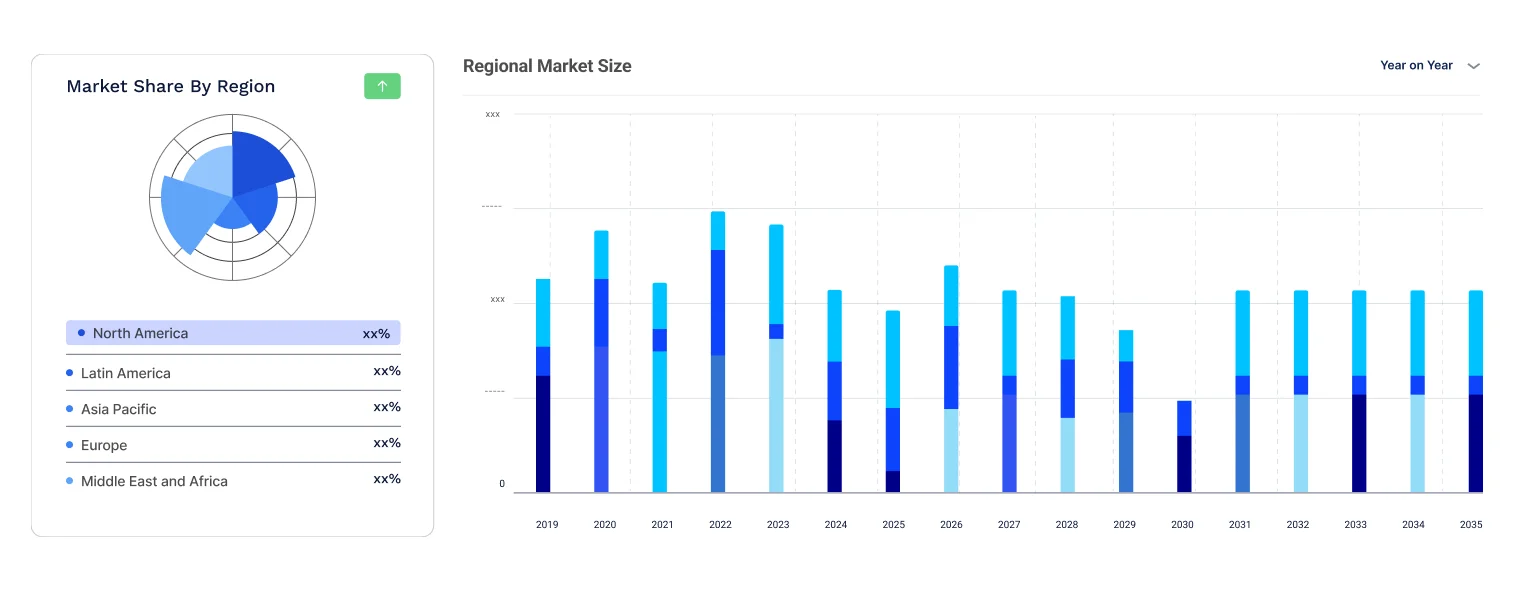
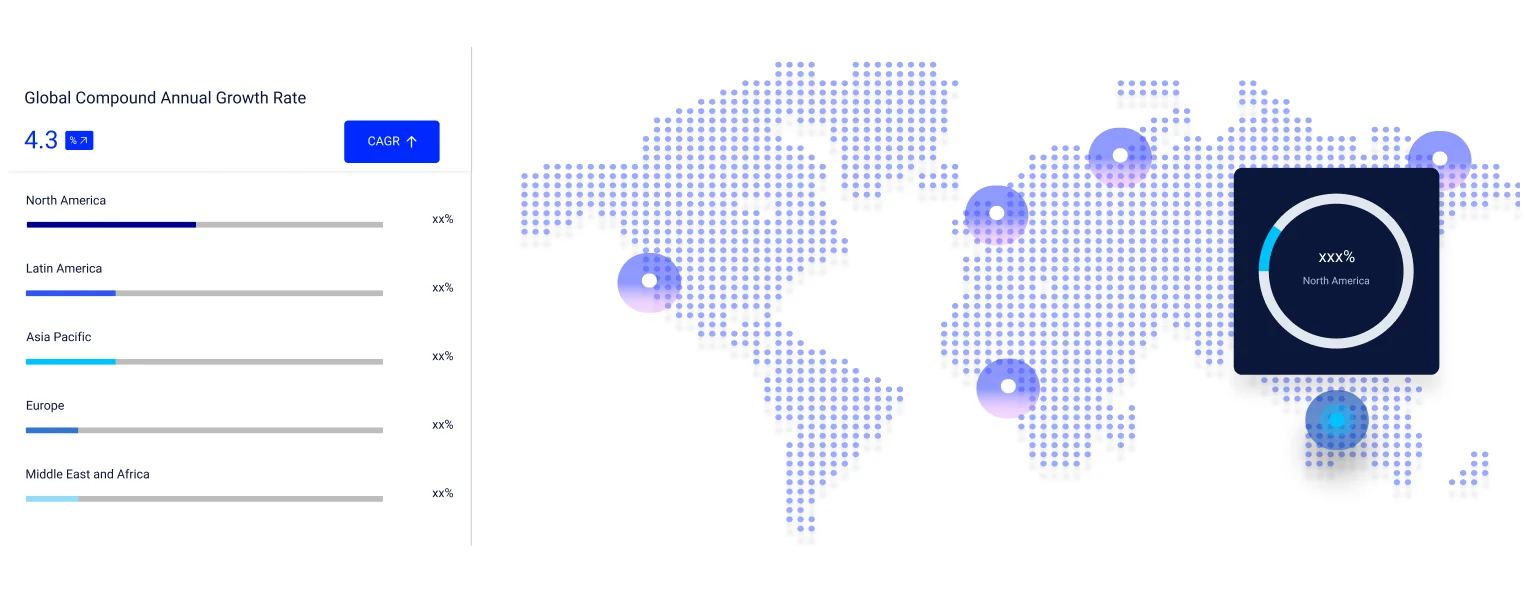
Asia Pacific commands the largest share of the market through its concentrated semiconductor manufacturing base
Asia Pacific holds the largest share of the optoelectronics market, supported by the region's concentration of semiconductor manufacturing capacity spanning China, Taiwan, and South Korea. Regional manufacturers continue to expand production capacity through major foundry partnerships to meet surging global demand for advanced imaging and sensing components.
North America is emerging as a key growth market as data center optics, LiDAR sensing, and semiconductor photonics manufacturing continue to expand across the region. In August 2026, Sony announced a substantial foundry investment partnership, reinforcing the broader region's position at the forefront of advanced sensor manufacturing capacity expansion.
The global industry is moderately consolidated, with optoelectronics market companies ranging from diversified global electronics groups spanning multiple consumer and industrial categories to specialist component manufacturers competing across component, end use, and regional segments. Established players operate across the full optoelectronics value chain, from semiconductor design and foundry manufacturing through complete sensor, display, and lighting component supply for automotive, consumer, and industrial customers.
Competitive dynamics among optoelectronics players are increasingly shaped by the pace of large-scale foundry partnership investment, the scale of application-specific sensor development, and the race to advance next-generation sensor architectures ahead of rival manufacturers. Companies are investing in extended dynamic range imaging, automotive-grade component reliability, and foundry-scale manufacturing capacity to differentiate their offering and secure long-term customer relationships.
Founded in 1969 and headquartered in Suwon, South Korea, Samsung Electronics supplies image sensors, LEDs, and display components through its ISOCELL and broader semiconductor portfolio, alongside its wider consumer electronics business. The company serves smartphone, automotive, and industrial customers requiring advanced imaging and display technology. Samsung's combined semiconductor manufacturing and consumer electronics integration differentiates its offering from narrower component-only competitors.
Founded in 1946 and headquartered in Tokyo, Japan, Sony supplies image sensors through its Sony Semiconductor Solutions subsidiary, holding the leading global position in the image sensor market. In August 2026, the company announced a 6.4 billion dollar partnership with Taiwan Semiconductor Manufacturing Company to design and manufacture advanced image sensors. Sony's stacked, AI-integrated imaging architecture and deep automotive and smartphone manufacturer relationships differentiate its offering from competitors with less advanced sensor technology.
Founded in 1918 and headquartered in Osaka, Japan, Panasonic supplies optoelectronic components including LEDs, optical sensors, and laser diodes as part of its broader portfolio spanning consumer electronics, automotive, and industrial technology. The company serves customers requiring integrated optoelectronic and broader electronics component supply. Panasonic's diversified electronics portfolio differentiates its offering from competitors focused solely on optoelectronic components.
Founded in 1981 and headquartered in Premstaetten, Austria, ams-OSRAM supplies optoelectronic sensors and LED lighting components as a dedicated specialist across automotive, industrial, and consumer applications. The company serves customers requiring specialised optical sensing and illumination technology beyond general-purpose electronics. ams-OSRAM's dedicated optoelectronics specialisation differentiates its offering from diversified competitors treating optical components as one product line among many.
Other key players in the optoelectronics market include OMNIVISION Technologies, Inc., General Electric Company, Micropac Industries, Inc., Mitsubishi Electric Corporation, Optoi Srl, and Rohm Co., Ltd, among others.
*Please note that this is only a partial list; the complete list of key players is available in the full report. Additionally, the list of key players can be customized to better suit your needs.*
Unlock the latest insights with our optoelectronics market trends 2026 report. Discover regional growth patterns, component and end use trends, and key industry players. Stay ahead of competition with trusted data and expert analysis. Download your free sample report today and drive informed decisions in the market.


Upto 15% Off
USD
$2499 $2249
$3999 $3599
$4999 $4249
$5999 $5099


*While we strive to always give you current and accurate information, the numbers depicted on the website are indicative and may differ from the actual numbers in the main report. At Expert Market Research, we aim to bring you the latest insights and trends in the market. Using our analyses and forecasts, stakeholders can understand the market dynamics, navigate challenges, and capitalize on opportunities to make data-driven strategic decisions.*
In 2025, the global ethylene glycol market attained a value of nearly USD 8.39 Billion.
The global ethylene glycol market is assessed to grow at a CAGR of 14.80% between 2026 and 2035.
The market is estimated to witness healthy growth in the forecast period of 2026-2035 to reach USD 33.36 Billion by 2035.
Pursuing large-scale foundry partnerships to expand production capacity, developing application-specific sensor variants for expanding verticals such as security and automotive, and advancing next-generation sensor architectures offering extended dynamic range and reduced interference.
The key optoelectronics market trends include increasing focus on renewable energy sources, advancements in optoelectronics technology, rising applications in healthcare, and expansion of optoelectronics production capacities.
The leading component in the market are Image Sensors, Laser Diode, LED, Optocouplers, Photovoltaic Cells, and Others.
The significant modes of End Use of ethylene glycol in the market are Automotive, Aerospace and Defence, Consumer Electronics, Information Technology, Healthcare, and others.
The competitive landscape consists of Samsung Electronics Co., Ltd., Panasonic Corporation, Sony Corporation, ams-OSRAM International GmbH, OMNIVISION Technologies, Inc., General Electric Company, Micropac Industries, Inc., Mitsubishi Electric Corporation, Optoi Srl, Rohm Co., Ltd., and among others.
The market is broken down into North America, Europe, Asia Pacific, Latin America, the Middle East, and Africa.
Manufacturers face high capital requirements for advanced semiconductor foundry investment, intensifying competition to advance sensor architecture ahead of rivals, and complex automotive-grade reliability and qualification requirements limiting new entrant competition.
Explore our key highlights of the report and gain a concise overview of key findings, trends, and actionable insights that will empower your strategic decisions.
| REPORT FEATURES | DETAILS |
| Base Year | 2025 |
| Historical Period | 2019-2025 |
| Forecast Period | 2026-2035 |
| Scope of the Report |
Historical and Forecast Trends, Industry Drivers and Constraints, Historical and Forecast Market Analysis by Segment:
|
| Breakup by Component |
|
| Breakup by End Use |
|
| Breakup by Region |
|
| Market Dynamics |
|
| Competitive Landscape |
|
| Companies Covered |
|
Datasheet
One User
USD 2,499
USD 2,249
tax inclusive*
Single User License
One User
USD 3,999
USD 3,599
tax inclusive*
Five User License
Five User
USD 4,999
USD 4,249
tax inclusive*
Corporate License
Unlimited Users
USD 5,999
USD 5,099
tax inclusive*
*Please note that the prices mentioned below are starting prices for each bundle type. Kindly contact our team for further details.*
Flash Bundle
Small Business Bundle
Growth Bundle
Enterprise Bundle
*Please note that the prices mentioned below are starting prices for each bundle type. Kindly contact our team for further details.*
Flash Bundle
Number of Reports: 3
20%
tax inclusive*
Small Business Bundle
Number of Reports: 5
25%
tax inclusive*
Growth Bundle
Number of Reports: 8
30%
tax inclusive*
Enterprise Bundle
Number of Reports: 10
35%
tax inclusive*
How To Order

Select License Type
Choose the right license for your needs and access rights.

Click on ‘Buy Now’
Add the report to your cart with one click and proceed to register.

Select Mode of Payment
Choose a payment option for a secure checkout. You will be redirected accordingly.
Strategic Solutions for Informed Decision-Making
Gain insights to stay ahead and seize opportunities.

Get insights & trends for a competitive edge.

Track prices with detailed trend reports.

Analyse trade data for supply chain insights.

Leverage cost reports for smart savings

Enhance supply chain with partnerships.

Connect For More Information
Our expert team of analysts will offer full support and resolve any queries regarding the report, before and after the purchase.
Our expert team of analysts will offer full support and resolve any queries regarding the report, before and after the purchase.
We employ meticulous research methods, blending advanced analytics and expert insights to deliver accurate, actionable industry intelligence, staying ahead of competitors.
Our skilled analysts offer unparalleled competitive advantage with detailed insights on current and emerging markets, ensuring your strategic edge.
We offer an in-depth yet simplified presentation of industry insights and analysis to meet your specific requirements effectively.




