

Consumer Insights
Uncover trends and behaviors shaping consumer choices today
Procurement Insights
Optimize your sourcing strategy with key market data
Industry Stats
Stay ahead with the latest trends and market analysis.
The perfluoroalkoxy alkane (PFA) market attained a value of USD 472.18 Million in 2025 and is projected to expand at a CAGR of 4.41% through 2035. The market is further expected to achieve USD 726.99 Million by 2035. The increasing deployment of ultra-high-purity PFA components in advanced semiconductor fabrication is creating a niche demand pocket, as sub-5 nm processes require exceptionally clean chemical delivery systems with minimal extractables and contamination. PFA tubing, valves, and fittings provide chemical inertness and low contamination, supporting precise handling of aggressive process chemicals in increasingly sophisticated chip manufacturing environments.
The global perfluoroalkoxy alkane (PFA) market is gaining importance as manufacturers seek high-performance fluoropolymers capable of operating under severe thermal, chemical, electrical, and purity requirements. PFA combines PTFE-like chemical resistance with melt-processability, enabling its use in semiconductor fluid-handling systems, chemical-processing equipment, wire and cable insulation, fibre optics, oil and gas components, and high-performance coatings. Daikin identifies high-purity NEOFLON PFA as an important material for semiconductor manufacturing, while Gujarat Fluorochemicals reports increasing customer demand as semiconductor applications expand. The market is also being shaped by semiconductor localisation, AI infrastructure, EV batteries, and sustainability-oriented fluoropolymer manufacturing. In June 2026, the European Commission proposed Chips Act 2.0 to strengthen semiconductor manufacturing capacity and supply-chain resilience, creating an indirect demand catalyst for high-purity PFA. Meanwhile, manufacturers are investing in fluorochemical-process improvements and non-fluorosurfactant technologies, increasing the importance of regulatory-compliant PFA production, thereby boosting the perfluoroalkoxy alkane (PFA) market value.
The combination of AM technology with PFA manufacturing processes is leading to the emergence of a unique path for the manufacturing of complicated high-performance parts using no traditional molds. Daikin has already developed PFA powder that could be used in powder-bed fusion technologies, thus allowing the creation of digitally manufactured items having complicated geometrical shapes that are hard to manufacture via traditional methods of extrusion and injection molding. As a result of such technology usage, there is a possibility to save on tooling and cut the time needed for prototyping. The material obtained via the process has the same resistance to chemicals and heat as PFA itself, which makes possible many applications from semiconductor equipment to aerospace.
Growing regulatory scrutiny surrounding PFAS is creating uncertainty for PFA manufacturers and downstream users, particularly as authorities evaluate restrictions, reporting obligations, disposal requirements, and potential environmental impacts. The evolving European regulatory landscape demonstrates the scale of this challenge. Companies can mitigate exposure by strengthening substance tracking, improving emissions and waste controls, developing robust end-of-life management pathways, and engaging proactively with regulators and customers. Maintaining application-specific technical documentation can also help demonstrate where PFA’s performance is difficult to replace, while investment in recovery, controlled destruction, and recycling technologies can support more responsible lifecycle management, thus aiming more towards the perfluoroalkoxy alkane (PFA) market developments.
Compound Annual Growth Rate
4.41%
Value in USD Million
2026-2035
Read more about this report - REQUEST FREE SAMPLE COPY IN PDF
Daikin is exhibiting at SEMICON Taiwan 2026 from September 2–4, presenting fluoropolymer solutions for semiconductor manufacturing. Its NEOFLON portfolio includes PFA grades used in high-purity semiconductor applications, reinforcing the importance of fluoropolymers in chemical-handling systems and contamination-sensitive fabrication processes.
Gujarat Fluorochemicals announced the incorporation of GFCL Semiconductor in June 2026, reflecting its strategic expansion toward the semiconductor ecosystem. GFL already manufactures PFA under its INOFLON® brand, while its high-purity fluoropolymer supplies for semiconductor applications had commenced earlier, strengthening the company's position in specialised PFA demand.
Daikin showcased its fluoropolymer solutions at InterBattery 2026 in South Korea, including NEOFLON PFA for gasket applications. The development demonstrates the expansion of PFA beyond conventional chemical-processing uses into battery manufacturing, where chemical resistance, sealing reliability, and material durability are important requirements.
AGC announced in December 2025 that its Fluon® PTFE G grade manufactured using recycled fluorite had achieved UL2809 third-party verification. Although the verified product was PTFE rather than PFA, the development is relevant to the broader fluoropolymer market as AGC stated that it intends to extend recycled-material verification to other fluoropolymer products, supporting greater circularity in fluorine resources.
The trend toward sustainability is growing rapidly in the perfluoroalkoxy alkane (PFA) market, with producers working on the development of recycled, bio-based, recyclable, and more environmentally friendly raw materials. The industry is moving towards textile to textile recycling, enhanced sorting, renewable materials, and circular business models. At the same time, United Kingdom companies are investigating possibilities to use materials that will not be based on fossil fuels and toxic chemicals used in textile production while still meeting necessary performance requirements. In 2026, UKFT pointed out developments in innovative fibers, bio-based finishing techniques, recycling methods, and waste reduction approaches, thus affecting the perfluoroalkoxy alkane (PFA) market dynamics and trends.
The rapid expansion of AI infrastructure is strengthening demand for semiconductor manufacturing capacity and the specialised materials required to support it. Chemours reported in its second-quarter 2026 results that its Performance Solutions business recorded continued momentum in high-value specialty products serving data-centre and semiconductor end markets. This trend creates an indirect opportunity for PFA because semiconductor fabrication relies on fluoropolymer-based tubing, valves, pumps, vessels, and other chemical-handling components. As AI processors require increasingly advanced manufacturing processes, suppliers are likely to prioritise high-purity materials capable of maintaining chemical integrity and minimising contamination. Consequently, AI infrastructure is becoming an important downstream catalyst for specialised PFA demand.
There are potential applications of PFA in batteries as manufacturers look for materials with the ability to seal and withstand the conditions under which batteries are produced. The material NEOFLON PFA was presented as gasket material for use in battery applications by Daikin at the InterBattery 2026 event. The material exhibits characteristics such as sealing capability, electrolyte resistance, and moisture barrier that could be useful in lithium-ion battery systems. It expands the application areas of PFA from the chemical processing and semiconductor industry to the battery manufacturing industry. There is an increase in battery manufacturing and next generation batteries which is prompting manufacturers of fluoropolymers to produce specialized materials and components, thereby boosting the trends in the perfluoroalkoxy alkane (PFA) market.
Environmental expectations surrounding PFAS are encouraging fluoropolymer producers to redesign manufacturing processes, particularly through reduced reliance on fluorosurfactants used during polymerisation. Syensqo is working toward manufacturing nearly 100% of its fluoropolymers without fluorosurfactants at its Spinetta Marengo facility by the end of 2026, while also deploying technologies designed to eliminate nearly all fluorosurfactant emissions. Such developments are influencing the broader competitive environment for high-performance fluoropolymers, including PFA, by increasing emphasis on cleaner production routes, emissions management, regulatory preparedness, and process innovation. Suppliers capable of maintaining fluoropolymer performance while reducing environmental burdens may gain stronger acceptance among customers facing increasingly demanding sustainability and compliance requirements.
Initiatives by the government to build up semiconductor production are drawing more focus to resilient regional supply chains of materials and manufacturing components that are specialized. In June 2026, the European Commission presented Chips Act 2.0, which is a part of a larger package of initiatives that are designed to increase the capacity of semiconductors in Europe, increasing supply and demand while also making investments in advanced technologies. For the PFA suppliers, an increase in semiconductor ecosystems would mean more demand for the high purity tubing, fittings, valves and chemical handling equipment from local or regional suppliers.
The Expert Market Research’s report titled "Perfluoroalkoxy Alkane (PFA) Market Report and Forecast 2026-2035” offers a detailed analysis of the market based on the following segments:
Market Breakup by Product Type
Key Insight: Pellets, powder, and aqueous dispersions are being considered due to their ability to cater to different process needs in high-performance applications. Pellets have gained popularity due to their applicability in melt processing activities like extrusion, injection molding, and tubing. They are commonly used in applications involving semiconductors and chemical handling. Powder is used in specialized coating, lining, and molding applications where there is need for an even coat and corrosion resistance. On the other hand, aqueous dispersions are being adopted for use in cookware, bakeware, industrial, electrical, and semiconductor coatings due to their applicability in spray, roller, and curtain coating methods.
Market Breakup by Application
Key Insight: PFA is gaining traction across semiconductor, chemical processing, oil and gas, fibre optics, cookware and bakeware coatings, electrical insulation, and other specialised applications because of its combination of high-temperature stability, chemical resistance, low permeability, electrical insulation, and melt-processability. Semiconductor manufacturing represents a particularly important application, with PFA used in high-purity tubes, fittings, bottles, valves, and other chemical-handling components. In oil and gas, its resistance to aggressive chemicals and harsh operating conditions supports sealing and fluid-handling applications. Meanwhile, electrical insulation and fibre-optic uses benefit from PFA’s dielectric characteristics, while coatings leverage its non-stick and chemical-resistant properties. Emerging applications, including additive-manufactured components, are further widening opportunities across chemical plants, oil and gas, medical equipment, and semiconductor manufacturing.
Market Breakup by Region
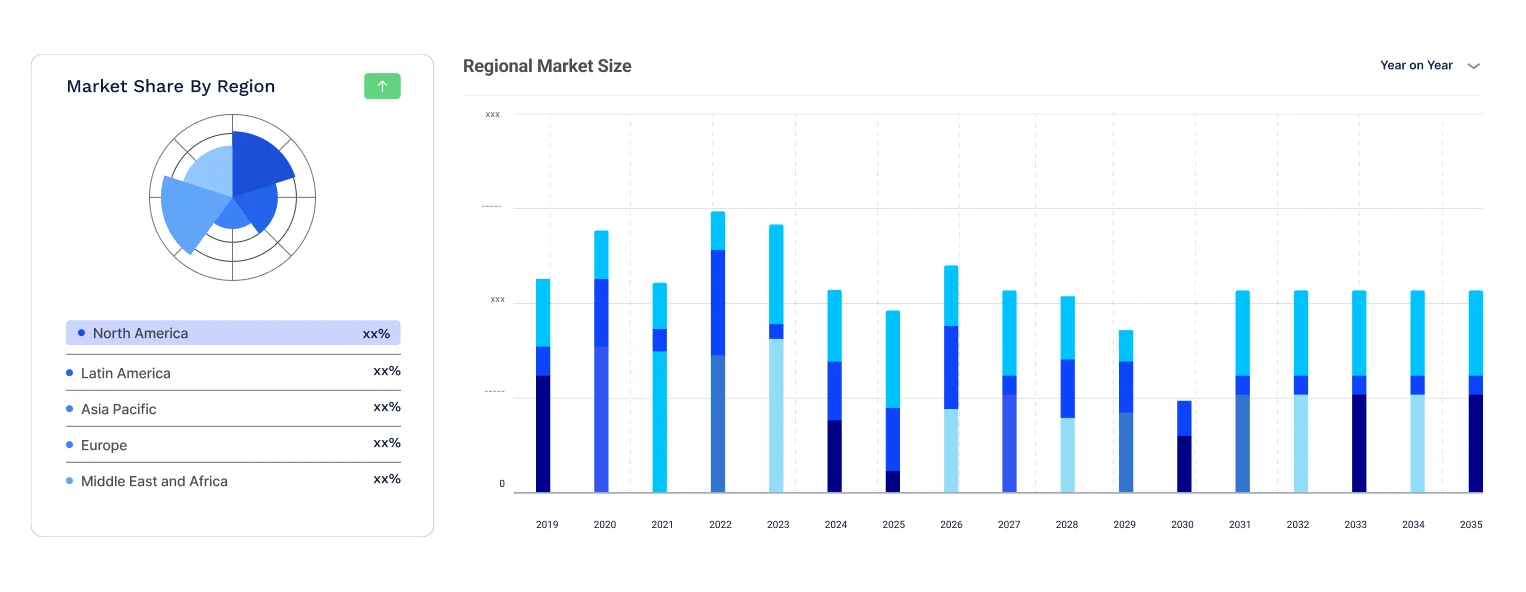
Key Insight: The market spans North America, Europe, Asia Pacific, Latin America, and the Middle East and Africa. Asia Pacific represents the leading regional opportunity, supported by its semiconductor manufacturing base, electronics ecosystem, battery production, and growing investments in advanced manufacturing. Daikin's SEMICON Taiwan 2026 participation specifically highlights NEOFLON PFA among materials for semiconductor manufacturing facilities and equipment. North America remains strategically important because Chemours identifies itself as the only U.S. producer of PFA and links domestic production to semiconductor supply-chain security. Europe offers growth potential through semiconductor sovereignty initiatives and the proposed Chips Act 2.0. Latin America and the Middle East and Africa represent smaller but developing opportunities in chemical processing, oil and gas, energy infrastructure, and industrial applications. Asia Pacific should maintain the largest market opportunity, while North America and Europe are likely to benefit from localisation-driven demand for qualified high-purity PFA.
By product type, powder dominates due to its extensive use in coatings, linings, and specialised industrial applications
The powdered form of PFA holds the highest share among the PFA product types due to its capability of providing specialized coatings, linings, and molding applications where superior heat and chemical resistance is required. Powdered PFA can be used in coating various parts that are needed in chemical processing machinery and semiconductor manufacturing machines. The flexibility in processing and the ability to provide corrosion-free, non-stick surfaces make powdered PFA preferred in harsh operating environments where standard materials are not feasible. Such developments will thus boost the perfluoroalkoxy alkane (PFA) market dynamics and trends in the long run.
Pellets are expected to witness strong growth as manufacturers increasingly require reliable PFA feedstock for extrusion, injection moulding, compression moulding, tubing, wire insulation, and high-purity fluid-handling components. Pelletised resin supports consistent processing and is particularly relevant to semiconductor manufacturing, where demand for high-purity PFA tubing and fittings is increasing. Growing investments in semiconductor fabrication and chemical-handling infrastructure are therefore supporting wider adoption of pellet-based PFA grades across advanced industrial applications.
By application, chemical processing industry dominates due to superior chemical resistance, thermal stability, and corrosion protection
Chemical Processing is the leading application segment in the PFA market and holds the highest market share because of the wide use of PFA in chemical-resistant linings, valves, seals, tubing, and process equipment. PFA can resist corrosive chemicals, high temperatures, shock, and thermal stress. This makes PFA ideal for use in applications that deal with chemicals. PFA also resists permeation and is durable and hence minimises degradation of equipment, disruption of production processes, and maintenance costs.
The use of electrical insulation is one of the application segments that is gaining popularity at a fast rate because of the increasing need for efficient insulation in communication cables, electronic parts, and electrical systems. PFA features high dielectric strength, low dielectric constant, low dissipation factor, and good heat and chemical resistance. These features help provide thinner insulation, thus providing effective performance in applications where losses and degradation have to be kept in check.
Read more about this report - REQUEST FREE SAMPLE COPY IN PDF
By region, Asia Pacific dominates due to strong semiconductor manufacturing, industrialisation, and expanding chemical processing infrastructure
Asia Pacific is expected to remain the leading Perfluoroalkoxy Alkane (PFA) market region because of its concentration of semiconductor, electronics, telecommunications, battery, chemical-processing, and advanced manufacturing activities. Japan, Taiwan, South Korea, and China provide significant demand opportunities for high-purity fluoropolymers. Daikin's September 2026 SEMICON Taiwan participation includes NEOFLON PFA for semiconductor manufacturing facilities and equipment, while AGC showcased Fluon PFA at SEMICON SEA 2026. India is also emerging as an important production and consumption centre, with Gujarat Fluorochemicals reporting semiconductor-related PFA qualification activity and establishing a semiconductor-focused subsidiary in 2026. Such factors are directly boosting the perfluoroalkoxy alkane (PFA) market regional growth.
North America and Europe are positioned for sustained growth through semiconductor localisation, supply-chain resilience, and investment in advanced technologies. Chemours highlights the strategic role of U.S.-produced PFA in semiconductor manufacturing, while its Washington Works facility is identified as a domestic PFA production site. Europe is strengthening its semiconductor ecosystem through the proposed Chips Act 2.0, which seeks to reduce strategic dependencies and support advanced semiconductor production and supply-chain resilience. Meanwhile, Latin America and the Middle East and Africa offer developing opportunities linked to chemical processing, oil and gas, industrial infrastructure, and energy projects. Their growth is likely to remain application-specific rather than volume-led.
Perfluoroalkoxy alkane (PFA) market players are aiming to strengthen high-purity and semiconductor-grade product portfolios, where low extractables, chemical resistance, cleanliness, and reliability are critical. Companies are also focusing on specialised grades for tubing, fittings, chemical-handling systems, electrical insulation, and precision components, while improving melt processability and stress-crack resistance. Daikin, for example, offers high-purity NEOFLON PFA grades specifically for semiconductor chemical supply systems.
Another major focus is expanding PFA into specialised and emerging applications while improving manufacturing flexibility. Perfluoroalkoxy alkane (PFA) companies are exploring powder-based additive manufacturing, advanced coatings, and complex-shaped components for semiconductor, medical, aerospace, oil and gas, and chemical-processing applications. Daikin’s PFA powder development for additive manufacturing illustrates this strategy, enabling production of complex components without conventional moulding.
Established in 1902, 3M Company is headquartered in St. Paul, Minnesota, United States. Historically, 3M manufactured fluoropolymers and other PFAS-based products; however, the company completed its exit from PFAS manufacturing at the end of 2025. Therefore, 3M is no longer a current PFA supplier, although its historical fluoropolymer activities remain relevant to the market’s competitive landscape.
Established in 1863, Solvay S.A. is headquartered in Brussels, Belgium. Its fluoropolymer portfolio historically included Hyflon® PFA/MFA materials, designed for demanding applications requiring thermal, chemical, and surface-performance characteristics. Solvay discontinued certain Hyflon® perfluoropolymer products manufactured at its Italian facility in 2023 as part of its fluorosurfactant phase-out strategy.
Established in 1924, Daikin Industries, Ltd. is headquartered in Osaka, Japan. Its fluoropolymer portfolio includes NEOFLON® PFA AP-Series, comprising general-purpose, high-purity, and antistatic grades. These PFA materials offer chemical and heat resistance and melt-processability for semiconductor components, high-purity tubes and bottles, wire and cable, films, and corrosion-resistant linings.
Established in 1907, AGC Inc. is headquartered in Tokyo, Japan. Its Fluon® fluoropolymer portfolio includes PFA alongside ETFE and PTFE. Fluon® PFA is positioned for high-performance applications including linings, wire coating, hoses, tubes, and films, leveraging PFA’s chemical resistance, thermal stability, electrical insulation, and durability for demanding industrial environments.
Other key players in the perfluoroalkoxy alkane (PFA) report include Hubei Everflon Polymer Co., Ltd., RTP Company, Zibo Bainaisi Chemical Co., Ltd, Gujarat Fluorochemicals Limited, and Swicofil AG, among others.
*Please note that this is only a partial list; the complete list of key players is available in the full report. Additionally, the list of key players can be customized to better suit your needs.*
Explore the latest trends shaping the perfluoroalkoxy alkane (PFA) market 2026–2035 with our in-depth report. Gain strategic insights, forecasts, market segmentation, and key developments to identify emerging growth opportunities. Download a free sample or contact our team for customized consultation on perfluoroalkoxy alkane (PFA) market trends 2026.


Upto 15% Off
USD
$2499 $2249
$3999 $3599
$4999 $4249
$5999 $5099


*While we strive to always give you current and accurate information, the numbers depicted on the website are indicative and may differ from the actual numbers in the main report. At Expert Market Research, we aim to bring you the latest insights and trends in the market. Using our analyses and forecasts, stakeholders can understand the market dynamics, navigate challenges, and capitalize on opportunities to make data-driven strategic decisions.*
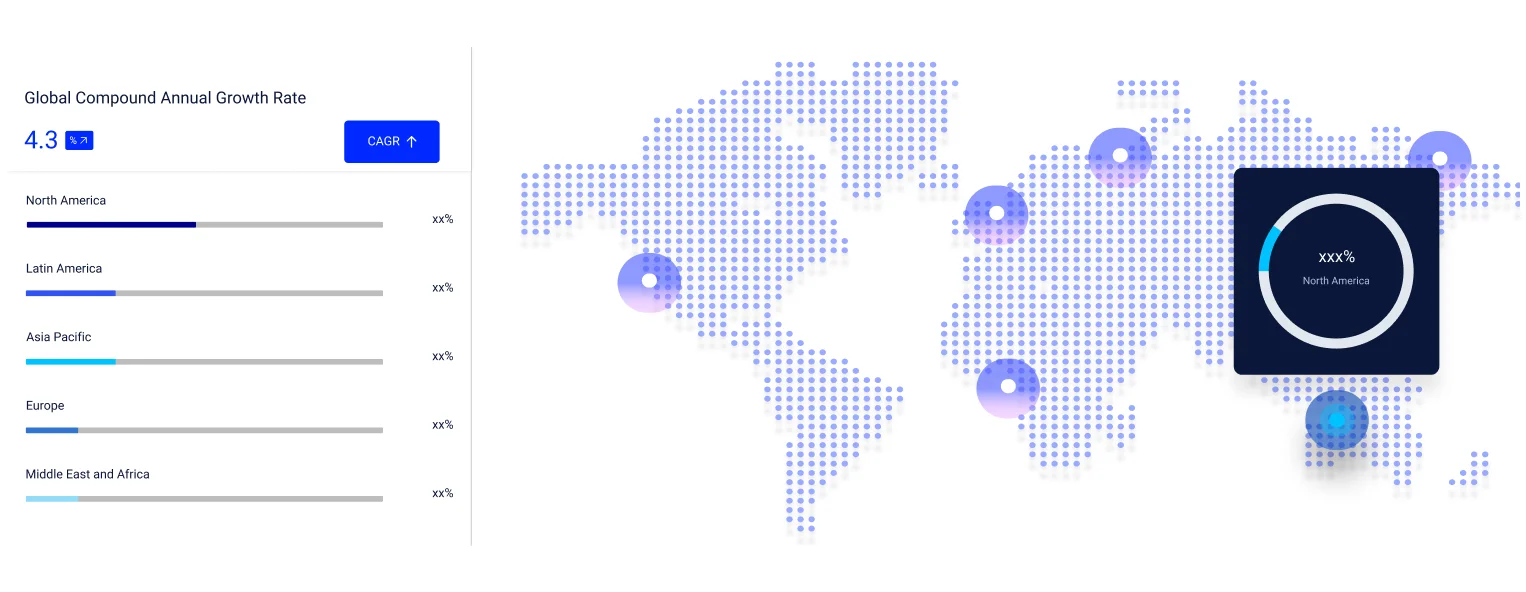
The market is projected to grow at a CAGR of 4.41% between 2026 and 2035.
Key strategies include developing ultra-pure PFA grades, expanding regional production capacity, strengthening semiconductor applications, improving processing efficiency, diversifying end-use applications, and pursuing strategic partnerships.
The key trends fuelling the growth of the market include rising applications in chemical processing industry and growing requirements for bakeware and cookware.
The major regions in the market are North America, Europe, the Asia Pacific, Latin America, and the Middle East and Africa.
The significant product types include pellets, power, and aqueous dispersion.
The properties of perfluoroalkoxy alkanes include optical transparency and enhanced resistance against chemicals.
The applications of perfluoroalkoxy alkanes include oil and gas, chemical processing industry, fibre optics, semiconductor, cookware and bakeware coatings, and electrical insulation, among others.
The key players in the market are 3M Company, Solvay S.A., Daikin Industries, Ltd., AGC Inc., Hubei Everflon Polymer Co., Ltd., RTP Company, Zibo Bainaisi Chemical Co., Ltd, Gujarat Fluorochemicals Limited, and Swicofil AG, among others.
In 2025, the perfluoroalkoxy alkane (PFA) market reached an approximate value of USD 472.18 Million.
The market is estimated to witness healthy growth in the forecast period of 2026-2035 to reach a value of around USD 726.99 Million by 2035.
Key challenges include high production costs, volatility in fluorinated feedstock prices, stringent PFAS regulations, limited recycling infrastructure, lengthy qualification cycles, and growing competition from lower-cost or non-fluorinated alternatives.
Explore our key highlights of the report and gain a concise overview of key findings, trends, and actionable insights that will empower your strategic decisions.
| REPORT FEATURES | DETAILS |
| Base Year | 2025 |
| Historical Period | 2019-2025 |
| Forecast Period | 2026-2035 |
| Scope of the Report |
Historical and Forecast Trends, Industry Drivers and Constraints, Historical and Forecast Market Analysis by Segment:
|
| Breakup by Product Type |
|
| Breakup by Application |
|
| Breakup by Region |
|
| Market Dynamics |
|
| Competitive Landscape |
|
| Companies Covered |
|
Datasheet
One User
USD 2,499
USD 2,249
tax inclusive*
Single User License
One User
USD 3,999
USD 3,599
tax inclusive*
Five User License
Five User
USD 4,999
USD 4,249
tax inclusive*
Corporate License
Unlimited Users
USD 5,999
USD 5,099
tax inclusive*
*Please note that the prices mentioned below are starting prices for each bundle type. Kindly contact our team for further details.*
Flash Bundle
Small Business Bundle
Growth Bundle
Enterprise Bundle
*Please note that the prices mentioned below are starting prices for each bundle type. Kindly contact our team for further details.*
Flash Bundle
Number of Reports: 3
20%
tax inclusive*
Small Business Bundle
Number of Reports: 5
25%
tax inclusive*
Growth Bundle
Number of Reports: 8
30%
tax inclusive*
Enterprise Bundle
Number of Reports: 10
35%
tax inclusive*
How To Order

Select License Type
Choose the right license for your needs and access rights.

Click on ‘Buy Now’
Add the report to your cart with one click and proceed to register.

Select Mode of Payment
Choose a payment option for a secure checkout. You will be redirected accordingly.
Strategic Solutions for Informed Decision-Making
Gain insights to stay ahead and seize opportunities.

Get insights & trends for a competitive edge.

Track prices with detailed trend reports.

Analyse trade data for supply chain insights.

Leverage cost reports for smart savings

Enhance supply chain with partnerships.

Connect For More Information
Our expert team of analysts will offer full support and resolve any queries regarding the report, before and after the purchase.
Our expert team of analysts will offer full support and resolve any queries regarding the report, before and after the purchase.
We employ meticulous research methods, blending advanced analytics and expert insights to deliver accurate, actionable industry intelligence, staying ahead of competitors.
Our skilled analysts offer unparalleled competitive advantage with detailed insights on current and emerging markets, ensuring your strategic edge.
We offer an in-depth yet simplified presentation of industry insights and analysis to meet your specific requirements effectively.




