

Consumer Insights
Uncover trends and behaviors shaping consumer choices today
Procurement Insights
Optimize your sourcing strategy with key market data
Industry Stats
Stay ahead with the latest trends and market analysis.
The global reserve crude oil market reached a volume of 108405.26 KB/d in 2025. The market is expected to grow at a CAGR of 2.00% during the forecast period of 2026-2035 to reach a volume of 132145.41 KB/d by 2035. Growing geopolitical volatility and supply disruptions are reinforcing the strategic importance of government-controlled oil reserves, thereby supporting activity across the market.
The focus on the optimization of strategic petroleum reserves and stockpiling measures is promoting the growth of the reserve crude oil market. The government authorities are focusing on improving their strategic petroleum reserves through expanding their storage capacity and better inventory rotation measures to make sure that there is no supply crisis arising due to any geopolitical disturbance. Moreover, improvements in technologies related to reservoir characterization and EOR techniques are making it possible for producers to recover more crude oil from the established fields. These developments contribute to improved recovery rates, prolonged life of oil fields, and economically recoverable resources, thus leading to increased stability in the global market.
Strategic petroleum reserves act as an important buffer against any shocks that might disrupt the fuel market domestically or internationally. With the increase in geopolitical tensions and trade disruptions, the market observes a shift towards better stockpiling practices and coordinated releases in order to prevent price increases and supply problems. All of this results in continuous monitoring of reserve stocks, expansion in storage capabilities, and improved coordination mechanisms for releasing stocks, which indirectly propel growth in the reserve crude oil market.
The recent trends clearly indicate the role that strategic stockpiles play in stabilizing the markets. For instance, in March 2026, the International Energy Agency suggested that 400 million barrels of oil should be released from the strategic oil reserves as a measure against the sharp increase in oil prices across the world caused by the geopolitical situation in the Middle East. The importance of reserve management can be further highlighted, considering the fact that the United States Energy Information Administration stated in February 2024 that the stock level changes had a strong impact on the price formation of crude oil.
Compound Annual Growth Rate
2%
Value in KB/d
2026-2035
| Global Reserve Crude Oil Market Report Summary | Description | Value |
| Base Year | KB/d | 2025 |
| Historical Period | KB/d | 2019-2025 |
| Forecast Period | KB/d | 2026-2035 |
| Market Size 2025 | KB/d | 108405.26 |
| Market Size 2035 | KB/d | 132145.41 |
| CAGR 2019-2025 | Percentage | XX% |
| CAGR 2026-2035 | Percentage | 2.00% |
| CAGR 2026-2035 - Market by Region | Asia Pacific | 2.6% |
| CAGR 2026-2035 - Market by Country | India | 3.0% |
| CAGR 2026-2035 - Market by Country | China | 2.5% |
| Market Share by Country 2025 | Australia | 1.8% |
Indian Strategic Petroleum Reserves Limited moved forward in developing its strategic crude oil storage plan in Odisha. The objective behind the development of the initiative was to improve the ability of the country to store sufficient emergency crude oil reserves.
The United States Department of Energy sold off 172 million barrels of crude oil from its Strategic Petroleum Reserve. This move was made to tackle any disruption in the supply of fuel amidst the prevailing geopolitical tension and instability.
Germany and Japan announced that they are prepared to free their strategic oil reserves in response to the actions of the G7 countries. The idea was to enhance the stability of the supply in the energy market amidst growing geopolitical tensions and risks, thereby fueling thereserve crude oil market growth.
MOL Group began releasing strategic crude oil reserves to ensure regional stability in terms of the supply of energy resources. This measure was taken as an effort to enhance the supply stability in the energy sector.
The increasing uncertainty in geopolitics and changes in shipping risks at sea are making it vital for oil producers to implement diversified export logistics and develop robust supply continuity systems. Producers are adopting flexible options for alternative loading ports and exporting strategies to facilitate seamless delivery of oil cargo to important consumer destinations. This approach helps to build resilience in the supply chain and ensure stable oil supplies during any disruption in vital shipping routes, thereby boosting the reserve crude oil market value. For example, in March 2026, Saudi Aramco introduced the possibility of using its Yanbu port on the Red Sea coast for loading oil shipments for Asian consumers, thus avoiding the transit through the Strait of Hormuz.
The growth in upstream exploration and production activities is supporting the long-term goal of reserve replenishment and sustainable supply of the reserve crude oil market. This is because oil and gas firms are engaging in more exploration drives, offshore development projects, and enhancing their production technology to ensure their reserve replacement ratio. These factors are expected to address the natural decline of oil reserves in existing reservoirs and also guarantee that their future supply will be adequate. In March 2026, CNOOC Limited reported record oil and gas reserves and production for 2025, driven by its strong focus on upstream expansion activities.
The growing importance of energy security is pushing countries to invest in their strategic petroleum reserve infrastructure to safeguard themselves against any disruptions in oil supply. This is encouraging nations to construct new underground oil caverns and increase their capacity within their existing infrastructure to guarantee adequate supplies in case of geopolitical or economic emergencies. Besides offering greater protection from disruptions, an increase in national crude oil inventories contributes to increased stability in the domestic reserve crude oil market value. For instance, India was reported to be speeding up its efforts at developing Chandikhol strategic oil storage in March 2026 in view of growing geopolitical uncertainties.
The increase in the volume of international transactions of crude oil and the requirement for strategic reserves are leading to the development of facilities for storing large amounts of crude oil. The demand for increased terminal capacity in order to cope with the rising number of exports, provide more flexibility in operations, and create a buffer stock of crude oil, is on the rise. Storage terminals also serve an important purpose in managing the flow of supplies and reserves in energy markets around the world. To support this trend, in December 2024, Enbridge decided to expand its Ingleside crude oil storage terminal facility using Phase 7 tank expansion.
Growing coordination between commodities traders and oil producers in the reserve crude oil market results in better financing mechanisms. Oil prepayment deals and long-term offtake contracts allow countries involved in oil production to get their payments immediately while providing their clients with a guarantee of stable supplies of crude oil. These financing tools enable investors to maintain their interest in production and thus guarantee continued crude oil output. For example, in April 2026, Trafigura struck a deal worth USD 1 billion to secure its crude oil supplies from Gabon.
The EMR’s report titled “Global Reserve Crude Oil Market Report and Forecast 2026-2035” offers a detailed analysis of the market based on the following segments:
Market Breakup by Region
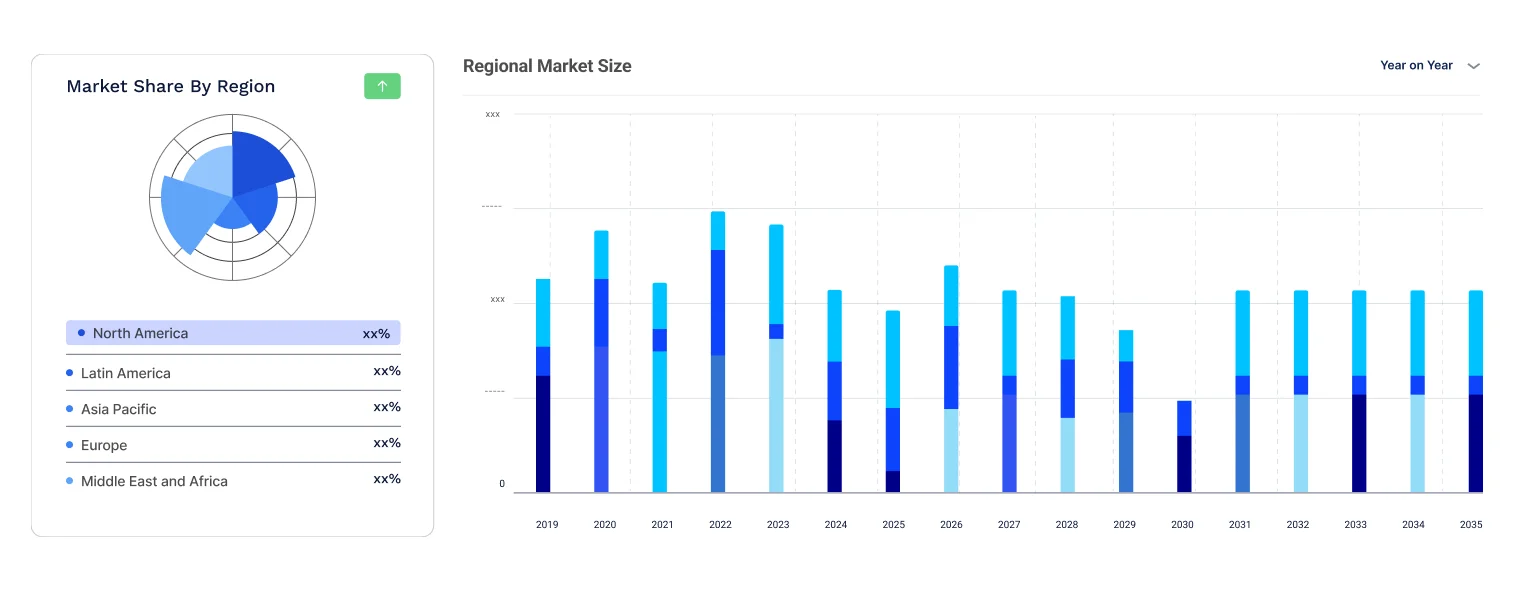
Key Insight: The global reserve crude oil market landscape covers geographical areas, including North America, Europe, Asia Pacific, Latin America, and the Middle East & Africa, and each area adopts a distinctive approach to enhance energy security and achieve stable crude oil supplies. In North America and Europe, the strategy involves coordinated efforts among countries to maintain effective strategic petroleum reserves, alongside the implementation of emergency drawdown mechanisms and stockpile policies. In the Asia Pacific, investments in expanding crude oil reserve capacities and storage facilities are increasing, especially amid high consumption levels and dependence on imported crude oil. Coordination between energy regulators and oil-producing countries is aimed at balancing inventories and responding promptly in case of disruptions. An example of such cooperation occurred in March 2026 when the G7 endorsed the release of oil reserves as part of its efforts to stabilize the market following geopolitical conflicts in the Middle East region. This demonstrates the increasing dependency on oil reserves as a stabilizing measure on a global scale.
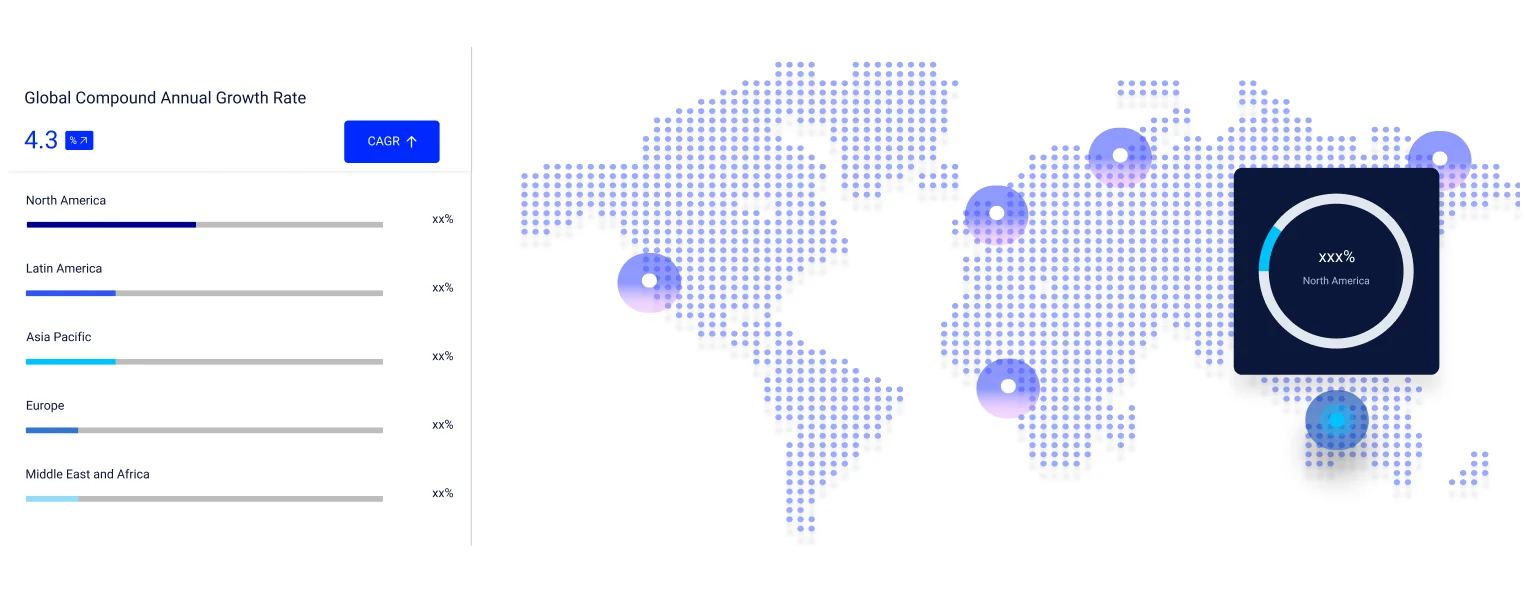
By region, Asia Pacific dominates the market growth, driven by the increasing focus on strategic crude supply security through alternative routing and diversification
The reserve crude oil market in Asia Pacific is being strengthened by increasing efforts to secure crude supply chains through route diversification and strategic procurement from geopolitically sensitive regions. Regional importers are actively securing large volumes of crude while reducing dependence on vulnerable shipping chokepoints, such as the Strait of Hormuz. This reflects a broader trend in energy security planning, in which governments and refiners prioritize steady supply access and risk avoidance in crude sourcing plans. For example, South Korea secured approximately 273 million barrels of crude through alternative routes bypassing the Strait of Hormuz, highlighting a strategic approach to ensuring supply continuity and strengthening resilience within the market.
At the same time, the Middle East and Africa continue to make impressive gains and account for a sizable share of the reserve crude oil market in terms of production, powered by an increased natural gas production in Africa. This is because the development of the region’s natural gas sector, supported by international cooperation, is creating significant opportunities in upstream activities, which are essential for sustaining the region’s hydrocarbon supply. Such collaboration is enabling improved investments in the industry, technology transfers, and efficient project executions. For example, increased international collaboration with respect to liquefied natural gas and other upstream projects has helped Africa to gain traction within global energy production chains and indirectly promote the development of reserve-based crude oils.
| CAGR 2026-2035 - Market by | Country |
| India | 3.0% |
| China | 2.5% |
| Brazil | 2.2% |
| UK | 1.8% |
| Australia | 1.8% |
| USA | 1.6% |
| Canada | XX% |
| France | XX% |
| Japan | XX% |
| Saudi Arabia | XX% |
| Mexico | XX% |
| Germany | 1.5% |
| Italy | 1.3% |
Leading reserve crude oil market players are keen to invest in increasing capacity and infrastructure improvements for better crude reserves management and supply stability. Companies are making huge investments in constructing more storage tanks, cavern storage solutions, and huge tank farms that will help increase the storage capacity for strategic petroleum reserves. Moreover, firms are focusing on upgrading monitoring systems, digital management systems for inventory management, and pipelines that increase efficiency in crude handling operations. These moves help facilitate better rotation of reserves, eliminate supply chain problems, and ensure smooth operations in the global market for reserve crude oil.
Many reserve crude oil companies are also engaging in securing long-term supplies and exploring additional sources to ensure the sustainability of reserve crude oil. More investment funds are being used for offshore exploration, drilling operations, and enhanced evaluation of reservoirs to find additional sources of crude oil. In addition, collaboration among companies and commodity traders facilitates funding options that guarantee stable crude supplies through continuous production of oil reserves.
Exxon Mobil Corporation is an American multinational oil and gas corporation that was established in 1999, with its headquarters located in Irving, Texas, United States. Exxon Mobil Corporation is involved in the exploration, production, refining, and worldwide marketing of crude oil.
BP plc is a global oil and gas corporation that was established in 1909, with its headquarters located in London, United Kingdom. BP plc operates in the upstream and downstream sectors of the oil and gas industry. BP plc is involved in the exploration and production of hydrocarbons.
TotalEnergies SE, formerly named Total SA, is a French multinational oil and gas corporation that was established in 1924, with its headquarters located in Paris, France. TotalEnergies SE operates in the exploration and production of hydrocarbons and has emerged as a leading provider in the reserve crude oil market.
Shell plc, previously named Royal Dutch Shell plc, is a multinational oil and gas corporation that was established in 1907, with its headquarters located in London, United Kingdom. Shell plc operates in the upstream and downstream sectors of the oil and gas industry. Shell plc is involved in the exploration and production of hydrocarbons.
*Please note that this is only a partial list; the complete list of key players is available in the full report. Additionally, the list of key players can be customized to better suit your needs.*
Other players in the market include Public Joint Stock Company Gazprom, and Chevron Corporation, among others.
Explore the latest trends shaping the global reserve crude oil market 2026-2035 with our in-depth report. Gain strategic insights, future forecasts, and key market developments that can help you stay competitive. Download a free sample report or contact our team for customized consultation on global reserve crude oil market trends 2026.


Upto 15% Off
USD
$2499 $2249
$3999 $3599
$4999 $4249
$5999 $5099


*While we strive to always give you current and accurate information, the numbers depicted on the website are indicative and may differ from the actual numbers in the main report. At Expert Market Research, we aim to bring you the latest insights and trends in the market. Using our analyses and forecasts, stakeholders can understand the market dynamics, navigate challenges, and capitalize on opportunities to make data-driven strategic decisions.*
In 2025, the global reserve crude oil market reached an approximate volume of 108405.26 KB/d.
The market is projected to grow at a CAGR of 2.00% between 2026 and 2035.
The global demand for fuel oil is expected to reach a volume of 132145.41 KB/d by 2035.
Key strategies driving the market include expanding storage capacity, diversifying crude supply routes, increasing upstream investments, and strengthening strategic stockpiling programs.
The key trends guiding the growth of the market include the growing exploration and production activities globally and the increasing investments towards the development of economically feasible technology for crude oil extraction.
The major regions in the global reserve crude oil market are North America, Latin America, the Middle East and Africa, Europe, and the Asia Pacific.
Products made from crude oil include gasoline, diesel, and various types of petrochemicals, among other products.
The key players in the market include Exxon Mobil Corporation, BP plc, Royal Dutch Shell PLC, Total SA, Public Joint Stock Company Gazprom, and Chevron Corporation, among others.
The major challenges that the global reserve crude oil market players face include high infrastructure costs, geopolitical risks, price volatility, regulatory constraints, and storage management complexities.
Explore our key highlights of the report and gain a concise overview of key findings, trends, and actionable insights that will empower your strategic decisions.
| REPORT FEATURES | DETAILS |
| Base Year | 2025 |
| Historical Period | 2019-2025 |
| Forecast Period | 2026-2035 |
| Scope of the Report |
Historical and Forecast Trends, Industry Drivers and Constraints, Historical and Forecast Market Analysis by Segment:
|
| Breakup by Region |
|
| Market Dynamics |
|
| Competitive Landscape |
|
| Companies Covered |
|
| Report Price and Purchase Option | Explore our purchase options that are best suited to your resources and industry needs. |
| Delivery Format | Delivered as an attached PDF and Excel through email, with an option of receiving an editable PPT, according to the purchase option. |
Datasheet
One User
USD 2,499
USD 2,249
tax inclusive*
Single User License
One User
USD 3,999
USD 3,599
tax inclusive*
Five User License
Five User
USD 4,999
USD 4,249
tax inclusive*
Corporate License
Unlimited Users
USD 5,999
USD 5,099
tax inclusive*
*Please note that the prices mentioned below are starting prices for each bundle type. Kindly contact our team for further details.*
Flash Bundle
Small Business Bundle
Growth Bundle
Enterprise Bundle
*Please note that the prices mentioned below are starting prices for each bundle type. Kindly contact our team for further details.*
Flash Bundle
Number of Reports: 3
20%
tax inclusive*
Small Business Bundle
Number of Reports: 5
25%
tax inclusive*
Growth Bundle
Number of Reports: 8
30%
tax inclusive*
Enterprise Bundle
Number of Reports: 10
35%
tax inclusive*
How To Order

Select License Type
Choose the right license for your needs and access rights.

Click on ‘Buy Now’
Add the report to your cart with one click and proceed to register.

Select Mode of Payment
Choose a payment option for a secure checkout. You will be redirected accordingly.
Strategic Solutions for Informed Decision-Making
Gain insights to stay ahead and seize opportunities.

Get insights & trends for a competitive edge.

Track prices with detailed trend reports.

Analyse trade data for supply chain insights.

Leverage cost reports for smart savings

Enhance supply chain with partnerships.

Connect For More Information
Our expert team of analysts will offer full support and resolve any queries regarding the report, before and after the purchase.
Our expert team of analysts will offer full support and resolve any queries regarding the report, before and after the purchase.
We employ meticulous research methods, blending advanced analytics and expert insights to deliver accurate, actionable industry intelligence, staying ahead of competitors.
Our skilled analysts offer unparalleled competitive advantage with detailed insights on current and emerging markets, ensuring your strategic edge.
We offer an in-depth yet simplified presentation of industry insights and analysis to meet your specific requirements effectively.




