

Consumer Insights
Uncover trends and behaviors shaping consumer choices today
Procurement Insights
Optimize your sourcing strategy with key market data
Industry Stats
Stay ahead with the latest trends and market analysis.
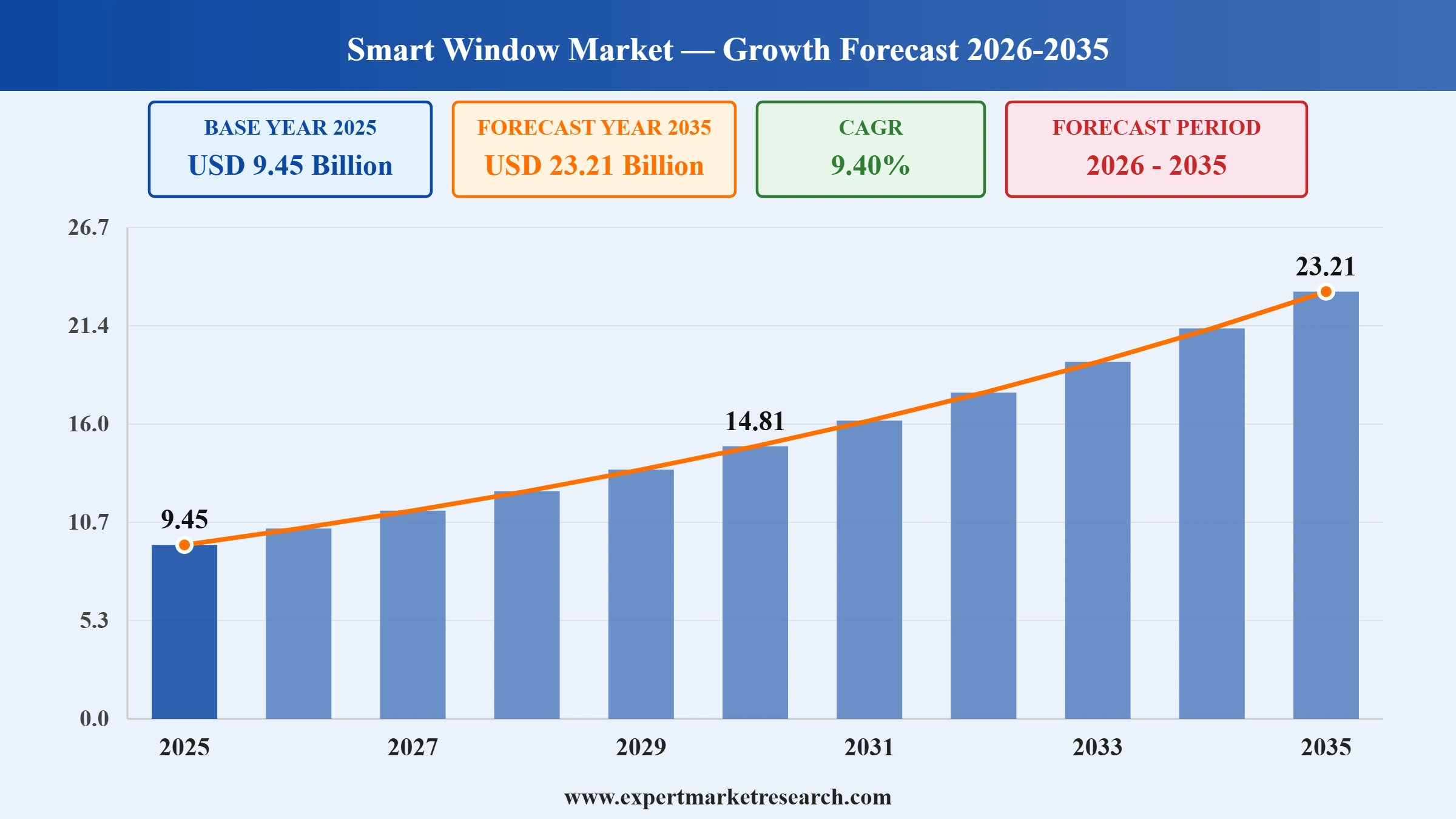
The globl smart window market was valued at USD 9.45 Billion in 2025. The industry is expected to grow at a CAGR of 9.40% during the forecast period of 2026-2035 to attain a valuation of USD 23.21 Billion by 2035.
Read more about this report - REQUEST FREE SAMPLE COPY IN PDF
| Global Smart Window Market Report Summary | Description | Value |
| Base Year | USD Billion | 2025 |
| Historical Period | USD Billion | 2019-2025 |
| Forecast Period | USD Billion | 2026-2035 |
| Market Size 2025 | USD Billion | 9.45 |
| Market Size 2035 | USD Billion | 23.21 |
| CAGR 2019-2025 | Percentage | XX% |
| CAGR 2026-2035 | Percentage | 9.40% |
| CAGR 2026-2035 - Market by Region | Asia Pacific | 20.2% |
| CAGR 2026-2035 - Market by Country | China | 21.2% |
| CAGR 2026-2035 - Market by Country | India | 20.6% |
| CAGR 2026-2035 - Market by Technology | Polymer Dispersed Liquid Crystal Devices Scanner | 18.8% |
| CAGR 2026-2035 - Market by Application | Commercial | 18.5% |
| Market Share by Country 2025 | USA | XX% |
Smart windows refer to next-generation windows that control the amount of light entering a room, based on weather conditions and user preferences. Different materials, like micro-blinds, liquid crystals as well as suspended particles, are currently used in the development of these screens. Similar to other solutions such as electric window shades, smart windows are considered more effective in energy management. Owing to these qualities, they are gaining popularity for use in houses, commercial spaces, and automobiles and thus boosting the smart window demand globally.
Read more about this report - REQUEST FREE SAMPLE COPY IN PDF
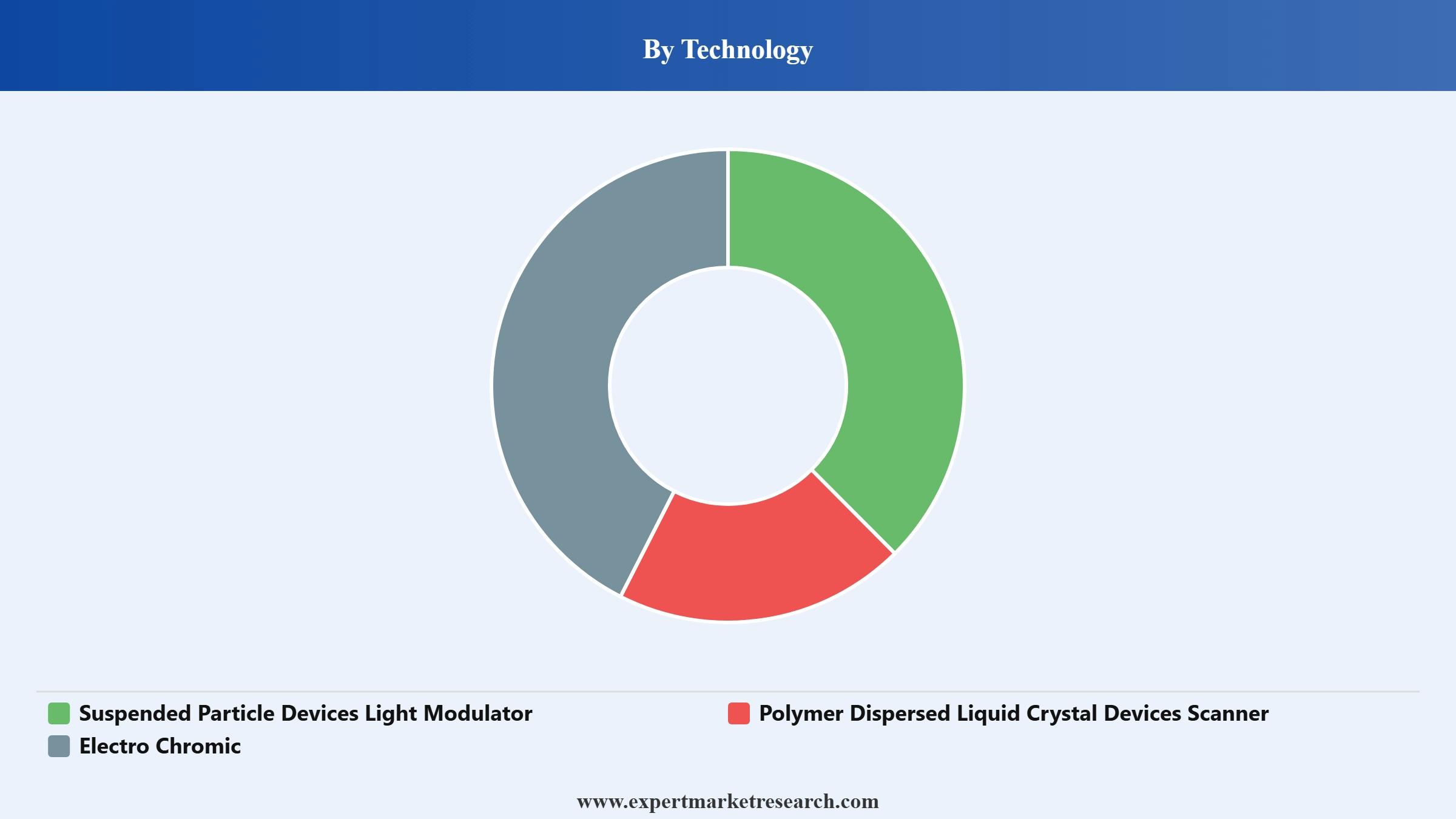
The opacity of smart windows could be changed from clear to translucent, which helps increase the comfort of the occupants, guarantees the best lighting conditions as well as increases the building's energy quality by reducing glare, lighting loads, and HVAC energy usage. The technology sector is being led by the suspended particle devices light modulator segment, whereas the self-dimming smart windows are the leading type in the industry. North America is the leading region for the market. The application sector is dominated by the transport segment.
Dutch research organisation TNO announced the first real-world applications of its SunSmart thermochromic smart windows in buildings and homes. More than 300 m² of commercially sized glass was produced, with installations including the Brightlands Circular Space building in Geleen and a residential property in Almere. The technology automatically blocks solar heat at around 21°C and permits solar heat at lower temperatures without electricity, wiring, or visible tint changes. TNO is now conducting trials in occupied buildings. The move from laboratory development to occupied buildings strengthens the commercialisation pathway for passive, energy-saving smart windows and could broaden adoption in residential and commercial construction.
Researchers at the University of Turku developed plant-inspired polymer films combining electrochromic behaviour with electrical energy storage. Based on porphyrins, the materials can change colour while storing electrical energy, creating a potential pathway for smart windows that simultaneously reduce solar heat and store energy. Different porphyrin compositions produced different switching characteristics, while the researchers reported rapid responses and durability across charge cycles. The technology remains at the research stage but introduces multifunctionality beyond conventional smart glazing. Combining solar-control functionality with energy storage could create new high-value smart-window applications and stimulate development of multifunctional glazing materials, thus boosting the growth of the smart window market.
Mativ and Miru Smart Technologies expanded their partnership to accelerate commercialisation of Miru’s electrochromic eWindow technology for automotive markets. Miru develops dynamic electrochromic windows for automotive, transportation and architectural applications, while Mativ contributes specialty materials capabilities. The companies are targeting greater manufacturing readiness for dynamic glazing systems that can electronically adjust transparency and solar control. The agreement builds on their earlier collaboration to develop electrochromic window technology. The expanded partnership supports the transition of electrochromic windows from development toward commercial-scale automotive applications, strengthening supply-chain capabilities for dynamic glazing.
At CES 2026 in January, Gentex showcased its next generation of large-area dimmable glass technologies, including electronically dimmable sunroofs and sun visors. The company highlighted developments designed to extend dimmable-glass functionality across automotive applications, alongside its established electronically dimmable window technologies for aerospace. The new systems demonstrate the industry's movement toward larger switchable glass surfaces capable of controlling light transmission while integrating additional vehicle functions and design features. The development expands the addressable market for smart glazing beyond conventional architectural windows, particularly across premium vehicles and transportation applications.
Smart windows are progressively incorporated into advanced building envelope assemblies for the automatic control of solar gain, natural lighting, and glare. Instead of being designed as separate window products, dynamic glass is emerging as part of an energy management approach for commercial and institutional buildings. The technology enables an adaptive control of light transmittance based on external conditions, thereby reducing the use of curtains and traditional shading systems. This development is aided by increased attention towards building energy performance and decarbonization. The industry is progressively focusing on enhancing the performance of glazing while maintaining architectural versatility, thus indicating that smart windows are increasingly being evaluated as an active component of energy-efficient façades rather than simply a premium glazing feature., propelling the smart window market growth.
Switchable privacy glazing is increasingly getting into popularity as technology continues to advance towards improving durability, reducing energy usage and connectivity to building automation systems. Latest innovations in the products are centered on the ability of the glass to switch from transparent and privacy modes while using very little energy. They can now also integrate with external building automation systems and phone applications such that users are able to manage their privacy alongside other building features. This has opened up avenues in residential interior rooms, bathrooms, health care facilities, hotels and meeting rooms whereby there is need for privacy without curtains or moving window coverings. The trend is broadening the smart-window market beyond solar-control applications and creating demand for glazing that combines privacy, convenience and digital controllability.
Integration with digital building-management infrastructure is becoming an increasingly important direction for smart windows. Dynamic glazing can be coordinated with sensors, automated controls and other building systems to respond to changing sunlight and indoor conditions. This enables window performance to become part of broader strategies for managing lighting, cooling and occupant comfort. The shift is particularly relevant to modern commercial buildings where multiple building systems are increasingly digitally connected. Instead of relying solely on manual switching, smart windows can operate as responsive components of intelligent façades. This integration also creates opportunities for manufacturers to differentiate through software compatibility, automated controls and easier connection with existing building-management infrastructure.
There have been advancements in the smart-window technology field that have seen it spread widely in the automotive industry. In the automotive industry, there have been attempts by manufacturers to enhance comfort levels within the vehicle. Dynamic glass technology may be integrated in such aspects of the vehicle as the panoramic roof and side windows to regulate heat and light coming into the car. For electric cars, the control of solar heat may help the car's energy system by enhancing the level of comfort in the cabin without cooling. The automotive industry, therefore, follows a different path from the architectural application of smart windows, thereby boosting the smart window demand.
Smart window products that are electrochromic are now being developed with both performance considerations as well as with aesthetic consideration in mind. Electrochromic glazing, although effective for its intended purpose, does have an obvious color change effect when tinted which may affect its desirability for use in architecture where neutral appearance is desired. The development of new technology now aims to make the glass appear more natural while maintaining its performance. As smart glazing becomes more visible in premium architectural projects, colour neutrality, visual consistency and façade aesthetics are becoming increasingly important alongside switching performance, durability and energy savings when developers evaluate smart-window technologies.
Smart windows are combined with lighting and air conditioning control systems to ensure greater thermal and visual comfort for occupants and to achieve substantial energy savings. In addition, the incorporation of smart windows with the Internet of Things (IoT) has helped to boost device management and configuration capabilities. These are some of the factors that drive the smart window industry growth at the global level. In addition, due to increased R&D activities, manufacturers are developing smart windows with electrochromic technology that allow building owners and operators to save energy and reduce cooling, heating, and lighting costs. Likewise, products are being produced using perovskites that turn dark at high temperatures and can produce solar energy like PV cells. These factors are propelling the overall growth of the smart window market.
The rapid evolution in sustainable construction practices supports increased demand for smart windows.
A key trend in the smart window market is the incorporation of smart windows can tremendously enhance the Leadership in Energy and Environmental Design score. Turkey has 36 projects for over 31 million square feet and Brazil with 119 projects covering approximately 28 million square feet, showing key activity in green building. Saudi Arabia, at sixth place, had 57 projects totaling over 23 million square feet, underlining the growing dedication of this Middle Eastern country to sustainability as it steers ahead with its Vision 2030 initiative. With 169 and 135 projects respectively each accounting for more than 21 million square feet of space certified by the LEED the commitment to sustainability by European countries is further underscored by Spain and Italy. Finally, South Korea ranked ninth, representing 67 LEED-certified projects covering more than 20 million square feet. Mexico rounds out the top ten, with 86 projects totaling more than 17 million square feet. Mexican national policies promote energy efficiency and sustainability in building practices and provide support for efforts toward sustainable construction and thereby pushing the smart window demand growth.
“Global Smart Window Market Report and Forecast 2026-2035” offers a detailed analysis of the market based on the following segments:
Based on technology, the smart window market can be divided into the following:
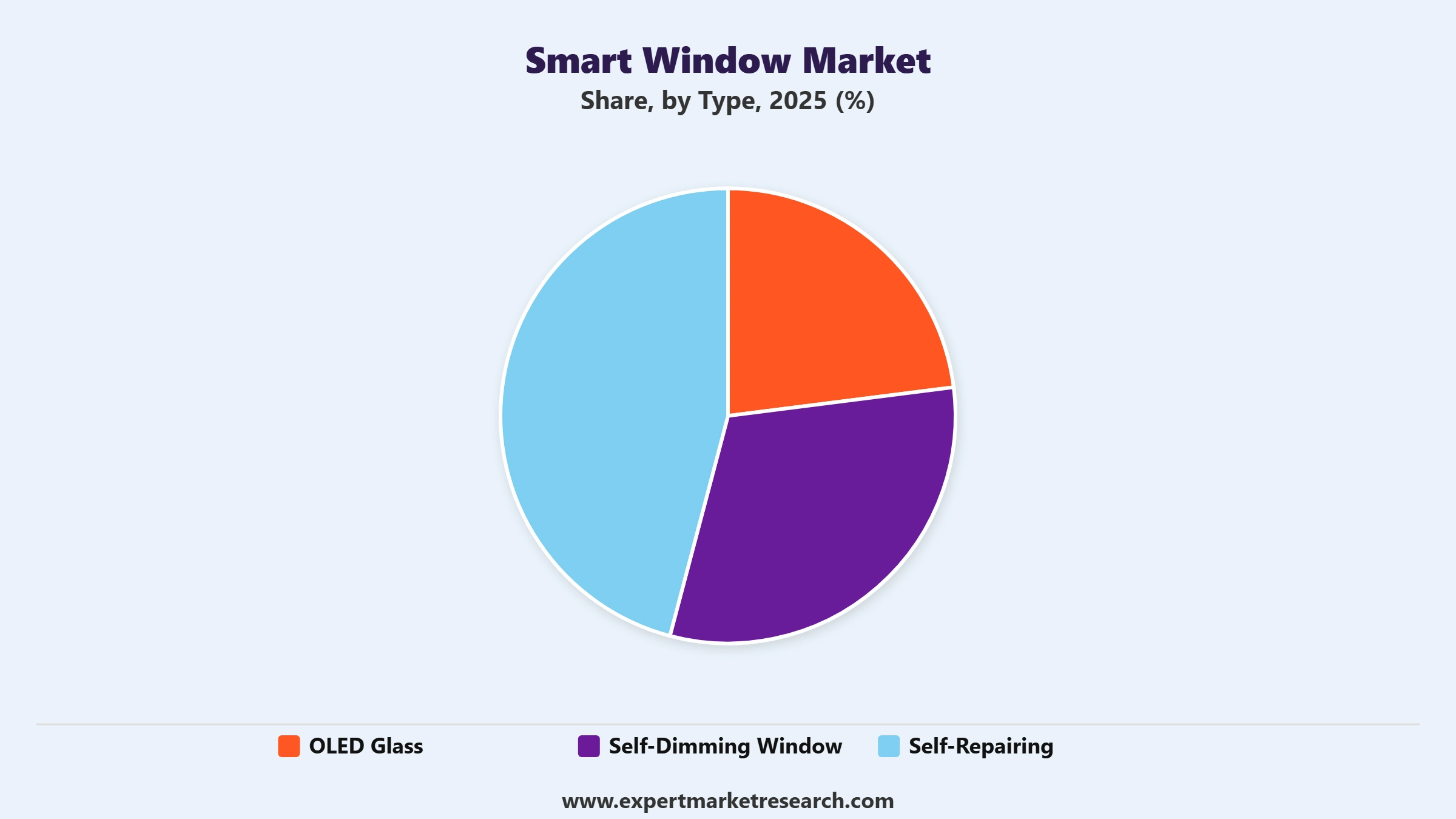
On the basis of type, the industry can be segmented into:
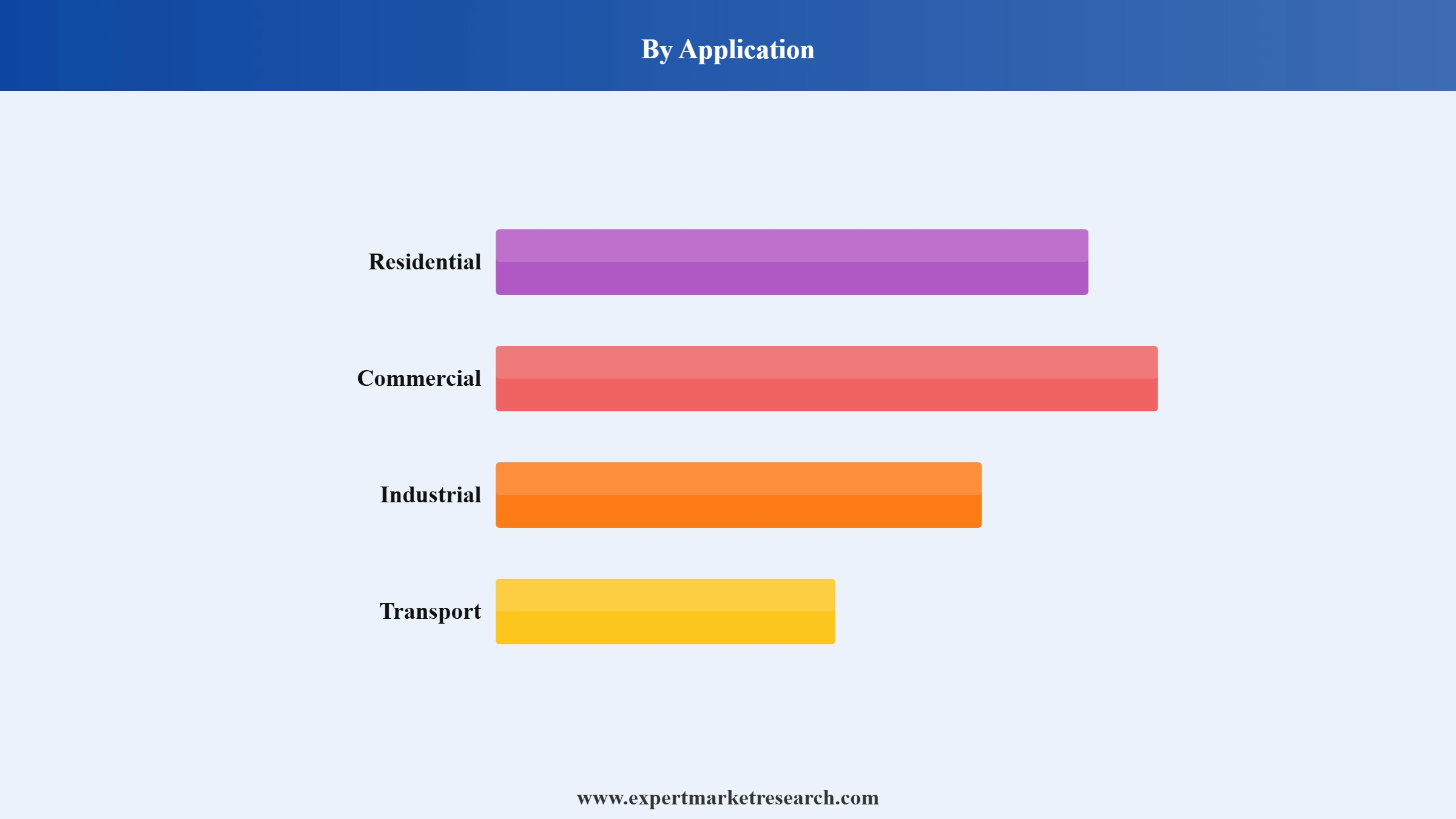
It finds application in the following industries:
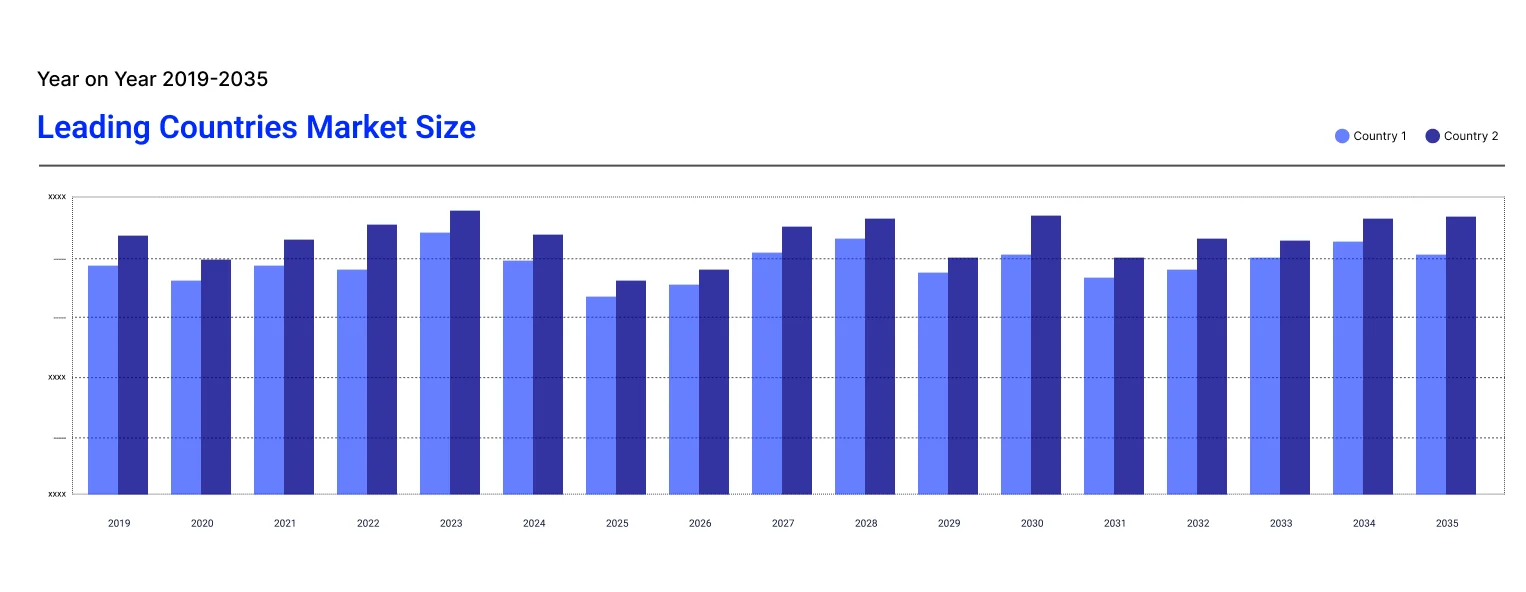
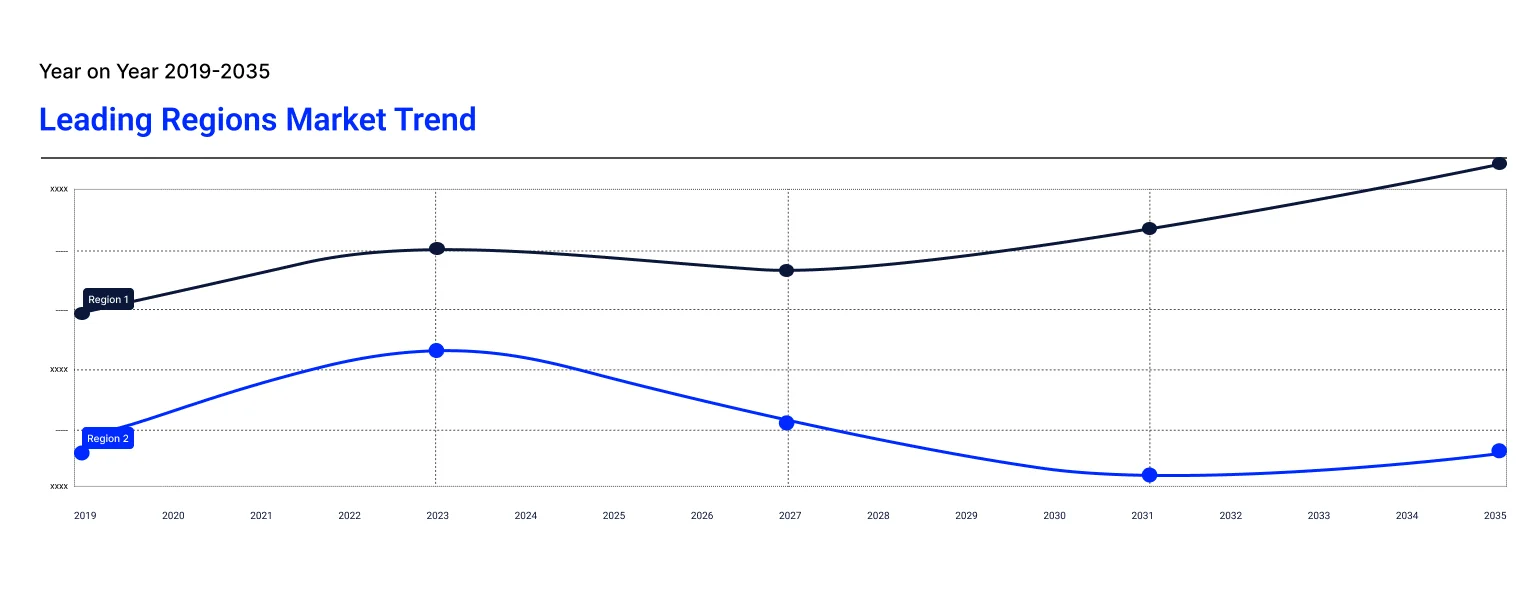
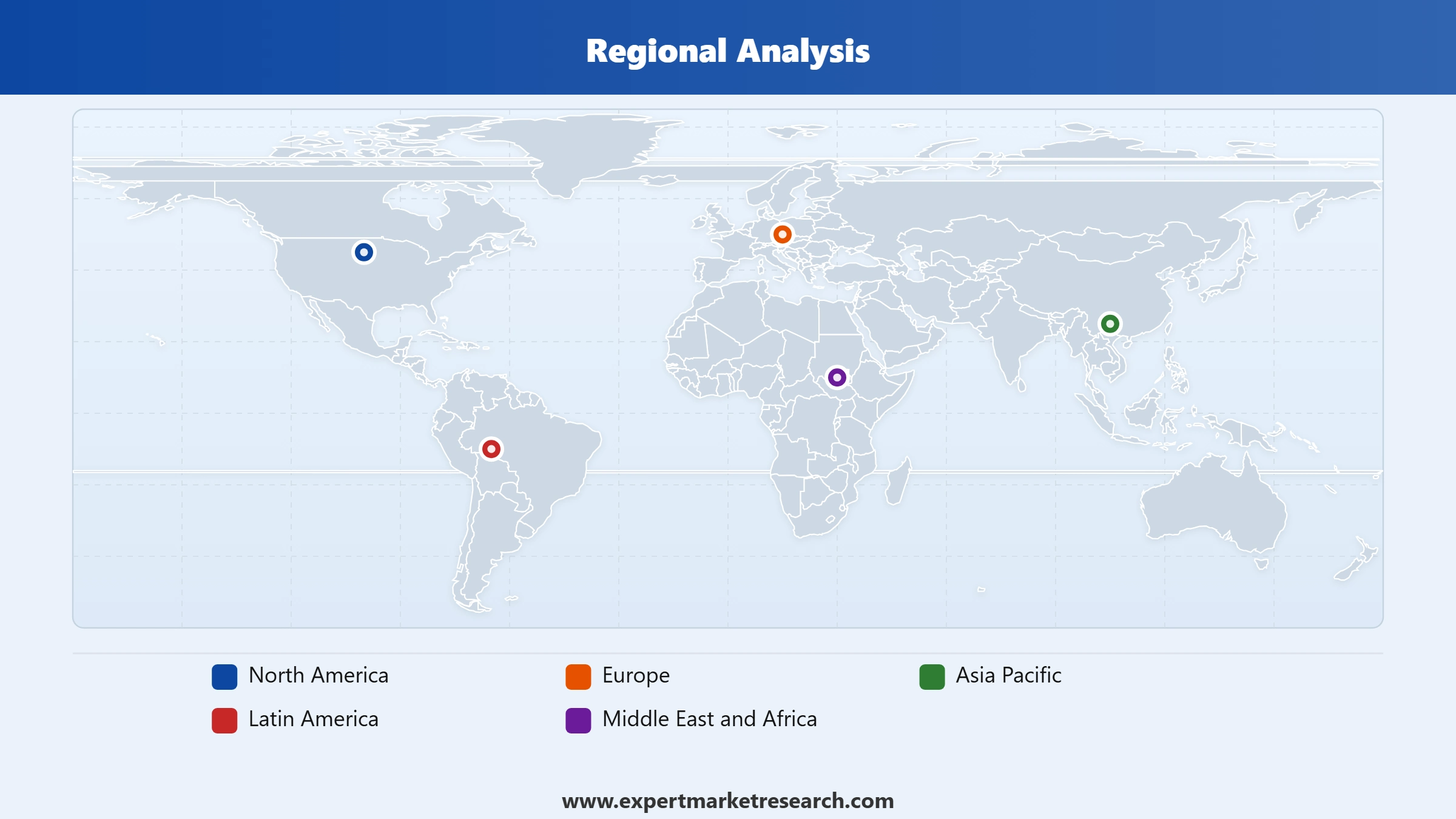
Market Breakup by Region
Read more about this report - REQUEST FREE SAMPLE COPY IN PDF
OLED Glass To Gain Traction For Its Architectural And Automotive Application
The OLED glass segment is projected to have huge growth owing to enhanced features and increasing applications. OLED glass in both architectural and automotive sectors has emerged as a workable solution, which provides display quality with high resolution and brilliant colors. It also offers transparent display and dynamic lighting effects for smart windows and innovative interior designs. As per smart window market analysis, it is envisioned that, driven by the increasing demand for slim and high-performance display solutions, more market share could be garnered in the near future with OLED glass, which comes endowed not only with state-of-the-art technology but also with esthetic benefits.
Read more about this report - REQUEST FREE SAMPLE COPY IN PDF
Read more about this report - REQUEST FREE SAMPLE COPY IN PDF
Advanced Technological Demand In North America To Propel The Demand
The demand for smart windows in North America is likely to grow during the forecast period due to a well-developed technological infrastructure and a keen focus on energy efficiency and sustainability. Huge investments are being witnessed in smart building technologies and green construction practices in the United States and Canada, thus propelling the adoption of smart windows. Apart from that, an increasing interest among North American consumers and businesses for innovative solutions in enhancing comfort and reducing energy consumption expenditure exists. Additional factors that fuel the smart window industry in North America are government incentives and regulations relating to energy-efficient technologies.
Read more about this report - REQUEST FREE SAMPLE COPY IN PDF
Key players in the smart window market are investing heavily in R&D for the development of OLED and electrochromic glass, broadening their product lines, and entering into strategic collaborations to foster innovation and market growth.
Heliotrope Technologies, a 2005-formed, Austin, Texas-based company specializing in advanced smart window technologies, with a focus on electrochromic glass. Their smart windows allow the transparency to change dynamically depending on light conditions, improving comfort indoors and energy efficiency. These are used both commercially and residentially, promoting sustainable building practices through innovative shading solutions.
Gentex Corporation, founded in 1974 and located in Zeeland, Michigan, is a leading manufacturer of electrochromic dimmable windows. Gentex caters to the automotive and architectural markets by providing smart glass products whose tint levels self-adjust based on the light passing through them. This technology makes for increased comfort by reducing glare and increasing energy efficiency in both vehicles and buildings.
Saint-Gobain, a 1665-established company with its headquarters in Paris, France, deals in various smart window solutions through electrochromic and photochromic glasses. The products offered are developed to be applied architecturally and in automotive industries, seeking energy efficiency, comfort, and aesthetic appeal. Innovations by Saint-Gobain seek the integration of smart glass technology into modern building designs and advanced vehicle systems.
*Please note that this is only a partial list; the complete list of key players is available in the full report. Additionally, the list of key players can be customized to better suit your needs.*
Other key players profiles in the smart window market report are Smart Windows Colorado, Pleotint LLC., and ChromoGenics, among others.
The smart window market value can be affected by a lot of price-related factors. In smart windows, price fluctuations for these materials may dictate the pricing to a large extent, which may be attributed to supply chain disruptions or alterations in demand. In cases where labor is more expensive in certain regions, this will be factored into the product price. The level of customization and value-added features integrated into the product determine the final selling price. Broader economic conditions, such as inflation rates, interest rates, and general economic stability, can also bear on smart window.


Upto 15% Off
USD
$2499 $2249
$3999 $3599
$4999 $4249
$5999 $5099


*While we strive to always give you current and accurate information, the numbers depicted on the website are indicative and may differ from the actual numbers in the main report. At Expert Market Research, we aim to bring you the latest insights and trends in the market. Using our analyses and forecasts, stakeholders can understand the market dynamics, navigate challenges, and capitalize on opportunities to make data-driven strategic decisions.*
The smart window market is expected to grow at a CAGR of 9.40% between 2026 and 2035.
The major drivers of the market are rising disposable incomes, convenience of smart windows, and growing research and development activities.
The rising inclusion of smart windows with the Internet of Things (IoT) and introduction of smart windows with the ability to save energy and act as PV cells are major trends of the market.
The major regions in the market are North America, Europe, the Asia Pacific, Latin America, and the Middle East and Africa, with North America accounting for the largest market share.
The various technologies in the market are suspended particle devices, light modulator, polymer dispersed liquid crystal devices scanner, and electro chromic.
The leading types of smart windows in the market are self-dimming windows, OLED glass, and self-repairing.
The various applications of smart windows in the market are residential, commercial, industrial, and transport.
The key players in the global smart window market are Heliotrope Technologies, Gentex Corporation, Saint-Gobain, Smart Windows Colorado, Pleotint LLC., and ChromoGenics, among others.
In 2025, the market attained a value of nearly USD 9.45 Billion.
The market is estimated to witness a healthy growth in the forecast period of 2026-2035 to reach about USD 23.21 Billion by 2035.
Explore our key highlights of the report and gain a concise overview of key findings, trends, and actionable insights that will empower your strategic decisions.
| REPORT FEATURES | DETAILS |
| Base Year | 2025 |
| Historical Period | 2019-2025 |
| Forecast Period | 2026-2035 |
| Scope of the Report |
Historical and Forecast Trends, Industry Drivers and Constraints, Historical and Forecast Market Analysis by Segment:
|
| Breakup by Technology |
|
| Breakup by Type |
|
| Breakup by Application |
|
| Breakup by Region |
|
| Market Dynamics |
|
| Competitive Landscape |
|
| Companies Covered |
|
| Report Price and Purchase Option | Explore our purchase options that are best suited to your resources and industry needs. |
| Delivery Format | Delivered as an attached PDF and Excel through email, with an option of receiving an editable PPT, according to the purchase option. |
Datasheet
One User
USD 2,499
USD 2,249
tax inclusive*
Single User License
One User
USD 3,999
USD 3,599
tax inclusive*
Five User License
Five User
USD 4,999
USD 4,249
tax inclusive*
Corporate License
Unlimited Users
USD 5,999
USD 5,099
tax inclusive*
*Please note that the prices mentioned below are starting prices for each bundle type. Kindly contact our team for further details.*
Flash Bundle
Small Business Bundle
Growth Bundle
Enterprise Bundle
*Please note that the prices mentioned below are starting prices for each bundle type. Kindly contact our team for further details.*
Flash Bundle
Number of Reports: 3
20%
tax inclusive*
Small Business Bundle
Number of Reports: 5
25%
tax inclusive*
Growth Bundle
Number of Reports: 8
30%
tax inclusive*
Enterprise Bundle
Number of Reports: 10
35%
tax inclusive*
How To Order

Select License Type
Choose the right license for your needs and access rights.

Click on ‘Buy Now’
Add the report to your cart with one click and proceed to register.

Select Mode of Payment
Choose a payment option for a secure checkout. You will be redirected accordingly.
Strategic Solutions for Informed Decision-Making
Gain insights to stay ahead and seize opportunities.

Get insights & trends for a competitive edge.

Track prices with detailed trend reports.

Analyse trade data for supply chain insights.

Leverage cost reports for smart savings

Enhance supply chain with partnerships.

Connect For More Information
Our expert team of analysts will offer full support and resolve any queries regarding the report, before and after the purchase.
Our expert team of analysts will offer full support and resolve any queries regarding the report, before and after the purchase.
We employ meticulous research methods, blending advanced analytics and expert insights to deliver accurate, actionable industry intelligence, staying ahead of competitors.
Our skilled analysts offer unparalleled competitive advantage with detailed insights on current and emerging markets, ensuring your strategic edge.
We offer an in-depth yet simplified presentation of industry insights and analysis to meet your specific requirements effectively.




