

Consumer Insights
Uncover trends and behaviors shaping consumer choices today
Procurement Insights
Optimize your sourcing strategy with key market data
Industry Stats
Stay ahead with the latest trends and market analysis.
The global soldier system market attained a value of USD 11.56 Billion in 2025 and is projected to expand at a CAGR of 4.70% through 2035. The market is further expected to achieve USD 18.30 Billion by 2035. Large-scale infantry modernisation programmes, rising defence budgets amid growing geopolitical tension, and increasing demand for networked, digitally connected soldier equipment continue to support demand for personal protection, vision, and communication systems across military and homeland security forces.
Large-scale infantry modernisation programmes continue to anchor steady demand across the soldier system market, as armed forces replace legacy equipment with networked, digitally connected kit spanning protection, communication, and situational awareness capabilities. Manufacturers are also investing in lightweight materials and modular system architectures, reflecting the industry's ongoing pursuit of improved soldier mobility without compromising protection or connectivity.
The soldier system market is witnessing further developments as established defence contractors secure large-scale production contracts under national infantry modernisation programmes. Rheinmetall secured a 1.04 billion euro Bundeswehr order for the Infantry Soldier of the Future programme, following the German Bundestag's approval of 1.3 billion euros for its broader infantry modernisation initiative. In June 2026, US Special Operations Command awarded L3Harris Technologies a 614-million-dollar contract to sustain electronic warfare countermeasure systems protecting special operations aircraft and personnel. This shift toward large, multi-year national modernisation contracts is concentrated among manufacturers with sufficient production scale to fulfil programme-level orders, while smaller specialists continue to compete on niche component technology.
In addition, established manufacturers are increasingly securing sole-source production awards for specialised optical and sensor technology, reflecting defence agencies' recognition that certain soldier system components require manufacturer-specific qualification processes that limit viable competitive bidding. In January 2026, Leonardo DRS was awarded a subcontract as the sole space-based mission payload provider for the Space Development Agency's missile tracking programme, building on decades of infrared sensing experience. Such sole-source contracting activity is reshaping competitive positioning across the wider soldier system market as manufacturers with established, qualified production tallies increasingly differentiate themselves from competitors still pursuing initial military qualification.
Compound Annual Growth Rate
4.7%
Value in USD Billion
2026-2035
Read more about this report - REQUEST FREE SAMPLE COPY IN PDF
Industry analysis found that airborne soldier systems represent the fastest-growing platform segment, driven by proliferating airborne and airmobile special operations capabilities alongside growing adoption of advanced parachuting equipment and aerial delivery-optimised protection gear. Companies can develop platform-specific soldier system variants for airborne and special operations forces to capture above-average growth relative to standard infantry procurement.
Teledyne FLIR put a soldier-carried loitering munition into US Army testing, expanding the company's soldier system portfolio into lightweight, infantry-deployable precision strike capability. Companies can extend established sensor and imaging expertise into adjacent soldier-carried weapon system categories to capture demand from evolving infantry lethality requirements.
Elbit America won sole-source production of the US Army's night vision binocular programme, reflecting the company's established qualification and manufacturing capability for specialised optical soldier system technology. Companies can pursue sole-source production qualification for specialised optical and sensor technology to secure durable, multi-year revenue visibility with reduced competitive bidding pressure.
Rheinmetall secured a 1.04 billion euro order from the Bundeswehr for its Infantry Soldier of the Future programme, following the German Bundestag's approval of 1.3 billion euros for the country's broader infantry modernisation initiative. Companies can pursue large, multi-year national modernisation contracts to secure production visibility well beyond typical single-year defence procurement cycles.
Established defence contractors continue to secure large-scale production orders under national infantry modernisation programmes. In April 2026, one leading contractor secured a 1.04 billion euro order from a major European defence ministry for its infantry soldier programme across the soldier system market, following legislative approval of 1.3 billion euros for the country's broader modernisation initiative. Such large-scale programme orders reflect defence ministries' recognition that comprehensive infantry modernisation requires multi-year, programme-level contracts rather than piecemeal component procurement.
Manufacturers continue to secure sole-source production qualification for specialised optical and sensor soldier system technology. In May 2026, one leading manufacturer won sole-source production of a major national army's night vision binocular programme, reflecting established qualification and manufacturing capability accumulated over years of prior contract performance. Such sole-source awards reflect defence agencies' recognition that switching established, qualified optical suppliers introduces performance and schedule risk that outweighs potential competitive bidding savings.
Manufacturers continue to extend established sensor and imaging expertise into adjacent soldier-carried weapon system categories. In May 2026, one leading manufacturer advanced a soldier-carried loitering munition into US Army testing, building on the company's existing imaging and targeting technology base. Such category extension reflects manufacturers' recognition that infantry lethality requirements are increasingly converging with sensor and targeting technology traditionally developed for reconnaissance applications.
Airborne and special operations soldier system platforms continue outpacing standard infantry procurement growth. Industry analysis published in August 2026 found airborne soldier systems representing the fastest-growing platform segment, driven by proliferating special operations capabilities and advanced parachuting and aerial delivery equipment adoption. Such platform-specific growth reflects armed forces' recognition that airborne and special operations units increasingly require soldier system variants engineered specifically for their distinct operational and equipment constraints.
Diversified defence groups continue to apply sensor and imaging research developed across their broader defence technology portfolios to increasingly sophisticated soldier system development. Established multi-segment defence contractors continue to develop soldier-worn communication, vision, and protection systems drawing on broader aerospace, naval, and land systems research spanning multiple defence categories beyond soldier systems alone. Such cross-portfolio research investment gives diversified defence groups a technical foundation that narrower soldier-system-only specialists must build through more limited, application-specific development.
This Expert Market Research Report titled "Soldier System Market Report and Forecast 2026-2035" offers a detailed analysis of the market based on the following segments:
Market Breakup by Type
Key Insight: Personal Protection accounts for the largest share of the soldier system market, reflecting universal ballistic protection requirements spanning helmets, vests, and clothing across all military force structures. Communication is growing at the fastest pace as network-centric warfare doctrine increasingly mandates encrypted digital tactical connectivity for dismounted infantry, illustrated by Rheinmetall's 2026 Bundeswehr order for its networked Infantry Soldier of the Future programme. Vision, Respiratory Protective Equipment, Exoskeleton, Surveillance and Target Acquisition, Navigation and Health Monitoring, Power and Data Transmission, and Training and Simulation each continue to serve distinct battlefield capability requirements.
Market Breakup by End User
Key Insight: Military end users account for the largest share of the soldier system market, reflecting armed forces' programme-scale procurement capacity that homeland security agencies typically cannot match. Homeland Security is growing at a fast pace as domestic security agencies increasingly adopt military-derived soldier system technology for border security and critical infrastructure protection applications.
Market Breakup by Region
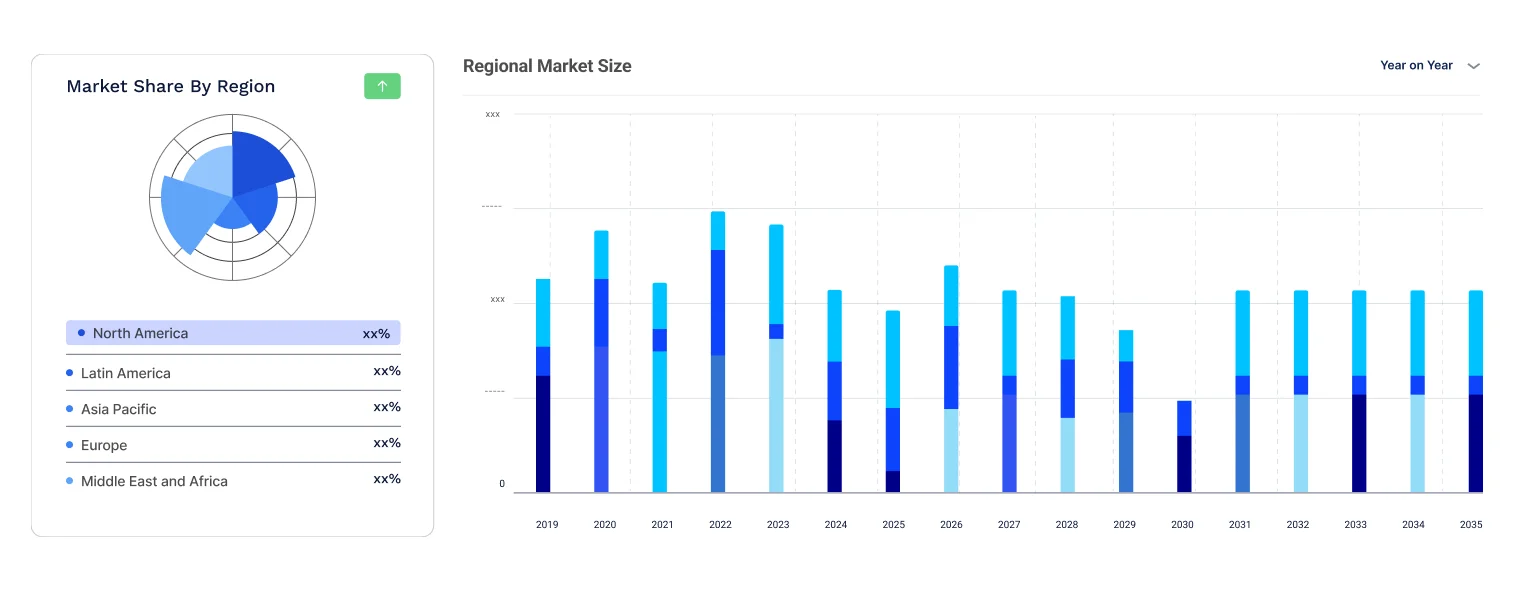
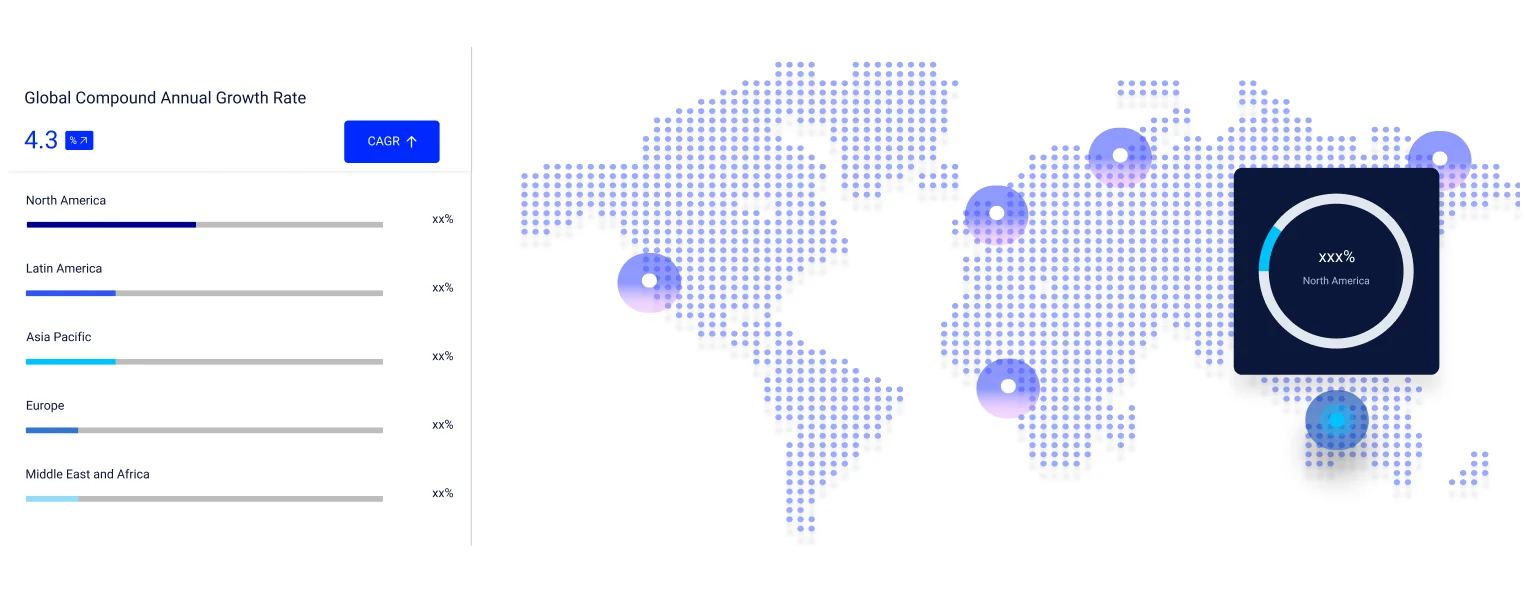
Key Insight: North America accounts for the largest share of the soldier system market, supported by substantial US defence investment and continuous procurement under the Army's soldier lethality modernisation initiatives. Europe is emerging as a key growth market as national infantry modernisation programmes, including Germany's Infantry Soldier of the Future initiative, drive sustained procurement growth. Asia Pacific, Latin America, and the Middle East and Africa each continue to serve distinct regional defence modernisation patterns.
Read more about this report - REQUEST FREE SAMPLE COPY IN PDF
By type, personal protection leads the market while communication grows fastest given network-centric warfare doctrine
Personal Protection continues to account for the largest share of the market, as helmets, vests, and clothing remain non-negotiable baseline equipment across every military force structure worldwide. Established personal protection supply relationships continue to anchor steady demand as defence ministries maintain proven equipment across successive procurement cycles. In June 2026, the US Army ordered 40 million dollars in next-generation combat helmets under its NG-IHPS programme, the most significant overhaul of American soldier head protection in two decades.
Communication is growing at the fastest pace across the soldier system market as network-centric warfare doctrine increasingly mandates encrypted digital tactical connectivity for dismounted infantry across major military modernisation programmes worldwide.
By end user, military leads the market while homeland security grows fastest given expanding domestic adoption
Military end users continue to account for the largest share of the market, reflecting armed forces' programme-scale procurement capacity spanning comprehensive infantry modernisation initiatives. Established military procurement relationships continue to anchor steady demand as defence ministries maintain long-term contractor partnerships across successive modernisation programmes.
Homeland Security is growing at a fast pace across the soldier system market as domestic security agencies increasingly adopt military-derived protection, communication, and surveillance technology for border security and critical infrastructure protection roles. As of 2026, the Department of Defense has deployed military-derived surveillance systems, including scout surveillance platforms and remote weapon stations, to support US Customs and Border Protection operations along the southern border.
Read more about this report - REQUEST FREE SAMPLE COPY IN PDF
North America commands the largest share of the market through substantial defence investment
North America holds the largest share of the soldier system market, anchored by deep US defence spending and the Army's ongoing soldier lethality modernisation initiatives. In May 2026, one major regional manufacturer won sole-source production of the US Army's night vision binocular programme, reinforcing the region's position as a hub for specialised soldier system manufacturing.
Europe is emerging as a key growth market as national infantry modernisation programmes drive sustained procurement growth across the region. The German Bundestag approved 1.3 billion euros for its infantry soldier modernisation programme, with Rheinmetall subsequently securing a 1.04 billion euro order under the initiative, underscoring the scale of European defence modernisation investment underway.
The global industry is moderately consolidated, with soldier system market companies ranging from diversified defence technology groups spanning multiple military categories to specialist soldier system providers competing across type, end user, and regional segments. Established players operate across the full soldier system value chain, from ballistic protection materials and optical sensor development through complete networked communication and situational awareness platforms for military and homeland security customers.
Competitive dynamics among soldier system players are increasingly shaped by the pace of large-scale national modernisation programme contract wins, the scale of sole-source production qualification, and the race to extend established sensor expertise into adjacent soldier-carried weapon categories. Manufacturers are investing in networked communication systems, lightweight protective materials, and modular system architectures to differentiate their offering and secure long-term defence customer relationships.
Founded in 1999 and headquartered in Farnborough, United Kingdom, BAE Systems supplies soldier protection, communication, and situational awareness systems as part of its broader portfolio spanning land, naval, air, and cyber defence technology. The company serves military customers requiring integrated soldier system solutions across multiple equipment categories. BAE Systems' diversified defence technology base differentiates its offering from narrower single-category soldier system specialists.
Founded in 1966 and headquartered in Haifa, Israel, Elbit Systems supplies soldier system technology including night vision, communication, and situational awareness equipment. In May 2026, the company's American subsidiary won sole-source production of the US Army's night vision binocular programme, reflecting established qualification and manufacturing capability. Elbit Systems' specialised optical and sensor engineering expertise differentiates its offering from competitors with less established night vision qualification.
Founded in 1889 and headquartered in Düsseldorf, Germany, Rheinmetall supplies soldier system technology including its Infantry Soldier of the Future networked soldier programme, alongside its broader portfolio spanning land systems, weapons, and ammunition. In April 2026, the company secured a 1.04 billion euro Bundeswehr order under Germany's infantry modernisation initiative. Rheinmetall's comprehensive land systems portfolio differentiates its offering from competitors focused solely on individual soldier equipment categories.
Founded in 1978 and headquartered in Wilsonville, Oregon, United States, Teledyne FLIR supplies thermal imaging, sensor, and soldier-carried targeting technology for military and defence customers. In May 2026, the company advanced a soldier-carried loitering munition into US Army testing, extending its sensor and imaging expertise into soldier-carried weapon system applications. Teledyne FLIR's thermal imaging and sensor specialisation differentiates its offering from broader defence contractors without comparable optical sensor depth.
Other key players in the soldier system market include General Dynamics Corporation, Bionic Power Inc, L3Harris Technologies, Inc, Leonardo S.p.A, Northrop Grumman Systems Corporation, and Thales Group, among others.
*Please note that this is only a partial list; the complete list of key players is available in the full report. Additionally, the list of key players can be customized to better suit your needs.*
Unlock the latest insights with our soldier system market trends 2026 report. Discover regional growth patterns, type and end user trends, and key industry players. Stay ahead of competition with trusted data and expert analysis. Download your free sample report today and drive informed decisions in the market.


Upto 15% Off
USD
$2499 $2249
$3999 $3599
$4999 $4249
$5999 $5099


*While we strive to always give you current and accurate information, the numbers depicted on the website are indicative and may differ from the actual numbers in the main report. At Expert Market Research, we aim to bring you the latest insights and trends in the market. Using our analyses and forecasts, stakeholders can understand the market dynamics, navigate challenges, and capitalize on opportunities to make data-driven strategic decisions.*
The market reached a value of nearly USD 11.56 Billion in 2025.
The market is estimated to grow at a CAGR of 4.70% between 2026 and 2035.
The market is estimated to witness a healthy growth in the forecast period of 2026-2035 to reach a value of around USD 18.30 Billion by 2035.
Securing large-scale national infantry modernisation programme contracts, pursuing sole-source production qualification for specialised optical and sensor technology, and extending established sensor expertise into adjacent soldier-carried weapon system categories.
The key trends in the market include the increasing integration of soldier systems with nanotechnologies to produce lightweight, easily wearable, and flexible soldier systems and the increasing soldier system capabilities amid the rising penetration of the Internet of military things (IoMT).
Vision, respiratory protective equipment (RPE), exoskeleton, training and simulation, surveillance and target acquisition, navigation and health monitoring, communication, personal protection, power and data transmission, and training and simulation are the different types of soldier systems.
Military and homeland security are the major end users of the market.
BAE Systems plc, Elbit Systems Ltd., General Dynamics Corporation, Teledyne FLIR LLC, Bionic Power Inc., L3Harris Technologies Inc., Leonardo S.p.A, Rheinmetall AG, Thales Group, and Northrop Grumman Corporation, among others, are the key market players.
Manufacturers face lengthy defence qualification and certification cycles limiting new entrant competition, high development costs for networked and modular system architectures, and the technical difficulty of reducing soldier-carried equipment weight without compromising protection or capability.
Explore our key highlights of the report and gain a concise overview of key findings, trends, and actionable insights that will empower your strategic decisions.
| REPORT FEATURES | DETAILS |
| Base Year | 2025 |
| Historical Period | 2019-2025 |
| Forecast Period | 2026-2035 |
| Scope of the Report |
Historical and Forecast Trends, Industry Drivers and Constraints, Historical and Forecast Market Analysis by Segment:
|
| Breakup by Type |
|
| Breakup by End User |
|
| Breakup by Region |
|
| Market Dynamics |
|
| Competitive Landscape |
|
| Companies Covered |
|
Datasheet
One User
USD 2,499
USD 2,249
tax inclusive*
Single User License
One User
USD 3,999
USD 3,599
tax inclusive*
Five User License
Five User
USD 4,999
USD 4,249
tax inclusive*
Corporate License
Unlimited Users
USD 5,999
USD 5,099
tax inclusive*
*Please note that the prices mentioned below are starting prices for each bundle type. Kindly contact our team for further details.*
Flash Bundle
Small Business Bundle
Growth Bundle
Enterprise Bundle
*Please note that the prices mentioned below are starting prices for each bundle type. Kindly contact our team for further details.*
Flash Bundle
Number of Reports: 3
20%
tax inclusive*
Small Business Bundle
Number of Reports: 5
25%
tax inclusive*
Growth Bundle
Number of Reports: 8
30%
tax inclusive*
Enterprise Bundle
Number of Reports: 10
35%
tax inclusive*
How To Order

Select License Type
Choose the right license for your needs and access rights.

Click on ‘Buy Now’
Add the report to your cart with one click and proceed to register.

Select Mode of Payment
Choose a payment option for a secure checkout. You will be redirected accordingly.
Strategic Solutions for Informed Decision-Making
Gain insights to stay ahead and seize opportunities.

Get insights & trends for a competitive edge.

Track prices with detailed trend reports.

Analyse trade data for supply chain insights.

Leverage cost reports for smart savings

Enhance supply chain with partnerships.

Connect For More Information
Our expert team of analysts will offer full support and resolve any queries regarding the report, before and after the purchase.
Our expert team of analysts will offer full support and resolve any queries regarding the report, before and after the purchase.
We employ meticulous research methods, blending advanced analytics and expert insights to deliver accurate, actionable industry intelligence, staying ahead of competitors.
Our skilled analysts offer unparalleled competitive advantage with detailed insights on current and emerging markets, ensuring your strategic edge.
We offer an in-depth yet simplified presentation of industry insights and analysis to meet your specific requirements effectively.




