

Consumer Insights
Uncover trends and behaviors shaping consumer choices today
Procurement Insights
Optimize your sourcing strategy with key market data
Industry Stats
Stay ahead with the latest trends and market analysis.
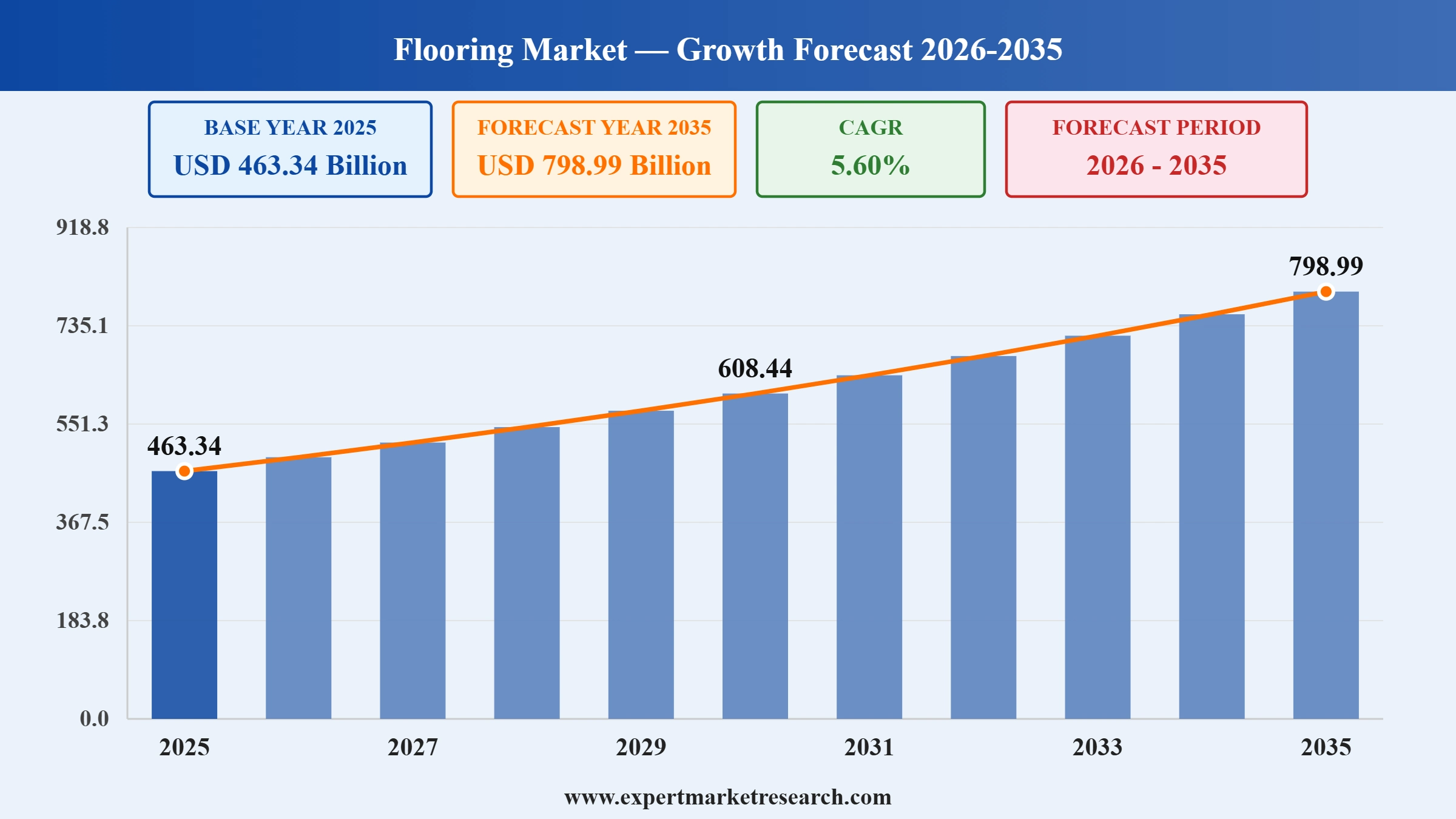
The global flooring market size reached approximately USD 463.34 Billion in 2025. The market is projected to grow at a CAGR of 5.60% between 2026 and 2035, reaching a value of around USD 798.99 Billion by 2035, driven by urbanization, luxury vinyl tile adoption, sustainable materials demand, and construction growth.
The flooring market is experiencing a product mix transformation that is simultaneously reshaping competitive dynamics and driving premiumization across the broader market. Luxury vinyl tile and luxury vinyl plank flooring have emerged as the decade's most commercially successful flooring innovations, combining the visual authenticity of wood and stone aesthetics with waterproof performance, dimensional stability, and installation simplicity that traditional natural materials cannot match. Digital printing and embossed-in-register surface texturing technologies have progressively closed the visual and tactile gap between luxury vinyl products and natural wood or stone flooring, enabling LVT and LVP to compete effectively across residential, commercial, hospitality, and healthcare applications where moisture resistance and durability are as important as aesthetic appeal.
Simultaneously, sustainability considerations are becoming a material purchasing criterion across all market segments. Approximately 44% of flooring buyer preferences are now influenced by sustainable product attributes, and LEED certification and green building code requirements are making sustainability certifications a specification gatekeeper on major commercial and institutional construction projects. This sustainability imperative is driving investment in recycled-content vinyl formulations, bio-based materials, low-VOC adhesives, and circular economy product design programs across the market's leading participants.
This growth is being driven by factors like urbanization and a growing inclination towards high-quality flooring materials. Consumers also value durability and design. They are seeking flooring solutions that provide lasting performance with an appealing look. However, as the market continues its dynamic evolution, flooring material innovations like eco-friendliness and sustainability have gained traction. Rise in demand for versatile, easy-to-maintain and stylish floor covering is further bolstering the market potential.
Read more about this report - REQUEST FREE SAMPLE COPY IN PDF
Urbanization and Construction Activity in Emerging Markets
Global urbanization is the most powerful structural demand driver for the flooring market. The United Nations projects that the global urban population will reach approximately 68% of total world population by 2050, with the overwhelming majority of urbanization occurring in Asia, Africa, and Latin America. This demographic and geographic transformation is generating extraordinary new construction demand residential apartment buildings, commercial retail and office space, schools, hospitals, and transportation infrastructure all of which require flooring as a fundamental building finish component.
Asia Pacific is the most significant regional beneficiary of this construction-driven demand, accounting for approximately 53 to 56% of global flooring market revenue in 2025. China, India, Indonesia, Malaysia, and Vietnam are experiencing particularly strong construction activity, supported by government infrastructure investment programs, urban housing development schemes, and rising household income levels that are fueling demand for better-quality flooring products in both new construction and renovation contexts. India's real estate sector is expanding rapidly, with government programs including the Pradhan Mantri Awas Yojana (PMAY) housing scheme driving new residential construction at a scale that creates substantial demand for flooring across the price and quality spectrum.
Renovation and Remodeling Demand in Mature Markets
In North America, Europe, and other developed market regions, the renovation and remodeling segment is the primary demand driver, as the existing housing stock ages and homeowners invest in upgrading interior finishes. Renovation-driven flooring demand is particularly resilient to new construction cycle downturns, as homeowners continue upgrading flooring during periods when new home construction is constrained by interest rates, land costs, or material availability. Approximately 45% of flooring purchases in mature markets are primarily driven by aesthetic and design considerations, with buyers motivated by updated interior aesthetics, home value enhancement, and improved material performance.
The aging US housing stock with a significant proportion of owner-occupied homes built before 1980 represents a persistent renovation opportunity for flooring manufacturers and retailers. Resilient LVT and LVP products have captured a disproportionate share of renovation-driven flooring demand in North America, as homeowners replace carpets, outdated vinyl sheet flooring, and worn laminate with premium luxury vinyl products that deliver durable, waterproof performance with contemporary aesthetics.
Luxury Vinyl Tile (LVT) Revolution: The Market's Fastest-Growing Premium Category
Luxury vinyl tile and luxury vinyl plank flooring represent the most commercially significant product innovation in the flooring industry over the past decade. LVT and LVP products combine photorealistic digital-print representations of wood, stone, and ceramic surfaces with a waterproof rigid or flexible core construction that provides dimensional stability across temperature changes, complete moisture resistance, and superior impact and scratch resistance compared to laminate or hardwood alternatives. The result is a product that delivers the visual appeal of premium natural materials at a substantially lower cost point, with significantly simpler installation, easier maintenance, and far superior moisture performance.
The global LVT market growth is being sustained across both residential and commercial segments: in residential applications, LVT and LVP are displacing carpet and laminate in renovation projects; in commercial applications, rigid-core LVT systems are replacing ceramic tile and hardwood in hospitality, healthcare, education, and retail environments where waterproof performance, ease of maintenance, and realistic aesthetics are simultaneously valued.
Manufacturing technology advances particularly in digital printing resolution, embossed-in-register surface texturing, and rigid SPC (Stone Plastic Composite) core formulation are continuously improving the visual and tactile authenticity of LVT products, enabling them to compete more effectively against genuine wood and stone in premium market segments where authenticity has historically been the primary objection.
Sustainability: From Feature to Specification Requirement
Sustainability has evolved from a marketing differentiator to a commercial specification requirement in the flooring market. Approximately 44% of flooring buyer preferences are now influenced by sustainable product attributes, and in commercial and institutional construction, LEED (Leadership in Energy and Environmental Design) certification and green building code compliance are making sustainability certifications a non-negotiable prerequisite for products specified on major projects.
This shift is driving significant product development investment across the flooring industry. In vinyl flooring, leading manufacturers are developing formulations using increased recycled content, replacing phthalate plasticizers with more benign alternatives, and eliminating volatile organic compounds (VOCs) from adhesive systems. Approximately 34% of recent flooring purchases involved products with eco-friendly material specifications. Carpet manufacturers are developing products using recycled plastic bottle fiber, post-consumer carpet reclamation programs, and bio-based backing alternatives. Hardwood flooring manufacturers are investing in Forest Stewardship Council (FSC) certified wood sourcing and reclaimed wood product ranges to address deforestation concerns associated with tropical hardwood species.
The circular economy model is gaining traction in commercial flooring, where products designed for disassembly, carpet tile take-back programs, and LVT recycling initiatives are increasingly valued by commercial real estate owners and corporate tenants with Scope 3 sustainability commitments that encompass building fit-out material choices.
Commercial Construction and Non-Residential Flooring Demand
The non-residential application segment encompassing commercial offices, retail, hospitality, healthcare, education, and industrial facilities represented approximately 52.3% of the global flooring market revenue share in 2025, slightly exceeding the residential segment and reflecting the high-value, high-specification flooring requirements of commercial and institutional construction projects. Commercial flooring is growing at approximately 6.25% CAGR through the forecast period, driven by global commercial real estate development, healthcare facility expansion, and hospitality and retail refurbishment cycles.
Healthcare flooring represents a particularly dynamic commercial sub-segment, driven by the combination of rising healthcare infrastructure investment globally, the stringent hygiene and infection control requirements of healthcare environments, and the post-pandemic acceleration of antimicrobial surface specification. Approximately 35% of recent flooring product launches include antimicrobial features silver ion treatments, copper-infused surface compounds, and inherently antimicrobial linoleum formulations targeted at healthcare and food service environments where infection control is a regulatory requirement.
Acoustic performance has emerged as a significant driver of commercial flooring specification, with approximately 29% of recent commercial flooring purchasing decisions influenced by acoustic performance criteria. Flooring products that provide impact sound insulation and walking noise reduction are increasingly specified in open-plan offices, healthcare facilities, and multi-family residential buildings where occupant comfort and privacy are critical design priorities.
One of the key trends in the flooring market is the growing demand for high-quality residential flooring solutions. As people make more investments into their homes, there is a burgeoning relationship with lasting, stylish, and sustainable choices. Increasing consumer awareness of the significance of energy-efficient appliances and devices in the residential segment has led to this shift which is subsequently propelling market growth as companies are concentrating on developing innovative products to cater to the demand in this segment.
Manufacturers focusing more on meeting the demand in the construction industry is a key trend in the flooring market. As urbanization increases and residential and commercial projects expand, manufacturers are producing solutions that meet the changing needs of customers in the market. This trend is driving companies to innovate and invest in advanced production techniques to meet consumers' needs for sustainable, cost-effective, and long-lasting construction solutions. With the construction industry booming, flooring manufacturers are devoting energy to create products that fulfill quality expectations and environmental demands. This trend is influencing the growth of the market as more investments lead to a steady supply of quality flooring materials to meet the demands of construction projects across the world.
Rising investments and the burgeoning furniture industry are propelling the growth of the flooring market. The construction sector is looking for sustainable and innovative flooring solutions, which motivate manufacturers to prioritize developing advanced installation techniques. Moreover, as sustainable regulatory standards evolve around the globe, the market continues to experience innovations that fulfill demands for aesthetics as well as environmental expectations, propelling their growth trajectory and widening the market scope of flooring solutions.
One of the market trends is rising consumer demand for energy-efficient flooring products with improved insulation characteristics. With energy bills going up, buyers are looking for options that will offer better insulation and reduce energy costs. The market experiences further growth, supported by the input of manufacturers focusing on new designs and easy installation processes. This demand for improved thermal performance flooring is spurring both market expansion and improvements in insulation technology, both of which are continuing to drive industry growth.
Soaring popularity of patterned luxury vinyl; increasing demand for eco flooring; rising use of paraquet effect; and rising appeal for dark wood laminate are key trends impacting the market growth.
Mohawk Group the commercial flooring division of Mohawk Industries, the world's largest flooring company at USD 10.8 billion in annual sales officially welcomed Hero Flooring into its portfolio in April 2026, with the acquisition finalized on February 13, 2026. The deal strengthens Mohawk's high-performance and sustainable resilient flooring portfolio, including the addition of Nike Grind recycled material product lines, reinforcing its sustainability and LVT capabilities.
In March 2026, flooring manufacturers accelerated the commercial rollout of PVC-free resilient flooring products in response to intensifying demand for sustainable construction materials from specifiers, green building programs, and corporate sustainability commitments in commercial and institutional projects.
In January 2026, leading flooring manufacturers expanded investments in high-resolution digital printing technologies and enhanced wear-layer engineering, enabling luxury vinyl tile to deliver greater visual authenticity and longer in-service lifespans further closing the aesthetic and durability gap with natural wood and stone flooring.
In March 2025, LX Hausys introduced two new resilient flooring technologies at The International Surface Event (TISE) 2025: TrueFit, designed for precision installation performance, and TrueQuiet, focused on acoustic performance reflecting growing commercial flooring demand for both installation efficiency and occupant comfort.
Patterned luxury vinyl is a high-quality, durable flooring material that mimics natural textures with detailed designs. Its practical benefits are contributing to the market growth.
With the growing trend of sustainability, there is a rising demand for eco flooring, environmentally friendly flooring options made from renewable, recycled, or natural materials.
As parquet effect mimics the geometric mosaic of wood pieces used in traditional parquet flooring while offering intricate designs and patterns for aesthetic appeal, its usage is increasing.
Dark wood laminate is a synthetic flooring product which mimics the appearance of dark hardwood floors. Its durability and affordability is driving its popularity globally.
Raw Material Price Volatility and Supply Chain Pressures
The flooring market is exposed to significant raw material cost volatility across its primary product categories. PVC resin the primary raw material for luxury vinyl tile, vinyl sheet, and vinyl composite tile is petrochemically derived and subject to crude oil price cycles, ethylene supply constraints, and chlorine market dynamics. Ceramic and porcelain tile manufacturing is energy-intensive and subject to natural gas price volatility, which has disproportionately affected European tile manufacturers during periods of energy market disruption. Wood flooring is subject to timber supply constraints, trade tariff exposure, and forest management regulations affecting sourcing from key production regions.
Supply chain disruption including logistics bottlenecks, port congestion, and cross-border trade policy changes has created material cost and availability challenges for the flooring industry, particularly for manufacturers dependent on imports from Asia for raw materials or finished products. These pressures are driving investments in supply chain diversification and, in some markets, reshoring of manufacturing to reduce logistics cost exposure and geopolitical risk.
Real Estate Market Cyclicality and Interest Rate Sensitivity
Flooring demand, particularly in the residential segment, is closely correlated with housing market activity new construction starts, existing home sales turnover, and renovation investment levels all of which are sensitive to interest rate environments and broader economic confidence. Periods of high mortgage interest rates reduce housing market transaction volumes and can suppress renovation investment as homeowners with low-rate mortgages elect to stay in their current homes rather than move, reducing the flooring replacement demand triggered by home sales. In North America and Europe, the sustained high interest rate environment of 2023 to 2025 created headwinds for flooring market demand, particularly in new residential construction.
Intensifying Low-Cost Competition
The flooring market faces persistent competitive pressure from low-cost manufacturing in Asia, particularly from Chinese producers of ceramic tile, LVT, and laminate products that compete on price in export markets globally. Antidumping tariff actions in the United States and Europe have provided some protection to domestic manufacturers, but continue to generate trade policy uncertainty. Competition from lower-cost imports has contributed to margin compression in commodity flooring categories, pushing established manufacturers to focus on innovation, premium product development, sustainability differentiation, and service capabilities to maintain margin quality.
The study on the flooring market delivers detailed analysis on region-level perspective depending on specific contemporary industry trends. It considers various segments, such as product, application, and type. By assessing all these segments, this report presents a thorough discussion of market drivers, regulations, and emerging opportunities observed in the market.
Product Outlook (Revenue, Billion, 2026-2035)
Type Outlook (Revenue, Billion, 2026-2035)
Application Outlook (Revenue, Billion, 2026-2035)
Region Outlook (Revenue, Billion, 2026-2035)




Read more about this report - REQUEST FREE SAMPLE COPY IN PDF
Both the residential and commercial sectors are fragmented. The flooring market is quite concentrated in nature and dominated by top manufacturers. Key players drive market growth by expanding their product offerings to cater to various consumer needs. Additionally, as demand increases, these manufacturers are forced to innovate and adapt to trends, continuing to offer a competitive edge in an ever-evolving flooring space.
Leading manufacturers dominate this market, with a focus on technology and product innovations to cater to increasing consumer demand. The development of more advanced digital printing technology enables complex designs to be applied to ceramics, which increases the range of products. To adapt to different environments, manufacturers also have plans to make investments in developing waterproofing solutions on a larger scale. Unique flooring products that serve the different aspects of buildings in more than one way both in terms of functionality and aesthetics are further compelling the market to grow.
The flooring market shows that the M&A consolidation is gradually increasing. Mergers and acquisition strategies are being adopted by key players to gain a larger market share, broaden product portfolios, and fuel growth in industries. Such mergers enable the manufacturers to achieve state-of-the-art technology, enhance the production capabilities and further consolidate their position in the competitive market.
The flooring market is often characterized by heavy regulatory standards, especially when it comes to sustainability. Consumer demand and changing regulations have led manufacturers to focus on sustainable materials and eco-friendly vinyl flooring. This transformation is driving market growth as firms develop novel solutions for sustainable alternatives. This focus on sustainability is indeed fostering competition, determining the course of the market toward a more environmentally friendly, longer-lasting floor.
Flooring requirements are becoming more concentrated with a focus on offering different types of products like wood, laminate, ceramic and natural stone. With the growing consumer need for sustainable flooring solutions, manufacturers are also focusing on eco-friendly materials. This trend is propelling market growth, with consumers increasingly aware of a balance between aesthetics, durability and the environment. Soaring demand for a range of flooring materials ranging from sustainable wood and laminate is boosting appeal within the market and momentum for innovation.
One of the major trends identified in the flooring market is consumer demand for materials with increased insulation characteristics. As energy costs continue to rise, customers have been looking for flooring products that provide better insulation and help to reduce energy bills. Both trends demand for insulation technology and increasing demand for flooring which improves thermal performance are driving growth and innovation across this field, further contributing to industry growth.
On the other end, demand for flooring is growing across residential, commercial, and industrial sectors and whereas; the same is witnessing increased concentration in recent years. Urbanization is fueling growth, as there is an increase in construction projects and the need for durable, cost-effective flooring solutions. A variety of tailored products are being developed by manufacturers to meet the specific needs of these sectors, which are becoming increasingly prevalent among various applications.
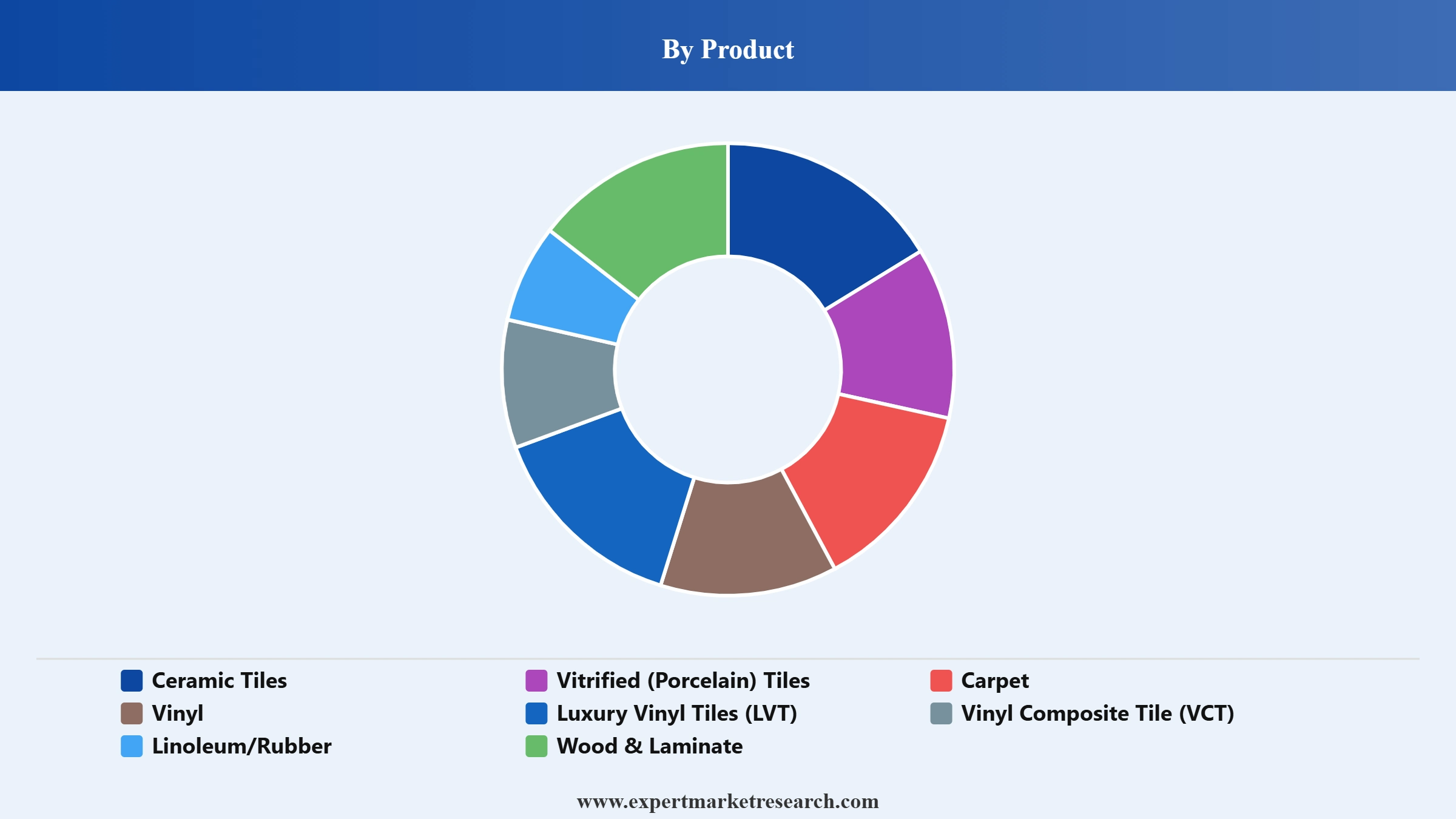
Ceramic tiles are among the strongest and most versatile flooring options in the market. They are available in a wide variety of colors, patterns, and finishes, making them ideal for numerous types of residential and commercial application. Ceramic tiles are an excellent choice for heavy traffic areas like kitchens, bathrooms and entryways because of their moisture resistance, ease of maintenance and low cost. The growing demand for green products has also increased the demand for ceramic tiles.
Vitrified porcelain tiles are an advanced form of ceramic tiles which are strong, have low life and durability. The tiles are stain-, scratch- and water-resistant, which makes them ideal for both residential and commercial use. Increasing demand is driven mostly by their aesthetic appeal along with better performance in higher moisture areas. Vitrified tiles are manufactured using high-end penalties that can encompass a wide range of designs, and hence, are best suited for consumers looking for high end maintenance-free options.
Read more about this report - REQUEST FREE SAMPLE COPY IN PDF
Carpet is a good choice for residential and commercial places due to the comfort and warmth, the sound absorption features, and variety of designs. Carpets also come in many textures, colors, and patterns, which allows consumers to customize each room or décor. Their insulating characteristics help improve energy efficiency in homes, and the array of pile options. These are easy to install; however, they need proper maintenance to retain their appearance and performance for a long time.
Luxury Vinyl Tiles (LVT) are currently trending in the market. These offer the highest quality aesthetics to look like natural materials like timber or stone. The water-resistant nature of vinyl also makes them an ideal choice for kitchens, bathrooms, and basements. Known for its resemblance to either hardwood or ceramic, LVT has gained ground in both the residential and commercial arena as an effective means of getting both style and durability at an affordable overall price.
Vinyl Composite Tile (VCT) is an affordable floor covering commonly used in commercial environments, offering a cost-effective option with long-lasting resilience and low maintenance. Eco floor coverings like linoleum and rubber floor types are being used increasingly in both the commercial and residential spaces where they require a more sustainable and slip-resistant surface. Wood and laminate flooring are considered classics. Laminate is a more affordable, low-maintenance solution that replicates that natural wood aesthetic. These flooring solutions address a wide range of consumer needs as per their preferred cost, performance and design.
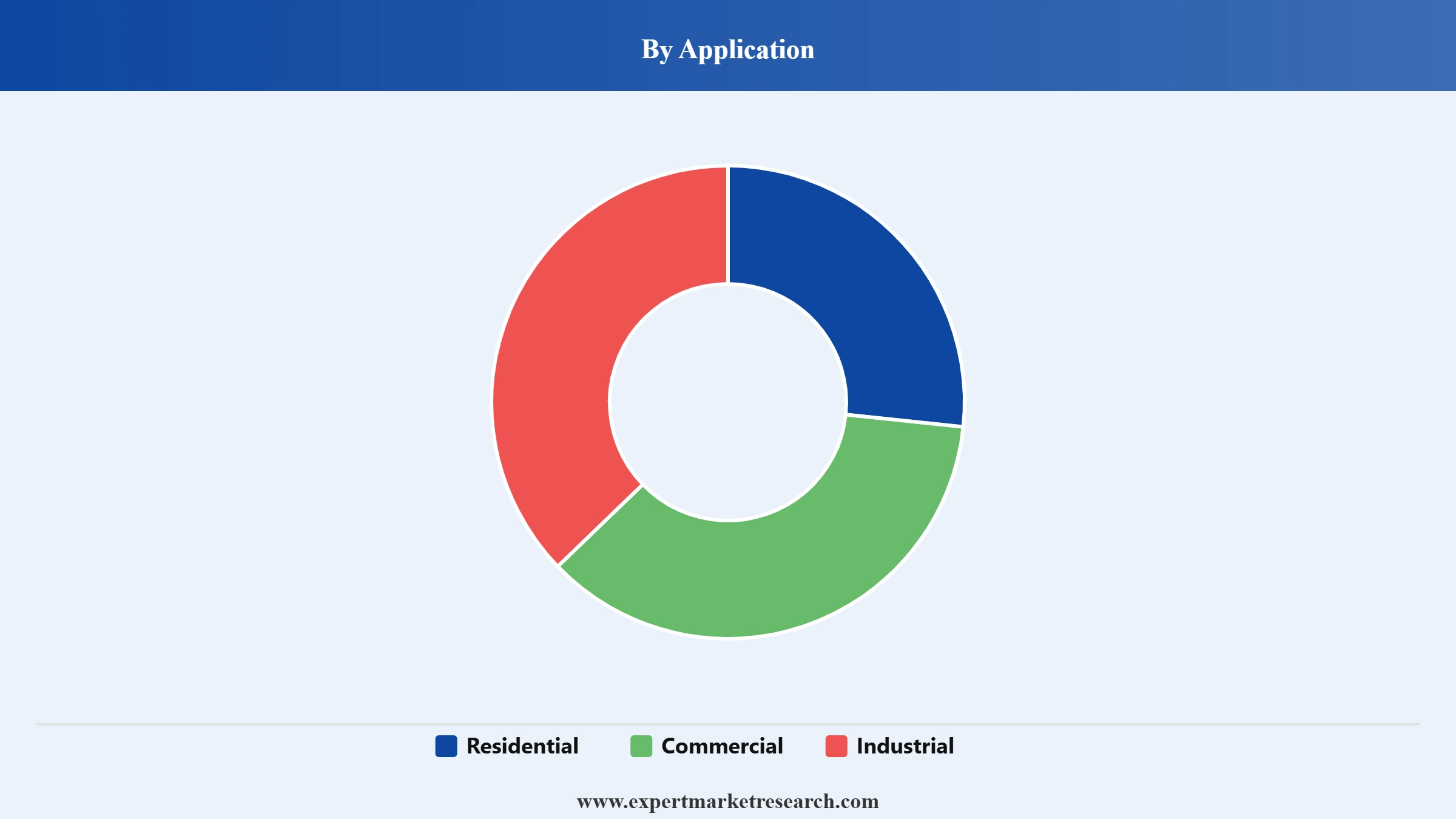
Residential floors are typically selected based on looks, durability and comfort. Ceramic, wood, and laminate floors are common because of their stylish looks and ease of maintenance. Vinyl and luxury vinyl tiles (LVT) are gaining in popularity because they can emulate higher-end materials such as hardwood and stone. Carpeted materials also still hold a preference in living rooms and bedrooms owing to their warmth and comfort.
From healthcare to retail and corporate industries, commercial spaces have an obvious need for flooring solutions that can stand up to heavy foot traffic without sacrificing a polished look. Hence, there is a wide use of vinyl composite tiles (VCT) and luxury vinyl tiles (LVT) because they are hard-wearing, easy to lay, and easy to maintain. Ceramic tiles, wood, and laminate are also commonly installed as these require a mixture of aesthetics and utility. These materials are durable enough to withstand the daily rigors of an office or retail environment.
Read more about this report - REQUEST FREE SAMPLE COPY IN PDF
Industrial applications require strong and durable flooring that can withstand the weight of heavy machinery, chemicals, and high foot traffic. In warehouses and factories, vinyl, VCT, and rubber floors are popular due to impact resistance, easy cleaning, and slip-resistance. The materials are used for both safety and functional purposes, while also providing longevity in harsh environments. It is also used in some industrial places where it is considered environmentally sound and can withstand heavy machinery.
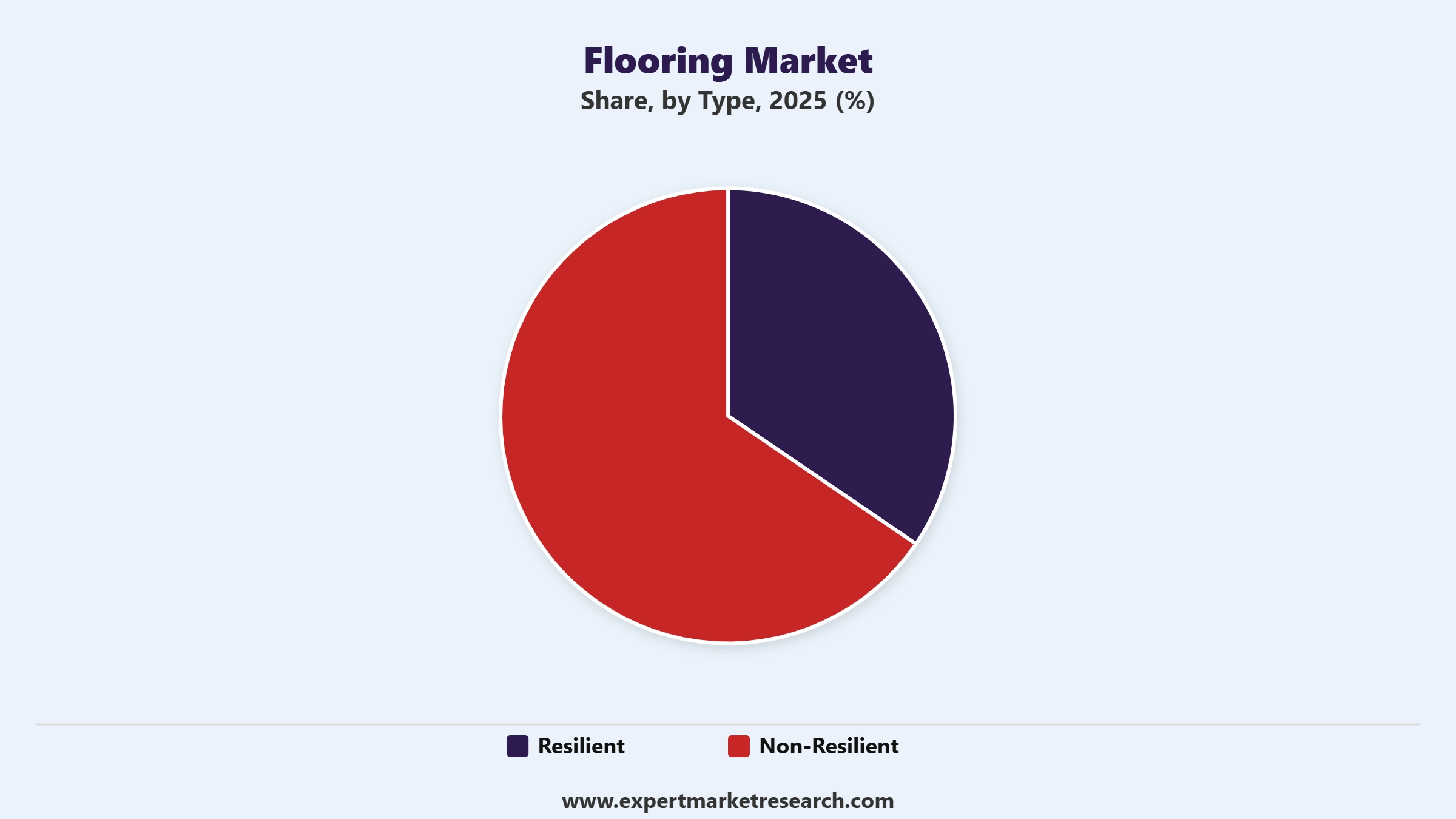
For flexible, tough and comfortable to stand on, resistant flooring is the most ideal option. This type of flooring consists of products such as vinyl, luxury vinyl tiles (LVT), linoleum, and rubber. Resistant flooring is highly resistant to wear, stains, and water, and thus best suited for high-traffic rooms or water-exposure rooms like the kitchen and bathroom. The flooring products are also sound-absorbing and soft to walk on, which creates a comfortable setting in home and business environments.
The non-resilient floor, including ceramic tiles, natural stone, wood, and laminate, is defined by its hardness and strength. These are generally employed for their appearance since they are engineered to resemble natural building materials with complex patterns and texture. Non-resilient floors are extremely durable and ideal for high-traffic areas. Moreover, they are easier to use, clean, and maintain, which makes them perfect for home and business purposes as well.
Read more about this report - REQUEST FREE SAMPLE COPY IN PDF
Non-resilient and resilient flooring types evolve to fit consumer preferences for durability, eco-friendliness, and low maintenance. It also remains a popular category of resilient flooring, particularly LVT and vinyl which have found significant traction in both residential and commercial sectors where water resistant, low-maintenance flooring is a must. Conversely, classic look and long-term value flooring options such as ceramic tiles and wood are still in demand. Increasing demand for sustainable and high-performance materials is spurring innovation in both categories.
Australia Flooring Market
The Australian flooring market is witnessing consistent growth, fueled by a flourishing construction industry and an increasing preference for sustainable and premium-quality flooring solutions. The residential and commercial sectors are majorly driving market growth, with the residential end-use segment displaying a growing trend towards luxury vinyl tiles, timber, and carpet products. The expansion of green flooring alternatives like bamboo and cork has also helped boost the market due to growing consumer interests in environmentally sustainable options.
United States Flooring Market
With growing consumer demand for functional yet aesthetically pleasing flooring options, the United States flooring market continues to be one of the largest in the world. Hundreds of flooring options are available in the market. These are available in the form of wood, vinyl or laminate, all popular for their low cost, ease of installation and huge amount of design options. Furthermore, the increasing demand for home renovation projects and commercial infrastructure is accelerating the demand. The regular introduction of advanced flooring products including waterproof, scratch-resistant, and others boosts consumer buying decisions, contributing to long-term growth of the overall market.
Read more about this report - REQUEST FREE SAMPLE COPY IN PDF
Europe Flooring Market
The top players in European market are investing in diversified product transformation which is gaining momentum in the region due to the varying consumer preferences and increasing demand for innovative and sustainable materials. Germany, France, and the United Kingdom lead the market while there is a rising prominence for eco-friendly flooring solutions such as cork, linoleum and engineered wood. Another market driver is the increased emphasis on interior design and the demand for high-quality, long-lasting flooring in residential and commercial spaces.
Asia Pacific Flooring Market
Urbanization, increasing disposable incomes, and construction will keep the Asia Pacific flooring market booming, especially in China and India. The need for affordable and rugged flooring alternatives like vinyl, ceramic tiles, as well as laminate is proliferating. Additionally, there is a rising desire for higher-end goods such as engineered wood and luxury vinyl tiles as the middle class grows and demand for aesthetically pleasing interiors rises. Manufacturers visioning the flooring market face many opportunities and challenges owing to the broad consumer base in the region and its disparate economic situations.
The flooring market is segmented by product type and geography. Manufacturers with a consolidated profile in the flooring sector have established distribution channels across multiple countries. They have increasingly invested in digital printing technology to design complex ceramic combinations and product variety. Lowering oil prices will lead manufacturers to develop waterproofing solution devices.
Furthermore, manufacturers are also building a solid online identity in order to stay ahead of their competition. The innovative products and appropriate display & distribution systems, along with online catalogs and virtual assistants, assist the customers in selecting the right product for the intended application. As a result, the buyers prefer visiting online sites before paying a visit to stores for collecting information related to the products and the brand. This has made it easier for manufacturers with a strong hold on the virtual front.
United States Flooring Market
Laminate Flooring Market
Outdoor Flooring Market
Wood Flooring Market


Upto 15% Off
USD
$2499 $2249
$3999 $3599
$4999 $4249
$5999 $5099


*While we strive to always give you current and accurate information, the numbers depicted on the website are indicative and may differ from the actual numbers in the main report. At Expert Market Research, we aim to bring you the latest insights and trends in the market. Using our analyses and forecasts, stakeholders can understand the market dynamics, navigate challenges, and capitalize on opportunities to make data-driven strategic decisions.*
In 2025, the flooring market reached an approximate value of USD 463.34 Billion.
The market is estimated to grow at a CAGR of 5.60% between 2026 and 2035.
The market is projected to reach a value of around USD 798.99 Billion by 2035.
Rapid urbanization, technology development, and the growing popularity of house remodeling are driving the industry.
The growing demand for environmental flooring, the growing use of paraquet effect, the growing popularity of patterned luxury vinyl, and the growing attraction of dark wood laminate are the main trends driving the market expansion.
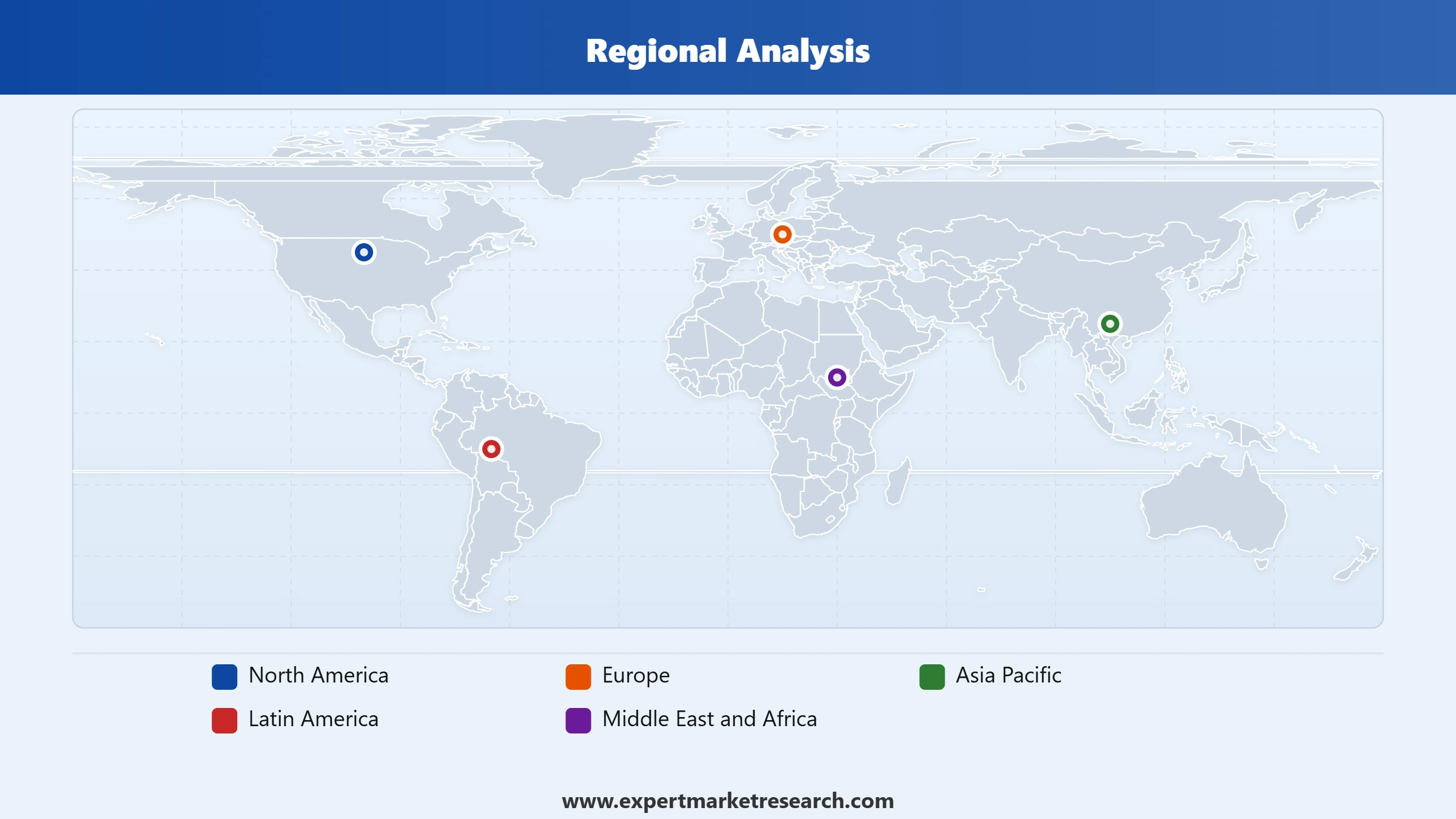
The major regions in the market are North America, Latin America, the Middle East and Africa, Europe, and the Asia Pacific.
The major applications include residential and commercial, among others.
The major players in the market are Mohawk Industries, Inc., Berkshire Hathaway, Inc. (Shaw Industries Group, Inc.), Tarkett S.A., Armstrong World Industries Inc. (AHF, LLC), Gerflor Group, Mannington Mills Inc., Forbo Flooring, Interface, Inc., Polyflor Ltd., RAK Ceramics PJSC, Crossville, Inc., Ceramiche Atlas Concorde SpA, Porcelanosa Group, Kajaria Ceramics Limited, Canadian Flooring, AFI Licensing, and Burke Flooring Products, Inc.
The market was dominated by the residential segment.
China led the global flooring market share.
Ceramic tiles led with the dominant share in the market.
Explore our key highlights of the report and gain a concise overview of key findings, trends, and actionable insights that will empower your strategic decisions.
| REPORT FEATURES | DETAILS |
| Base Year | 2025 |
| Historical Period | 2019-2025 |
| Forecast Period | 2026-2035 |
| Scope of the Report |
Historical and Forecast Trends, Industry Drivers and Constraints, Historical and Forecast Market Analysis by Segment:
|
| Breakup by Product |
|
| Breakup by Type |
|
| Breakup by Application |
|
| Breakup by Region |
|
| Market Dynamics |
|
| Competitive Landscape |
|
| Companies Covered |
|
Datasheet
One User
USD 2,499
USD 2,249
tax inclusive*
Single User License
One User
USD 3,999
USD 3,599
tax inclusive*
Five User License
Five User
USD 4,999
USD 4,249
tax inclusive*
Corporate License
Unlimited Users
USD 5,999
USD 5,099
tax inclusive*
*Please note that the prices mentioned below are starting prices for each bundle type. Kindly contact our team for further details.*
Flash Bundle
Small Business Bundle
Growth Bundle
Enterprise Bundle
*Please note that the prices mentioned below are starting prices for each bundle type. Kindly contact our team for further details.*
Flash Bundle
Number of Reports: 3
20%
tax inclusive*
Small Business Bundle
Number of Reports: 5
25%
tax inclusive*
Growth Bundle
Number of Reports: 8
30%
tax inclusive*
Enterprise Bundle
Number of Reports: 10
35%
tax inclusive*
How To Order

Select License Type
Choose the right license for your needs and access rights.

Click on ‘Buy Now’
Add the report to your cart with one click and proceed to register.

Select Mode of Payment
Choose a payment option for a secure checkout. You will be redirected accordingly.
Strategic Solutions for Informed Decision-Making
Gain insights to stay ahead and seize opportunities.

Get insights & trends for a competitive edge.

Track prices with detailed trend reports.

Analyse trade data for supply chain insights.

Leverage cost reports for smart savings

Enhance supply chain with partnerships.

Connect For More Information
Our expert team of analysts will offer full support and resolve any queries regarding the report, before and after the purchase.
Our expert team of analysts will offer full support and resolve any queries regarding the report, before and after the purchase.
We employ meticulous research methods, blending advanced analytics and expert insights to deliver accurate, actionable industry intelligence, staying ahead of competitors.
Our skilled analysts offer unparalleled competitive advantage with detailed insights on current and emerging markets, ensuring your strategic edge.
We offer an in-depth yet simplified presentation of industry insights and analysis to meet your specific requirements effectively.




