

Consumer Insights
Uncover trends and behaviors shaping consumer choices today
Procurement Insights
Optimize your sourcing strategy with key market data
Industry Stats
Stay ahead with the latest trends and market analysis.

The United States roofing market size was valued at USD 24.89 Billion in 2025 and is expected to grow at a CAGR of 6.60% during the forecast period of 2026-2035. Growing premium insurance benefits linked to extreme weather events are encouraging homeowners and commercial developers to invest in impact-resistant roofing materials, boosting long-term demand for reinforced asphalt and composite shingles, thereby aiding the market to attain a value of USD 47.16 Billion by 2035.
Growth in the market is also spurred by regulatory frameworks and an increasing shift toward sustainable and energy-efficient materials. According to the United States Census Bureau, the value of new private housing units authorised by building permits were 1,397,000 as of June 2025, which indicates opportunities in terms of roofing system demand. Meanwhile, the Department of Energy’s Weatherization Assistance Program is allocating USD 3.5 billion to upgrade energy efficiency in low-income homes, which includes reflective and solar roofing installations.
Furthermore, California’s Title 24 energy standards mandate cool roofs on certain residential and commercial structures, driving a strong push for thermoplastic polyolefin (TPO) and other reflective materials. This particular United States roofing market trend has been echoed in New York with similar mandates in urban planning policies, prompting roofing contractors and material suppliers shift towards greener portfolios. Market players are, hence, not only responding to structural demand but also futureproofing products through sustainability credentials.
Additionally, innovation is peaking with smart roofing systems embedded with solar panels and sensors, redefining the overall United States roofing market dynamics. GAF Energy’s Timberline Solar shingles, launched in February 2025, are a prime example, merging aesthetics with renewable energy output. With federal incentives under the Inflation Reduction Act supporting residential solar installs, the market is experiencing a unique confluence of policy, product, and consumer demand shifts.
Base Year
Historical Period
Forecast Period
Asphalt shingles offer cost-effective roofing which can mimic the appearance of premium materials such as wood and slate.
As per the U.S. roofing market dynamics, metal roofing has a longer lifespan and offers superior protection against harsh weather conditions.
Wood shingles serve as a natural, eco-friendly roofing solution, possess rich texture and are highly customisable.
Compound Annual Growth Rate
6.6%
Value in USD Billion
2026-2035
*this image is indicative*
| United States Roofing Market Report Summary | Description | Value |
| Base Year | USD Billion | 2025 |
| Historical Period | USD Billion | 2019-2025 |
| Forecast Period | USD Billion | 2026-2035 |
| Market Size 2025 | USD Billion | 24.89 |
| Market Size 2035 | USD Billion | 47.16 |
| CAGR 2019-2025 | Percentage | XX% |
| CAGR 2026-2035 | Percentage | 6.60% |
| CAGR 2026-2035 - Market by Region | Rocky Mountain | 7.1% |
| CAGR 2026-2035 - Market by Region | New England | 6.5% |
| CAGR 2026-2035 - Market by Roof Type | Metal | 7.8% |
| CAGR 2026-2035 - Market by Application | Non-residential | 7.5% |
| Market Share by Country 2025 | Far West | 20.7% |
Read more about this report - REQUEST FREE SAMPLE COPY IN PDF
The retrofit roofing category is experiencing a noticeable growth, especially within old commercial buildings, boosting the overall scope for United States roofing market expansion. For example, the Infrastructure Investment and Jobs Act allocated USD 157 million to building modernisation in February 2024, stimulating demand for re-roofing systems that align with new energy codes. Contractors are increasingly opting for mechanically attached membrane systems and spray polyurethane foam (SPF) roofing for their ease of application and insulation properties. Retrofit also reduces landfill pressure, which is a concern in cities like Chicago.
As per the United States roofing market report, traditional PV panels are losing ground to integrated solar roofing systems. Tesla's Solar Roof, though initially slow in adoption, has picked up pace with installations across Texas, Arizona, and California. Moreover, the United States Energy Information Administration (EIA) reports that residential solar adoption is expected to grow by 63% in the coming years. Solar-integrated roofs help homeowners bypass aesthetic concerns and HOA restrictions while meeting net-zero targets.
Climate change has fuelled cool-roofing demand in the United States. According to the Cool Roof Rating Council, global installations grew by 13% YoY in 2024. Cities like Phoenix and Las Vegas have rolled out heat mitigation programs offering rebates for installing cool roofs on both homes and businesses. Manufacturers are developing coatings with higher solar reflectance and infrared emittance. Innovative polymers from companies like Johns Manville and reflective granules from 3M are being increasingly adopted. Cool roofs also extend HVAC system life and reduce peak cooling loads.
With continuous severe labour shortages, players in the United States roofing industry are pivoting to factory-assembled solutions. Roofing firms are partnering with modular construction companies to deliver rapid-install solutions with fewer labour hours. This is particularly beneficial in post-disaster rebuilding zones like Florida and Louisiana, where speed and consistency are critical. Prefab roofing is gradually becoming a standard in commercial builds.
Roofing inspections are evolving with AI-powered drone technology and digital twin simulations, reshaping the United States roofing market dynamics. Companies like EagleView and DroneDeploy now offer thermal imaging and 3D mapping to spot water ingress and structural wear in large-scale commercial roofs. FEMA's grant for pre-disaster mitigation is pushing municipalities to invest in tech-driven risk assessments. Drones reduce the need for manual, risky climbs, reducing inspection times by 50-70% while increasing accuracy. On the other hand, digital twin models help plan maintenance cycles, reducing downtime and material wastage. For property managers and real estate developers, tech-enabled roofing solutions are becoming industry standard.
Read more about this report - REQUEST FREE SAMPLE COPY IN PDF
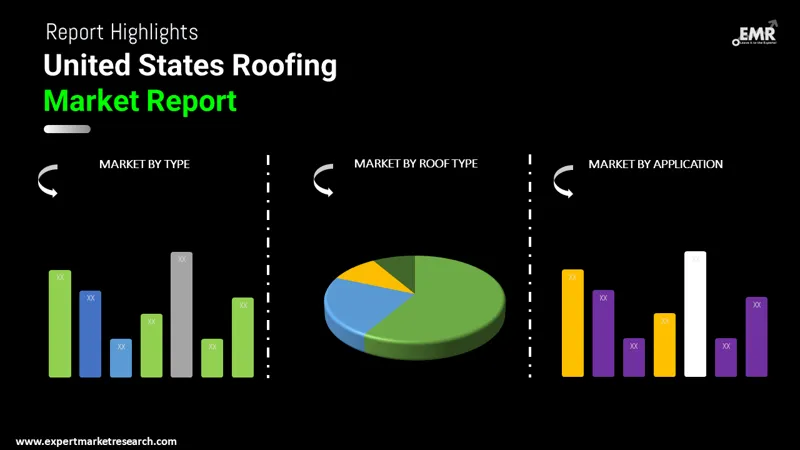
The EMR’s report titled “United States Roofing Market Report and Forecast 2026-2035” offers a detailed analysis of the market based on the following segments:
Market Breakup by Type
Key Insight: The market report is categorised into asphalt shingles, metal, tiles, wood shingles, and others. Asphalt shingles dominate the market due to in cost efficiency and nationwide availability, while metal roofs are growing popular due to their sustainability and long-term ROI. Tiles are favoured in southwestern climates for their thermal performance, and wood shingles continue to hold aesthetic value in heritage renovations. Other types including synthetics and polymer-modified bitumen are gaining traction in niche industrial applications.
Market Breakup by Roof Type
Key Insight: The United States roofing market is primarily divided into slope and flat roofing types. Slope roofs remain dominant due to their proven performance in diverse weather conditions and compatibility with mainstream housing materials. Flat roofs, however, are moving up gaining traction owing to their multifunctionality in urban commercial builds. Each roof type presents distinct advantages. For example, slope roofs are used for drainage and aesthetics, whereas flat roofs are relied on for sustainability and utility use. These enable stakeholders to choose based on function, location, and future-proofing strategies.
Market Breakup by Application
Key Insight: The market covers both residential and non-residential domains. Residential leads in volume due to replacement cycles and extreme weather events, while the non-residential application experiences sharper innovation in materials and applications. Each serves different economic sectors; residential for consumers, non-residential for commercial and government investments, presenting stakeholders with ample United States roofing market opportunities.
Market Breakup by Region
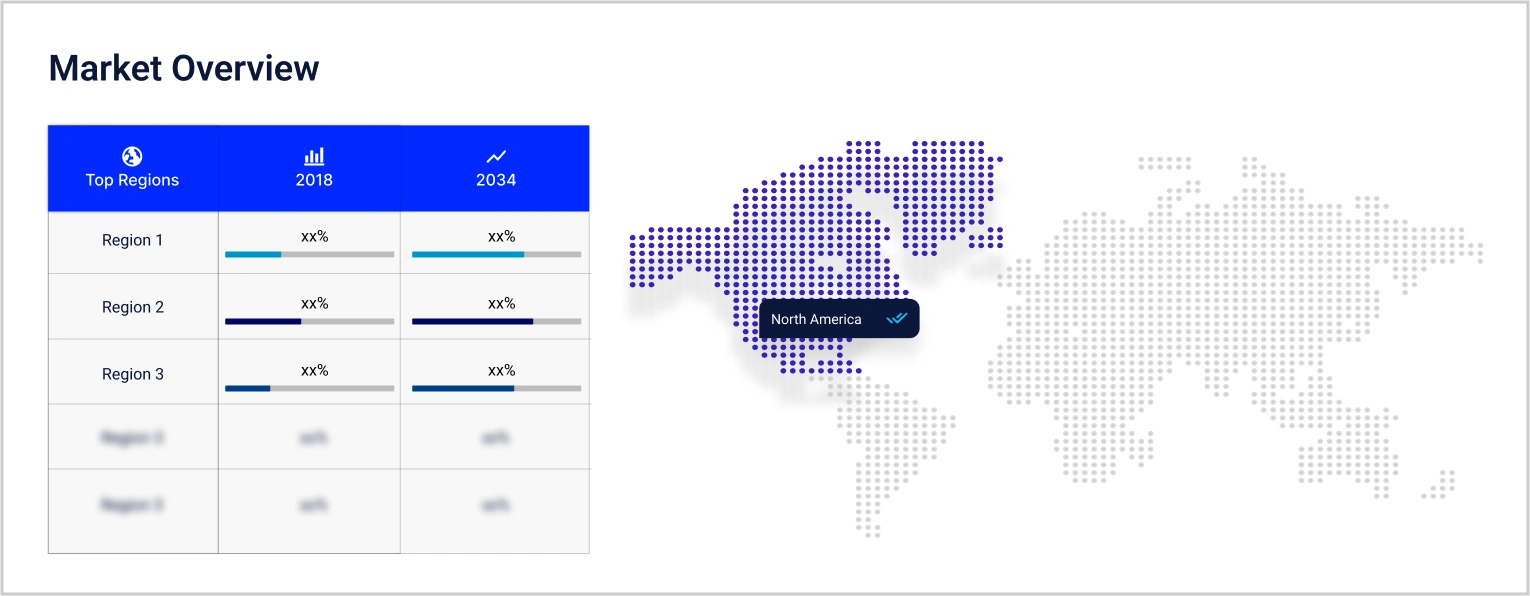
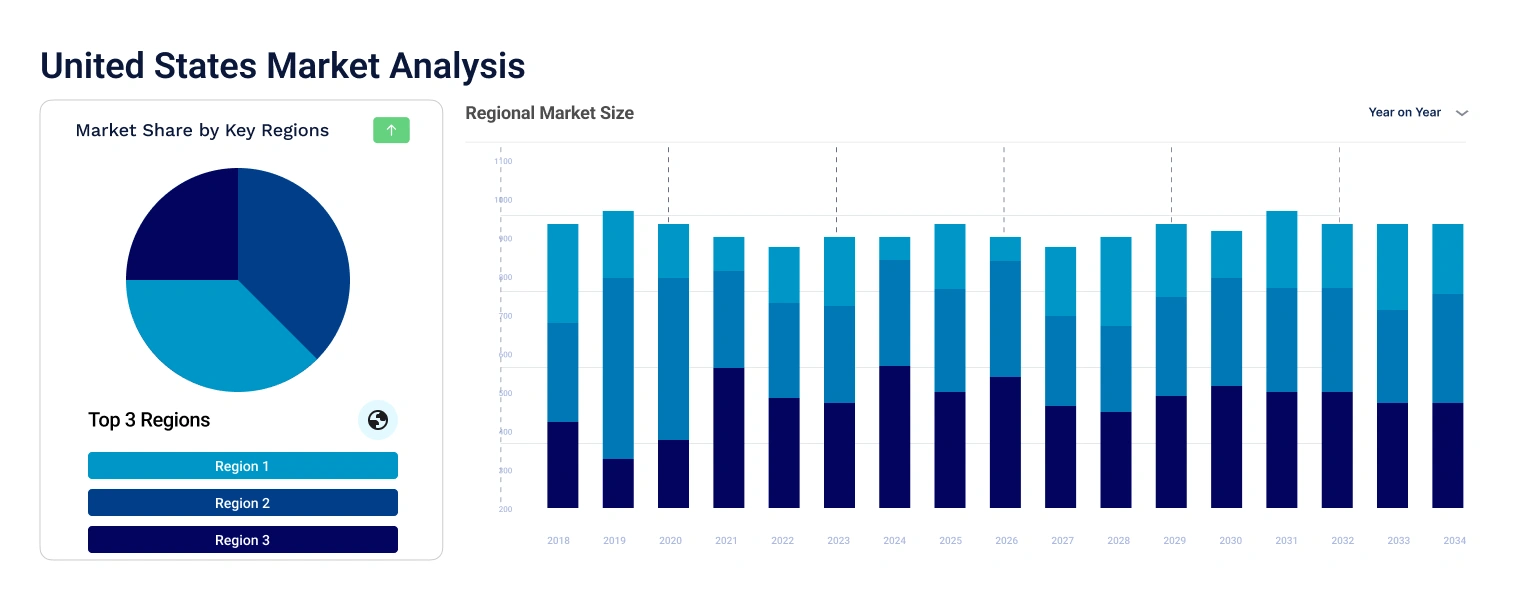
Key Insight: From the hurricane-struck Southeast to the wildfire-prone Far West, each region presents distinct roofing demands. The Northeast leans into heritage and architectural finishes, the Midwest into storm resilience, while the Southwest emphasises thermal insulation. Contractors and manufacturers must tune into regional compliance codes, climate stressors, and local building trends to capitalise regional trends effectively.
| CAGR 2026-2035 - Market by | Roof Type |
| Metal | 7.8% |
| Tiles | 7.4% |
| Wood Shingles | 5.9% |
| Asphalt Shingles | XX% |
| Others | XX% |
| CAGR 2026-2035 - Market by | Application |
| Non-residential | 7.5% |
| A23 | 6.8% |
| A24 | 6.3% |
| A25 | 5.9% |
| A26 | 5.3% |
| Residential | XX% |
| CAGR 2026-2035 - Market by | Region |
| Rocky Mountain | 7.1% |
| New England | 6.5% |
| Mideast | 6.3% |
| Great Lakes | XX% |
| Plains | XX% |
| Southeast | XX% |
| Southwest | XX% |
| Far West | XX% |
By Type, Asphalt Shingles Account for the Dominant Share of the Market
Asphalt shingles dominate the market, particularly propelled by residential buildings across the Midwest and South. Their affordability, ease of installation, and compatibility with diverse climates make them a key category for growth. Manufacturers like Owens Corning and CertainTeed have innovated with Class 4 impact-rated shingles, addressing hail-prone zones like Oklahoma and Kansas. Advanced algae-resistant granules are also being embedded to extend lifespan in humid regions.
Metal roofing is witnessing accelerated adoption as per the United States roofing market report, especially within the commercial and rural housing sectors. Known for longevity and recyclability, standing seam metal roofs are growing in popularity in fire-prone regions of California due to their Class A fire ratings. Moreover, federal tax credits under the Energy Efficient Home Improvement Credit are also fuelling growth in this category. Additionally, companies like ATAS International are pushing pre-painted aluminium panels that meet LEED certifications. The lightweight nature of metal roofs also makes them compatible with retrofitting on older structures.
| 2025 Market Share by |
Region |
| Far West | 20.7% |
| New England | XX% |
| Mideast | XX% |
| Great Lakes | XX% |
By Roof Type, Slope Roof Registers a Significant Share of the Roofing Market
Slope roofs have become quite common across United States residential and rural areas. Their inherent water-shedding design makes them ideal for regions with heavy rainfall or snow loads. Slope roofs support a variety of materials including asphalt shingles to wood shakes and metal sheets, making them adaptable across cost tiers and climate zones, strengthening the overall demand in the United States roofing market. Insurance firms even offer premium reductions for homes with slope roofs due to reduced leakage risk. Moreover, they are more conducive to solar panel installation, encouraging integration with solar roofing technology.
Flat roofs are fast gaining traction in the market, especially in urban commercial developments. Their modern aesthetic and efficient space usage, enabling the adoption of HVAC units, solar arrays, and green roofs, make them a preferred option for commercial builders. As per the industry analysis, green roof installations rose by 9% in major metro cities like NYC and Seattle, driven by local sustainability mandates. Moreover, TPO and EPDM membranes dominate this roof type category, offering flexibility and reflectivity. Builders are now adopting hybrid flat systems that allow better drainage and thermal insulation.
Residential Applications Occupies a Substantial Share of the Market
The residential application has largely contributed to the United States roofing market value, particularly in states like Texas and Florida. The proliferation of roof replacement cycles, typically every 15-20 years, is keeping the sector active. Furthermore, storms and extreme weather events are accelerating insurance-funded replacements. Homeowners are also showing interest in solar integration, with installations rising due to incentives from the Residential Clean Energy Credit.
The non-residential application is indicating strong growth in the United States roofing market, underpinned by warehouse expansion, retail renovations, and government facilities’ upgrades. With the government investing over USD 30 million into federal building retrofits through the General Services Administration (GSA), there has been an increased demand for commercial roofing systems. Flat, low-slope configurations dominate this category, particularly with TPO and PVC membranes due to energy efficiency and fire rating needs. Developers are also exploring green and blue roofing systems to manage stormwater and urban heat islands.
By Region, Southeast Secures the Leading Position in the Market
The Southeast roofing market is driven by population growth, frequent hurricanes, and rising home construction. States like Florida and Georgia lead the market in roof replacements due to wind and storm-related damage. Additionally, local codes mandate impact-resistant roofing materials, spurring demand for Class 4 asphalt shingles and metal options. Climate concerns also result in increased cool roof adoption. Roofing contractors like Latite Roofing and Collis Roofing are also adapting to year-round demand cycles due to mild winters, ensuring consistent market movement.
The Far West region with California, offers lucrative United States roofing market scope with green building mandates and wildfire-resistant construction. State-led initiatives like CALGreen and solar mandates on new homes are dramatically reshaping roofing preferences. Builders are turning to metal, clay tiles, and solar-integrated systems to meet these codes. Additionally, the Far West is also witnessing a spike in prefabricated and modular roofing systems to expedite build timelines amidst ongoing housing shortages.
The United States roofing market players like GAF, Carlisle Companies, and CertainTeed are focusing on solar integration, sustainable materials, and tech-enhanced installations. Startups are also entering the market with AI-enabled inspection tools and modular roofing kits. Strategic focus areas now include green certifications, supply chain localisation, and energy efficiency partnerships. Some of the key trends noticed in the market include solar roofing, drone inspections, prefab panels, cool roof coatings, and retrofit demand, with technology and sustainability, pushing every material, design, and application toward modernisation.
Furthermore, United States roofing companies are differentiating themselves by offering full-system warranties, drone inspection services, and real-time project tracking platforms. They can find opportunities in retrofitting public infrastructure, integrating solar into traditional materials, and addressing labour shortages via prefabrication. With growing investor interest in climate-resilient construction, B2B buyers are expected to prioritise long-term ROI, digital compatibility, and low-maintenance offerings.
Established in 1665, headquartered in France, Saint-Gobain offers roofing solutions in the U.S. through its CertainTeed brand, including asphalt shingles, solar roofing, underlayments, and ventilation systems tailored for residential and commercial buildings.
Founded in 1917 and based in the United States, Carlisle provides commercial roofing systems such as EPDM, TPO, PVC membranes, insulation, and metal roofing through Carlisle SynTec Systems, widely used across industrial and institutional facilities in the U.S.
Headquartered in the United States and established in 1982, Atlas Roofing delivers asphalt shingles, roof underlayments, and insulation products across residential and commercial segments. Its Pinnacle® and StormMaster® lines are known for weather resistance and aesthetic versatility.
Founded in 1886 and headquartered in the United States, GAF offers roofing products including asphalt shingles, TPO roofing, roof coatings, and underlayments. GAF is a leading provider in residential roofing with strong contractor networks and nationwide distribution.
*Please note that this is only a partial list; the complete list of key players is available in the full report. Additionally, the list of key players can be customized to better suit your needs.*
Other key players in the market are Malarkey Roofing Company, DML USA Metal Roofing, Quality Metal Roofing, McElroy Metal, Eagle Roofing Products, and Maruhachi Ceramics of America, Inc., among others.
Explore the latest trends shaping the United States roofing market 2026-2035 with our in-depth report. Gain strategic insights, future forecasts, and key market developments that can help you stay competitive. Download a free sample report or contact our team for customized consultation on United States roofing market trends 2026.
North America Steel Roofing Market
Latin America Roofing Materials Market
Australia Roofing Tiles Market
Latin America Roofing Market
India Metal Roofing Market
Europe Roofing Market
India Roofing Market
Peru Roofing Market
Roofing Market


Upto 15% Off
USD
$2499 $2249
$3999 $3599
$4999 $4249
$5999 $5099


*While we strive to always give you current and accurate information, the numbers depicted on the website are indicative and may differ from the actual numbers in the main report. At Expert Market Research, we aim to bring you the latest insights and trends in the market. Using our analyses and forecasts, stakeholders can understand the market dynamics, navigate challenges, and capitalize on opportunities to make data-driven strategic decisions.*
Get in touch with us for a customized solution tailored to your unique requirements and save upto 35%!
In 2025, the United States roofing market reached an approximate value of USD 24.89 Billion.
The market is projected to grow at a CAGR of 6.60% between 2026 and 2035.
The market is estimated to witness a healthy growth in the forecast period of 2026-2035 to reach USD 47.16 Billion by 2035.
Key strategies driving the market include investing in digital inspection tech, expanding prefab capabilities, integrating solar solutions, training labour internally, and partnering with ESG-focused developers to align with sustainability mandates and performance expectations.
Key trends aiding market expansion include rise in construction activity, increasing demand for eco-friendly roofing, and technological advancements.
Regions considered in the roofing market are New England, Mideast, Great Lakes, Plains, Southeast, Southwest, Rocky Mountain, and Far West.
Based on type, the market is categorised into asphalt shingles, metal, tiles, and wood shingles, among others.
Based on roof type the market is divided into flat roof and slope roof.
The major applications of the market are residential and non-residential.
The key players in the market include Compagnie de Saint-Gobain S.A., Carlisle Companies Incorporated, Atlas Roofing Corporation, GAF Materials LLC, Malarkey Roofing Company, DML USA Metal Roofing, Quality Metal Roofing, McElroy Metal, Eagle Roofing Products, and Maruhachi Ceramics of America, Inc., among others.
Key manufacturers in the market include GAF, Owens Corning, CertainTeed, and Atlas Roofing Corporation.
The key challenges hindering the United States roofing market growth are labour shortages, regulatory hurdles, and volatile raw material cost.
There is an increased use of advanced technologies like drones and AI for roof inspections.
Explore our key highlights of the report and gain a concise overview of key findings, trends, and actionable insights that will empower your strategic decisions.
| REPORT FEATURES | DETAILS |
| Base Year | 2025 |
| Historical Period | 2019-2025 |
| Forecast Period | 2026-2035 |
| Scope of the Report |
Historical and Forecast Trends, Industry Drivers and Constraints, Historical and Forecast Market Analysis by Segment:
|
| Breakup by Type |
|
| Breakup by Roof Type |
|
| Breakup by Application |
|
| Breakup by Region |
|
| Market Dynamics |
|
| Competitive Landscape |
|
| Companies Covered |
|
Datasheet
One User
USD 2,499
USD 2,249
tax inclusive*
Single User License
One User
USD 3,999
USD 3,599
tax inclusive*
Five User License
Five User
USD 4,999
USD 4,249
tax inclusive*
Corporate License
Unlimited Users
USD 5,999
USD 5,099
tax inclusive*
*Please note that the prices mentioned below are starting prices for each bundle type. Kindly contact our team for further details.*
Flash Bundle
Small Business Bundle
Growth Bundle
Enterprise Bundle
*Please note that the prices mentioned below are starting prices for each bundle type. Kindly contact our team for further details.*
Flash Bundle
Number of Reports: 3
20%
tax inclusive*
Small Business Bundle
Number of Reports: 5
25%
tax inclusive*
Growth Bundle
Number of Reports: 8
30%
tax inclusive*
Enterprise Bundle
Number of Reports: 10
35%
tax inclusive*
How To Order

Select License Type
Choose the right license for your needs and access rights.

Click on ‘Buy Now’
Add the report to your cart with one click and proceed to register.

Select Mode of Payment
Choose a payment option for a secure checkout. You will be redirected accordingly.
Gain insights to stay ahead and seize opportunities.

Get insights & trends for a competitive edge.

Track prices with detailed trend reports.

Analyse trade data for supply chain insights.

Leverage cost reports for smart savings

Enhance supply chain with partnerships.

Connect For More Information
Our expert team of analysts will offer full support and resolve any queries regarding the report, before and after the purchase.
Our expert team of analysts will offer full support and resolve any queries regarding the report, before and after the purchase.
We employ meticulous research methods, blending advanced analytics and expert insights to deliver accurate, actionable industry intelligence, staying ahead of competitors.
Our skilled analysts offer unparalleled competitive advantage with detailed insights on current and emerging markets, ensuring your strategic edge.
We offer an in-depth yet simplified presentation of industry insights and analysis to meet your specific requirements effectively.





Share