

Consumer Insights
Uncover trends and behaviors shaping consumer choices today
Procurement Insights
Optimize your sourcing strategy with key market data
Industry Stats
Stay ahead with the latest trends and market analysis.

The global Wagyu beef market was valued at USD 27.21 Billion in 2025. The market is expected to grow at a CAGR of 6.70% during the forecast period of 2026-2035. Rising demand for traceable, hormone-free premium meat in upscale hospitality chains is positioning Wagyu as a key product in luxury menus across Southeast Asia, the Middle East, and Europe. In turn, the market is expected to reach a value of USD 52.04 Billion by 2035.
Factors like premiumization trends, evolving protein demands, and robust government-supported food safety initiatives have significantly propelled the market growth. As of 2024, Japan exported over 282 tons of Wagyu beef, with the United States, Hong Kong, and Australia among its largest buyers. In response, countries like Australia and the United States have aggressively ramped up domestic production. As per the Wagyu beef market analysis, Australian Wagyu beef exports jumped 12% in 2023, fuelled by government grants under the AgriFutures Emerging Industries programme aimed at improving genetic breeding technologies.
The market growth depends on the growing global demand for gourmet delicacies. Customers pay a premium for Wagyu's incomparable flavour, softness, and excellent marbling properties. This growing preference for high-quality, opulent dining experiences has resulted in the product’s growing acceptance among upscale hotels, fine dining chains, and high-end retailers, over the forecast period. In Australia, Wagyu cattle herd numbers crossed 300,000 in 2023, while exports from the United States grew by 9% year-over-year due to increasing demand from affluent Asian markets.
Moreover, traceability technologies are gaining momentum, accelerating the overall Wagyu beef market development. In March 2024, Japan’s National Livestock Breeding Center launched a blockchain-based ID system for Wagyu cattle, which guarantees authenticity and enhances export credibility. This kind of innovation resonates with B2B buyers keen on transparency and supply chain accountability. In addition, key players are increasingly investing in digital direct-to-chef models, AI-powered breeding, and lab-cultivated Wagyu fat for enhanced flavour replication.
Investments are also widening the scope of Wagyu beef market expansion. Japanese firm ZEN-NOH invested USD 40 million in a new processing plant in California in 2024 to localize Wagyu processing and distribution. Simultaneously, the EU funded a USD 15 million initiative aimed at enhancing protein production capacity in Germany and France. These developments are expected to streamline logistics, improve product availability, and help producers cater better to evolving B2B demand patterns across global gourmet and hospitality sectors.
Base Year
Historical Period
Forecast Period
Compound Annual Growth Rate
6.7%
Value in USD Billion
2026-2035
*this image is indicative*
|
Global Wagyu Beef Market Report Summary |
Description |
Value |
|
Base Year |
USD Billion |
2025 |
|
Historical Period |
USD Billion |
2019-2025 |
|
Forecast Period |
USD Billion |
2026-2035 |
|
Market Size 2025 |
USD Billion |
27.21 |
|
Market Size 2035 |
USD Billion |
52.04 |
|
CAGR 2019-2025 |
Percentage |
XX% |
|
CAGR 2026-2035 |
Percentage |
6.70% |
|
CAGR 2026-2035- Market by Region |
Asia Pacific |
7.0% |
|
CAGR 2026-2035 - Market by Country |
China |
10.1% |
|
CAGR 2026-2035 - Market by Country |
United States |
8.4% |
|
CAGR 2026-2035 - Market by Type |
Fullblood |
7.6% |
|
CAGR 2026-2035 - Market by Distribution Channel |
Online Retail |
7.5% |
The integration of AI in Wagyu cattle breeding is disrupting the traditional supply chain, boosting further Wagyu beef market opportunities. According to the Japanese Ministry of Agriculture, farms using AI-assisted genetics have reported a 15% increase in yield grades. These advancements reduce genetic bottlenecks and align production with export demand, providing a competitive edge. For B2B buyers, this trend offers consistency in quality and better ROI. Companies across Australia and the United States are now testing similar systems to boost international competitiveness.
Blockchain is redefining the Wagyu beef market dynamics. For example, Vietnam rolled out a nation-wide blockchain traceability framework for Wagyu in Japan, enabling buyers to verify lineage, feed inputs, and slaughter conditions with a QR scan. This technological advancement addresses rising concerns over food fraud, where mislabelled meat can severely undermine brand credibility. For example, in 2023, Vietnam Blockchain Corporation (VBC) implemented a blockchain-based traceability system for Wagyu beef in Japan. This initiative, part of the Agridential.vn project, aimed to enhance transparency in the beef supply chain by allowing consumers to verify product authenticity through QR codes. For B2B distributors and gourmet buyers, such transparency is becoming a deciding factor for procurement and menu pricing strategies.
Hybrid meats are making inroads into luxury markets, appealing to affluent consumers seeking sustainable yet premium protein alternatives, accelerating the Wagyu beef demand. These hybrid products, which blend Wagyu genetics with other premium breeds, are designed to deliver the signature marbling and tenderness of Wagyu while enhancing yield, sustainability, and cost-efficiency. In high-end markets like Singapore and the UAE, chefs and distributors are embracing hybrid Wagyu for its versatility and culinary appeal. This trend is elevating consumer experience and also allowing producers to scale Wagyu offerings without compromising on quality.
The premiumization trend in the Wagyu beef market is reshaping the way high-value protein is marketed and consumed across B2B sectors. Luxury-focused innovations are at the forefront of this movement. For instance, Japanese A5-grade Wagyu, often reserved for ultra-fine dining, is now being curated into branded, traceable packages with blockchain-backed origin tracking, especially for export to Europe and North America. Moreover, companies are introducing value-added Wagyu formats like dry-aged cuts, Wagyu charcuterie, and smoked brisket kits aimed at gourmet retailers and boutique butchers.
Several governments now see Wagyu as a cultural export and economic asset. Japan's 2024 policy update under the Export Expansion Strategy allocated JPY 3.2 billion to support overseas promotions and logistics subsidies for meat exporters. Meanwhile, Australia’s AgriFutures programme funds for genetic innovation and international trade shows further contributed to expanding the global footprint. The United States included Wagyu beef in its Export Credit Guarantee Program, enabling exporters to explore emerging markets like Vietnam and Saudi Arabia.
The EMR’s report titled “Global Wagyu Beef Market Report and Forecast 2026-2035” offers a detailed analysis of the market based on the following segments:
Market Breakup by Type
Key Insight: Fullblood Wagyu has primarily accelerated the market revenue growth due to luxury-driven demand. Its scarcity and genetic purity align well with fine dining sector and export-driven economies like in United States and Europe. With Japan’s introduction of a national Wagyu Genetic Resource Bank in 2024, the preservation and controlled export of fullblood genetics are being tightly managed, ensuring long-term Wagyu beef market value. Buyers, particularly in Korea and UAE, have increasingly demanded DNA traceability, adding pressure on suppliers to adopt advanced tracking tools.
Market Breakup by Distribution Channel
Key Insight: Foodservice dominates the global industry due to high-volume and repeat orders. Restaurants typically order premium cuts in bulk and expect tailored solutions, such as specific marbling grades and aging preferences. Suppliers have responded to this emerging trend with chef liaison teams and virtual butcher consultations, helping foodservice operators optimize menu profitability.
Market Breakup by Region
Key Insight: Asia Pacific remains the largest Wagyu beef industry, by revenue, primarily due to its cultural ties, government incentives, and integrated supply chains. Japanese companies like Kagoshima and Miyazaki are rapidly investing on Wagyu-specific export goals, offering incentives for overseas partnerships. Australia’s Wagyu Association is collaborating with Chinese importers to design bespoke cuts. The region’s ability to breed, process, and distribute Wagyu with precision and scalability boosts market growth.
By Type, Fullblood Beef Accounted for the Dominant Share of the Market
Fullblood Wagyu, boasting 100% Japanese genetics, occupies the majority of the global Wagyu beef market revenue share due to its unmatched marbling and superior taste profile. Japan exports fullblood beef to the United States and Hong Kong, where demand for authenticity is surging. The fullblood variant is expected to grow at a CAGR of 7.6% during the forecast period. Australian producers like Mayura Station are expanding fullblood herds, supported by grants under the National Livestock Genetics Consortium. With traceable bloodlines and consistent grading (A4, A5), fullblood Wagyu has been widely consumed across Michelin-starred kitchens and luxury retailers.
Crossbred Wagyu, with typically 50–75% Wagyu genetics, has emerged to be the fastest-growing category due to its balance between affordability and quality. The growing crossbred wagyu beef consumption is driven by the increased middle-class spending in Malaysia and Vietnam. Producers leverage faster growth rates and lower input costs, making it appealing for upscale, however, non-ultra-premium foodservice chains. Enhanced feeding programmes and selective breeding are improving marbling scores, helping these beef variants close the gap with purebred cuts while offering scalability.
By Distribution Channel, Foodservice Accounted for the Dominant Share of the Market
As per the Wagyu beef market report, foodservice distribution channel dominates the industry as restaurants, hotels, and catering businesses increasingly incorporate this beef variant into gourmet menus. Hotels in Dubai and Singapore now serve Wagyu-centric tasting experiences, targeting affluent tourists. Japanese authorities launched “Taste Japan” campaign promoting Wagyu in five-star restaurants across the Europe. Such exposure fuels repeat B2B orders and exclusive contracts. Producers are responding to this trend by creating chef-exclusive lines and bulk packaging to suit restaurant operations, bolstering foodservice dominance.
Online retail is rapidly contributing to the Wagyu beef demand forecast. In 2023, direct-to-consumer Wagyu sales in the United States surged by a significant extent, fuelled by niche platforms like Crowd Cow and Snake River Farms. These sellers offer flash-frozen, premium cuts backed by blockchain-certified origin stories, catering to discerning, quality-focused consumers. As per industry reports, in Europe, e-commerce imports of Wagyu were driven by rising demand from gourmet buyers. Government-backed platforms such as Japan’s JETRO portal are also streamlining international digital transactions. Enabled by advanced Wagyu beef, online retail has become a preferred channel for both bulk buyers and niche distributors.
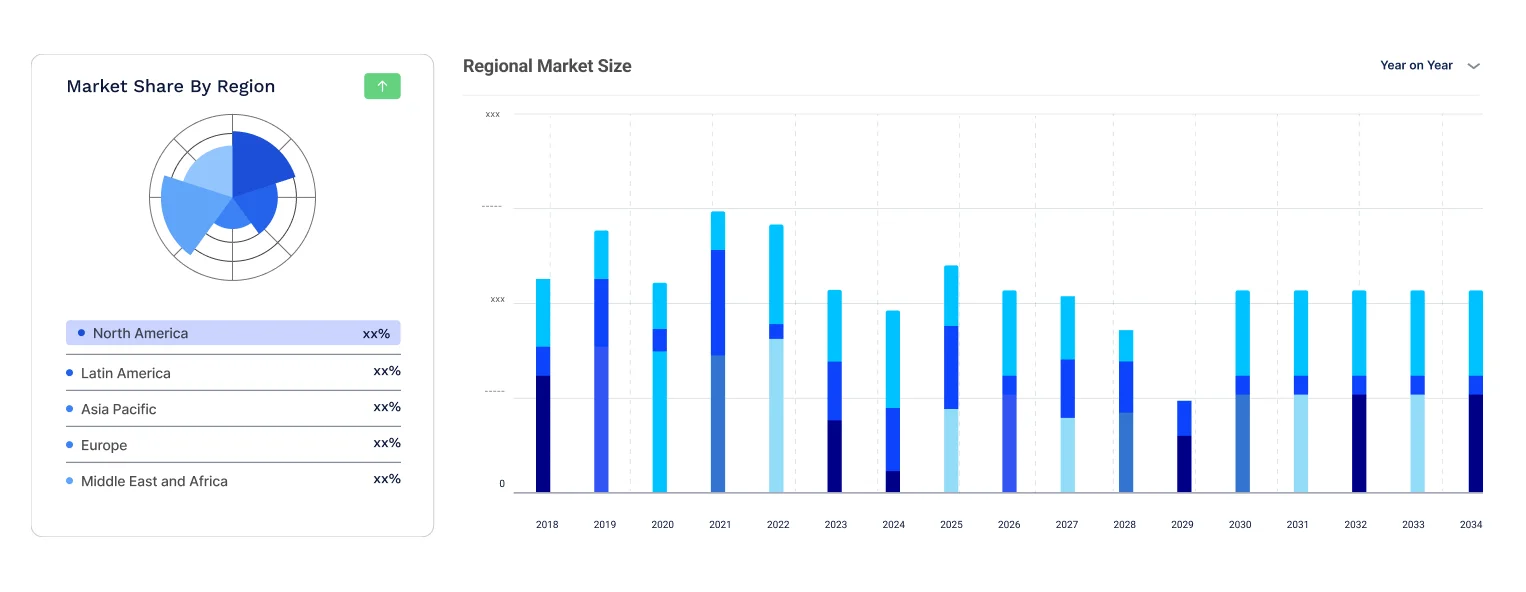
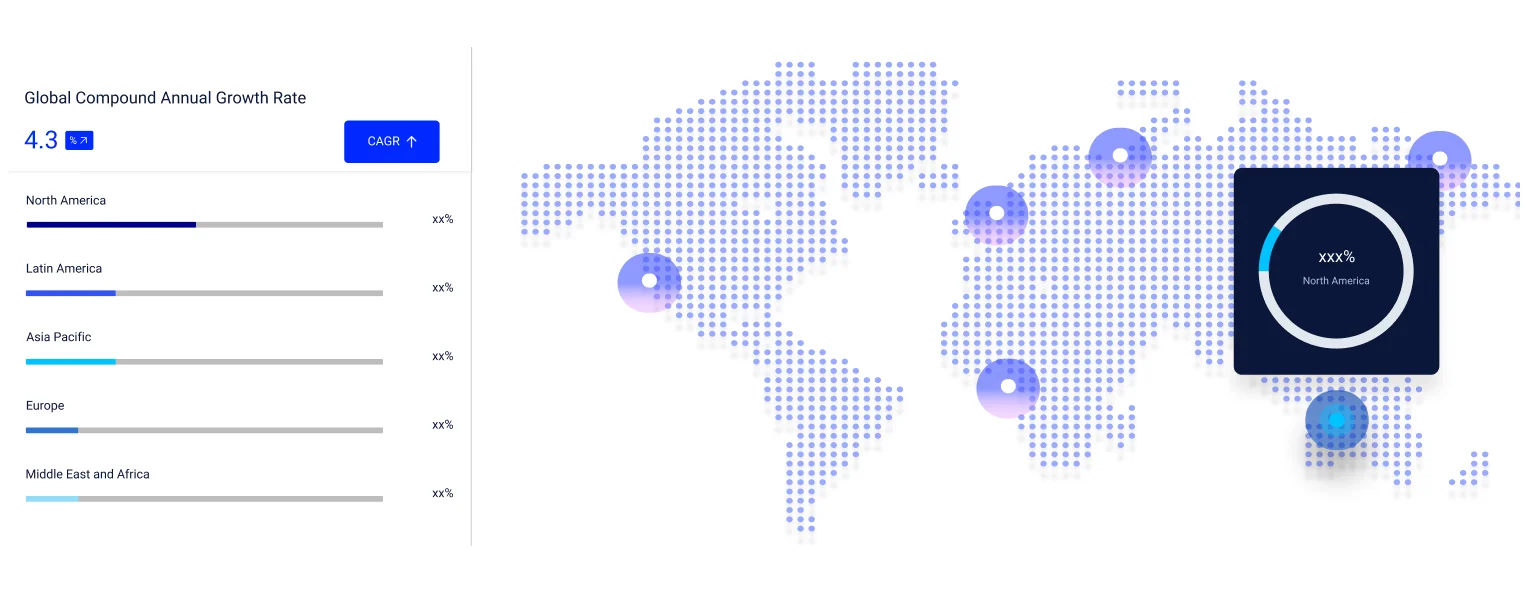
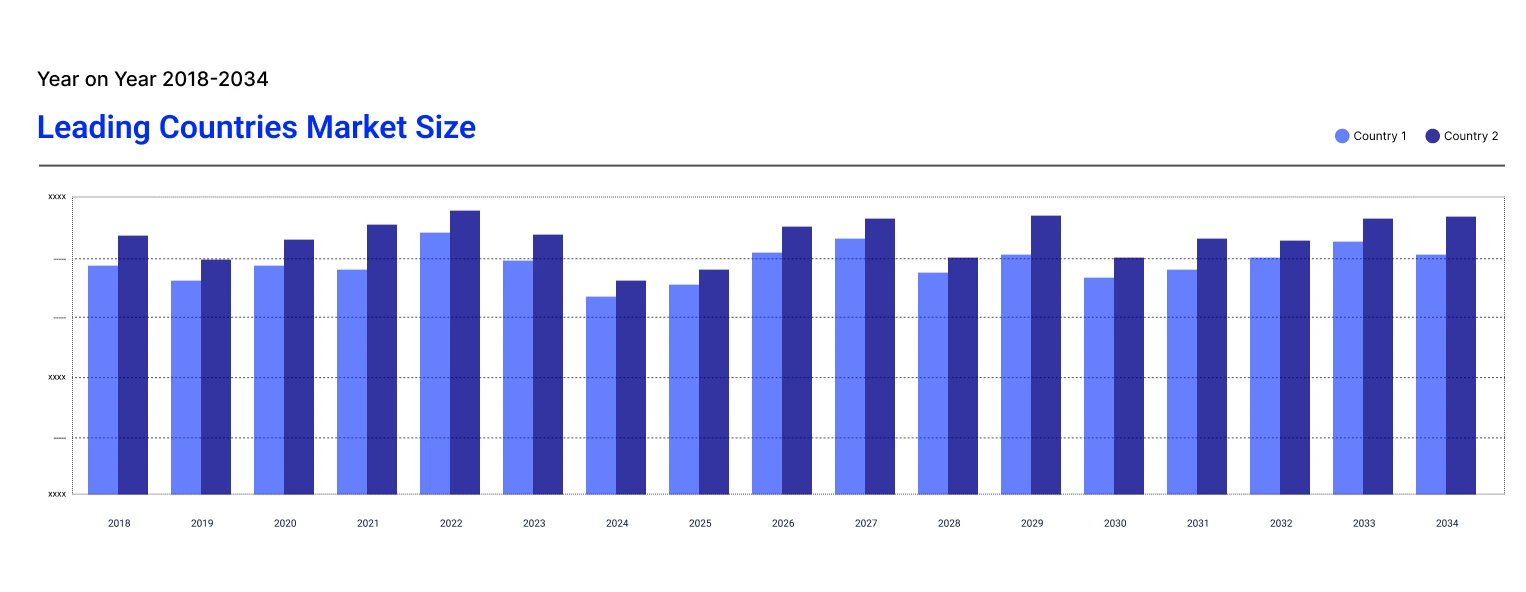
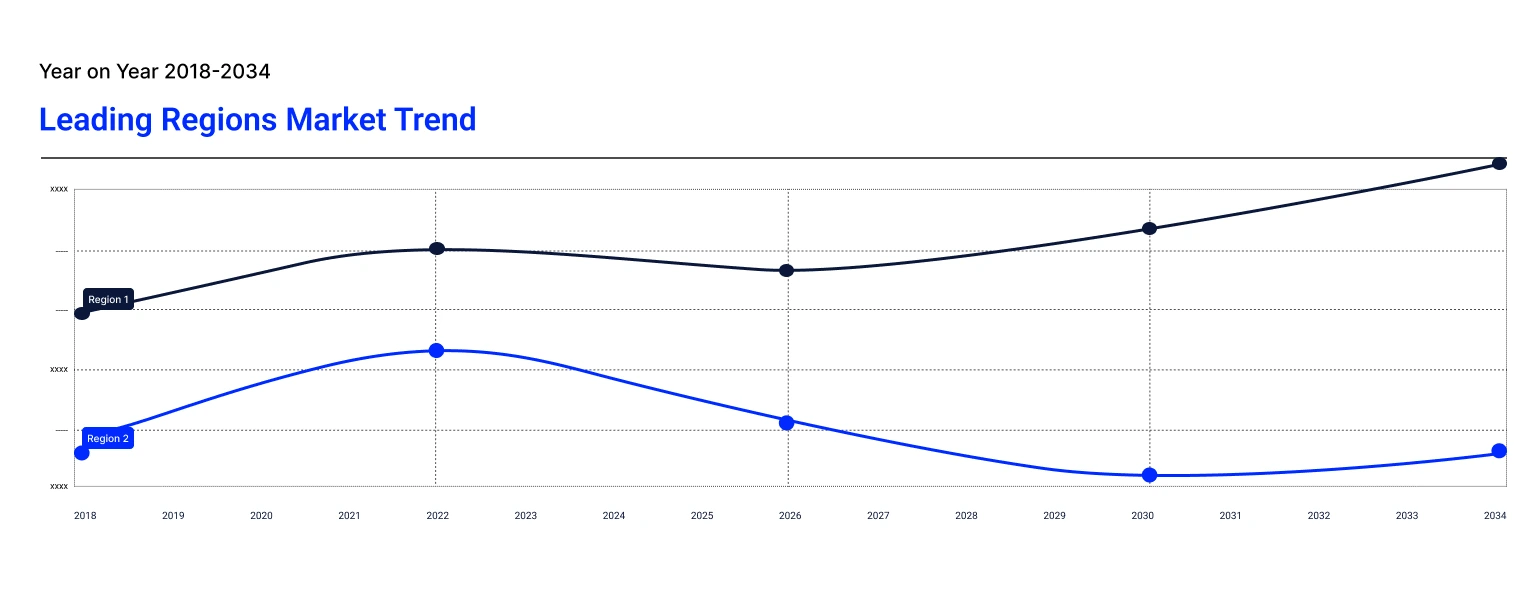
By Region, Asia Pacific Registers the Leading Position in the Market
The continued dominance of the Asia Pacific Wagyu beef market is powered by Japan and Australia. Japan’s Wagyu exports hit JPY 45 billion in 2024, with South Korea, Taiwan, and Hong Kong as top buyers. Emerging markets like Thailand and Vietnam are growing, aided by rising disposable incomes. Regional trade agreements like RCEP further ease cross-border transactions. Government-backed breeding stations in Australia and genetic R&D hubs in Japan ensure quality consistency, reinforcing APAC's stronghold in the global market.
The North American Wagyu beef industry accounts for a sizable share of the global market, due to rising consumption and adoption of its products by high- and middle-income households. Technological advancements, strategic marketing, and increased awareness of the benefits of eating wagyu beef are some of the key propelling factors of the industry.
The Wagyu beef market players are investing in AI-enhanced breeding, blockchain for traceability, and hybrid meat technologies to distinguish their product offerings. They are employing direct-to-chef and e-commerce strategies to reduce reliance on intermediaries and personalize customer engagement. Regulatory compliance and global certifications have become key concerns especially as more buyers demand verifiable genetics and sustainable practices. Most of the Wagyu beef companies find opportunities in emerging Asian and Middle Eastern markets, where luxury dining trend is growing fast. Additionally, collaborations with culinary schools and digital food influencers are opening up new revenue streams. Brands are also leveraging data analytics to track consumer behaviour, optimize distribution routes, and forecast demand spikes during festive or event-driven seasons.
Established in 1953, headquartered in Japan, Ito Ranch Ltd. is a heritage Wagyu producer known for its hand-reared cattle and proprietary feed formulas. The company focuses on ultra-premium A5 beef, with recent exports to Michelin-starred restaurants in France and Dubai.
Founded in 1988, based in Australia, Blackmore Wagyu specialises in Fullblood Wagyu. The company is popular for its closed-loop supply chain and sustainability practices, earning a carbon-neutral certification.
Robbins Island Wagyu, founded in 2011 and headquartered in Australia, runs a unique saltwater-finished Wagyu programme. Their cattle are rotated seasonally across coastal pastures, which boosts both marbling quality and animal wellbeing. The brand caters to top-tier gourmet steakhouses in markets like Tokyo and New York.
Mayura Station, founded in 1845 and headquartered in South Australia, is known for its chocolate-fed Wagyu line. The company has expanded to direct B2B e-commerce channels and won accolades in global meat competitions.
*Please note that this is only a partial list; the complete list of key players is available in the full report. Additionally, the list of key players can be customized to better suit your needs.*
Other key players in the market are Starzen Co., Ltd., ITOHAM YONEKYU HOLDINGS INC., Australian agricultural company limited, Asia International Inc., AB to C, AB to C, LLC, and Lone Mountain Wagyu, LLC, among others.
Explore the latest trends shaping the Wagyu beef market 2026-2035 with our in-depth report. Gain strategic insights, future forecasts, and key market developments that can help you stay competitive. Download a free sample report or contact our team for customized consultation on Wagyu beef market trends 2026.


Upto 15% Off
USD
$2499 $2249
$3999 $3599
$4999 $4249
$5999 $5099


*While we strive to always give you current and accurate information, the numbers depicted on the website are indicative and may differ from the actual numbers in the main report. At Expert Market Research, we aim to bring you the latest insights and trends in the market. Using our analyses and forecasts, stakeholders can understand the market dynamics, navigate challenges, and capitalize on opportunities to make data-driven strategic decisions.*
Get in touch with us for a customized solution tailored to your unique requirements and save upto 35%!
In 2025, the Wagyu beef market reached an approximate value of USD 27.21 Billion.
The market is projected to grow at a CAGR of 6.70% between 2026 and 2035.
The key players in the market include Ito Ranch Ltd., Blackmore Wagyu, Robbins Island Wagyu, Mayura Station, Starzen Co., Ltd., ITOHAM YONEKYU HOLDINGS INC., Australian agricultural company limited, Asia International Inc., AB to C, LLC, and Lone Mountain Wagyu, LLC, among others.
Key strategies driving the market include leveraging traceability tech, building chef-exclusive partnerships, enhancing breeding with AI, diversifying through crossbreeding, and entering emerging luxury markets.
The online retail distribution channel is gaining traction and anticipated to expand with a 7.5% CAGR during the 2035.
Explore our key highlights of the report and gain a concise overview of key findings, trends, and actionable insights that will empower your strategic decisions.
| REPORT FEATURES | DETAILS |
| Base Year | 2025 |
| Historical Period | 2019-2025 |
| Forecast Period | 2026-2035 |
| Scope of the Report |
Historical and Forecast Trends, Industry Drivers and Constraints, Historical and Forecast Market Analysis by Segment:
|
| Breakup by Type |
|
| Breakup by Distribution Channel |
|
| Breakup by Region |
|
| Market Dynamics |
|
| Competitive Landscape |
|
| Companies Covered |
|
Datasheet
One User
USD 2,499
USD 2,249
tax inclusive*
Single User License
One User
USD 3,999
USD 3,599
tax inclusive*
Five User License
Five User
USD 4,999
USD 4,249
tax inclusive*
Corporate License
Unlimited Users
USD 5,999
USD 5,099
tax inclusive*
*Please note that the prices mentioned below are starting prices for each bundle type. Kindly contact our team for further details.*
Flash Bundle
Small Business Bundle
Growth Bundle
Enterprise Bundle
*Please note that the prices mentioned below are starting prices for each bundle type. Kindly contact our team for further details.*
Flash Bundle
Number of Reports: 3
20%
tax inclusive*
Small Business Bundle
Number of Reports: 5
25%
tax inclusive*
Growth Bundle
Number of Reports: 8
30%
tax inclusive*
Enterprise Bundle
Number of Reports: 10
35%
tax inclusive*
How To Order

Select License Type
Choose the right license for your needs and access rights.

Click on ‘Buy Now’
Add the report to your cart with one click and proceed to register.

Select Mode of Payment
Choose a payment option for a secure checkout. You will be redirected accordingly.
Gain insights to stay ahead and seize opportunities.

Get insights & trends for a competitive edge.

Track prices with detailed trend reports.

Analyse trade data for supply chain insights.

Leverage cost reports for smart savings

Enhance supply chain with partnerships.

Connect For More Information
Our expert team of analysts will offer full support and resolve any queries regarding the report, before and after the purchase.
Our expert team of analysts will offer full support and resolve any queries regarding the report, before and after the purchase.
We employ meticulous research methods, blending advanced analytics and expert insights to deliver accurate, actionable industry intelligence, staying ahead of competitors.
Our skilled analysts offer unparalleled competitive advantage with detailed insights on current and emerging markets, ensuring your strategic edge.
We offer an in-depth yet simplified presentation of industry insights and analysis to meet your specific requirements effectively.





Share