Growth of Organized Clothing Retail and Fashion Distribution
Over years, the clothes business has grown quickly, with the rise of organized retail and better distribution systems. Clothing brands are using several ways to get to consumers, including stores, shopping malls, and online platforms. Such changes have increased the availability of clothing to people living in different regions and belonging to various income groups.
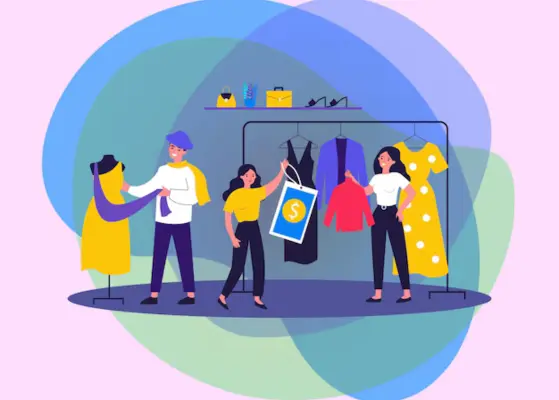
Organized retail has changed the flow of garments from producers to customers. Retail chains and prominent fashion outlets provide a broad selection of apparel options all in one place. This level of convenience enables customers to easily compare different styles, prices, and brands. As the retail network enlarges, clothing companies are focusing on urban areas and emerging markets.
Expansion of Retail Chains and Fashion Stores
Retail chains have become a great part of the global clothing industry. Leading apparel brands operate chains of stores that help them to reach a large number of customers. These stores showcase seasonal collections and ensure consistent product availability. Shopping malls and commercial centers have played a role in the increase of organized clothing retail as well. Such places draw many shoppers and give retailers an opportunity to display their collections in a competitive environment.
Clothing shops in these centers enjoy high customer traffic and strong brand awareness. Retail chains also aid apparel companies in controlling product presentation and customer experience. Store arrangements, merchandising strategies, and brand displays are all made to emphasize clothing collections and motivate buying decisions. Such an organized approach to retail enhances brand recognition and customer engagement.
Role of Online Platforms in Clothing Distribution
Digital commerce has become a major distribution avenue for clothing retailers. Online shopping sites enable consumers to view clothing collections and order right from their homes. Such ease has lured an increasing number of buyers who favor shopping options with greater flexibility. Additionally, e-commerce platforms enable clothing brands to reach customers in markets beyond the physical reach of their stores. Therefore, consumers in towns and areas without major shopping malls have access to a wide assortment of apparel via online marketplaces.
Distribution Networks Supporting Retail Growth
A seamless and efficient distribution system is the foundation of a well-run retail industry. Clothing does not simply appear in stores or online; it undergoes multiple stages before reaching the customer. Once an article of clothing has been produced, it is moved to warehouses and distribution centers where the stock is monitored. Distribution centers make it possible for retailers to sort the merchandise in line with the demand and the location of the customers. It is from these centers that the clothing is either taken to the retail shops or sent directly to the customers who have booked through the internet. Such a well-thought-out distribution mechanism guarantees that the garments are delivered to the right markets promptly and with minimum cost.
Third party logistics providers have become instrumental in planning the transport and delivery of goods. Well-developed shipping channels enable businesses to keep their products constantly available and at the same time, this also helps them eliminate product availability issues and delays. Besides that, good logistics also bring down the costs of operations and make it possible for the suppliers of garment products to keep going without interruption.
Changing Consumer Shopping Habits
Modern shoppers are more likely to combine both physical and online experiences when purchasing clothes. Some consumers still prefer visiting physical stores to see and try on clothing before purchasing, while others opt for online shopping due to its convenience and fast delivery. Retailers have also changed the way they tackle such situations by giving access to sales through more than one channels.
Most clothing retailers operate through both brick-and-mortar stores and online platforms to reach a wider customer base. With this, customers can choose to interact with a brand in the way that suits them most. Besides these, the sale of clothes is also affected by seasonal promotions, discounts and loyalty programs. Organized retailers use these seasonal sales and promotions to attract shoppers. At the same time, these marketing initiatives help to build stronger relationships between apparel brands and their consumers.
For detailed insights into industry dynamics and future growth trends, explore the Readymade Garments Market Report.
Retail Networks Shaping the Future of Clothing Distribution
Structured retail and contemporary distribution have become significant in the global apparel sector. Clothing brands depend on robust retail networks, logistics, and digital platforms to deliver their products to consumers. These mechanisms guarantee that garments manufactured at production hubs will be available to buyers in different markets.
Since customer preferences are constantly changing, clothing retailers are anticipated to enhance their physical store networks as well as their online presence. In the rapidly growing garment business, those who can establish efficient distribution channels and adhere to customer-focused retail strategies will prosper. The ongoing rise of organized retail is anticipated to be the main factor affecting the global distribution and sales of clothing products.









Share