How Digital LPG Distribution Is Transforming Retail Supply Chains
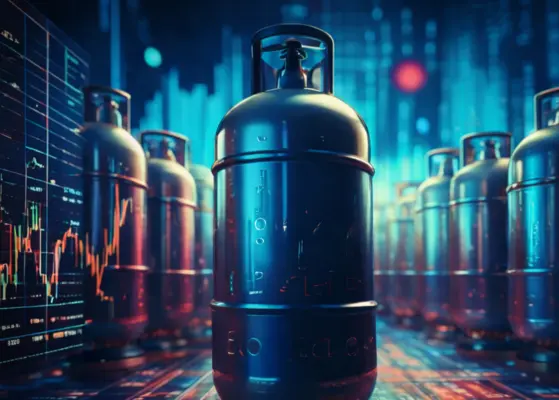
Developing economies are being transformed by digital technologies that are changing the way liquefied petroleum gas is delivered to customers. Traditional LPG distribution was dominated by manual ordering, phone-based bookings, and delivery networks that were fragmented. Digital platforms are not only making these processes more straightforward, but they are also creating more efficient supply chains. Suppliers are being enabled by technology, from mobile ordering apps to smart tracking systems, to increase the reliability of services while simultaneously allowing consumers to have easier access to clean energy.
As cities' populations keep growing and customers' demands are getting higher, LPG distributors are turning to digital tools to be able to compete. These tools are enabling distributors to have better inventory management, quicker deliveries, and closer customer relationships. Digitization is not a choice anymore. It is turning out to be the core of the way that LPG retail networks function and grow.
From Manual Orders to Mobile Platforms
Before the entry of digital technologies, people who used LPG in many areas were relying on local agents or personal visits to get new cylinders. This system frequently resulted in delays, miscommunication, and poor service. Now households and businesses can request refills directly on mobile apps or websites with digital ordering platforms. These platforms facilitate a better journey for the user by giving order confirmations, delivery tracking, and payment options.
Digital platforms present suppliers with excellent visibility into demand patterns. They can predict when refill cycles will occur, keep track of customer databases, and plan deliveries more effectively. This leads to less inventory lying around and the avoidance of stockouts during peak periods. Additionally, over time, digital booking systems foster transparency in pricing and service quality, thus building trust between retailers and consumers.
Smart Logistics Improving Last Mile Delivery
Last-mile delivery continues to be a major headache in LPG retail. Problems like traffic jams, bad roads, and demand that is hard to predict can cause supply schedules to be thrown off. Digital logistics tools offer solutions to these problems by finding the best delivery routes and providing live vehicle tracking. Distributors can keep an eye on driver performance through GPS-enabled fleets and have the option to change routes if the situation changes.
Smart cylinder tracking takes things a step further. Cylinders can be given a tag, and their journey from filling stations to customers can be tracked. This way, losses are minimized, safety regulations are better adhered to, and asset management is more efficient. With reliable information, distributors can match supply and demand for cylinders and shorten the time taken for each turnaround, which results in faster service and lower operating costs. Customers reap the rewards too. Knowing exactly when the delivery will arrive removes the problem of uncertainty, and with the more efficient coordination of the fleet, there should be fewer occurrences of orders being missed or delayed.
Data-Driven Decisions to Strengthen Supply Chains
Digital transformation allows LPG retailers to base their decisions on proven data. Sales analytics reveal the demand trends during different seasons and consumption patterns by regions. Hence, companies can better forecast their inventory requirements and distribute resources to the most demanding areas. On top of that, customer data is gaining importance. Retailers may observe usage patterns, send specially targeted refill notifications, and sell personalized service plans. Predictive analytics helps to carry out storage facility and delivery vehicle maintenance in a timely manner, thereby minimizing stoppages and enhancing safety. Supply chain strength is one of the benefits of these data-directed actions. Procurement, production, and distribution are stages that are more in sync with each other due to the data and each stage. This efficiency helps scale up, which is essential as LPG consumption increases in developing countries.
Explore the Global LPG Market Report for insights on regional trends, infrastructure investments, and growth projections.
Expanding Access Through Digital Inclusion
Digitally managed LPG distribution also contributes to energy access at large. Cell phone-based platforms simplify the process for users living in peri-urban and rural areas to request gas refills without making long trips. With digital payment methods, cash usage decreases, which in turn promotes financial inclusion and makes transactions safer.
It is a growing trend for governments to work hand in hand with private distributors to incorporate LPG services within the framework of national digital initiatives. Such programs are geared toward enhancing the efficiency of subsidy delivery, keeping track of cylinder usage, and curbing leakages in the public distribution system. When policy backing is combined with digital means, access to clean energy can be expanded at a lower cost.
Local shops stand to gain too. By using digital onboarding platforms, small-scale vendors can be brought into the formal supply network. Thus, they get the privilege of utilizing inventory systems as well as customer management tools. This coupling results in the distribution at the grassroots getting a lift while local business is being encouraged.
Building Smarter Energy Networks
Digitization is redecorating the landscape of LPG retail supply chains by making them not only more efficient and transparent but also by improving the way they engage with customers. Technology acts as a bridge between producers, distributors, and end users, sharing data that makes the whole process faster and more dependable. The shift towards clean energy is creating a steady increase in the demand for digital tools that can help scale the access of LPG. Through smart logistics, mobile platforms, and analytics-driven planning, the once-traditional distribution models are being transformed into contemporary networks of energy.
LPG retail companies are strengthening their supply chains and, at the same time, facilitating economic growth and cleaner energy adoption by going through the process of digital transformation. These breakthroughs not only lead to better performance in operations but also bring the benefit of having access to dependable fuel to millions of people for their daily needs.








Share