

Consumer Insights
Uncover trends and behaviors shaping consumer choices today
Procurement Insights
Optimize your sourcing strategy with key market data
Industry Stats
Stay ahead with the latest trends and market analysis.
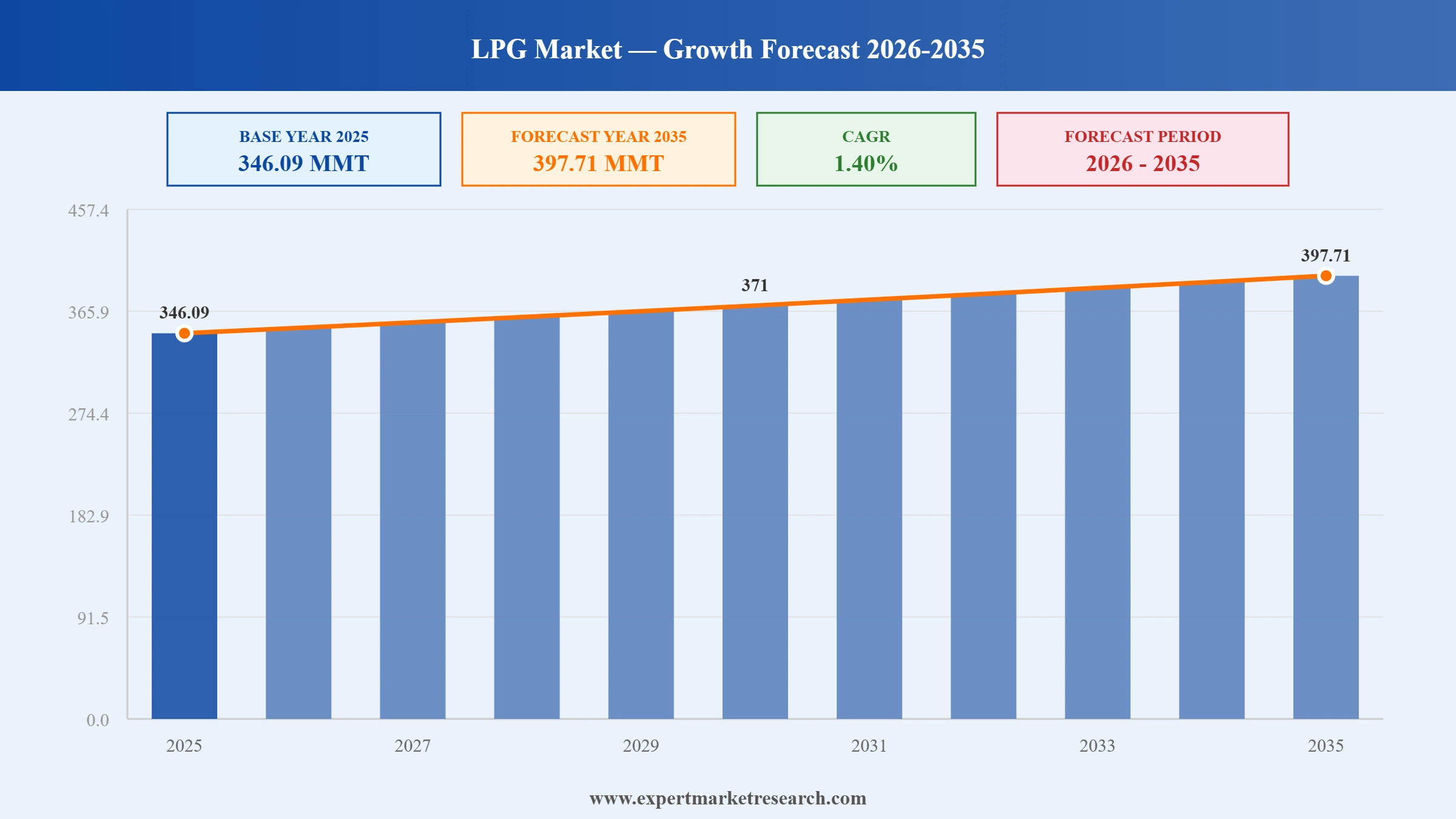
The global Liquefied Petroleum Gas (LPG) market attained a volume of 346.09 MMT in 2025 and is expected to grow at a CAGR of 1.40% during the forecast period of 2026-2035 to reach a volume of 397.71 MMT by 2035. The rapid shift towards clean cooking fuels in rural Asia and sub-Saharan Africa is boosting LPG penetration, with governments offering targeted subsidies and infrastructure support to replace traditional biomass use.
The market is witnessing dynamic changes as countries ramp up efforts toward cleaner fuel adoption, decentralised energy access, and rural penetration. LPG, with its lower emissions and wide utility span, has become a strategic fuel in energy transition agendas. The Indian government’s Pradhan Mantri Ujjwala Yojana (PMUY) alone added over 1.6 crore new LPG connections since inception in May 2016, showing how government policies can accelerate household-level fuel switching.
Innovations in storage, mini-cylinders, and refill tracking technology are redefining supply chains, boosting the LPG market development. For instance, in Kenya, PayGo Energy’s smart LPG metering system lets users pay per gram via mobile money, disrupting traditional refill models. Meanwhile, the European Union has invested in LPG as a bridging fuel for rural heating under the REPowerEU plan launched in May 2022, which aims to slash dependency on Russian pipeline gas.
Digital cylinder tracking, AI-based distribution routing, and smart leak detection have surfaced as top investment areas for operators aiming to curb losses and increase last-mile visibility, boosting the LPG market growth. These operational innovations, coupled with government-led pricing reforms and incentives, are drawing in both oil majors and clean-tech startups.
Read more about this report - REQUEST FREE SAMPLE
| Global LPG Market Report Summary | Description | Value |
| Base Year | MMT | 2025 |
| Historical Period | MMT | 2019-2025 |
| Forecast Period | MMT | 2026-2035 |
| Market Size 2025 | MMT | 346.09 |
| Market Size 2035 | MMT | 397.71 |
| CAGR 2019-2025 | MMT | XX% |
| CAGR 2026-2035 | MMT | 1.40% |
| CAGR 2026-2035 - Market by Region | Asia Pacific | 1.8% |
| CAGR 2026-2035 - Market by Country | India | 2.1% |
| CAGR 2026-2035 - Market by Country | Canada | 1.7% |
| CAGR 2026-2035 - Market by Application | Residential | 1.6% |
| CAGR 2026-2035 - Market by Sales Channel | Retail | 1.5% |
| Market Share by Country 2025 | India | 4.1% |
Clean Cooking Fuel Transition in Emerging Markets
The most powerful structural driver of LPG volume growth over the forecast period is the ongoing transition away from solid biomass cooking fuels wood, charcoal, crop residues, and animal dung toward LPG in emerging and developing economies. The World Health Organization has documented the severe health consequences of household air pollution from solid fuel combustion, which accounts for an estimated 3.2 million premature deaths annually. Governments across Asia, Africa, and Latin America are implementing LPG access programs with subsidized cylinder prices, free initial cylinder and burner distribution, and expanded distribution networks to accelerate this transition.
India's Pradhan Mantri Ujjwala Yojana (PMUY) scheme is the most prominent example of state-backed clean cooking fuel expansion, having provided LPG connections to over 80 million rural households since 2016. The scheme's expansion has made India one of the world's largest LPG consumer markets and has driven a sustained increase in both cylinder distribution volumes and refilling frequency. Southeast Asia has similarly expanded access rapidly, with 14 million new LPG users added across the region over five years, supported by rising incomes, urban migration, and government energy access programs in Indonesia, Vietnam, and the Philippines.
Sub-Saharan Africa represents the largest remaining untapped market for LPG clean cooking adoption. The combination of a large and rapidly growing population, currently very low LPG penetration, and significant government and multilateral development finance focused on energy access positions Africa as the most significant growth frontier for the LPG industry over the 2026 to 2035 forecast period.
Petrochemical Feedstock Demand: Propane Dehydrogenation
The industrial and petrochemical application segment is the fastest-growing demand source for LPG in volume terms. The most significant driver within this segment is the expansion of propane dehydrogenation (PDH) technology, an industrial process that converts propane (a primary LPG component) into propylene, the second most widely produced petrochemical globally and the feedstock for polypropylene plastic. As global demand for polypropylene in packaging, automotive components, and consumer goods continues to grow, investment in dedicated PDH capacity has accelerated substantially, particularly in China, which has invested aggressively in PDH capacity to reduce reliance on naphtha-based propylene from steam crackers.
Industrial LPG consumption in Asia Pacific exceeds 65 million tonnes, driven by petrochemical expansion and heavy manufacturing. Petrochemical usage in the region increased by approximately 35% in recent years, supported by large-scale PDH units in China, South Korea, and Japan. The Middle East is also expanding its LPG-based petrochemical capacity, leveraging abundant feedstock from associated gas production in Saudi Arabia, the UAE, Kuwait, and Qatar to build integrated petrochemical complexes that process propane and butane into higher-value derivatives.
Autogas: LPG as a Transportation Fuel
Autogas LPG used as an automotive fuel represents a significant and growing application segment. There are currently more than 27 million LPG vehicles globally, with autogas adoption having risen approximately 47% in recent years. Autogas offers commercial fleet operators and individual vehicle owners a cost-effective, lower-emission alternative to petrol and diesel for light vehicles, taxis, and small commercial trucks. LPG combustion produces approximately 15% less carbon dioxide than petrol and significantly lower nitrogen oxide and particulate emissions, offering air quality benefits that are particularly valued in urban environments with clean air regulations.
Turkey, South Korea, Poland, Italy, and Australia are among the largest autogas markets globally. In developing markets, the economics of autogas conversion lower fuel cost per kilometer, extended engine life, and government incentive programs are driving adoption, particularly among high-mileage commercial vehicle operators, urban taxi fleets, and public transport authorities. The autogas market is expected to continue growing in markets where compressed natural gas (CNG) infrastructure is limited, where LPG is available at competitive prices relative to petrol and diesel, and where regulatory frameworks favor alternatively fueled vehicles.
Energy Security and LPG's Role in Diversification
The energy security implications of natural gas supply disruptions, highlighted dramatically by the European energy crisis of 2022 and the ongoing geopolitical volatility affecting gas pipeline infrastructure, have elevated the strategic importance of LPG as a portable, independently storable energy carrier that can be rapidly deployed without requiring fixed pipeline infrastructure. Japan expanded its long-term LPG import agreements in October 2025 specifically to strengthen energy security and supply stability, reflecting the broader trend of energy-importing nations seeking to diversify fuel supplies across carriers and sources.
LPG's storability and transportability make it particularly valuable for island economies, mountainous regions, rural areas, and disaster response applications where natural gas distribution networks are absent or impractical. The off-grid energy storage advantage of LPG distinguishes it from natural gas in these contexts and provides structural demand resilience that would not exist for a purely pipeline-dependent fuel.
Bio-LPG: The Sustainable Pathway
Bio-LPG, produced through processes including anaerobic digestion, hydrotreated vegetable oil (HVO) refining, and biomass gasification, is identical in molecular composition to fossil-derived LPG and fully compatible with existing LPG appliances, cylinders, storage tanks, and vehicle fuel systems. This drop-in compatibility is a crucial commercial advantage: bio-LPG can be blended with conventional LPG or supplied as a pure renewable product without requiring any modification of end-user equipment or distribution infrastructure.
In October 2025, Indian Oil Corporation launched a new initiative integrating bio-LPG into its product offerings, positioning the company as an early mover in sustainable LPG supply in one of the world's largest LPG markets. In Europe, regional players have similarly focused on sustainable LPG blends and bio-LPG initiatives through 2025, with the European LPG Association (AEGPL) actively promoting a bio-LPG pathway as a route for the sector to contribute to European Green Deal decarbonization targets while maintaining the economic vitality of Europe's LPG distribution and retail networks.
With Middle Eastern supply severely disrupted, the US rapidly emerged as the dominant alternative LPG supplier. Indian oil marketing companies secured a term tender for 2.2 million MT of US-origin LPG for 2026 delivery the first time Gulf supply has been replaced at this scale. Global seaborne LPG exports recovered to 4.8 million bpd by May 2026, led by the US. Enterprise Products Partners expanded its Gulf Coast export terminal capacity in March 2026 to meet surging Asian demand.
The Hormuz closure drove sharp price volatility across global LPG markets. China's LPG Price Index rose 26% quarter-over-quarter in Q1 2026, with propane prices climbing 20.4% in the Netherlands and 15.6% in China. Prices softened in Q2 2026 as US and alternative route supply adjusted. Phillips 66 announced strategic investments in LPG logistics infrastructure in January 2026 including storage expansion and pipeline optimization to strengthen supply chain resilience ahead of further market volatility.
In late February 2026, escalating Iran-US-Israel conflict effectively closed the Strait of Hormuz the corridor through which 90% of India's LPG imports ordinarily travel. Weekly inflows fell 30% overnight and tanker war-risk premiums surged over 500%. On 9 March 2026, the Indian government issued a Natural Gas Control Order under the Essential Commodities Act, directing refineries to maximize LPG output. Reliance tripled production at its Jamnagar complex, pushing overall domestic LPG production up by 25%.
In February 2026, AD Ports Group and Nimex Terminals broke ground on a strategic LPG storage terminal at Khalifa Port, UAE, including a 50,000 cubic meter propane tank. The facility is designed to strengthen regional LPG storage and marine handling capacity, directly addressing supply security risks exposed by the Hormuz disruption.
Suppliers are adopting decentralised distribution models to reach peri-urban and off-grid populations, shaping the LPG market dynamics. In Tanzania and Ghana, blockchain-based logistics management systems are being piloted to enable community-level LPG refills and tracking. This reduces logistical cost while improving stock monitoring. These systems integrate with IoT-enabled valves to detect usage and schedule deliveries automatically. Companies like Bboxx and KopaGas are proving how decentralised technology can scale clean fuel access while reducing theft and fraud in distribution.
BioLPG, a renewable variant derived from waste-based feedstock, is gaining traction in the global LPG industry as governments seek low-carbon LPG alternatives. Neste and SHV Energy offer co-processing facilities in the Netherlands to produce BioLPG at commercial scale. When bioLPG is used in place of solid and liquid fuels like coal and heating oil, it offers environmental benefits. For instance, almost 40 million households live in rural locations outside of the gas system in Europe. Currently, millions of people depend on outdated central heating systems and heating oil. Five million tonnes of CO2 emissions might be avoided if one million of them converted to bioLPG, which is the same as removing 2.5 million cars from the road. Hence, this not only lowers the carbon footprint but also positions LPG suppliers to secure green certifications, opening up B2B sales opportunities in ESG-sensitive sectors.
Instead of the traditional 12kg and 14.2kg LPG cylinders, companies are introducing 2kg and 5kg variants to target low-income and nomadic users, boosting further demand in the LPG market. For example, IndianOil recently launched a small (2 Kg) cooking gas cylinder also known as ‘Munna’, 2 Kg FTL (Free trade LPG) cylinder and ‘Chotu’ (5kg cylinder). PayGo Energy, on the other hand, uses small smart meters and digital locking valves that are remotely controlled. In India, Repos Energy has prototyped door-to-door delivery systems with refill-on-wheels mobile apps in March 2022. These low-volume cylinders help eliminate high upfront costs and are transforming LPG adoption in rural regions and urban slums.
LPG distributors are using IoT sensors to track cylinder usage in real time, transforming the LPG market trends and dynamics. AI-based algorithms now help predict refill needs down to the household level, especially in dense urban areas where refill timeliness affects retention. In Colombia, Vanti Gas’s introduction of AI-powered Predictive Quality platform in March 2023, has reduced delivery times to a significant extent. Predictive analytics also helps in proactive leak detection, reducing safety incidents. These features are helping firms reduce operational losses while offering value-added B2B services.
Rising industrial electricity tariffs and carbon penalties are pushing sectors like textile and food processing toward LPG-based heat systems. In Vietnam, the government offers tax reliefs to factories switching to LPG for boiler systems. On the other hand, Lisa Engineering Pvt Ltd, based in Greater Noida, India, has set an excellent example by opting for a cleaner source of energy by converting the traditionally used FO to LPG. This has been the result of the major push from Supreme Court of India and the National Green Tribunal, mandating the prohibition of pet coke and furnace oil as an industrial fuel. For commercial kitchens and laundromats, pre-fabricated LPG microgrids are becoming a cost-effective and scalable solution.
Price Volatility and Crude Oil Linkage
LPG prices are closely correlated with crude oil and natural gas market dynamics, creating significant price volatility that affects both producers and consumers. In producing countries, LPG wholesale prices typically reference Saudi Aramco's Contract Prices (CPs), which are set monthly for propane and butane and fluctuate with global crude oil markets. For price-sensitive residential consumers in developing markets, particularly households that have recently transitioned from near-zero-cost biomass fuels, LPG price spikes create refilling affordability barriers that can cause households to revert to biomass use, undermining government clean cooking programs. Managing this price sensitivity through subsidy mechanisms, targeted support programs, and price smoothing arrangements is a persistent policy and commercial challenge across the developing world.
Competition from Natural Gas and Electricity
In developed market residential applications, LPG faces sustained competitive pressure from piped natural gas networks, electric heat pumps, and electric induction cooking. The expansion of natural gas distribution networks in peri-urban and rural areas of developing economies can displace LPG demand at the margin. In the medium to long term, the accelerating electrification of heating and cooking in markets with strong renewable electricity expansion policies, particularly Northern and Western Europe, poses a structural headwind for residential LPG demand in these regions.
Storage, Transportation, and Safety Challenges
LPG's storage and transportation require high-pressure vessels, specialized tanker vehicles, and carefully managed cylinder distribution chains that present significant infrastructure investment requirements and operational safety considerations. Cylinder leakage, valve failures, and improper storage practices contribute to periodic fire and explosion accidents in markets with less developed cylinder safety standards and inspection programs. Building and maintaining the logistics infrastructure for reliable LPG cylinder distribution across dispersed rural areas is a persistent operational challenge for LPG distributors in developing markets, contributing to refilling access barriers that limit sustained adoption in remote communities despite initial household connection programs.
Regulatory and Energy Transition Uncertainty
The energy transition policy environment creates medium-term strategic uncertainty for LPG sector participants. While LPG's clean cooking and transitional fuel role is broadly supported by multilateral organizations and national energy access programs in the near term, the long-term position of LPG in decarbonization roadmaps varies significantly by jurisdiction. Some European government policies are already moving to restrict fossil fuel appliances, including LPG boilers in new construction, creating headwinds for the residential LPG segment in those markets. The LPG industry's long-term strategic response to the shift toward bio-LPG and its positioning as a renewable fuel requires substantial infrastructure investment and policy frameworks that provide investment certainty.
The Expert Market Research report titled “Global LPG Market Report and Forecast 2026-2035” offers a detailed analysis of the market based on the following segments:
Market Breakup by Source
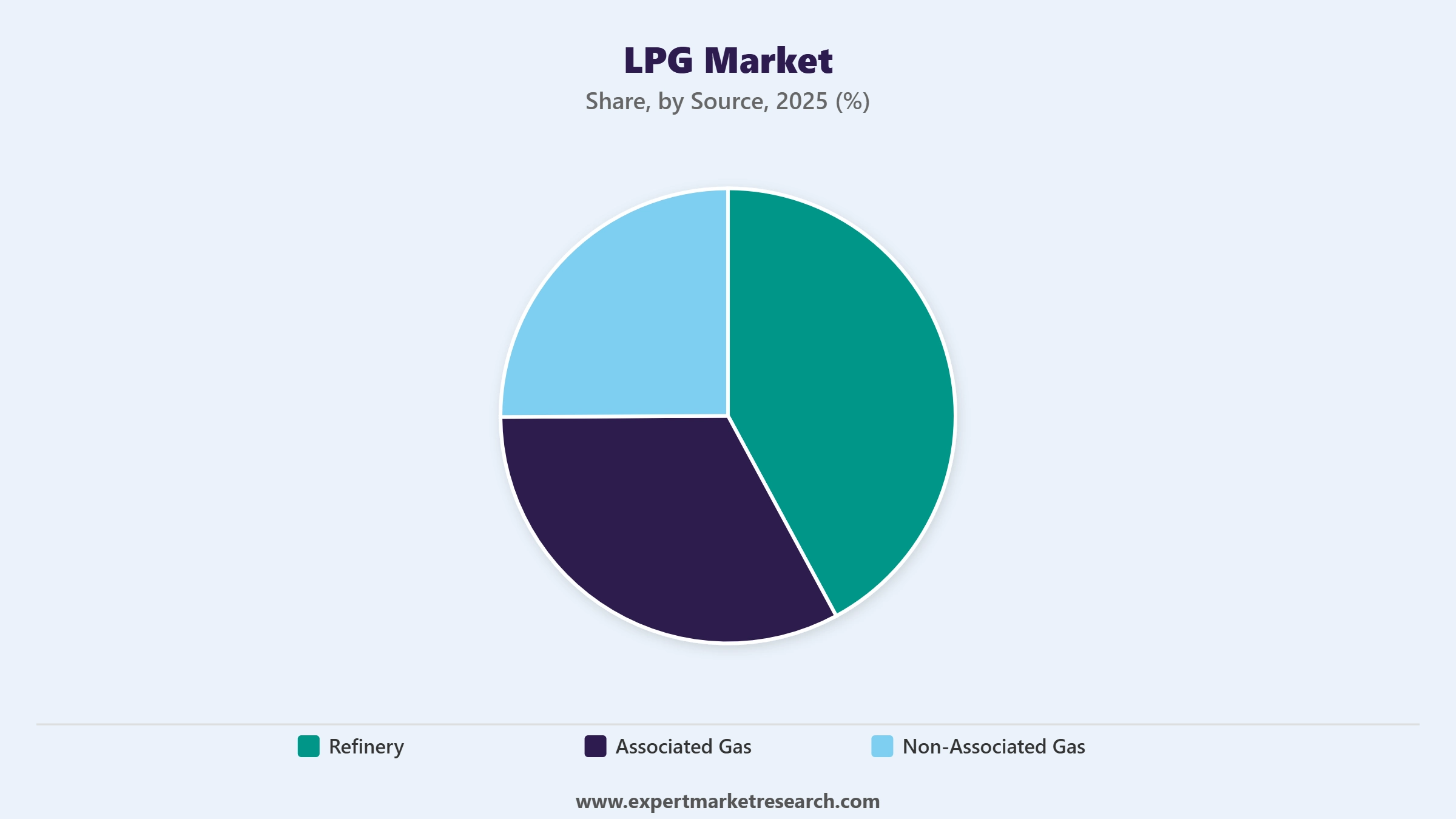
Key Insight: The market report, by source, covers refinery-derived, associated gas, and non-associated gas categories. Associated gas leads the market due to its integration with crude oil production, while non-associated gas is witnessing fast growth due to dedicated investments in gas fields and modular extraction technology. Refinery LPG continues to supply urban networks but lacks scalability. While associated gas remains cost-attractive, non-associated sources are preferred for long-term sustainability and emissions compliance.
Market Breakup by Application
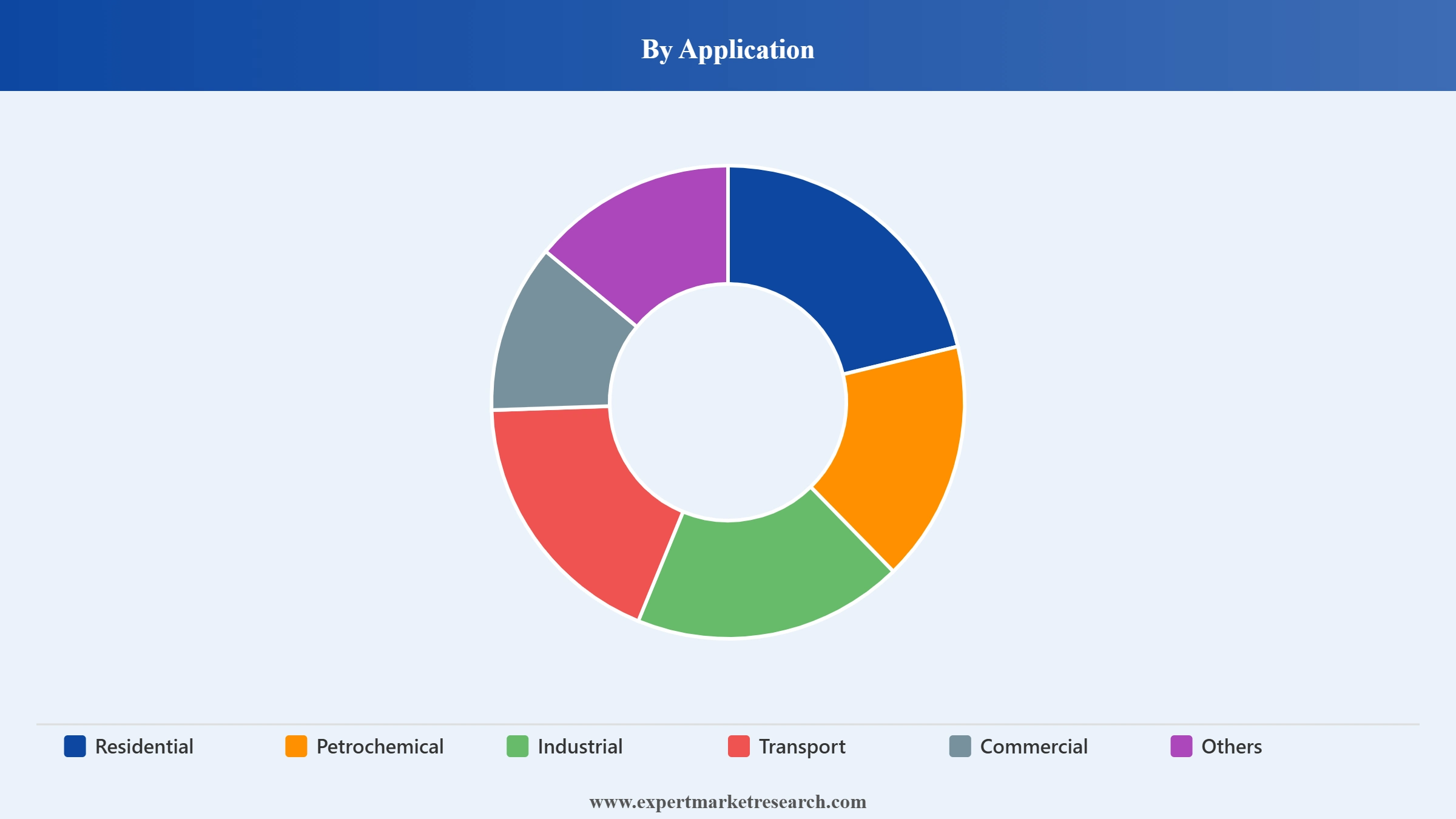
Key Insight: As per the LPG market report, the residential category remains the top application due to household-level cooking and heating demand, supported by subsidies and mobile-based delivery models. Petrochemical usage is surging, driven by feedstock diversification in polymer production. Industrial boilers, commercial kitchens, transport vehicles, and off-grid commercial spaces also indicate growing demand.
Market Breakup by Sales Channel
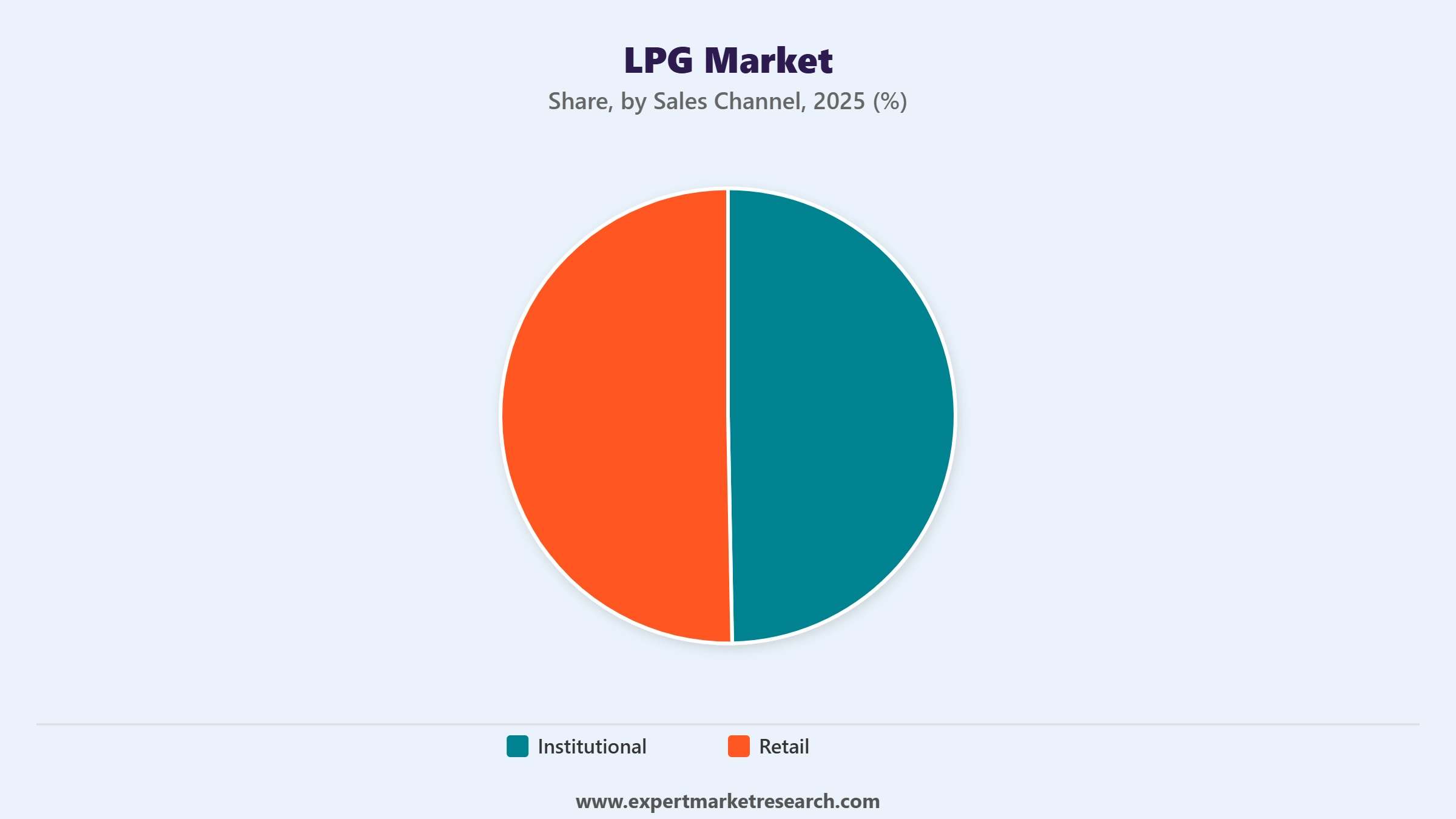
Key Insight: Retail dominates the global LPG industry owing to widespread household and SME usage, while institutional channels are gaining traction due to structured procurement in public infrastructure. Retail thrives on digital accessibility and brand loyalty, while institutions offer volume stability and service-level agreements. Both sales channels are being transformed by smart refill systems and clean energy mandates.
Market Breakup by Region
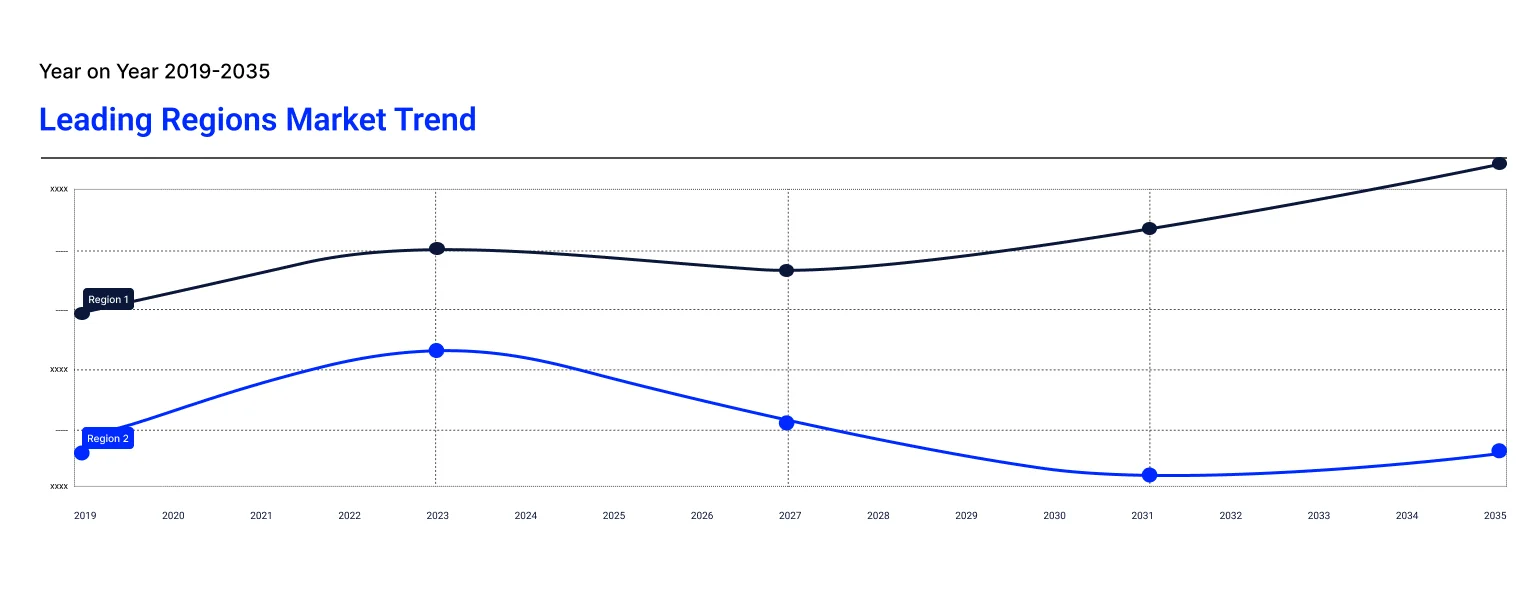
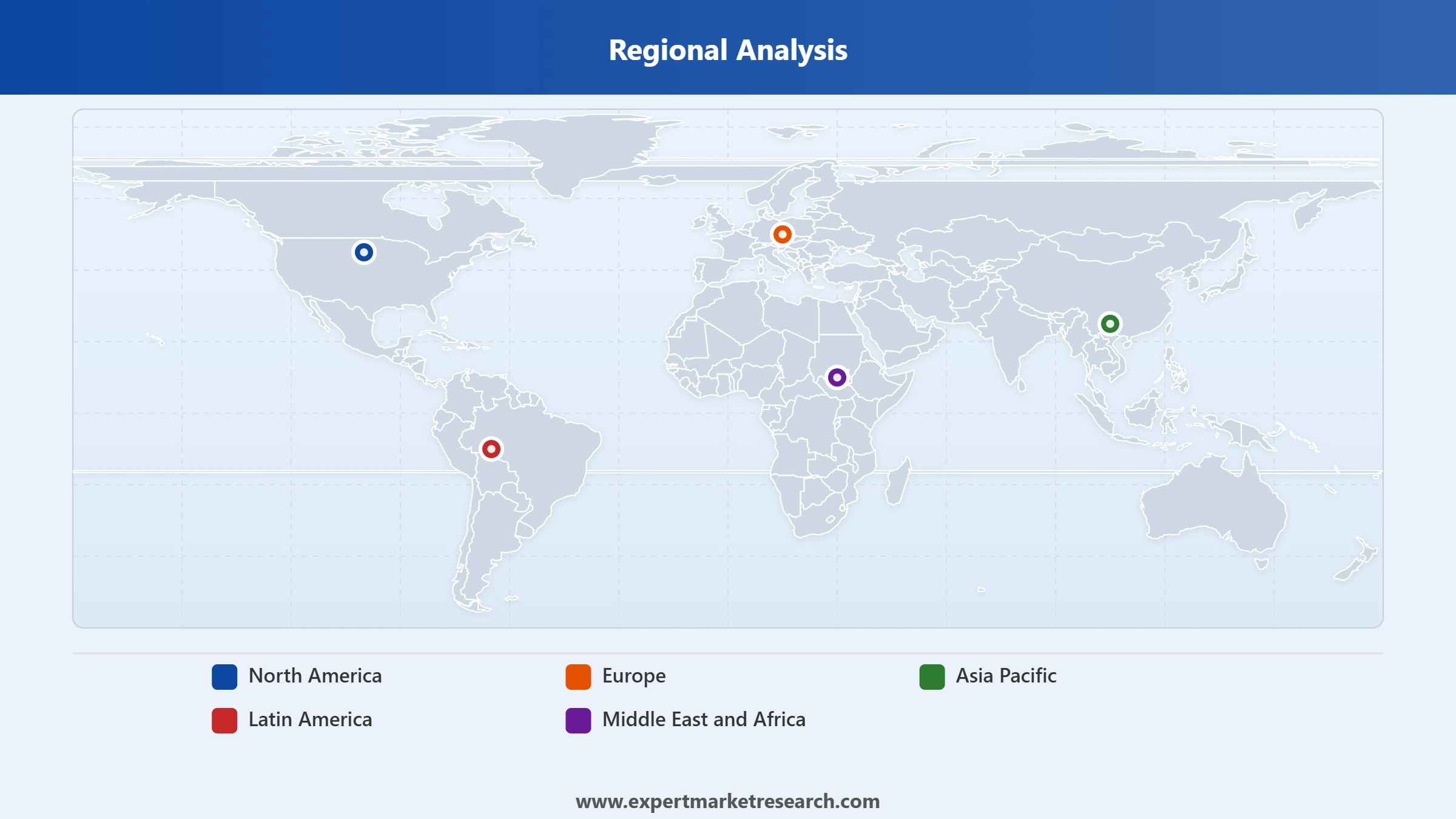
Key Insight: The LPG market in the Asia Pacific region represents the dominant share owing to massive consumption, policy backing, and expanding rural networks, while Middle East and Africa are fast expanding with infrastructure rollouts, clean fuel campaigns, and smart refill initiatives. North America focuses on shale-based production and retail upgrades, whereas Europe aligns LPG use with decarbonisation and emissions compliance. Latin America balances industrial and residential needs through hybrid distribution models and mobile delivery innovations.
Read more about this report - REQUEST FREE SAMPLE
By Source, Associated Gas Accounts for the Dominant Share of the Market
Associated gas remains the largest source of the global industry due to its high yield during crude oil extraction. With increased upstream investments in countries like the United States and Nigeria, LPG output from associated gas has spiked. Recent infrastructure upgrades in the Permian Basin have improved recovery rates, while Nigeria’s NLNG project has scaled up LPG extraction as part of its gas flaring reduction roadmap.
Read more about this report - REQUEST FREE SAMPLE
LPG derived from non-associated gas accelerates the overall growth in the LPG market revenue due to increasing investments in standalone gas fields and shale formations. Qatar’s North Field expansion and Australia’s Browse Basin projects are ramping up LPG outputs via dedicated gas processing units. Unlike refinery-based or associated gas routes, non-associated gas offers greater supply predictability, attracting countries with limited crude oil reserves. Moreover, this source category is viewed as cleaner and operationally safer, aligning with corporate sustainability frameworks. In emerging markets like Mozambique, LNG terminals are now being configured to extract LPG at source.
By Application, the Residential Category Secures a Major Share of the Market
Residential LPG consumption holds the dominant share, boosting the global market, especially through Asia and Africa. Governments like India and Indonesia are heavily subsidising residential LPG to reduce biomass reliance. Programs like PMUY in India and Indonesia’s '3kg conversion subsidy' have spurred rapid household penetration. Companies are now bundling digital payment solutions and cylinder tracking technology to enhance rural service. For example, in India, Bharat Petroleum Corporation Limited (BPCL) introduced UPI 123PAY in May 2022 to enable voice-based payments and cylinder bookings for non-smartphone users, benefiting rural consumers. In Kenya and Uganda, startups are launching mobile apps to order LPG refills directly, bypassing middlemen. The growth is also fuelled by rising urban migration and demand for clean indoor cooking fuels. Infrastructure advancements such as community refilling centres are amplifying residential LPG availability.
Read more about this report - REQUEST FREE SAMPLE
The petrochemical industry is emerging as the fastest-growing application strengthening the LPG demand forecast, especially for producing ethylene and propylene. With the demand for plastics and synthetic materials rising, LPG’s role as a steam cracker feedstock is expanding. China’s Zhejiang Petrochemical and Saudi Aramco-SABIC joint ventures are using LPG to feed large-scale ethane crackers. LPG’s competitive pricing and ease of handling make it ideal for chemical firms diversifying feedstock sources amid natural gas volatility.
By Sales Channel, Retail Registers the Majority of the Market Revenue
Retail channels largely contribute to the global market value due to high residential and SME demand. LPG retailers are increasingly digitising with mobile booking, e-KYC, and refill-tracking systems. Indian Oil’s Indane and Brazil’s Ultragaz have revamped their retail tech stack to offer real-time customer support. In rural markets, retail micro-distributors equipped with mini trucks and PayGo solutions are improving last-mile connectivity. Prepaid refill cards and community refill kiosks are becoming common, especially in East Africa. Retail dominance is also supported by strong brand trust, doorstep delivery, and bundling of hardware like regulators and valves.
Read more about this report - REQUEST FREE SAMPLE
Increasing institutional LPG demand is stemming from schools, hospitals, and government facilities that are adopting LPG for cooking, water heating, and sterilisation. As part of clean energy transition mandates, institutions in Kenya, Bangladesh, and the Philippines are replacing diesel-based systems with LPG units. Vendors like TotalEnergies are offering bulk delivery contracts with safety training and scheduled maintenance packages. The institutional channel benefits from long-term contracts, predictable volumes, and policy-driven adoption. It is rapidly expanding in Southeast Asia and sub-Saharan Africa, where health and education sectors are receiving donor-driven infrastructure upgrades.
By Region, Asia Pacific Holds the Leading Position in the Global Market
Asia Pacific dominates the global market due to sheer volume consumption in countries like China, India, and Indonesia. Large-scale residential subsidies, petrochemical expansions, and industrial conversions are fuelling demand. China’s green development policies and India’s subsidy-led models ensure sustained consumption. Additionally, localised storage hubs and coastal terminals have improved logistical efficiency. Southeast Asia is also showing rising demand with players like Petronas, Pertamina, and PTT launching community-based micro-distribution pilots. Urbanisation, rising incomes, and LPG-centric rural policies make this region a dominant growth zone.
The Middle East and Africa LPG industry is growing rapidly due to increasing investments in domestic bottling infrastructure and export-oriented terminals. Nigeria’s National Gas Expansion Program and Egypt’s decarbonisation strategy are directing funds into LPG penetration. Morocco and Kenya have implemented clean cooking transitions with donor support. UAE and Saudi Arabia are also scaling up petrochemical LPG usage, while South Africa is investing in township-level LPG depots. These efforts are reducing kerosene reliance and boosting B2B LPG adoption across industrial clusters.
Read more about this report - REQUEST FREE SAMPLE
The LPG market players are increasingly offering bundled solutions like safety devices, leak detectors, and AI-based delivery platforms to boost their competitive edge. They have directed all their efforts to secure institutional contracts, expand rural footprint, and integrate with carbon offset programmes. Partnerships with IoT startups, data-driven refill forecasting, and flexible leasing models for cylinders are reshaping vendor strategies.
The LPG companies are eyeing underserved zones in Africa and Southeast Asia where the demand is supported by donor-backed infrastructure. Product diversification, especially in mini-cylinders and BioLPG blends, offers fresh monetisation opportunities. IoT-based tracking, BioLPG blending, decentralised logistics, industrial conversions, and small-format cylinders are reshaping LPG markets with innovation-led scalability.
BP plc, founded in 1909 and headquartered in London, United Kingdom, is actively investing in BioLPG through its joint ventures with Green Biofuels. The company is focusing on modular LPG plants and rural refilling pilots across India and Africa.
ExxonMobil Corporation, established in 1882 and headquartered in Texas, United States, is leveraging its global refining assets to ramp up LPG exports. The firm integrates AI-based analytics for marine LPG shipments and predictive safety controls.
Chevron Corporation, founded in 1879 and based in Texas, United States, is targeting petrochemical LPG expansion via its joint venture with Phillips 66. The firm is also investing in carbon-neutral LPG supply chains.
Phillips 66 Company, founded in 1927 and headquartered in Texas, United States, is scaling its LPG retail business with smart tracking tools and pre-paid refill solutions in Latin America. The firm’s focus is on customer-centric delivery innovations.
Other key players in the market are China Petroleum & Chemical Corporation (Sinopec), Total Energies SE, Bharat Petroleum Corporation Limited, Novatek, PJSC Rosneft Oil Company, Reliance Industries Limited, Saudi Arabian Oil Company, and Petróleo Brasileiro S.A., among others.
*Please note that this is only a partial list; the complete list of key players is available in the full report. Additionally, the list of key players can be customized to better suit your needs.*
Explore the latest trends shaping the global LPG market 2026-2035 with our in-depth report. Gain strategic insights, future forecasts, and key market developments that can help you stay competitive. Download a free sample report or contact our team for customized consultation on LPG market trends 2026.
Australia Liquefied Petroleum Gas Market
Commercial And Institutional LPG Applications
Industrial Thermal Energy Alternatives
Bulk Gas Storage And Cylinder Logistics Systems


Upto 15% Off
USD
$2999 $2699
$4399 $3959
$5599 $4759
$6659 $5660


*While we strive to always give you current and accurate information, the numbers depicted on the website are indicative and may differ from the actual numbers in the main report. At Expert Market Research, we aim to bring you the latest insights and trends in the market. Using our analyses and forecasts, stakeholders can understand the market dynamics, navigate challenges, and capitalize on opportunities to make data-driven strategic decisions.*
In 2025, the LPG market reached an approximate volume of 346.09 MMT.
The market is projected to grow at a CAGR of 1.40% between 2026 and 2035.
The market is predicted to reach 397.71 MMT by 2035.
Key strategies driving the market include Investing in modular refilling stations, piloting smart meters, collaborating with NGOs, launching AI delivery models, and developing low-cost packaging formats.
The key trends guiding the market growth include the increasing use of LPG in cooking applications, the rising demand for clean and energy efficient sources in several end-use sectors, and the rising applications of LPG in petrochemical and automotive applications.
The major regional markets of LPG are North America, Europe, Asia Pacific, Latin America, and the Middle East and Africa.
The leading sources of LPG in the market are refinery, associated gas, and non-associated gas.
The significant applications of LPG include residential, petrochemical, industrial, transport, and commercial, among others.
The major distribution channels in the market are institutional and retail.
The key players in the above market include BP plc, ExxonMobil Corporation, Chevron Corporation, Philips 66 Company, China Petroleum & Chemical Corporation (Sinopec), Total Energies SE, Bharat Petroleum Corporation Limited, Novatek, PJSC Rosneft Oil Company, Reliance Industries Limited, Saudi Arabian Oil Company, and Petróleo Brasileiro S.A., among others.
The key challenges are volatile pricing, complex cross-border logistics, safety liabilities, and lack of rural distribution infrastructure.
Explore our key highlights of the report and gain a concise overview of key findings, trends, and actionable insights that will empower your strategic decisions.
| REPORT FEATURES | DETAILS |
| Base Year | 2025 |
| Historical Period | 2019-2025 |
| Forecast Period | 2026-2035 |
| Scope of the Report |
Historical and Forecast Trends, Industry Drivers and Constraints, Historical and Forecast Market Analysis by Segment:
|
| Breakup by Source |
|
| Breakup by Application |
|
| Breakup by Sales Channel |
|
| Breakup by Region |
|
| Market Dynamics |
|
| Competitive Landscape |
|
| Companies Covered |
|
Datasheet
One User
USD 2,999
USD 2,699
tax inclusive*
Single User License
One User
USD 4,399
USD 3,959
tax inclusive*
Five User License
Five User
USD 5,599
USD 4,759
tax inclusive*
Corporate License
Unlimited Users
USD 6,659
USD 5,660
tax inclusive*
*Please note that the prices mentioned below are starting prices for each bundle type. Kindly contact our team for further details.*
Flash Bundle
Small Business Bundle
Growth Bundle
Enterprise Bundle
*Please note that the prices mentioned below are starting prices for each bundle type. Kindly contact our team for further details.*
Flash Bundle
Number of Reports: 3
20%
tax inclusive*
Small Business Bundle
Number of Reports: 5
25%
tax inclusive*
Growth Bundle
Number of Reports: 8
30%
tax inclusive*
Enterprise Bundle
Number of Reports: 10
35%
tax inclusive*
How To Order

Select License Type
Choose the right license for your needs and access rights.

Click on ‘Buy Now’
Add the report to your cart with one click and proceed to register.

Select Mode of Payment
Choose a payment option for a secure checkout. You will be redirected accordingly.
Strategic Solutions for Informed Decision-Making
Gain insights to stay ahead and seize opportunities.

Get insights & trends for a competitive edge.

Track prices with detailed trend reports.

Analyse trade data for supply chain insights.

Leverage cost reports for smart savings

Enhance supply chain with partnerships.

Connect For More Information
Our expert team of analysts will offer full support and resolve any queries regarding the report, before and after the purchase.
Our expert team of analysts will offer full support and resolve any queries regarding the report, before and after the purchase.
We employ meticulous research methods, blending advanced analytics and expert insights to deliver accurate, actionable industry intelligence, staying ahead of competitors.
Our skilled analysts offer unparalleled competitive advantage with detailed insights on current and emerging markets, ensuring your strategic edge.
We offer an in-depth yet simplified presentation of industry insights and analysis to meet your specific requirements effectively.




