Sustainable Alternatives to Urea Fertilizers Supporting Modern Farming
Urea has been a popular form of nitrogen among farmers, yet issues of environmental effectiveness and nitrogen loss have sparked interest in alternative forms of nitrogen that are more sustainable. An overuse of urea may result in the loss of nitrogen, water contamination, and also acidification of soil, which impacts the ecosystem and the crop productivity in the long term. The agricultural sector is also looking towards ways of ensuring that the yield of crops does not go down while minimizing environmental damage. The sustainable substitutes provide farmers with a chance to satisfy the nitrogen needs effectively and maintain the soil health and fertility in the long term. The knowledge of these alternatives is becoming critical to the contemporary manner of farming and to the attainment of the economic as well as the environmental objectives.
Organic Fertilizers as Viable Options
One of the most appropriate substitutes for synthetic urea is organic fertilizer. Compost products, manure, and plant residues are a natural source of nitrogen and have a beneficial effect on the soil structure and microbial activity. Such fertilizers do not dissolve in the nutrients as fast as urea. Hence, there is no threat of being washed away or washed into the soil. Organic fertilizers have other vital nutrients that favor the growth of plants besides nitrogen. They are especially applicable in areas where long-term soil health is a concern, and farmers are considering ways to reduce the utilization of chemical inputs. The use of organic fertilizers is on the increase as more farming societies embrace the concept of sustainable farming practices.
Slow-Release and Coated Fertilizers
Slow-release and coated urea have become key alternatives to normal urea due to the technical development. Such products are formulated to release nitrogen gradually throughout the crop’s growth cycle, aligning with plant nutrient demand while minimizing nitrogen losses and wastage. Slow-release formulations contribute towards the minimization of effects on the environment, while crop productivity is not reduced. The farmers have the benefit of lower application, lower labor cost, and improved nitrogen efficiency. The use of coated urea and other controlled-release fertilizers is especially relevant in regions where nutrient management is critical, such as in intensive cropping systems or areas with high rainfall, where the leaching of nitrogen is common. These innovations strike a balance between sustainability and productivity, while allowing farmers to keep on generating high yields and safeguard the natural resources.
Integration with Conservation Agriculture
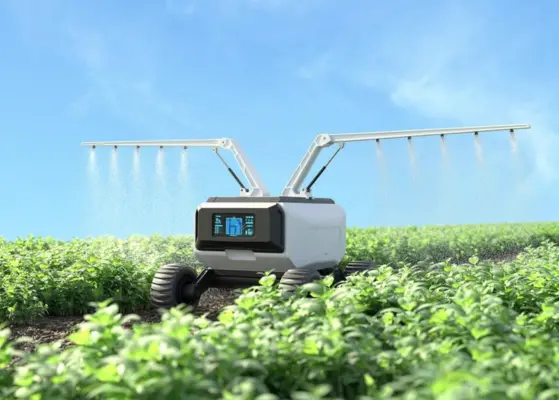
Conservation agriculture is a combination farm practice intended to lower agricultural expenses and enhance animal husbandry protocols. The use of short-term fertilizers is also directly associated with the larger conservation agriculture. The use of organic and slow-release fertilizers is supplemented by crop rotation, cover cropping, and minimum soil disturbance. Through such strategies, agriculture will be able to increase soil fertility, increase water retention, and increase healthier crop production. Precision agriculture methods are also becoming useful in this integration because they enable farmers to know the level of nutrients in the soil and use appropriate quantities of fertilizers when needed. Tools like soil sensors, satellite imaging, and data analytics help to manage the nutrients more precisely. The practices make sure that there is efficient use of nitrogen that lowers the risk to the environment and promotes agricultural sustainability in the long run.
Benefits of Adopting Sustainable Alternatives
There are several benefits that come with the use of sustainable options to urea fertilizers, other than environmental protection. Organic or slow-release fertilizers result in crops that have a well-developed root system, enhanced nutrient uptake, and enhanced resistance to pests and diseases. Over time, soil health improves, creating a stronger and more productive foundation for future planting cycles. In the long term, farmers can also achieve greater cost efficiency, as reduced nutrient losses lower the overall need for additional fertilizer. This is also beneficial to the consumers since the crops cultivated using sustainable inputs are able to satisfy the increased demand for eco-friendly and safe agricultural products. Sustainable alternatives have become a critical consideration in modern farming, given their combined economic, environmental, and agronomic advantages.
Read the Global Urea Market Report for latest trends in sustainable fertilizers and urea alternatives.
Building a Sustainable Future in Agriculture
The urea alternatives are also sustainable, offering viable solutions to contemporary farming problems. Organic fertilizers, slow-release technologies, and integrated conservation practices are all available as options that enable farmers to ensure the productivity of crops and, at the same time, conserve the environment. By adopting them, it is possible to have healthier soil, crops, and a more resilient agricultural system. As the agricultural sector continues to evolve, cost-efficient fertilizer production is expected to play an increasingly important role in achieving long-term productivity and effective environmental management.











Share