HVAC Replacement Demand Driven by Aging Residential Systems in the United States
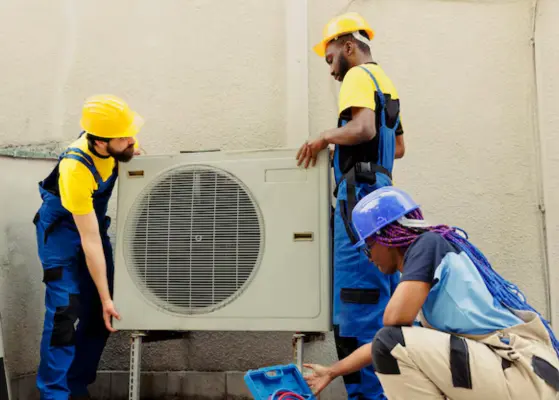
As millions of United States families' domestic heating and cooling equipment ages, replacement demand in the HVAC sector continues to rise steadily. A significant number of systems were installed over 10-15 years ago, and at that time, energy efficiency standards, refrigerant standards, and smart control technology were far less developed than they are now. These systems are becoming more of a burden to the homeowner as they begin to reach or pass their optimal working life, resulting in decreased performance, increased power bills, and increasing frequency of breakdowns. This technical obsolescence and economic inefficiency combination is forming a robust replacement cycle that is transforming residential HVAC demand patterns across the nation.
Aging Residential Systems Driving Structural Replacement Demand
In the United States, a significant percentage of residential HVAC continues to operate far beyond mid-life efficiency levels, especially in older housing stock in suburban and established urban areas. Older systems become less reliable when it comes to critical mechanical components like compressors, evaporator coils, and fans. This causes imprecise temperature control, longer running periods, and greater vulnerability to seasonal failure during peak summer and winters.
Most often, homeowners are discovering that the longer they have been using the house, the more often the repair becomes necessary, and the less cost-effective the maintenance becomes. Replacement is also a more logical choice than a regular service in the case of an older system that is dependent on aging refrigerants or is not compatible with current efficiency rates. Additionally, evolving regulations promoting environmentally friendly refrigerants are encouraging households to replace outdated systems rather than opt for incremental repairs.
This is further enhanced by climate variability in the United States. Regions that experience temperature variations are subject to constant stress, increasing wear, and reducing the useful life cycle. This is leading to replacement demand taking a structural characteristic instead of a cyclical characteristic in the residential market.
Rising Energy Costs and Efficiency-Driven Upgrades
Among the most powerful causes of HVAC replacement activity are increasing electricity prices and household energy expenses. Older systems usually have a much lower Seasonal Energy Efficiency Ratio (SEER) rating than modern units and consume more energy to produce the same cooling or heating output. In the long run, this efficiency gap becomes a significant cost burden on homeowners cumulatively.
With utility bills steadily increasing in most states within the United States, consumers are more considering HVAC replacement as an investment to save money and not as an upgrade. Inverter-based air conditioners and advanced heat pump technologies are gaining popularity as high-efficiency systems, as they can more effectively lower operating costs over the long term.
This change is further enhanced by government incentives and rebate programs. State and federal energy-efficient renovation programs are driving homeowners to switch their old systems to environmentally optimized versions. Replacement decisions can also be more easily financed through the financing options provided by manufacturers and utility providers, reducing the cost barriers in the initial investment.
Technology Adoption and Smart Home Integration
HVAC systems are becoming a part of the connected home ecosystem. The combination of smart thermostats, mobile-based controllers, and IoT-enabled sensors is changing the way homeowners relate to indoor climate systems. These technologies enable monitoring of energy consumption in real-time, manipulation from a distance, and optimizing performance outlook.
Older HVAC systems often lack compatibility with modern digital ecosystems, creating a functional gap that strongly encourages replacement. State-of-the-art systems with adjustable speed motors and adaptive airflow control not only enhance comfort but also maximize energy use depending on the occupants and weather conditions.
Consumer expectations in the automation and connectivity of the smart home are also being strengthened by the increasing use of smart home platforms. HVAC systems are currently anticipated to come equipped with voice assistants, home automation centers, and power management software. This change is making HVAC replacement more of a digital transformation in a residential setting, not a mechanical one.
Find in-depth information on housing demand, replacement rates, and forecast growth outlooks across the US HVAC Market Report.
Transitioning Toward Efficient and Future-Ready Homes
The current replacement of old HVACs in the United States is indicative of a more profound structural shift towards new energy-efficient, digitally capable, and cost-optimized homes. Homeowners are increasingly becoming interested in systems that provide improved comfort control, long-term operational savings, and the ability to link to smart home technology.
In addition to improving the indoor atmosphere, this change is assisting in lowering national energy usage. With efficiency and smart automation emerging as the current motto of home comfort as replacement cycles accelerate, the residential HVAC market is rapidly becoming more environmentally friendly and technologically sophisticated.









Share