

Consumer Insights
Uncover trends and behaviors shaping consumer choices today
Procurement Insights
Optimize your sourcing strategy with key market data
Industry Stats
Stay ahead with the latest trends and market analysis.
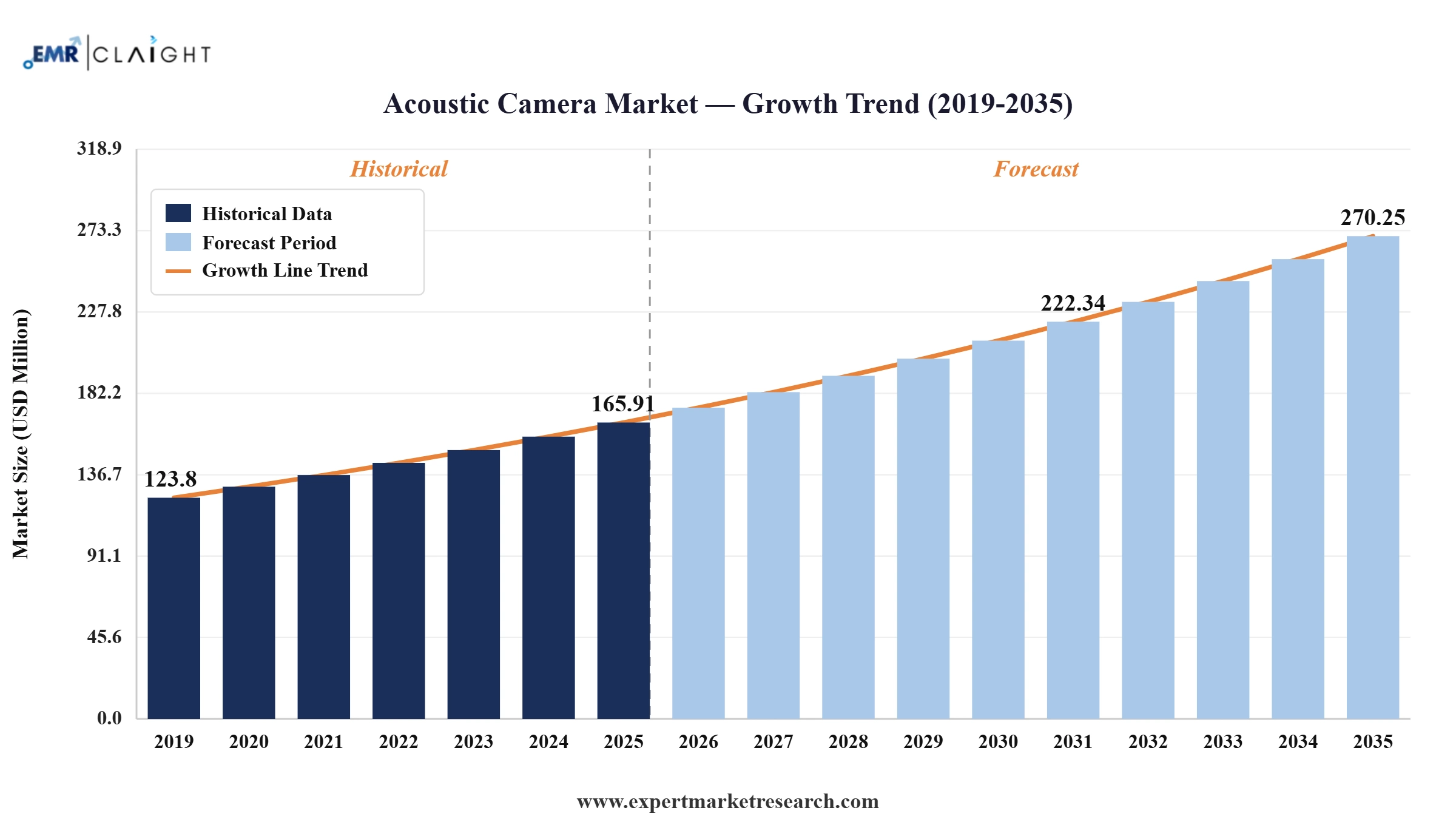
The acoustic camera market was valued to reach a market size of USD 165.91 Million in 2025. The industry is expected to grow at a CAGR of 5.00% during the forecast period of 2026-2035. The growing demand for the identification of noise sources and sound quality analysis across industries, including automotive, aerospace, and consumer electronics, to enhance the performance and compliance of their products is a key driver of the acoustic camera market, thus aiding the market to attain a valuation of USD 270.25 Million by 2035.
The acoustic camera market covers instruments that combine a microphone array with a visual camera and beamforming processing to locate sound sources and display them as a coloured overlay on a live image. The result allows an operator to see where noise, escaping gas or electrical discharge originates without dismantling equipment or interrupting operation. Products span pocket-format devices carried on daily maintenance rounds, professional handheld systems used for scheduled survey work, and fixed arrays installed for continuous environmental or asset monitoring.
What has changed the character of this market is sensor economics. Early systems required precision transducers and an acoustician to interpret the output, which confined them to specialist consultancies and manufacturer test facilities. Microelectromechanical microphone arrays have since reduced instrument cost substantially while delivering sufficient resolution for industrial leak and partial discharge work, and the product range has divided accordingly, with lightweight instruments now placing detection capability directly with maintenance technicians rather than reserving it for specialist survey teams.
Read more about this report - REQUEST FREE SAMPLE COPY IN PDF
The acoustic camera market continues to grow with increasing concern for the environment, tightening regulations, and new advanced sound detection technologies. Sound source visualization and identification equipment, or acoustic cameras, are becoming increasingly popular with automotive, aerospace, consumer electronics, and construction groups. Environmental monitoring, enhancing workplace safety, and enforcing product quality control have placed a higher demand on adoption.
Technological advancements such as real-time sound mapping, enhanced data analytics, and AI diagnostics have made acoustic cameras more accurate, portable, and easier to deploy. Also, increased industrial automation has boosted demand for acoustic cameras in predictive maintenance, which has reduced downtime and operational costs, thereby boosting the acoustic camera market growth.
The players are meeting consumer demand by investing in R&D to develop innovative products that have higher resolution, better sensitivity, and enhanced software integration. They are forming strategic partnerships and expanding their distribution networks to reach the emerging markets. Many of them are offering customized solutions tailored to industry-specific needs, while some provide cloud-based platforms for data storage and remote monitoring.
In addition, the increased adoption of Industry 4.0 and IoT-enabled devices has further accelerated the demand for smart acoustic monitoring systems. With increasing stringent noise regulations worldwide, companies are focused on compliance-driven innovations, ensuring sustained market expansion and competitive differentiation.
The acoustic camera market is driven by the increased demand for process automation, the implementation of artificial intelligence and machine learning, and strict noise pollution legislation. The highly competitive market in terms of varying raw material prices and technology has completely shifted the industries’ focus towards adopting automation, thus boosting the growth of the acoustic camera market. The use of an acoustic camera for digital analysis in the industry helps to find faults in the machines by mapping the machine in its initial phase and later phase. Therefore, in sectors such as energy and power, the demand for the acoustic camera has increased, which in turn boosts the acoustic camera market. Moreover, the use of these cameras for authentication and checking of multiple procedures such as noise reduction for cabin and others has improved in the automotive vertical. In addition, it is also used in the railways to verify the on-the-run train system that further affects the industry growth positively.
Advanced technologies, such as AI, machine learning, and even thermal imaging within acoustic cameras, have provided the key players with a means to overcome typical difficulties and thus have improved the speed and accuracy of diagnostics. Most of the key players have also attempted to make cameras more portable and user-friendly, which is another challenge, and struggled with high costs and complexity of operations. Moreover, manufacturers tried to develop cost-effective solutions and train the personnel, making these tools more accessible for small and medium-sized enterprises and thus promoting much stronger growth.
Technological advances, predictive maintenance, IoT integration, and regulatory compliance drive acoustic camera market growth.
Operators subject to the European Union Methane Regulation were required to prepare mitigation plans for well remediation by 5 August 2026, following the obligation to report methane from inactive and temporarily plugged wells by 5 May 2026, within a compliance framework carrying penalties of up to 20 percent of annual turnover and requiring documented leak detection and repair programmes submitted to national authorities. Instrument suppliers can position acoustic imaging within documented compliance workflows rather than as discretionary maintenance equipment.
Computer & Automation named the FLIR Si1 LD acoustic imaging camera Product of the Year 2026 in the measurement technology category on 15 April 2026, recognising a MEMS microphone array design with bandpass filtering, single-handed ergonomic operation, real-time leak quantification and report generation, and integration with FLIR Thermal Studio and cloud services, directed at compressed air leak detection across manufacturing and processing facilities. Suppliers can compete on operator accessibility and reporting workflow rather than on acoustic performance alone.
The prohibition on routine flaring and venting under the European Union Methane Regulation entered into force on 5 February 2026, requiring operators to capture rather than release gas and consequently to identify unintended emission points across their asset base, within a regime that also obliged operators to submit leak detection and repair programmes to authorities during 2025 and to report annual methane emissions with verification statements. Detection equipment suppliers can address the survey capacity that regulated operators must now maintain.
Acoustic imaging instruments released and recognised during 2026 incorporate real-time leak quantification converting detected acoustic signatures into flow rate and cost estimates, alongside automated report generation and integration with thermal analysis and cloud asset management platforms. This shifts the purchasing conversation from acoustic sensitivity specifications towards demonstrable energy savings. Manufacturers can build quantification and documentation capability that allows buyers to justify equipment on measured payback.
The market for acoustic cameras is rapidly advancing, from AI-powered noise detection to high-resolution imaging and real-time 3D sound mapping. These features enhance precision, speed, and usability. For instance, Brüel & Kjær's SoundCam provides high-resolution acoustic imaging for automotive and aerospace industries, allowing noise sources to be quickly identified during the testing and development of a product. Similarly, CAE Software's Acoustic Camera employs state-of-the-art beamforming to visualize sound with high precision. Such technologies are minimizing time for troubleshooting, enhancing product quality, and fueling market growth as industries emphasize improved sound management and noise control in manufacturing, product testing, and environmental monitoring applications, thus augmenting the acoustic camera demand growth.
The increasing adoption of predictive maintenance across industries is driving demand for acoustic cameras. These devices detect sound anomalies, which indicate mechanical issues before they cause costly breakdowns. For example, Fluke's ii910 Precision Acoustic Imager helps detect compressed air and gas leaks and electrical discharge problems, which reduce operational downtime and maintenance costs. Acoustic cameras enable real-time monitoring, allowing maintenance teams to proactively address equipment faults. Their usage is increasing in manufacturing, energy, and utilities sectors, where continuous operation is critical. This trend goes along with the overall drive toward Industry 4.0 and smart factory implementations.
The integration of acoustic cameras with IoT and smart systems is revolutionizing the field of noise monitoring. IoT-enabled acoustic cameras enable continued sound surveillance, thereby ensuring remote monitoring and real-time data analysis. The Acoustic Multi-Mission Sensor (AMS) of Microflown supports traffic management and public safety in projects for smart cities by defining noise sources and unusual sounds. Similarly, with acoustic cameras, environmental monitoring systems help city planners reduce noise pollution in urban areas. This trend is expanding due to the investment of government and private organizations in connected solutions for smart infrastructure; the sound management aspect now is considered a critical aspect of urban planning and sustainable initiatives, thereby boosting the acoustic camera market revenue.
Stricter noise regulations worldwide have been driving the acoustic camera market. Governments enforce the noise control policies, pushing industries to adopt sound monitoring technology for compliance. In Europe, regular noise assessments are required by the EU's Environmental Noise Directive, thus raising demand for advanced acoustic cameras. Such as Norsonic's Nor848A array is supporting cities in monitoring transportation and industrial noise. OSHA, in the United States, requires industries to handle workplace noise exposures, and these regulatory aspects will boost the use of acoustic cameras in manufacturing and construction, making their adoption long-term-driven for expansion in the market since it will be needed in those places to meet their specific occupational safety requirements or compliance.
The acoustic camera market is witnessing growth as a result of technological advancements and increasing applications. The integration of AI and automation in acoustic cameras improves diagnostics, thereby allowing predictive maintenance that further increases the acoustic camera market opportunities. Furthermore, demand for noise control and industrial monitoring in developing regions such as Asia Pacific and Latin America is driving the geographic reach of the market. For more extensive customer reach, manufacturers are focusing on developing acoustic cameras that are more compact, affordable, and user-friendly, which are suitable for small-scale industries and research institutions. These trends altogether indicate the dynamic growth of the market and its prospects in serving diverse industrial and environmental monitoring needs.
A new technology gaining traction in the acoustic camera market is the integration of artificial intelligence (AI) and machine learning (ML) for advanced fault detection and noise source identification. AI-powered acoustic cameras can automatically analyse and classify sound patterns, improving the accuracy and speed of diagnostics. For example, FLIR’s Si124 Acoustic Imaging Camera uses AI algorithms to quickly detect and locate machinery issues, enhancing predictive maintenance in industrial environments.
The latest trend in the market for acoustic cameras is the adoption of these cameras for environmental noise monitoring. Cities and industrial areas are being forced to be stricter with noise regulations. In this regard, the cameras are now used to monitor and reduce noise pollution, thereby shaping new trends in the acoustic camera market. For example, Norsonic AS offers the Norsonic 120 sound level metre and integrated acoustic cameras. These products help in the urban noise assessment of municipalities in ensuring compliance with noise limits and improvement in community living conditions.
Wearable acoustic cameras are the emerging niche in the market, focusing on personal noise monitoring and workplace safety applications. These compact, body-mounted devices detect and locate the sources of sound in real time, helping professionals working in construction, manufacturing, and emergency services avoid hazardous exposure to noise. With wireless connectivity and advanced sound mapping technologies, they can easily integrate with workplace safety systems. Companies like Sorama are developing lightweight wearable acoustic sensors that monitor noise continuously and alert at any moment. This trend marks the growing emphasis on personal noise management and proactive occupational health and safety in high-risk industrial environments.
Global acoustic camera market challenges include high up-front costs, limiting adoption by smaller and medium-sized businesses. Complexity in technology within the acoustic camera and the integration of acoustic and thermal imaging is yet another inhibitor. There lacks professional operation personnel and industry-specific limitations such as possible regulatory constraint and environmental factors that limit use in general. Also, established noise monitoring tools have remained a challenge for growth in the market.
“Acoustic Camera Market Report and Forecast 2026-2035” offers a detailed analysis of the market based on the following segments:
Market Breakup by Array Type
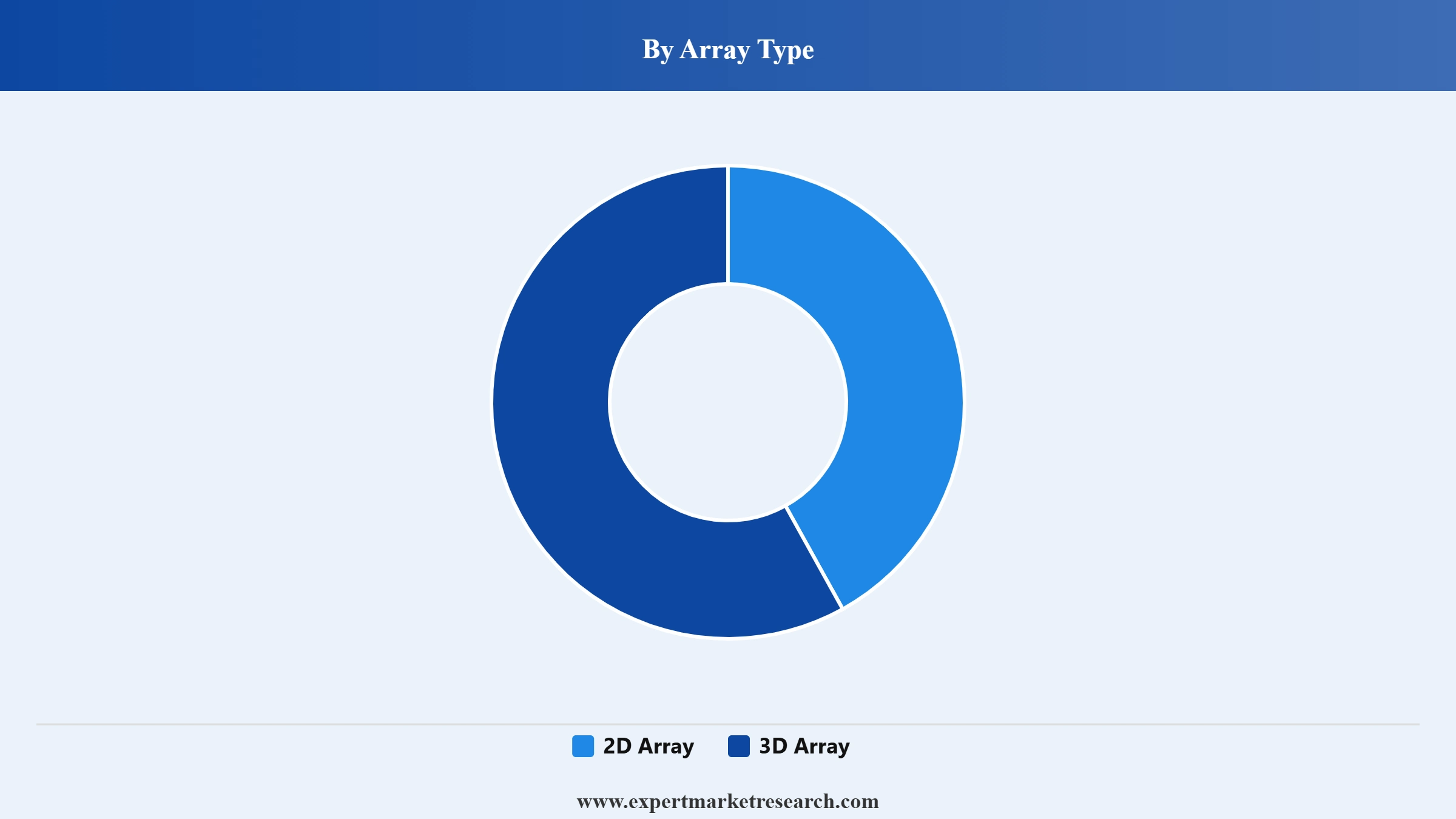
Key Insight: Two-dimensional arrays hold the leading position in the array type segment of the global acoustic camera market, since projecting sound source location onto a planar image is sufficient for the leak detection, partial discharge and general noise identification tasks that constitute most industrial use, and since planar configurations keep instrument cost, weight and complexity within the range that handheld field use requires. Three-dimensional arrays serve applications where sources must be located within a volume rather than on a surface, principally automotive cabin acoustics, aerospace component testing and product development environments where spatial precision governs and where instruments operate in controlled settings rather than in the field.
Market Breakup by Measurement
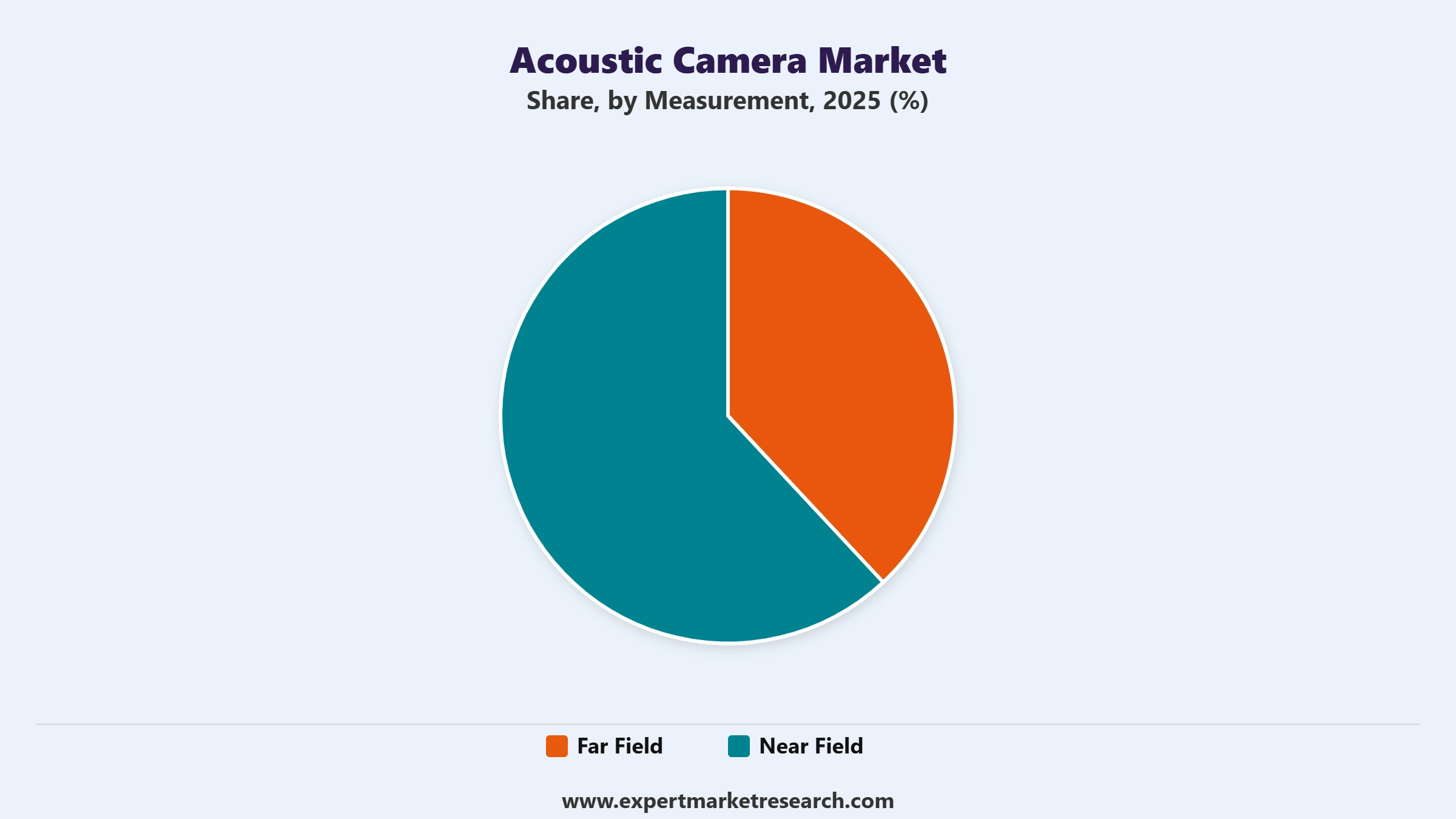
Key Insight: Far field measurement accounts for the larger share of the global acoustic camera market, covering environmental noise assessment, wind turbine monitoring, construction site surveys and industrial boundary measurement where the instrument must operate at distance from the source and where regulatory noise mapping obligations apply. Near field measurement supports detailed diagnostic work at close range, including component-level fault identification, compressed air leak location within machinery, and product development testing where resolving individual sound sources within a compact assembly demands higher spatial resolution than distant measurement can achieve.
Market Breakup by Service
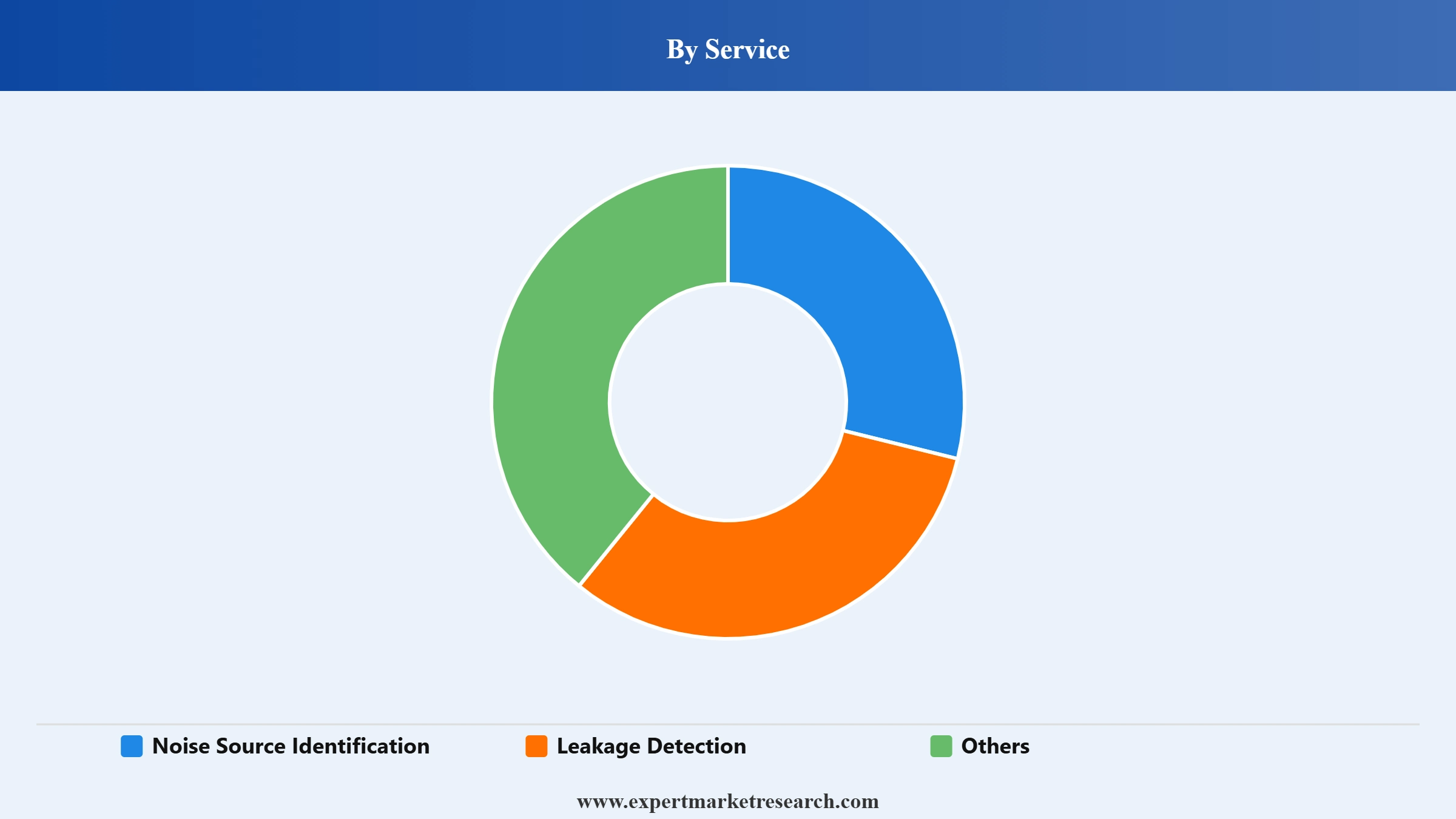
Key Insight: Leakage detection is the fastest-expanding service within the global acoustic camera market, propelled by compressed air energy costs in manufacturing and by methane leak detection and repair obligations under European regulation carrying penalties of up to 20 percent of annual turnover, with instruments now quantifying leaks in flow and cost terms rather than merely locating them. Noise source identification remains the foundational application, supporting product development, environmental compliance and workplace exposure assessment. Other services cover partial discharge detection in electrical assets, where ultrasonic emissions reveal insulation degradation before thermal signs appear, and structural monitoring applications.
Market Breakup by Application
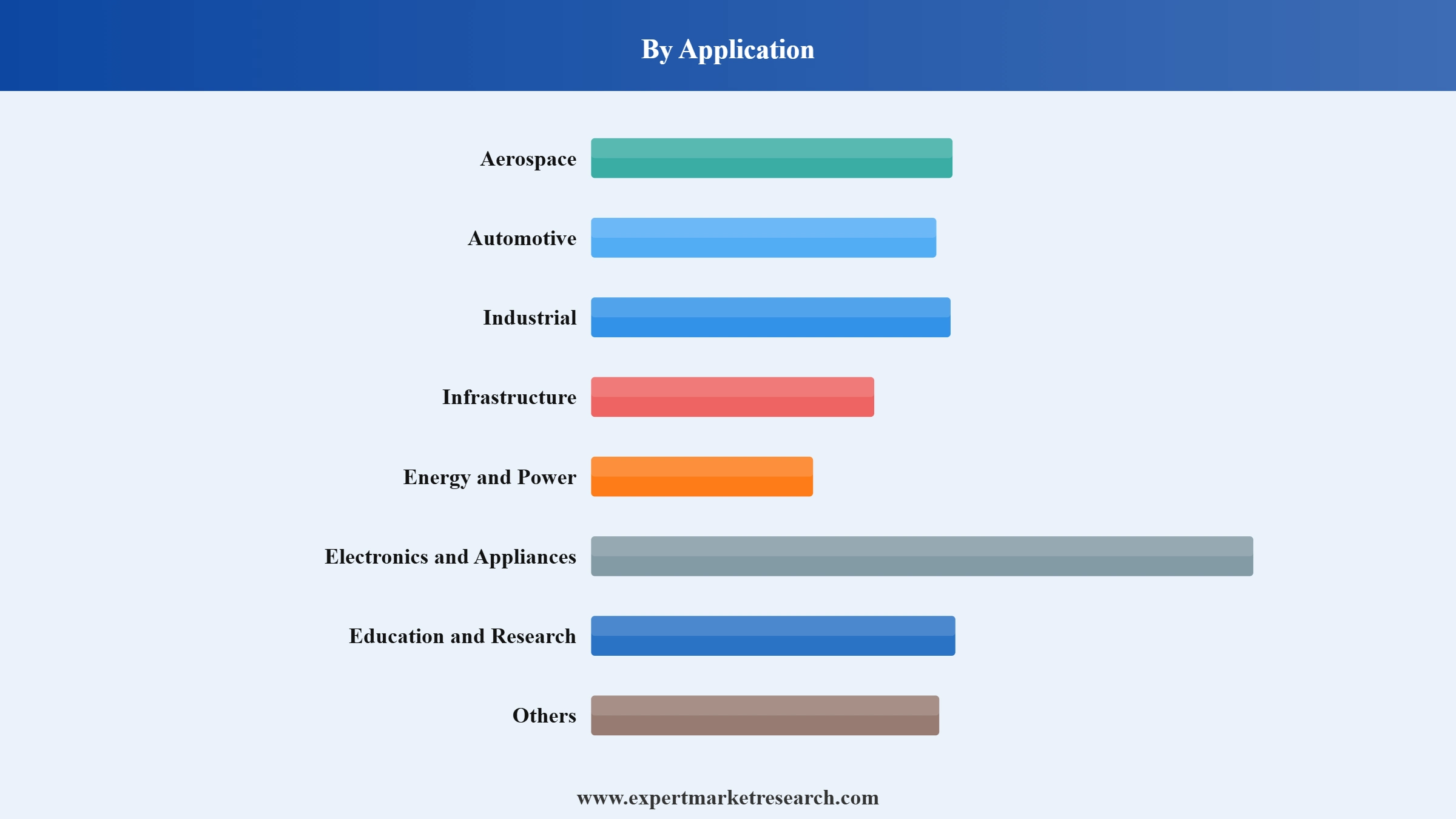
Key Insight: Industrial applications lead the application segment of the global acoustic camera market, driven by compressed air leak detection where energy waste is measurable and payback demonstrable, alongside machinery condition monitoring and production line fault identification. Energy and power is expanding fastest, propelled by methane leak detection obligations across oil and gas operations and by partial discharge inspection of electrical assets. Automotive and aerospace apply acoustic imaging in product development where cabin noise and component acoustics govern specification, infrastructure covers environmental noise assessment, and electronics and appliances address product noise qualification during design and manufacture.
Market Breakup by Region
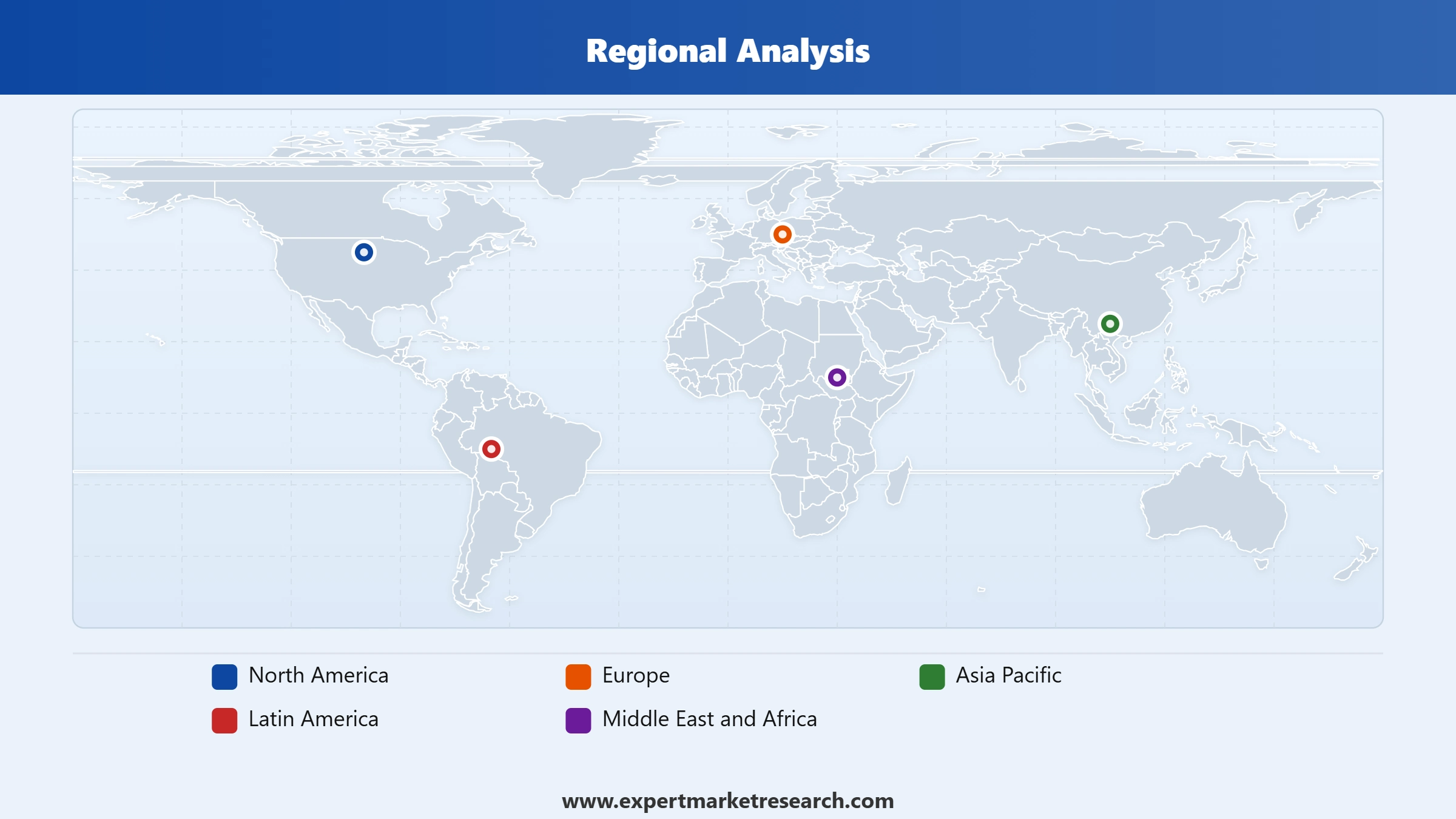
Key Insight: Europe carries the most consequential regulatory framework in the global acoustic camera market, with methane leak detection and repair obligations advancing through 2026 alongside established environmental noise assessment requirements, and with several leading instrument manufacturers headquartered in the region. North America holds a substantial share supported by industrial maintenance adoption, workplace noise exposure requirements and the presence of major thermal and acoustic imaging suppliers. Asia Pacific is the fastest-growing region, driven by manufacturing capacity expansion, industrial modernisation and tightening noise control enforcement, while Latin America and the Middle East and Africa adopt selectively across energy and construction applications.




Read more about this report - REQUEST FREE SAMPLE COPY IN PDF
By Array Type Analysis
The 2D array is fast gaining ground in the market of acoustic cameras due to simplicity and economy in acquiring images of sound sources spread over a plane, which is ideal for general industrial and environmental noise monitoring. As per acoustic camera market analysis, the 3D array is increasingly preferred for more complex applications including automotive and aerospace where source detection needs to take place in a three-dimensional space. The 3D array provides much more detail and accuracy in imaging, leading to much greater precision in noise diagnostics.
Read more about this report - REQUEST FREE SAMPLE COPY IN PDF
Market Analysis by Measurement
The far field measurement is increasingly becoming popular for large open environment noise monitoring such as construction sites and wind farms where sound sources can be quite far. Near field measurement is increasingly gaining popularity in more detailed analysis and close range diagnostics, especially in industrial settings such as manufacturing plants and automotive testing. Near-field cameras offer resolution as well as accuracy; hence offering better identification of localised sound sources and the improvement in efficiency of maintenance work.
Read more about this report - REQUEST FREE SAMPLE COPY IN PDF
Service Insights
Noise source identification is the latest interest of many industries orienting their effort to improve operational efficiency through the establishment of pinpoint sources in machinery and infrastructure. As per acoustic camera industry analysis, leakage detection is also rapidly developing in the energy and utilities sectors due to the reasoning that early leak detection minimises costs while improving safety concerns. The others include applications such as structural health monitoring, which are also experiencing growth with the use of acoustic cameras for preventive maintenance and the integrity of critical infrastructure within various industries.
Read more about this report - REQUEST FREE SAMPLE COPY IN PDF
By Application Analysis
Acoustic cameras are being used by aerospace in the analysis of noise that is coming out during engine and component testing. Automotive manufacturers use them for sound quality control as well as noise reduction. Industrial sectors use acoustic cameras on machinery maintenance, defects, or other related flaws. Infrastructure projects utilise acoustic cameras to monitor noise levels regarding the environment. Energy and power, especially wind farms, incorporate these to monitor operational noise. Electronics use acoustic cameras in an assembly line to check up on quality and emphasise research and development in acoustics for its applications in education and research institutions.
Read more about this report - REQUEST FREE SAMPLE COPY IN PDF
North America Acoustic Camera Market Opportunities
The North America acoustic camera market presents significant opportunities driven by growing demand for noise reduction in industrial, automotive, and environmental applications. Companies like FLIR Systems, with their FLIR Si124 Acoustic Imaging Camera, are leading the way by providing innovative solutions for detecting sound sources in machinery and infrastructure. Additionally, increasing focus on compliance with noise regulations and sustainability goals in sectors like construction and renewable energy are further fueling market growth in the region.
Europe Acoustic Camera Market Dynamics
The Europe acoustic camera market is expanding due to rising environmental concerns and stricter regulations on industrial noise. Sectors such as automotive and construction increasingly rely on acoustic imaging for sound source identification and preventive maintenance. For example, Germany's growing renewable energy sector, with wind turbines, is creating demand for acoustic cameras to monitor operational noise. Additionally, advancements in portable and more affordable systems are expanding the market’s accessibility, allowing broader adoption across industries for noise control.
Asia Pacific Acoustic Camera Market Trends
The Asia Pacific acoustic camera market is driven by rapid industrialization and urbanisation, especially in countries like China and India. In China, the rise of smart manufacturing and stringent noise control regulations are boosting demand for acoustic imaging systems. For instance, in Shanghai, acoustic cameras are increasingly used in the automotive and construction sectors for noise source identification. Additionally, the adoption of advanced technologies, such as thermal and acoustic imaging integration, is helping optimise maintenance and improve energy efficiency across industries.
Latin America Acoustic Camera Market Insights
The Latin America acoustic camera market is gaining traction due to the region’s focus on sustainable construction practices and environmental noise regulations. In Brazil, for example, the growing demand for eco-friendly buildings is driving the adoption of acoustic cameras for noise control and sound insulation assessments. Similarly, in Mexico, the booming automotive manufacturing sector relies on acoustic cameras for quality control and noise source identification in vehicle production lines, highlighting their role in improving product quality and operational efficiency.
Middle East and Africa Acoustic Camera Market Drivers
The Middle East and Africa acoustic camera market is driven by rapid urbanisation, infrastructure development, and stringent noise regulations. For example, in the UAE, the government’s Sustainable Development Goals emphasise reducing noise pollution in cities, promoting the adoption of acoustic cameras in construction and urban planning. In South Africa, the Department of Environmental Affairs has set noise pollution limits, encouraging industries to use advanced noise monitoring technologies.
Read more about this report - REQUEST FREE SAMPLE COPY IN PDF
The acoustic cameras market players are advancing to develop advanced, high resolution imaging capabilities for precise sound source identification in industrial environments to enhance the overall efficiency of the product and lower noise pollution, thus helping to contribute towards predictive maintenance. To expand into other industries like automotive, aerospace, energy, and construction, which will help optimise operations while limiting downtime, acoustic camera companies are introducing thermal imaging, artificial intelligence, and portable user-friendly products. Key industry leaders in this market are:
Founded in 1992, the company is headquartered in Berlin, Germany. In more detail, it majorly specialised in acoustic simulation software. The company now develops the CAESAR suite that supports automotive and aerospace companies in minimising noise when designing their products.
Siemens Digital Industries Software, Plano, Texas, offers Simcenter simulation solutions in the analysis of noise, vibration, and acoustics. Their software enables industries to design quieter and more efficient products with integration of simulation and testing for enhanced performance.
Founded in 1967 and headquartered in Billingstad, Norway, Norsonic AS designs and manufactures high-precision acoustic measurement tools, such as the Norsonic 120 sound level metre, and the Nor850 monitor environmental and industrial noise for compliance and noise management.
Founded in 2001, and located in the city of Enschede, Netherlands, Microflown Technologies offers groundbreaking solutions in Microwon sensors and acoustic cameras. Its solutions have helped the car and aerospace industries see and deal better with noise to identify sources of sound and control vibrations.
Other key players in the global acoustic camera market are GFAI Tech GmbH, SINUS Messtechnik GmbH, Hottinger Brüel & Kjær A/S, SM Instruments, Signal Interface Group, among others.
*Please note that this is only a partial list; the complete list of key players is available in the full report. Additionally, the list of key players can be customized to better suit your needs.*


Upto 15% Off
USD
$2499 $2249
$3999 $3599
$4999 $4249
$5999 $5099


*While we strive to always give you current and accurate information, the numbers depicted on the website are indicative and may differ from the actual numbers in the main report. At Expert Market Research, we aim to bring you the latest insights and trends in the market. Using our analyses and forecasts, stakeholders can understand the market dynamics, navigate challenges, and capitalize on opportunities to make data-driven strategic decisions.*
In 2025, the market reached an approximate value of USD 165.91 Million.
The acoustic camera market is assessed to grow at a CAGR of 5.00% between 2026 and 2035.
The major drivers of the market include the increased demand for process automation, implementation of artificial intelligence and machine learning, strict noise pollution legislation, increasing demand in energy and power sectors, use for authentication and checking of multiple procedures such as noise reduction for the cabin, and increasing use to verify the on-the-run train system in railways.
The increasing acceptance of building and room acoustics, and the growing popularity of combined audio and video microphone and camera array technology are the key industry trends propelling the market's growth.
The major regions in the industry are North America, Latin America, the Middle East and Africa, Europe, and the Asia Pacific.
Based on array type, the industry is divided into 2D array and 3D array. 2D Array is further subdivided into hexagon array, ring array, square and rectangle array, star array, and wheel array, among others, while the 3D array is subdivided into sphere and other types.
Based on its measurement, the industry is broadly categorised into far field and near field.
Acoustic cameras find their major application in aerospace, automotive, industrial, infrastructure, energy and power, electronics and appliances, education and research, among others.
Based on its services, the industry is categorised into noise source identification and leakage detection, among others.
The major players in the industry are Hottinger Brüel & Kjær A/S, CAE Software und Systems GmbH, Siemens Digital Industries Software, Signal Interface Group, Norsonic AS, SINUS Messtechnik GmBH, Microflown Technologies, GFAI Tech GmbH, and SM Instruments, among others.
The market is estimated to witness healthy growth in the forecast period of 2026-2035 to reach a value of around USD 270.25 Million by 2035.
Explore our key highlights of the report and gain a concise overview of key findings, trends, and actionable insights that will empower your strategic decisions.
| REPORT FEATURES | DETAILS |
| Base Year | 2025 |
| Historical Period | 2019-2025 |
| Forecast Period | 2026-2035 |
| Scope of the Report |
Historical and Forecast Trends, Industry Drivers and Constraints, Historical and Forecast Market Analysis by Segment:
|
| Breakup by Array Type |
|
| Breakup by Measurement |
|
| Breakup by Service |
|
| Breakup by Application |
|
| Breakup by Region |
|
| Market Dynamics |
|
| Competitive Landscape |
|
| Companies Covered |
|
| Report Price and Purchase Option | Explore our purchase options that are best suited to your resources and industry needs. |
| Delivery Format | Delivered as an attached PDF and Excel through email, with an option of receiving an editable PPT, according to the purchase option. |
Datasheet
One User
USD 2,499
USD 2,249
tax inclusive*
Single User License
One User
USD 3,999
USD 3,599
tax inclusive*
Five User License
Five User
USD 4,999
USD 4,249
tax inclusive*
Corporate License
Unlimited Users
USD 5,999
USD 5,099
tax inclusive*
*Please note that the prices mentioned below are starting prices for each bundle type. Kindly contact our team for further details.*
Flash Bundle
Small Business Bundle
Growth Bundle
Enterprise Bundle
*Please note that the prices mentioned below are starting prices for each bundle type. Kindly contact our team for further details.*
Flash Bundle
Number of Reports: 3
20%
tax inclusive*
Small Business Bundle
Number of Reports: 5
25%
tax inclusive*
Growth Bundle
Number of Reports: 8
30%
tax inclusive*
Enterprise Bundle
Number of Reports: 10
35%
tax inclusive*
How To Order

Select License Type
Choose the right license for your needs and access rights.

Click on ‘Buy Now’
Add the report to your cart with one click and proceed to register.

Select Mode of Payment
Choose a payment option for a secure checkout. You will be redirected accordingly.
Strategic Solutions for Informed Decision-Making
Gain insights to stay ahead and seize opportunities.

Get insights & trends for a competitive edge.

Track prices with detailed trend reports.

Analyse trade data for supply chain insights.

Leverage cost reports for smart savings

Enhance supply chain with partnerships.

Connect For More Information
Our expert team of analysts will offer full support and resolve any queries regarding the report, before and after the purchase.
Our expert team of analysts will offer full support and resolve any queries regarding the report, before and after the purchase.
We employ meticulous research methods, blending advanced analytics and expert insights to deliver accurate, actionable industry intelligence, staying ahead of competitors.
Our skilled analysts offer unparalleled competitive advantage with detailed insights on current and emerging markets, ensuring your strategic edge.
We offer an in-depth yet simplified presentation of industry insights and analysis to meet your specific requirements effectively.




