

Consumer Insights
Uncover trends and behaviors shaping consumer choices today
Procurement Insights
Optimize your sourcing strategy with key market data
Industry Stats
Stay ahead with the latest trends and market analysis.
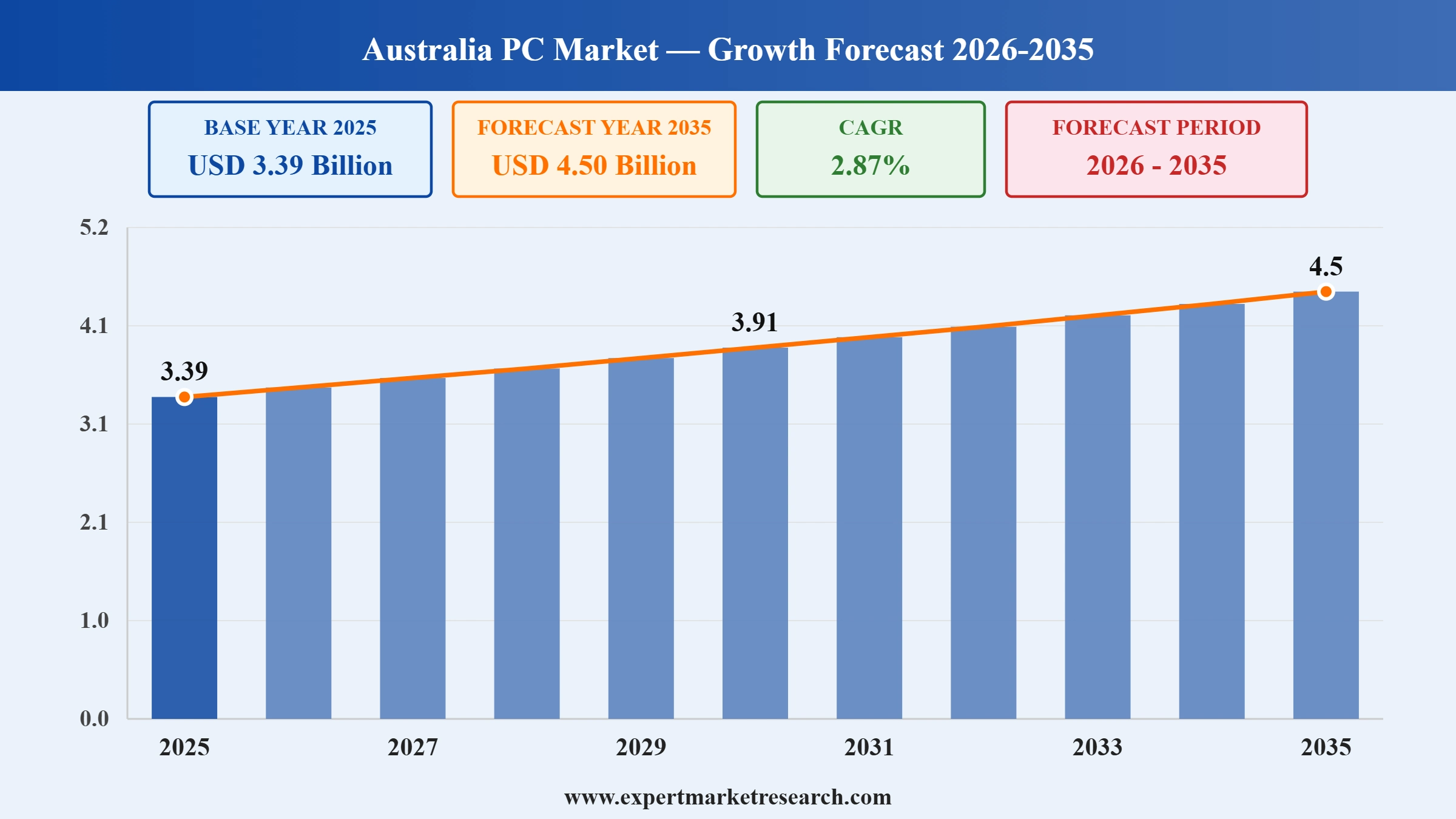
The Australia PC market attained a value of USD 3.39 Billion in 2025 and is projected to expand at a CAGR of 2.87% through 2035. The market is further expected to achieve USD 4.50 Billion by 2035. With AI-enhanced PCs being purchased by firms, there is an increase in demand for local processing in enterprises due to the end of Windows 10 support.
As enterprises start adopting AI technology, the Australia PC market observes an increase in demand for PCs that carry out their processes locally without depending much on the cloud infrastructure. This comes at a time when Windows 10 support is coming to an end, thus making it necessary for businesses to speed up their refresh initiatives by replacing aging hardware with new machines capable of running Windows 11.
AI PCs are gaining product development attention as players in the Australia PC market begin to accelerate their refresh cycles to devices which incorporate specialized neural processing capabilities. Microsoft is defining the capabilities of Copilot+ PCs as having NPUs capable of performing more than 40 trillion operations per second, creating an explicit hardware requirement for vendors in positioning on-device AI. On the other hand, in June 2026, HP launched a new range of AI-powered PCs in Australia, expanding its advanced computing portfolio.
The Australia PC market is moving away from the traditional upgrade path to managed computing fleets focused on productivity, security, battery optimization, and localized AI processing capabilities. In addition to ThinkPad and Yoga Copilot+ models, in May 2026, Lenovo extended this approach through its offering in Australia, which emphasizes its Premier Support Plus offering, including proactive diagnostics and preventive maintenance of business customers. Similarly, HP emphasizes the management, security, collaboration, and battery life advantages of its EliteBook X and EliteBook Ultra AI PCs.
Read more about this report - REQUEST FREE SAMPLE COPY IN PDF
Construction work of PsiQuantum commenced in Queensland for the first utility-scale fault-tolerant quantum computer in the world, reinforcing the capabilities of Australia’s advanced computing ecosystem. Manufacturers can therefore offer high-performance workstations, AI PCs, and computing solutions to support quantum and advanced industrial processes, boosting growth in the Australia PC market.
HP released AI-powered PCs based on Intel Core Ultra Series 3 processor and aimed at customers in Australia. PC companies can differentiate themselves by providing local AI features, best-of-breed business devices, and productivity solutions in Australia’s hybrid workforce.
Microsoft invested AUD 25 billion by 2029 into increasing AI infrastructure, cybersecurity and skill set of the Australian workforce to speed up the uptake of AI. PC manufacturers can cater to the increased AI workload through Copilot-compatible hardware with high-end processors and enterprise-class computing capabilities.
Getac unveiled G140 Copilot+ rugged PC integrated with AMD technologies allowing deployment of edge AI applications in the fields of public safety, automotive and manufacturing industries in Australia. Manufacturers could tap into the industrial market by offering rugged PCs integrated with AI technologies, propelling further development in the Australia PC market.
AI technology is driving changes in the market through a transition of vendors from cloud AI to AI on-device computing. In April 2025, Dell announced its new lineup of AI-enabled PCs incorporating Intel, AMD, and Qualcomm processors and leveraging the Dell Pro AI Studio platform for applications deployment. Dell's Copilot+ solutions feature NPUs providing at least 40 TOPS of computing power for AI tasks execution. These opportunities can be validated using government statistics. According to the Australia PC market analysis, in 2024–2025 12% of organizations used AI technology compared to only 1% in 2021-2022. The rising adoption of AI technology encourages manufacturers to develop PCs featuring powerful NPUs, privacy, and energy savings in local inference.
The migration to Windows 11 continues to serve as one of the primary factors influencing procurement trends in the Australia PC market due to the need to replace unsupported and incompatible systems. Microsoft terminated the support for Windows 10 in October 2025. Therefore, the issues of security updates and software lifecycle management are becoming more crucial for corporate PC procurement decisions. Consequently, PC vendors are focusing on the development of Windows 11 Pro solutions with enhanced hardware security and management features. For instance, in August 2026, Ingram Micro launched The Great Migration to accelerate Australian businesses’ transition toward AI-ready PCs and Windows 11 Pro.
As hybrid and distributed work become increasingly common, PC manufacturers must cater to the demand for light business laptops that offer mobility, collaboration, and longer-lasting batteries. Australia’s Dell Snapdragon X Series lineup includes Latitude 7455 and Latitude 5455 laptops that were made with AI on device, ARM processing, and longer battery performance in mind. Moreover, manufacturers are expanding their offerings in terms of professional configurations for staff members who are working in office and remote environments. Aligning with such trends in the Australia PC market, in May 2026, Google introduced Googlebook laptops, designed around Gemini intelligence, Android integration, and premium AI-powered hardware.
Small and medium-sized businesses are becoming a valuable market segment for PC vendors because of increasing AI integration into commercial workflows. According to Australia's Department of Industry, 41% of SMEs were using AI in June 2025, which was five percentage points higher compared to the previous quarter. Companies are reporting that AI made them more responsive in making decisions. The adoption is encouraging companies such as Dell to provide managed PC services with AI capabilities, rather than offering pure hardware, redefining the Australia PC market dynamics. In October 2025, Dell launched affordable Pro Essential PCs in Australia, offering SMBs secure, durable devices with cloud-based IT management.
The aspect of sustainability is gaining traction in product design as companies in the Australia PC market look to minimize materials, elongate lifecycles, and increase device repairability. Dell is incorporating aspects of circular design in its Australian portfolio through efforts such as developing a modular USB-C mainboard as well as durability, efficiency, and ease of repairability. Such engineering efforts are becoming more common in relation to enterprise procurement teams who have large-scale fleet management considerations, with longer lifecycles leading to fewer replacements. In May 2025, Framework launched two new repairable PCs, reinforcing sustainable computing through modular designs and easier device upgrades.
The Expert Market Research's report titled “Australia PC Market Report and Forecast 2026-2035” offers a detailed analysis of the market based on the following segments:
Market Breakup by Product
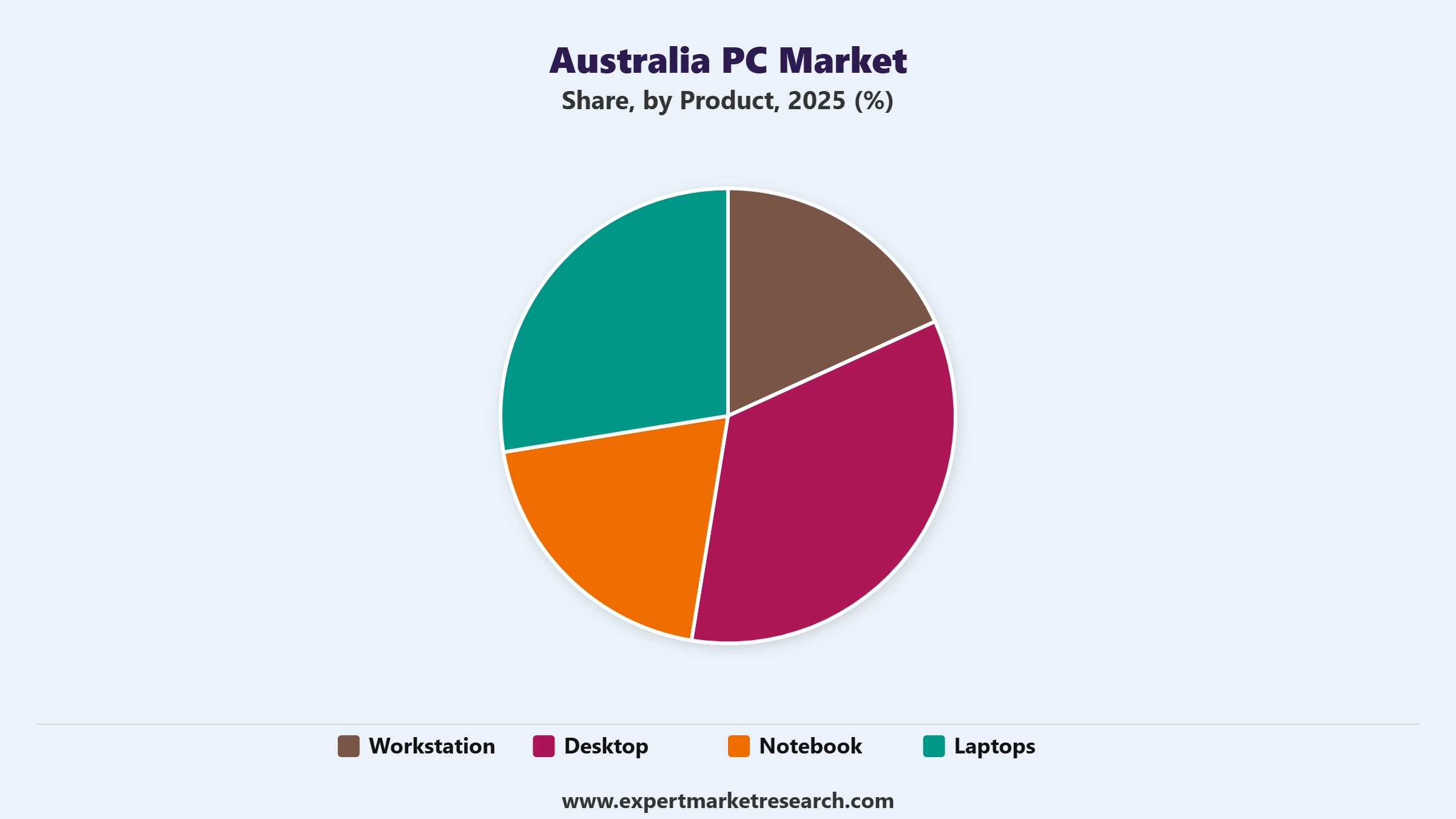
Key Insight: The product demand in the Australia PC market is spread across workstations, desktops, notebooks, and laptops, each catering to different computing needs. Workstations are targeted by engineering, design, media, and compute-intensive loads that need specialized processing and graphics capabilities. Desktops are pertinent in scenarios where companies look for upgradability, stationary workstations, better performance, and simplified lifecycles. Notebooks take advantage of enterprise mobility, flexible working, and management. Laptops are mostly favored by consumers who want performant portability at offices, home, classroom, and customer environments.
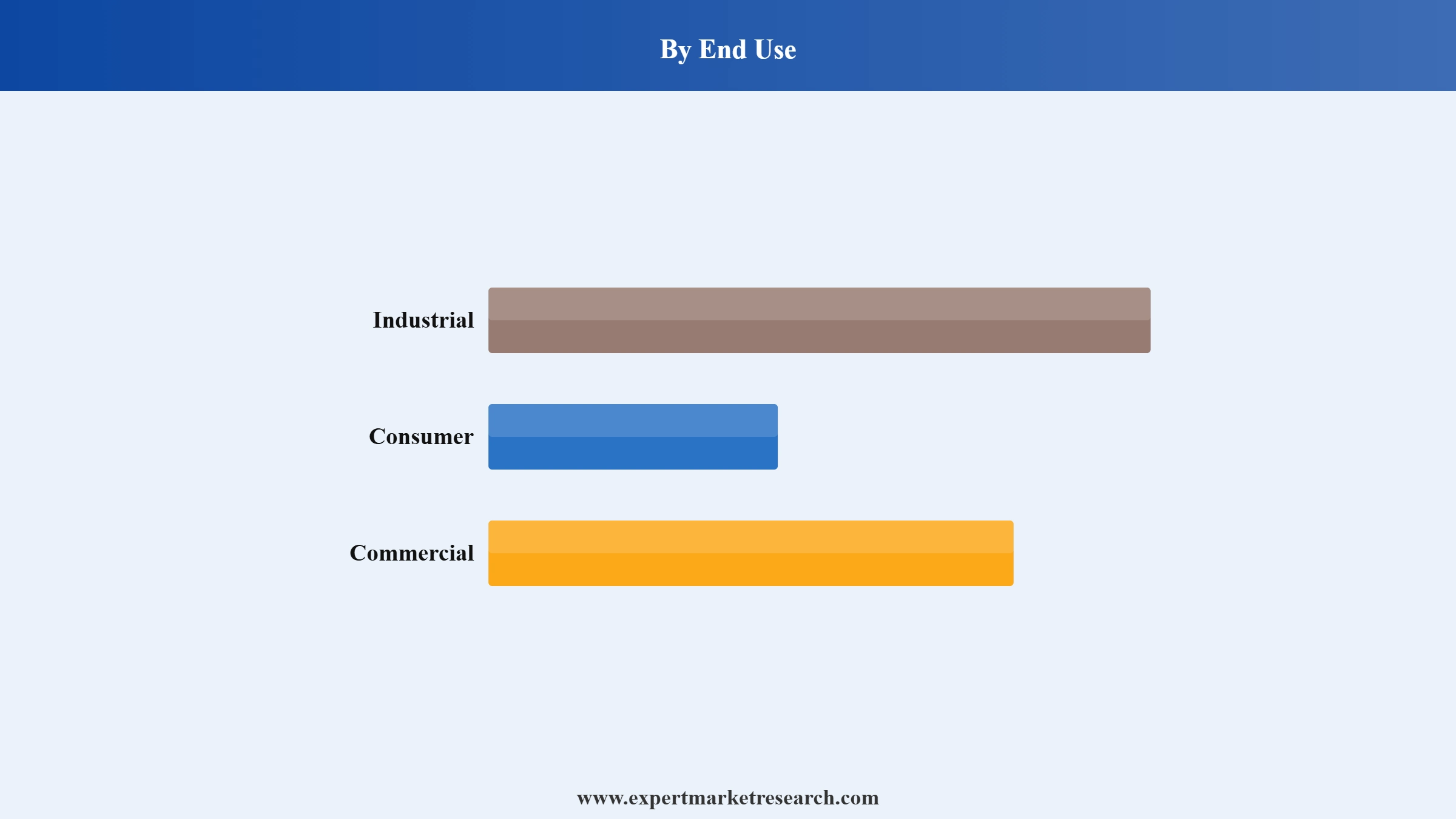
Market Breakup by End Use
Key Insight: As per the Australia PC market report, the industrial category emphasizes durability and high performance for engineering, manufacturing, automation, visualization, and operations workloads that require reliable processing. The consumer category emphasizes gaming, education, entertainment, creativity, and productivity tasks, which results in demand across all performance levels. The commercial category is becoming increasingly interested in standardization, endpoint security, remote management, and lifecycle management for distributed workforces. In June 2026, ASUS launched ExpertBook Ultra in Australia, combining AI-powered performance, lightweight design, advanced security, and business-focused productivity features.
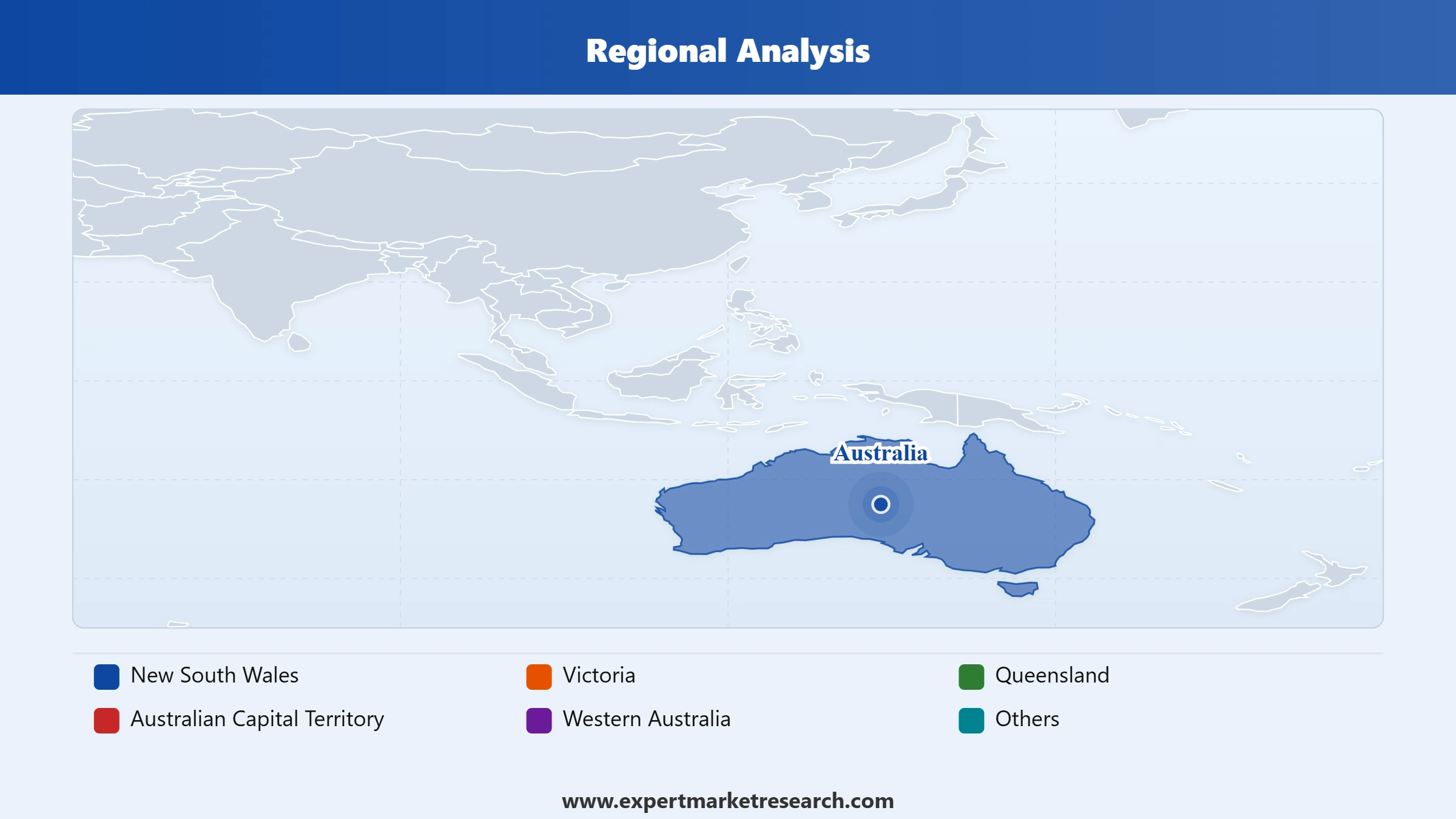
Market Breakup by Region
Key Insight: New South Wales benefits from a strong corporate base, substantial government presence, and well-developed finance, technology, and education sectors, thus enabling widespread PC purchasing for businesses. The strength of Victoria comes from the presence of the technology scene in Melbourne, educational facilities, and the growing presence of data centers. Queensland has an advantage in terms of growing population, tourism, resource industry, and geographically dispersed workforce needing mobile computers. Australian Capital Territory demand comes from governmental departments and agencies and organizations working on policy, which have tight security requirements. The Western Australia PC market has a strong need for PCs from the mining, engineering, and resource sectors, as well as remote operations.
Read more about this report - REQUEST FREE SAMPLE COPY IN PDF
By product, notebook PCs lead product demand due to mobility and enterprise flexibility
Notebook PCs retain their best positioning across the Australia PC market scope due to the increased demand for mobile computing by businesses, particularly when it comes to hybrid work, field work, professional services, and learning. Modern notebook PCs offer security features, processing power, and compatibility with docking stations so that organizations can choose standardized devices that do not compromise mobility. Their replacement might be driven by changes in operating systems and readiness for AI, compelling buyers to take into account processor power, memory size, battery efficiency, and manageability. In May 2026, Dell expanded its laptop range with the Alienware 15, offering Australian gamers accessible AI-ready performance and advanced graphics.
Read more about this report - REQUEST FREE SAMPLE COPY IN PDF
Portable laptops are becoming more popular among companies, as portable performance is considered valuable by organizations, boosting demand in the Australia PC market. People buy laptops based on endurance of batteries, light weight, connectivity options, security features, and on-device AI abilities. This makes room for vendors' differentiation based on high-end laptops with special device management designed for business users. The demand for laptops is growing due to flexible policies within companies, because people can use the same laptop in offices, at home, and at client places.
By end use, consumer applications generate consistent demand due to replacement, gaming, education, and productivity
The consumer segment remains the dominant end-use category, supported by demand for PCs used for gaming, learning, entertainment, content creation, communication, and a wide range of home-based activities. Demand for replacement of PCs is based on the expectation of improved processors, better graphics, enhanced displays, and AI functionalities. Consumers are more interested in high-end PCs for gaming and content creation while students and families are interested in multifunctional computers to do learning activities and individual tasks. Segmentation of offerings according to performance levels and use cases can be done by retailers and vendors. Demonstrating this shift in the Australia PC market, in August 2026, ZBD launched a games payments platform for PC and console, enabling seamless digital transactions and player rewards.
Read more about this report - REQUEST FREE SAMPLE COPY IN PDF
Commercial users are the fastest-growing end-use market as businesses replace their older fleet and equip their people with cloud computing, security, collaboration, and AI capabilities. Businesses are increasingly looking at PCs as managed devices as they look at remote management capabilities, security features, device analytics, and lifecycle management. Hybrid work is leading to the need for standardized portable devices that transition between the workplace and home.
New South Wales clocks in the largest share of the due to enterprise concentration and technology intensity
New South Wales continues to be the top regional market, due to the fact that its vast economic base enables the provision of enterprise, educational, technological, financial services, and government computing solutions. Sydney’s abundance of corporate head offices and digital businesses enables the procurement of managed desktops, notebooks, and workstations, boosting the overall Australia PC market penetration. The digital inclusion strategy of New South Wales also presents an opportunity for the refurbishment of devices. In May 2026, HP and Intel launched next-generation Australian PCs powered by Core Ultra Series 3 processors, enabling enhanced AI performance and efficiency.
Read more about this report - REQUEST FREE SAMPLE COPY IN PDF
Victoria is emerging as the fastest growing regional market due to its growing demand for technology-based industries, technology training, data center development, and technology in education, which increases the demand for professional computing solutions. Victoria’s concentration of technology businesses and educational institutions facilitates the purchase of notebooks, workstations, and powerful desktop computers. The Victorian Government estimates a requirement for 19,300 workers in digital technology occupations by 2025-28.
Competitive rivalry is high in the market with international suppliers focusing on AI-enabled equipment, fleet renewal for businesses, security, device management, and unique performance. Leading Australia PC market players like Lenovo, HP, Dell Technologies, Apple, Acer, and ASUS operate through varied line-ups of notebooks, desktops, workstations, and portable equipment. Companies can use their managed devices and channel relations to boost their enterprise presence while going after professional and infrastructure-focused clients through their hardware and service solution.
Companies keep promoting premium performance and ecosystem integration, especially with creative and professional customers. Australia PC companies can also find opportunities to grow in value-focused, gaming, creative, and AI-enabled market segments. Suppliers can increase their market share by enhancing their local distribution, financing, lifecycle services, cybersecurity integration, repair capabilities, and energy efficiency.
Founded in 1939, HP is headquartered in Palo Alto, California, United States. HP markets its products to Australians with the help of its business notebooks, desktops, workstations, and security computers. The product portfolio of the company includes endpoint security, hybrid workplace productivity, artificial intelligence computing, and managed devices.
Dell is a company founded in 1984 and it operates out of headquarters located in Round Rock, Texas, United States. The products marketed by Dell Australia include business laptops, desktops, workstations, displays, and associated infrastructure.
Apple Inc. was founded in 1976 and is located in Cupertino, California, United States. The firm provides its products and services to Australian PC users with the help of MacBook, iMac, Mac mini and Mac Studio, utilizing proprietary chipsets, operating systems, and integration into the Apple ecosystem. The company exemplifies a premium positioning strategy targeting creative professionals, enterprises, developers, education users, and consumers seeking high-performance solutions.
Lenovo was founded in 1984 and operates from Hong Kong, with other important offices located in the United States. Its Australian range includes ThinkPad, ThinkBook, Yoga, Legion, desktop, and workstations. Lenovo aims to attract enterprise and consumer buyers via AI-powered products, commercial security, productivity capabilities, device management, and wide availability of devices.
Other key players in the market include Samsung Electronics Australia Pty Limited, ASUSTeK COMPUTER INC., Microsoft Pty Ltd., and Micro-Star Int’l Co., Ltd., among others.
*Please note that this is only a partial list; the complete list of key players is available in the full report. Additionally, the list of key players can be customized to better suit your needs.*
Unlock the latest insights with our Australia PC market trends 2026 report. Discover regional growth patterns, consumer preferences, and key industry players. Stay ahead of competition with trusted data and expert analysis. Download your free sample report today and drive informed decisions in the market.


Upto 15% Off
USD
$2499 $2249
$3999 $3599
$4999 $4249
$5999 $5099


*While we strive to always give you current and accurate information, the numbers depicted on the website are indicative and may differ from the actual numbers in the main report. At Expert Market Research, we aim to bring you the latest insights and trends in the market. Using our analyses and forecasts, stakeholders can understand the market dynamics, navigate challenges, and capitalize on opportunities to make data-driven strategic decisions.*
In 2025, the market reached an approximate value of USD 3.39 Billion.
The market is projected to grow at a CAGR of 2.87% between 2026 and 2035.
The revenue generated from the market is expected to reach USD 4.50 Billion in 2035.
The PC market is categorised according to the product, which includes workstations, desktop, notebooks, and laptops.
The key players in the market include HP Development Company, L.P., Dell Australia Pty Limited, Apple Pty Limited, Lenovo Group Ltd., Samsung Electronics Australia Pty Limited, ASUSTeK COMPUTER INC., Microsoft Pty Ltd., and Micro-Star Int’l Co., Ltd., among others.
Based on the end use, the PC market is divided into industrial, consumer and commercial.
The market is broken down into New South Wales, Victoria, Queensland, Australian Capital Territory, Western Australia, and others.
Memory shortages, rising component costs, supply-chain disruptions, intense price competition, cybersecurity requirements, shorter technology cycles, and pressure to provide sustainable, repairable devices are challenging PC manufacturers across Australia.
Stakeholders are expanding AI-ready portfolios, strengthening local partnerships, offering device-as-a-service programs, improving repairability, integrating cybersecurity, developing trade-in schemes, and targeting specialized enterprise workloads.
Explore our key highlights of the report and gain a concise overview of key findings, trends, and actionable insights that will empower your strategic decisions.
| REPORT FEATURES | DETAILS |
| Base Year | 2025 |
| Historical Period | 2019-2025 |
| Forecast Period | 2026-2035 |
| Scope of the Report |
Historical and Forecast Trends, Industry Drivers and Constraints, Historical and Forecast Market Analysis by Segment:
|
| Breakup by Product |
|
| Breakup by End Use |
|
| Breakup by Region |
|
| Market Dynamics |
|
| Competitive Landscape |
|
| Companies Covered |
|
Datasheet
One User
USD 2,499
USD 2,249
tax inclusive*
Single User License
One User
USD 3,999
USD 3,599
tax inclusive*
Five User License
Five User
USD 4,999
USD 4,249
tax inclusive*
Corporate License
Unlimited Users
USD 5,999
USD 5,099
tax inclusive*
*Please note that the prices mentioned below are starting prices for each bundle type. Kindly contact our team for further details.*
Flash Bundle
Small Business Bundle
Growth Bundle
Enterprise Bundle
*Please note that the prices mentioned below are starting prices for each bundle type. Kindly contact our team for further details.*
Flash Bundle
Number of Reports: 3
20%
tax inclusive*
Small Business Bundle
Number of Reports: 5
25%
tax inclusive*
Growth Bundle
Number of Reports: 8
30%
tax inclusive*
Enterprise Bundle
Number of Reports: 10
35%
tax inclusive*
How To Order

Select License Type
Choose the right license for your needs and access rights.

Click on ‘Buy Now’
Add the report to your cart with one click and proceed to register.

Select Mode of Payment
Choose a payment option for a secure checkout. You will be redirected accordingly.
Strategic Solutions for Informed Decision-Making
Gain insights to stay ahead and seize opportunities.

Get insights & trends for a competitive edge.

Track prices with detailed trend reports.

Analyse trade data for supply chain insights.

Leverage cost reports for smart savings

Enhance supply chain with partnerships.

Connect For More Information
Our expert team of analysts will offer full support and resolve any queries regarding the report, before and after the purchase.
Our expert team of analysts will offer full support and resolve any queries regarding the report, before and after the purchase.
We employ meticulous research methods, blending advanced analytics and expert insights to deliver accurate, actionable industry intelligence, staying ahead of competitors.
Our skilled analysts offer unparalleled competitive advantage with detailed insights on current and emerging markets, ensuring your strategic edge.
We offer an in-depth yet simplified presentation of industry insights and analysis to meet your specific requirements effectively.




