

Consumer Insights
Uncover trends and behaviors shaping consumer choices today
Procurement Insights
Optimize your sourcing strategy with key market data
Industry Stats
Stay ahead with the latest trends and market analysis.
The Autonomous Construction Equipment Market attained a value of USD 12.85 Billion in 2025 and is projected to expand at a CAGR of around 10.50% through 2035. With persistent construction labor shortages driving automation investment, growing adoption of GPS and LiDAR-guided heavy equipment, increasing demand for autonomous haul trucks in mining applications, and expanding government infrastructure spending requiring productivity improvements, the market is set to achieve USD 34.88 Billion by 2035.
The autonomous construction equipment market encompasses a broad range of products, services, and solutions catering to diverse industry needs. Valued at approximately USD 12.85 Billion in 2025, the market is driven by persistent construction labor shortages driving automation investment and growing adoption of GPS and LiDAR-guided heavy equipment. Key product categories and service offerings span multiple segments, serving both established and emerging end-use applications across the value chain.
The autonomous construction equipment market growth is strongly supported by increasing demand for autonomous haul trucks in mining applications. Industry stakeholders are increasingly investing in innovation, operational efficiency, and strategic partnerships to capitalize on emerging opportunities. The convergence of regulatory developments, technological advancement, and shifting demand patterns is expected to create significant growth opportunities through 2033, as market participants position themselves to address evolving customer requirements.
North America commands the largest market share at 35.8%, driven by strong industry fundamentals and favorable market conditions.
The Autonomous Haul Trucks segment leads market revenue with 38.5% share, reflecting sustained demand across core application areas.
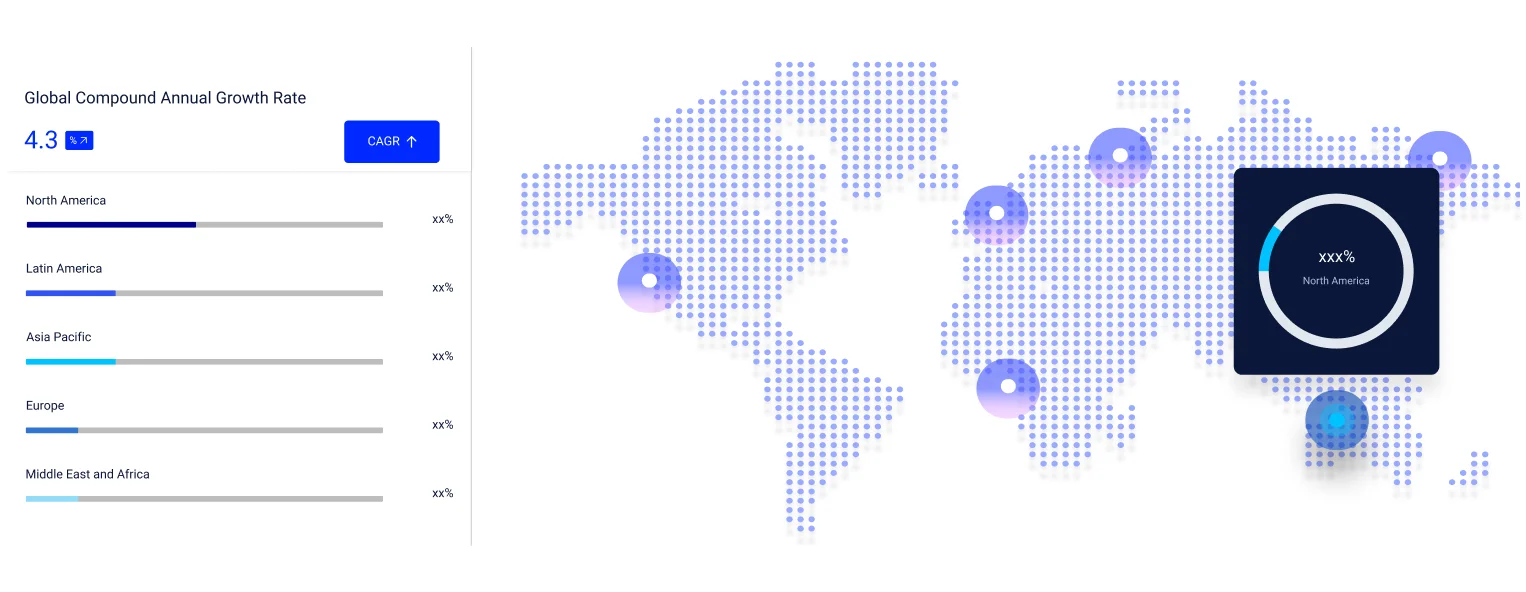
The market is projected to grow at a CAGR of 10.50% during 2026-2035, driven by persistent construction labor shortages driving automation investment.
Compound Annual Growth Rate
10.5%
Value in USD Billion
2026-2035
| Report Summary | Description | Value |
| Base Year | USD Billion | 2025 |
| Historical Period | USD Billion | 2019-2025 |
| Forecast Period | USD Billion | 2026-2035 |
| Market Size 2025 | USD Billion | 12.85 |
| Market Size 2035 | USD Billion | 34.88 |
| CAGR 2026-2035 | Percentage | 10.50% |
| Market Share 2025 | North America | 35.8% |
The autonomous construction equipment market is undergoing significant transformation driven by technological innovation, regulatory evolution, and shifting demand patterns. Below are the key trends shaping the autonomous construction equipment market outlook.
Technological Innovation and Digital Transformation Driving Growth (2025)
Technological advancement is reshaping the autonomous construction equipment market, with digital transformation initiatives accelerating across the value chain. Industry participants are increasingly adopting advanced technologies including artificial intelligence, Internet of Things connectivity, and data analytics to improve operational efficiency, reduce costs, and enhance service delivery. These innovations are enabling market participants to offer more sophisticated and customized solutions to end users. The integration of smart technologies is particularly pronounced in North America, where leading companies are leveraging digital platforms to strengthen their competitive positions. This trend is expected to create significant opportunities for market expansion as organizations across multiple sectors recognize the operational benefits of technology-enabled solutions within the autonomous construction equipment landscape.
Regulatory Developments and Policy Frameworks Shaping Dynamics (2025)
Evolving regulatory frameworks and policy initiatives are playing a pivotal role in shaping the autonomous construction equipment market landscape. Governments and regulatory bodies are implementing new standards, compliance requirements, and incentive programs that are influencing market participant strategies and investment decisions. These regulatory developments are driving industry consolidation, encouraging innovation in sustainable practices, and creating new market opportunities across the autonomous construction equipment market forecast period. Companies that proactively adapt to regulatory changes are positioned to gain competitive advantages, while non-compliance risks are pushing smaller players to upgrade capabilities or seek strategic partnerships with established market leaders in the industry.
Expanding End-Use Applications and Market Diversification (2025)
The autonomous construction equipment market is experiencing diversification as new end-use applications emerge and existing sectors expand adoption. Growing demand from traditional sectors is supplemented by emerging applications in adjacent industries, broadening the addressable market. This diversification reduces market concentration risks and creates multiple growth vectors for industry participants. The autonomous construction equipment market trends indicate increasing penetration across both established and developing markets, with companies investing in product development and geographic expansion to capture emerging opportunities across the full spectrum of market demand throughout the forecast period.
Sustainability Initiatives and Environmental Considerations (2025)
Sustainability is becoming a central consideration in the autonomous construction equipment market, driven by environmental regulations, corporate sustainability commitments, and evolving preferences. Market participants are developing eco-friendly products and services, adopting circular economy principles, and investing in energy-efficient technologies. These sustainability initiatives are not only addressing regulatory compliance requirements but also creating differentiation opportunities in an increasingly competitive market. The autonomous construction equipment market outlook reflects growing investor and stakeholder interest in sustainable business practices, with companies demonstrating strong ESG credentials attracting premium valuations and partnership opportunities.
Caterpillar Inc. Strengthens Market Position (2025)
In 2025, Caterpillar Inc., headquartered in USA, announced strategic expansion of operations within the autonomous construction equipment market. This initiative aligns with the company strategy to capitalize on growing demand and reinforces its commitment to delivering innovative solutions across key segments and geographies.
Komatsu Ltd. Strengthens Market Position (2025)
In 2025, Komatsu Ltd., headquartered in Japan, launched a new product line targeting key segments within the autonomous construction equipment market. This initiative aligns with the company strategy to capitalize on growing demand and reinforces its commitment to delivering innovative solutions across key segments and geographies.
Volvo Group Strengthens Market Position (2025)
In 2025, Volvo Group, headquartered in Sweden, entered into a strategic partnership to enhance capabilities within the autonomous construction equipment market. This initiative aligns with the company strategy to capitalize on growing demand and reinforces its commitment to delivering innovative solutions across key segments and geographies.
Liebherr Strengthens Market Position (2025)
In 2025, Liebherr, headquartered in Switzerland, invested in capacity expansion to meet growing demand within the autonomous construction equipment market. This initiative aligns with the company strategy to capitalize on growing demand and reinforces its commitment to delivering innovative solutions across key segments and geographies.
CNH Industrial Strengthens Market Position (2025)
In 2025, CNH Industrial, headquartered in UK, completed a strategic acquisition to broaden its portfolio within the autonomous construction equipment market. This initiative aligns with the company strategy to capitalize on growing demand and reinforces its commitment to delivering innovative solutions across key segments and geographies.
The EMR's report titled "Autonomous Construction Equipment Market Report and Forecast 2026-2035" offers a detailed analysis of the market based on the following segments:
Market Breakup by Equipment Type
The Autonomous Haul Trucks sub-segment holds a significant share of the autonomous construction equipment market, driven by widespread application and strong demand across key end-use sectors. Industry participants are investing in product development and operational efficiency to strengthen their competitive position within this segment.
Market Breakup by Level of Automation
The Semi-Autonomous sub-segment holds a significant share of the autonomous construction equipment market, driven by widespread application and strong demand across key end-use sectors. Industry participants are investing in product development and operational efficiency to strengthen their competitive position within this segment.
Market Breakup by Application
The Mining sub-segment holds a significant share of the autonomous construction equipment market, driven by widespread application and strong demand across key end-use sectors. Industry participants are investing in product development and operational efficiency to strengthen their competitive position within this segment.
Market Breakup by Region
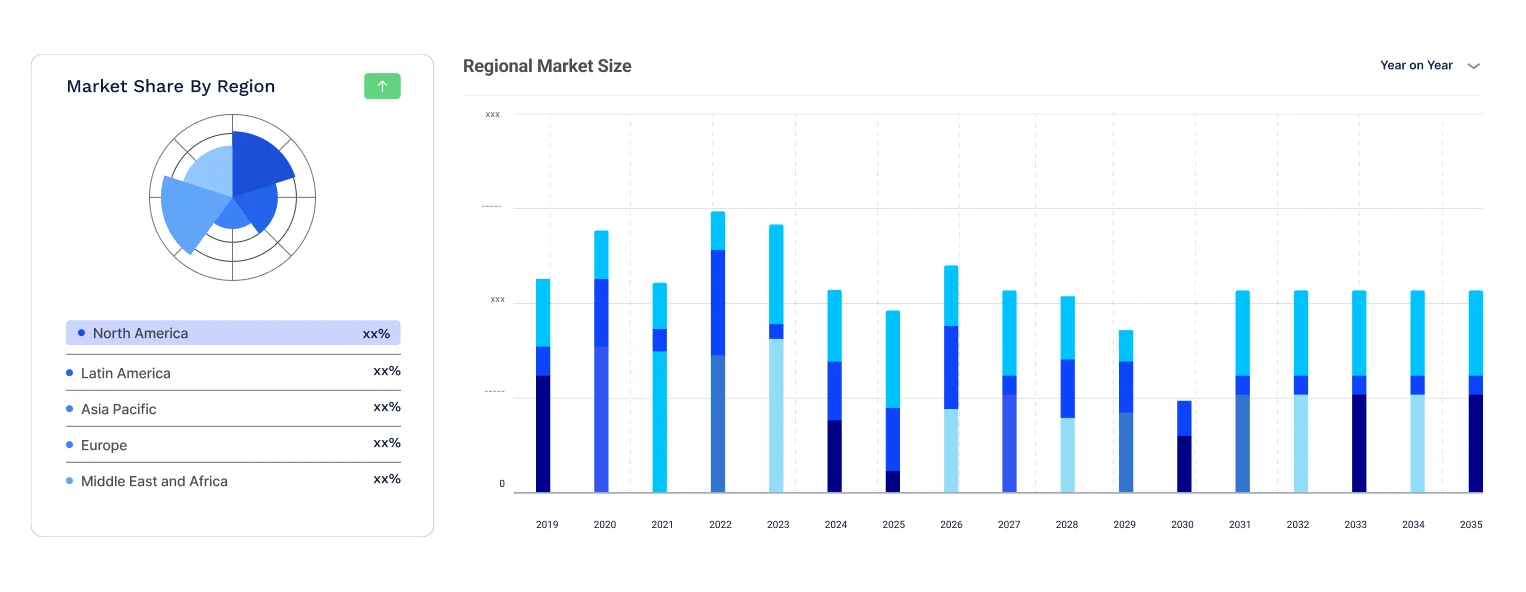
North America dominates the autonomous construction equipment market, holding approximately 35.8% of market revenue. North America leads driven by mining automation adoption and early deployment of autonomous construction equipment on highway projects. The market landscape is shaped by regional demand patterns, regulatory frameworks, and competitive dynamics that create diverse growth opportunities.
The autonomous construction equipment market is characterized by competitive market dynamics, with established players maintaining strong positions through extensive product portfolios, geographic reach, and technological capabilities. Key competitive strategies include continuous innovation, strategic partnerships, and expansion into high-growth segments and geographies.
Market growth is driven by converging demand factors including persistent construction labor shortages driving automation investment, growing adoption of GPS and LiDAR-guided heavy equipment, increasing demand for autonomous haul trucks in mining applications, and expanding government infrastructure spending requiring productivity improvements. These factors are creating robust opportunities for both established players and new entrants across the value chain, supporting sustained market expansion through the forecast period.
Adoption patterns vary across segments, with established sectors leading in technology adoption while growth segments present significant untapped potential. Industry participants are strategically positioning to capture opportunities across the full spectrum of demand.
The autonomous construction equipment market features a competitive landscape with key players focusing on innovation, strategic partnerships, and geographic expansion. Leading companies maintain advantages through extensive R&D capabilities, diversified product portfolios, and established customer relationships across key market segments.
Headquartered in USA, Caterpillar Inc. is a prominent player in the autonomous construction equipment market with a comprehensive product and service portfolio. The company leverages extensive industry expertise, distribution networks, and R&D capabilities to deliver innovative solutions across key market segments.
Headquartered in Japan, Komatsu Ltd. is a prominent player in the autonomous construction equipment market with a comprehensive product and service portfolio. The company leverages extensive industry expertise, distribution networks, and R&D capabilities to deliver innovative solutions across key market segments.
Headquartered in Sweden, Volvo Group is a prominent player in the autonomous construction equipment market with a comprehensive product and service portfolio. The company leverages extensive industry expertise, distribution networks, and R&D capabilities to deliver innovative solutions across key market segments.
Headquartered in Switzerland, Liebherr is a prominent player in the autonomous construction equipment market with a comprehensive product and service portfolio. The company leverages extensive industry expertise, distribution networks, and R&D capabilities to deliver innovative solutions across key market segments.
Other key players in the Autonomous Construction Equipment Market report include CNH Industrial, John Deere, among others.
Unlock the latest insights into the Autonomous Construction Equipment Market with our comprehensive report. Stay ahead with valuable data on innovations, competitive dynamics, and growth opportunities. Download your free sample now and discover key opportunities in the autonomous construction equipment sector.


Upto 15% Off
USD
$2499 $2249
$3999 $3599
$4999 $4249
$5999 $5099


*While we strive to always give you current and accurate information, the numbers depicted on the website are indicative and may differ from the actual numbers in the main report. At Expert Market Research, we aim to bring you the latest insights and trends in the market. Using our analyses and forecasts, stakeholders can understand the market dynamics, navigate challenges, and capitalize on opportunities to make data-driven strategic decisions.*
The Autonomous Construction Equipment Market was valued at USD 12.85 Billion in 2025.
The Autonomous Construction Equipment Market is projected to exhibit a CAGR of 10.50% during 2026-2035, reaching a value of USD 34.88 Billion by 2035.
The key factors include persistent construction labor shortages driving automation investment, growing adoption of GPS and LiDAR-guided heavy equipment, increasing demand for autonomous haul trucks in mining applications, and expanding government infrastructure spending requiring productivity improvements.
North America currently dominates with approximately 35.8%. North America leads driven by mining automation adoption and early deployment of autonomous construction equipment on highway projects.
Major players include Caterpillar Inc., Komatsu Ltd., Volvo Group, Liebherr, CNH Industrial, among others.
Explore our key highlights of the report and gain a concise overview of key findings, trends, and actionable insights that will empower your strategic decisions.
| REPORT FEATURES | DETAILS |
| Base Year | 2025 |
| Historical Period | 2019-2025 |
| Forecast Period | 2026-2035 |
| Scope of the Report |
Historical and Forecast Trends, Industry Drivers and Constraints, Historical and Forecast Market Analysis by Segment:
|
| Breakup by Equipment Type |
|
| Breakup by Level of Automation |
|
| Breakup by Application |
|
| Breakup by Region |
|
| Market Dynamics |
|
| Competitive Landscape |
|
| Companies Covered |
|
Datasheet
One User
USD 2,499
USD 2,249
tax inclusive*
Single User License
One User
USD 3,999
USD 3,599
tax inclusive*
Five User License
Five User
USD 4,999
USD 4,249
tax inclusive*
Corporate License
Unlimited Users
USD 5,999
USD 5,099
tax inclusive*
*Please note that the prices mentioned below are starting prices for each bundle type. Kindly contact our team for further details.*
Flash Bundle
Small Business Bundle
Growth Bundle
Enterprise Bundle
*Please note that the prices mentioned below are starting prices for each bundle type. Kindly contact our team for further details.*
Flash Bundle
Number of Reports: 3
20%
tax inclusive*
Small Business Bundle
Number of Reports: 5
25%
tax inclusive*
Growth Bundle
Number of Reports: 8
30%
tax inclusive*
Enterprise Bundle
Number of Reports: 10
35%
tax inclusive*
How To Order

Select License Type
Choose the right license for your needs and access rights.

Click on ‘Buy Now’
Add the report to your cart with one click and proceed to register.

Select Mode of Payment
Choose a payment option for a secure checkout. You will be redirected accordingly.
Strategic Solutions for Informed Decision-Making
Gain insights to stay ahead and seize opportunities.

Get insights & trends for a competitive edge.

Track prices with detailed trend reports.

Analyse trade data for supply chain insights.

Leverage cost reports for smart savings

Enhance supply chain with partnerships.

Connect For More Information
Our expert team of analysts will offer full support and resolve any queries regarding the report, before and after the purchase.
Our expert team of analysts will offer full support and resolve any queries regarding the report, before and after the purchase.
We employ meticulous research methods, blending advanced analytics and expert insights to deliver accurate, actionable industry intelligence, staying ahead of competitors.
Our skilled analysts offer unparalleled competitive advantage with detailed insights on current and emerging markets, ensuring your strategic edge.
We offer an in-depth yet simplified presentation of industry insights and analysis to meet your specific requirements effectively.




