

Consumer Insights
Uncover trends and behaviors shaping consumer choices today
Procurement Insights
Optimize your sourcing strategy with key market data
Industry Stats
Stay ahead with the latest trends and market analysis.
The global cider market attained a value of USD 5.39 Billion in 2025 and is projected to expand at a CAGR of 3.90% through 2035. The market is further expected to achieve USD 7.90 Billion by 2035. There is a growing trend toward premiumization in the market, with manufacturers introducing dry, low-alcohol and food-pairing variants to appeal to more sophisticated consumers.
Two key reasons that are helping in driving demand in the cider market include the increase in food service programs which are opening up ways for draft cider, particularly in restaurants and tap rooms looking for other options aside from beer and wine. In addition, better shelf stable canning and small packs are allowing cider producers to distribute their products into convenience and specialty retail markets.
The cider market is progressing towards differentiated flavor platforms with limited release products creating premium moments for consumption. In November 2025, The Boston Beer Company’s Angry Orchard launched its "World’s Angriest Cider," an extremely spicy small batch product with the use of Aji Amarillo and habanero peppers and liquid infused for over six months. Such product developments demonstrate the trend of established cider brands experimenting with non-conventional ingredients and not focusing only on apple flavors.
Product development in the cider market is becoming more specific with respect to premiumization, regionality and extension of existing portfolios. Regional and small producers are using heirloom apples, dry fermentation, fruit blends and different ageing processes to achieve differentiation in off-trade and on-premise channels. For example, Lyman Orchards launched Orchard Blueberry in August 2026 and subsequently extended its hard cider distribution to Massachusetts via Quality Beverage. Growing interest in dry ciders is creating an opportunity for positioning of cider closer to wine category and food pairing occasions.
Compound Annual Growth Rate
3.9%
Value in USD Billion
2026-2035
Read more about this report - REQUEST FREE SAMPLE COPY IN PDF
| Global Cider Market Report Summary | Description | Value |
| Base Year | USD Billion | 2025 |
| Historical Period | USD Billion | 2019-2025 |
| Forecast Period | USD Billion | 2026-2035 |
| Market Size 2025 | USD Billion | 5.39 |
| Market Size 2035 | USD Billion | 7.90 |
| CAGR 2019-2025 | Percentage | XX% |
| CAGR 2026-2035 | Percentage | 3.90% |
| CAGR 2026-2035 - Market by Region | Asia Pacific | 4.6% |
| CAGR 2026-2035 - Market by Country | India | 5.1% |
| CAGR 2026-2035 - Market by Country | China | 4.4% |
| CAGR 2026-2035 - Market by Type | Flavoured | 4.3% |
| CAGR 2026-2035 - Market by Packaging | Cans | 4.5% |
| Market Share by Country 2025 | Japan | 4.2% |
Planters introduced Apple Cider Donut Cashews along with other seasonal variants, thereby bringing the apple-cider taste line to premium snacking and seasonal fall items. Manufacturers can partner with the snack brands to bring the cider taste to their food items, boosting the cider market growth.
Curry Smugglers introduced Desi Lager along with alcohol-free Mango Mirchi, bringing culture-driven flavors to the category of premium drinks. Cider manufacturers can create flavor lines inspired by cultures and alcohol-free varieties to target younger, multicultural consumers.
Iowa State University started its Cidery producing hard ciders using locally-grown apples. This was for adding value to agriculture education and innovation. Cider market companies may collaborate with local farmers and institutions to produce regionally sourced products and add value to their supply chains.
Carlsberg launched Somersby Zero in Germany, where ciders have zero alcohol, zero sugar and zero calorie content targeting health-conscious modern consumers across the country. Cider companies can therefore speed up their innovations to produce ciders with zero alcohol, zero sugar, and low calories.
Manufacturers in the cider market are employing nontraditional ingredients in order to diversify their offerings and to create exclusive products to suit seasonal demands. For example, in March 2026, Blake’s Beverage Company launched Giddy Up, an 11% ABV fruit-forward wine punch in convenient single-serve cans. The innovation shows that some of the well-established brands are exploring ways to move from traditional apple profile to experience flavors. On the other hand, in September 2025, the USDA allocated USD 72.9 million in the 2025 Specialty Crop Block Grant Program for 586 projects aimed at research, marketing, and distribution of specialty crops.
The production of premium ciders relies heavily on heirloom apples, dry fermentation, and unique tannin profiles, which allows players in the cider market competing in provenance. In June 2026, the Northwest Cider Cup included 236 different products and had among its entries such rare types of apples as Smith’s Cider Apple, Grindstone, and Ashmead’s Kernel. The USDA Agricultural Research Service conducted research of more than 800 apple types, revealing biochemical differences between them that are relevant to cider quality. Aligning with such trends, in May 2026, Indian Ladder Farms launched Cliff Sider, a 7% ABV heirloom apple cider highlighting locally grown fruit and terroir.
Manufacturers are exploring opportunities beyond their domestic cider market by working with the already established distributors of beverages, increasing the reach of products in the marketplace without having to invest in the development of sales channels. For example, in June 2026, Jefferson County Ciderworks expanded distribution while launching a second brand, demonstrating how portfolio diversification can support wider market reach and consumer growth.
Product regulations are shaping the design of cider products as far as alcohol, carbonation, fruit components, and labels are concerned, thereby reshaping the entire cider market dynamics. The United States Alcohol and Tobacco Tax and Trade Bureau requires that qualifying hard cider should have a minimum alcohol content of at least 0.5% but less than 8.5%. The current cider guidelines from TTB are clear on carbonation and tax rates. Demonstrating such shifts in the market, in April 2026, Sheppy’s Cider launched its premium 200 Cider in 440ml cans, expanding convenient packaging while targeting modern consumers and occasions.
Cider manufacturers are recognizing the significance of packaging efficiency considering the prominent role that can play in retail, outdoors, and convenience consumption. Aluminum is commercially relevant since canned beverages are some of the most recycled aluminum packages in the United States as per data provided by the United States Environmental Protection Agency. Players in the cider market therefore have the opportunity to benefit in terms of reducing can weight, increasing recycled content use, optimizing pack size, and communication about packaging. For example, in August 2025, Heineken launched Savanna Premium Cider in 500ml aluminum cans, improving portability and convenience for outdoor consumption.
The Expert Market Research’s report titled “Cider Market Report and Forecast 2026-2035” offers a detailed analysis of the market based on the following segments:
Market Breakup by Type
Key Insight: The flavored cider market gains popularity as these products combine fruit, spices, herbs, and seasonality in order to create unique occasions. Ciders that are not flavored have dry flavors, apple origin, fermentation character, and food compatibility. In March 2026, Tieton Cider Works launched Dry Apple Cider, a 6.9% ABV varietal offering a crisp, bone-dry profile for cider purists. Both markets need the manufacturer to find a proper balance between consistent flavors and formulation efficiency. The flavored category provides opportunities for more marketing ideas and portfolio diversity, whereas unflavored ciders are able to add credibility to their consumers who seek more traditional beverages.
Market Breakup by Packaging
Key Insight: As per the cider market report, the draught cider category is about service, freshness, tap rotation, and premium presentation. The can format capitalizes on convenience, transportation efficiency, multipack display, and flexibility with seasonal branding opportunities. The glass bottle retains its relevance in situations where premium positioning, gifting, restaurant service, or visual presentation helps support the image of craftsmanship in the product. The plastic bottle format can be used where durability and light weight are important in certain volume/value scenarios. Other packaging solutions can be considered for special events or alternative dispensing systems and service ideas. Packaging selection is becoming more about economics of the distribution channel, occasion of service, logistics, visibility, and premium versus accessible positioning by the brand.
Market Breakup by Distribution Channel
Key Insight: The on-trade demand in the cider market comes from draft availability, food compatibility, tap selection, hospitality, and direct consumer sampling. The off-trade sales growth comes through supermarket variety, convenience availability, multipack economics, home occasions, and broader package distribution. Modern cider producers are becoming better at integrating both types of sales rather than keeping them separate. The effectiveness of a sales channel depends on the distributor’s skills, retailer connections, packaging, promotion schedule, and local taste preferences.
Market Breakup by Region
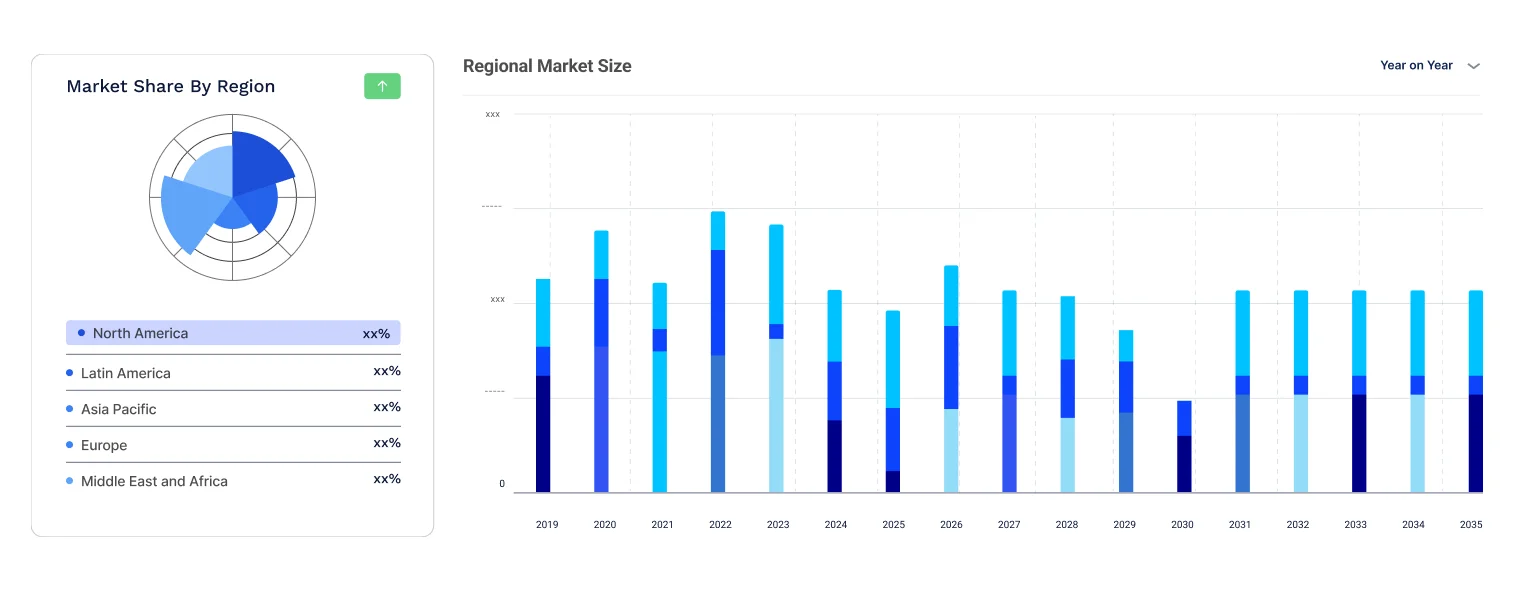
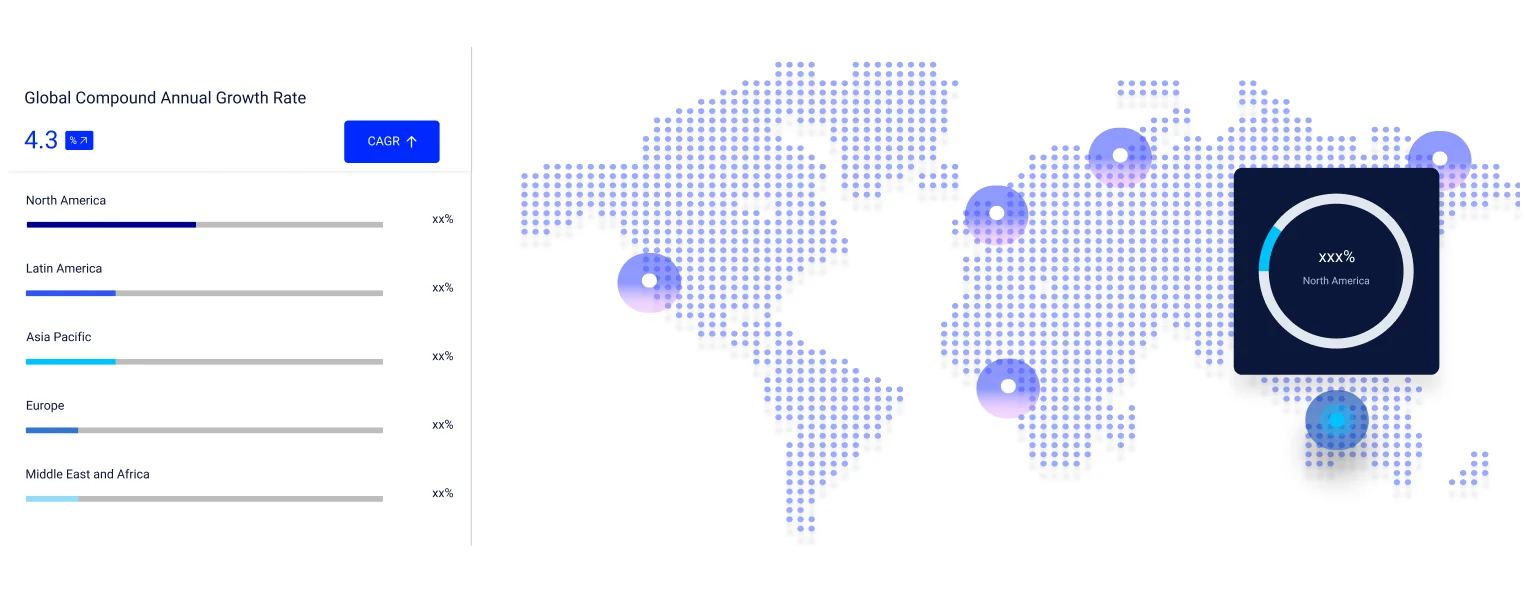
Key Insight: North America has advantages in the form of a well-developed crafts sector, good access to retailers, and experimenting with taste and pack. Europe continues to maintain its leading position in the global cider market based on its cider history, specific apple varieties, developed hospitality networks, and regional identities. Asia Pacific provides growth opportunities due to premium beverage consumption trends, urbanization, modern retailing, and localized tastes. Latin America is facilitated by growing consumption of imported and premium alcoholic beverages along with evolving modern routes to market. Middle East and Africa provide selective opportunities in permitted countries with tourism, hospitality, and premium beverages outlets, depending on regulations and consumption practices.
By type, the flavored cider category holds the dominant market share due to diversified flavor innovation and broader consumer appeal
The flavored cider industry drives demand as flavors become more diverse, with fruit, spice, botanic, and seasonal offerings broadening opportunities for consumption. Companies add berries, citrus, tropical fruits, ginger, and chili in order to differentiate their portfolios from their competitors and offer alternative tastes besides traditional apple varieties. Layers of flavors allow for producing seasonal offerings with minimal changes to existing fermentation infrastructure. From a retailer’s point of view, flavored ciders help segment the shelves better and position products with premium features based on specific flavors. In August 2025, Cornish Orchards launched a new cider flavor, expanding its portfolio with innovative taste options to attract consumers seeking distinctive drinking experiences.
Unflavored cider continues to hold relevance across the cider market scope due to demand in the market for dry and traditional flavors. The importance of unflavored ciders is related to the emphasis on the taste of apples through variety, tannins, acidity, and the control of residual sugar. The market segment includes opportunities for food pairings, specialty lines in retail stores, and premium positioning in which provenance and production processes play an important role. Unflavored ciders are used by commercial companies as a stable portfolio component, while experimental flavors drive additional demand.
By packaging, cans register the dominant market share due to portability, logistics efficiency, and versatile retail pack formats
The rise in preference for cans is due to their portability, logistics efficiency, and flexibility in pack format, boosting demand in the cider industry. Cans are used in convenient retail, grocery, events, and shipping channels allowed by law. Aluminum pack formats offer larger surfaces for branding, seasonality, and flavor differentiation. Cans facilitate high-volume distribution of cider and allow quick rotation of products. Being compatible with modern filling equipment allows limited edition production and regional varieties without major changes in packaging processes. For example, in December 2024, Ball Corporation and Dabur partnered to launch Real Bites juice in recyclable aluminum cans, supporting sustainable packaging innovation.
Draught cider continues to have commercial relevance in pubs, bars, restaurants and hospitality venues, where draught allows fresh delivery and better product presentation, creating new cider market opportunities. Companies are creating dedicated keg programs for dry, fruit, or seasonal ciders to allow operators to rotate draughts and understand customer preferences. Draught packaging is useful in building relationships between cider producers and distributors of drinks to the hospitality sector. Kegs, cold chain, line maintenance, and outlet turnovers affect the economics of this product format. Brands that have large on-premise network can consider draught cider as an instrument of brand visibility, especially where cider is served next to craft beers and premium cocktails.
By distribution channel, off-trade cider is expanding at the fastest pace due to wider retail availability, multipack economics, and rising at-home consumption
Off-trade distribution modes grow more rapidly as producers are expanding their distribution through supermarkets, convenience stores, specialty retail channels, and e-commerce sales, boosting the cider market revenue. Packaged products not only reach customers outside the hospitality sector but enable multipacks, tasting, and at-home consumption. Retailers allow producers to monitor shelf performance, which results in the ability to make decisions about assortment based on regional preferences and velocity. Cider producers tailor can sizes, bottle sizes, and calendar promotions according to retailer's demands. Expansion of production through off-trade sales helps increase geographical coverage and minimize dependence on individual tap presence, especially in case of scalable brand portfolios. In June 2026, Isaac Cider launched Weightless, a lightly sparkling 0.5% cider offering premium flavor for mindful drinking occasions.
On-trade distribution channels continue to be a prevalent channel since cider is suitable for pubs, restaurants, bars, taprooms, and casual dining outlets, supporting the overall cider market penetration. Draught cider is gaining traction among hospitality operators as an alternative to beer, offering glass-by-glass serving flexibility while supporting premium positioning. Hospitality operators and producers are working together in order to organize dedicated kegs, tasting, seasonals, and food pairing initiatives. Visibility in on-trade sales provides producers with consumer feedback regarding flavor acceptance prior to entering retail channel.
Read more about this report - REQUEST FREE SAMPLE COPY IN PDF
Europe maintains market leadership due to mature cider traditions, specialized apples, and established hospitality networks
Europe leads the global cider market due to existing production practices, apple farming, and pub infrastructures, which facilitate varied consumption. Established cider producers will have the advantage of high awareness of dry, sparkling, traditional, and regional varieties. Europe provides scope for specialization in cider apple farming and regional identities that enable cider producers to distinguish their products based on their origin. Established distribution infrastructure facilitates the supply of brands to hospitality and retail establishments. Cider producers in Europe integrate traditional fermentation skills with contemporary product development, packaging and high-end positioning, maintaining relevance of established cider categories, but also adapting to changing consumer trends. In June 2026, Stella Artois launched limited-edition Strawberries & Cream Lager for Wimbledon, blending seasonal flavor with sports-inspired marketing.
The Asia Pacific region offers the highest growth opportunities for cider market players since they are creating awareness about cider among growing premium beverages markets. Increasing urban consumers’ preference for international beverage varieties, fruit-driven beverages, and non-bitter varieties in comparison to beer provide scope for producers to localize cider by developing flavors, small packages, food pairing and modern brand identity, which can work effectively in the context of urban retailing and hospitality. Importers and regional beverage companies provide routes for established Western cider brands to enter new markets.
Global cider market players are exerting influence through global distribution, premium brand positioning, flavor innovation, and strategic market expansion. Brands like Heineken N.V., Carlsberg Group, Anheuser-Busch InBev SA/NV, and Asahi Group Holdings, Ltd. compete in the market through brand development, premiumization, product innovation, and extensive distribution networks.
Cider companies are increasingly focusing on localized flavors, premium dry ciders, innovative packaging, alcohol-free variants, and new consumption occasions. Their established beverage portfolios and international distribution infrastructure create opportunities to expand cider into underdeveloped markets, strengthen presence across beer-led channels, and attract younger and premium-oriented consumers. Differentiated flavors, sustainable packaging, low- and no-alcohol offerings, and localized product strategies remain key areas for companies seeking competitive growth.
Founded in 1864, and having its headquarters in Amsterdam, Netherlands, Heineken is one of the largest cider companies worldwide through such brands as Strongbow, Old Mout, Bulmers, Orchard Thieves, and Savanna. This company's strategy includes product flavor development, brand revitalization, sustainability in terms of apples used, and business expansion geographically.
Founded in 1847, with its headquarters in Copenhagen, Denmark, Carlsberg Group is engaged in the market through an internationally available brand called Somersby. The company uses its network of global breweries and distributors to broaden the availability of cider, adjusting the brand according to regional tastes.
Founded in 2008, Anheuser-Busch InBev is based out of Leuven, Belgium, and is a global leader in the beverage category. The cider category for Anheuser-Busch InBev is Stella Artois Cidre, while its earlier innovations included variations such as pear and raspberry. The firm utilizes premium brands, global distribution, and expansion into additional categories to compete against their beverage lineup.
Established in 1889, the Asahi Group Holdings, Ltd. firm is based out of Tokyo, Japan, and has an expansive international beverage portfolio covering Japan, Europe, Asia Pacific, and additional regions. The firm’s strategy focuses on premium brands, innovation, integration, and sustainable growth. The firm's international platform presents potential avenues for developing cider and related adult beverages.
Other key players in the market include C & C Group plc, Molson Coors Beverage Company, Boston Beer Corporation, Aston Manor Limited, H. Westons & Sons Limited, and Thatchers Cider Company Limited, among others.
*Please note that this is only a partial list; the complete list of key players is available in the full report. Additionally, the list of key players can be customized to better suit your needs.*
Unlock the latest insights with our cider market trends 2026 report. Discover regional growth patterns, consumer preferences, and key industry players. Stay ahead of competition with trusted data and expert analysis. Download your free sample report today and drive informed decisions in the market.


Upto 15% Off
USD
$2499 $2249
$3999 $3599
$4999 $4249
$5999 $5099


*While we strive to always give you current and accurate information, the numbers depicted on the website are indicative and may differ from the actual numbers in the main report. At Expert Market Research, we aim to bring you the latest insights and trends in the market. Using our analyses and forecasts, stakeholders can understand the market dynamics, navigate challenges, and capitalize on opportunities to make data-driven strategic decisions.*
In 2025, the market reached an approximate value of USD 5.39 Billion.
The market is estimated to grow at a CAGR of 3.90% between 2026 and 2035.
The market is estimated to witness a healthy growth during 2026-2035 to reach around USD 7.90 Billion by 2035.
Stakeholders are developing localized flavors, strengthening distributor partnerships, optimizing canning, expanding draught programs, improving apple sourcing, and using premium positioning to capture emerging consumption occasions.
The key trends aiding the market expansion include the rise in cider tourism and the sourcing of organically produced apples.
The major regions considered in the market are North America, Europe, the Asia Pacific, Latin America, and the Middle East and Africa.
The different distribution channels of cider include on-trade and off-trade.
The major players in the market are Heineken N.V., Carlsberg Group, ANHEUSER-BUSCH INBEV SA/NV, Asahi Group Holdings, Ltd., C & C Group plc, Molson Coors Beverage Company, Boston Beer Corporation, Aston Manor Limited, H. Westons & Sons Limited, and Thatchers Cider Company Limited, among others.
Companies face volatile apple supplies, rising input costs, complex alcohol regulations, crowded beverage portfolios, changing tastes, packaging pressures, and difficulties balancing premiumization with affordable consumer pricing.
Explore our key highlights of the report and gain a concise overview of key findings, trends, and actionable insights that will empower your strategic decisions.
| REPORT FEATURES | DETAILS |
| Base Year | 2025 |
| Historical Period | 2019-2025 |
| Forecast Period | 2026-2035 |
| Scope of the Report |
Historical and Forecast Trends, Industry Drivers and Constraints, Historical and Forecast Market Analysis by Segment:
|
| Breakup by Type |
|
| Breakup by Packaging |
|
| Breakup by Distribution Channel |
|
| Breakup by Region |
|
| Market Dynamics |
|
| Competitive Landscape |
|
| Companies Covered |
|
Datasheet
One User
USD 2,499
USD 2,249
tax inclusive*
Single User License
One User
USD 3,999
USD 3,599
tax inclusive*
Five User License
Five User
USD 4,999
USD 4,249
tax inclusive*
Corporate License
Unlimited Users
USD 5,999
USD 5,099
tax inclusive*
*Please note that the prices mentioned below are starting prices for each bundle type. Kindly contact our team for further details.*
Flash Bundle
Small Business Bundle
Growth Bundle
Enterprise Bundle
*Please note that the prices mentioned below are starting prices for each bundle type. Kindly contact our team for further details.*
Flash Bundle
Number of Reports: 3
20%
tax inclusive*
Small Business Bundle
Number of Reports: 5
25%
tax inclusive*
Growth Bundle
Number of Reports: 8
30%
tax inclusive*
Enterprise Bundle
Number of Reports: 10
35%
tax inclusive*
How To Order

Select License Type
Choose the right license for your needs and access rights.

Click on ‘Buy Now’
Add the report to your cart with one click and proceed to register.

Select Mode of Payment
Choose a payment option for a secure checkout. You will be redirected accordingly.
Strategic Solutions for Informed Decision-Making
Gain insights to stay ahead and seize opportunities.

Get insights & trends for a competitive edge.

Track prices with detailed trend reports.

Analyse trade data for supply chain insights.

Leverage cost reports for smart savings

Enhance supply chain with partnerships.

Connect For More Information
Our expert team of analysts will offer full support and resolve any queries regarding the report, before and after the purchase.
Our expert team of analysts will offer full support and resolve any queries regarding the report, before and after the purchase.
We employ meticulous research methods, blending advanced analytics and expert insights to deliver accurate, actionable industry intelligence, staying ahead of competitors.
Our skilled analysts offer unparalleled competitive advantage with detailed insights on current and emerging markets, ensuring your strategic edge.
We offer an in-depth yet simplified presentation of industry insights and analysis to meet your specific requirements effectively.




