

Consumer Insights
Uncover trends and behaviors shaping consumer choices today
Procurement Insights
Optimize your sourcing strategy with key market data
Industry Stats
Stay ahead with the latest trends and market analysis.

The global digital content creation market size was valued at USD 37.54 Billion in 2025. The growing adoption of AI-powered content generation tools among global marketing agencies is fast-tracking turnaround times, enabling scalable B2B campaigns with consistent brand voice across multiple regional markets. As a result, the market is expected to grow at a CAGR of 12.50% during the forecast period of 2026-2035 to reach a value of USD 121.90 Billion by 2035.
In countries like South Korea and Singapore, government-backed AI innovation labs are churning out generative tools for real-time content rendering. The South Korean Ministry of Science and ICT, for instance, invested USD 527 million into AI-based creative studios in June 2024, empowering SMEs to automate content pipelines. Meanwhile, the EU’s Culture and Creativity Program expanded funding to immersive content developers, driving projects in VR storytelling and AI-driven narrative engines.
In addition, social media platforms escalate the demand for digital content creation, while tools witness heightened demand owing to the emergence of virtual reality and artificial intelligence. The extensive utilisation of social networking platforms such as Twitter, Instagram, Facebook, and LinkedIn has led to an upsurge in the need for digital content. As per the Ericsson Mobility Report, global mobile subscriptions are expected to reach 6.3 billion by 2030.
Moreover, digital content creation is redefining enterprise-level communication. Content creators are merging data science with visual storytelling, which is emerging as a key digital content creation market trend, gaining traction among B2B tech firms that seek sharper engagement. From smart branding in retail technology to AR-infused medical tutorials, the ecosystem is expanding fast.
Base Year
Historical Period
Forecast Period
The growing influence of social media globally is boosting the need for content creation.
Over 8 years, India saw broadband users surge from 60M to 810M, and smartphones from 150M to 750M, according to PIB.
The internet was accessed by 63% of the global population in 2021, as per the World Bank, fostering content growth.
Compound Annual Growth Rate
12.5%
Value in USD Billion
2026-2035
*this image is indicative*
Generative AI is powering real-time content at scale, accelerating the demand in the digital content creation market. Companies like Runway ML and Synthesia are letting businesses build hyper-personalised videos in minutes. In October 2024, Adobe’s launch of Firefly, integrated within Creative Cloud, enabled enterprise users to produce tailored content across languages and formats. This has become a key motivator for sectors like e-commerce and edtech where scale meets speed. The United Kingdom Government’s AI Sector Deal is also encouraging startups to test AI-powered creativity. This has resulted in faster turnaround and lower production costs.
B2B companies are increasingly expecting content that is interactive, measurable, and embedded with insights. Platforms like Tiled and Ceros let brands build modular, clickable experiences. As per industry reports, in less than a year, the number of companies using interactive content in their marketing efforts has nearly doubled. In 2023, 36.1% of organizations used this type of content, which includes interactive tools, quizzes, and calculators; in 2024, 62.3% indicated using it. This surge is a result of increased awareness of the benefits interactive features offer including user engagement and experience.
The demand for multilingual, culturally relevant content is surging, boosting the digital content creation market dynamics. Tools like Transifex and Lokalise enable companies to localise visuals and text with contextual fluency. In 2024, Netflix reported 30% of its global engagement came from localized content. Meanwhile, India's “Digital India” initiative supports content localization to boost regional SME engagement. B2B SaaS firms are using localized explainer videos to penetrate Tier II and III markets in Asia.
Verticalized content solutions help industries like healthcare, manufacturing, and finance get ultra-specific, and thus, has become a key trend in the digital content creation market. For example, in January 2025, Siemens launched a digital twin platform with real-time content visualisation for factory operations. Meanwhile, healthcare startups are using content automation tools like Vyond to build HIPAA-compliant video libraries for patient education. Financial firms are also investing in AI-powered content engines to generate compliance-ready client updates in multiple languages. These sector-focused tools not only enhance relevance but also reduce content production time, making them a strategic asset across regulated domains.
Content fraud has become one of the main concerns for companies. In response, blockchain-powered tools like Po.et and MediaChain are helping creators protect IP and verify content origin. In March 2019, IBM partnered with Shutterstock to pilot a blockchain-based licensing solution. The European Commission’s Digital Services Act also supports such decentralised solutions to boost content authenticity. For B2B platforms dealing in knowledge commerce or stock media, this integration ensures transparency.
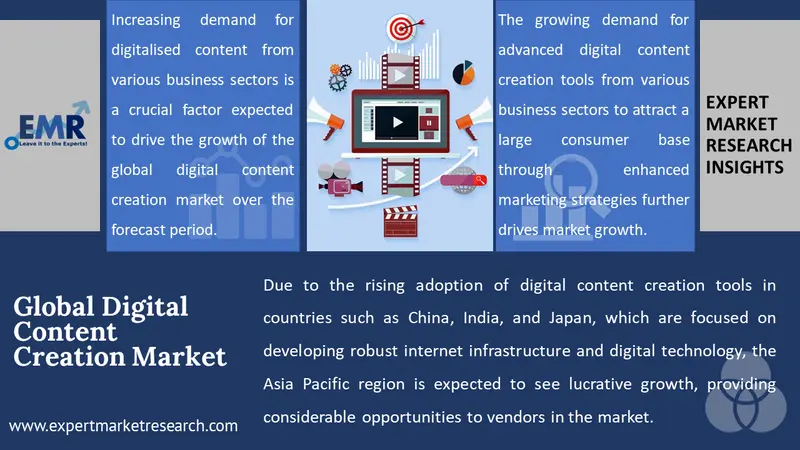
The EMR’s report titled “Global Digital content Creation Market Report and Forecast 2026-2035” offers a detailed analysis of the market based on the following segments:
Market Breakup by Component
Key Insight: Tools remain the largest component in the global market, not just for their usage but also because they anchor entire content ecosystems. Platforms like Figma, integrated with DevOps pipelines, now support design-to-code exports. This reduces production lag in enterprise app development. For instance, Microsoft Designer, infused with Copilot, is being adopted by HR teams to build recruitment and internal communication content. This cross-functional usability makes tools heavily relied on across departments.
Market Breakup by Content Format
Key Insight: Video dominates the digital content creation industry, not just in viewership but also in conversion impact. LinkedIn reports that video posts earn 3x more engagement for B2B brands than text-only ones. AI subtitles, language toggles, and click-through CTAs are new trends that are accelerating this category’s growth. Salesforce now integrates explainer videos directly into product pages. This is a practice that is being increasingly adopted by SaaS platforms globally.
Market Breakup by Deployment Type
Key Insight: Cloud remains the largest deployment mode further stimulating the digital content creation market value by sheer volume of users and flexibility. It enables global marketing rollouts in hours. Adobe’s Experience Cloud, for instance, now supports multilingual asset libraries accessible by distributed teams. Companies like Canva and Bynder are also expanding their cloud-native offerings with built-in brand governance and analytics dashboards. These platforms streamline collaboration across geographies and allow real-time asset versioning. Additionally, cloud deployment reduces infrastructure costs, making it highly attractive for SMEs and large enterprises alike.
Market Breakup by Enterprise Size
Key Insight: Large enterprises considerably accelerate the digital content creation market growth, not merely in volume, but in innovation. Their shift to “content factories” powered by AI, LLMs, and custom automation workflows is setting new efficiency benchmarks. For example, Unilever’s in-house content studio uses predictive performance analytics to decide what to publish and when, to streamline operations. These companies are also driving demand for modular content frameworks, where content blocks are dynamically assembled based on channel and audience.
Market Breakup by End Use
Key Insight: Media and entertainment register the biggest share of the digital content creation market revenue. This sector dictates format adoption cycles, from vertical video to immersive storytelling. In February 2024, Disney+ employed real-time rendered promos using generative AI. Furthermore, influencer-driven microcontent is being industrialised, and broadcasters are leaning on AI-generated anchor scripts and localised dubbing. Studios are even testing dynamic content that adapts based on viewer profiles.
Market Breakup by Region
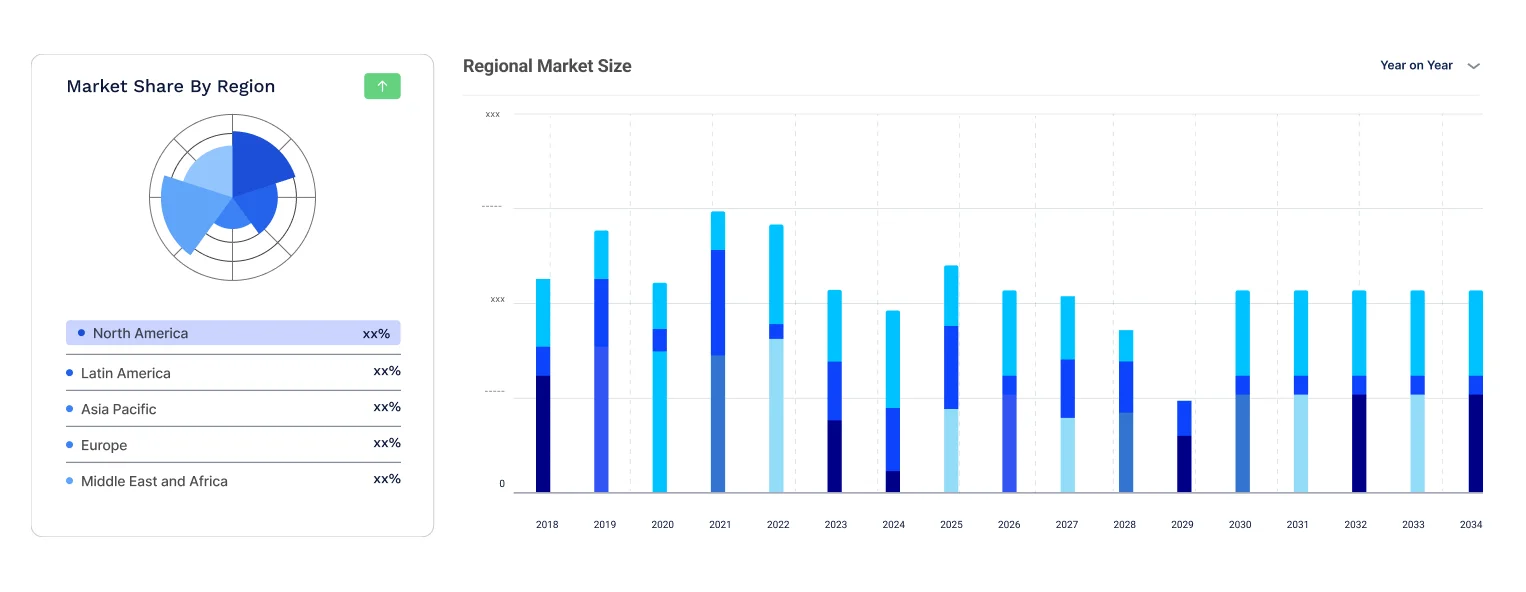
Key Insight: North America maintains a substantial share of the global market owing to the widespread adoption and penetration of digital content creation tools and services, along with their extensive application across various end-user categories in the region. With 92% of the population in the United States using the internet in 2024, this trend is expected to continue to grow.
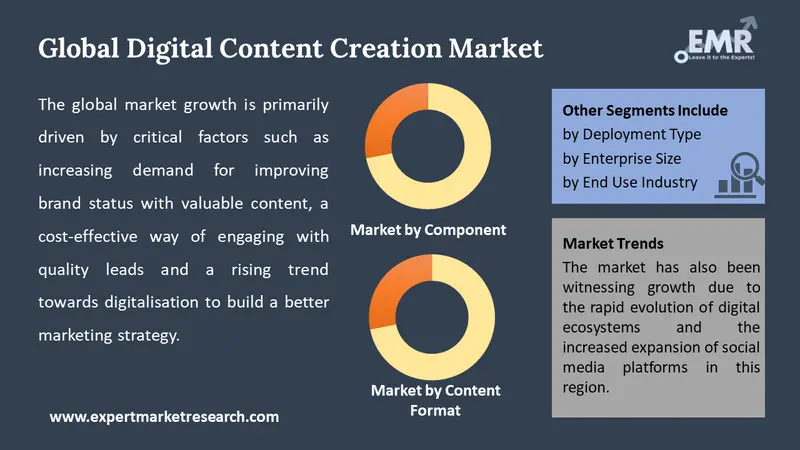
Read more about this report - REQUEST FREE SAMPLE COPY IN PDF
By Component, Tools Hold the Dominant Share of the Market
Digital content tools occupy a substantial share of the market due to the growing demand for design automation and smart content pipelines. Tools like Canva for Teams and Adobe Experience Manager dominate this component category, as they are particularly used in marketing and creative teams of large enterprises. In 2024, Adobe reported an 11% YoY growth in tool subscriptions. Moreover, AI co-pilots are embedded within these tools. For instance, Notion AI now lets users generate briefs, scripts, and even visual prompts in seconds.
Services are witnessing rapid growth in the digital content creation market as enterprises outsource content needs to specialist providers. Moreover, the global managed content services market recorded USD 58.66 billion in 2024, driven by marketing-as-a-service and creative BPOs. Unique models like “content squads” offering embedded services across product and marketing cycles, are gaining momentum in the market. SaaS firms are hiring agencies to build industry-specific content hubs. Government initiatives like Canada’s Creative Export Strategy that offers grants to content service exporters are fuelling this demand.
By Content Format, Video Registers the Largest Share of the Market
Video has remained the dominant category in the global industry, although this content format is evolving with emerging trends. Short-form B2B explainers, product demonstrations, and live webinars have become increasingly common. According to industry reports, 89% of businesses used video as a marketing tool in 2023, whereas 87% reported positive ROI. Cloud-based platforms like Vimeo Enterprise offer real-time analytics, while OBS Studio is gaining adoption in webinars and virtual events. Even internal training in corporate offices is shifting to video.
The category of graphical content significantly stabilises the digital content creation demand forecast, with the increasing use of infographics, carousels, and visual dashboards that simplify complex data. Tools like Visme and Piktochart are now offering AI-generated templates for enterprise use. With the European Data Act encouraging transparent data presentation, graphical formats are being prioritised in policy documents and investor decks.
By Deployment Type, Cloud Registers the Larger Share of the Market
Cloud-based platforms hold the dominant share in the global market revenue for their scalability and collaborative flexibility. Tools like Frame.io and Google Workspace allow real-time collaboration, which is essential for hybrid teams. Cloud deployment significantly reduces IT infrastructure costs and eases access control. Moreover, the United States Federal Cloud Strategy supports SaaS-based creative tools for government digital campaigns. For global teams, cloud deployment ensures synchronicity, speed, and safety, boosting the digital content creation market expansion.
The on-premise deployment is expected to register the fastest CAGR over the forecast period. This category is particularly boosted by industries with stringent data compliance. Financial institutions and pharma companies are deploying private cloud hybrids to control content workflows. With rising cyber threats, localised hosting of content creation tools is often perceived as a risk mitigator. China’s Cybersecurity Law also pushes companies toward self-hosted creative stacks, spurring growth in this niche.
By Enterprise Size, Large Enterprises Secure the Largest Share of the Market
Driven by their global operations and demand for omnichannel content delivery, large enterprises continue dominating the market. Enterprises are leveraging content-as-a-service (CaaS) architectures to scale content delivery while maintaining brand compliance. With increasing M&A activity in content technology, like WPP acquiring AI-content firm Satalia, corporates are aligning martech stacks with strategic content goals. These organisations are also investing in immersive content, integrating AR/VR into product showcases and training, thereby propelling the digital content creation market opportunities.
SMEs observe fast-paced growth, powered by low-barrier SaaS tools and AI-powered design solutions. Platforms like Canva for Teams and Lumen5 offer drag-and-drop functionality, empowering lean marketing teams to produce pro-grade content at scale. Government programmes like India's Digital MSME Scheme and the EU's SME Fund are subsidising content technology adoption among small firms. These businesses are leveraging cloud-native tools to compete globally without investing in large infrastructure. Rapid content turnaround, influencer collaborations, and cost-effective multilingual content creation are key growth levers for SMEs operating in eCommerce, education, and local services.
By End Use, Media and Entertainment Holds the Dominant Share of the Market
The media and entertainment sector remains the top consumer of digital content creation platforms, fuelled by the need for constant engagement. In May 2025, Netflix announced plans to roll out an AI-assisted promo content engine that localise trailers. Esports broadcasters and OTT platforms are increasingly automating content snippets, social media teasers, and even live subtitle generation. Broadcasters like BBC and Warner Bros. are now embedding content metadata during production to speed up repurposing across platforms. Interactive content, such as choose-your-own-adventure videos and gamified content formats, is further reshaping user experience and accelerating the digital content creation consumption.
Healthcare is experiencing rapid growth, especially post-COVID, as patient education, virtual consultations, and telehealth content take centre stage. HIPAA-compliant content platforms are in high demand, with providers seeking secure video tutorials, digital brochures, and visual aids for treatments. Government bodies like the NHS are funding content digitisation for public health campaigns. There is also a rise in AR-based content for surgical training and remote diagnostics. The shift to consumer-centric care models is compelling hospitals and pharma companies to invest in comprehensive, multilingual, and visually engaging content.
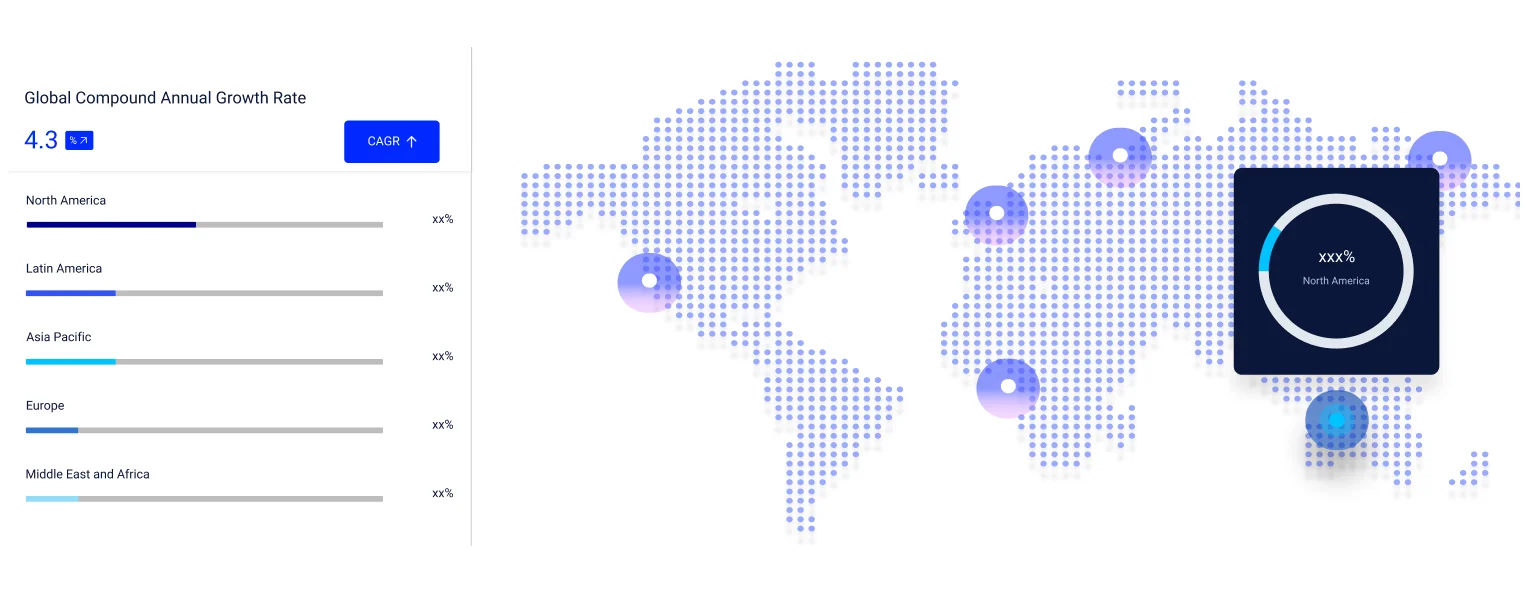
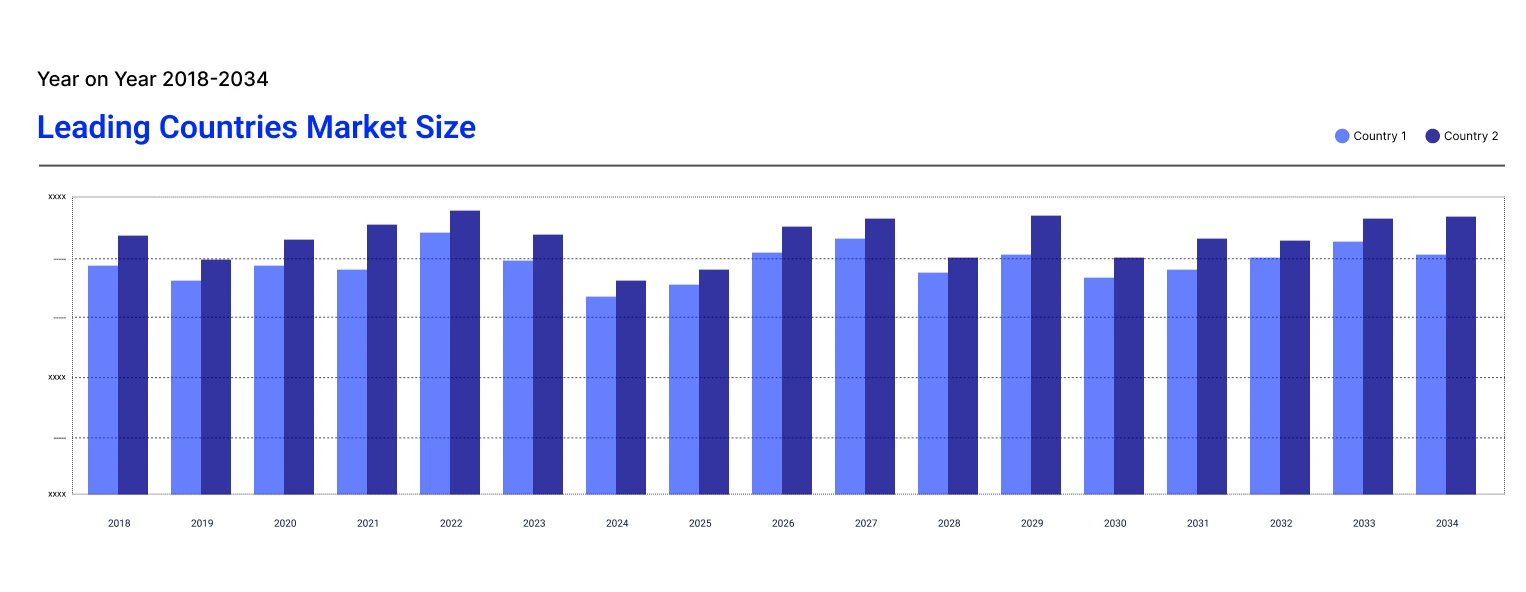
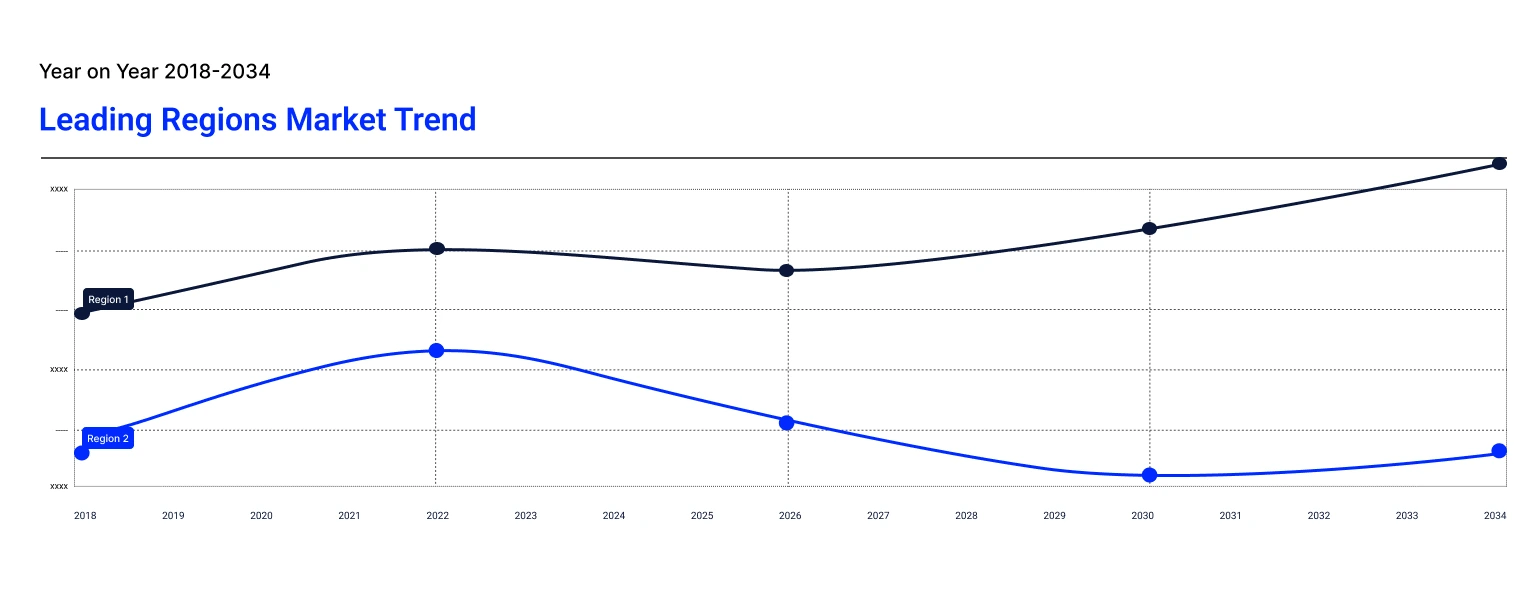
North America Occupies a Substantial Share of the Global Market Revenue
The dominance of the North American market is driven by a mature digital ecosystem, massive content budgets, and early AI adoption. The United States alone has accounted for over USD 300 billion for digital content expenditure in 2024. Companies like Meta and Microsoft are not only developing tools but they are also shaping content formats. Government investments, like the NSF’s USD 140 million AI Institutes program, are fuelling content technology research. Moreover, enterprise storytelling is being seen as a critical arm of business transformation. Even local governments are onboarding content solutions to improve citizen engagement.
The digital content creation market in the Asia Pacific is predicted to increase significantly over the forecast period due to the rapid expansion of internet access, increasing smartphone penetration, and rising demand for digital entertainment. For example, the Global System for Mobile Communications predicts that mobile penetration in Asia Pacific would reach 70% by 2030. The rise in social media usage, short-form video platforms, and streaming services has largely boosted market growth, increasing the demand for high-quality digital content. Furthermore, the increasing use of AI-powered content production tools, cloud-based solutions, and translation methods for varied audiences is driving market growth.
Most of the leading digital content creation market players are enabling smart, scalable storytelling ecosystems. Adobe’s recent move to embed generative AI across its Creative Cloud has allowed agencies to automate high-volume creative content at enterprise-grade quality. Canva is positioning itself as an enterprise platform with its “Magic Studio” rollout that supports brand governance and cross-team collaboration. Meanwhile, Synthesia and Runway are making waves with AI video and synthetic media tailored for corporate L&D and product demonstration.
In addition, digital content creation companies like WPP and Accenture Interactive are acquiring niche content startups to offer bundled, industry-specific content services. A major opportunity lies in content orchestration and monetisation. Firms that offer cloud-native, API-integrated, and compliance-ready content stacks are finding favour among regulated sectors like healthcare and finance.
Adobe Inc., founded in 1982 in California, United States, is a renowned global software company recognised for its innovative, creative and digital marketing solutions, empowering individuals and businesses to create, manage, and deliver compelling content.
Corel Corporation, established in 1985 in Canada, is a leading software company acclaimed for its diverse range of graphic design, productivity, and digital media software, serving professionals and enthusiasts worldwide.
MarketMuse, Inc., founded in 2009 in the United States, provides AI-powered content intelligence and strategy solutions, enabling marketers and content creators to optimise content performance and drive organic growth effectively.
Quark Software Inc., established in 1981 in the United States, specialises in content automation and publishing software solutions, empowering organisations to streamline content workflows.
*Please note that this is only a partial list; the complete list of key players is available in the full report. Additionally, the list of key players can be customized to better suit your needs.*
Other key players in the market are Acrolinx GmbH, Aptara Inc., Avid Technology, Inc., PicsArt, Inc., Integra Software Services Pvt. Ltd., and Canva, among others.
Explore the latest trends shaping the digital content creation market 2026-2035 with our in-depth report. Gain strategic insights, future forecasts, and key market developments that can help you stay competitive. Download a free sample report or contact our team for customized consultation on digital content creation market trends 2026.
Digital Content Creation Manufacturers
Augmented Reality Content Creation Market
Voice-Activated Content Creation Market
Blockchain-Based Content Authentication Market


Upto 15% Off
USD
$2999 $2699
$4839 $4355
$5999 $5099
$7259 $6170


*While we strive to always give you current and accurate information, the numbers depicted on the website are indicative and may differ from the actual numbers in the main report. At Expert Market Research, we aim to bring you the latest insights and trends in the market. Using our analyses and forecasts, stakeholders can understand the market dynamics, navigate challenges, and capitalize on opportunities to make data-driven strategic decisions.*
Get in touch with us for a customized solution tailored to your unique requirements and save upto 35%!
The market is projected to grow at a CAGR of 12.50% between 2026 and 2035.
The revenue generated from the digital content creation market is expected to reach USD 121.90 Billion in 2035.
The market is categorised based on the component into tools and services.
The key players are Adobe Inc., Corel Corporation, MarketMuse, Inc., Quark Software Inc., Acrolinx GmbH, Aptara Inc., Avid Technology, Inc., PicsArt, Inc., Integra Software Services Pvt. Ltd., and Canva, among others.
Based on the content format, the market is divided into textual, graphical, video, audio, and others.
Based on the enterprise size, the market is divided into large enterprises and small and medium enterprises.
The market is broken down into North America, Europe, Asia Pacific, Latin America, and Middle East and Africa.
In 2025, the digital content creation market reached an approximate value of USD 37.54 Billion.
Key strategies driving the market include investing in AI-driven tools, streamlining localization pipelines, building vertical-specific content platforms, partnering with niche tech startups, and embedding compliance-ready features to scale secure, high-impact content creation globally.
The key challenges are data privacy compliance, content saturation, high localization costs, lack of skilled creators, and keeping up with AI advancements while maintaining consistent brand voice across platforms and geographies.
Explore our key highlights of the report and gain a concise overview of key findings, trends, and actionable insights that will empower your strategic decisions.
| REPORT FEATURES | DETAILS |
| Base Year | 2025 |
| Historical Period | 2019-2025 |
| Forecast Period | 2026-2035 |
| Scope of the Report |
Historical and Forecast Trends, Industry Drivers and Constraints, Historical and Forecast Market Analysis by Segment:
|
| Breakup by Component |
|
| Breakup by Content Format |
|
| Breakup by Deployment Type |
|
| Breakup by Enterprise Size |
|
| Breakup by End Use |
|
| Breakup by Region |
|
| Market Dynamics |
|
| Value Chain Analysis |
|
| Competitive Landscape |
|
| Companies Covered |
|
Datasheet
One User
USD 2,999
USD 2,699
tax inclusive*
Single User License
One User
USD 4,839
USD 4,355
tax inclusive*
Five User License
Five User
USD 5,999
USD 5,099
tax inclusive*
Corporate License
Unlimited Users
USD 7,259
USD 6,170
tax inclusive*
*Please note that the prices mentioned below are starting prices for each bundle type. Kindly contact our team for further details.*
Flash Bundle
Small Business Bundle
Growth Bundle
Enterprise Bundle
*Please note that the prices mentioned below are starting prices for each bundle type. Kindly contact our team for further details.*
Flash Bundle
Number of Reports: 3
20%
tax inclusive*
Small Business Bundle
Number of Reports: 5
25%
tax inclusive*
Growth Bundle
Number of Reports: 8
30%
tax inclusive*
Enterprise Bundle
Number of Reports: 10
35%
tax inclusive*
How To Order

Select License Type
Choose the right license for your needs and access rights.

Click on ‘Buy Now’
Add the report to your cart with one click and proceed to register.

Select Mode of Payment
Choose a payment option for a secure checkout. You will be redirected accordingly.
Gain insights to stay ahead and seize opportunities.

Get insights & trends for a competitive edge.

Track prices with detailed trend reports.

Analyse trade data for supply chain insights.

Leverage cost reports for smart savings

Enhance supply chain with partnerships.

Connect For More Information
Our expert team of analysts will offer full support and resolve any queries regarding the report, before and after the purchase.
Our expert team of analysts will offer full support and resolve any queries regarding the report, before and after the purchase.
We employ meticulous research methods, blending advanced analytics and expert insights to deliver accurate, actionable industry intelligence, staying ahead of competitors.
Our skilled analysts offer unparalleled competitive advantage with detailed insights on current and emerging markets, ensuring your strategic edge.
We offer an in-depth yet simplified presentation of industry insights and analysis to meet your specific requirements effectively.





Share