

Consumer Insights
Uncover trends and behaviors shaping consumer choices today
Procurement Insights
Optimize your sourcing strategy with key market data
Industry Stats
Stay ahead with the latest trends and market analysis.
The global enterprise performance management market attained a value of USD 7.05 Billion in 2025 and is projected to expand at a CAGR of 10.00% through 2035. The market is further expected to achieve USD 18.29 Billion by 2035. Rising demand for real-time scenario planning, growing adoption of AI-powered forecasting agents, and continued migration away from spreadsheet-based budgeting are encouraging vendors to expand cloud-native EPM platform capabilities.
Rising demand for real-time scenario planning continues to anchor steady demand across the enterprise performance management market, as finance leaders face growing pressure to produce rolling forecasts and variance analysis on shorter timelines than traditional quarterly planning cycles allow. Vendors are also embedding AI agents directly into planning workflows, moving finance functions from manually managing systems of record toward supervising automated analysis and narrative generation.
The enterprise performance management market is witnessing further developments as vendors introduce purpose-built AI agents designed to automate specific planning and forecasting tasks rather than offering generic AI assistants layered onto existing modules. In December 2025, Anaplan introduced role-based AI agents, including a Forecaster agent and a CoModeler agent, alongside its Data Orchestrator for unified data management, as part of a five hundred million US dollar multi-year product roadmap centred on AI-driven scenario planning. Such purpose-built agent development is reshaping how enterprises evaluate EPM platforms, with role-specific automation increasingly weighted alongside traditional modelling flexibility in vendor selection decisions.
In addition, established EPM vendors are increasingly acquiring integration and AI infrastructure companies to strengthen platform connectivity rather than building every capability natively. Workday closed its acquisition of Pipedream, an integration platform for AI agents offering more than three thousand pre-built connectors to business applications, expanding the ecosystem through which its planning and finance tools exchange data with other enterprise systems. Such integration-focused acquisitions are reshaping competitive positioning across the wider enterprise performance management market as vendors compete on the breadth of their connected application ecosystem alongside core planning functionality.
Compound Annual Growth Rate
10%
Value in USD Billion
2026-2035
Read more about this report - Request a Free Sample
McCarthy Holdings, one of the largest employee-owned construction firms in the United States, selected Anaplan to modernise and unify its financial and operational planning processes across approximately eight thousand employees. Companies can highlight large enterprise customer wins in capital-intensive industries to demonstrate platform scalability beyond traditional finance-only use cases.
Workday signed a definitive agreement to acquire Paradox, an AI recruiting company known for its candidate experience agent technology, extending its enterprise AI platform into frontline hiring workflows. Companies can acquire adjacent AI specialists to extend platform relevance into workflows beyond their traditional core planning and reporting functionality.
EPM vendors are increasingly introducing purpose-built AI agents designed to automate specific planning and forecasting tasks rather than offering generic AI assistants layered onto existing modules. In December 2025, Anaplan introduced role-based AI agents, including a Forecaster agent and a CoModeler agent, alongside its Data Orchestrator for unified data management, as part of a five hundred million US dollar multi-year product roadmap across the enterprise performance management market. Such purpose-built agent development reflects vendors' recognition that generic AI features no longer differentiate platforms in an increasingly AI-saturated buying environment.
Established EPM vendors continue to acquire integration and AI infrastructure companies to strengthen platform connectivity rather than building every capability natively. Workday closed its acquisition of Pipedream, an integration platform for AI agents offering more than three thousand pre-built connectors to business applications, expanding the ecosystem through which its planning and finance tools exchange data with other enterprise systems. Such integration-focused acquisitions reflect the growing importance of connected application ecosystems in enterprise software purchasing decisions.
Established EPM and enterprise software vendors continue to extend their AI platforms into adjacent workflows beyond traditional financial planning and reporting. In November 2025, Workday signed a definitive agreement to acquire Paradox, an AI recruiting company known for its candidate experience agent technology, extending its enterprise AI platform into frontline hiring workflows. Such adjacent workflow expansion reflects vendors' broader ambition to become unified enterprise AI platforms rather than remaining narrowly scoped planning tools.
Diversified enterprise technology groups continue to apply cloud infrastructure and database research developed across their broader portfolios to increasingly sophisticated EPM platform capabilities. Oracle Corporation, headquartered in Austin, Texas, United States, continues to embed AI agents across its Fusion Cloud EPM suite, drawing on the company's broader cloud infrastructure and database research base beyond planning software alone. Such cross-application research investment gives diversified technology groups a technical foundation that planning-only specialists must build separately.
Regional and mid-market EPM specialists continue to compete alongside the largest global vendors by offering faster implementation timelines and closer configuration support for smaller enterprise customers. IBM Corporation, headquartered in Armonk, New York, United States, continues to develop its Planning Analytics offering to serve customers requiring deep integration with existing IBM infrastructure investments. Such focused infrastructure alignment allows established technology relationships to influence EPM vendor selection alongside standalone platform capability.
This Expert Market Research report titled "Global Enterprise Performance Management Market Report and Forecast 2026-2035" offers a detailed analysis of the market based on the following segments:
Market Breakup by Component
Key Insight: Solutions, or software, account for the largest share of the enterprise performance management market, as enterprises prioritise platform capability and licensing investment over implementation services spending. Services continue to see steady demand as organisations increasingly require expert support to implement, integrate, and customise complex EPM platforms across finance, HR, and operations, particularly as AI-driven modules require ongoing configuration and change management support beyond initial deployment. Investor confidence in the software segment specifically was underscored in January 2026, when private equity firm Hg agreed to acquire OneStream in an all-cash deal valuing the company at approximately 6.4 billion US dollars, one of the largest EPM software transactions on record.
Market Breakup by Deployment Model
Key Insight: Cloud deployment accounts for the largest and fastest-growing share of the enterprise performance management market, as organisations continue migrating from on-premises EPM suites to reduce total cost of ownership and accelerate deployment timelines. On-premises deployment continues to serve organisations with specific data residency, security, or existing infrastructure investment requirements that favour retaining planning systems within their own controlled environments. Oracle continued its quarterly cumulative patch cycle for on-premises EPM with release 11.2.26, made available in July 2026, reflecting sustained vendor investment in maintaining legacy on-premises installations even as new customer deployments increasingly default to cloud.
Market Breakup by Business Function
Key Insight: Finance accounts for the largest share of the enterprise performance management market, reflecting EPM's origins in budgeting, forecasting, and financial consolidation use cases that remain the category's core value proposition. In March 2026, billing platform Maxio partnered with FP&A specialist Abacum to bring AI-powered financial planning specifically to B2B SaaS and AI companies, illustrating how finance-focused planning tools continue to deepen integration with adjacent billing and revenue systems. Supply chain applications continue to expand as organisations extend planning and analysis beyond finance into broader operational domains, a trend often described as extended planning and analysis. Workforce and sales and marketing functions each continue to adopt EPM capabilities for headcount and revenue planning respectively, while other business functions round out the remaining category.
Market Breakup by Region
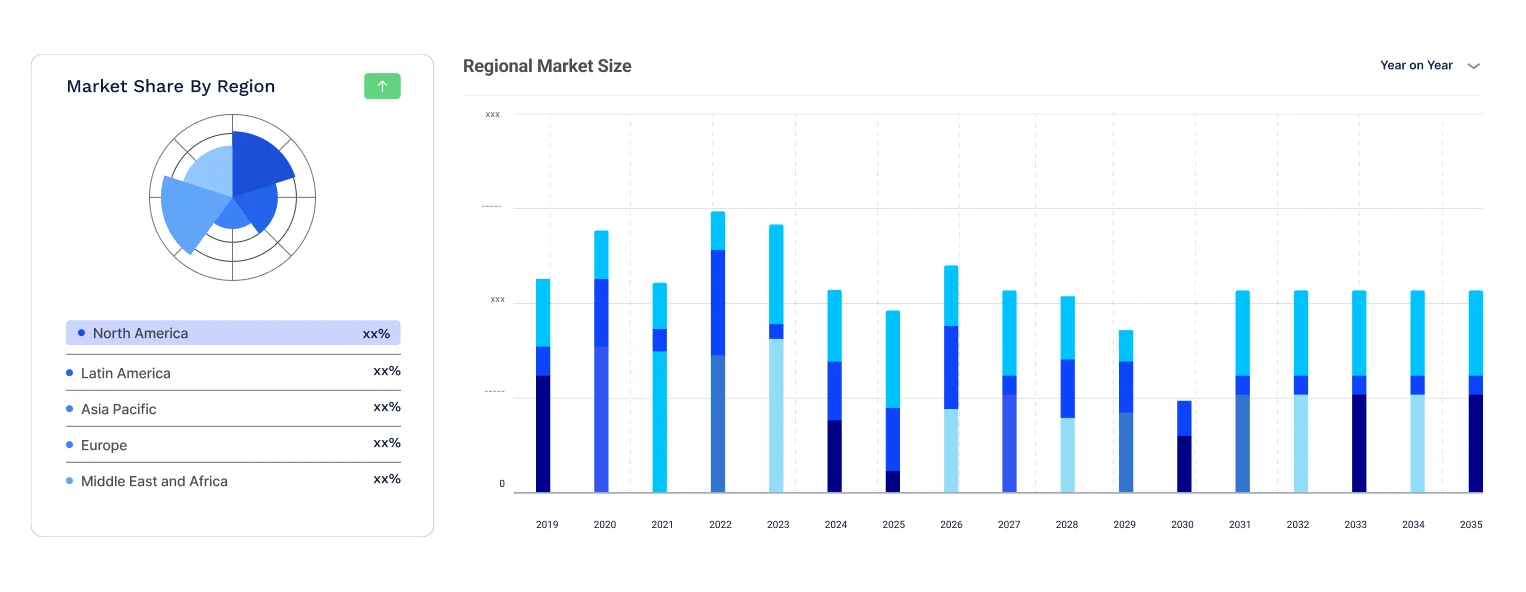
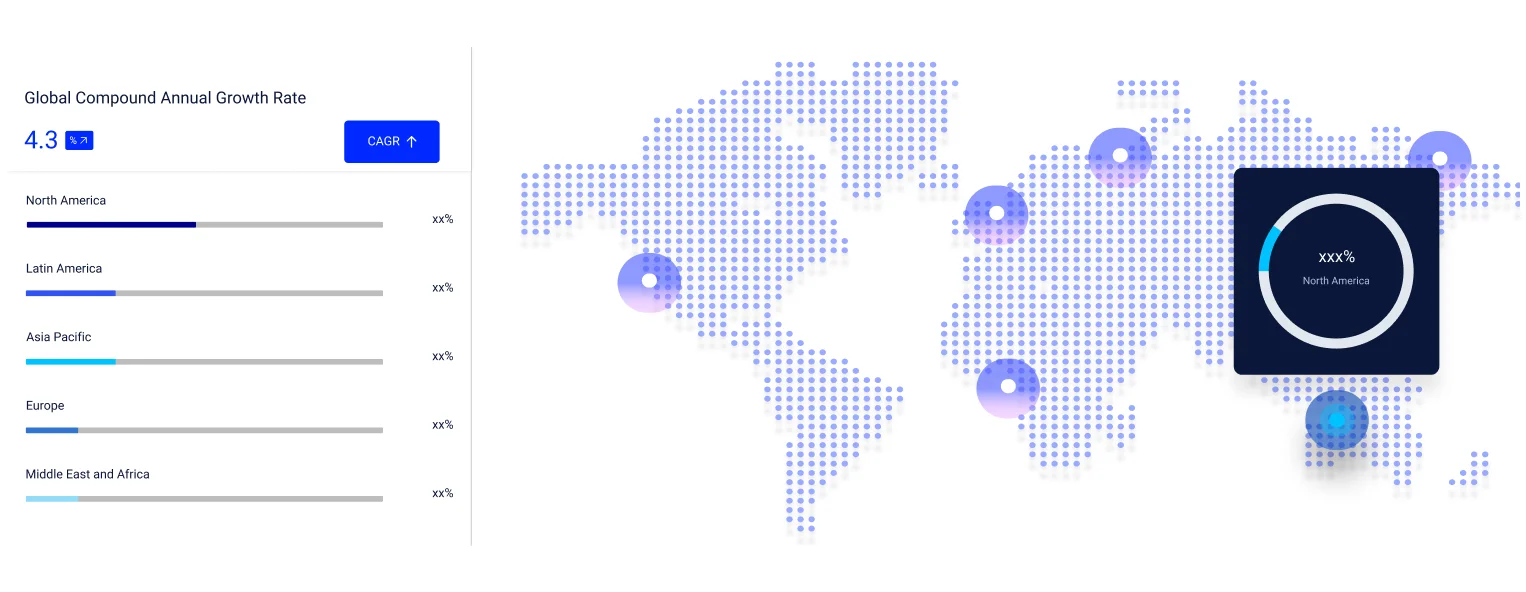
Key Insight: North America accounts for the largest share of the enterprise performance management market, supported by early enterprise AI adoption and a concentration of major EPM vendor headquarters across the region. Asia Pacific is expected to grow at the fastest pace as rapid digitalisation and a growing number of mid-sized enterprises professionalising their financial processes drive sustained regional demand. In February 2026, Anaplan launched a new AWS data centre in Singapore as part of a 500 million US dollar innovation roadmap, following earlier data centre expansions in India, Indonesia, and Australia. Europe continues to see steady demand supported by strong regulatory reporting and compliance requirements, while Latin America and the Middle East and Africa are gradually scaling adoption alongside expanding enterprise software penetration.
By component, solutions lead the market given enterprise prioritisation of platform capability over services spending
Solutions, or software, continue to account for the largest share of the market, as enterprises prioritise platform capability and licensing investment over implementation services spending. Established solution licensing relationships continue to anchor steady renewal and expansion revenue as enterprises add modules and user seats across successive budget cycles.
Services continue to see steady demand across the enterprise performance management market as organisations increasingly require expert support to implement, integrate, and customise complex EPM platforms, particularly as AI-driven modules require ongoing configuration and change management support that internal finance teams often lack the specialised expertise to manage alone. In January 2025, IBM acquired Applications Software Technology LLC to deepen its Oracle Cloud EPM consulting bench, signalling that established technology firms increasingly view EPM implementation services as a distinct, acquirable growth practice rather than a generic systems-integration offering.
By deployment model, cloud leads the market and grows fastest given accelerating on-premises migration
Cloud deployment continues to account for the largest share of the market, as organisations continue migrating from on-premises EPM suites to reduce total cost of ownership and accelerate deployment timelines. Established cloud platform relationships continue to anchor steady expansion revenue as enterprises add users and modules more easily than equivalent on-premises licensing changes typically allow.
Cloud deployment is also growing at the fastest pace across the market as vendors increasingly design new AI-driven features exclusively for cloud architectures, effectively accelerating the retirement of on-premises deployment options as a viable long-term choice for enterprises seeking access to the latest planning capabilities. In February 2026, Wolters Kluwer's CCH Tagetik expanded its partnership with Darwin Analytics to add a cloud-native orchestration layer unifying data across ERP, EPM, business intelligence, and data warehouse systems, reflecting cloud vendors' growing emphasis on cross-platform orchestration rather than standalone planning functionality alone.
By business function, finance leads the market given EPM's origins in budgeting and consolidation use cases
Finance continues to account for the largest share of the market, reflecting EPM's origins in budgeting, forecasting, and financial consolidation use cases that remain the category's core value proposition across nearly all enterprise deployments. Established finance function relationships continue to anchor steady renewal demand as finance teams remain the primary budget holders for most EPM purchasing decisions.
Supply chain applications are growing at a fast pace across the enterprise performance management market as organisations extend planning and analysis beyond finance into broader operational domains, a trend often described as extended planning and analysis, or xP&A, that increasingly shapes how vendors position their platform roadmaps.
Read more about this report - Request a Free Sample
North America commands the largest share of the market through early AI adoption and concentrated vendor headquarters
North America holds the largest share of the enterprise performance management market, supported by early enterprise AI adoption and a concentration of major EPM vendor headquarters across the region. Large enterprises across capital-intensive industries, including construction and manufacturing, are increasingly extending platform adoption beyond traditional finance-only use cases into enterprise-scale operational planning.
Asia Pacific is expected to grow at the fastest pace as rapid digitalisation and a growing number of mid-sized enterprises professionalising their financial processes drive sustained regional demand. Regional vendors and system integrators are increasingly localising implementation support to serve this growing demand base directly, reducing reliance on remote support from established North American and European delivery centres. In July 2026, Workday appointed John Lombard as President for Asia Pacific, tasking him with overseeing the company's regional go-to-market strategy and continued expansion across key APAC markets.
The global industry is moderately consolidated, with enterprise performance management companies ranging from diversified enterprise technology groups spanning multiple software categories to specialist planning platform vendors competing across component, deployment, and business function segments. Established players operate across the full EPM value chain, from core planning and consolidation engines through AI-driven forecasting agents and implementation services for finance, supply chain, and workforce planning customers.
Competitive dynamics among enterprise performance management players are increasingly shaped by the pace of purpose-built AI agent development, the scale of integration and AI infrastructure acquisitions strengthening platform connectivity, and the race to extend planning capabilities beyond finance into broader extended planning and analysis use cases. Vendors are investing in role-based AI automation, expanded pre-built application connectors, and industry-specific configuration to differentiate their offering and secure long-term enterprise customer relationships.
Founded in 1977 and headquartered in Austin, Texas, United States, Oracle supplies Fusion Cloud Enterprise Performance Management, a suite of applications spanning financial consolidation, planning, and profitability and cost management, alongside a vastly larger portfolio of database and cloud infrastructure technology. The company continues to embed AI agents across its EPM suite, drawing on its broader cloud infrastructure research base beyond planning software alone. Oracle's combined database, ERP, and EPM portfolio allows it to offer tighter native integration across the finance technology stack than standalone planning vendors typically provide.
Founded in 1972 and headquartered in Walldorf, Germany, SAP supplies performance management capabilities through its SAP Analytics Cloud and Group Reporting solutions, alongside a vastly larger enterprise resource planning and business software portfolio. The company's deep ERP integration positions its planning tools as a natural extension for existing SAP customers rather than a standalone purchasing decision. SAP's substantial European enterprise customer base gives it particular strength among multinational organisations already standardised on SAP's broader technology stack.
Founded in 1911 and headquartered in Armonk, New York, United States, IBM supplies performance management capabilities through its Planning Analytics offering, built on the TM1 technology it acquired, alongside a vastly larger portfolio of enterprise software, consulting, and infrastructure services. The company continues to develop its Planning Analytics offering to serve customers requiring deep integration with existing IBM infrastructure investments. IBM's substantial consulting services arm provides implementation and change management support that pure software vendors typically must source through third-party partners.
Founded in 2005 and headquartered in Pleasanton, California, United States, Workday supplies Workday Adaptive Planning alongside its broader enterprise AI platform for human capital management and financial management. The company closed its acquisition of Pipedream, an integration platform for AI agents offering more than three thousand pre-built connectors to business applications, expanding its connected application ecosystem. Workday's combined HCM and financial planning portfolio allows it to unify workforce and financial planning within a single platform more natively than vendors originating solely from finance-focused planning tools.
Other key players in the enterprise performance management market include Anaplan, Adaptive Insights, Board International, CCH Tagetik, OneStream Software, Workiva, and SAS Institute, among others.
*Please note that this is only a partial list; the complete list of key players is available in the full report. Additionally, the list of key players can be customized to better suit your needs.*
Unlock the latest insights with our enterprise performance management market trends 2026 report. Discover regional growth patterns, component and business function trends, and key industry players. Stay ahead of competition with trusted data and expert analysis. Download your free sample report today and drive informed decisions in the market.


Upto 15% Off
USD
$2499 $2249
$3999 $3599
$4999 $4249
$5999 $5099


*While we strive to always give you current and accurate information, the numbers depicted on the website are indicative and may differ from the actual numbers in the main report. At Expert Market Research, we aim to bring you the latest insights and trends in the market. Using our analyses and forecasts, stakeholders can understand the market dynamics, navigate challenges, and capitalize on opportunities to make data-driven strategic decisions.*
In 2025, the market reached an approximate value of USD 7.05 Billion.
The market is projected to grow at a CAGR of 10.00% between 2026 and 2035.
The key players in the market include Oracle Corporation, SAP SE, IBM Corporation, Workday Inc., Anaplan, Adaptive Insights, Board International, CCH Tagetik, OneStream Software, Workiva, and SAS Institute, among others.
Vendors face the technical complexity of embedding trustworthy AI agents into financial workflows where accuracy and auditability are critical, lengthy enterprise sales and implementation cycles that slow revenue recognition, and the challenge of migrating deeply customised on-premises deployments to cloud architectures without disrupting established business processes.
Developing purpose-built AI agents for specific planning and forecasting tasks, acquiring integration and AI infrastructure companies to strengthen platform connectivity, and extending planning capabilities beyond finance into broader extended planning and analysis use cases.
Explore our key highlights of the report and gain a concise overview of key findings, trends, and actionable insights that will empower your strategic decisions.
| REPORT FEATURES | DETAILS |
| Base Year | 2025 |
| Historical Period | 2019-2025 |
| Forecast Period | 2026-2035 |
| Scope of the Report |
Historical and Forecast Trends, Industry Drivers and Constraints, Historical and Forecast Market Analysis by Segment:
|
| Breakup by Component |
|
| Breakup by Deployment Model |
|
| Breakup by Business Function |
|
| Breakup by Region |
|
| Market Dynamics |
|
| Competitive Landscape |
|
| Companies Covered |
|
Datasheet
One User
USD 2,499
USD 2,249
tax inclusive*
Single User License
One User
USD 3,999
USD 3,599
tax inclusive*
Five User License
Five User
USD 4,999
USD 4,249
tax inclusive*
Corporate License
Unlimited Users
USD 5,999
USD 5,099
tax inclusive*
*Please note that the prices mentioned below are starting prices for each bundle type. Kindly contact our team for further details.*
Flash Bundle
Small Business Bundle
Growth Bundle
Enterprise Bundle
*Please note that the prices mentioned below are starting prices for each bundle type. Kindly contact our team for further details.*
Flash Bundle
Number of Reports: 3
20%
tax inclusive*
Small Business Bundle
Number of Reports: 5
25%
tax inclusive*
Growth Bundle
Number of Reports: 8
30%
tax inclusive*
Enterprise Bundle
Number of Reports: 10
35%
tax inclusive*
How To Order

Select License Type
Choose the right license for your needs and access rights.

Click on ‘Buy Now’
Add the report to your cart with one click and proceed to register.

Select Mode of Payment
Choose a payment option for a secure checkout. You will be redirected accordingly.
Strategic Solutions for Informed Decision-Making
Gain insights to stay ahead and seize opportunities.

Get insights & trends for a competitive edge.

Track prices with detailed trend reports.

Analyse trade data for supply chain insights.

Leverage cost reports for smart savings

Enhance supply chain with partnerships.

Connect For More Information
Our expert team of analysts will offer full support and resolve any queries regarding the report, before and after the purchase.
Our expert team of analysts will offer full support and resolve any queries regarding the report, before and after the purchase.
We employ meticulous research methods, blending advanced analytics and expert insights to deliver accurate, actionable industry intelligence, staying ahead of competitors.
Our skilled analysts offer unparalleled competitive advantage with detailed insights on current and emerging markets, ensuring your strategic edge.
We offer an in-depth yet simplified presentation of industry insights and analysis to meet your specific requirements effectively.




