

Consumer Insights
Uncover trends and behaviors shaping consumer choices today
Procurement Insights
Optimize your sourcing strategy with key market data
Industry Stats
Stay ahead with the latest trends and market analysis.
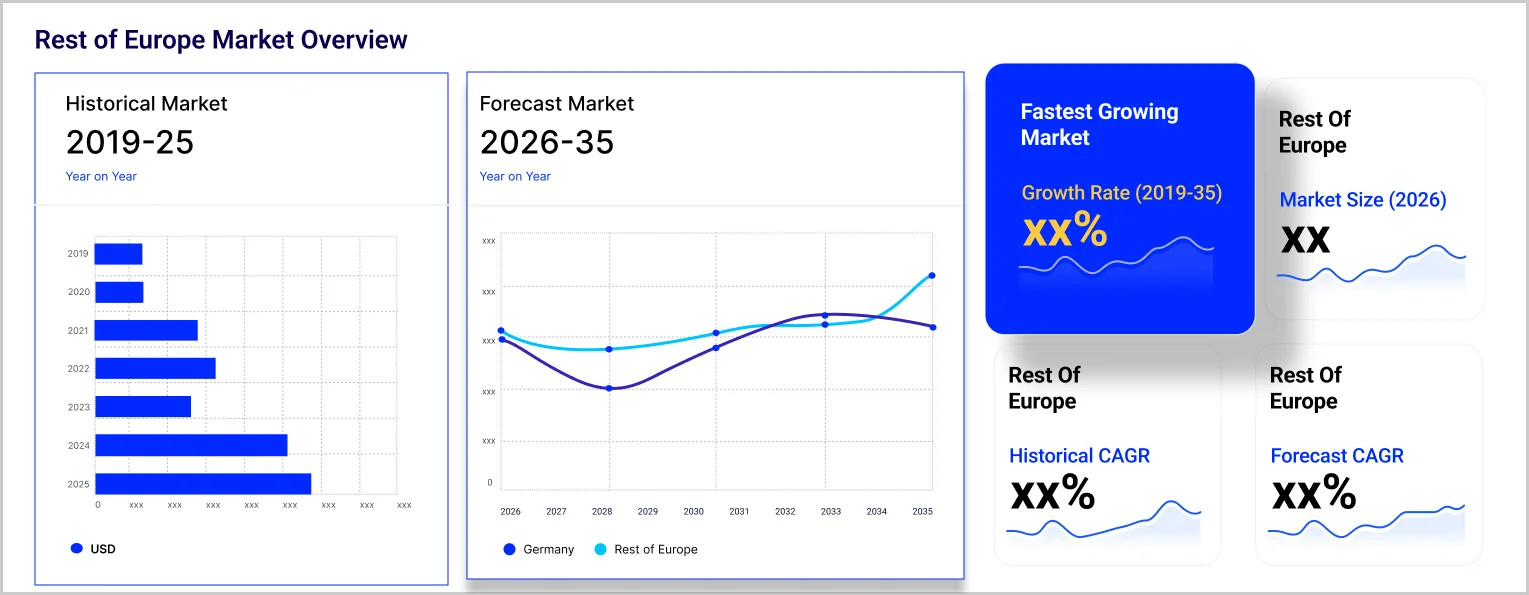
The Europe lighting management system market is projected to grow at a CAGR of 13.90% between 2026 and 2035. The growing net electricity generation aids the market expansion.
Compound Annual Growth Rate
13.9%
2026-2035
Read more about this report - REQUEST FREE SAMPLE COPY IN PDF
In 2021, the total net electricity generation within the European Union reached 2,785 TWh, a figure comparable to that of 2020. Timera projected that electricity demand in Europe may increase by 25-50% by 2035 from current levels, with the possibility of doubling by 2050. Various scenarios developed by the UK's National Grid ESO and the Climate Change Committee suggest that electricity demand in the UK could rise between 19% and 61% by 2035, and could be 52% to 144% higher than current levels by 2050.
This trend underscores the growing necessity for efficient lighting management across Europe. As electricity demand escalates, the imperative to manage and curtail energy consumption across multiple sectors becomes more pronounced. Lighting management systems facilitate this process by optimising lighting usage, minimising waste, and ensuring that lights are activated only when necessary.
European Union member states are mandated to achieve cumulative end-use energy savings from 2021 to 2030. This entails attaining new annual savings of no less than 0.8% of final energy consumption during the years 2021 to 2023, at least 1.3% for the years 2024 to 2025, 1.5% for 2026 to 2027, and 1.9% for the period from 2028 to 2030. In response to increasing electricity demand and environmental challenges, governments and regulatory authorities are enforcing more stringent energy efficiency standards and regulations. Lighting management systems play a crucial role in complying with these regulations by offering efficient and controlled lighting solutions.
Signify expanded its Philips Hue connected-lighting ecosystem in September 2026 with new software capabilities, including Custom AI Behaviors for the Hue Bridge Pro. The feature allows users to describe desired lighting routines in natural language, after which the system creates personalised automation using triggers, conditions and lighting actions. Signify also introduced Screen Sync functionality and expanded integrations with entertainment systems and compatible Nanoleaf products. The developments strengthen the software and automation layer of connected lighting, demonstrating how AI, sensors, voice interfaces and interoperability are increasingly being incorporated into lighting-management systems across European smart-home environments.
TRILUX opened new Light Studios in London and Madrid in June 2026, providing dedicated environments where customers can experience and configure lighting solutions. The facilities feature immersive lighting installations and allow customers to develop application-specific concepts with TRILUX teams. The initiative supports the company's broader smart-lighting strategy by demonstrating connected lighting, lighting scenes and user-oriented controls in practical environments. TRILUX has increasingly positioned lighting management alongside connectivity, energy efficiency and building automation, reflecting growing demand for systems that can be configured according to different commercial and workplace requirements.
Helvar and Solar Danmark established a strategic partnership in May 2026 to expand access to intelligent lighting-control solutions in Denmark. The agreement combines Helvar's lighting-control technologies with Solar Danmark's distribution network and logistics capabilities. The partners are targeting commercial, educational and healthcare facilities, where connected lighting can support energy-saving objectives and building-management requirements. Helvar's portfolio includes wired, wireless and hybrid control systems, along with sensing and digital services. The partnership strengthens the regional distribution of intelligent lighting-management technologies as European buildings increasingly incorporate networked controls into renovation and energy-efficiency projects.
TRILUX presented its new IntuSens PIR sensor portfolio and LiveLink Bluetooth NLC Gateway at Light + Building 2026 in Frankfurt in March 2026. The IntuSens sensors are designed to support automated lighting based on occupancy and presence, while the LiveLink gateway enables wired DALI networks and wireless radio networks to operate together in a hybrid system. TRILUX also introduced an interface for integration with existing KNX and BACnet building-management systems. These developments address the challenge of heterogeneous building infrastructure and support the integration of lighting management with wider smart-building automation.
Lighting management is increasingly being integrated with broader building automation rather than operating as a standalone system. The new Energy Performance of Buildings Directive of the EU mandates the need for automated and controlled buildings in non-residential structures, whereas the Smart Readiness Indicator of the European Commission assesses lighting in connection with heating, ventilation, cooling, electrical consumption, EV charging, and control and monitoring. The Commission further considers smart technology to be significant for improving the building's performance and reacting to its occupants' needs as well as to the conditions of the energy grid. This is encouraging demand for lighting-control platforms that can communicate with other building systems through common networks and automation protocols. Consequently, commercial buildings, offices, hospitals, hotels and educational facilities are increasingly considering lighting controls as part of wider building-management and energy-management infrastructure rather than as an isolated electrical installation.
The concept of occupancy sensing and detection has become increasingly significant in European lighting management systems owing to the reluctance of building owners to light rooms that are not occupied. Modern technology has made it possible for lighting systems to integrate occupancy sensors, daylight detectors and programmed schedules to automatically control lighting depending on the use of rooms. In particular, the European Commission's energy efficiency framework mentions sensors that enable adaptation of product performance instead of running constantly at their highest capacity. This approach is particularly relevant to offices, warehouses, schools, retail premises and other buildings with variable occupancy. The development of connected sensors is also supporting more granular lighting management, enabling individual rooms or zones to respond differently according to occupancy. As European building renovations increasingly incorporate digital controls, sensor-based lighting is becoming an important component of energy-efficiency upgrades alongside LED replacement and broader building automation.
IoT connectivity has extended the capabilities of lighting management systems in Europe with the ability to perform remote monitoring, controlling, and interaction between the device and other connected devices. Eurostat revealed that 70.9% of individuals in the EU have used internet-connected devices in 2024 and that 14.2% have used internet-connected home energy management systems. Further, 15% of internet users in the EU have used smart meters to measure gas, electricity, and smart lights for energy management. These figures indicate a growing consumer and building ecosystem for connected energy-management technologies. Lighting systems can use wireless connectivity, sensors and cloud-based platforms to provide remote configuration, energy monitoring and automated scenes. This is creating opportunities for lighting-management suppliers to move beyond simple switching and dimming toward connected platforms that provide operational data and integrate lighting with wider smart-building or smart-home ecosystems.
Energy measurement and optimisation are becoming increasingly important features within lighting-management platforms. In 2025, 30% of EU businesses used ICT systems or solutions to reduce energy consumption or materials used, according to Eurostat. The European Commission also identifies remote monitoring and control systems as examples of ICT solutions that can optimise energy consumption, including lighting. This is encouraging lighting-management suppliers to incorporate energy-monitoring capabilities that allow facility managers to track consumption by building, floor, zone or lighting installation. Such capabilities can support maintenance planning and identify areas where operating schedules or lighting levels can be adjusted. The trend is particularly relevant as European businesses face increasing pressure to reduce operating costs and improve building energy performance, while digital monitoring provides measurable information that can support energy-management programmes and renovation decisions.
Building renovation in Europe provides opportunities for lighting management systems, especially when LED installation is combined with advanced control technology. The new EPBD policy document aims at boosting building renovation and enhancing energy performance of Europe's buildings, whereas the European Commission claims that 75 percent of buildings in the EU have low energy performance. Advanced lighting control systems can contribute to the process of building renovation in Europe through the ability to make LED installations operate in response to occupancy, daylight and schedules instead of mere replacement of traditional lighting sources with LED bulbs. In terms of overall energy efficiency goals in the EU, the objective is to decrease energy consumption by 11.7 percent by 2030, increasing the importance of technologies that deliver measurable reductions in building energy use. As renovation projects increasingly incorporate digital building technologies, lighting-management systems are positioned as an accessible route to improving operational efficiency without requiring complete replacement of other building infrastructure.
Read more about this report - REQUEST FREE SAMPLE COPY IN PDF
The increasing trend of urbanisation and infrastructure development is significantly driving the demand for lighting management systems. As more people migrate to urban areas in search of better opportunities, cities are expanding rapidly, leading to a greater need for efficient and effective lighting solutions. This urban growth necessitates the development of new infrastructure, including roads, public spaces, and buildings, all of which require adequate lighting to ensure safety, enhance aesthetics, and improve the overall quality of life for residents. Continuous infrastructure development and modernisation efforts in Europe necessitate the deployment of advanced lighting management systems to optimise energy efficiency and operational effectiveness.
Europe Lighting Management Market System Report and Forecast 2026-2035 offers a detailed analysis of the market based on the following segments:
Market Breakup by Connectivity Type
Market Breakup by Type
Market Breakup by Function
Market Breakup by Application
Market Breakup by Country
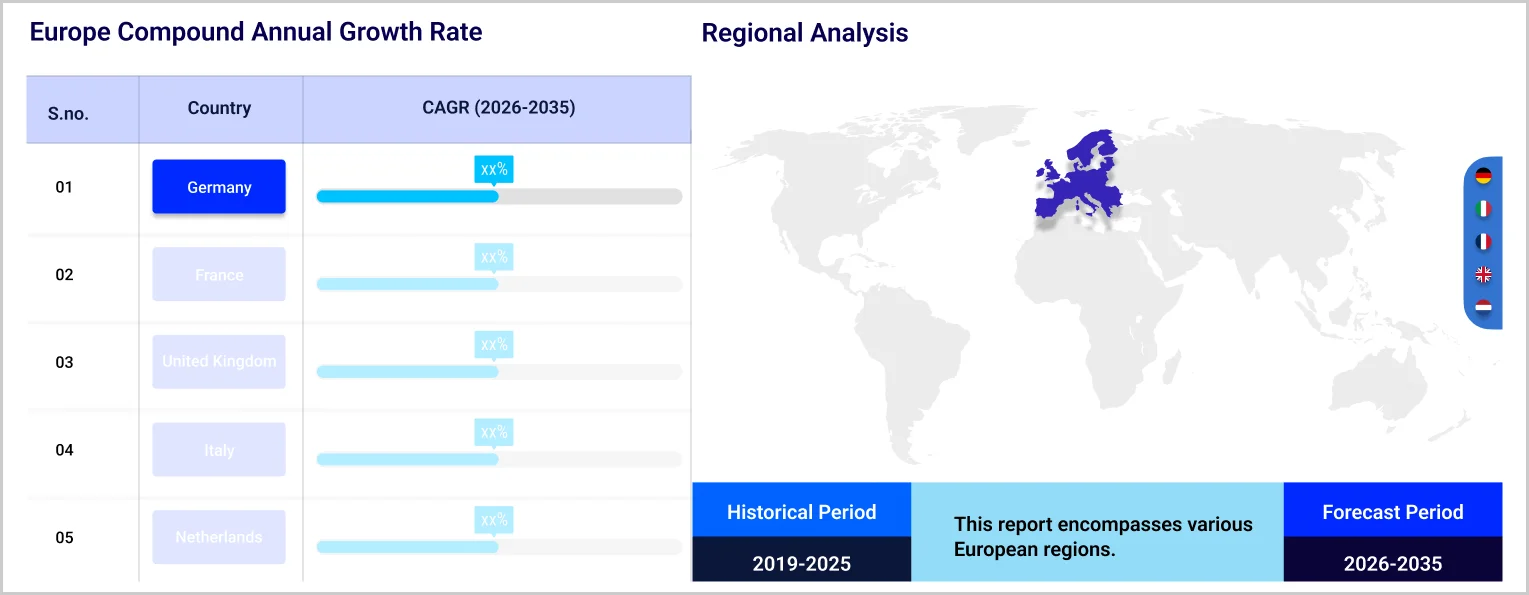
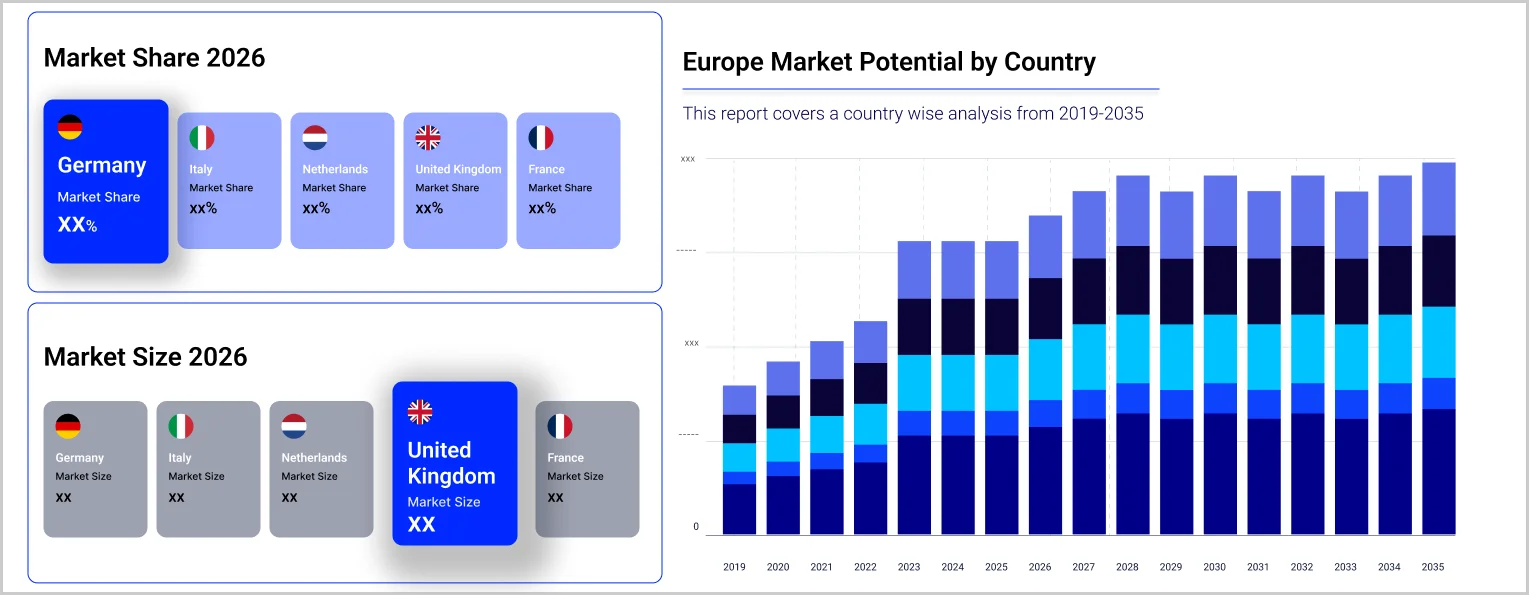
Based on the country, the market is segmented into Germany, France, Italy, and the United Kingdom. The United Kingdom is projected to grow at a CAGR of 15.8% during the forecast period of 2026-2035. The United Kingdom is experiencing elevated energy expenses, and lighting management systems assist both businesses and residences in minimising their energy usage through the optimisation of lighting practices. Implementing systems equipped with functionalities like dimming controls, occupancy sensors, and scheduling can lead to substantial reductions in electricity costs.

Read more about this report - REQUEST FREE SAMPLE COPY IN PDF
Major players are focusing on technological advancements to gain a competitive edge in the market.
The comprehensive report looks into the macro and micro aspects of the market. The EMR report gives an in-depth insight into the market by providing a SWOT analysis as well as an analysis of Porter’s Five Forces model.


Upto 15% Off
USD
$2499 $2249
$3999 $3599
$4999 $4249
$5999 $5099


*While we strive to always give you current and accurate information, the numbers depicted on the website are indicative and may differ from the actual numbers in the main report. At Expert Market Research, we aim to bring you the latest insights and trends in the market. Using our analyses and forecasts, stakeholders can understand the market dynamics, navigate challenges, and capitalize on opportunities to make data-driven strategic decisions.*
The market is assessed to grow at a CAGR of 13.90% between 2026 and 2035.
The market is being driven by swift urbanisation, rising demand for electricity, and rapid industrialisation.
The key trends aiding the market expansion include rising sustainability and environmental concerns and the adoption of technological advancements in the market.
The major connectivity types in the market are wired and wireless.
The major applications are residential/home automation, commercial, and industrial.
The major countries considered in the market are Germany, France, Italy, and the United Kingdom.
The major players in the market are Trilux GmbH & Co. KG, Zumtobel Group AG, Opple Lighting Co., Ltd., Casambi Technologies Oy, Glamox AS, Osram Licht AG, Signify N.V., Honeywell International Inc., NVC Lighting Technology Corporation, and Legrand SA, among others.
Explore our key highlights of the report and gain a concise overview of key findings, trends, and actionable insights that will empower your strategic decisions.
| REPORT FEATURES | DETAILS |
| Base Year | 2025 |
| Historical Period | 2019-2025 |
| Forecast Period | 2026-2035 |
| Scope of the Report |
Historical and Forecast Trends, Industry Drivers and Constraints, Historical and Forecast Market Analysis by Segment
|
| Breakup by Connectivity Type |
|
| Breakup by Type |
|
| Breakup by Function |
|
| Breakup by Application |
|
| Breakup by Region |
|
| Market Dynamics |
|
| Competitive Landscape |
|
| Companies Covered |
|
Datasheet
One User
USD 2,499
USD 2,249
tax inclusive*
Single User License
One User
USD 3,999
USD 3,599
tax inclusive*
Five User License
Five User
USD 4,999
USD 4,249
tax inclusive*
Corporate License
Unlimited Users
USD 5,999
USD 5,099
tax inclusive*
*Please note that the prices mentioned below are starting prices for each bundle type. Kindly contact our team for further details.*
Flash Bundle
Small Business Bundle
Growth Bundle
Enterprise Bundle
*Please note that the prices mentioned below are starting prices for each bundle type. Kindly contact our team for further details.*
Flash Bundle
Number of Reports: 3
20%
tax inclusive*
Small Business Bundle
Number of Reports: 5
25%
tax inclusive*
Growth Bundle
Number of Reports: 8
30%
tax inclusive*
Enterprise Bundle
Number of Reports: 10
35%
tax inclusive*
How To Order

Select License Type
Choose the right license for your needs and access rights.

Click on ‘Buy Now’
Add the report to your cart with one click and proceed to register.

Select Mode of Payment
Choose a payment option for a secure checkout. You will be redirected accordingly.
Strategic Solutions for Informed Decision-Making
Gain insights to stay ahead and seize opportunities.

Get insights & trends for a competitive edge.

Track prices with detailed trend reports.

Analyse trade data for supply chain insights.

Leverage cost reports for smart savings

Enhance supply chain with partnerships.

Connect For More Information
Our expert team of analysts will offer full support and resolve any queries regarding the report, before and after the purchase.
Our expert team of analysts will offer full support and resolve any queries regarding the report, before and after the purchase.
We employ meticulous research methods, blending advanced analytics and expert insights to deliver accurate, actionable industry intelligence, staying ahead of competitors.
Our skilled analysts offer unparalleled competitive advantage with detailed insights on current and emerging markets, ensuring your strategic edge.
We offer an in-depth yet simplified presentation of industry insights and analysis to meet your specific requirements effectively.




