

Consumer Insights
Uncover trends and behaviors shaping consumer choices today
Procurement Insights
Optimize your sourcing strategy with key market data
Industry Stats
Stay ahead with the latest trends and market analysis.
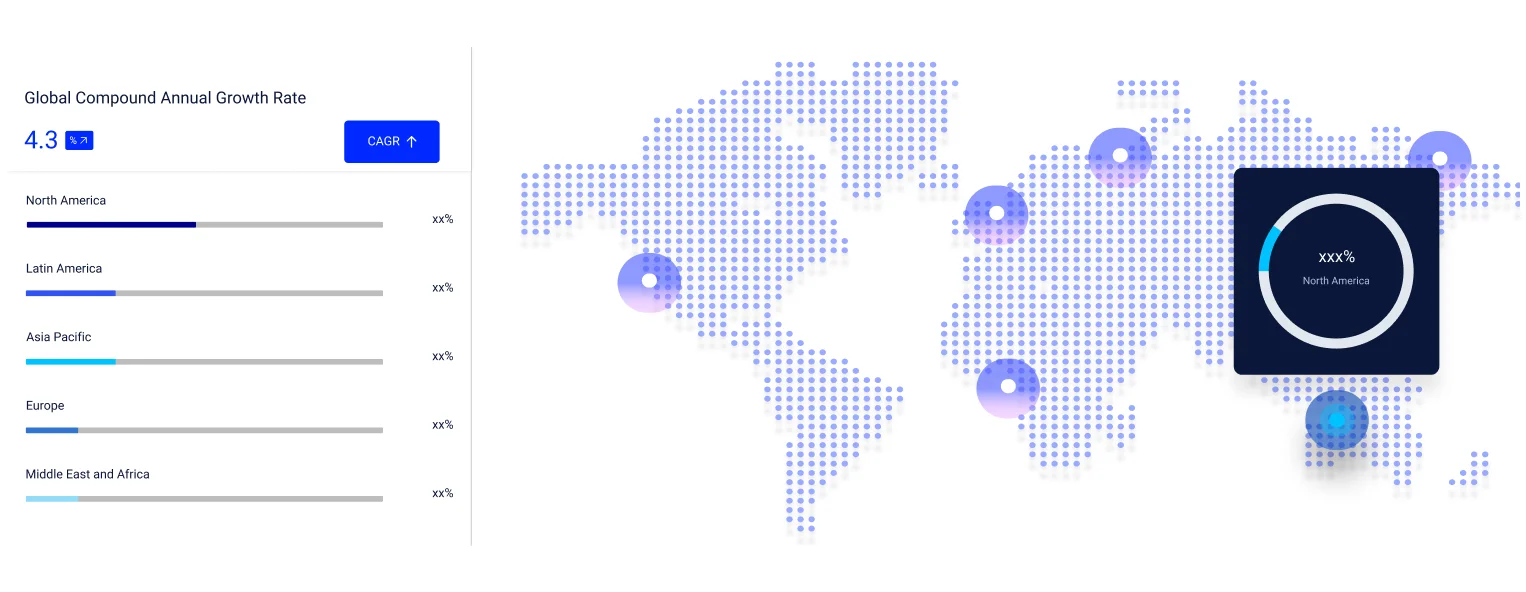
The global food sterilization equipment market attained a value of USD 857.46 Million in 2025 and is projected to expand at a CAGR of 6.10% through 2035. The market is further expected to achieve USD 1550.13 Million by 2035. Stringent government food safety regulations, rising consumer awareness of foodborne illness, and growing demand for shelf-stable packaged foods continue to support demand for sterilization equipment across meat, dairy, produce, and beverage processing.
Stringent government food safety regulations continue to anchor steady demand across the food sterilization equipment market, as processors across meat, dairy, and beverage categories invest in equipment that satisfies tightening microbial safety standards. Manufacturers are also investing in energy-efficient continuous sterilization technology, reflecting the industry's ongoing pursuit of faster processing cycles without compromising food safety or nutritional quality.
The food sterilization equipment market is witnessing further developments as established manufacturers pursue strategic partnerships to expand aseptic processing capabilities. JBT Marel and Aurum Process Technology announced an exclusive cooperation integrating Aurum's aseptic processing and flexible packaging expertise into JBT Marel's global portfolio in May 2026, with a specific focus on ready meal and premium wet pet food applications. This shift toward capability-expanding partnerships is concentrated among manufacturers with sufficient scale to integrate specialised technology into existing product lines, while smaller specialists continue to compete on niche single-technology applications.
In addition, established manufacturers are increasingly consolidating through mergers to build end-to-end processing portfolios, reflecting the industry's recognition that customers increasingly prefer single-vendor solutions spanning multiple processing stages. Such consolidation activity is reshaping competitive positioning across the wider food sterilization equipment market as manufacturers with combined equipment and packaging capabilities increasingly differentiate themselves from competitors offering standalone sterilization technology alone. Bühler Group acquired German plant engineering firm endeco effective January 2026, extending its process expertise from pilot-scale to industrial-scale protein and food production.
Compound Annual Growth Rate
6.1%
Value in USD Million
2026-2035
Read more about this report - Request a Free Sample
Hisaka Works detailed its ongoing shift toward automated loading and unloading for retort sterilization systems, addressing food manufacturers' demand for safer working environments and reduced reliance on manual labour in high-heat processing areas. Companies can extend automation technology originally developed for one processing stage into adjacent applications, such as pharmaceutical sterilization, to unlock additional revenue streams.
JBT Marel announced an exclusive cooperation with Aurum Process Technology, integrating Aurum's aseptic processing and flexible packaging expertise into JBT Marel's global portfolio for ready meal and premium pet food applications specifically. Companies can pursue specialised technology partnerships to expand aseptic processing capabilities considerably faster than internal research and development alone would realistically allow.
De Lama formalised a partnership with PSC Biotech to distribute its sterilization, washing, and decontamination systems across the United States, Canada, Singapore, and Australia, expanding its reach across the pharmaceutical and biopharmaceutical sectors. Companies can pursue distribution partnerships with established regional players to expand market reach without building out direct sales infrastructure in each new territory.
JBT Marel completed a renovation of its Customer Innovation Centre in Lakeland, Florida, enhancing demonstration and prototyping capabilities for joint development projects with existing and prospective customers alike. Companies can invest in dedicated innovation centres to shorten sales cycles for complex automation and equipment upgrade decisions requiring extensive hands-on customer evaluation and testing.
Established manufacturers continue to pursue strategic partnerships to expand aseptic processing capabilities beyond what internal development alone could achieve. In May 2026, JBT Marel announced an exclusive cooperation with Aurum Process Technology, integrating the specialist's aseptic processing and flexible packaging expertise into its global portfolio across the food sterilization equipment market, with a specific focus on ready meal and premium pet food applications. Such partnership activity reflects manufacturers' recognition that customer demand for shelf-stable convenience foods is rising across multiple categories simultaneously, requiring capabilities that few single companies possess entirely in-house.
Manufacturers continue to showcase combined equipment and packaging portfolios at major trade exhibitions following recent industry consolidation. In May 2026, JBT Marel marked its first major industry exhibition following the completion of its merger, showcasing an end-to-end portfolio spanning processing, packaging, and automation to customers attending from across the seafood sector. Such post-merger exhibition activity reflects manufacturers' recognition that customers who previously purchased from separate legacy entities need direct introduction to newly combined capabilities.
Manufacturers continue to balance shareholder capital return programmes with continued investment in growth and partnership activity. In May 2026, JBT Marel's board declared a quarterly dividend and authorised a substantial share repurchase programme, signalling confidence in its post-merger financial position while simultaneously pursuing new technology partnerships. Such balanced capital allocation reflects manufacturers' recognition that sustained shareholder confidence and continued growth investment need not be mutually exclusive priorities.
Manufacturers continue to expand dedicated customer innovation facilities to support joint development projects and accelerate complex equipment evaluation processes. In April 2026, JBT Marel completed a renovation of its innovation centre, enhancing demonstration and prototyping capabilities for customers evaluating automation and equipment upgrades. Such facility investment reflects manufacturers' recognition that lengthy evaluation cycles for complex processing equipment can be meaningfully shortened through dedicated, hands-on customer collaboration spaces.
Diversified process equipment groups continue to apply engineering research developed across their broader technology portfolios to increasingly sophisticated sterilization equipment development. Established multi-segment processing equipment providers continue to develop sterilization systems drawing on broader thermal, fluid dynamics, and packaging engineering research spanning multiple food categories beyond sterilization alone. Such cross-portfolio research investment gives diversified equipment groups a technical foundation that narrower sterilization-only specialists must build through more limited, application-specific development.
This Expert Market Research Report titled "Food Sterilization Equipment Market Report and Forecast 2026-2035" offers a detailed analysis of the market based on the following segments:
Market Breakup by Process
Key Insight: Batch Sterilization accounts for the largest share of the food sterilization equipment market, reflecting lower equipment costs, simpler manual control, and reduced contamination risk that particularly suits low-acid foods such as vegetables. In May 2026, JBT Marel partnered with Aurum Process Technology to expand aseptic processing capabilities, illustrating continued investment in processing technology spanning both dominant and fast-growing process types. Continuous Sterilization is growing at the fastest pace as processors increasingly favour shorter heating and cooling cycles for liquid foods, soups, and ready-to-eat meals requiring high processing uniformity.
Market Breakup by Technology
Key Insight: Heat technology accounts for the largest share of the food sterilization equipment market, reflecting its effectiveness at eradicating microorganisms while preserving food quality across high-moisture products at comparatively lower capital investment. Steam technology continues to serve substantial demand as a closely related thermal method offering rapid, uniform heat transfer. Radiation, Chemical, and Filtration technologies each continue to serve distinct non-thermal sterilization requirements, with other technologies rounding out the remaining category.
Market Breakup by Application
Key Insight: Spices, Seasonings, and Herbs account for the largest share of the food sterilization equipment market, reflecting the category's particular vulnerability to microbial contamination given its typically minimal downstream cooking. In August 2026, Lidl recalled a spice mix product across ten US states after routine testing identified potential Salmonella contamination. Meat, Poultry, and Seafood applications continue to represent substantial demand given stringent pathogen-control regulations across animal protein processing. Dairy Products, Fruits and Vegetables, Juices and Beverages, and Grains each continue to serve distinct shelf-life and safety requirements, with other applications rounding out the remaining category.
Market Breakup by Region
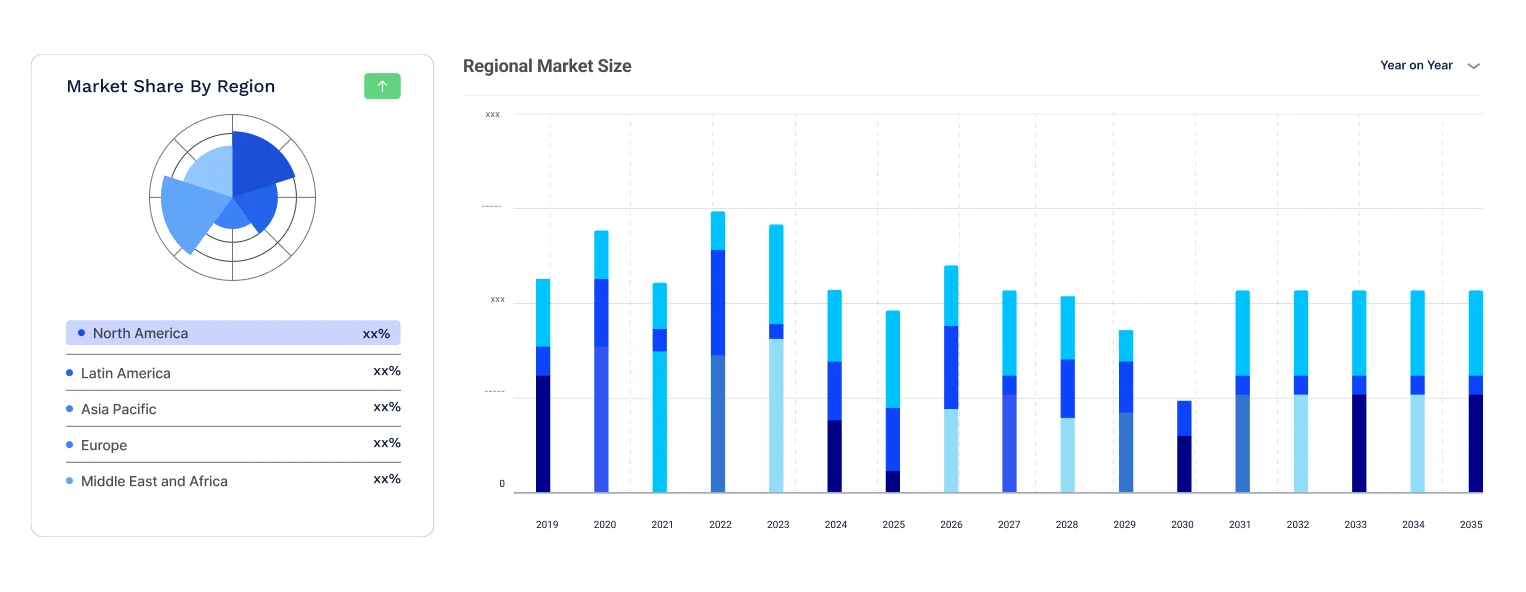
Key Insight: Asia Pacific accounts for the largest share of the food sterilization equipment market, supported by the region's expansive food processing base and rapidly growing packaged food consumption. North America is emerging as a key growth market as stringent food safety regulations and rising consumer awareness of foodborne illness continue to drive equipment upgrades. Europe, Latin America, and the Middle East and Africa each continue to serve distinct regional food safety and processing modernisation patterns.
By process, batch leads the market while continuous grows fastest given shorter processing cycles
Batch Sterilization continues to account for the largest share of the market, reflecting lower equipment costs and simpler manual control that particularly suits low-acid foods such as vegetables and melons. Established batch sterilization relationships continue to anchor steady demand as smaller processors maintain proven, cost-effective equipment across successive production cycles.
Continuous Sterilization is growing at the fastest pace across the food sterilization equipment market as processors increasingly favour shorter heating and cooling cycles that reduce both processing time and operational expense for liquid and ready-to-eat food categories. In January 2026, Surdry published technical research on loading pattern configurations and their effect on heating uniformity within continuous sterilization systems.
By application, spices and herbs lead the market while meat and seafood grows fastest given pathogen-control regulation
Spices, Seasonings, and Herbs continue to account for the largest share of the market, reflecting the category's particular vulnerability to microbial contamination given minimal downstream cooking before consumption. Established spice sterilization relationships continue to anchor steady demand as processors maintain long-term supply agreements with major spice producers.
Meat, Poultry, and Seafood applications are growing at a fast pace across the food sterilization equipment market as stringent pathogen-control regulations across animal protein processing continue to drive sustained equipment investment among major processors. In April 2026, Japanese seafood exporters increased deployment of ozone-UV hybrid disinfection systems in sushi and seafood processing plants to strengthen export compliance.
Read more about this report - Request a Free Sample
Asia Pacific commands the largest share of the market through its expansive food processing base
Asia Pacific holds the largest share of the food sterilization equipment market, anchored by a sprawling food processing base and packaged food consumption that keeps climbing across the region's major economies. Regional processors continue to invest in modernised sterilization infrastructure to meet both domestic consumption growth and expanding export volumes to international markets.
North America is emerging as a key growth market as stringent food safety regulations and rising consumer awareness of foodborne illness continue to drive equipment upgrades. In April 2026, Allpax introduced a new waste-steam recovery system for retorts, designed to lower energy costs and reduce water consumption for both new installations and retrofits.
The global industry is moderately consolidated, with food sterilization equipment market companies ranging from diversified food processing technology groups spanning multiple equipment categories to specialist sterilization equipment manufacturers competing across process, technology, and application segments. Established players operate across the full sterilization equipment value chain, from thermal and non-thermal technology development through complete system integration and packaging solutions for food processors.
Competitive dynamics among food sterilization equipment players are increasingly shaped by the pace of capability-expanding technology partnerships, the scale of post-merger portfolio integration, and the race to offer end-to-end processing solutions spanning multiple production stages. Manufacturers are investing in aseptic processing technology, continuous sterilization efficiency, and dedicated customer innovation facilities to differentiate their offering and secure long-term processor relationships.
Founded in 1884 and headquartered in Chicago, Illinois, United States, JBT Corporation supplies sterilization and broader food processing equipment as part of its portfolio spanning proteins, liquid foods, and automated guided vehicles. In May 2026, the company, operating as JBT Marel following its merger, partnered with Aurum Process Technology to expand aseptic processing capabilities for ready meal and pet food applications. JBT Marel's combined post-merger portfolio gives it end-to-end processing breadth that narrower sterilization-only specialists typically cannot match.
Founded in 1860 and headquartered in Uzwil, Switzerland, Bühler AG supplies food sterilization and processing solutions as part of a broader portfolio addressing global food and mobility needs, including advanced materials for energy-efficient buildings and vehicles. The company serves food processors seeking integrated solutions spanning multiple production stages beyond sterilization alone. Bühler's diversified technology base across food and materials engineering differentiates its offering from competitors focused solely on food equipment.
Founded in 1994 and headquartered in Linden, Germany, Systec GmbH & Co. KG supplies laboratory autoclaves, media preparators, and dispensing devices for liquid media and microbiological culture applications. The company serves laboratory, biotechnology, pharmaceutical, and food quality-control customers requiring precise, reproducible sterilization cycles. Systec's laboratory-grade engineering focus differentiates its offering from competitors building larger-scale industrial processing equipment.
Founded in 1987 and headquartered in Covington, Louisiana, United States, Allpax Products supplies retort sterilization systems for shelf-stable food and beverage processing, serving canning and pouch-packaging manufacturers. The company focuses specifically on batch retort technology for extended shelf-life products. Allpax's retort-specific engineering focus differentiates its offering from broader diversified equipment groups addressing multiple sterilization technologies simultaneously.
Other key players in the food sterilization equipment market include Cosmed Group, Steriflow SAS, De Lama SPA, Raphanel System, Surdry, S.L., and Hisaka Works, Limited, among others.
*Please note that this is only a partial list; the complete list of key players is available in the full report. Additionally, the list of key players can be customized to better suit your needs.*
Unlock the latest insights with our food sterilization equipment market trends 2026 report. Discover regional growth patterns, process and technology trends, and key industry players. Stay ahead of competition with trusted data and expert analysis. Download your free sample report today and drive informed decisions in the market.


Upto 15% Off
USD
$2499 $2249
$3999 $3599
$4999 $4249
$5999 $5099


*While we strive to always give you current and accurate information, the numbers depicted on the website are indicative and may differ from the actual numbers in the main report. At Expert Market Research, we aim to bring you the latest insights and trends in the market. Using our analyses and forecasts, stakeholders can understand the market dynamics, navigate challenges, and capitalize on opportunities to make data-driven strategic decisions.*
In 2025, the market reached an approximate value of USD 857.46 Million.
The market is projected to grow at a CAGR of 6.10% between 2026 and 2035.
The market is estimated to witness a healthy growth in the forecast period of 2026-2035 to reach USD 1550.13 Million by 2035.
Pursuing capability-expanding technology partnerships to add aseptic processing expertise, integrating post-merger equipment and packaging portfolios into unified end-to-end offerings, and investing in dedicated customer innovation facilities to shorten complex equipment evaluation cycles.
The key trends fuelling the growth of the market include rising demand from the canned food sector due to increased consumption of canned foods and increasing awareness about the sterilization requirements of high acid foods.
The major regions in the market are North America, Europe, the Asia Pacific, Latin America, and the Middle East and Africa.
The various technologies available in the market include heat, steam, radiation, chemical, and filtration, among others.
The key players in the market include JBT Corporation, Bühler AG, Cosmed Group, Steriflow SAS, De Lama SPA, Raphanel System, Surdry, S.L., Allpax Products LLC, Hisaka Works, Limited, and Systec GmbH & Co. KG, among others.
Manufacturers face high capital costs for advanced continuous sterilization systems, complex regulatory compliance requirements that vary significantly across regional export markets, and the technical difficulty of preserving nutritional quality during aggressive microbial elimination processes.
Explore our key highlights of the report and gain a concise overview of key findings, trends, and actionable insights that will empower your strategic decisions.
| REPORT FEATURES | DETAILS |
| Base Year | 2025 |
| Historical Period | 2019-2025 |
| Forecast Period | 2026-2035 |
| Scope of the Report |
Historical and Forecast Trends, Industry Drivers and Constraints, Historical and Forecast Market Analysis by Segment:
|
| Breakup by Process |
|
| Breakup by Technology |
|
| Breakup by Application |
|
| Breakup by Region |
|
| Market Dynamics |
|
| Competitive Landscape |
|
| Companies Covered |
|
Datasheet
One User
USD 2,499
USD 2,249
tax inclusive*
Single User License
One User
USD 3,999
USD 3,599
tax inclusive*
Five User License
Five User
USD 4,999
USD 4,249
tax inclusive*
Corporate License
Unlimited Users
USD 5,999
USD 5,099
tax inclusive*
*Please note that the prices mentioned below are starting prices for each bundle type. Kindly contact our team for further details.*
Flash Bundle
Small Business Bundle
Growth Bundle
Enterprise Bundle
*Please note that the prices mentioned below are starting prices for each bundle type. Kindly contact our team for further details.*
Flash Bundle
Number of Reports: 3
20%
tax inclusive*
Small Business Bundle
Number of Reports: 5
25%
tax inclusive*
Growth Bundle
Number of Reports: 8
30%
tax inclusive*
Enterprise Bundle
Number of Reports: 10
35%
tax inclusive*
How To Order

Select License Type
Choose the right license for your needs and access rights.

Click on ‘Buy Now’
Add the report to your cart with one click and proceed to register.

Select Mode of Payment
Choose a payment option for a secure checkout. You will be redirected accordingly.
Strategic Solutions for Informed Decision-Making
Gain insights to stay ahead and seize opportunities.

Get insights & trends for a competitive edge.

Track prices with detailed trend reports.

Analyse trade data for supply chain insights.

Leverage cost reports for smart savings

Enhance supply chain with partnerships.

Connect For More Information
Our expert team of analysts will offer full support and resolve any queries regarding the report, before and after the purchase.
Our expert team of analysts will offer full support and resolve any queries regarding the report, before and after the purchase.
We employ meticulous research methods, blending advanced analytics and expert insights to deliver accurate, actionable industry intelligence, staying ahead of competitors.
Our skilled analysts offer unparalleled competitive advantage with detailed insights on current and emerging markets, ensuring your strategic edge.
We offer an in-depth yet simplified presentation of industry insights and analysis to meet your specific requirements effectively.




